Từ quặng đến sản phẩm, có truy xuất nguồn gốc
Commodity Education
★
Commodity Education
Vật liệu Mỏ & mỏ quặng Chế biến & tinh luyện Các hành trình quyền sở hữu Các chuỗi cung ứng Công ty Quốc gia Tin tức
Vật liệu theo kệ Vật liệu pin Nguyên tố đất hiếm Đồng & Điện Vật liệu bán dẫn Vật liệu hạt nhân Hàng không vũ trụ & Quốc phòng Kim loại quý Thép & Kim loại hợp kim Khoáng vật công nghiệp Khoáng sản nông nghiệp Nguyên liệu thô năng lượng Các khoáng vật quặng Bảng tuần hoàn
Nhu cầu Các thị trường đầu ra Công nghệ Máy tính vật liệu Bản đồ Bộ lọc
Tìm hiểu & công cụ Tìm hiểuBảng thuật ngữ Courses Identify the Commodity Hỏi dữ liệuTác nhân AI Nghiên cứu & dữ liệuAPI ★ Đã lưu
Giới thiệu Về chúng tôiPhương pháp luận Nguồn dữ liệuLiên hệ Tuyên bố miễn trách nhiệm
Tùy chọn đọc
Chế độ xem có hướng dẫn Chưa quen với hàm lượng quặng, tinh quặng, tinh luyện và sản phẩm phụ? Chúng tôi giải thích từng thuật ngữ ngay khi bạn duyệt, bằng ngôn ngữ dễ hiểu. Cùng một dữ liệu, kèm theo phần hỗ trợ tích hợp sẵn.
Chế độ xem chuyên gia Bạn đã quen với ngành. Chỉ có dữ liệu: rõ ràng, nhanh và súc tích, không có giải thích thêm. Đây là chế độ xem mặc định.
Chủ đề
Ngôn ngữ giao diện
Độ sâu Các trang vật liệu được biên soạn ở bốn cấp độ. Chọn một cấp độ trên bất kỳ trang vật liệu nào và lựa chọn đó sẽ được ghi nhớ.
★ Đã lưu Nghiên cứu & dữ liệu
Standing tree to house frame

Chuỗi cung ứng

Standing tree to house frame

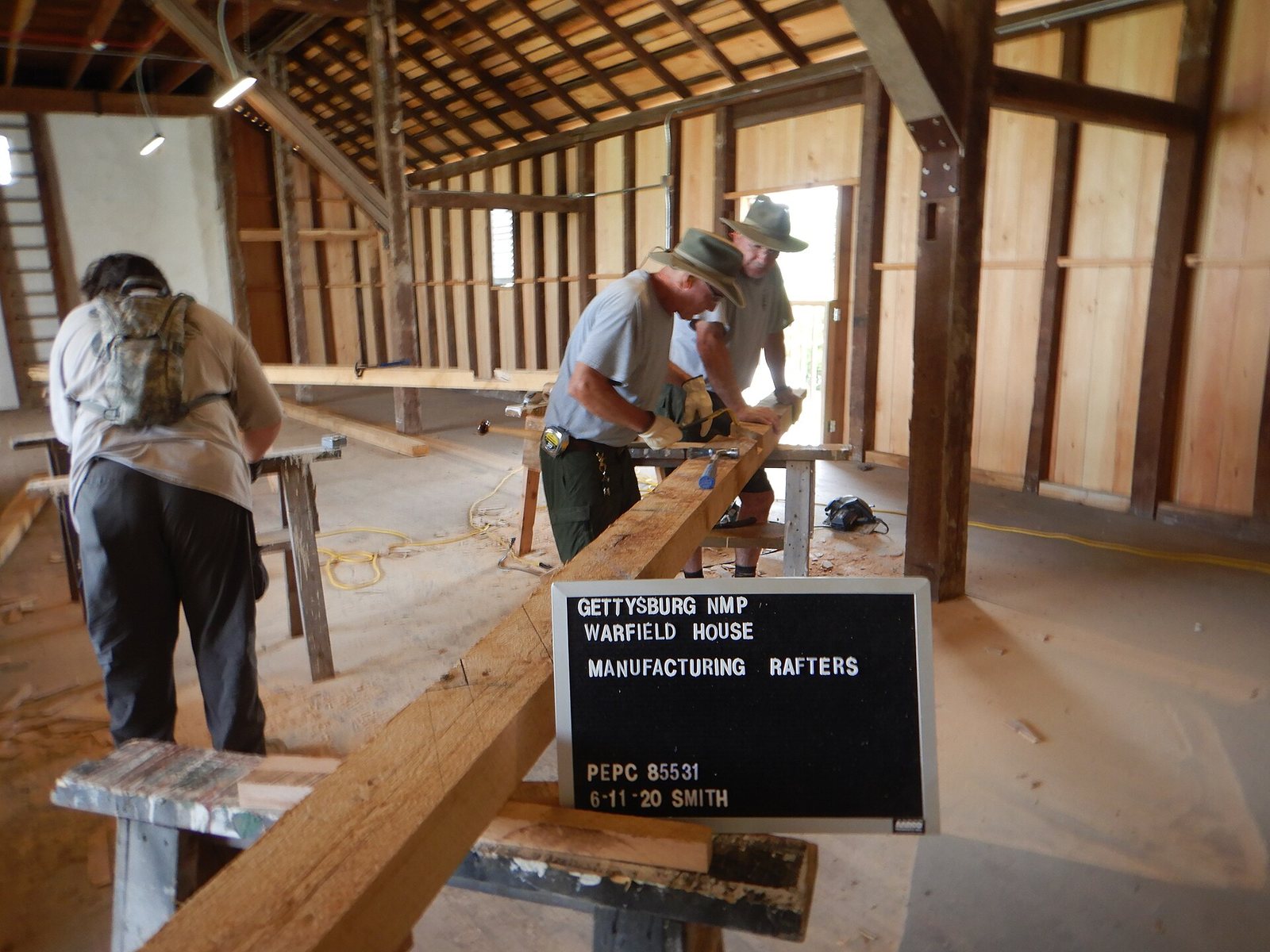
The stump-to-stud route that most of the world's homes are built through, and where the value is actually added.

NPS Preservationists are at work laying out the timber fram… · NPS Photo · Public domain · Wikimedia Commons

Phiên bản rút gọn

A softwood log is worth a few tens of dollars standing and a few hundred as graded, dried, stamped lumber. Almost all of that difference is created in two places - the saw line, which decides how much of the log becomes board, and the kiln and grader, which decide what the board may be sold as.

Mắt xích hẹp nhất. The constraint is sawmill and kiln capacity, not trees. A mill takes two to three years and a large capital commitment to build, so when housebuilding demand jumps the price rises instead of the volume. That is the mechanism behind every lumber price spike.

Từng giai đoạn một

01Raw material

Standing timber

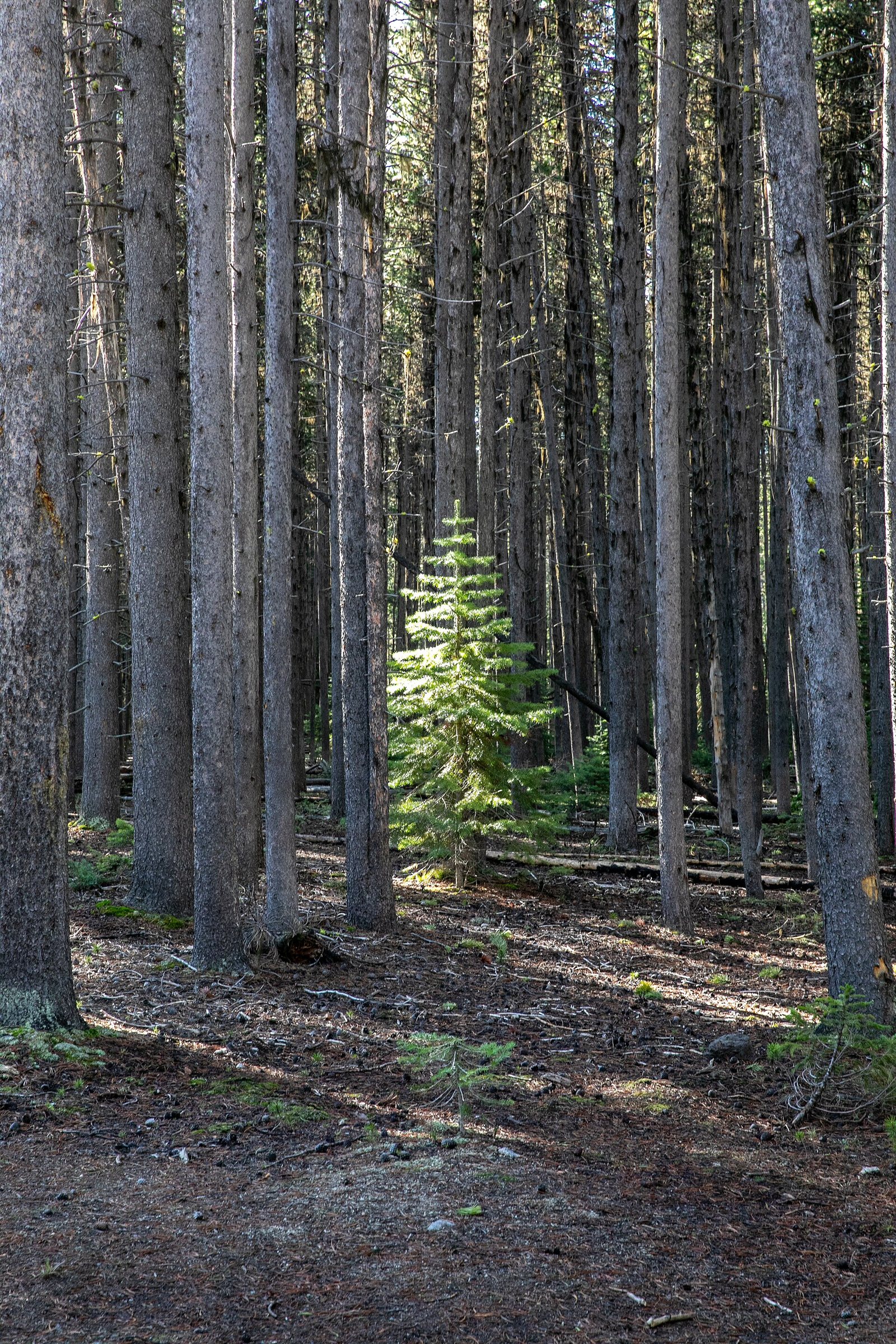
The tree is bought as stumpage - the right to cut - priced per thousand board feet at the stump, with the buyer paying to fell and haul. Volume is estimated by a log rule, and different rules give different answers for the same tree.
Standing Timber →

Standing Timber
Stand re-initiation of shade-tolerant spruce … · Public domain via Wikimedia Commons
02Raw material

Logs at the mill gate

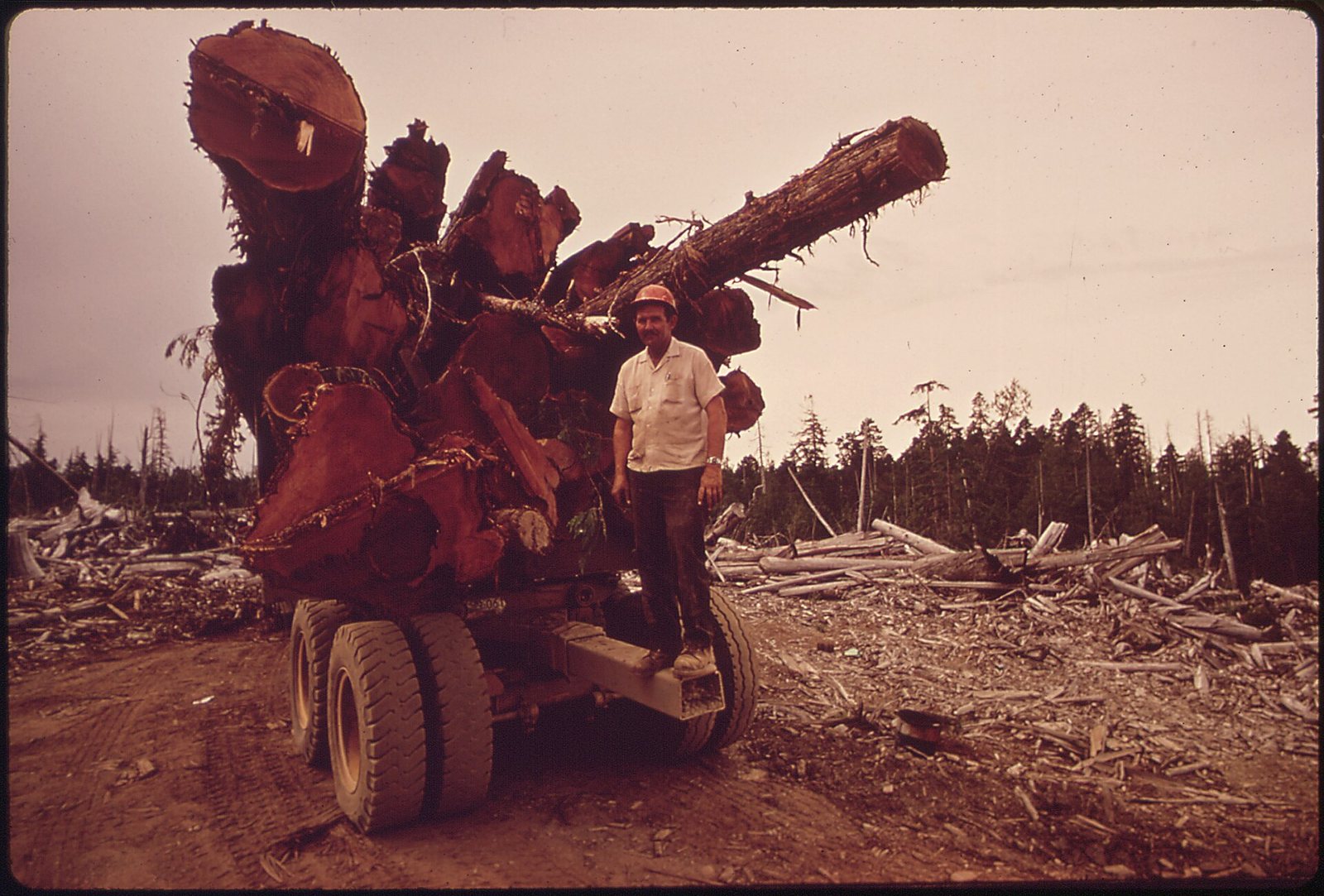
Felled, limbed and cut to length, then sorted by diameter and quality. Sawlogs go to the sawmill; anything too small or crooked is pulpwood and is worth roughly a third as much.

Lưu ý: Branches, tops and stumps are left in the forest.
Industrial Roundwood →

Industrial Roundwood
LOGGING TRUCK LOADED WITH CEDAR IN A CLEARCUT… · Public domain via Wikimedia Commons
03Processing

The saw line

The log is squared and broken down into boards on a pattern chosen to maximise value, not volume. Roughly half the solid wood in the log leaves as sawn lumber; the rest becomes chips, sawdust and bark, all of which are sold.

Lưu ý: About half the log volume leaves as residue rather than board.
Wood Pulp →

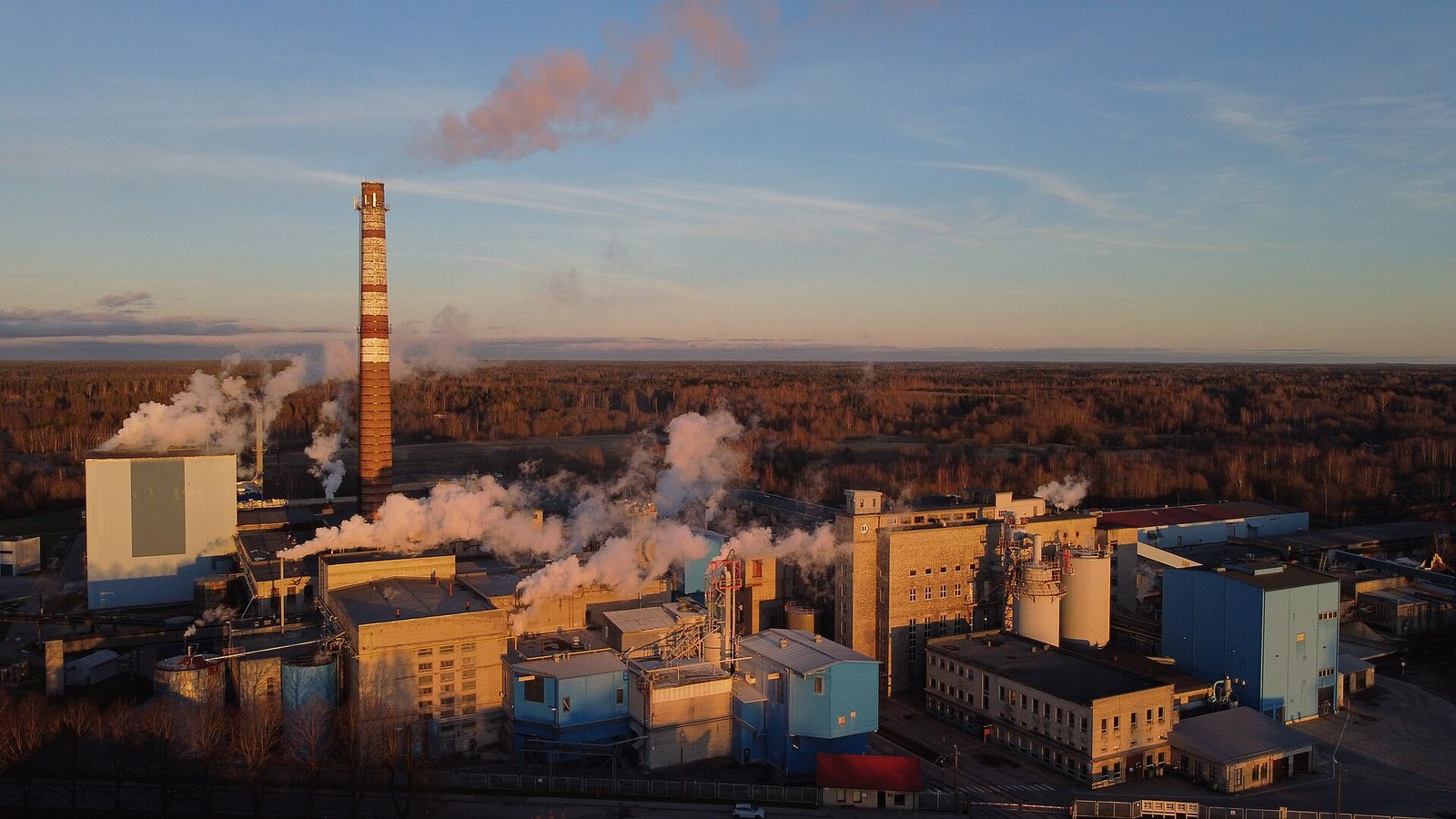
A pulp and paper mill at dusk, with steam rising from the plant
Kehra pulp and paper mill in Estonia (Novembe… · CC BY-SA 4.0 via Wikimedia Commons
04Refining

Kiln and grader

Drying to a specified moisture content stops the board moving and is what allows a standard size to mean anything. Then a grader assigns the stamp that sets the design values an engineer may assume - and therefore the price.
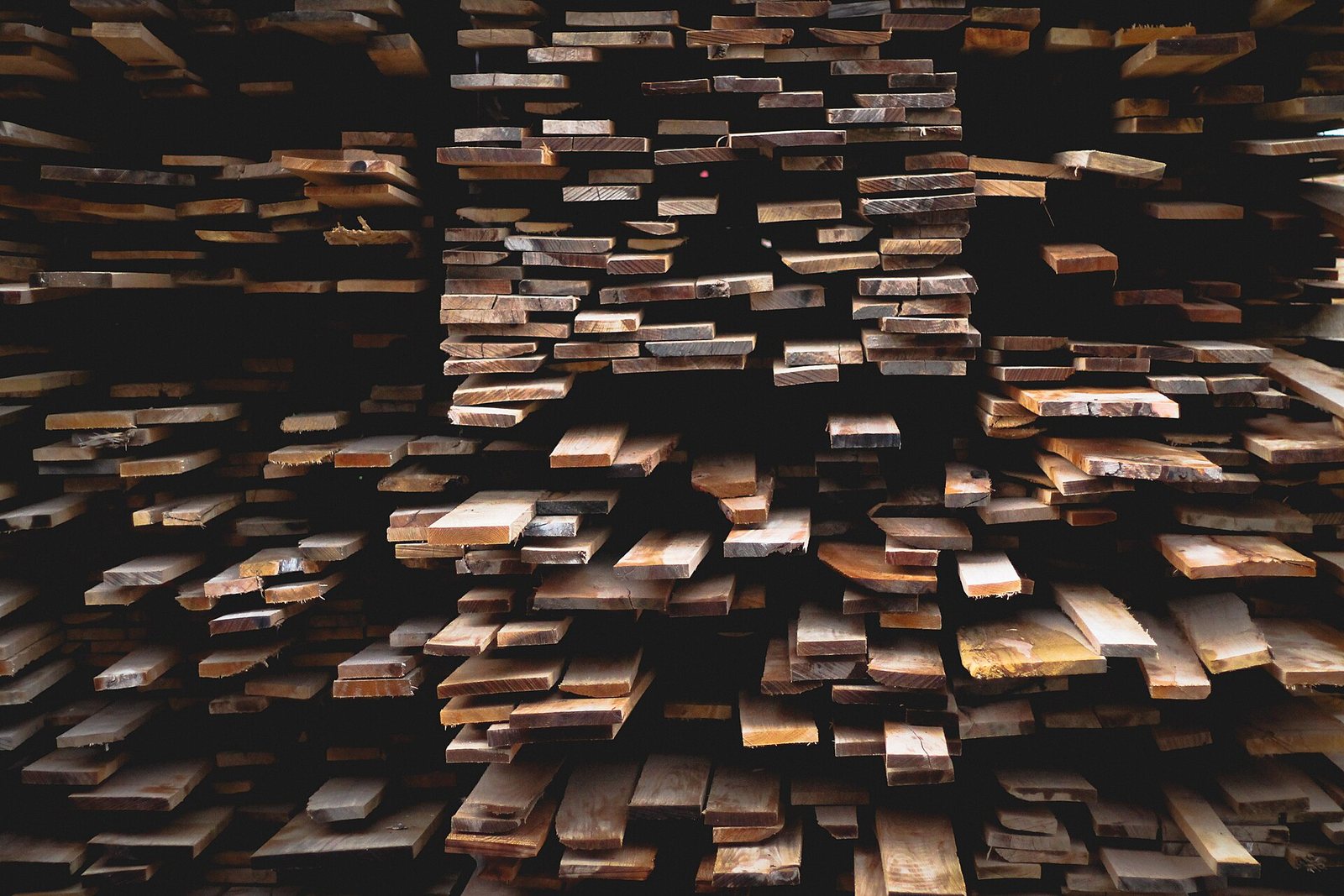
Softwood Lumber →

Sawn softwood planks stacked in a timber yard
Stacked wood planks (Unsplash) · CC0 via Wikimedia Commons
05Product

Framing lumber and panels

Sold as dimension lumber by species group and grade, alongside the sheathing panels made from the smaller trees and the residues of this same process.
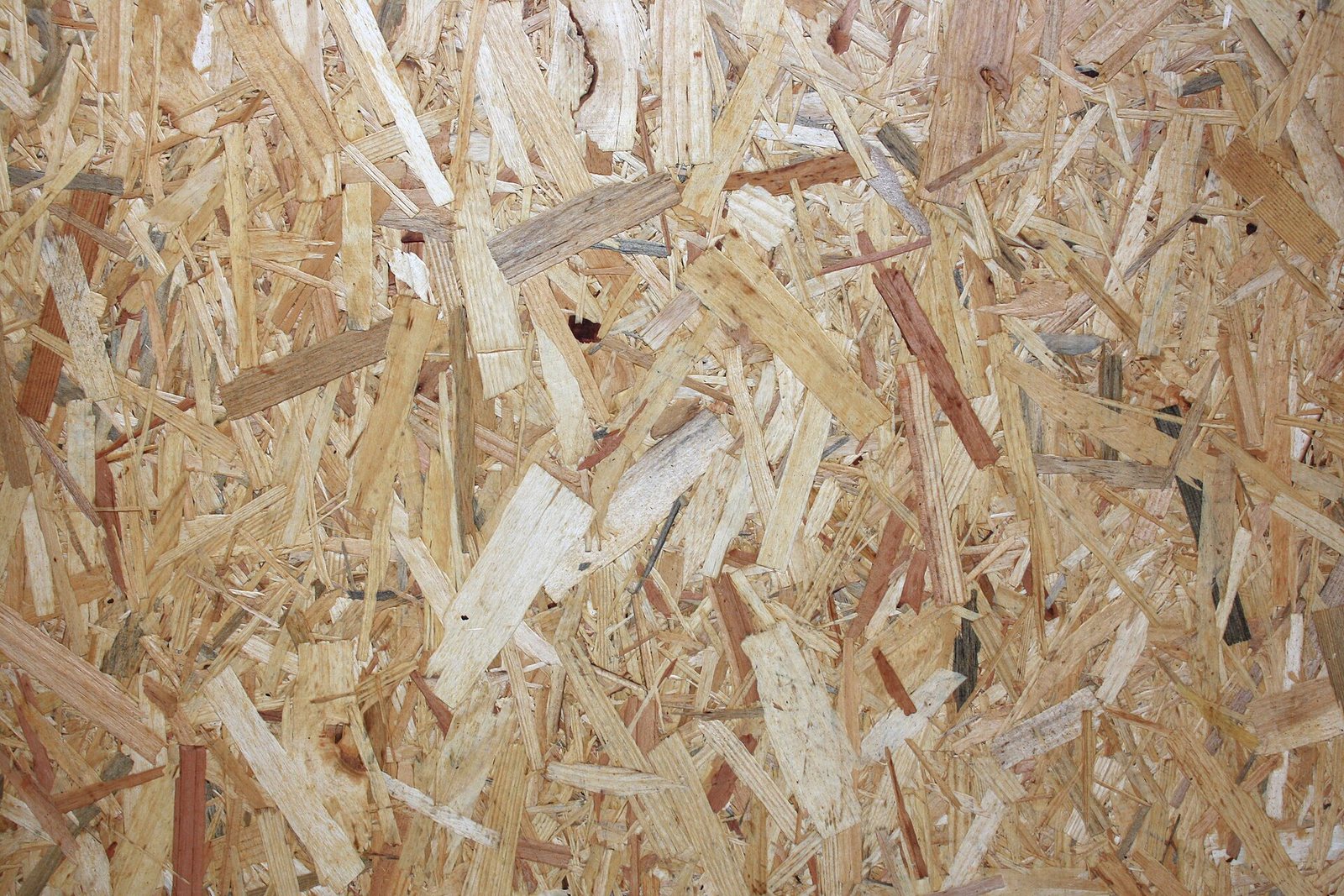
Oriented Strand Board →

Oriented Strand Board
Oriented strand board at Courtabœuf 2011 · CC BY-SA 3.0 via Wikimedia Commons
06End market

Housebuilding

Bought by builders and merchants against housing starts. Demand is cyclical and rate-sensitive, supply is fixed in the short run, and the price absorbs the difference.
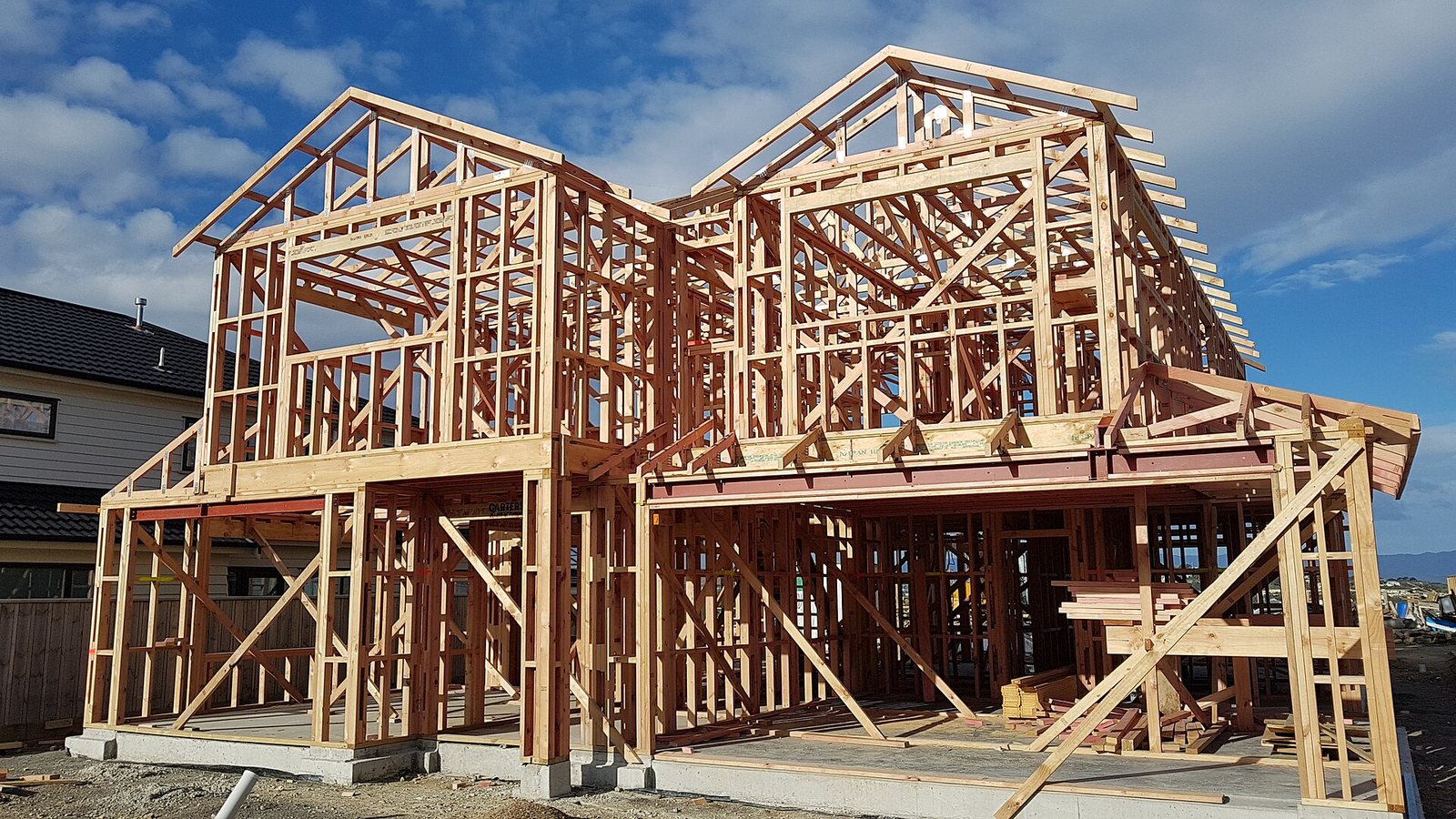
Housebuilding →

Housebuilding
Timber frame house under construction, New Zealand · CC BY-SA 4.0 via Wikimedia Commons

Vật liệu

Tất cả vật liệu Khoáng sản thiết yếu Đất hiếm Vật liệu pin Các khoáng vật quặng Bảng tuần hoàn Bộ lọc

Lòng đất

Mỏ & mỏ quặng Chế biến & tinh luyện Quốc gia Bản đồ

Nền kinh tế

Các hành trình quyền sở hữu Các chuỗi cung ứng Các thị trường đầu ra Công nghệ Công ty Máy tính vật liệu

Tìm hiểu

Tìm hiểuBảng thuật ngữ Hỏi dữ liệuTác nhân AI Nghiên cứu & dữ liệuAPI mở Tin tức★ Đã lưu

Về chúng tôi

Về chúng tôiLiên hệ Phương pháp luậnNguồn dữ liệu Chính sách biên tập Chính sách bảo mậtĐiều khoản sử dụng Tuyên bố miễn trách nhiệm