ما الذي يتنقّل فعلاً
Orinoco crude is barely a liquid. It has to be thinned before it can move, and then it has to reach one of the minority of refineries in the world with a coker deep enough to break it apart. That single physical fact decides which countries it can be sold to.
- المادة
- Crude Oil
- النوع
- Extra-heavy crude, roughly 8–10° API, high sulfur, high vanadium and nickel
- حيث يبدأ
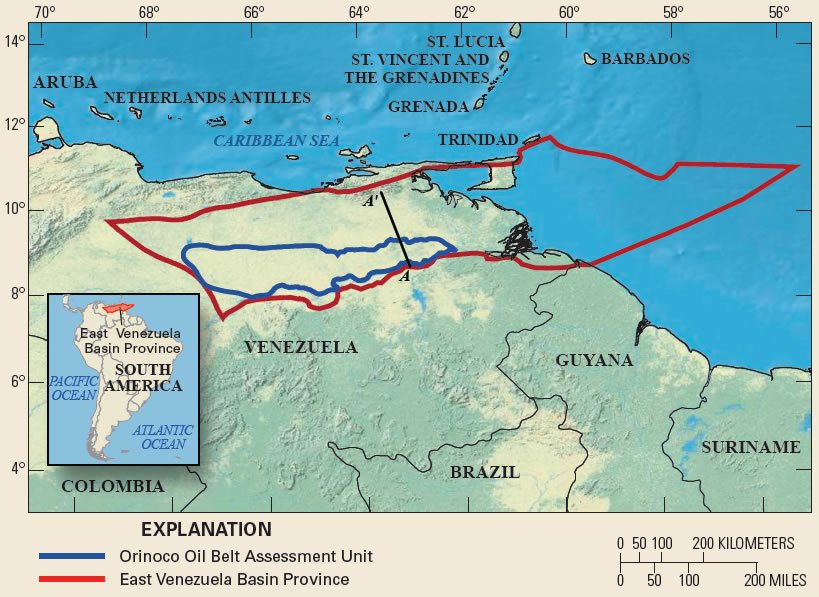
- Venezuela — The Orinoco Belt, a 55,000 km² band of tar-saturated sand in eastern Venezuela
خطوة خطوة، وحدًّا حدًّا
Venezuela · Orinoco Belt بحوزة PDVSA and its joint ventures (المنتج الحكومي)
Getting it out of the sand
The crude is too viscous to flow to a well on its own. It is produced cold with progressive-cavity pumps in horizontal wells, or moved by injecting steam to heat it until it will run.
لماذا هنا: You cannot move an oilfield. Everything else in this journey is a consequence of where the Orinoco Belt happens to be.
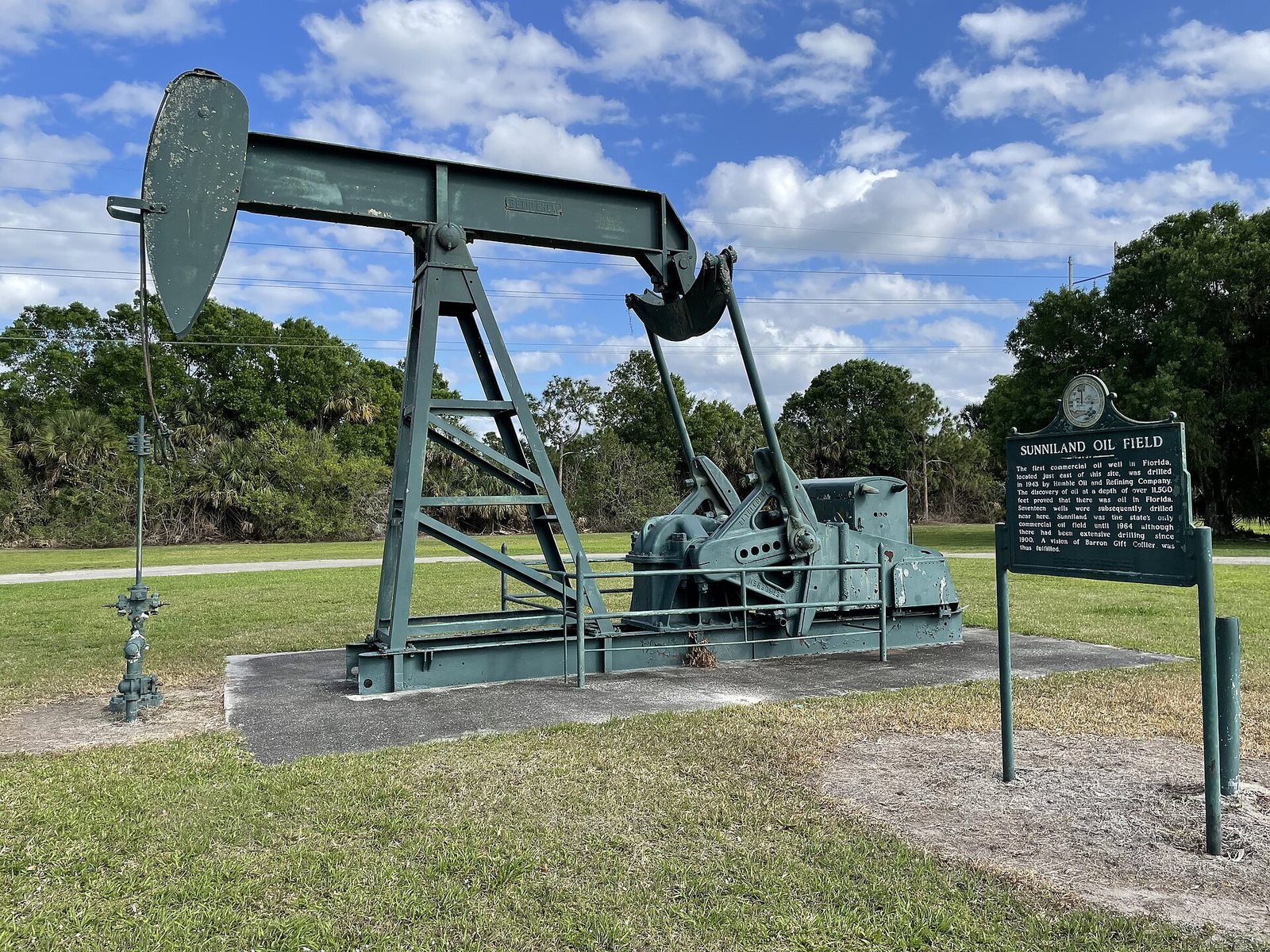
Venezuela · Field gathering stations بحوزة PDVSA (المنتج الحكومي)
Thinning it enough to move
Naphtha or a lighter crude is blended in as a diluent, roughly one barrel in four, to bring the viscosity down far enough to pump. The result is a blend such as Merey, around 16° API.
ما الذي جرى للباقي: Nothing is lost here — the volume goes UP, because a quarter of what now moves through the pipe is diluent that will have to be recovered later.
لماذا هنا: Dilution has to happen at the field. Without it there is no way to get the crude to a port at all.
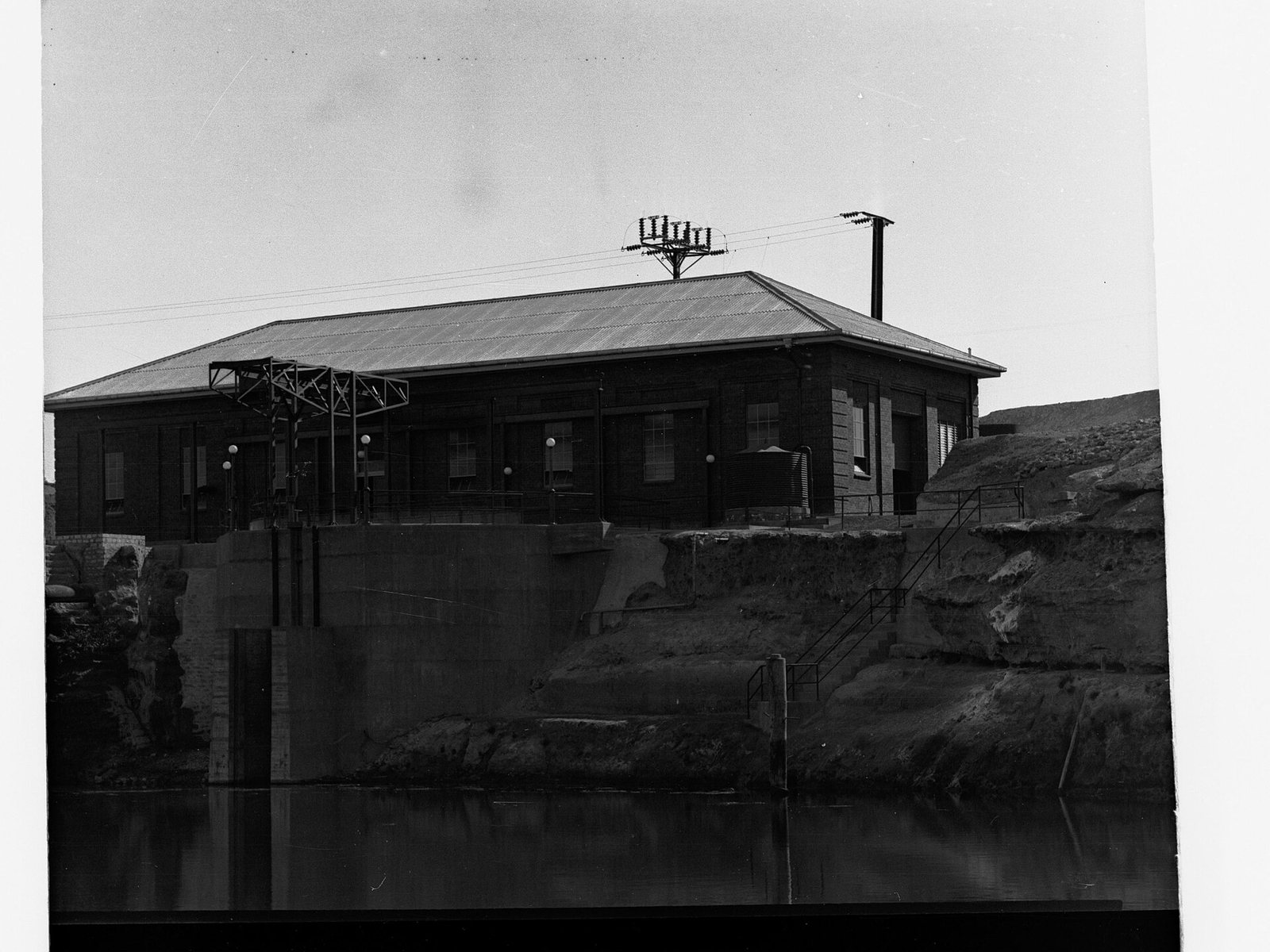
Venezuela · José industrial complex, Anzoátegui بحوزة PDVSA joint-venture upgraders (المنتج الحكومي)
Upgrading, or not
Some of the blend goes through an upgrader on the coast, which cokes and hydrotreats it into a synthetic crude of about 26–32° API that any refinery can take. The rest is exported as blended heavy crude and stays somebody else's problem.
ما الذي جرى للباقي: Upgrading at home captures the value of conversion in Venezuela. Exporting the blend hands that value to whoever owns the coker abroad. This is the single biggest commercial decision in the whole journey.
لماذا هنا: Upgrading next to the field avoids shipping diluent back and forth, but it needs enormous, reliable capital investment — which is why the capacity that exists has often run far below its design rate.
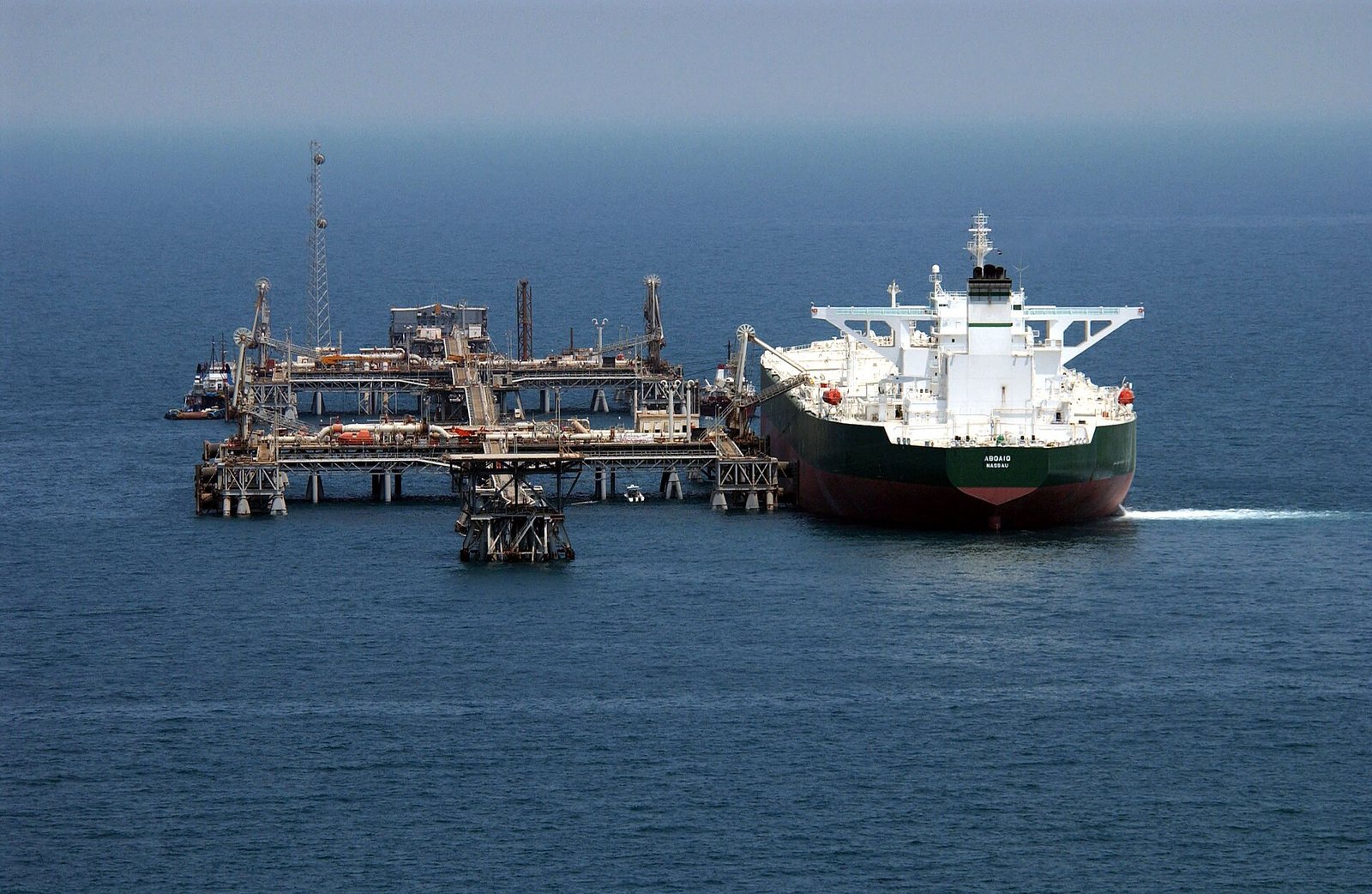
Venezuela · José and Amuay terminals بحوزة Shipowners and traders (متداول)
Onto a tanker
Loaded onto a Very Large Crude Carrier, often via a smaller shuttle tanker and a ship-to-ship transfer offshore. Custody passes from the producer to a trader here, and frequently changes hands again at sea.
لماذا هنا: A cargo has to leave from the coast it was produced on. Where it goes next is a commercial decision, not a physical one.
United States · US Gulf Coast (or Shandong, or Jamnagar) بحوزة Refiner (المكرِّر)
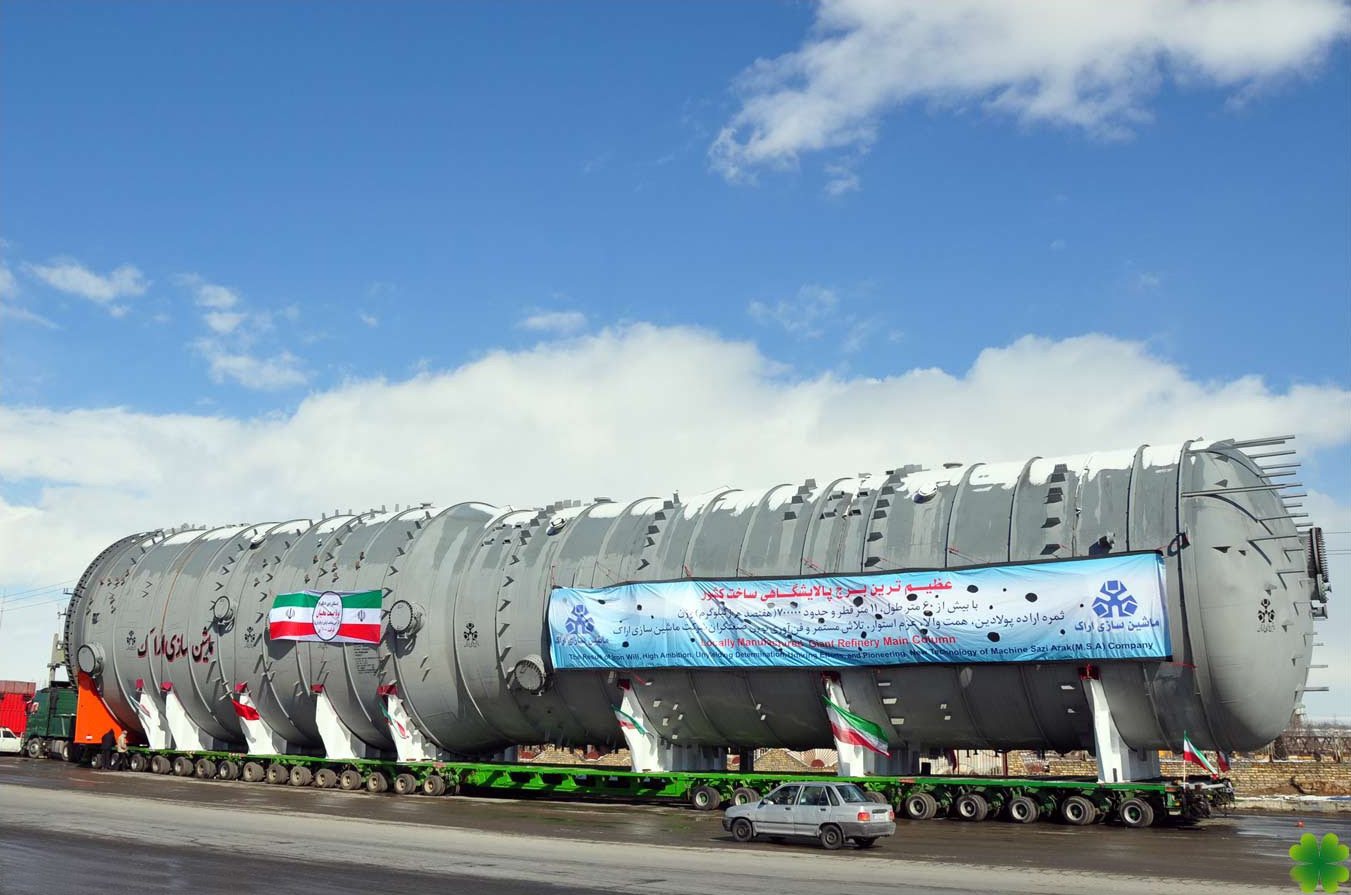
A refinery with a coker
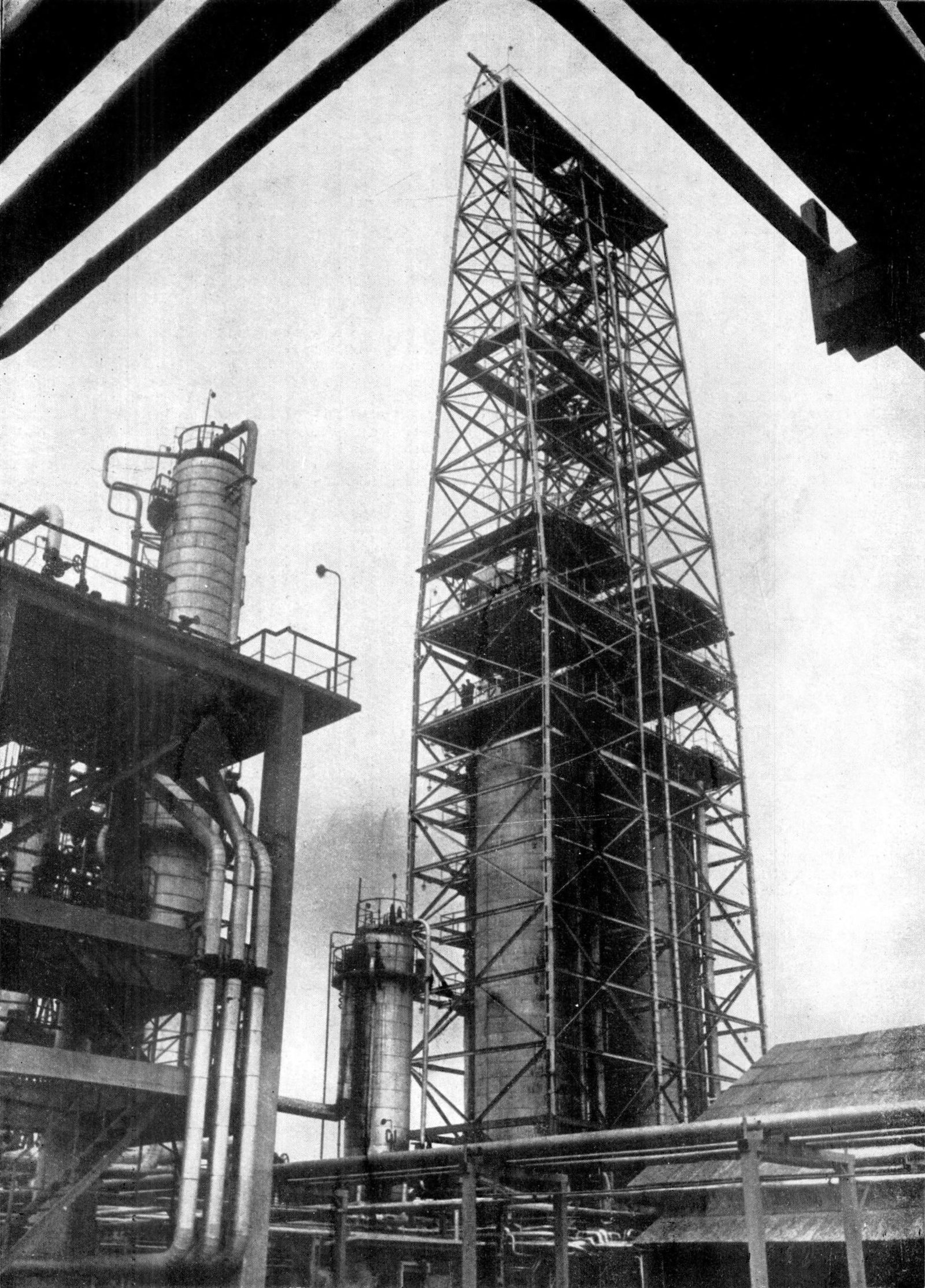
Distillation takes off the light ends. What is left — most of the barrel — goes into a delayed coker, which heats the residue until it cracks into lighter liquids and solid carbon. Hydrotreaters then strip the sulfur out.
ما الذي جرى للباقي: The diluent is recovered and sent back. Sulfur comes out as elemental sulfur — feedstock for sulfuric acid, which is used to leach other metals elsewhere on this site.
لماذا هنا: Because the coker is here. Gulf Coast refineries were built to run heavy sour crude and are among the deepest-conversion refineries in the world; a simple refinery in Europe physically cannot process this barrel.
United States · Refinery gate بحوزة Fuel marketers and industrial buyers (الشركة المصنّعة)
What comes out the other end
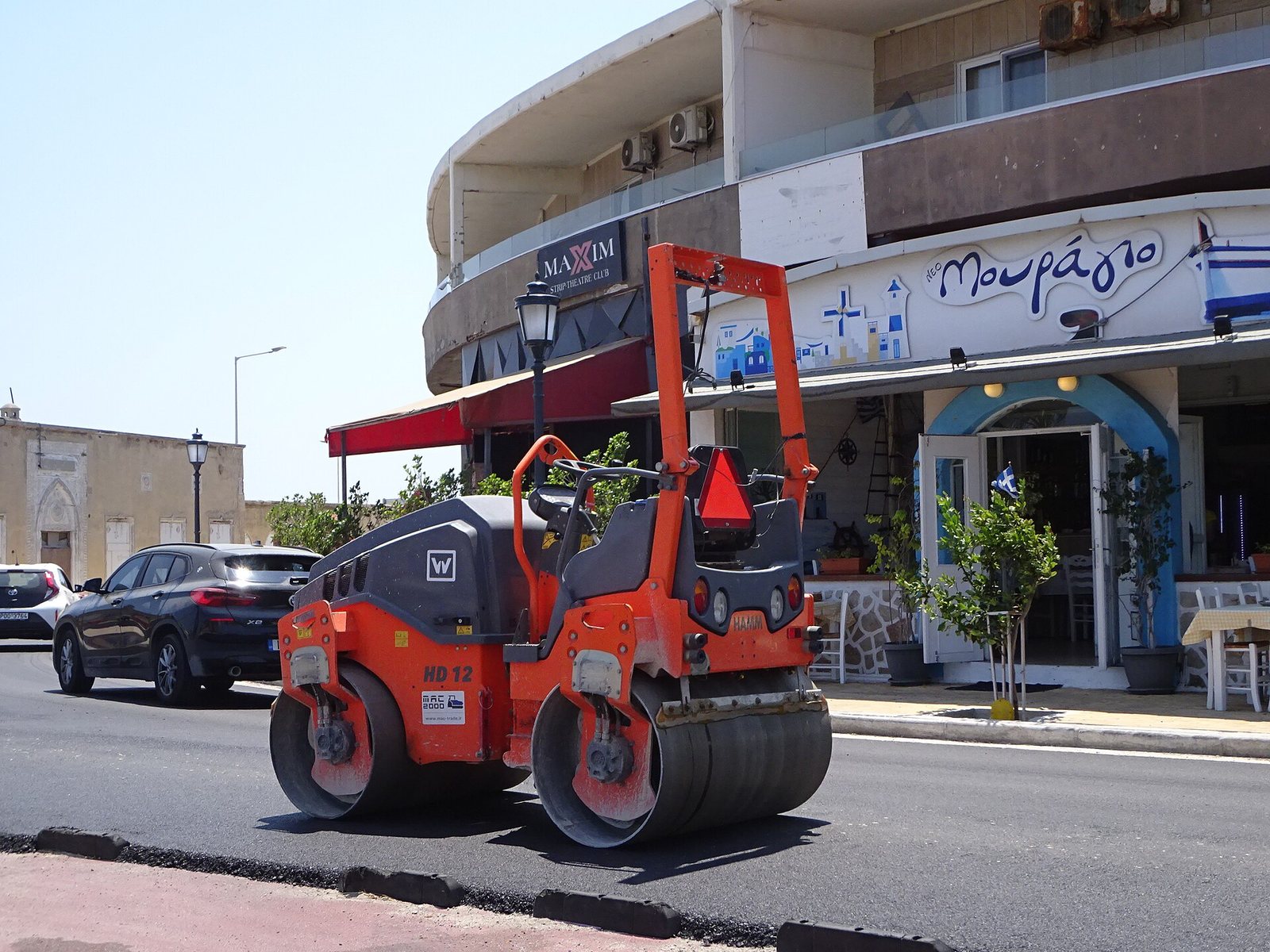
Diesel, jet fuel, petrol, asphalt for roads — and roughly 40 tonnes of petroleum coke from the coker.
لماذا هنا: Heavy sour crude yields proportionally more asphalt and coke than light crude does. The barrel's chemistry decides the product slate, not the refiner's preference.
United Arab Emirates · Calciner, then a smelter بحوزة Anode and aluminium producers (الشركة المصنّعة)
The coke becomes aluminium
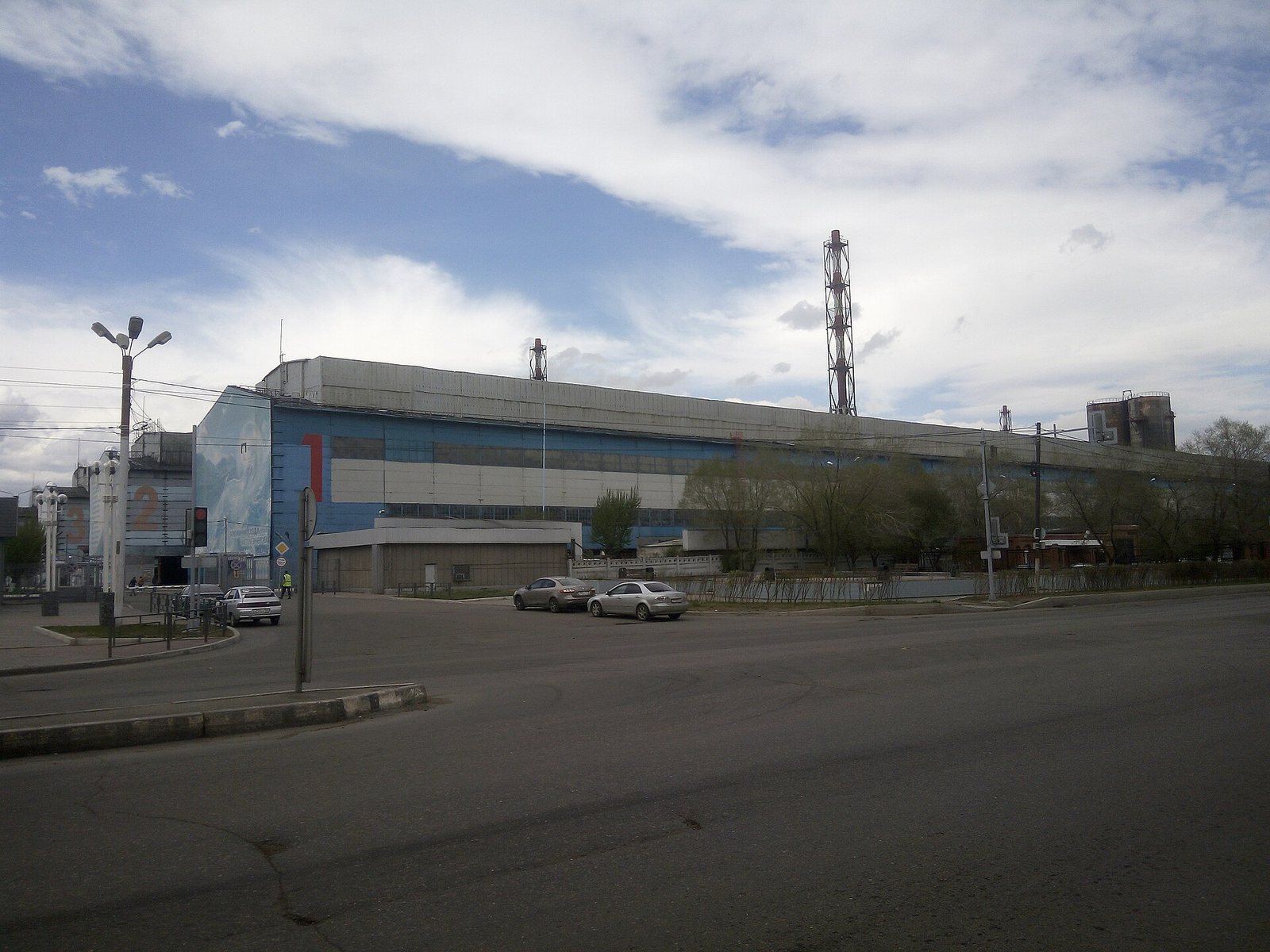
The petroleum coke is calcined and formed into carbon anodes. An aluminium smelter consumes roughly half a tonne of anode carbon for every tonne of metal it makes, burning it away in the process.
ما الذي جرى للباقي: This is the join most people never see: a barrel of Venezuelan tar ends up as the consumable carbon inside an aluminium smelter on another continent.
لماذا هنا: Smelters sit where electricity is cheap, which is rarely where the oil was. The carbon travels to the power, not the other way round.
هذا مثال تطبيقي. يتتبّع كمية ابتدائية محددة عبر معدلات عائد واسترداد نموذجية منشورة، مما يجعل النسب قابلة للتحقق؛ وهو ليس سجلاً لشحنة فعلية. وقد جُمعت وقائع المسار — الدول، والعمليات، وأسباب تعذّر معالجة المادة في مكان آخر — من تقارير متاحة للعموم.