De la roca al producto, trazado
The Materials Atlas
Materiales Minas y yacimientos Procesamiento y refinación Recorridos de custodia Cadenas de suministro Empresas Países Noticias
Materiales por categoría Materiales para baterías Elementos de tierras raras Cobre y electricidad Materiales para semiconductores Materiales nucleares Aeroespacial y Defensa Metales preciosos Acero y metales de aleación Minerales industriales Minerales Agrícolas Materias primas energéticas Minerales mena Tabla periódica
Demanda Mercados finales Tecnologías Calculadora de materiales Mapas Clasificador
Aprender y herramientas AprenderGlosario Consultar los datosAgentes de IA Investigación y datosAPI ★ Guardado
Acerca de Quiénes somosMetodología Fuentes de datosContacto Aviso legal
Opciones de lectura
🧭 Vista guiada ¿Es nuevo en esto: leyes de mena, concentrado, refinación, subproductos? Explicamos cada término mientras navega, en lenguaje claro. Los mismos datos, con la ayuda integrada.
⚡ Vista de experto Usted ya conoce el sector. Solo los datos: limpios, rápidos y compactos, sin explicaciones adicionales. Esta es la vista predeterminada.
Tema
Idioma de la interfaz
Profundidad Las páginas de materiales están redactadas en cuatro niveles. Seleccione uno en cualquier página de material y se recordará.
★ Guardado Investigación y datos
Venezuelan extra-heavy crude to diesel, asphalt and aluminium anodes

Recorrido de custodia · comienza en Venezuela

Venezuelan extra-heavy crude to diesel, asphalt and aluminium anodes

Oil so thick it will not flow down a pipe, and cannot be refined by most refineries on Earth.

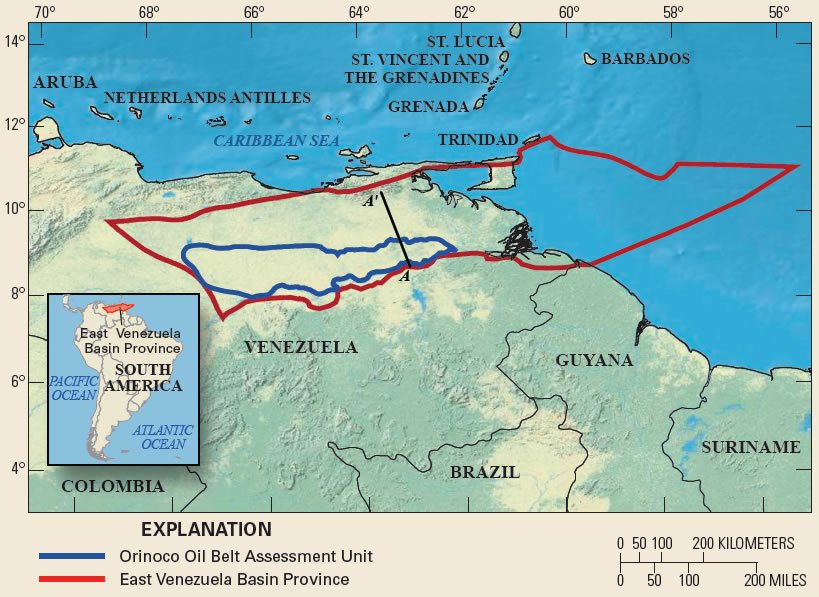
Orinoco Oil Belt.png · Christopher J. Schenk · Public domain · Wikimedia Commons
1,000 barrels of extra-heavy crude in the ground
880 barrels equivalent of finished products, plus about 40 tonnes of petroleum coke
Venezuela → United States United States → United Arab Emirates Venezuela — Getting it out of the sand 1 Venezuela United States — A refinery with a coker 2 United States United Arab Emirates — The coke becomes aluminium 3 United Arab Emirates
Numerados en el orden en que viaja el material. Haga clic en un país para abrir su página. Proyección equirrectangular trazada a partir de los centroides de cada país — los arcos indican qué fronteras se cruzan, no la ruta de navegación real.

Qué es lo que se mueve realmente

Orinoco crude is barely a liquid. It has to be thinned before it can move, and then it has to reach one of the minority of refineries in the world with a coker deep enough to break it apart. That single physical fact decides which countries it can be sold to.

El material
Crude Oil
La variedad
Extra-heavy crude, roughly 8–10° API, high sulfur, high vanadium and nickel
Dónde empieza
Venezuela — The Orinoco Belt, a 55,000 km² band of tar-saturated sand in eastern Venezuela
Por qué esta ruta y no otra. A simple refinery separates crude by boiling point. Extra-heavy crude barely boils — most of it is residue — so a simple refinery would produce almost nothing but tar. Only a complex refinery with a coking unit can crack that residue into usable fuel, and coking capacity is concentrated in a handful of places: the US Gulf Coast, a few Chinese and Indian refineries, and Venezuela's own upgraders.
El eslabón más estrecho. Not the oilfield. The chokepoint is deep-conversion refining capacity, which exists in very few countries and takes a decade and billions of dollars to build.
Lea los dos valores de cada paso: lo que entró y lo que salió. Observar cómo se reducen es el objeto del ejercicio. Al final habrá seguido mil toneladas de roca hasta llegar a unos pocos kilogramos de lo que realmente hace el trabajo.

Paso a paso, y frontera por frontera

01 Extracción 1,000barrels

Venezuela · Orinoco Belt en poder de PDVSA and its joint ventures (Productor estatal)

Getting it out of the sand

The crude is too viscous to flow to a well on its own. It is produced cold with progressive-cavity pumps in horizontal wells, or moved by injecting steam to heat it until it will run.

1,000 barrelscrude in place 1,000 barrelsextra-heavy crude at the wellhead

Por qué aquí: You cannot move an oilfield. Everything else in this journey is a consequence of where the Orinoco Belt happens to be.
continuous Crude Oil →
Getting it out of the sand
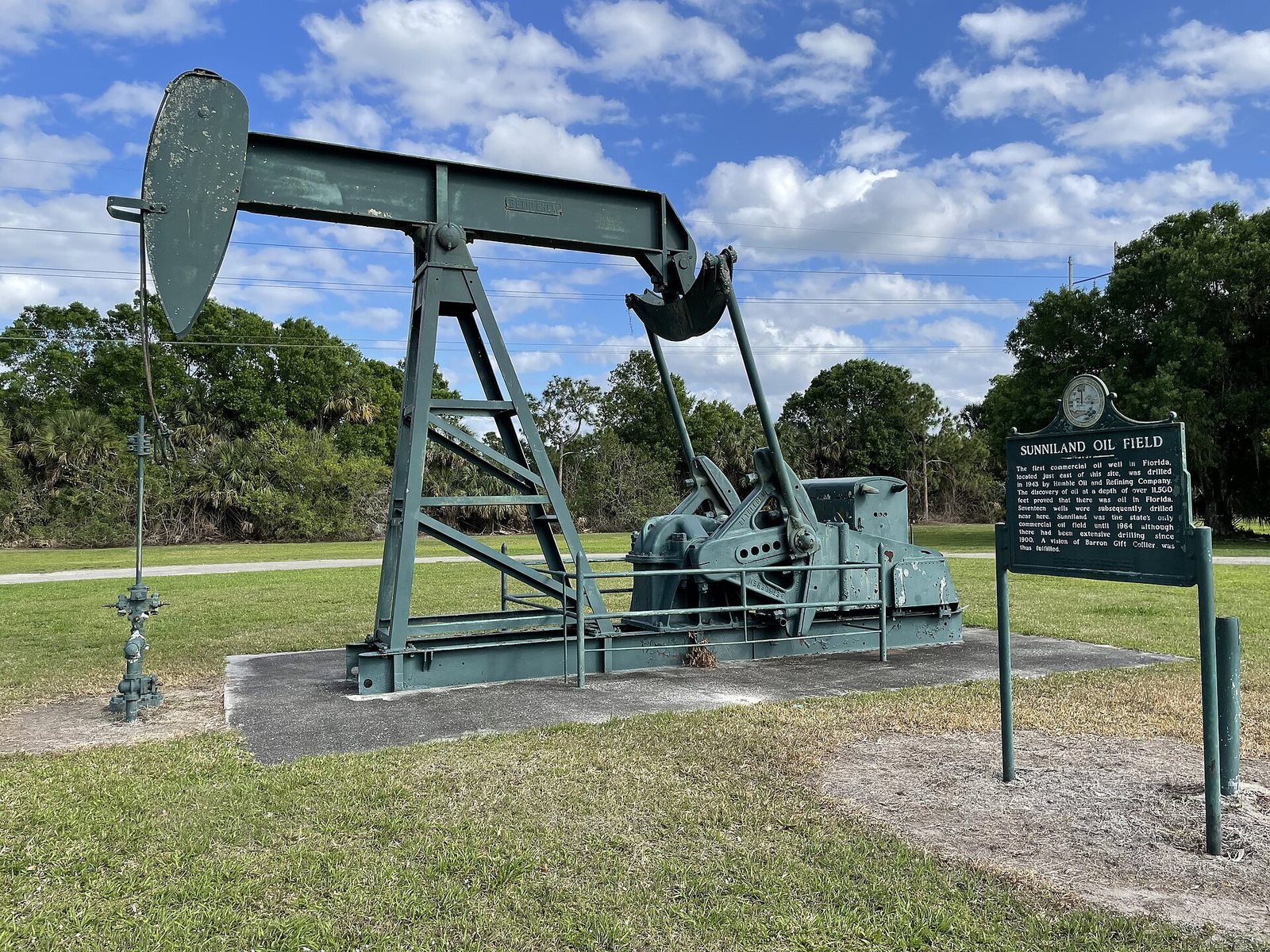
Sunniland Oil Field preserved pumpjack · Public domain via Wikimedia Commons
02 Preparación 1,250barrels

Venezuela · Field gathering stations en poder de PDVSA (Productor estatal)

Thinning it enough to move

Naphtha or a lighter crude is blended in as a diluent, roughly one barrel in four, to bring the viscosity down far enough to pump. The result is a blend such as Merey, around 16° API.

1,000 barrelsextra-heavy crude 1,250 barrelsdiluted blend ready for a pipeline

Qué ocurrió con el resto: Nothing is lost here — the volume goes UP, because a quarter of what now moves through the pipe is diluent that will have to be recovered later.

Por qué aquí: Dilution has to happen at the field. Without it there is no way to get the crude to a port at all.
Heated pipeline · ~300 km to the coast hours Crude Oil →
Thinning it enough to move
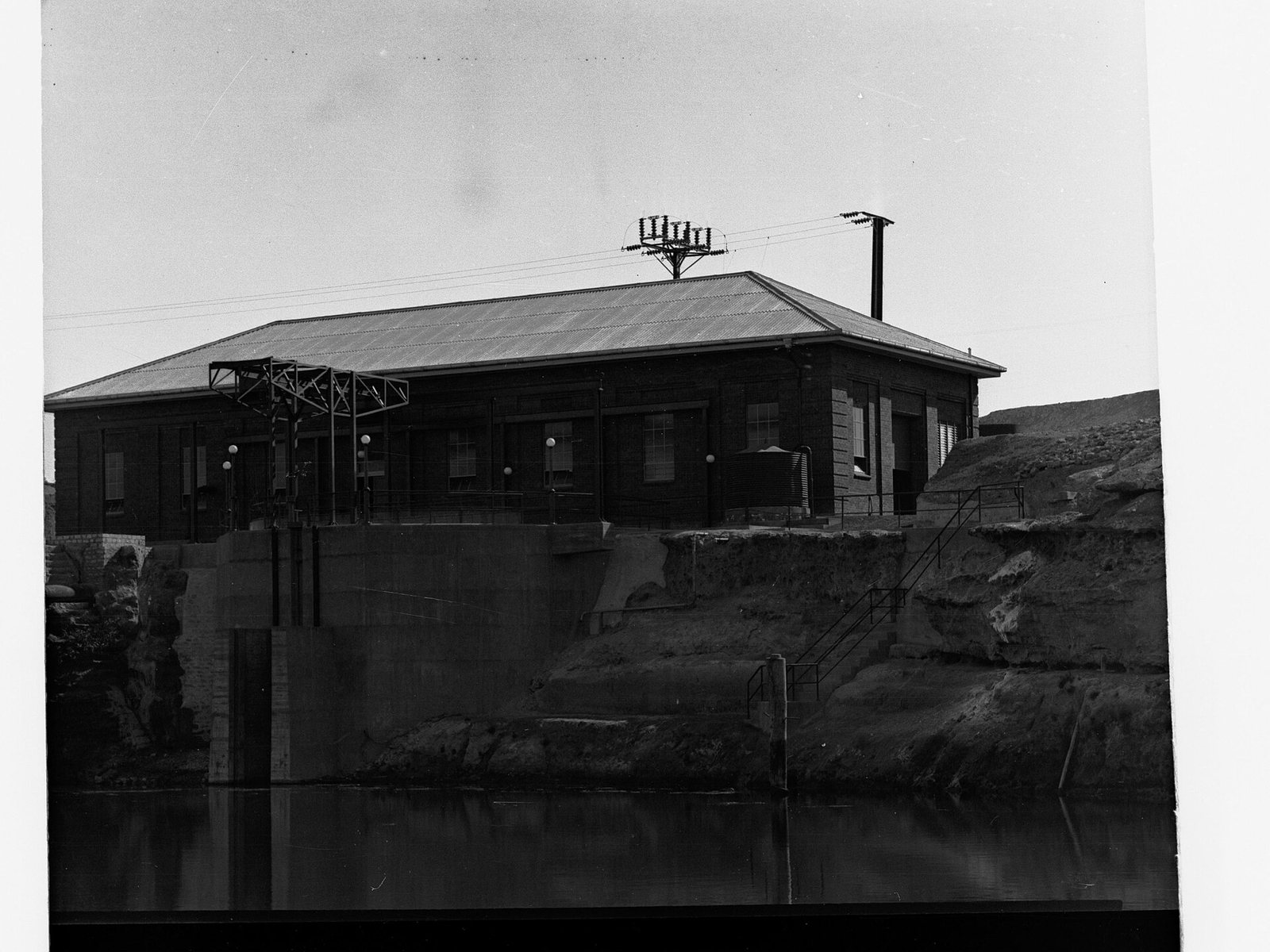
Pumping Station Morgan Whyalla Pipeline… · CC0 via Wikimedia Commons
03 Procesamiento 1,250barrels

Venezuela · José industrial complex, Anzoátegui en poder de PDVSA joint-venture upgraders (Productor estatal)

Upgrading, or not

Some of the blend goes through an upgrader on the coast, which cokes and hydrotreats it into a synthetic crude of about 26–32° API that any refinery can take. The rest is exported as blended heavy crude and stays somebody else's problem.

1,250 barrelsdiluted blend 1,250 barrelssynthetic crude or export blend

Qué ocurrió con el resto: Upgrading at home captures the value of conversion in Venezuela. Exporting the blend hands that value to whoever owns the coker abroad. This is the single biggest commercial decision in the whole journey.

Por qué aquí: Upgrading next to the field avoids shipping diluent back and forth, but it needs enormous, reliable capital investment — which is why the capacity that exists has often run far below its design rate.
Upgrading, or not
Onesti Refinery with Delayed coker · Public domain via Wikimedia Commons
04 Transporte 1,250barrels

Venezuela · José and Amuay terminals en poder de Shipowners and traders (Comerciante)

Onto a tanker

Loaded onto a Very Large Crude Carrier, often via a smaller shuttle tanker and a ship-to-ship transfer offshore. Custody passes from the producer to a trader here, and frequently changes hands again at sea.

1,250 barrelsexport blend 1,250 barrelscargo afloat

Por qué aquí: A cargo has to leave from the coast it was produced on. Where it goes next is a commercial decision, not a physical one.
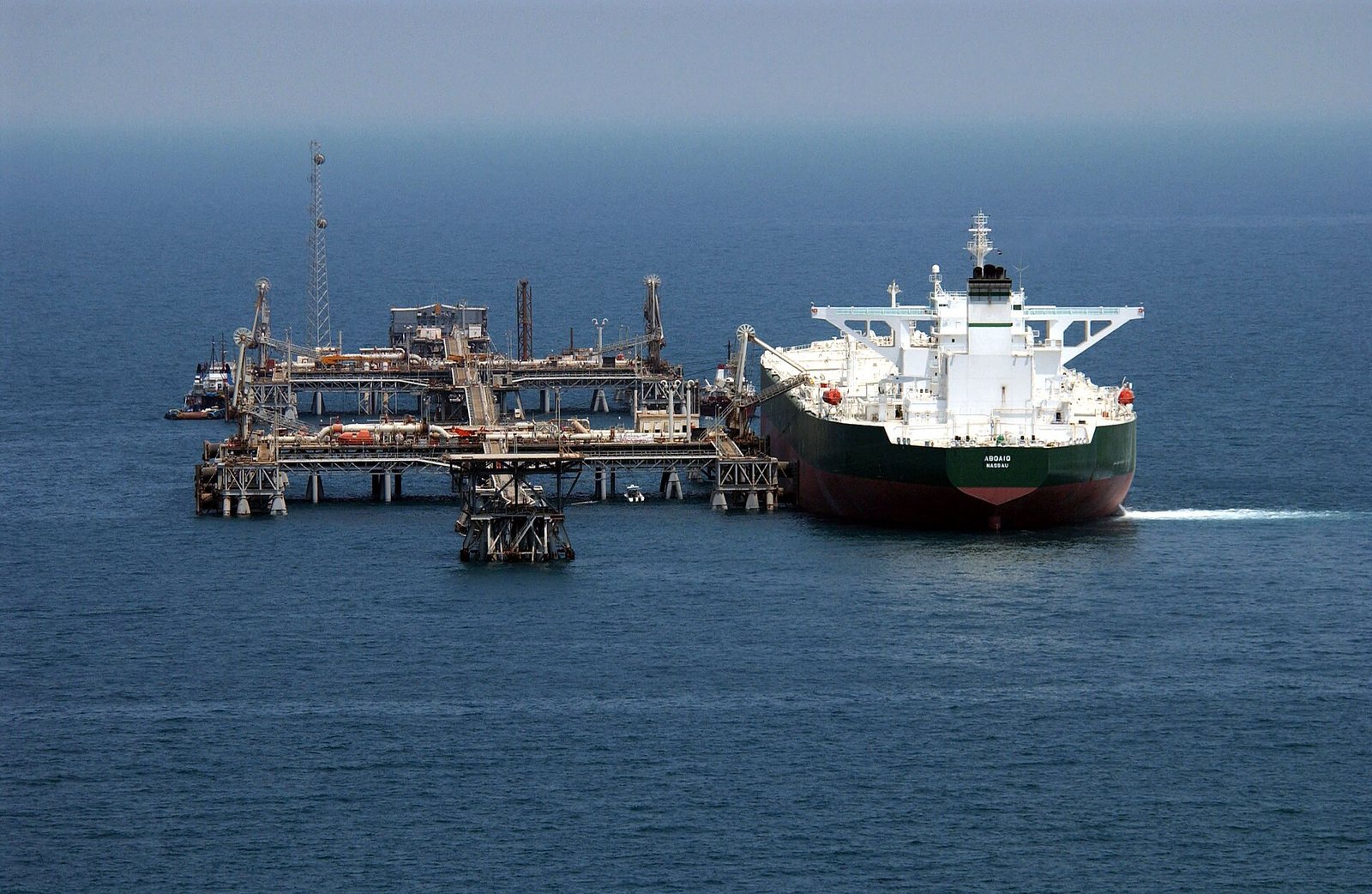
VLCC · Historically to the US Gulf Coast; more recently to Asia, often through transshipment 5 days to the US Gulf, 40+ to China Crude Oil →
Onto a tanker
Tanker offshore terminal · Public domain via Wikimedia Commons
05 Refinación 880barrels equivalent

United States · US Gulf Coast (or Shandong, or Jamnagar) en poder de Refiner (Refinador)

A refinery with a coker

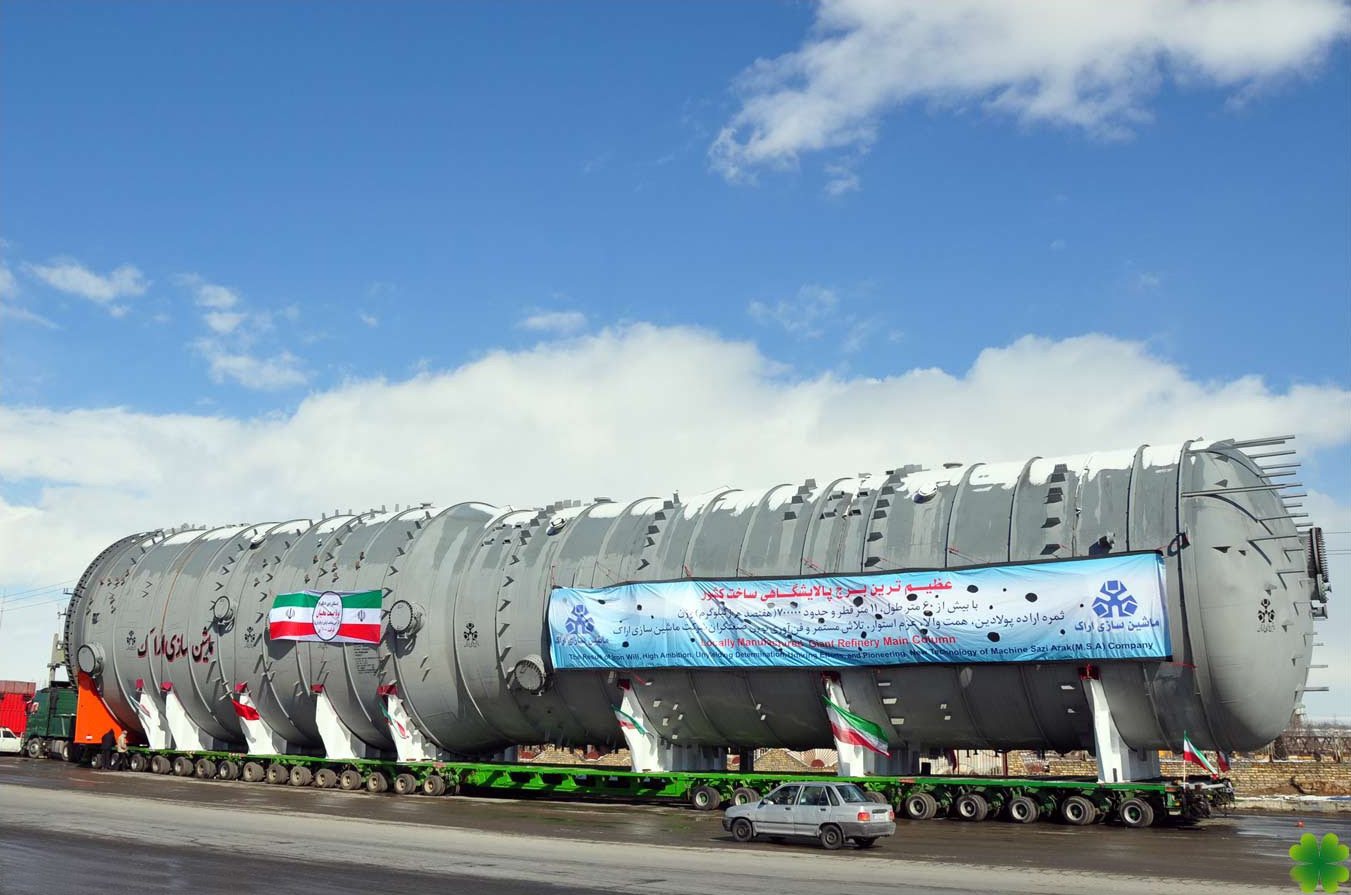
Distillation takes off the light ends. What is left — most of the barrel — goes into a delayed coker, which heats the residue until it cracks into lighter liquids and solid carbon. Hydrotreaters then strip the sulfur out.

1,250 barrelscrude blend 880 barrels equivalentfinished liquid products

Qué ocurrió con el resto: The diluent is recovered and sent back. Sulfur comes out as elemental sulfur — feedstock for sulfuric acid, which is used to leach other metals elsewhere in this atlas.

Por qué aquí: Because the coker is here. Gulf Coast refineries were built to run heavy sour crude and are among the deepest-conversion refineries in the world; a simple refinery in Europe physically cannot process this barrel.
1–2 days Sulfur →
El camino no tomado If this had been light sweet crude instead Arab Light needs no coker at all. Compare the two routes and count the countries.
A refinery with a coker
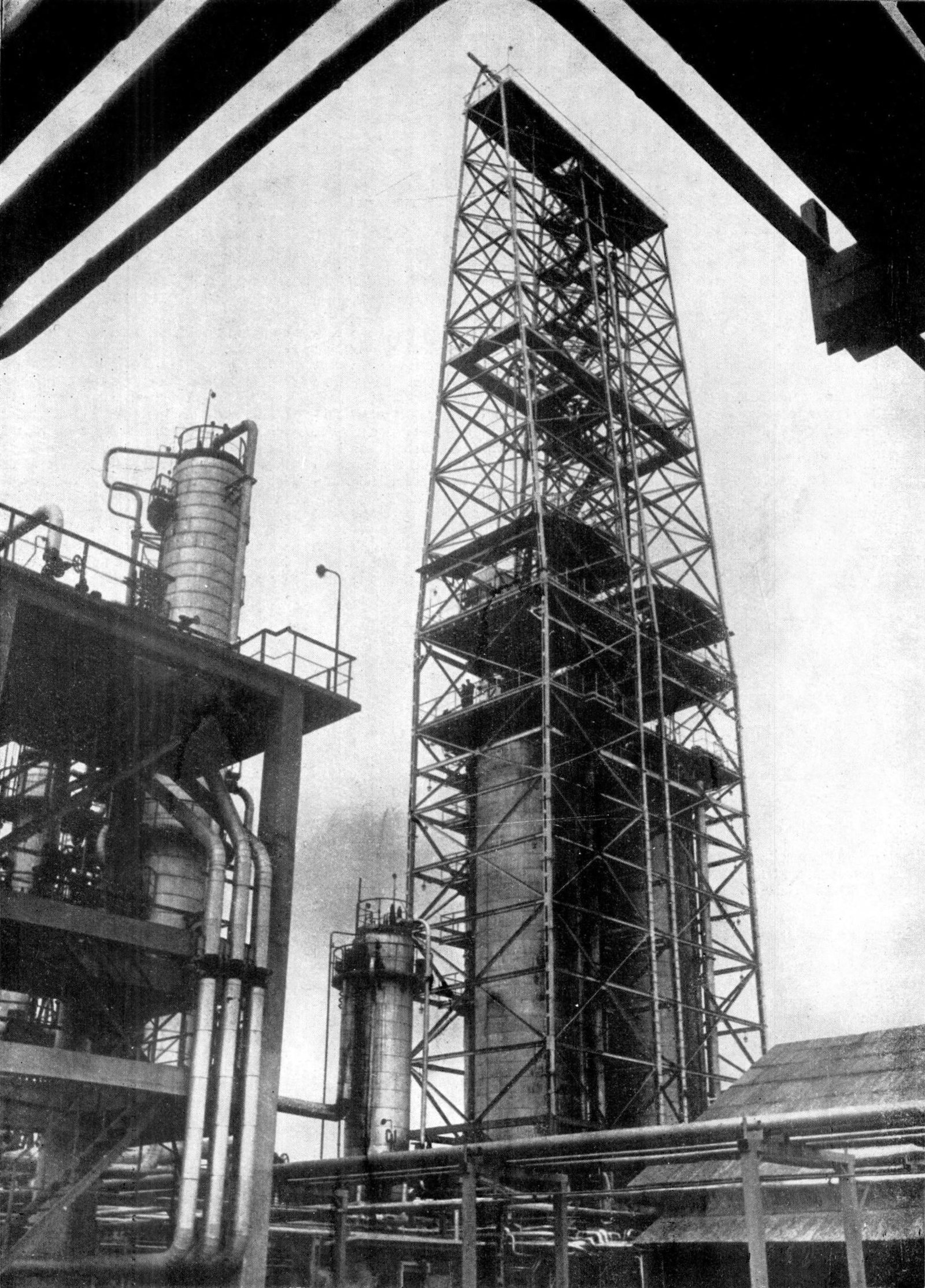
A giant distillation tower in Arak · CC BY 3.0 via Wikimedia Commons
06 Producto 880barrels equivalent

United States · Refinery gate en poder de Fuel marketers and industrial buyers (Fabricante)

What comes out the other end

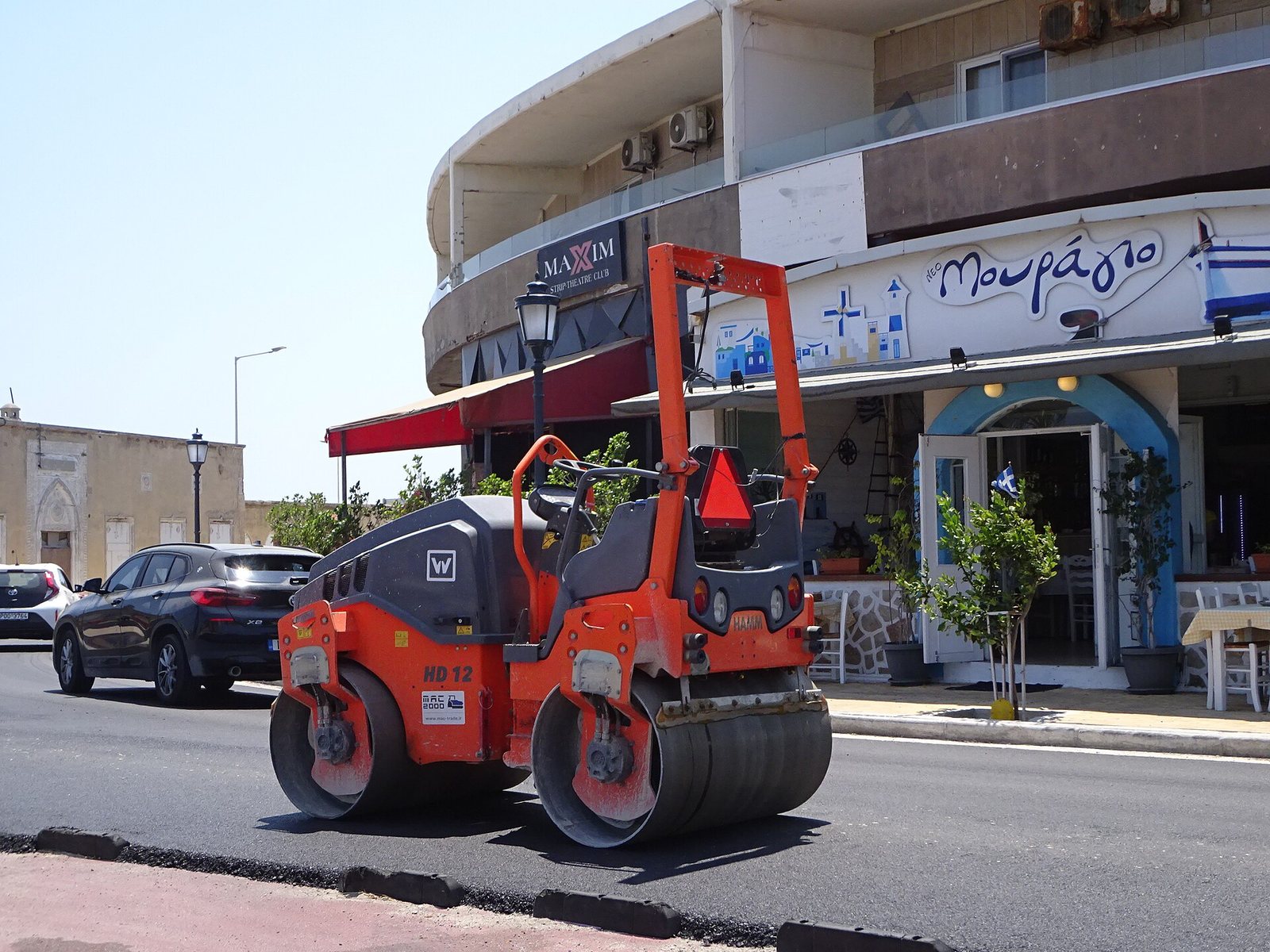
Diesel, jet fuel, petrol, asphalt for roads — and roughly 40 tonnes of petroleum coke from the coker.

1,250 barrelscrude blend 880 barrels equivalentfuels and asphalt, plus petroleum coke

Por qué aquí: Heavy sour crude yields proportionally more asphalt and coke than light crude does. The barrel's chemistry decides the product slate, not the refiner's preference.
What comes out the other end
Asphalt Roller for Road Asphalt Paving … · CC BY-SA 4.0 via Wikimedia Commons
07 Mercado final 60tonnes

United Arab Emirates · Calciner, then a smelter en poder de Anode and aluminium producers (Fabricante)

The coke becomes aluminium

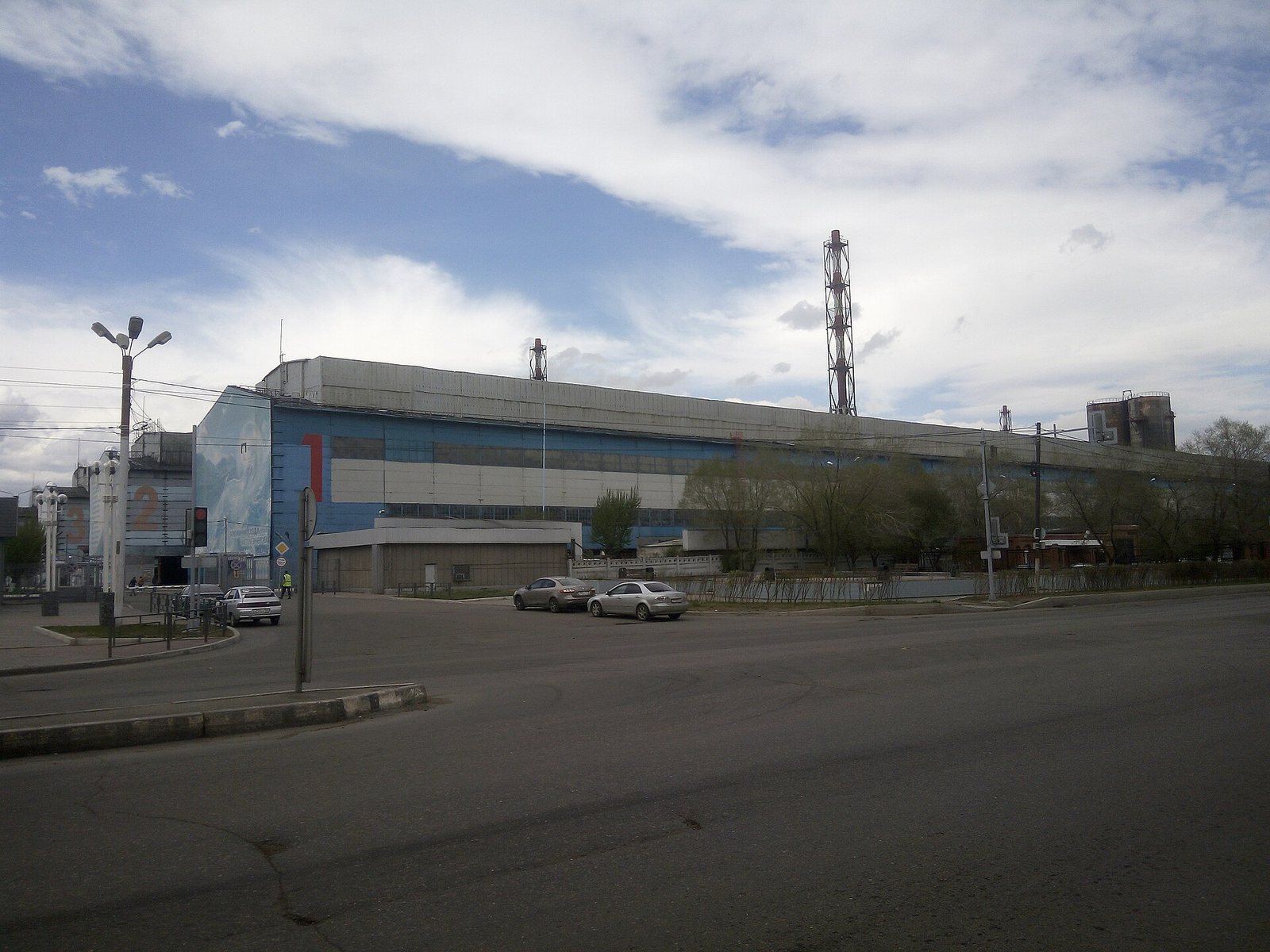
The petroleum coke is calcined and formed into carbon anodes. An aluminium smelter consumes roughly half a tonne of anode carbon for every tonne of metal it makes, burning it away in the process.

40 tonnesgreen petroleum coke 60 tonnesprimary aluminium this carbon could support

Qué ocurrió con el resto: This is the join most people never see: a barrel of Venezuelan tar ends up as the consumable carbon inside an aluminium smelter on another continent.

Por qué aquí: Smelters sit where electricity is cheap, which is rarely where the oil was. The carbon travels to the power, not the other way round.
continuous Aluminium →
The coke becomes aluminium
Krasnoyarsk Aluminium Smelter · CC BY 4.0 via Wikimedia Commons

Este es un ejemplo resuelto. Sigue una cantidad de partida declarada a través de rendimientos y recuperaciones típicos publicados, por lo que las proporciones son verificables; no es el registro de un envío concreto. Los datos de la ruta — qué países, qué procesos y por qué el material no puede simplemente manipularse en otro lugar — se han compilado a partir de información pública.

Materiales

Todos los materiales Minerales críticos Tierras raras Materiales para baterías Minerales mena Tabla periódica Clasificador

El subsuelo

Minas y yacimientos Procesamiento y refinación Países Mapas

La economía

Recorridos de custodia Cadenas de suministro Mercados finales Tecnologías Empresas Calculadora de materiales

Aprender

AprenderGlosario Consultar los datosAgentes de IA Investigación y datosAPI abierta Noticias★ Guardado

Quiénes somos

Quiénes somosContacto MetodologíaFuentes de datos Política editorial Política de privacidadCondiciones de uso Aviso legal