Dalla roccia al prodotto, tracciato
The Materials Atlas
Materiali Miniere e giacimenti Lavorazione e raffinazione Percorsi di custodia Filiere produttive Aziende Paesi Notizie
Materiali per scaffale Materiali per batterie Elementi delle terre rare Rame ed elettrico Materiali per semiconduttori Materiali nucleari Aerospazio e difesa Metalli preziosi Acciaio e metalli da lega Minerali industriali Minerali per l'agricoltura Materie prime energetiche Minerali mena Tavola periodica
Domanda Mercati finali Tecnologie Calcolatore di materiali Mappe Screener
Approfondisci e strumenti ApprofondisciGlossario Interroga i datiAgenti AI Ricerca e datiAPI ★ Salvato
Informazioni Chi siamoMetodologia Fonti dei datiContatti Avvertenza
Opzioni di lettura
🧭 Vista guidata Nuovo a tutto questo — tenori di minerale, concentrato, raffinazione, sottoprodotti? Spieghiamo ogni termine mentre navighi, in linguaggio chiaro. Stessi dati, con il supporto integrato.
⚡ Vista esperto Conosci già il settore. Solo i dati — puliti, rapidi e compatti, senza spiegazioni aggiuntive. Questa è la visualizzazione predefinita.
Tema
Lingua dell'interfaccia
Profondità Le pagine dei materiali sono scritte a quattro livelli. Selezionane uno in qualsiasi pagina di materiale: la scelta viene memorizzata.
★ Salvato Ricerca e dati
Venezuelan extra-heavy crude to diesel, asphalt and aluminium anodes

Percorso di custodia · inizia in Venezuela

Venezuelan extra-heavy crude to diesel, asphalt and aluminium anodes

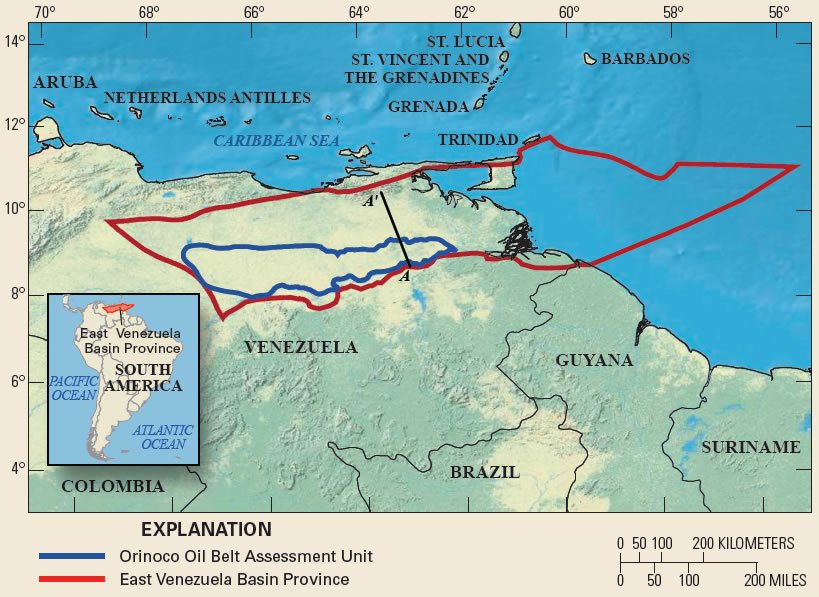
Oil so thick it will not flow down a pipe, and cannot be refined by most refineries on Earth.

Orinoco Oil Belt.png · Christopher J. Schenk · Public domain · Wikimedia Commons
1,000 barrels of extra-heavy crude in the ground
880 barrels equivalent of finished products, plus about 40 tonnes of petroleum coke
Venezuela → United States United States → United Arab Emirates Venezuela — Getting it out of the sand 1 Venezuela United States — A refinery with a coker 2 United States United Arab Emirates — The coke becomes aluminium 3 United Arab Emirates
Numerati nell'ordine in cui il materiale viaggia. Clicca su un paese per aprirne la pagina. Proiezione equirettangolare costruita dai centroidi dei paesi — gli archi mostrano quali confini vengono attraversati, non la rotta di navigazione effettiva.

Cosa si muove effettivamente

Orinoco crude is barely a liquid. It has to be thinned before it can move, and then it has to reach one of the minority of refineries in the world with a coker deep enough to break it apart. That single physical fact decides which countries it can be sold to.

Il materiale
Crude Oil
La varietà
Extra-heavy crude, roughly 8–10° API, high sulfur, high vanadium and nickel
Dove inizia
Venezuela — The Orinoco Belt, a 55,000 km² band of tar-saturated sand in eastern Venezuela
Perché questo percorso e non un altro. A simple refinery separates crude by boiling point. Extra-heavy crude barely boils — most of it is residue — so a simple refinery would produce almost nothing but tar. Only a complex refinery with a coking unit can crack that residue into usable fuel, and coking capacity is concentrated in a handful of places: the US Gulf Coast, a few Chinese and Indian refineries, and Venezuela's own upgraders.
L'anello più stretto. Not the oilfield. The chokepoint is deep-conversion refining capacity, which exists in very few countries and takes a decade and billions of dollars to build.
Leggi i due valori su ogni tappa: quanto è entrato e quanto è uscito. Osservarne la diminuzione progressiva è lo scopo dell'esercizio. Alla fine avrai seguito mille tonnellate di roccia fino a ridurle a pochi chilogrammi della sostanza che svolge effettivamente il lavoro.

Passo dopo passo, confine per confine

01 Estrazione 1,000barrels

Venezuela · Orinoco Belt detenuto da PDVSA and its joint ventures (Produttore statale)

Getting it out of the sand

The crude is too viscous to flow to a well on its own. It is produced cold with progressive-cavity pumps in horizontal wells, or moved by injecting steam to heat it until it will run.

1,000 barrelscrude in place 1,000 barrelsextra-heavy crude at the wellhead

Perché qui: You cannot move an oilfield. Everything else in this journey is a consequence of where the Orinoco Belt happens to be.
continuous Crude Oil →
Getting it out of the sand
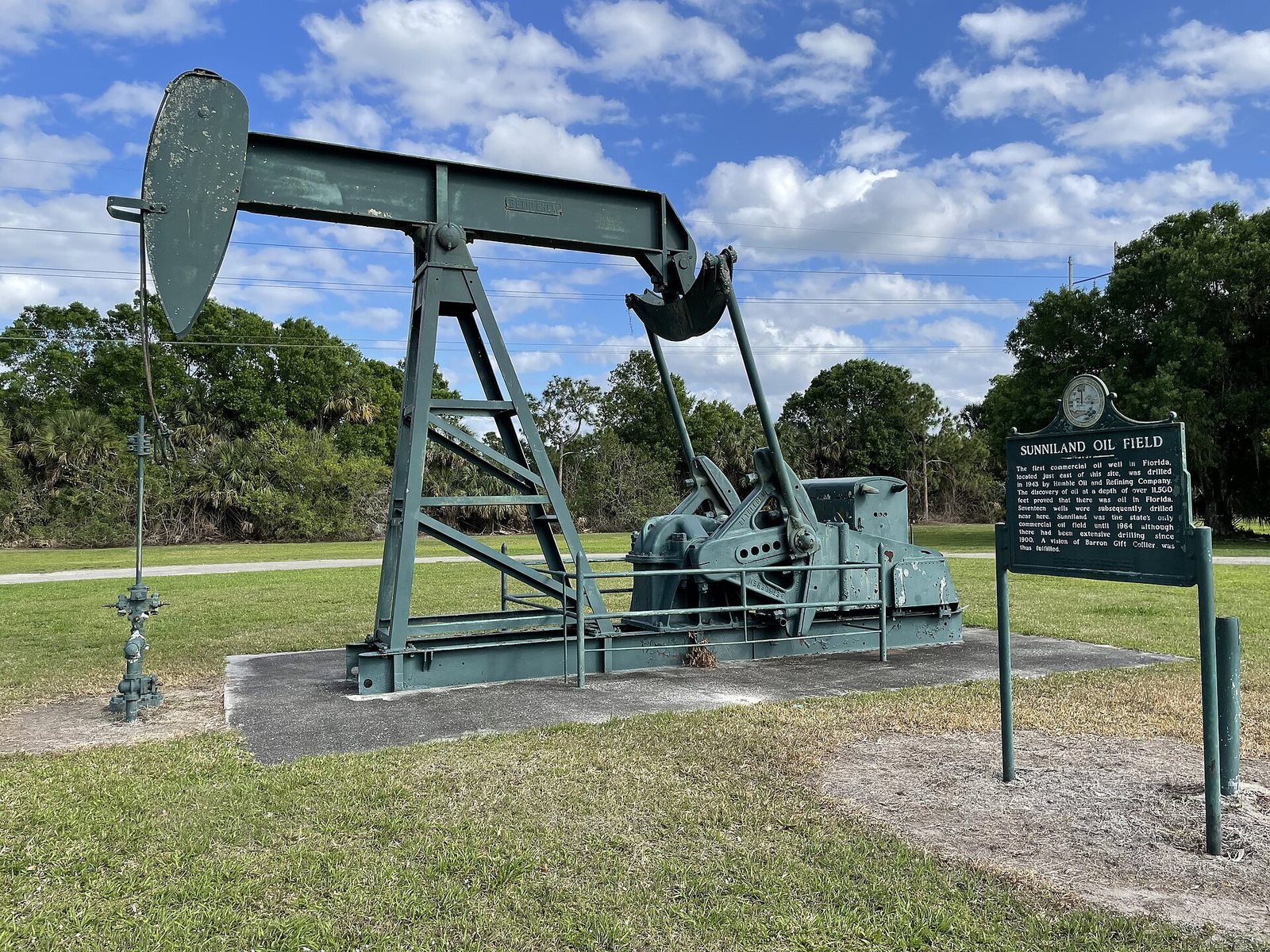
Sunniland Oil Field preserved pumpjack · Public domain via Wikimedia Commons
02 Preparazione 1,250barrels

Venezuela · Field gathering stations detenuto da PDVSA (Produttore statale)

Thinning it enough to move

Naphtha or a lighter crude is blended in as a diluent, roughly one barrel in four, to bring the viscosity down far enough to pump. The result is a blend such as Merey, around 16° API.

1,000 barrelsextra-heavy crude 1,250 barrelsdiluted blend ready for a pipeline

Che fine ha fatto il resto: Nothing is lost here — the volume goes UP, because a quarter of what now moves through the pipe is diluent that will have to be recovered later.

Perché qui: Dilution has to happen at the field. Without it there is no way to get the crude to a port at all.
Heated pipeline · ~300 km to the coast hours Crude Oil →
Thinning it enough to move
Pumping Station Morgan Whyalla Pipeline… · CC0 via Wikimedia Commons
03 Lavorazione 1,250barrels

Venezuela · José industrial complex, Anzoátegui detenuto da PDVSA joint-venture upgraders (Produttore statale)

Upgrading, or not

Some of the blend goes through an upgrader on the coast, which cokes and hydrotreats it into a synthetic crude of about 26–32° API that any refinery can take. The rest is exported as blended heavy crude and stays somebody else's problem.

1,250 barrelsdiluted blend 1,250 barrelssynthetic crude or export blend

Che fine ha fatto il resto: Upgrading at home captures the value of conversion in Venezuela. Exporting the blend hands that value to whoever owns the coker abroad. This is the single biggest commercial decision in the whole journey.

Perché qui: Upgrading next to the field avoids shipping diluent back and forth, but it needs enormous, reliable capital investment — which is why the capacity that exists has often run far below its design rate.
Upgrading, or not
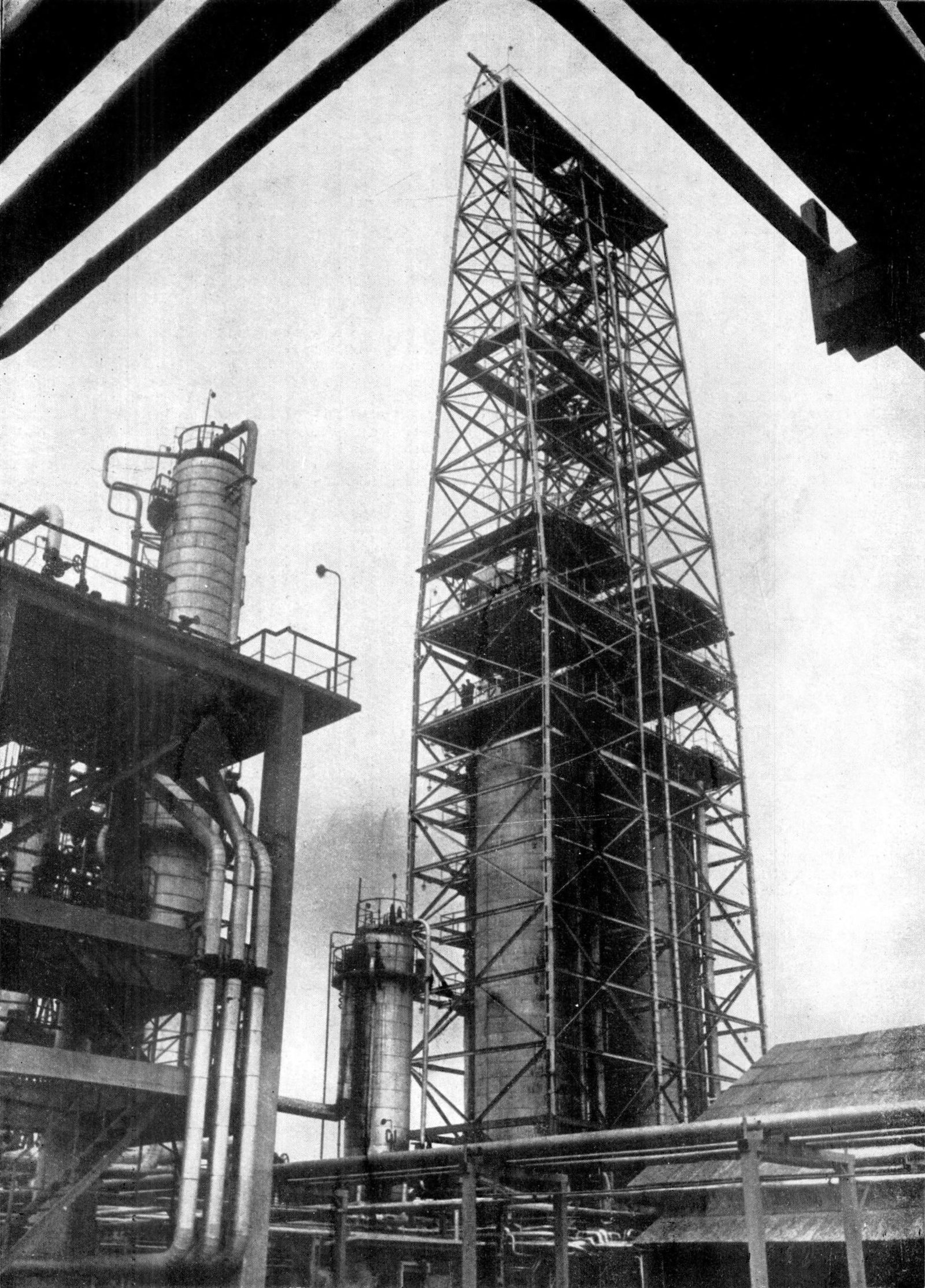
Onesti Refinery with Delayed coker · Public domain via Wikimedia Commons
04 Trasporto 1,250barrels

Venezuela · José and Amuay terminals detenuto da Shipowners and traders (Trader)

Onto a tanker

Loaded onto a Very Large Crude Carrier, often via a smaller shuttle tanker and a ship-to-ship transfer offshore. Custody passes from the producer to a trader here, and frequently changes hands again at sea.

1,250 barrelsexport blend 1,250 barrelscargo afloat

Perché qui: A cargo has to leave from the coast it was produced on. Where it goes next is a commercial decision, not a physical one.
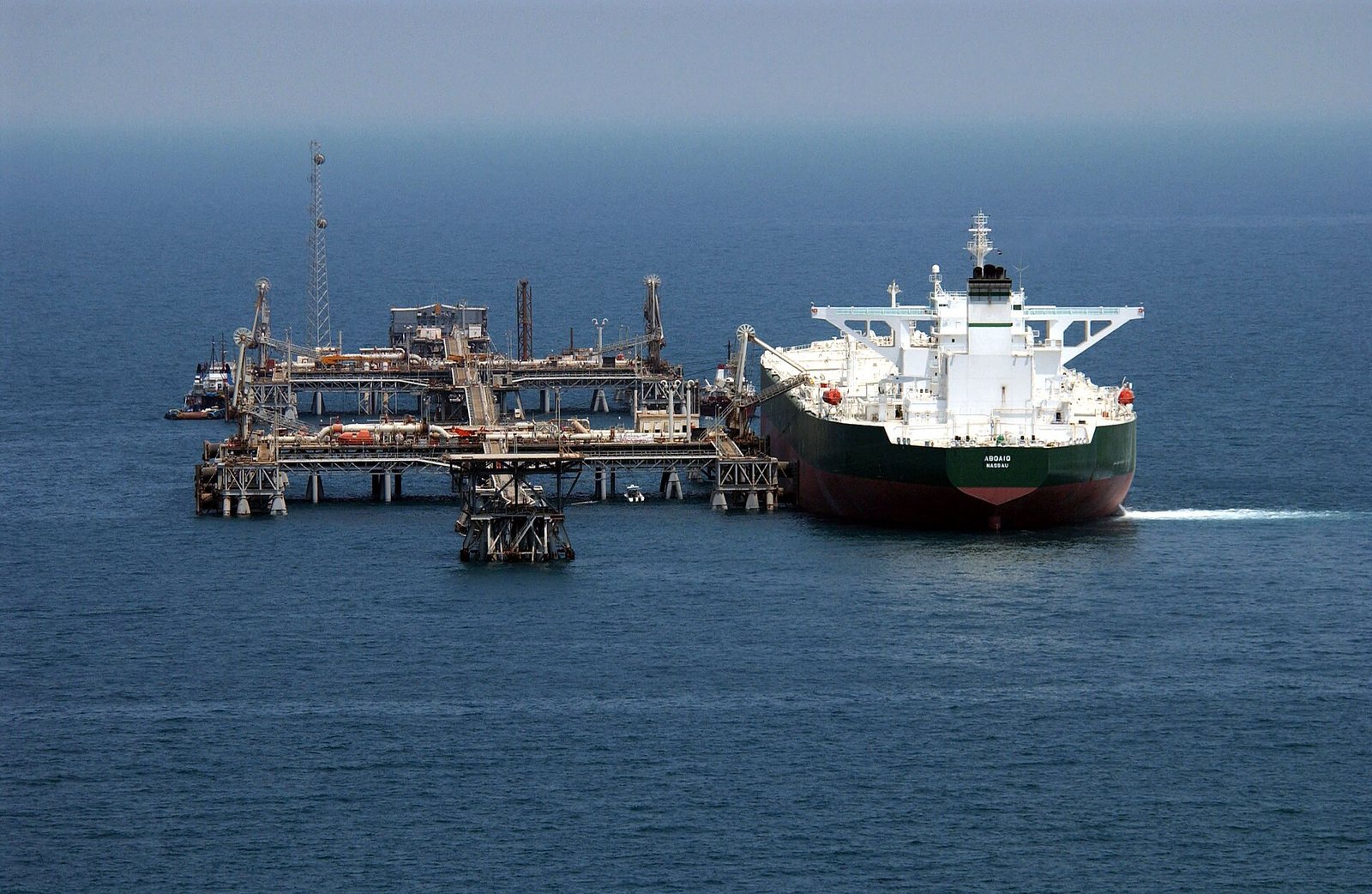
VLCC · Historically to the US Gulf Coast; more recently to Asia, often through transshipment 5 days to the US Gulf, 40+ to China Crude Oil →
Onto a tanker
Tanker offshore terminal · Public domain via Wikimedia Commons
05 Raffinazione 880barrels equivalent

United States · US Gulf Coast (or Shandong, or Jamnagar) detenuto da Refiner (Raffinatore)

A refinery with a coker

Distillation takes off the light ends. What is left — most of the barrel — goes into a delayed coker, which heats the residue until it cracks into lighter liquids and solid carbon. Hydrotreaters then strip the sulfur out.

1,250 barrelscrude blend 880 barrels equivalentfinished liquid products

Che fine ha fatto il resto: The diluent is recovered and sent back. Sulfur comes out as elemental sulfur — feedstock for sulfuric acid, which is used to leach other metals elsewhere in this atlas.

Perché qui: Because the coker is here. Gulf Coast refineries were built to run heavy sour crude and are among the deepest-conversion refineries in the world; a simple refinery in Europe physically cannot process this barrel.
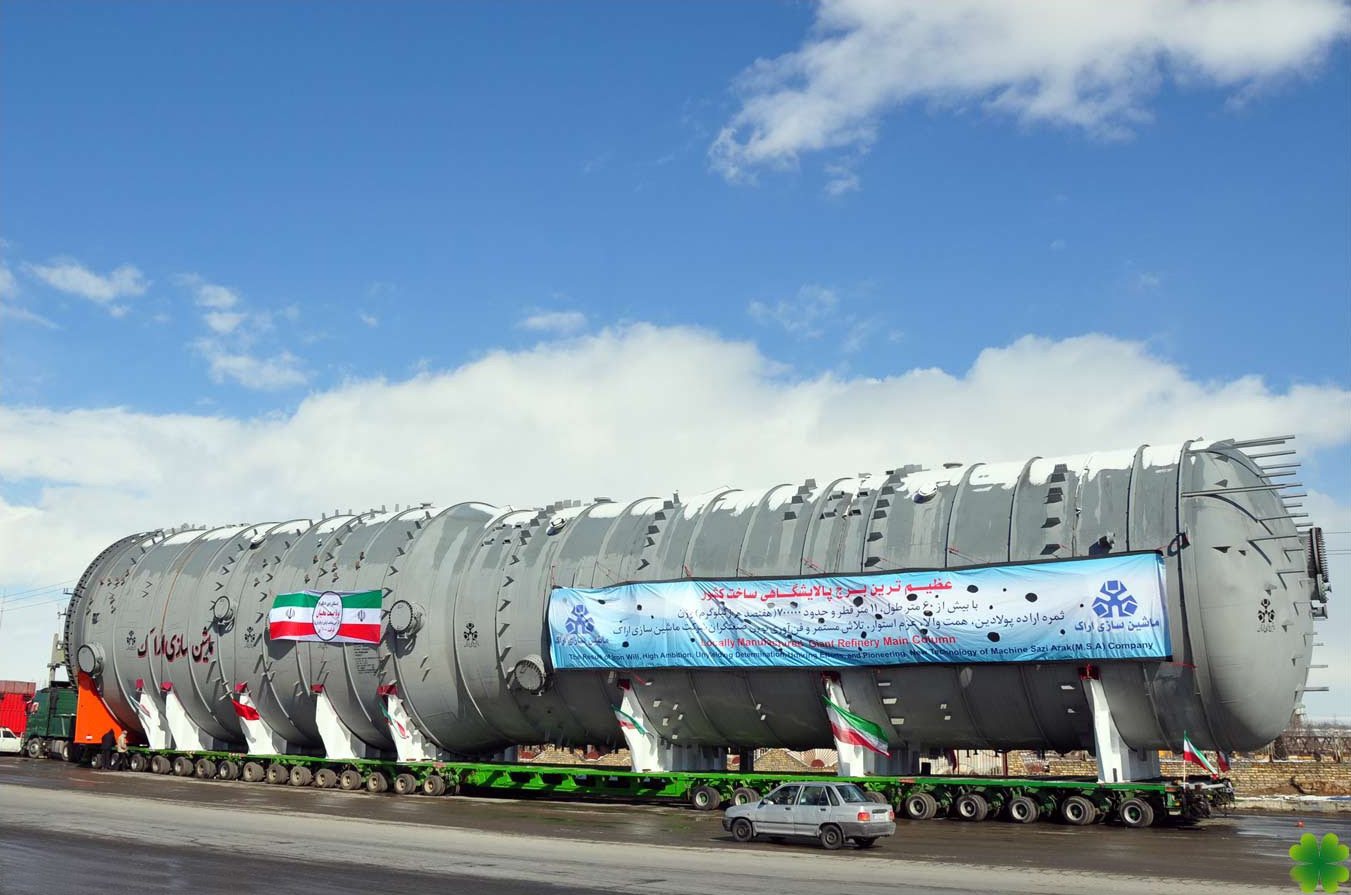
1–2 days Sulfur →
La strada non percorsa If this had been light sweet crude instead Arab Light needs no coker at all. Compare the two routes and count the countries.
A refinery with a coker
A giant distillation tower in Arak · CC BY 3.0 via Wikimedia Commons
06 Prodotto 880barrels equivalent

United States · Refinery gate detenuto da Fuel marketers and industrial buyers (Produttore)

What comes out the other end

Diesel, jet fuel, petrol, asphalt for roads — and roughly 40 tonnes of petroleum coke from the coker.

1,250 barrelscrude blend 880 barrels equivalentfuels and asphalt, plus petroleum coke

Perché qui: Heavy sour crude yields proportionally more asphalt and coke than light crude does. The barrel's chemistry decides the product slate, not the refiner's preference.
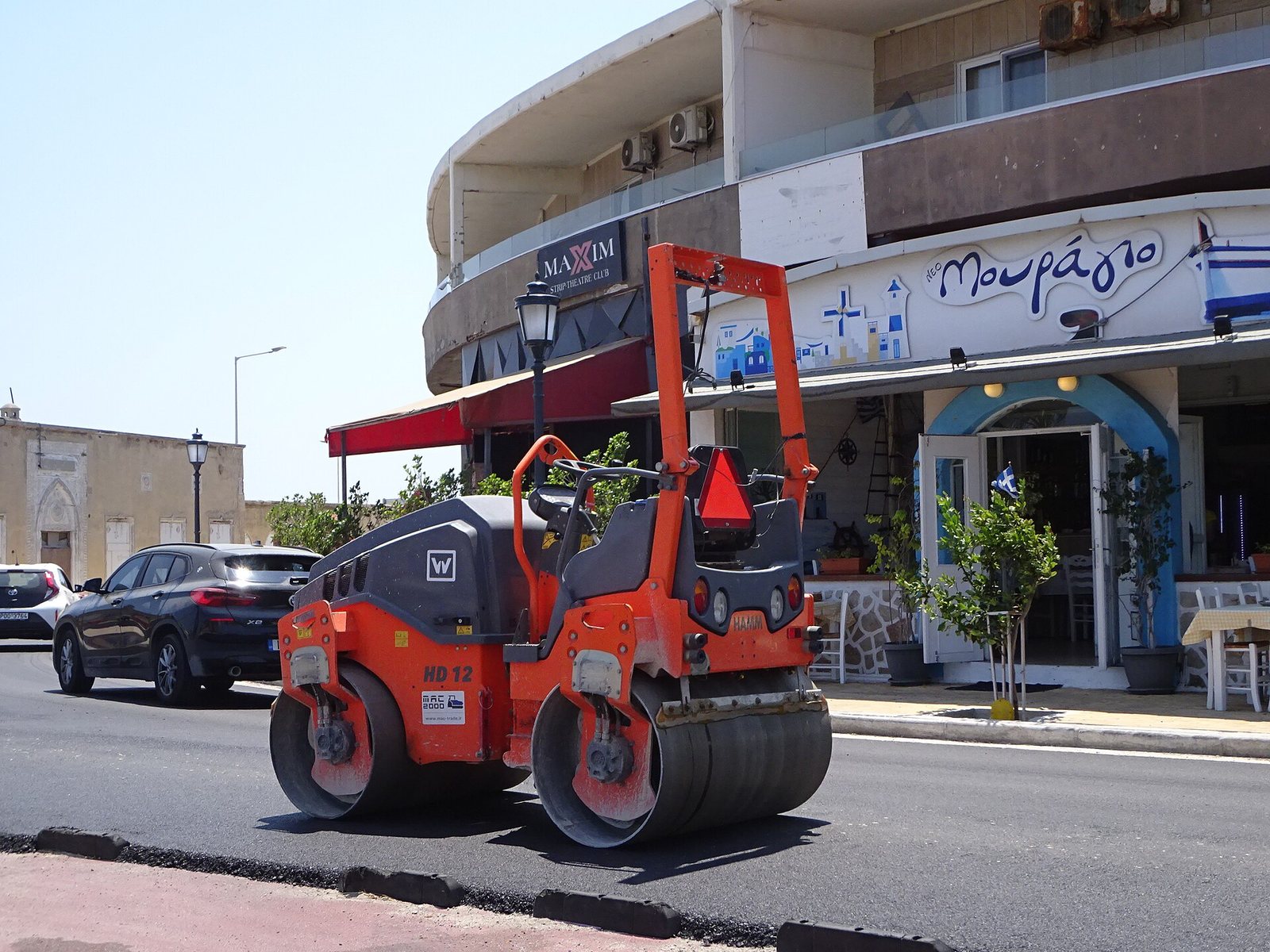
What comes out the other end
Asphalt Roller for Road Asphalt Paving … · CC BY-SA 4.0 via Wikimedia Commons
07 Mercato finale 60tonnes

United Arab Emirates · Calciner, then a smelter detenuto da Anode and aluminium producers (Produttore)

The coke becomes aluminium

The petroleum coke is calcined and formed into carbon anodes. An aluminium smelter consumes roughly half a tonne of anode carbon for every tonne of metal it makes, burning it away in the process.

40 tonnesgreen petroleum coke 60 tonnesprimary aluminium this carbon could support

Che fine ha fatto il resto: This is the join most people never see: a barrel of Venezuelan tar ends up as the consumable carbon inside an aluminium smelter on another continent.

Perché qui: Smelters sit where electricity is cheap, which is rarely where the oil was. The carbon travels to the power, not the other way round.
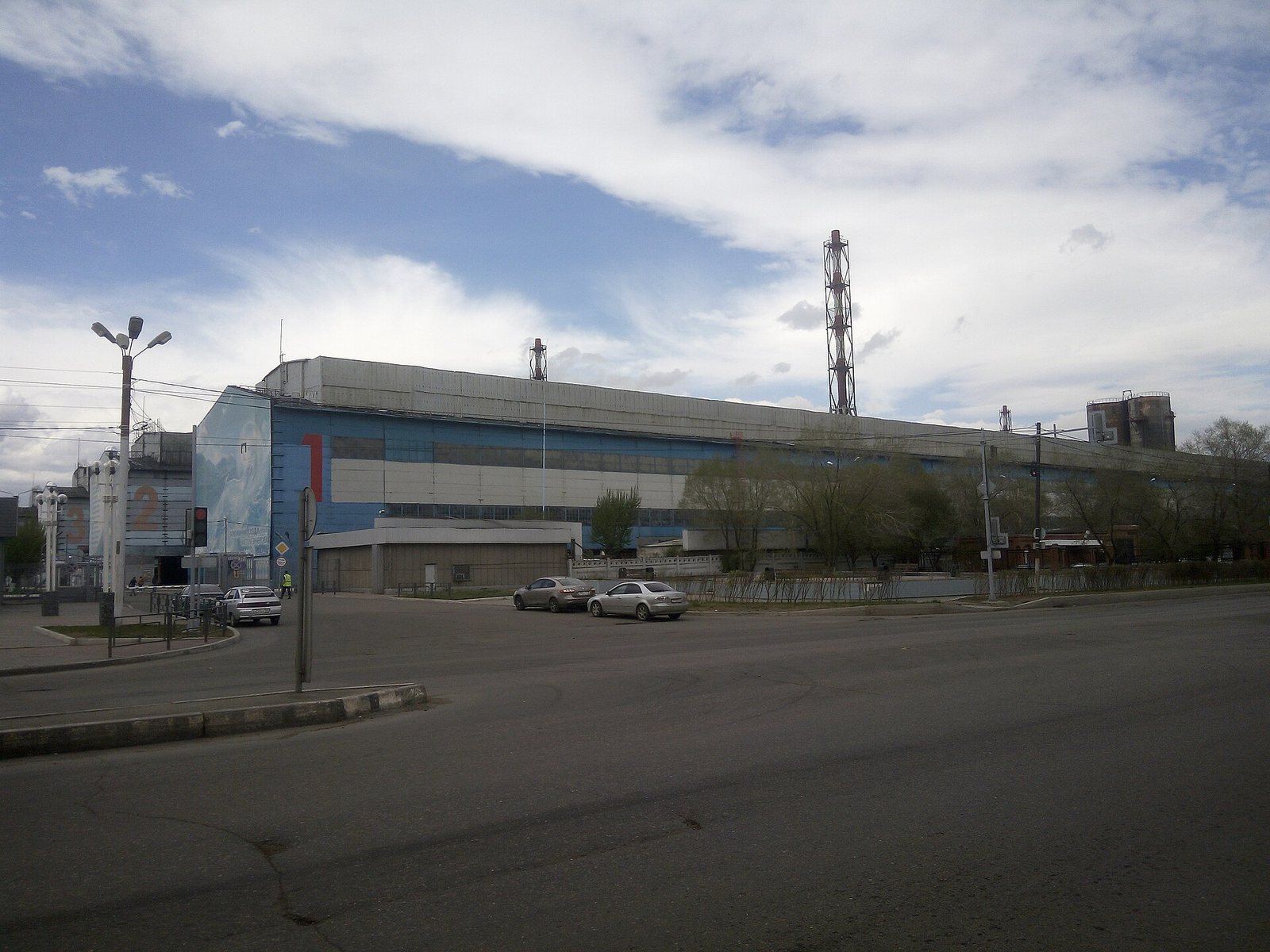
continuous Aluminium →
The coke becomes aluminium
Krasnoyarsk Aluminium Smelter · CC BY 4.0 via Wikimedia Commons

Questo è un esempio elaborato. Segue una quantità iniziale dichiarata attraverso rese e recuperi tipici pubblicati, così che le proporzioni siano verificabili; non è il resoconto di una spedizione specifica. I dati di percorso — quali paesi, quali processi e perché il materiale non può semplicemente essere trattato altrove — sono compilati da fonti di pubblico dominio.

Materiali

Tutti i materiali Minerali critici Terre rare Materiali per batterie Minerali mena Tavola periodica Screener

Il sottosuolo

Miniere e giacimenti Lavorazione e raffinazione Paesi Mappe

L'economia

Percorsi di custodia Filiere produttive Mercati finali Tecnologie Aziende Calcolatore di materiali

Approfondisci

ApprofondisciGlossario Interroga i datiAgenti AI Ricerca e datiAPI aperta Notizie★ Salvato

Chi siamo

Chi siamoContatti MetodologiaFonti dei dati Politica editoriale Informativa sulla privacyCondizioni d'uso Avvertenza