실제로 이동하는 것
Orinoco crude is barely a liquid. It has to be thinned before it can move, and then it has to reach one of the minority of refineries in the world with a coker deep enough to break it apart. That single physical fact decides which countries it can be sold to.
- 소재
- Crude Oil
- 유형
- Extra-heavy crude, roughly 8–10° API, high sulfur, high vanadium and nickel
- 출발지
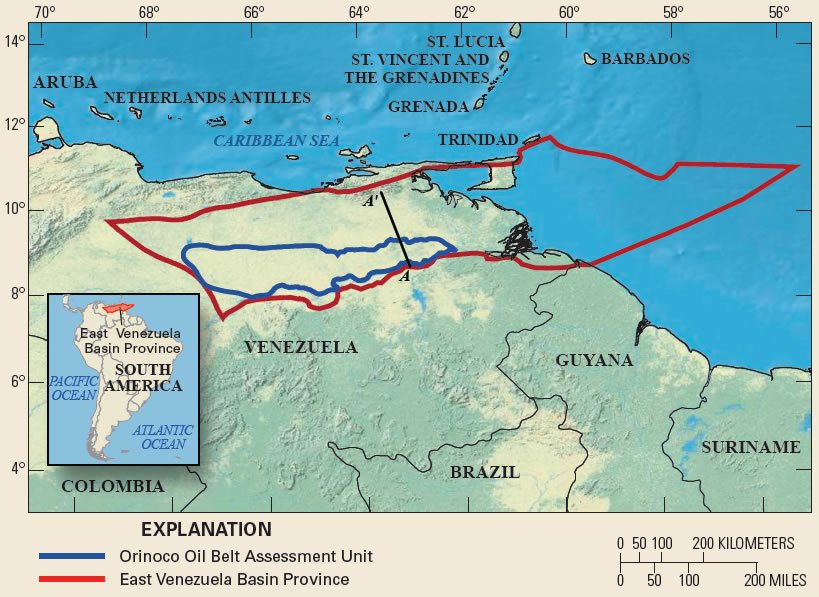
- Venezuela — The Orinoco Belt, a 55,000 km² band of tar-saturated sand in eastern Venezuela
단계별, 국경별
Venezuela · Orinoco Belt 보유자 PDVSA and its joint ventures (국영 생산자)
Getting it out of the sand
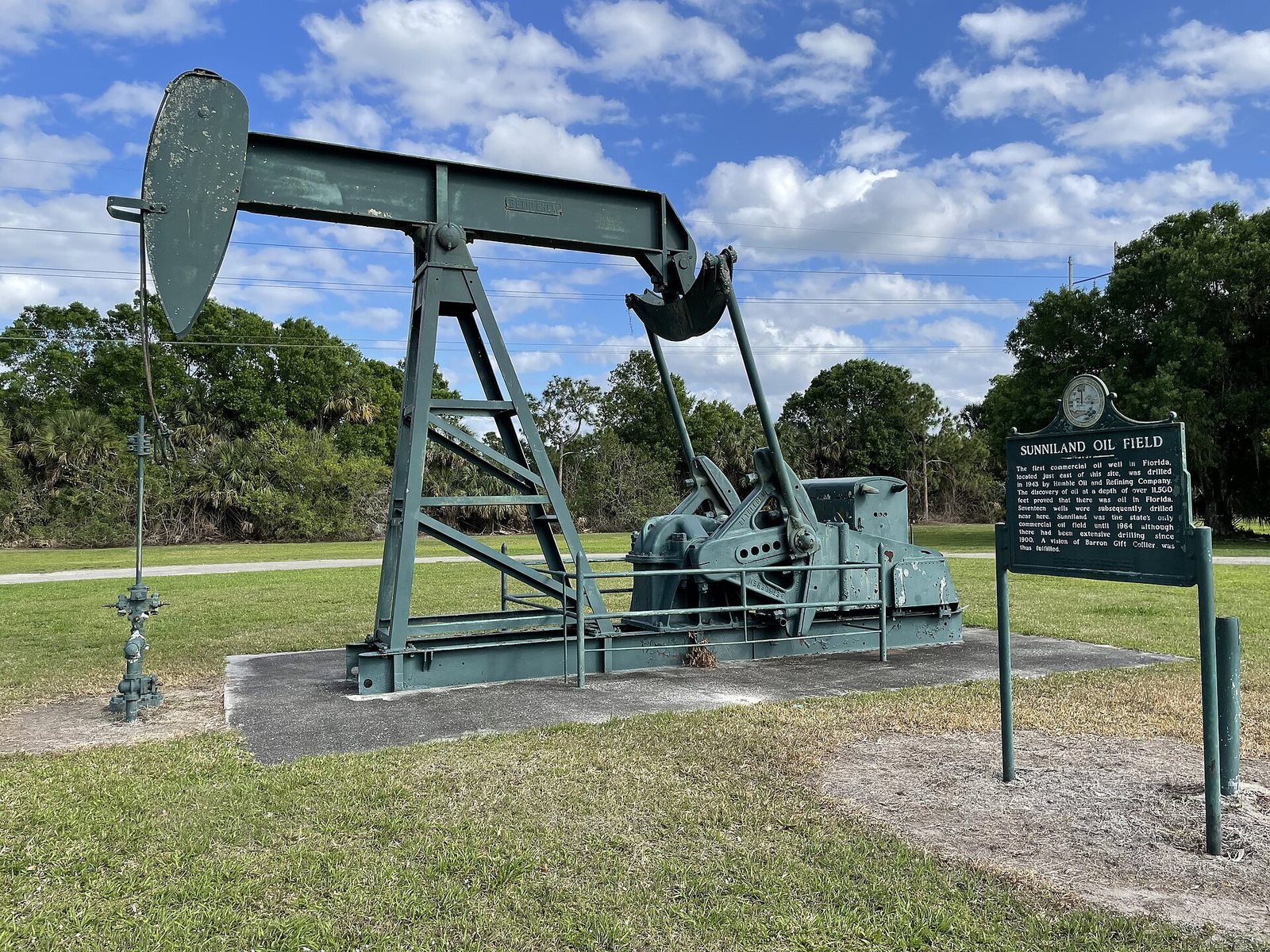
The crude is too viscous to flow to a well on its own. It is produced cold with progressive-cavity pumps in horizontal wells, or moved by injecting steam to heat it until it will run.
왜 이곳인가: You cannot move an oilfield. Everything else in this journey is a consequence of where the Orinoco Belt happens to be.
Venezuela · Field gathering stations 보유자 PDVSA (국영 생산자)
Thinning it enough to move
Naphtha or a lighter crude is blended in as a diluent, roughly one barrel in four, to bring the viscosity down far enough to pump. The result is a blend such as Merey, around 16° API.
나머지는 어떻게 되었는가: Nothing is lost here — the volume goes UP, because a quarter of what now moves through the pipe is diluent that will have to be recovered later.
왜 이곳인가: Dilution has to happen at the field. Without it there is no way to get the crude to a port at all.
Venezuela · José industrial complex, Anzoátegui 보유자 PDVSA joint-venture upgraders (국영 생산자)
Upgrading, or not
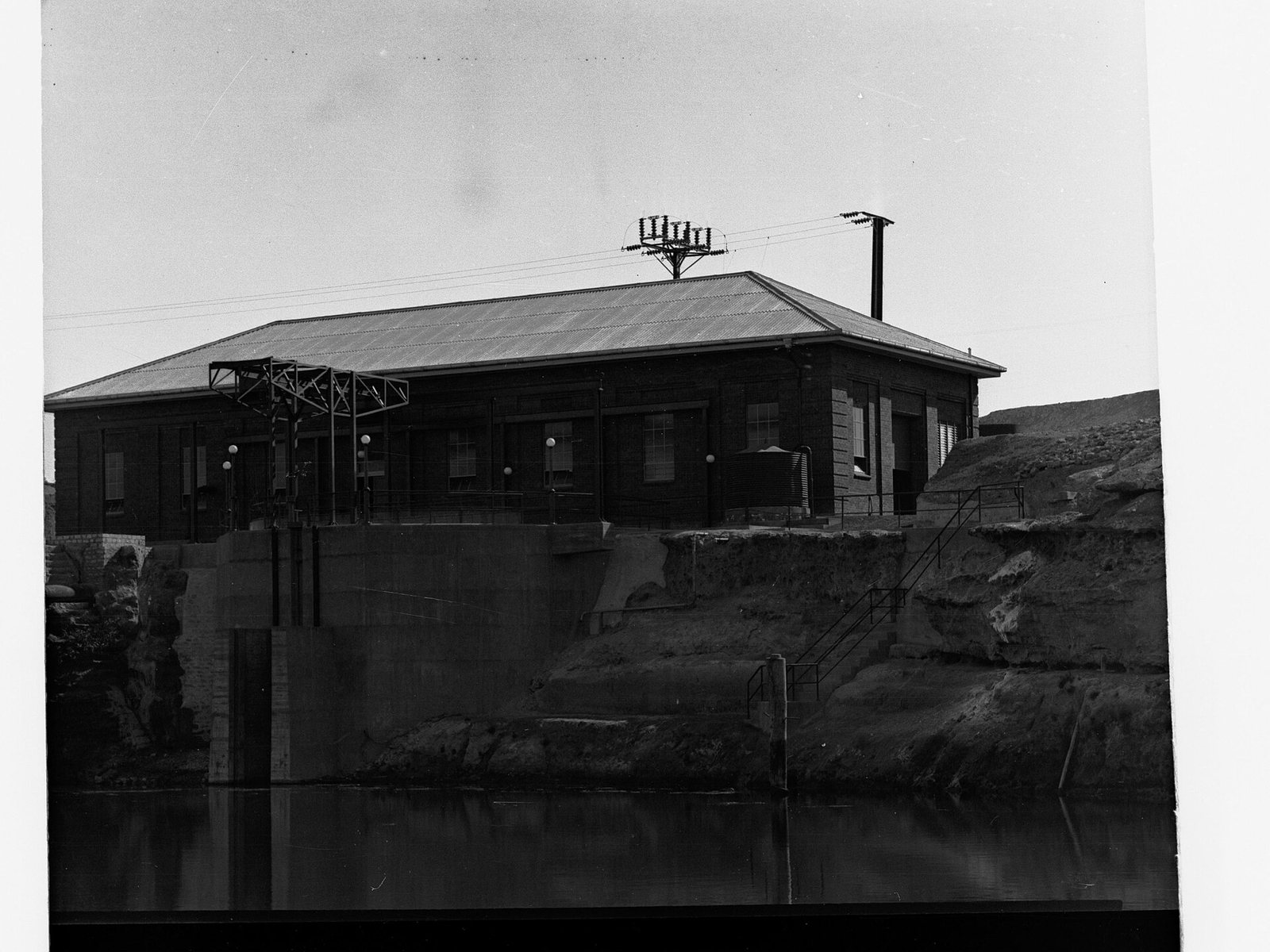
Some of the blend goes through an upgrader on the coast, which cokes and hydrotreats it into a synthetic crude of about 26–32° API that any refinery can take. The rest is exported as blended heavy crude and stays somebody else's problem.
나머지는 어떻게 되었는가: Upgrading at home captures the value of conversion in Venezuela. Exporting the blend hands that value to whoever owns the coker abroad. This is the single biggest commercial decision in the whole journey.
왜 이곳인가: Upgrading next to the field avoids shipping diluent back and forth, but it needs enormous, reliable capital investment — which is why the capacity that exists has often run far below its design rate.
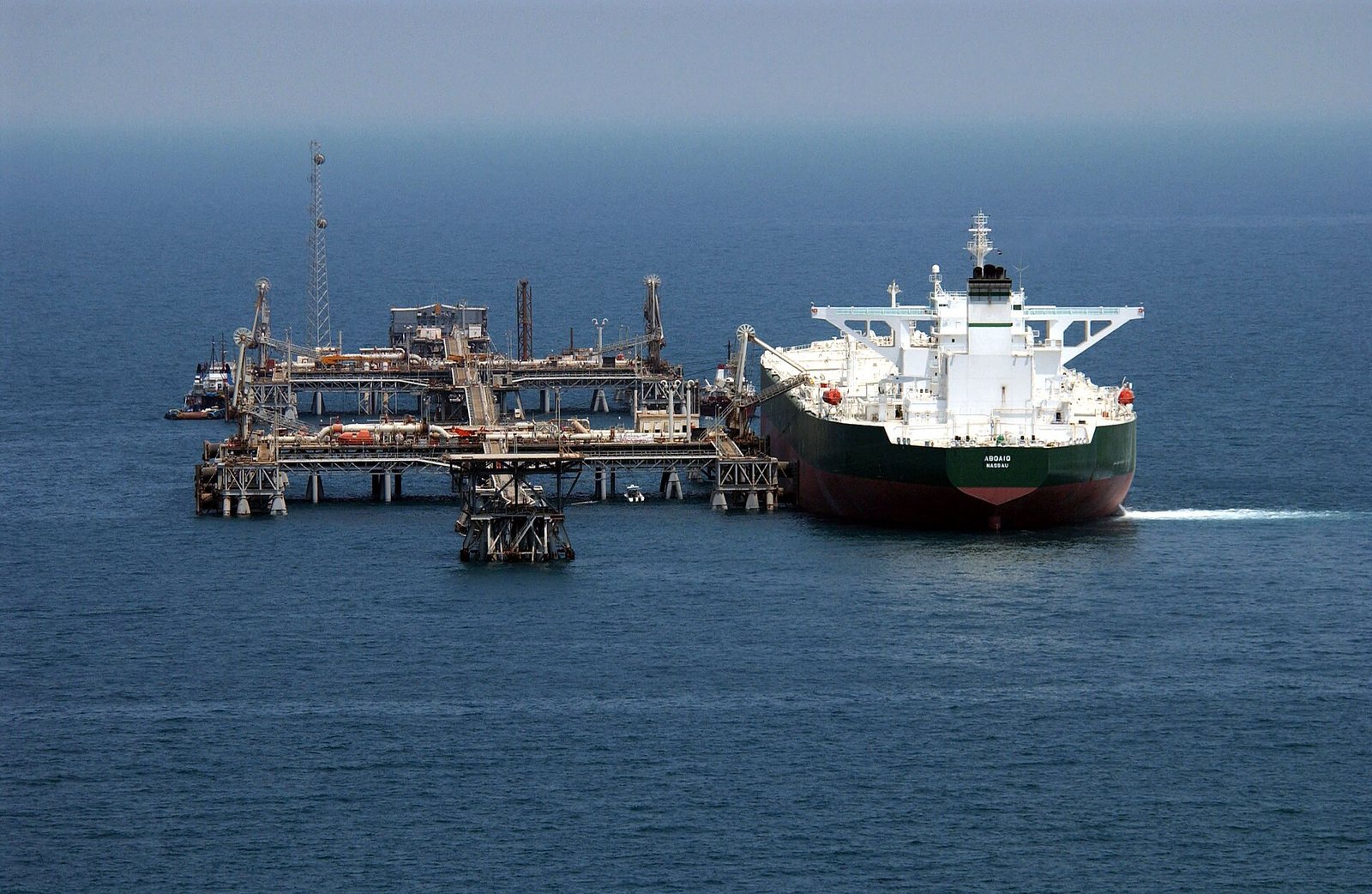
Venezuela · José and Amuay terminals 보유자 Shipowners and traders (트레이더)
Onto a tanker
Loaded onto a Very Large Crude Carrier, often via a smaller shuttle tanker and a ship-to-ship transfer offshore. Custody passes from the producer to a trader here, and frequently changes hands again at sea.
왜 이곳인가: A cargo has to leave from the coast it was produced on. Where it goes next is a commercial decision, not a physical one.
United States · US Gulf Coast (or Shandong, or Jamnagar) 보유자 Refiner (정련업체)
A refinery with a coker
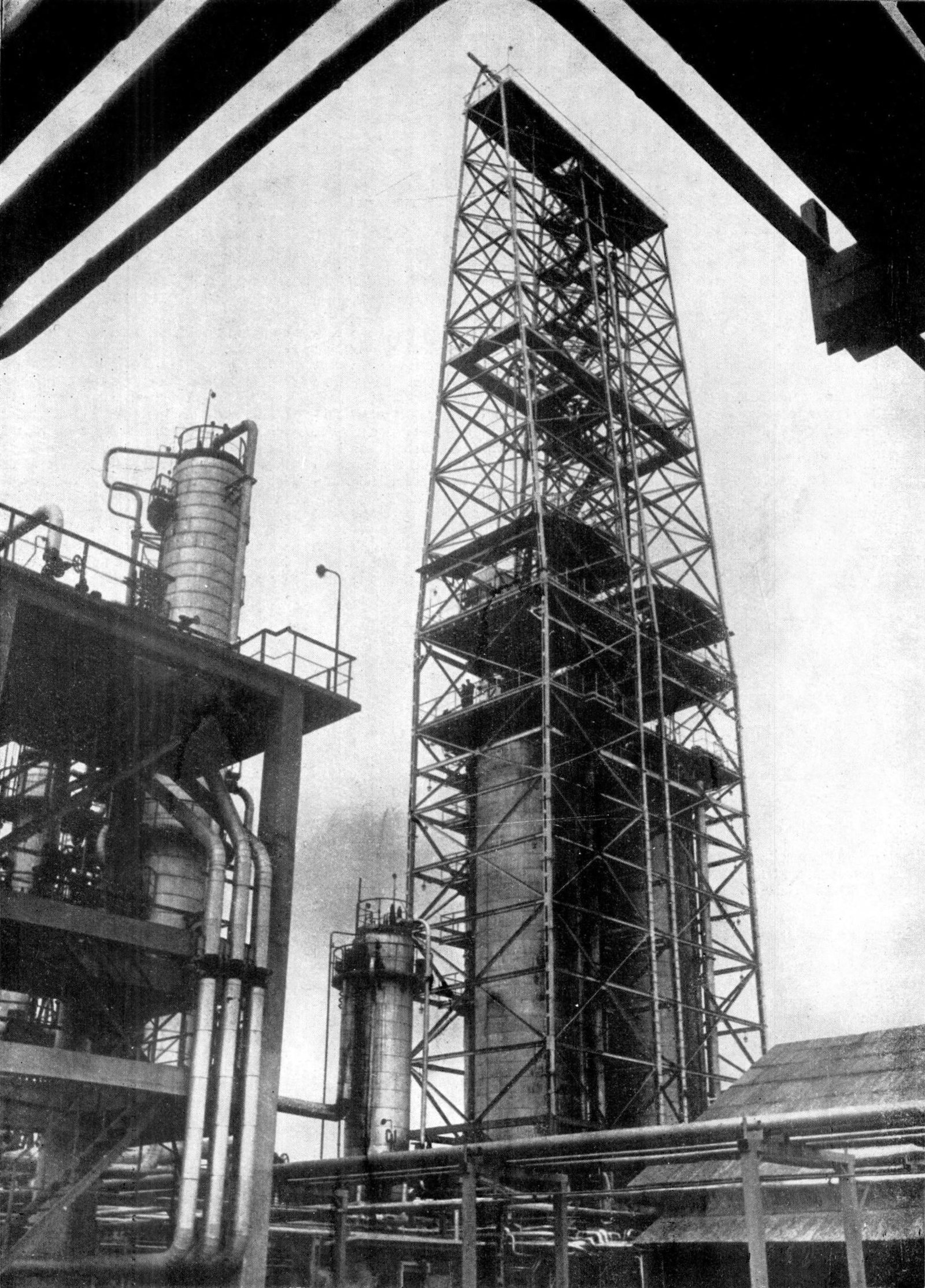
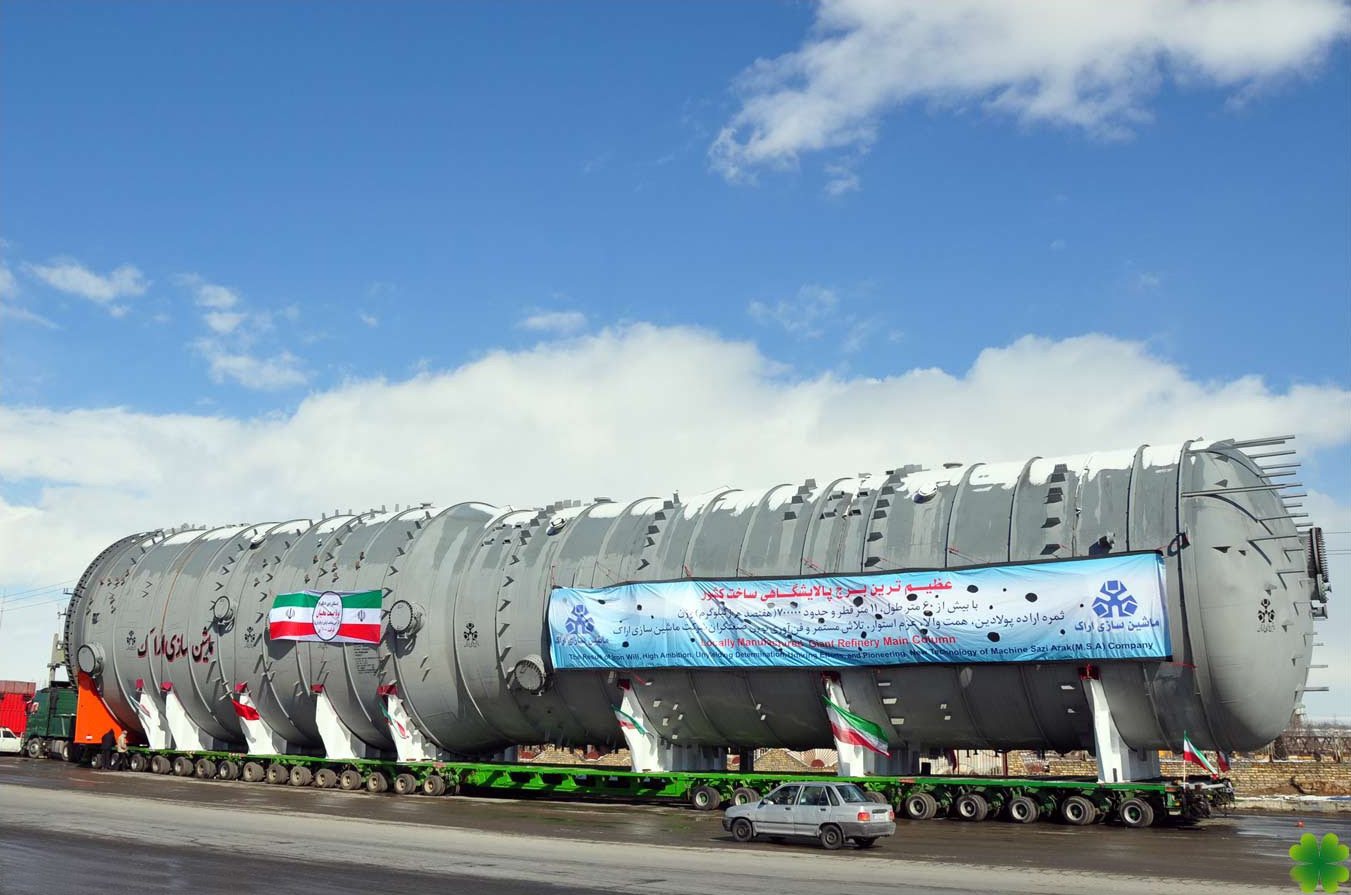
Distillation takes off the light ends. What is left — most of the barrel — goes into a delayed coker, which heats the residue until it cracks into lighter liquids and solid carbon. Hydrotreaters then strip the sulfur out.
나머지는 어떻게 되었는가: The diluent is recovered and sent back. Sulfur comes out as elemental sulfur — feedstock for sulfuric acid, which is used to leach other metals elsewhere on this site.
왜 이곳인가: Because the coker is here. Gulf Coast refineries were built to run heavy sour crude and are among the deepest-conversion refineries in the world; a simple refinery in Europe physically cannot process this barrel.
United States · Refinery gate 보유자 Fuel marketers and industrial buyers (제조사)
What comes out the other end
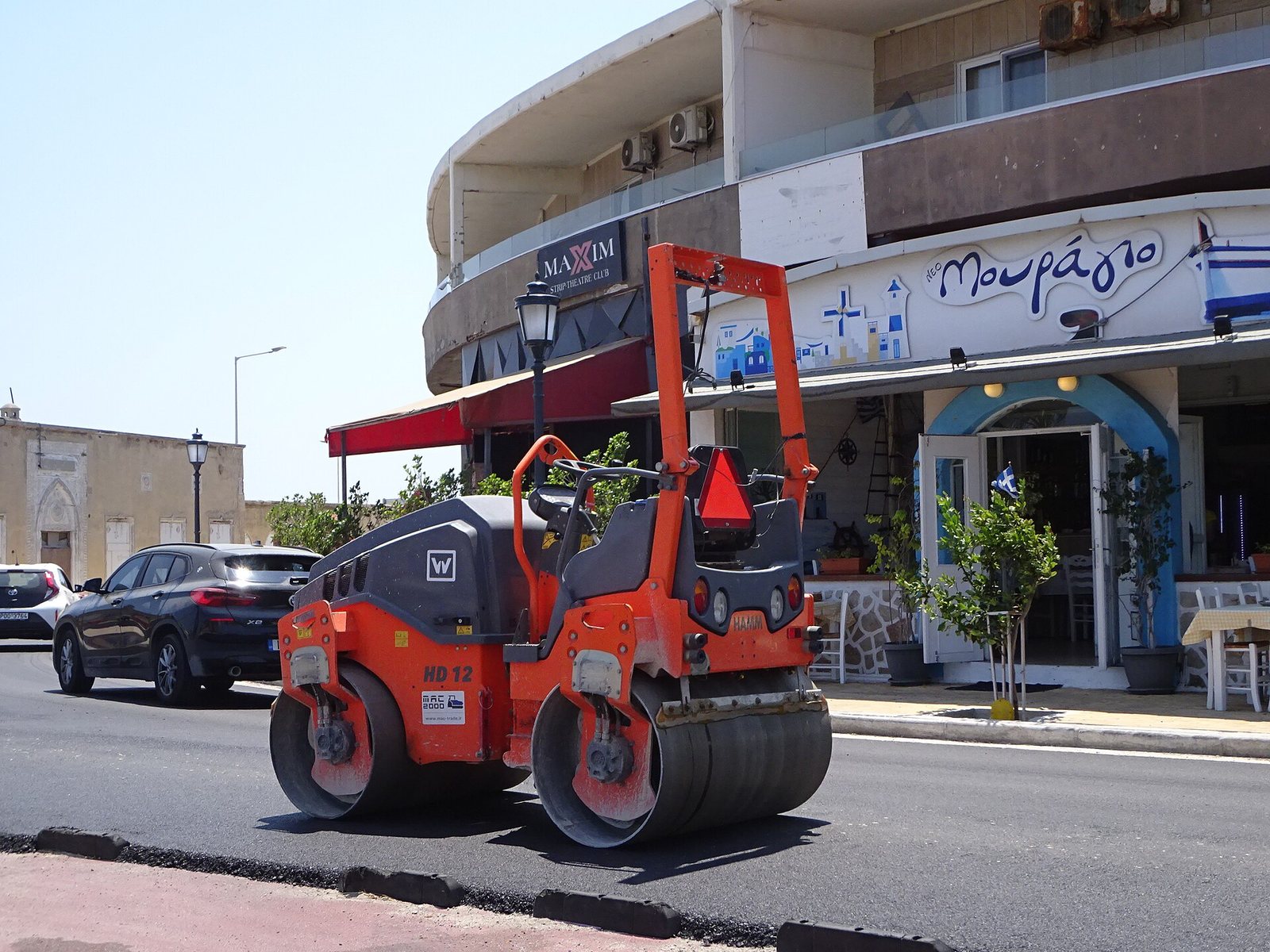
Diesel, jet fuel, petrol, asphalt for roads — and roughly 40 tonnes of petroleum coke from the coker.
왜 이곳인가: Heavy sour crude yields proportionally more asphalt and coke than light crude does. The barrel's chemistry decides the product slate, not the refiner's preference.
United Arab Emirates · Calciner, then a smelter 보유자 Anode and aluminium producers (제조사)
The coke becomes aluminium
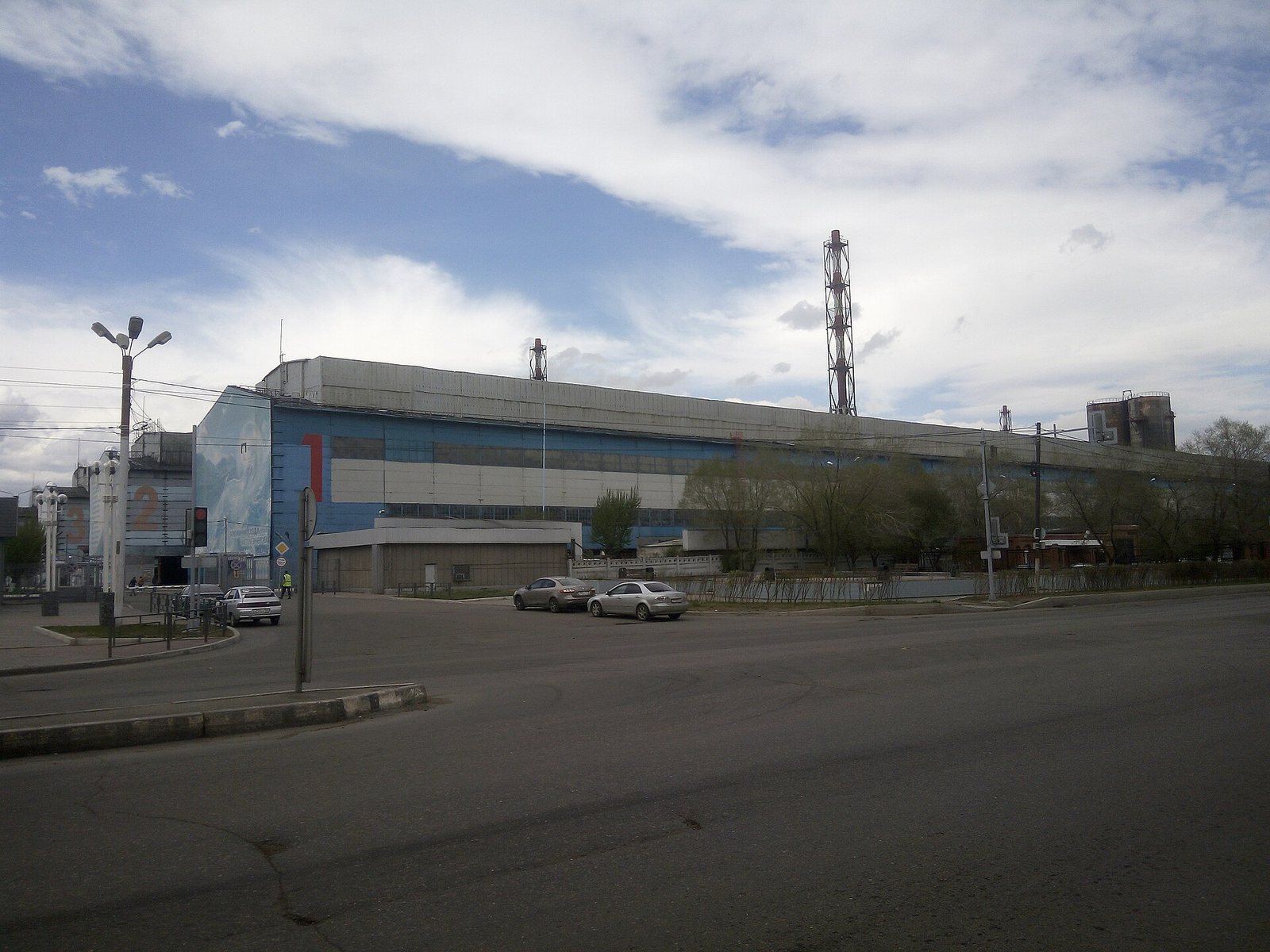
The petroleum coke is calcined and formed into carbon anodes. An aluminium smelter consumes roughly half a tonne of anode carbon for every tonne of metal it makes, burning it away in the process.
나머지는 어떻게 되었는가: This is the join most people never see: a barrel of Venezuelan tar ends up as the consumable carbon inside an aluminium smelter on another continent.
왜 이곳인가: Smelters sit where electricity is cheap, which is rarely where the oil was. The carbon travels to the power, not the other way round.
이것은 작업 예시이다. 공표된 출발 수량을 공표된 일반적인 수율 및 회수율에 따라 추적한 것이므로 비율은 검증 가능하다. 특정 선적 기록이 아니다. 경로 사실—어느 나라, 어떤 공정, 그리고 왜 해당 소재를 다른 곳에서 처리할 수 없는지—은 공개 보고를 바탕으로 정리되었다.