Van erts naar product, getraceerd
The Materials Atlas
Materialen Mijnen & afzettingen Verwerking & raffinage Bewaartrajecten Toeleveringsketens Bedrijven Landen Nieuws
Materialen per schap Batterijmaterialen Zeldzame-aardelementen Koper & elektrisch Halfgeleidermaterialen Nucleaire materialen Luchtvaart & defensie Edele metalen Staal- en legeringsmetalen Industriële mineralen Landbouwmineralen Energiegrondstoffen Ertsmineralen Periodiek systeem
Vraag Eindmarkten Technologieën Materiaалcalculator Kaarten Screener
Leren & hulpmiddelen Meer lerenVerklarende woordenlijst Raadpleeg de dataAI-agenten Onderzoek & dataAPI ★ Opgeslagen
Over Over onsMethodologie GegevensbronnenContact Disclaimer
Leesopties
🧭 Begeleide weergave Nieuw hiermee — ertsgrades, concentraat, raffinage, bijproducten? We leggen elk begrip uit terwijl u bladert, in duidelijke taal. Dezelfde gegevens, met de uitleg ingebouwd.
⚡ Expertweergave U kent de sector al. Alleen de data — helder, snel en compact, zonder extra toelichting. Dit is de standaardweergave.
Thema
Interfacetaal
Diepte Materiaalpagina's zijn op vier niveaus geschreven. Kies een niveau op een materiaalpagina en het wordt onthouden.
★ Opgeslagen Onderzoek & data
Venezuelan extra-heavy crude to diesel, asphalt and aluminium anodes

Bewaartraject · begint in Venezuela

Venezuelan extra-heavy crude to diesel, asphalt and aluminium anodes

Oil so thick it will not flow down a pipe, and cannot be refined by most refineries on Earth.

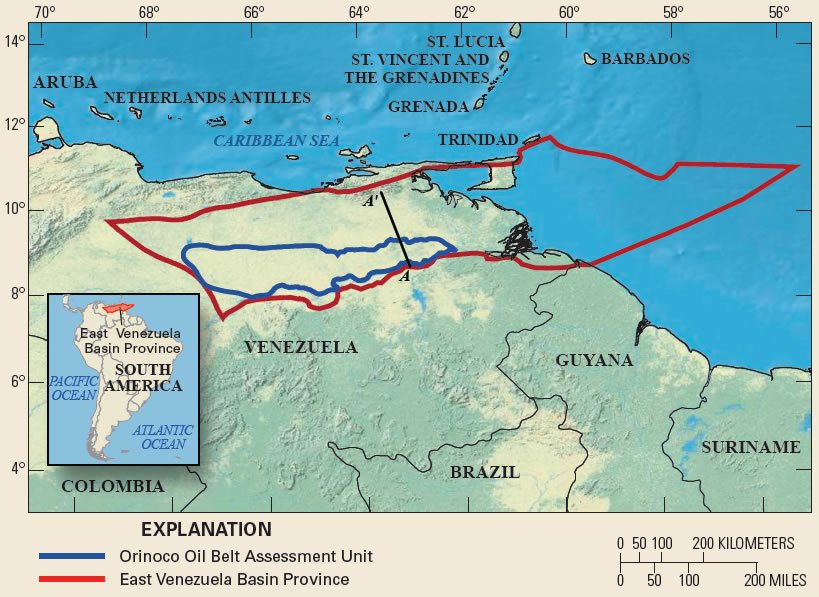
Orinoco Oil Belt.png · Christopher J. Schenk · Public domain · Wikimedia Commons
1,000 barrels of extra-heavy crude in the ground
880 barrels equivalent of finished products, plus about 40 tonnes of petroleum coke
Venezuela → United States United States → United Arab Emirates Venezuela — Getting it out of the sand 1 Venezuela United States — A refinery with a coker 2 United States United Arab Emirates — The coke becomes aluminium 3 United Arab Emirates
Genummerd in de volgorde waarin het materiaal reist. Klik op een land om de bijbehorende pagina te openen. Equirectangulaire projectie gebaseerd op landscentroïden — de bogen tonen welke grenzen worden overschreden, niet de werkelijke vaarroute.

Wat er werkelijk wordt vervoerd

Orinoco crude is barely a liquid. It has to be thinned before it can move, and then it has to reach one of the minority of refineries in the world with a coker deep enough to break it apart. That single physical fact decides which countries it can be sold to.

Het materiaal
Crude Oil
De variëteit
Extra-heavy crude, roughly 8–10° API, high sulfur, high vanadium and nickel
Waar het begint
Venezuela — The Orinoco Belt, a 55,000 km² band of tar-saturated sand in eastern Venezuela
Waarom deze route en niet een andere. A simple refinery separates crude by boiling point. Extra-heavy crude barely boils — most of it is residue — so a simple refinery would produce almost nothing but tar. Only a complex refinery with a coking unit can crack that residue into usable fuel, and coking capacity is concentrated in a handful of places: the US Gulf Coast, a few Chinese and Indian refineries, and Venezuela's own upgraders.
De smalste schakel. Not the oilfield. The chokepoint is deep-conversion refining capacity, which exists in very few countries and takes a decade and billions of dollars to build.
Lees de twee getallen bij elke stap: wat erin ging en wat eruit kwam. Zien hoe ze krimpen is het punt. Aan het einde hebt u duizend ton gesteente gevolgd tot op enkele kilogrammen van wat uiteindelijk het werk doet.

Stap voor stap, en grens voor grens

01 Winning 1,000barrels

Venezuela · Orinoco Belt in beheer bij PDVSA and its joint ventures (Staatsproducent)

Getting it out of the sand

The crude is too viscous to flow to a well on its own. It is produced cold with progressive-cavity pumps in horizontal wells, or moved by injecting steam to heat it until it will run.

1,000 barrelscrude in place 1,000 barrelsextra-heavy crude at the wellhead

Waarom hier: You cannot move an oilfield. Everything else in this journey is a consequence of where the Orinoco Belt happens to be.
continuous Crude Oil →
Getting it out of the sand
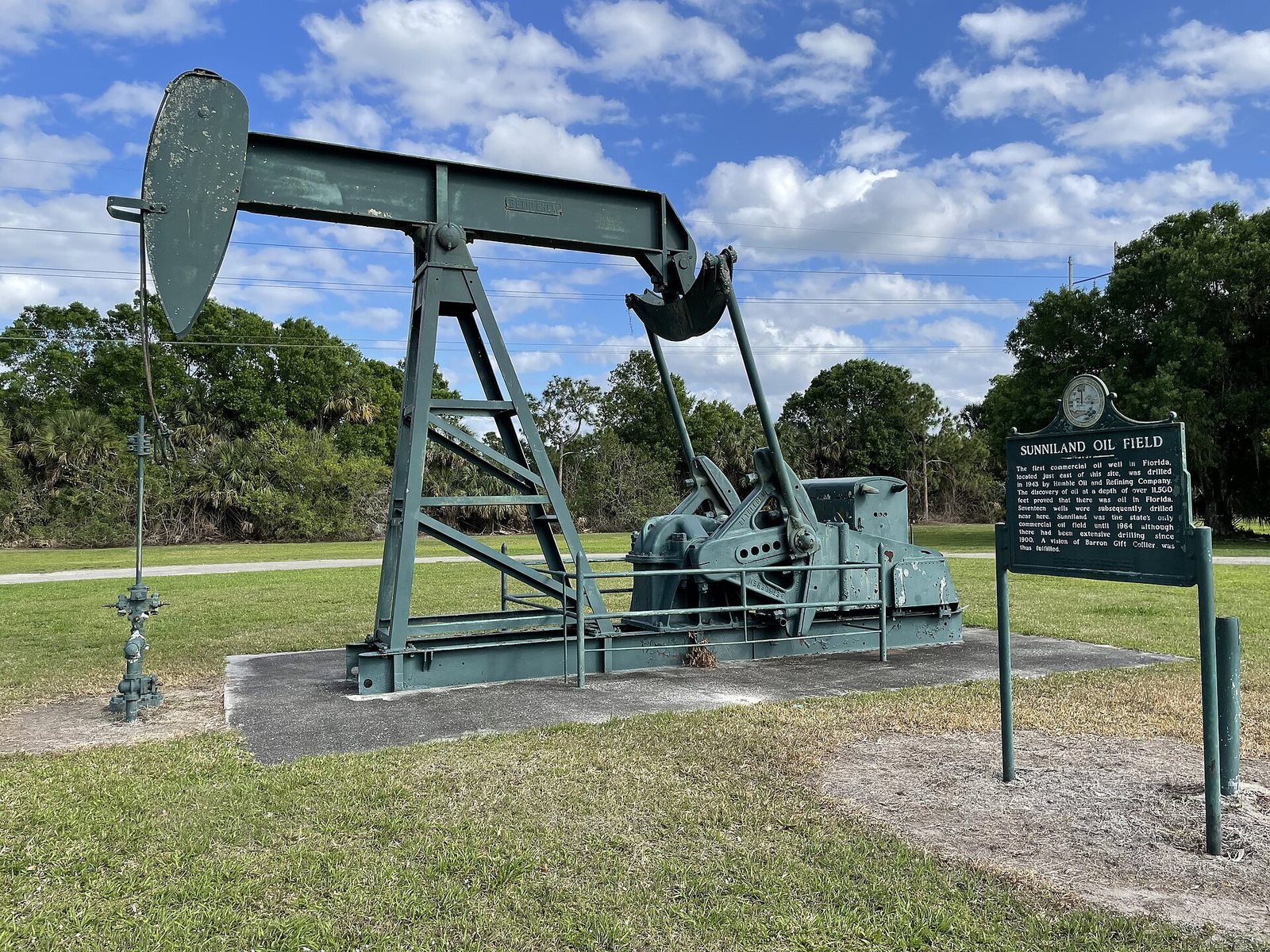
Sunniland Oil Field preserved pumpjack · Public domain via Wikimedia Commons
02 Voorbereiding 1,250barrels

Venezuela · Field gathering stations in beheer bij PDVSA (Staatsproducent)

Thinning it enough to move

Naphtha or a lighter crude is blended in as a diluent, roughly one barrel in four, to bring the viscosity down far enough to pump. The result is a blend such as Merey, around 16° API.

1,000 barrelsextra-heavy crude 1,250 barrelsdiluted blend ready for a pipeline

Wat er met de rest gebeurde: Nothing is lost here — the volume goes UP, because a quarter of what now moves through the pipe is diluent that will have to be recovered later.

Waarom hier: Dilution has to happen at the field. Without it there is no way to get the crude to a port at all.
Heated pipeline · ~300 km to the coast hours Crude Oil →
Thinning it enough to move
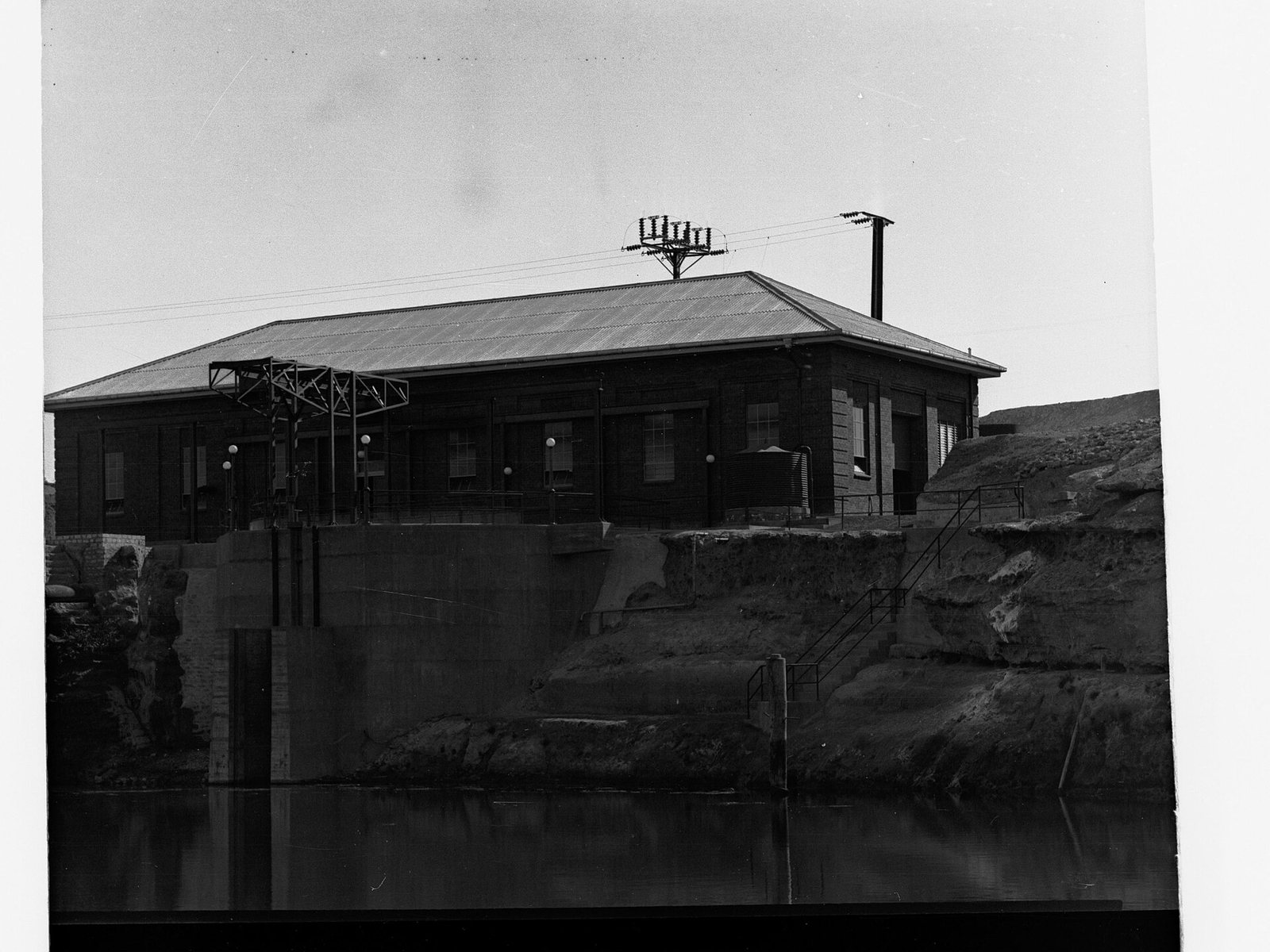
Pumping Station Morgan Whyalla Pipeline… · CC0 via Wikimedia Commons
03 Verwerking 1,250barrels

Venezuela · José industrial complex, Anzoátegui in beheer bij PDVSA joint-venture upgraders (Staatsproducent)

Upgrading, or not

Some of the blend goes through an upgrader on the coast, which cokes and hydrotreats it into a synthetic crude of about 26–32° API that any refinery can take. The rest is exported as blended heavy crude and stays somebody else's problem.

1,250 barrelsdiluted blend 1,250 barrelssynthetic crude or export blend

Wat er met de rest gebeurde: Upgrading at home captures the value of conversion in Venezuela. Exporting the blend hands that value to whoever owns the coker abroad. This is the single biggest commercial decision in the whole journey.

Waarom hier: Upgrading next to the field avoids shipping diluent back and forth, but it needs enormous, reliable capital investment — which is why the capacity that exists has often run far below its design rate.
Upgrading, or not
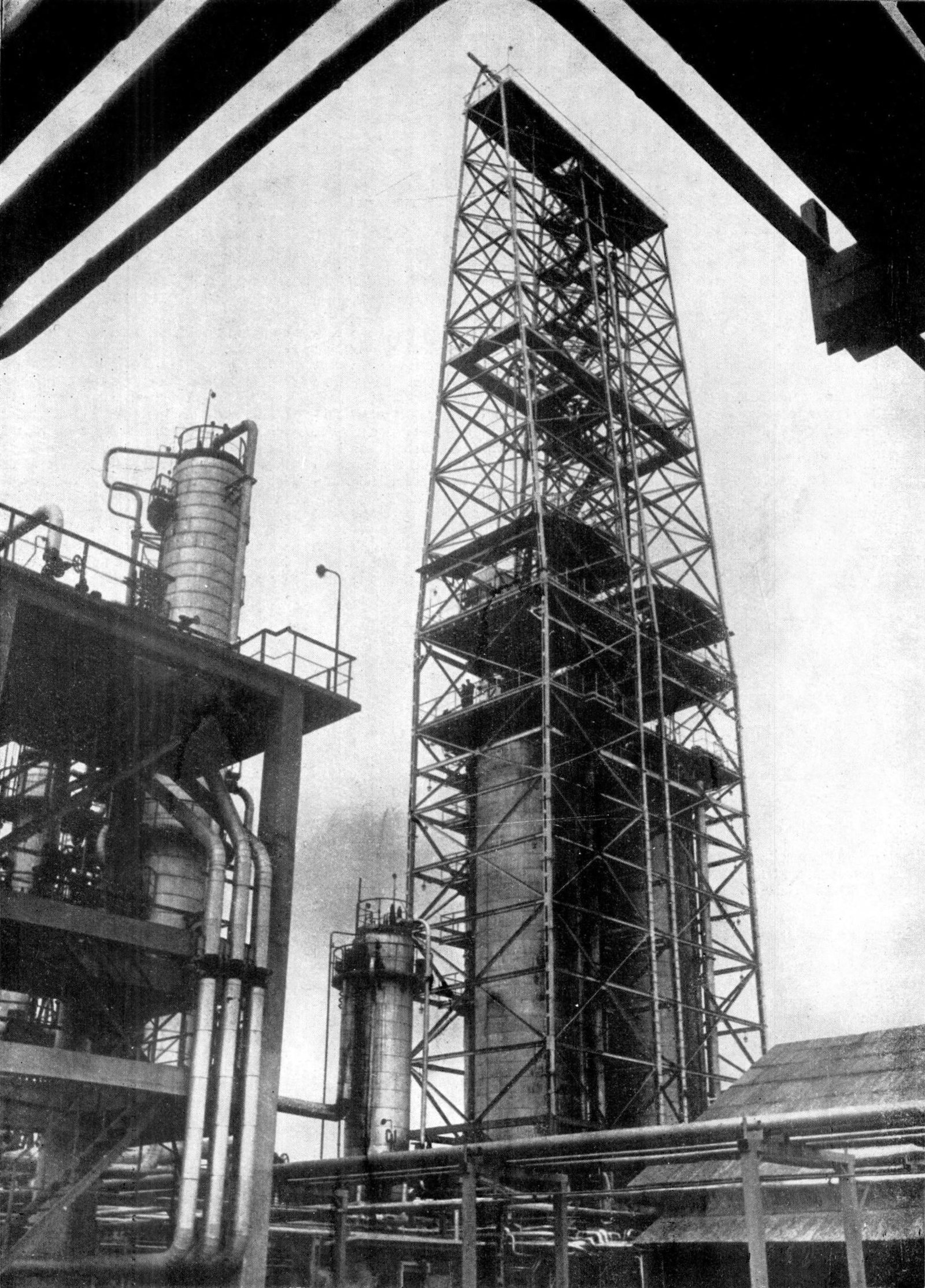
Onesti Refinery with Delayed coker · Public domain via Wikimedia Commons
04 Transport 1,250barrels

Venezuela · José and Amuay terminals in beheer bij Shipowners and traders (Handelaar)

Onto a tanker

Loaded onto a Very Large Crude Carrier, often via a smaller shuttle tanker and a ship-to-ship transfer offshore. Custody passes from the producer to a trader here, and frequently changes hands again at sea.

1,250 barrelsexport blend 1,250 barrelscargo afloat

Waarom hier: A cargo has to leave from the coast it was produced on. Where it goes next is a commercial decision, not a physical one.
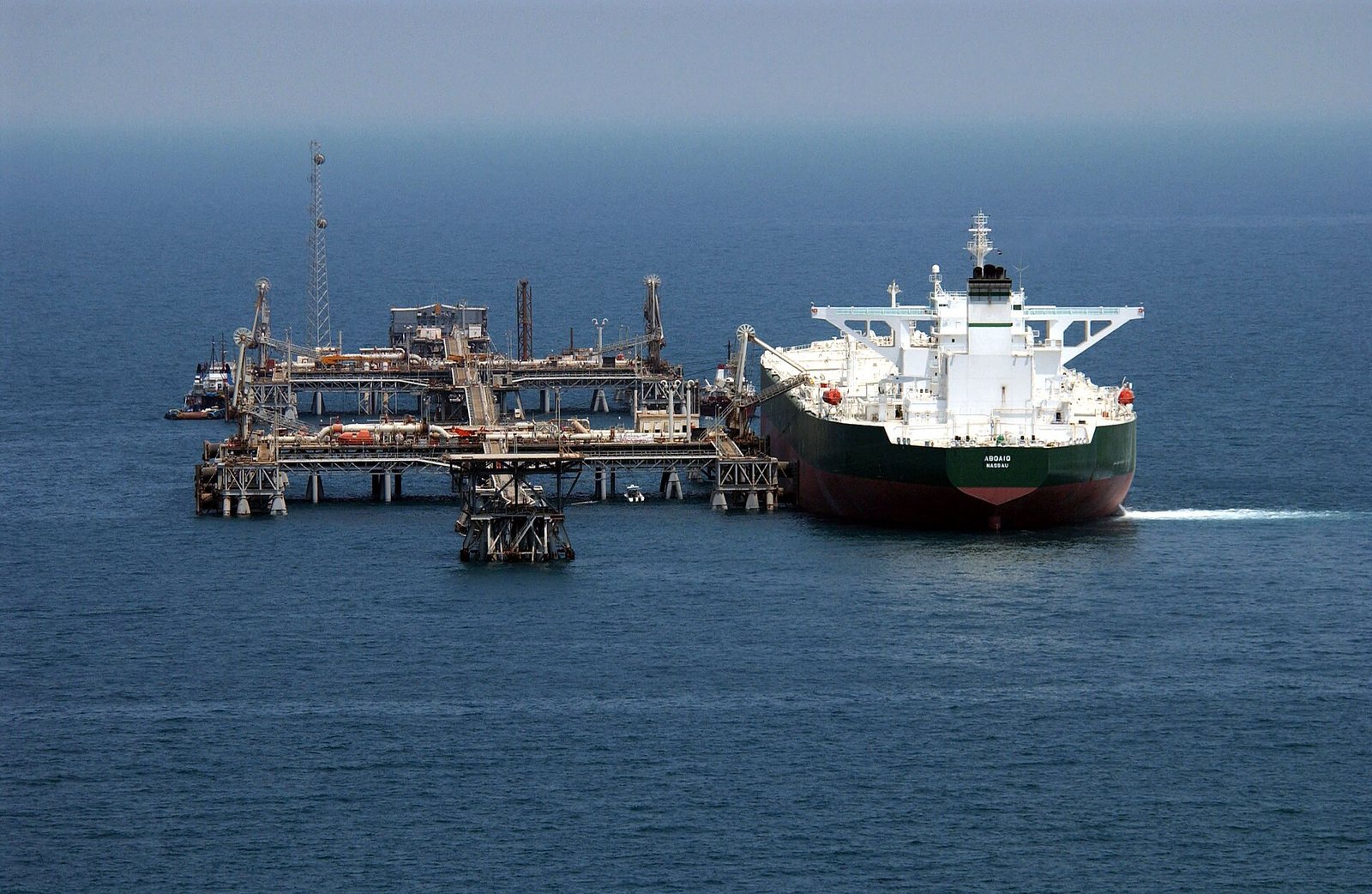
VLCC · Historically to the US Gulf Coast; more recently to Asia, often through transshipment 5 days to the US Gulf, 40+ to China Crude Oil →
Onto a tanker
Tanker offshore terminal · Public domain via Wikimedia Commons
05 Raffinage 880barrels equivalent

United States · US Gulf Coast (or Shandong, or Jamnagar) in beheer bij Refiner (Raffinaderij)

A refinery with a coker

Distillation takes off the light ends. What is left — most of the barrel — goes into a delayed coker, which heats the residue until it cracks into lighter liquids and solid carbon. Hydrotreaters then strip the sulfur out.

1,250 barrelscrude blend 880 barrels equivalentfinished liquid products

Wat er met de rest gebeurde: The diluent is recovered and sent back. Sulfur comes out as elemental sulfur — feedstock for sulfuric acid, which is used to leach other metals elsewhere in this atlas.

Waarom hier: Because the coker is here. Gulf Coast refineries were built to run heavy sour crude and are among the deepest-conversion refineries in the world; a simple refinery in Europe physically cannot process this barrel.
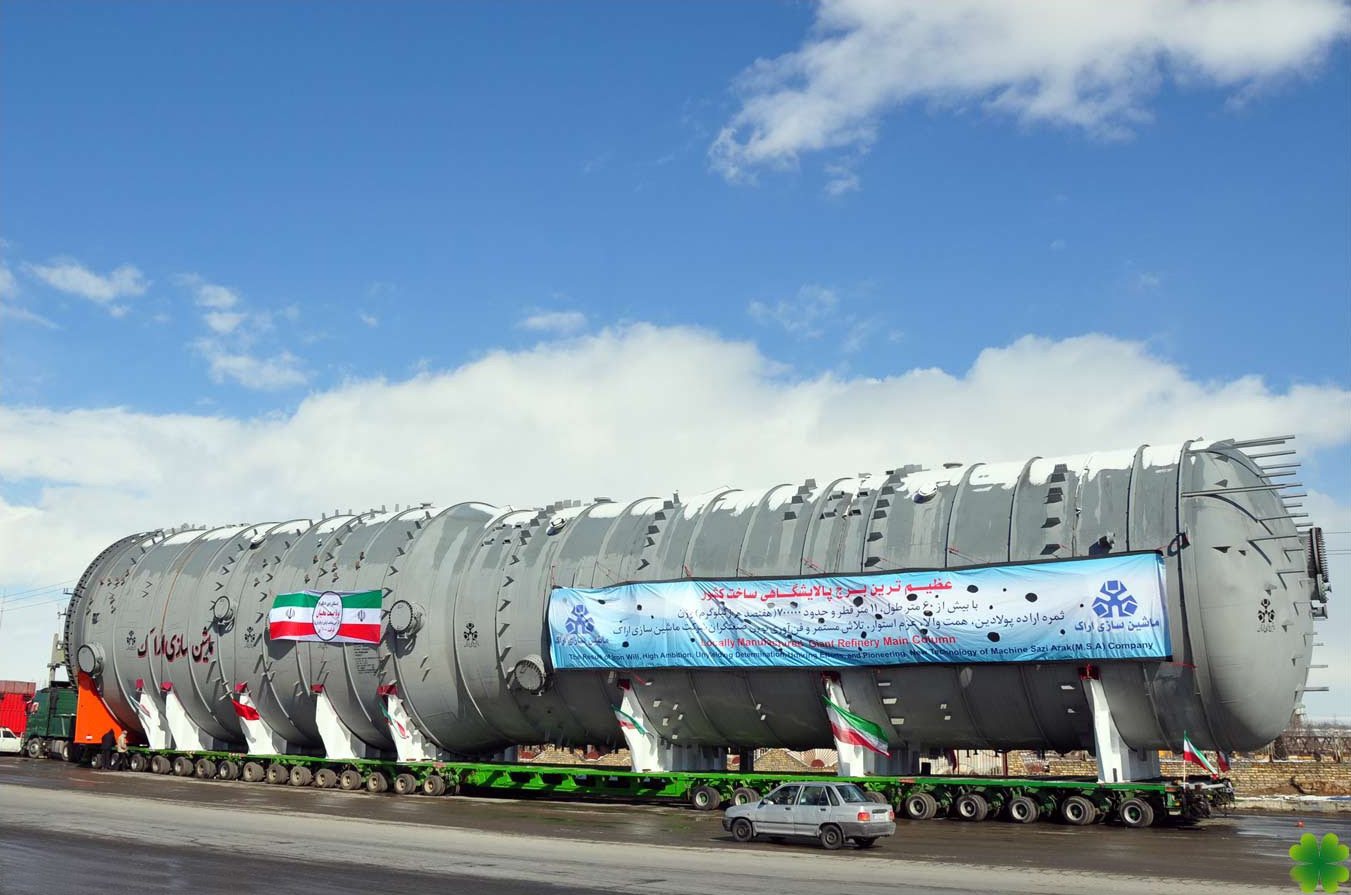
1–2 days Sulfur →
De niet genomen route If this had been light sweet crude instead Arab Light needs no coker at all. Compare the two routes and count the countries.
A refinery with a coker
A giant distillation tower in Arak · CC BY 3.0 via Wikimedia Commons
06 Product 880barrels equivalent

United States · Refinery gate in beheer bij Fuel marketers and industrial buyers (Fabrikant)

What comes out the other end

Diesel, jet fuel, petrol, asphalt for roads — and roughly 40 tonnes of petroleum coke from the coker.

1,250 barrelscrude blend 880 barrels equivalentfuels and asphalt, plus petroleum coke

Waarom hier: Heavy sour crude yields proportionally more asphalt and coke than light crude does. The barrel's chemistry decides the product slate, not the refiner's preference.
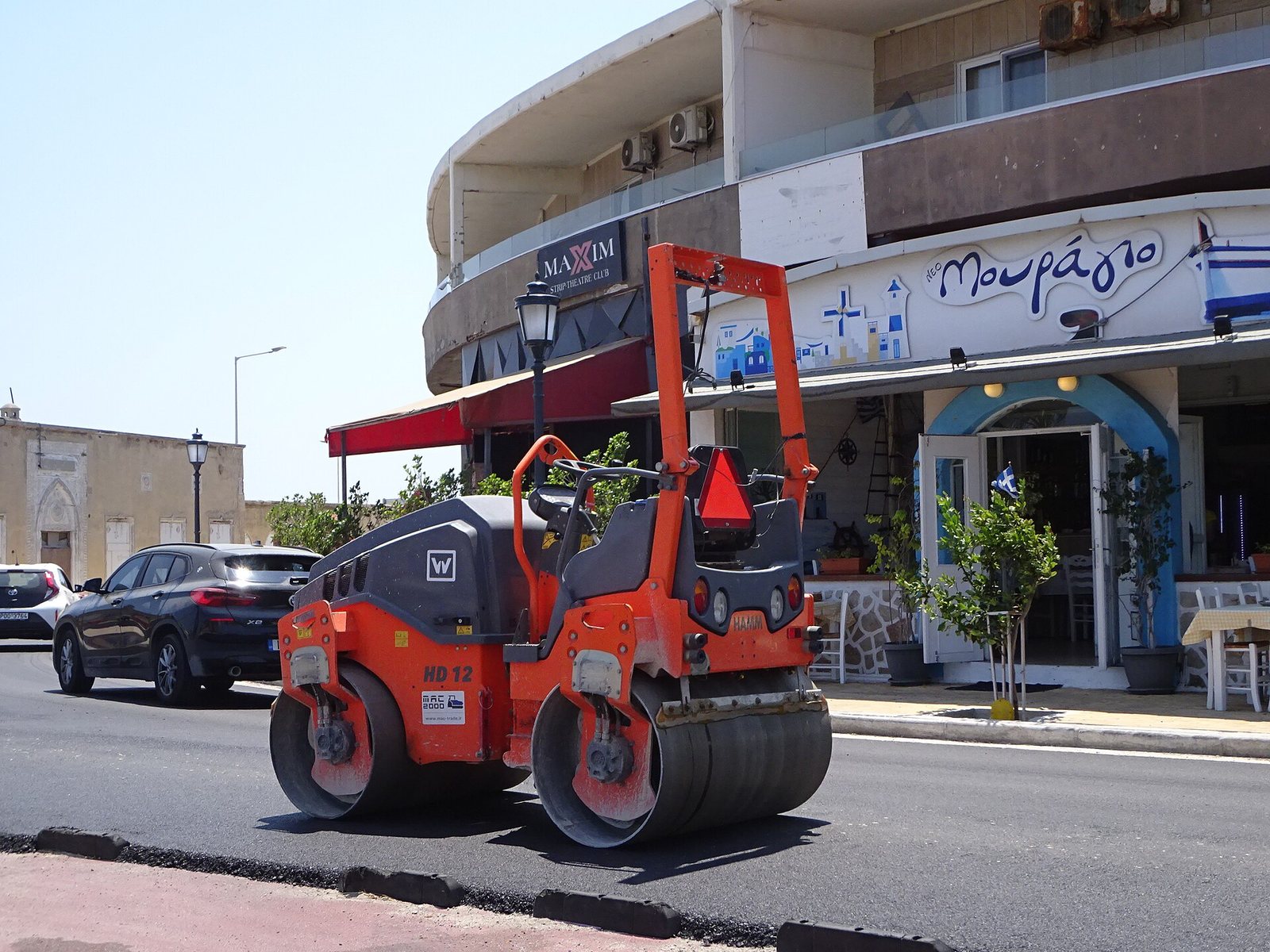
What comes out the other end
Asphalt Roller for Road Asphalt Paving … · CC BY-SA 4.0 via Wikimedia Commons
07 Eindmarkt 60tonnes

United Arab Emirates · Calciner, then a smelter in beheer bij Anode and aluminium producers (Fabrikant)

The coke becomes aluminium

The petroleum coke is calcined and formed into carbon anodes. An aluminium smelter consumes roughly half a tonne of anode carbon for every tonne of metal it makes, burning it away in the process.

40 tonnesgreen petroleum coke 60 tonnesprimary aluminium this carbon could support

Wat er met de rest gebeurde: This is the join most people never see: a barrel of Venezuelan tar ends up as the consumable carbon inside an aluminium smelter on another continent.

Waarom hier: Smelters sit where electricity is cheap, which is rarely where the oil was. The carbon travels to the power, not the other way round.
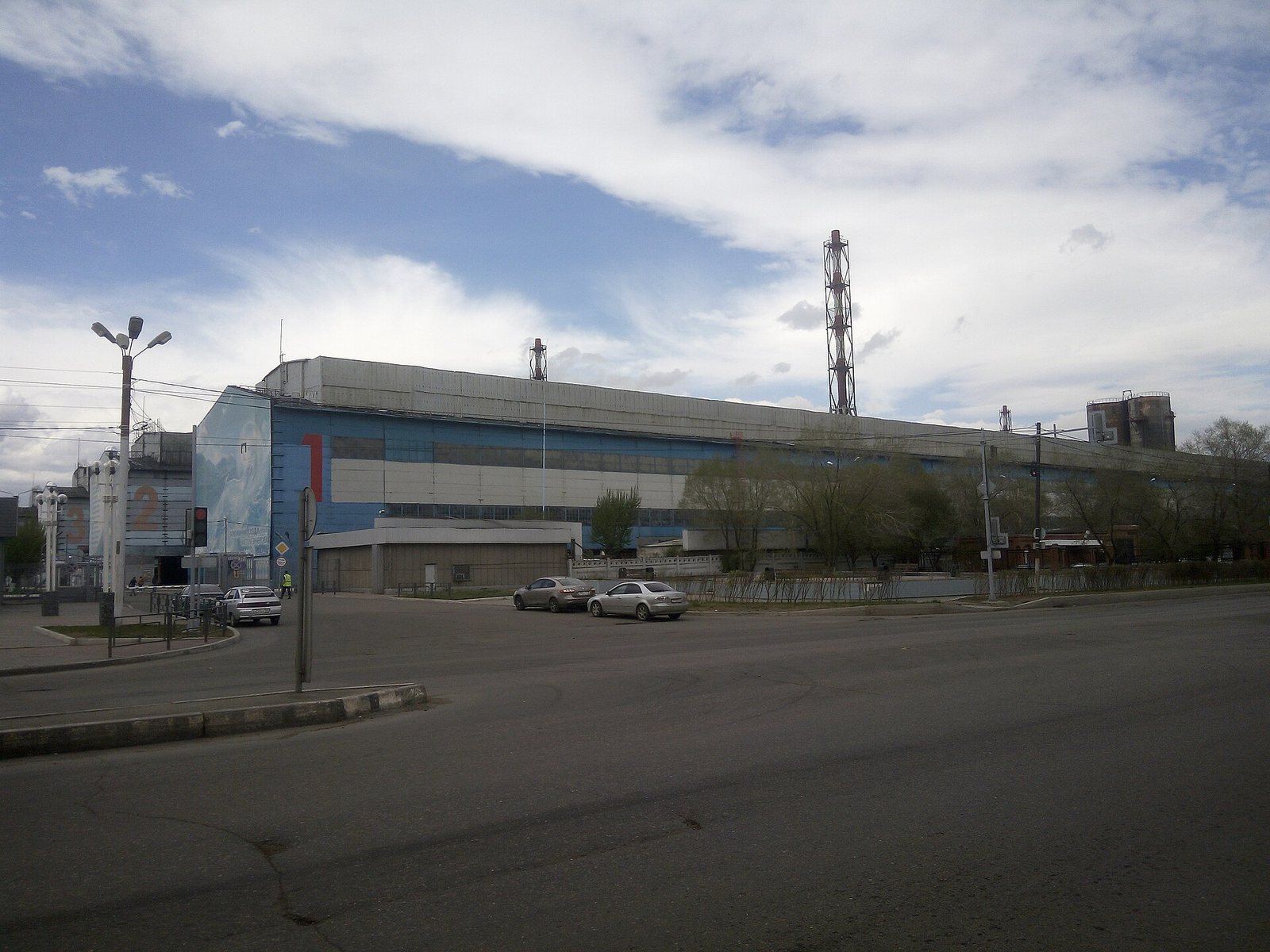
continuous Aluminium →
The coke becomes aluminium
Krasnoyarsk Aluminium Smelter · CC BY 4.0 via Wikimedia Commons

Dit is een uitgewerkt voorbeeld. Het volgt een opgegeven beginhoeveel­heid door gepubliceerde typische opbrengsten en rendementen, zodat de verhoudingen controleerbaar zijn; het is geen verslag van een concrete zending. Route­feiten — welke landen, welke processen, en waarom het materiaal niet zomaar elders kan worden verwerkt — zijn samengesteld uit openbare bronnen.

Materialen

Alle materialen Kritieke mineralen Zeldzame aarden Batterijmaterialen Ertsmineralen Periodiek systeem Screener

De ondergrond

Mijnen & afzettingen Verwerking & raffinage Landen Kaarten

De economie

Bewaartrajecten Toeleveringsketens Eindmarkten Technologieën Bedrijven Materiaалcalculator

Meer leren

Meer lerenVerklarende woordenlijst Raadpleeg de dataAI-agenten Onderzoek & dataOpen API Nieuws★ Opgeslagen

Over ons

Over onsContact MethodologieGegevensbronnen Redactioneel beleid PrivacybeleidGebruiksvoorwaarden Disclaimer