От руды до продукта — с прослеживаемостью
The Materials Atlas
Материалы Рудники и месторождения Переработка и рафинирование Маршруты партий Цепочки поставок Компании Страны Новости
Материалы по разделам Аккумуляторные материалы Редкоземельные элементы Медь и электротехника Полупроводниковые материалы Ядерные материалы Аэрокосмическая промышленность и оборона Драгоценные металлы Сталь и легирующие металлы Промышленные минералы Агрономические минералы Энергетическое сырьё Рудные минералы Периодическая таблица
Спрос Конечные рынки Технологии Калькулятор материалов Карты Скринер
Обучение и инструменты УзнатьГлоссарий Спросить данныеИИ-агенты Исследования и данныеAPI ★ Сохранено
О проекте О насМетодология Источники данныхКонтакты Отказ от ответственности
Параметры отображения
🧭 Направляемый просмотр Впервые слышите о сортности руды, концентрате, аффинаже, побочных продуктах? Мы объясняем каждый термин прямо в процессе просмотра, простым языком. Те же данные — со встроенной справкой.
⚡ Экспертный обзор Вы уже знаете отрасль. Только данные — без лишних пояснений, в компактном и удобном виде. Это режим по умолчанию.
Тема
Язык интерфейса
Глубина Страницы материалов написаны на четырёх уровнях. Выберите уровень на любой странице — он будет запомнен.
★ Сохранено Исследования и данные
Venezuelan extra-heavy crude to diesel, asphalt and aluminium anodes

Маршрут партии · начинается в Venezuela

Venezuelan extra-heavy crude to diesel, asphalt and aluminium anodes

Oil so thick it will not flow down a pipe, and cannot be refined by most refineries on Earth.

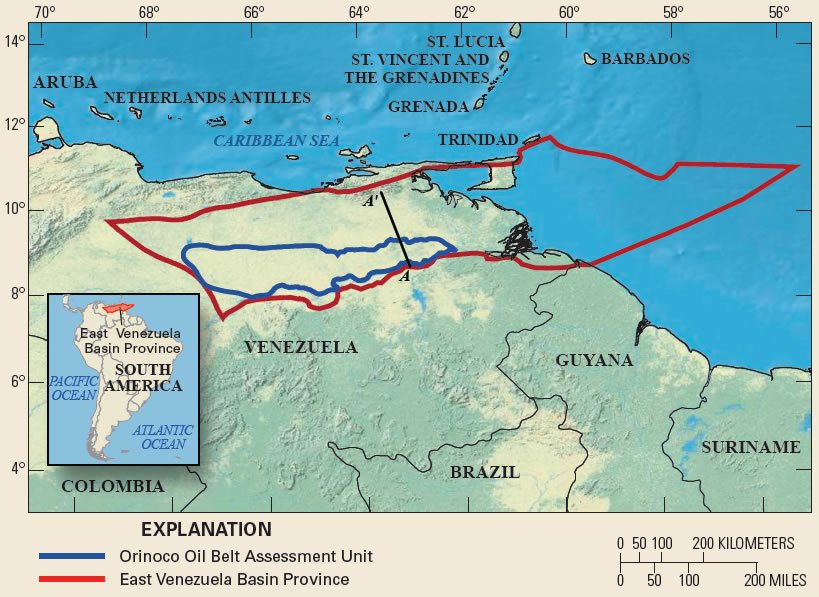
Orinoco Oil Belt.png · Christopher J. Schenk · Public domain · Wikimedia Commons
1,000 barrels of extra-heavy crude in the ground
880 barrels equivalent of finished products, plus about 40 tonnes of petroleum coke
Venezuela → United States United States → United Arab Emirates Venezuela — Getting it out of the sand 1 Venezuela United States — A refinery with a coker 2 United States United Arab Emirates — The coke becomes aluminium 3 United Arab Emirates
Пронумеровано в порядке движения материала. Нажмите на страну, чтобы открыть её страницу. Равнопромежуточная проекция, построенная по центроидам стран; дуги показывают, какие границы пересекаются, а не фактический морской маршрут.

Что фактически перемещается

Orinoco crude is barely a liquid. It has to be thinned before it can move, and then it has to reach one of the minority of refineries in the world with a coker deep enough to break it apart. That single physical fact decides which countries it can be sold to.

Материал
Crude Oil
Разновидность
Extra-heavy crude, roughly 8–10° API, high sulfur, high vanadium and nickel
Начальная точка
Venezuela — The Orinoco Belt, a 55,000 km² band of tar-saturated sand in eastern Venezuela
Почему этот маршрут, а не другой. A simple refinery separates crude by boiling point. Extra-heavy crude barely boils — most of it is residue — so a simple refinery would produce almost nothing but tar. Only a complex refinery with a coking unit can crack that residue into usable fuel, and coking capacity is concentrated in a handful of places: the US Gulf Coast, a few Chinese and Indian refineries, and Venezuela's own upgraders.
Самое узкое звено. Not the oilfield. The chokepoint is deep-conversion refining capacity, which exists in very few countries and takes a decade and billions of dollars to build.
Обращайте внимание на два числа на каждом этапе: что поступило на вход и что получено на выходе. Наблюдать за тем, как они убывают, — в этом и состоит смысл. В итоге вы проследите, как тысяча тонн породы превращается в несколько килограммов того, что действительно выполняет полезную работу.

Шаг за шагом, граница за границей

01 Добыча 1,000barrels

Venezuela · Orinoco Belt хранится у PDVSA and its joint ventures (Государственный производитель)

Getting it out of the sand

The crude is too viscous to flow to a well on its own. It is produced cold with progressive-cavity pumps in horizontal wells, or moved by injecting steam to heat it until it will run.

1,000 barrelscrude in place 1,000 barrelsextra-heavy crude at the wellhead

Почему именно здесь: You cannot move an oilfield. Everything else in this journey is a consequence of where the Orinoco Belt happens to be.
continuous Crude Oil →
Getting it out of the sand
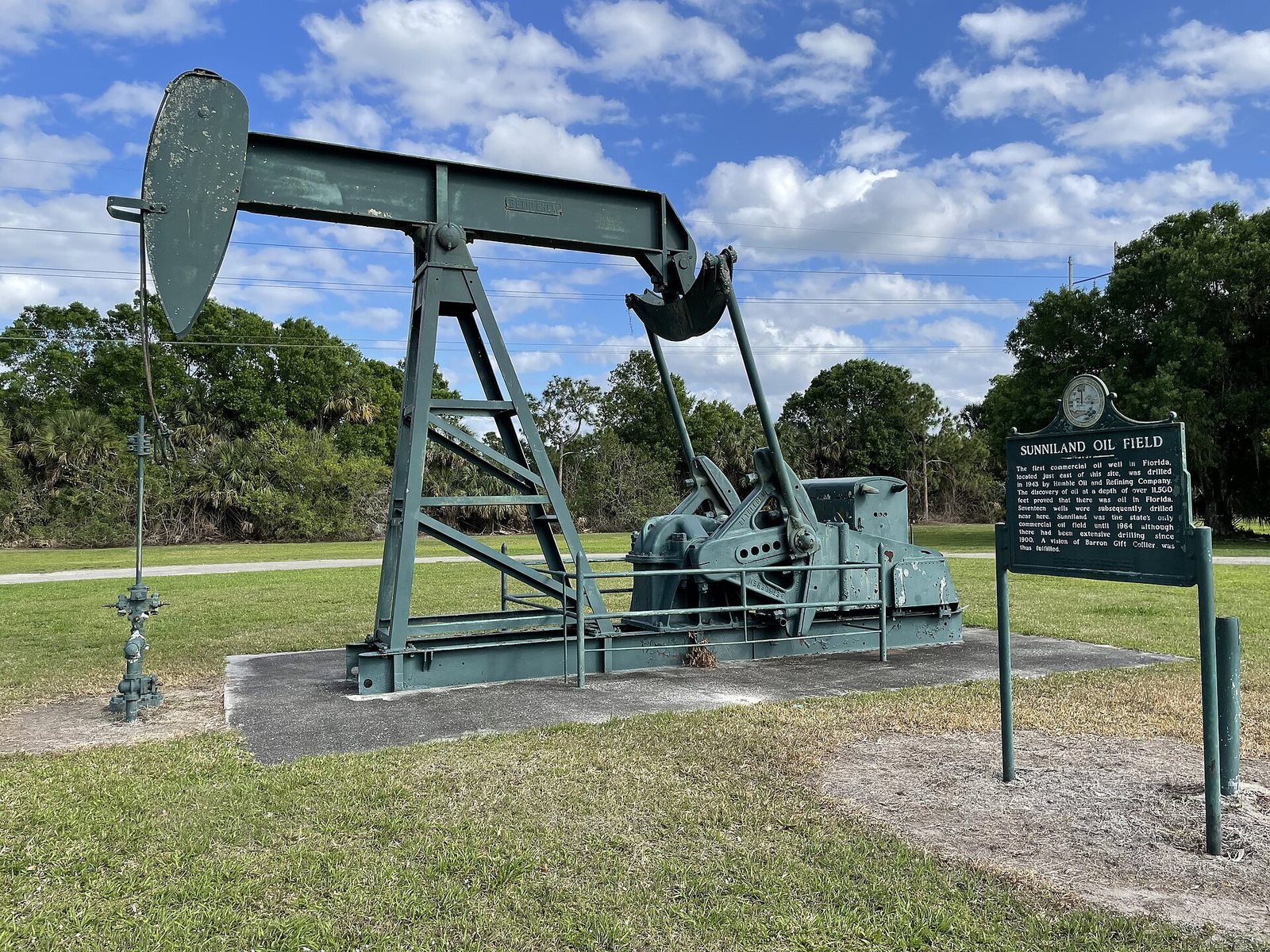
Sunniland Oil Field preserved pumpjack · Public domain via Wikimedia Commons
02 Подготовка 1,250barrels

Venezuela · Field gathering stations хранится у PDVSA (Государственный производитель)

Thinning it enough to move

Naphtha or a lighter crude is blended in as a diluent, roughly one barrel in four, to bring the viscosity down far enough to pump. The result is a blend such as Merey, around 16° API.

1,000 barrelsextra-heavy crude 1,250 barrelsdiluted blend ready for a pipeline

Что произошло с остатком: Nothing is lost here — the volume goes UP, because a quarter of what now moves through the pipe is diluent that will have to be recovered later.

Почему именно здесь: Dilution has to happen at the field. Without it there is no way to get the crude to a port at all.
Heated pipeline · ~300 km to the coast hours Crude Oil →
Thinning it enough to move
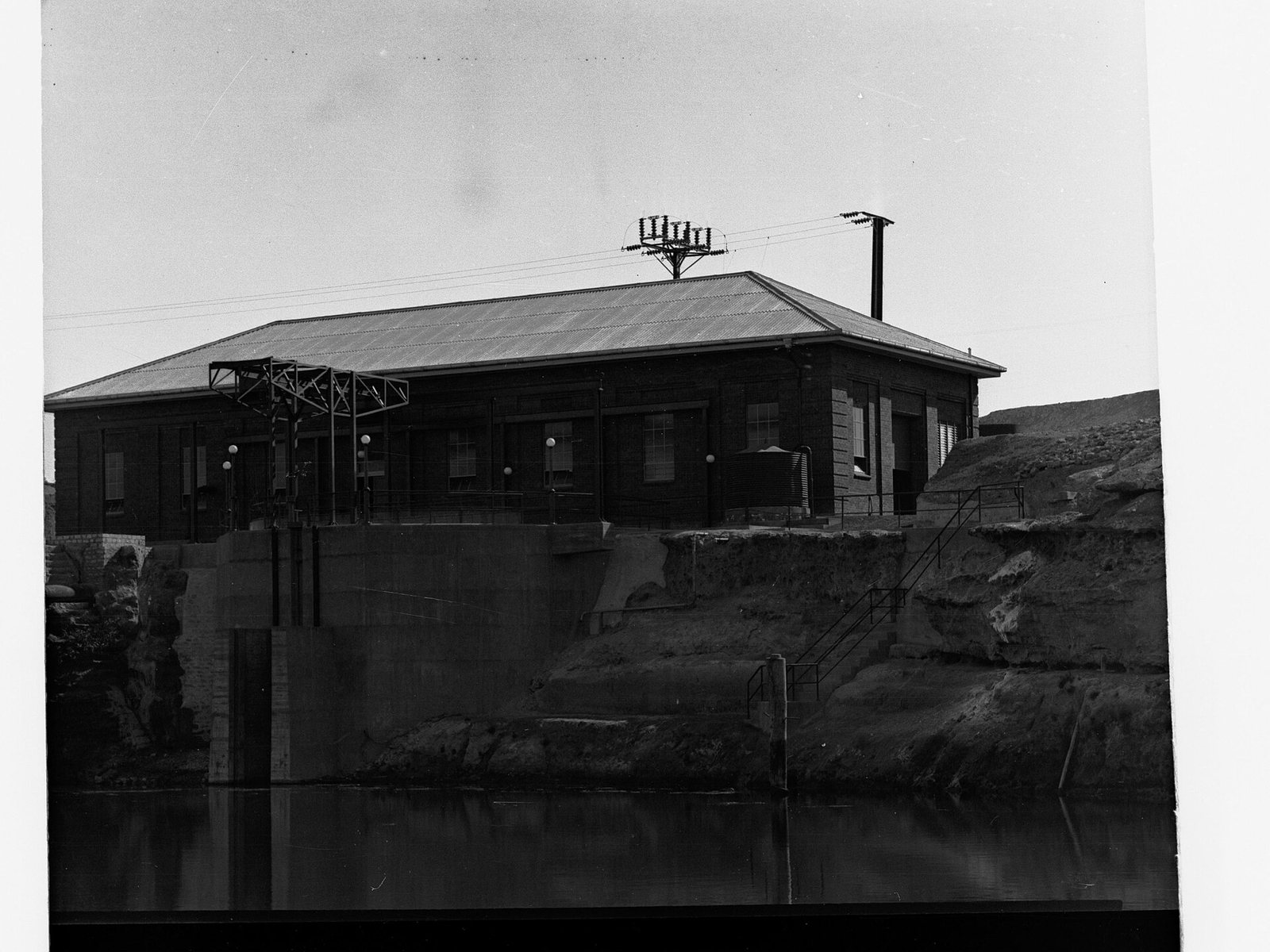
Pumping Station Morgan Whyalla Pipeline… · CC0 via Wikimedia Commons
03 Переработка 1,250barrels

Venezuela · José industrial complex, Anzoátegui хранится у PDVSA joint-venture upgraders (Государственный производитель)

Upgrading, or not

Some of the blend goes through an upgrader on the coast, which cokes and hydrotreats it into a synthetic crude of about 26–32° API that any refinery can take. The rest is exported as blended heavy crude and stays somebody else's problem.

1,250 barrelsdiluted blend 1,250 barrelssynthetic crude or export blend

Что произошло с остатком: Upgrading at home captures the value of conversion in Venezuela. Exporting the blend hands that value to whoever owns the coker abroad. This is the single biggest commercial decision in the whole journey.

Почему именно здесь: Upgrading next to the field avoids shipping diluent back and forth, but it needs enormous, reliable capital investment — which is why the capacity that exists has often run far below its design rate.
Upgrading, or not
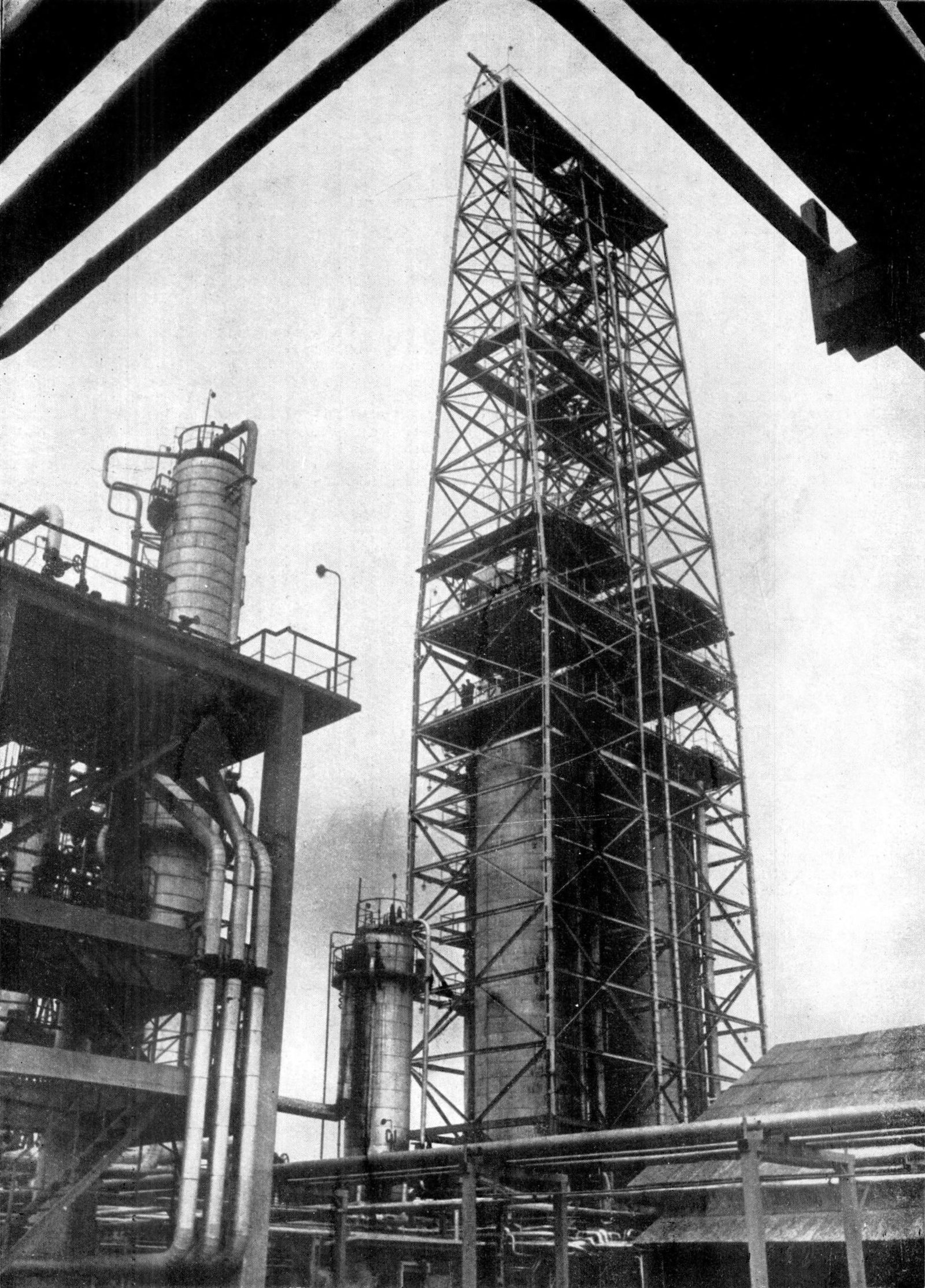
Onesti Refinery with Delayed coker · Public domain via Wikimedia Commons
04 Транспортировка 1,250barrels

Venezuela · José and Amuay terminals хранится у Shipowners and traders (Трейдер)

Onto a tanker

Loaded onto a Very Large Crude Carrier, often via a smaller shuttle tanker and a ship-to-ship transfer offshore. Custody passes from the producer to a trader here, and frequently changes hands again at sea.

1,250 barrelsexport blend 1,250 barrelscargo afloat

Почему именно здесь: A cargo has to leave from the coast it was produced on. Where it goes next is a commercial decision, not a physical one.
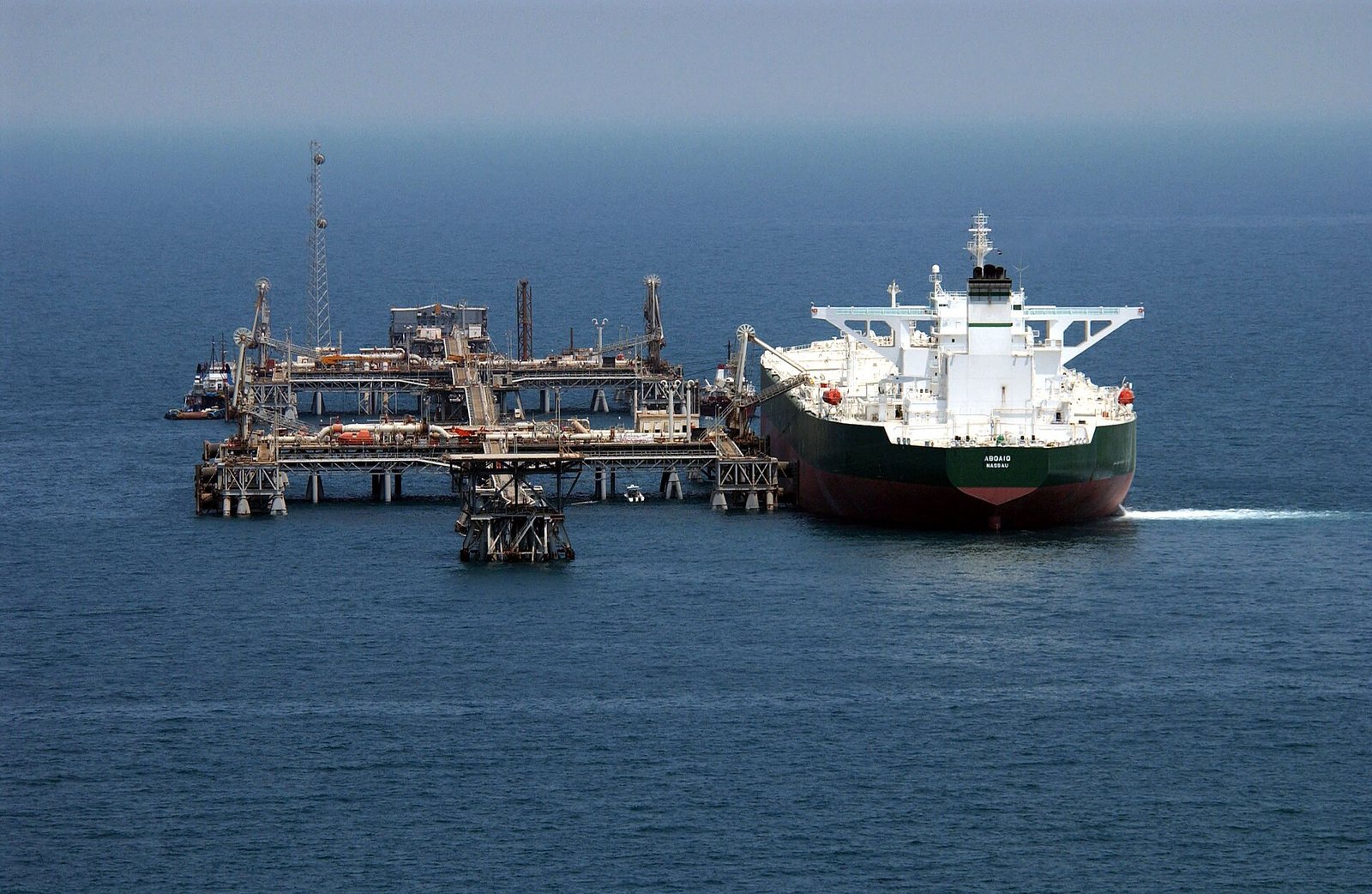
VLCC · Historically to the US Gulf Coast; more recently to Asia, often through transshipment 5 days to the US Gulf, 40+ to China Crude Oil →
Onto a tanker
Tanker offshore terminal · Public domain via Wikimedia Commons
05 Рафинирование 880barrels equivalent

United States · US Gulf Coast (or Shandong, or Jamnagar) хранится у Refiner (Рафинировщик)

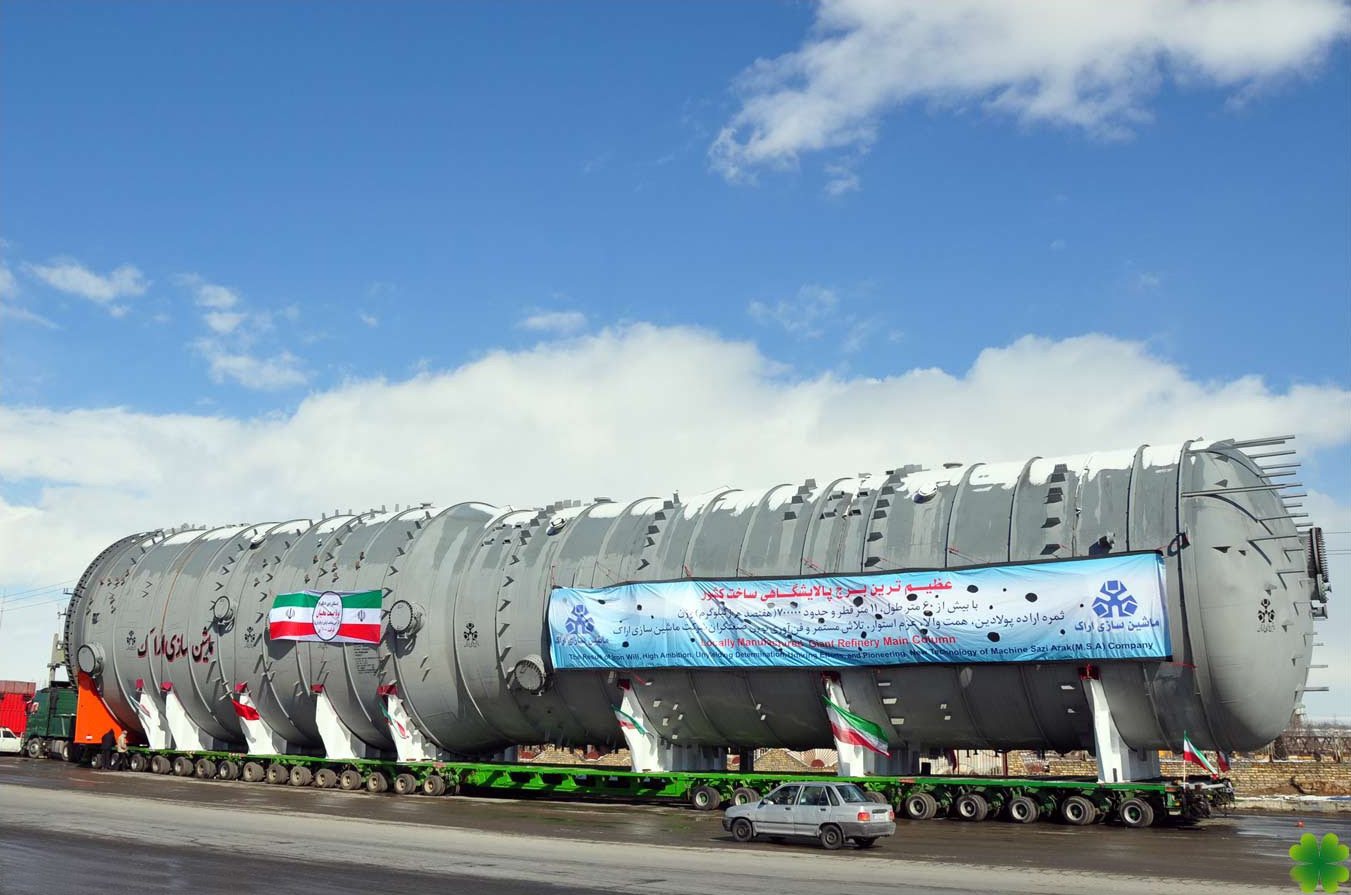
A refinery with a coker

Distillation takes off the light ends. What is left — most of the barrel — goes into a delayed coker, which heats the residue until it cracks into lighter liquids and solid carbon. Hydrotreaters then strip the sulfur out.

1,250 barrelscrude blend 880 barrels equivalentfinished liquid products

Что произошло с остатком: The diluent is recovered and sent back. Sulfur comes out as elemental sulfur — feedstock for sulfuric acid, which is used to leach other metals elsewhere in this atlas.

Почему именно здесь: Because the coker is here. Gulf Coast refineries were built to run heavy sour crude and are among the deepest-conversion refineries in the world; a simple refinery in Europe physically cannot process this barrel.
1–2 days Sulfur →
Непройденный путь If this had been light sweet crude instead Arab Light needs no coker at all. Compare the two routes and count the countries.
A refinery with a coker
A giant distillation tower in Arak · CC BY 3.0 via Wikimedia Commons
06 Продукт 880barrels equivalent

United States · Refinery gate хранится у Fuel marketers and industrial buyers (Производитель)

What comes out the other end

Diesel, jet fuel, petrol, asphalt for roads — and roughly 40 tonnes of petroleum coke from the coker.

1,250 barrelscrude blend 880 barrels equivalentfuels and asphalt, plus petroleum coke

Почему именно здесь: Heavy sour crude yields proportionally more asphalt and coke than light crude does. The barrel's chemistry decides the product slate, not the refiner's preference.
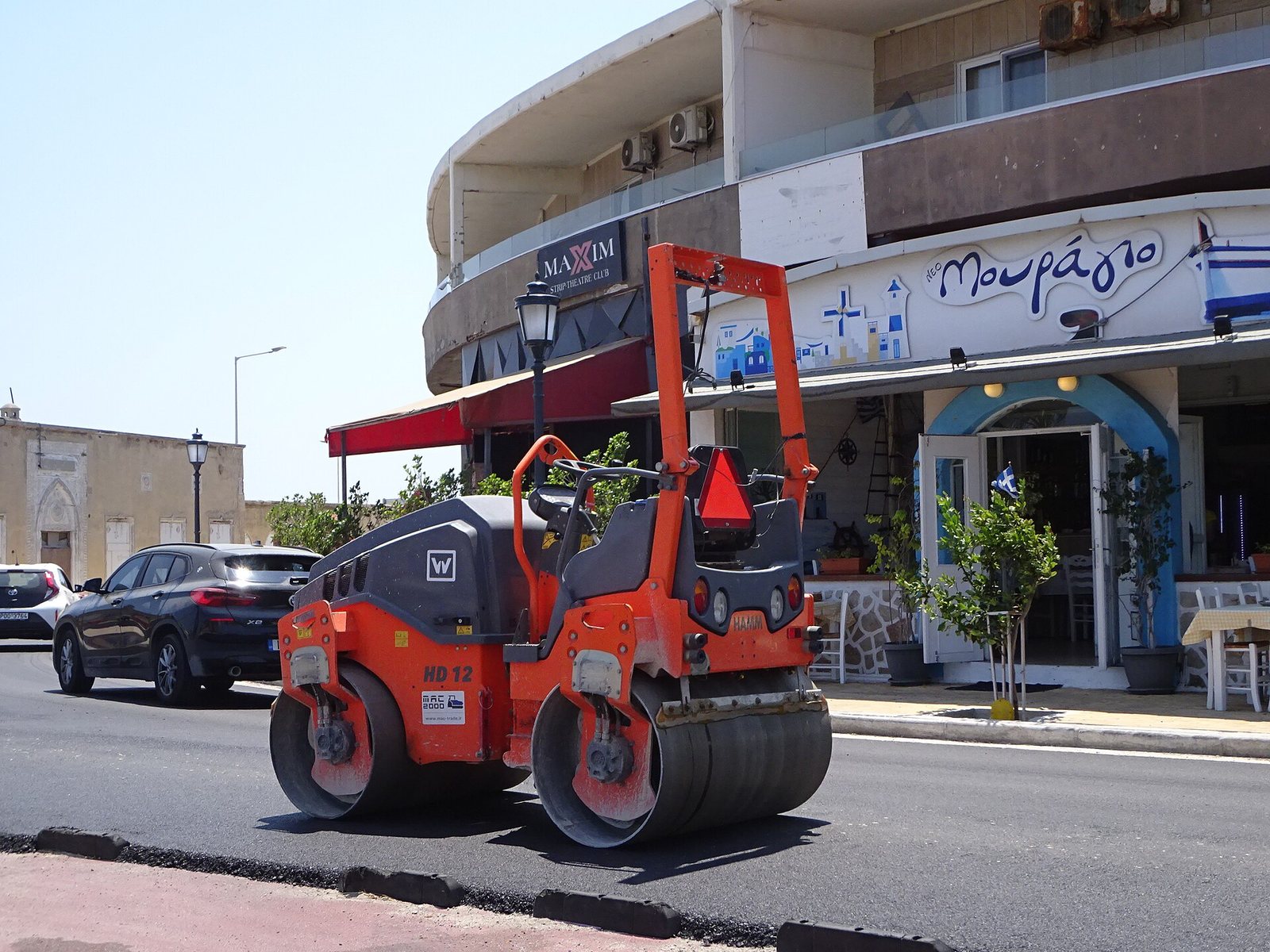
What comes out the other end
Asphalt Roller for Road Asphalt Paving … · CC BY-SA 4.0 via Wikimedia Commons
07 Конечный рынок 60tonnes

United Arab Emirates · Calciner, then a smelter хранится у Anode and aluminium producers (Производитель)

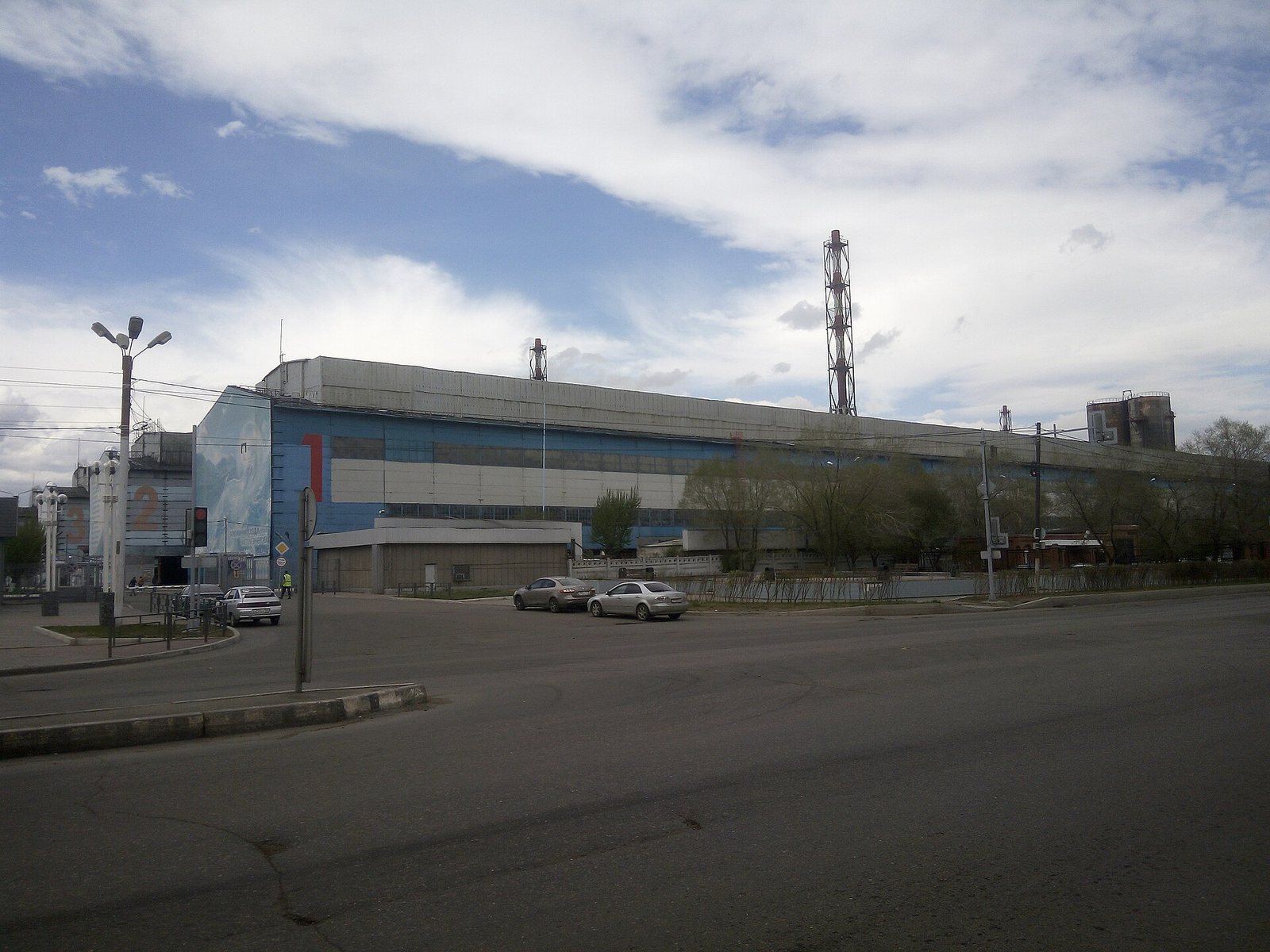
The coke becomes aluminium

The petroleum coke is calcined and formed into carbon anodes. An aluminium smelter consumes roughly half a tonne of anode carbon for every tonne of metal it makes, burning it away in the process.

40 tonnesgreen petroleum coke 60 tonnesprimary aluminium this carbon could support

Что произошло с остатком: This is the join most people never see: a barrel of Venezuelan tar ends up as the consumable carbon inside an aluminium smelter on another continent.

Почему именно здесь: Smelters sit where electricity is cheap, which is rarely where the oil was. The carbon travels to the power, not the other way round.
continuous Aluminium →
The coke becomes aluminium
Krasnoyarsk Aluminium Smelter · CC BY 4.0 via Wikimedia Commons

Это разработанный пример. Он прослеживает заявленное исходное количество материала через типовые опубликованные выходы и коэффициенты извлечения, поэтому соотношения поддаются проверке; это не запись о конкретной отгрузке. Данные о маршруте — какие страны, какие процессы и почему материал не может быть переработан в другом месте — собраны из общедоступных источников.

Материалы

Все материалы Критические минералы Редкоземельные металлы Аккумуляторные материалы Рудные минералы Периодическая таблица Скринер

Недра

Рудники и месторождения Переработка и рафинирование Страны Карты

Экономика

Маршруты партий Цепочки поставок Конечные рынки Технологии Компании Калькулятор материалов

Узнать

УзнатьГлоссарий Спросить данныеИИ-агенты Исследования и данныеОткрытый API Новости★ Сохранено

О нас

О насКонтакты МетодологияИсточники данных Редакционная политика Политика конфиденциальностиУсловия использования Отказ от ответственности