Madenden ürüne, izlenerek
The Materials Atlas
Materyaller Madenler ve yataklar İşleme ve rafinasyon Velayet güzergâhları Tedarik zincirleri Şirketler Ülkeler Haberler
Rafa göre materyaller Pil Malzemeleri Nadir Toprak Elementleri Bakır ve Elektrik Yarıiletken Malzemeler Nükleer Malzemeler Havacılık ve Savunma Kıymetli Metaller Çelik ve Alaşım Metalleri Endüstriyel Mineraller Tarım Mineralleri Enerji Ham Maddeleri Cevher mineralleri Periyodik tablo
Talep Son pazarlar Teknolojiler Materyal hesaplayıcı Haritalar Tarayıcı
Öğren ve araçlar ÖğrenSözlük Veriye SorYapay zeka ajanları Araştırma ve veriAPI ★ Kaydedildi
Hakkında HakkımızdaMetodoloji Veri kaynaklarıİletişim Sorumluluk reddi
Okuma seçenekleri
🧭 Rehberli Görünüm Cevher tenörü, konsantre, rafinasyon, yan ürün gibi kavramlar size yeni mi? Gezinirken her terimi sade bir dille açıklıyoruz. Aynı veriler, yerleşik yardımla birlikte.
⚡ Uzman Görünümü Sektörü zaten biliyorsunuz. Sadece veri — temiz, hızlı ve özlü, fazladan açıklama yok. Bu varsayılan görünümdür.
Tema
Arayüz dili
Derinlik Materyal sayfaları dört düzeyde hazırlanmıştır. Herhangi bir materyal sayfasında bir düzey seçin; bu tercih kaydedilir.
★ Kaydedildi Araştırma ve veri
Venezuelan extra-heavy crude to diesel, asphalt and aluminium anodes

Velayet güzergâhı · başlangıç noktası Venezuela

Venezuelan extra-heavy crude to diesel, asphalt and aluminium anodes

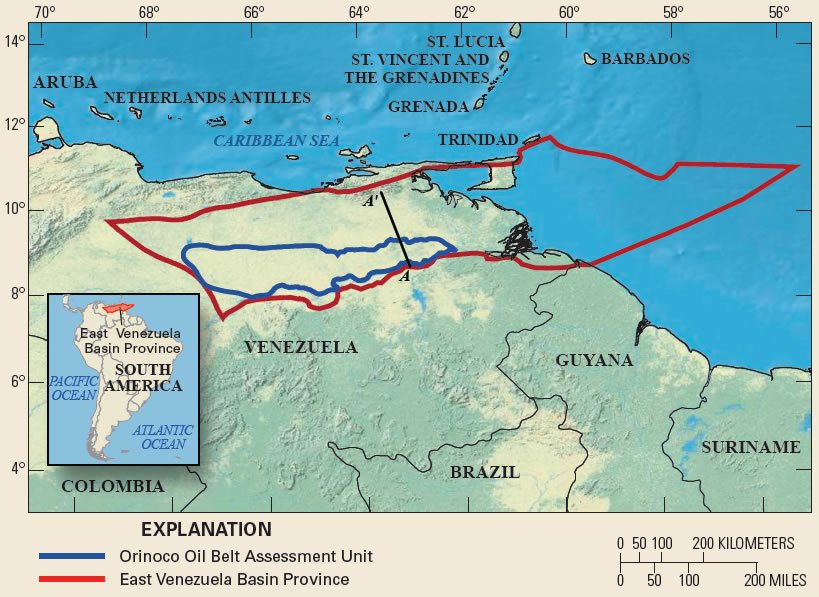
Oil so thick it will not flow down a pipe, and cannot be refined by most refineries on Earth.

Orinoco Oil Belt.png · Christopher J. Schenk · Public domain · Wikimedia Commons
1,000 barrels of extra-heavy crude in the ground
880 barrels equivalent of finished products, plus about 40 tonnes of petroleum coke
Venezuela → United States United States → United Arab Emirates Venezuela — Getting it out of the sand 1 Venezuela United States — A refinery with a coker 2 United States United Arab Emirates — The coke becomes aluminium 3 United Arab Emirates
Malzemenin seyahat ettiği sıraya göre numaralandırılmıştır. Sayfasını açmak için bir ülkeye tıklayın. Ülke ağırlık merkezlerinden çizilmiş eşdikdörtgen projeksiyon — yaylar hangi sınırların geçildiğini gösterir, gerçek deniz yolunu değil.

Gerçekte ne hareket ediyor

Orinoco crude is barely a liquid. It has to be thinned before it can move, and then it has to reach one of the minority of refineries in the world with a coker deep enough to break it apart. That single physical fact decides which countries it can be sold to.

Malzeme
Crude Oil
Çeşit
Extra-heavy crude, roughly 8–10° API, high sulfur, high vanadium and nickel
Nereden başlıyor
Venezuela — The Orinoco Belt, a 55,000 km² band of tar-saturated sand in eastern Venezuela
Neden bu güzergâh, başkası değil. A simple refinery separates crude by boiling point. Extra-heavy crude barely boils — most of it is residue — so a simple refinery would produce almost nothing but tar. Only a complex refinery with a coking unit can crack that residue into usable fuel, and coking capacity is concentrated in a handful of places: the US Gulf Coast, a few Chinese and Indian refineries, and Venezuela's own upgraders.
En dar halka. Not the oilfield. The chokepoint is deep-conversion refining capacity, which exists in very few countries and takes a decade and billions of dollars to build.
Her adımdaki iki sayıyı okuyun: ne girdi ve ne çıktı. Bu sayıların küçüldüğünü izlemek asıl noktadır. Sonunda bin tonne kayacı, gerçek işi yapan birkaç kilograma kadar takip etmiş olacaksınız.

Adım adım ve sınırdan sınıra

01 Çıkarım 1,000barrels

Venezuela · Orinoco Belt elinde PDVSA and its joint ventures (Devlet üreticisi)

Getting it out of the sand

The crude is too viscous to flow to a well on its own. It is produced cold with progressive-cavity pumps in horizontal wells, or moved by injecting steam to heat it until it will run.

1,000 barrelscrude in place 1,000 barrelsextra-heavy crude at the wellhead

Neden burada: You cannot move an oilfield. Everything else in this journey is a consequence of where the Orinoco Belt happens to be.
continuous Crude Oil →
Getting it out of the sand
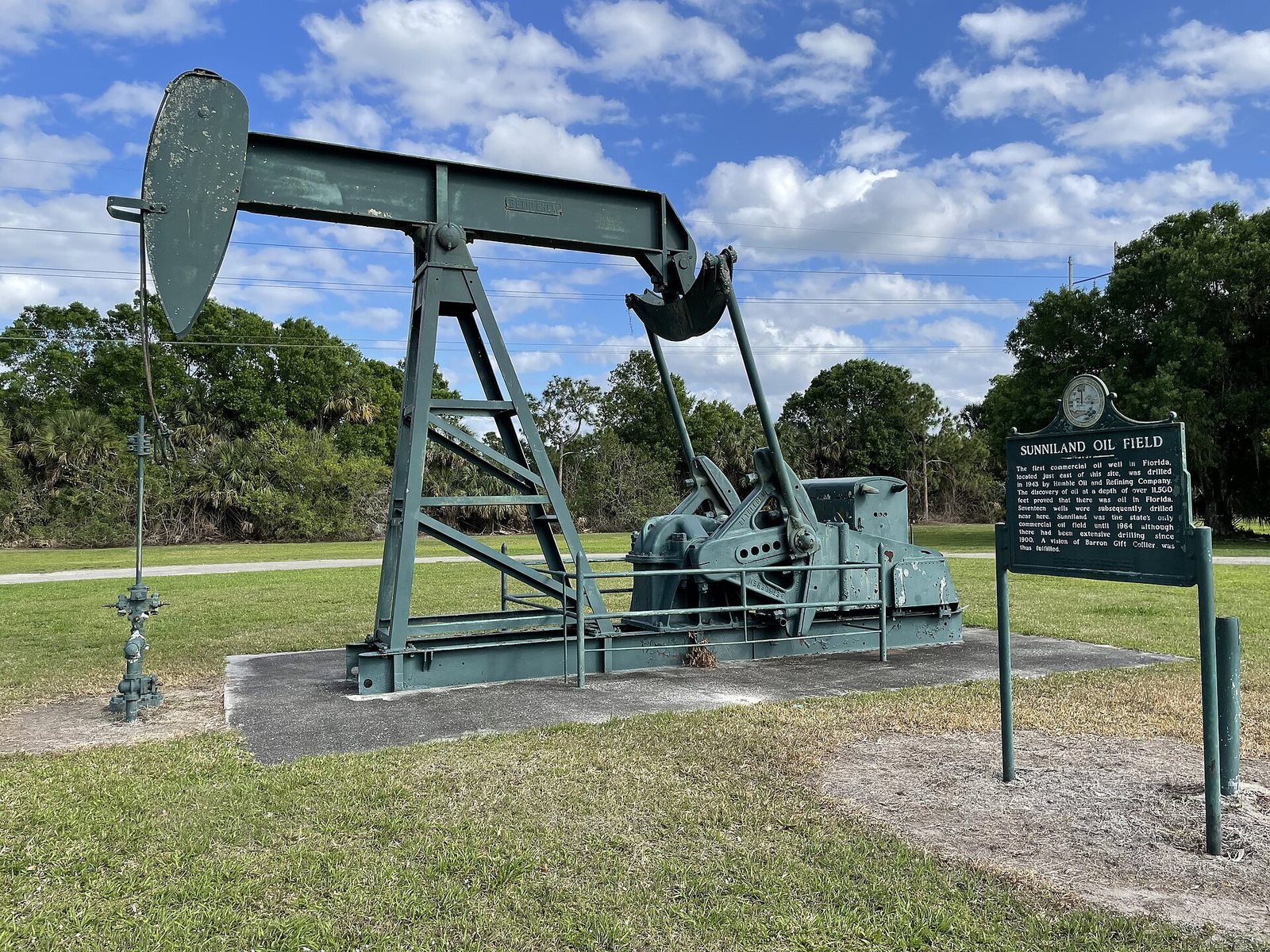
Sunniland Oil Field preserved pumpjack · Public domain via Wikimedia Commons
02 Hazırlık 1,250barrels

Venezuela · Field gathering stations elinde PDVSA (Devlet üreticisi)

Thinning it enough to move

Naphtha or a lighter crude is blended in as a diluent, roughly one barrel in four, to bring the viscosity down far enough to pump. The result is a blend such as Merey, around 16° API.

1,000 barrelsextra-heavy crude 1,250 barrelsdiluted blend ready for a pipeline

Geri kalanına ne oldu: Nothing is lost here — the volume goes UP, because a quarter of what now moves through the pipe is diluent that will have to be recovered later.

Neden burada: Dilution has to happen at the field. Without it there is no way to get the crude to a port at all.
Heated pipeline · ~300 km to the coast hours Crude Oil →
Thinning it enough to move
Pumping Station Morgan Whyalla Pipeline… · CC0 via Wikimedia Commons
03 İşleme 1,250barrels

Venezuela · José industrial complex, Anzoátegui elinde PDVSA joint-venture upgraders (Devlet üreticisi)

Upgrading, or not

Some of the blend goes through an upgrader on the coast, which cokes and hydrotreats it into a synthetic crude of about 26–32° API that any refinery can take. The rest is exported as blended heavy crude and stays somebody else's problem.

1,250 barrelsdiluted blend 1,250 barrelssynthetic crude or export blend

Geri kalanına ne oldu: Upgrading at home captures the value of conversion in Venezuela. Exporting the blend hands that value to whoever owns the coker abroad. This is the single biggest commercial decision in the whole journey.

Neden burada: Upgrading next to the field avoids shipping diluent back and forth, but it needs enormous, reliable capital investment — which is why the capacity that exists has often run far below its design rate.
Upgrading, or not
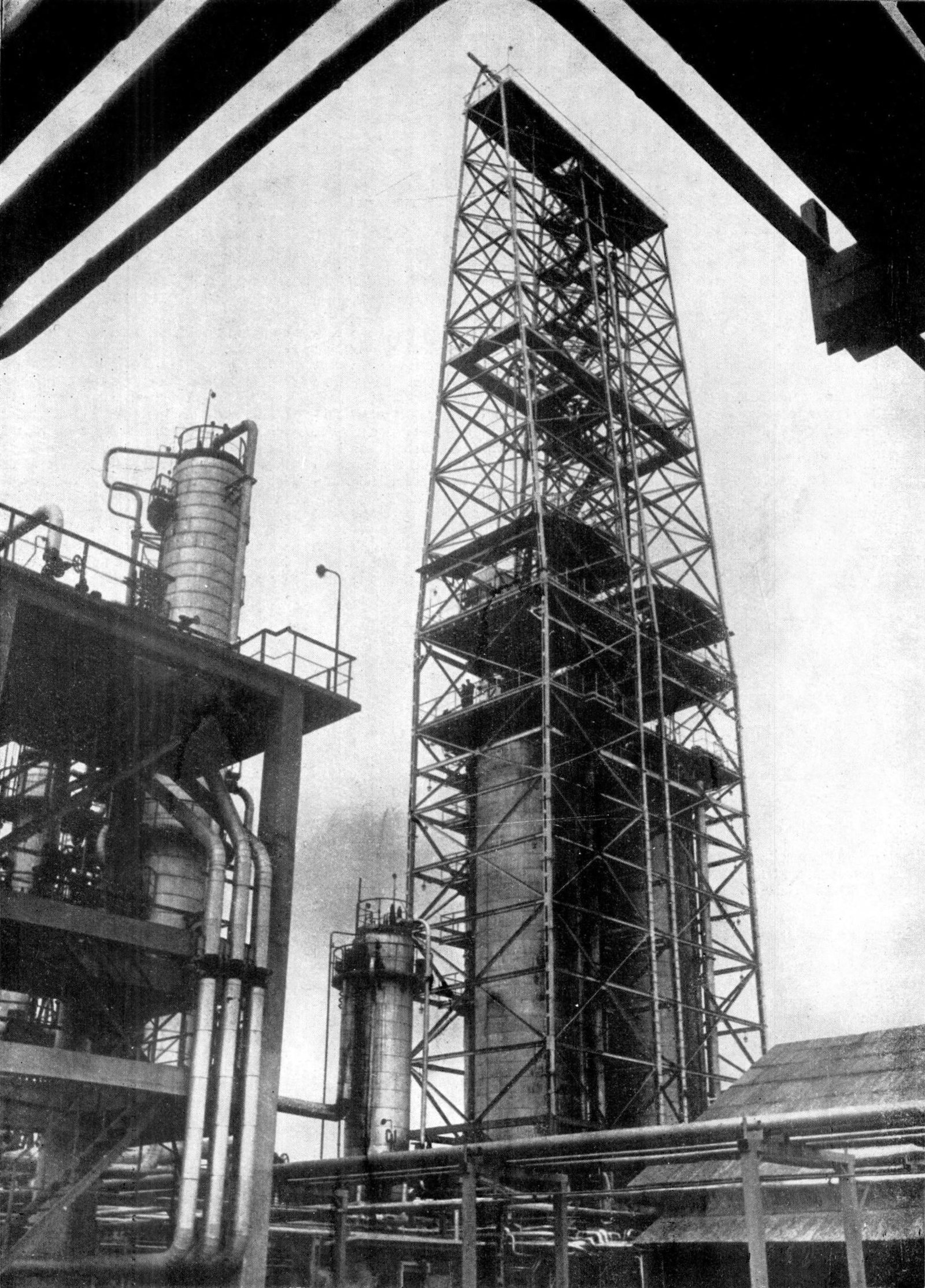
Onesti Refinery with Delayed coker · Public domain via Wikimedia Commons
04 Taşıma 1,250barrels

Venezuela · José and Amuay terminals elinde Shipowners and traders (Tüccar)

Onto a tanker

Loaded onto a Very Large Crude Carrier, often via a smaller shuttle tanker and a ship-to-ship transfer offshore. Custody passes from the producer to a trader here, and frequently changes hands again at sea.

1,250 barrelsexport blend 1,250 barrelscargo afloat

Neden burada: A cargo has to leave from the coast it was produced on. Where it goes next is a commercial decision, not a physical one.
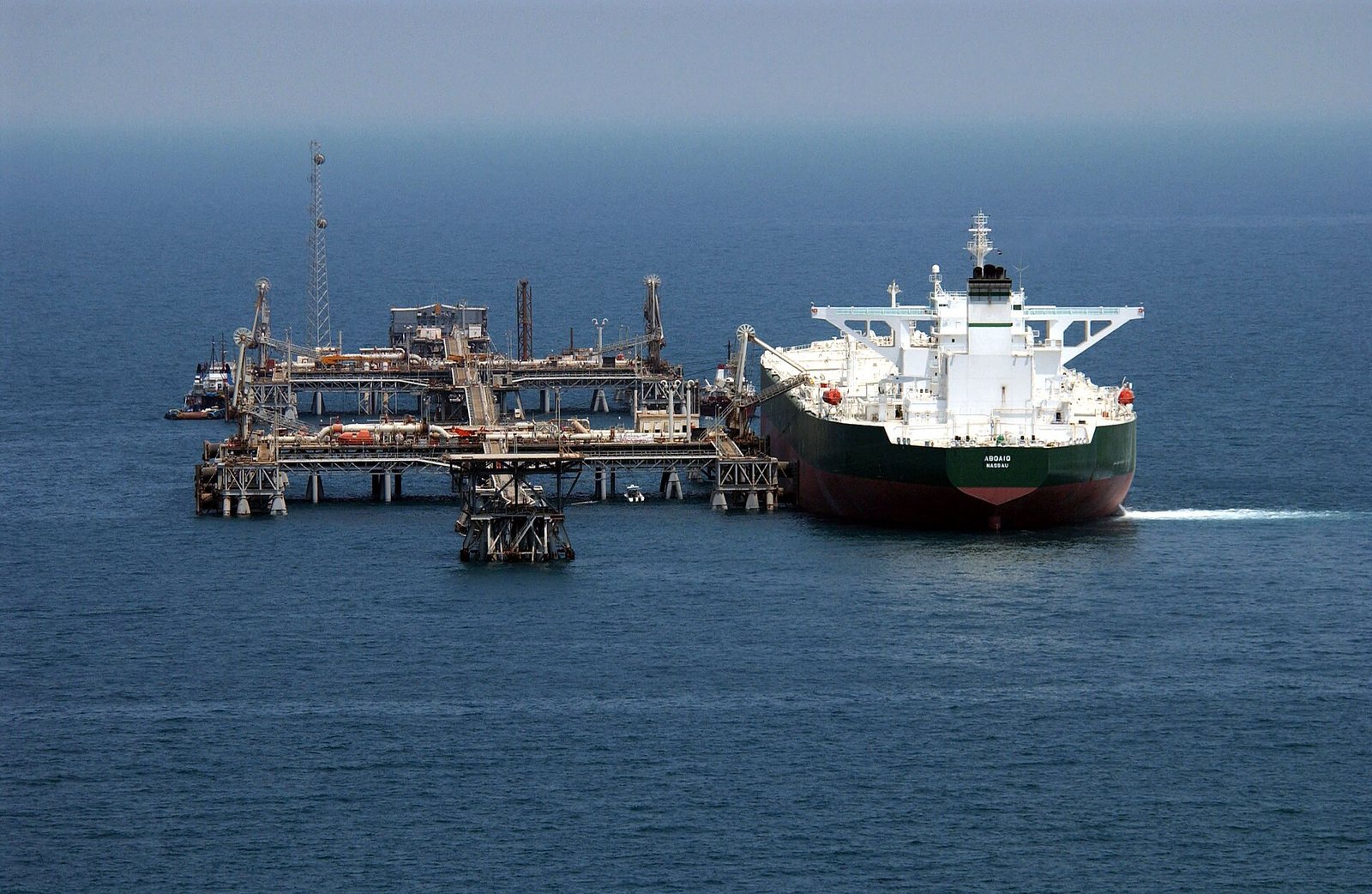
VLCC · Historically to the US Gulf Coast; more recently to Asia, often through transshipment 5 days to the US Gulf, 40+ to China Crude Oil →
Onto a tanker
Tanker offshore terminal · Public domain via Wikimedia Commons
05 Rafinasyon 880barrels equivalent

United States · US Gulf Coast (or Shandong, or Jamnagar) elinde Refiner (Rafineri)

A refinery with a coker

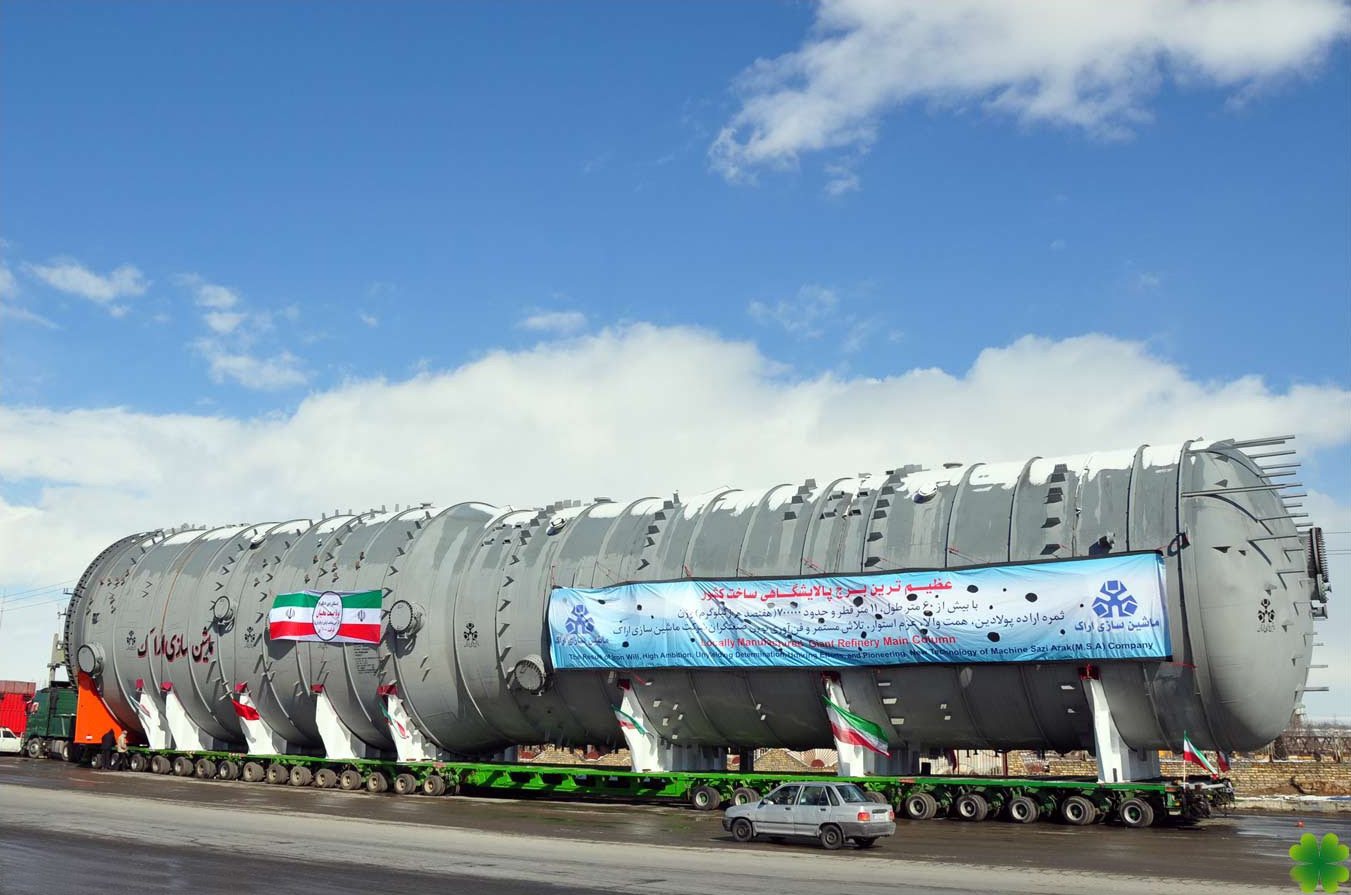
Distillation takes off the light ends. What is left — most of the barrel — goes into a delayed coker, which heats the residue until it cracks into lighter liquids and solid carbon. Hydrotreaters then strip the sulfur out.

1,250 barrelscrude blend 880 barrels equivalentfinished liquid products

Geri kalanına ne oldu: The diluent is recovered and sent back. Sulfur comes out as elemental sulfur — feedstock for sulfuric acid, which is used to leach other metals elsewhere in this atlas.

Neden burada: Because the coker is here. Gulf Coast refineries were built to run heavy sour crude and are among the deepest-conversion refineries in the world; a simple refinery in Europe physically cannot process this barrel.
1–2 days Sulfur →
Tutulmayan yol If this had been light sweet crude instead Arab Light needs no coker at all. Compare the two routes and count the countries.
A refinery with a coker
A giant distillation tower in Arak · CC BY 3.0 via Wikimedia Commons
06 Ürün 880barrels equivalent

United States · Refinery gate elinde Fuel marketers and industrial buyers (Üretici)

What comes out the other end

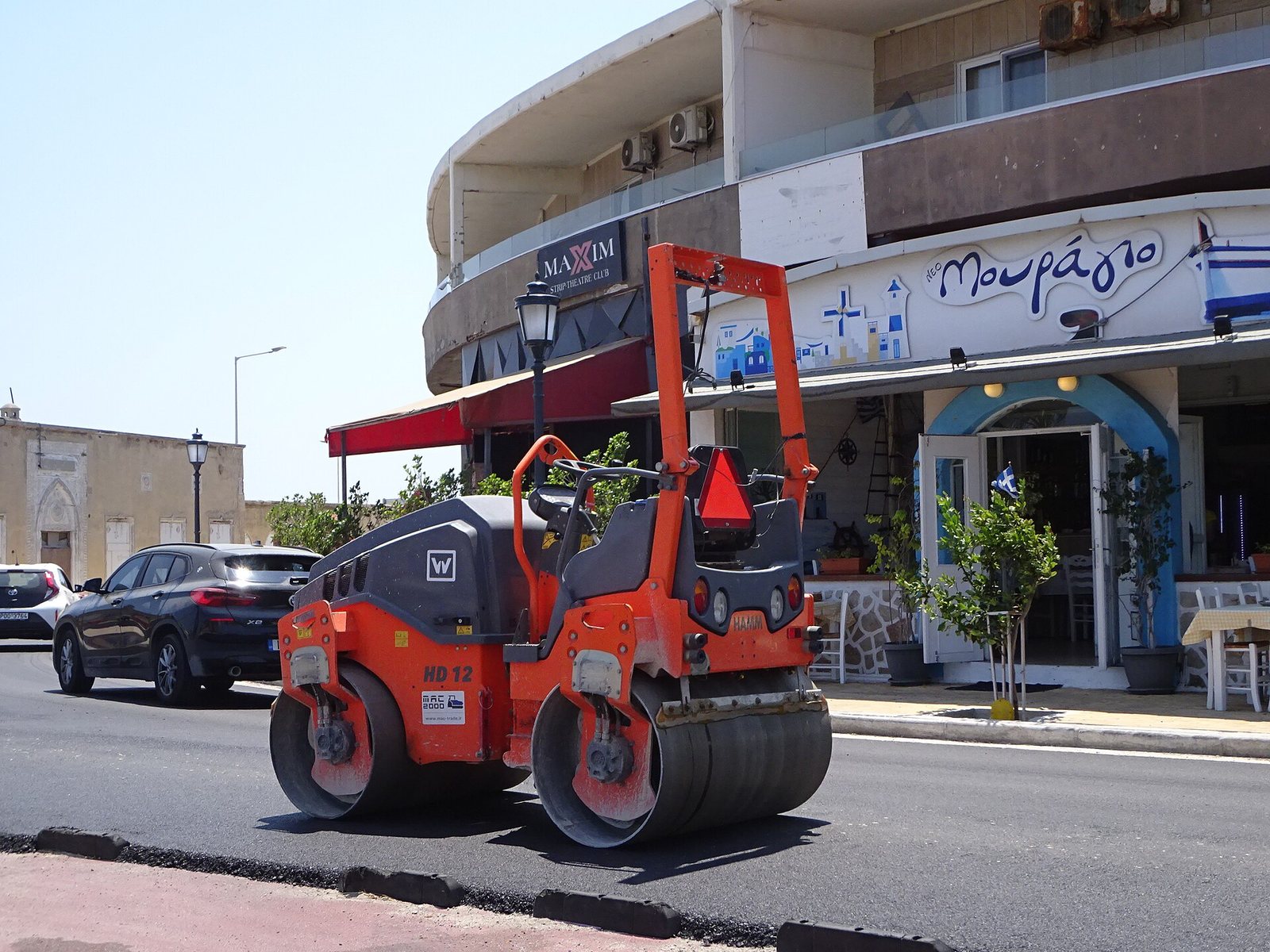
Diesel, jet fuel, petrol, asphalt for roads — and roughly 40 tonnes of petroleum coke from the coker.

1,250 barrelscrude blend 880 barrels equivalentfuels and asphalt, plus petroleum coke

Neden burada: Heavy sour crude yields proportionally more asphalt and coke than light crude does. The barrel's chemistry decides the product slate, not the refiner's preference.
What comes out the other end
Asphalt Roller for Road Asphalt Paving … · CC BY-SA 4.0 via Wikimedia Commons
07 Son pazar 60tonnes

United Arab Emirates · Calciner, then a smelter elinde Anode and aluminium producers (Üretici)

The coke becomes aluminium

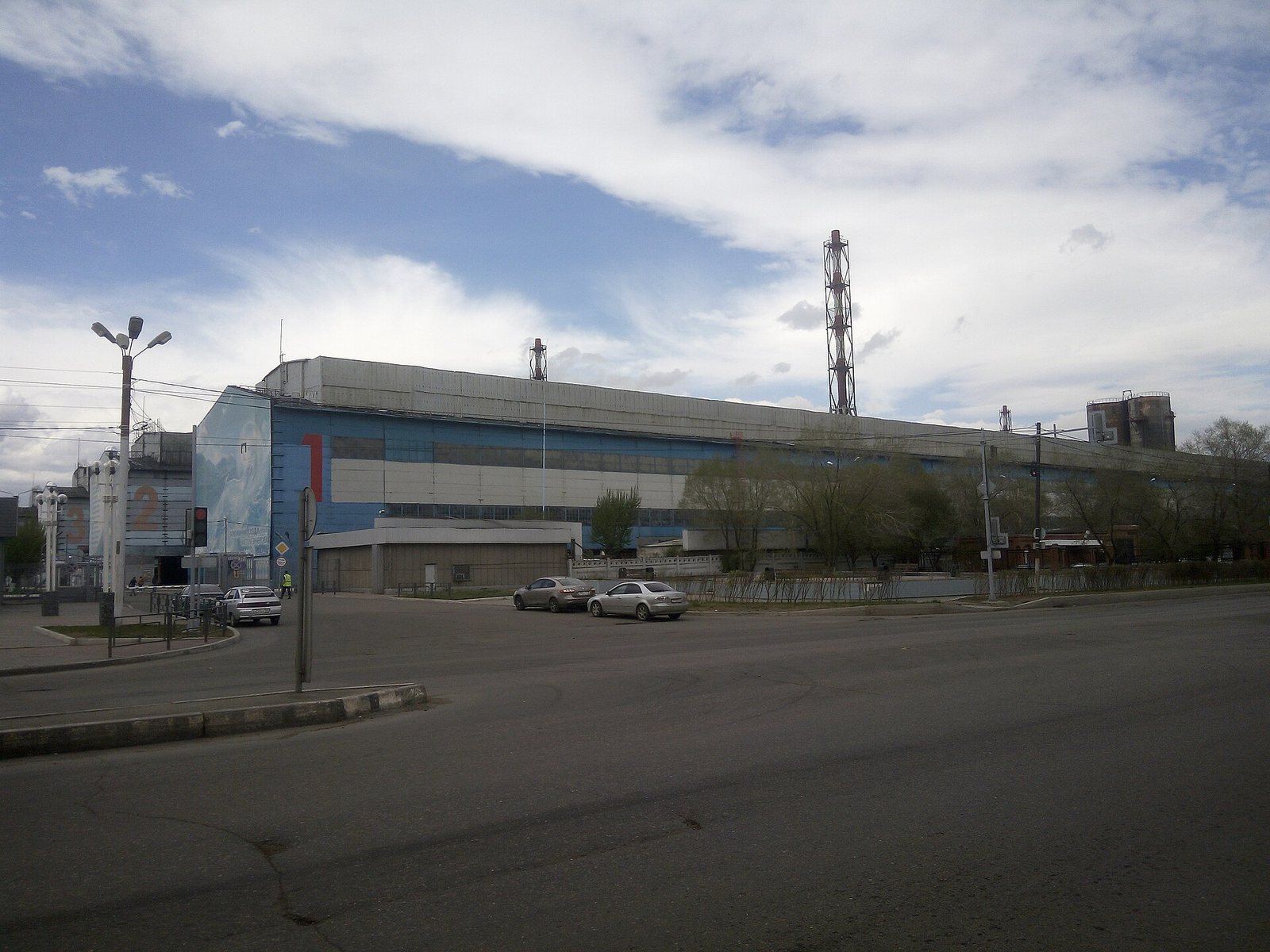
The petroleum coke is calcined and formed into carbon anodes. An aluminium smelter consumes roughly half a tonne of anode carbon for every tonne of metal it makes, burning it away in the process.

40 tonnesgreen petroleum coke 60 tonnesprimary aluminium this carbon could support

Geri kalanına ne oldu: This is the join most people never see: a barrel of Venezuelan tar ends up as the consumable carbon inside an aluminium smelter on another continent.

Neden burada: Smelters sit where electricity is cheap, which is rarely where the oil was. The carbon travels to the power, not the other way round.
continuous Aluminium →
The coke becomes aluminium
Krasnoyarsk Aluminium Smelter · CC BY 4.0 via Wikimedia Commons

Bu çalışılmış bir örnektir. Belirtilen bir başlangıç miktarını, yayımlanmış tipik verim ve geri kazanım oranları üzerinden takip eder; dolayısıyla oranlar doğrulanabilir niteliktedir; belirli bir sevkiyatın kaydı değildir. Güzergâh bilgileri — hangi ülkeler, hangi işlemler ve malzemenin neden başka bir yerde işlenemeyeceği — kamuya açık raporlardan derlenmiştir.

Materyaller

Tüm malzemeler Kritik mineraller Nadir toprak elementleri Pil malzemeleri Cevher mineralleri Periyodik tablo Tarayıcı

Zemin

Madenler ve yataklar İşleme ve rafinasyon Ülkeler Haritalar

Ekonomi

Velayet güzergâhları Tedarik zincirleri Son pazarlar Teknolojiler Şirketler Materyal hesaplayıcı

Öğren

ÖğrenSözlük Veriye SorYapay zeka ajanları Araştırma ve veriAçık API Haberler★ Kaydedildi

Hakkımızda

Hakkımızdaİletişim MetodolojiVeri kaynakları Editoryal politika Gizlilik politikasıKullanım koşulları Sorumluluk reddi