من الصخرة إلى المنتج، موثَّقاً
The Materials Atlas
المواد المناجم والرواسب المعالجة والتكرير مسارات الحيازة سلاسل الإمداد شركات الدول الأخبار
المواد حسب الرف مواد البطاريات عناصر الأرض النادرة النحاس والكهربائيات مواد أشباه الموصلات المواد النووية الفضاء والدفاع المعادن الثمينة الفولاذ والمعادن السبائكية المعادن الصناعية المعادن الزراعية المواد الخام للطاقة معادن الخام الجدول الدوري
الطلب الأسواق النهائية التقنيات حاسبة المواد الخرائط أداة الفرز
التعلم والأدوات تعلّمالمسرد استفسر عن البياناتعملاء الذكاء الاصطناعي البحث والبياناتAPI ★ محفوظ
عن الموقع من نحنالمنهجية مصادر البياناتاتصل بنا إخلاء المسؤولية
خيارات القراءة
🧭 العرض الإرشادي جديد على هذا المجال — درجات الخام والمركّز والتكرير والمنتجات الثانوية؟ نشرح كل مصطلح أثناء تصفّحك، بلغة واضحة. البيانات ذاتها، مع الشرح المدمج فيها.
⚡ عرض الخبراء أنت تعرف الصناعة بالفعل. البيانات فحسب — نظيفة وسريعة ومضغوطة، دون شروح إضافية. هذا هو العرض الافتراضي.
النسق
لغة الواجهة
العمق تُكتب صفحات المواد على أربعة مستويات. اختر أيّاً منها في أي صفحة مادة وسيُحفظ اختيارك.
★ محفوظ البحث والبيانات
Lithium

مواد البطاريات

Lithium Li · 3

A soft, silvery metal so light it floats on water, and the element that lets a rechargeable battery store a lot of energy for very little weight.

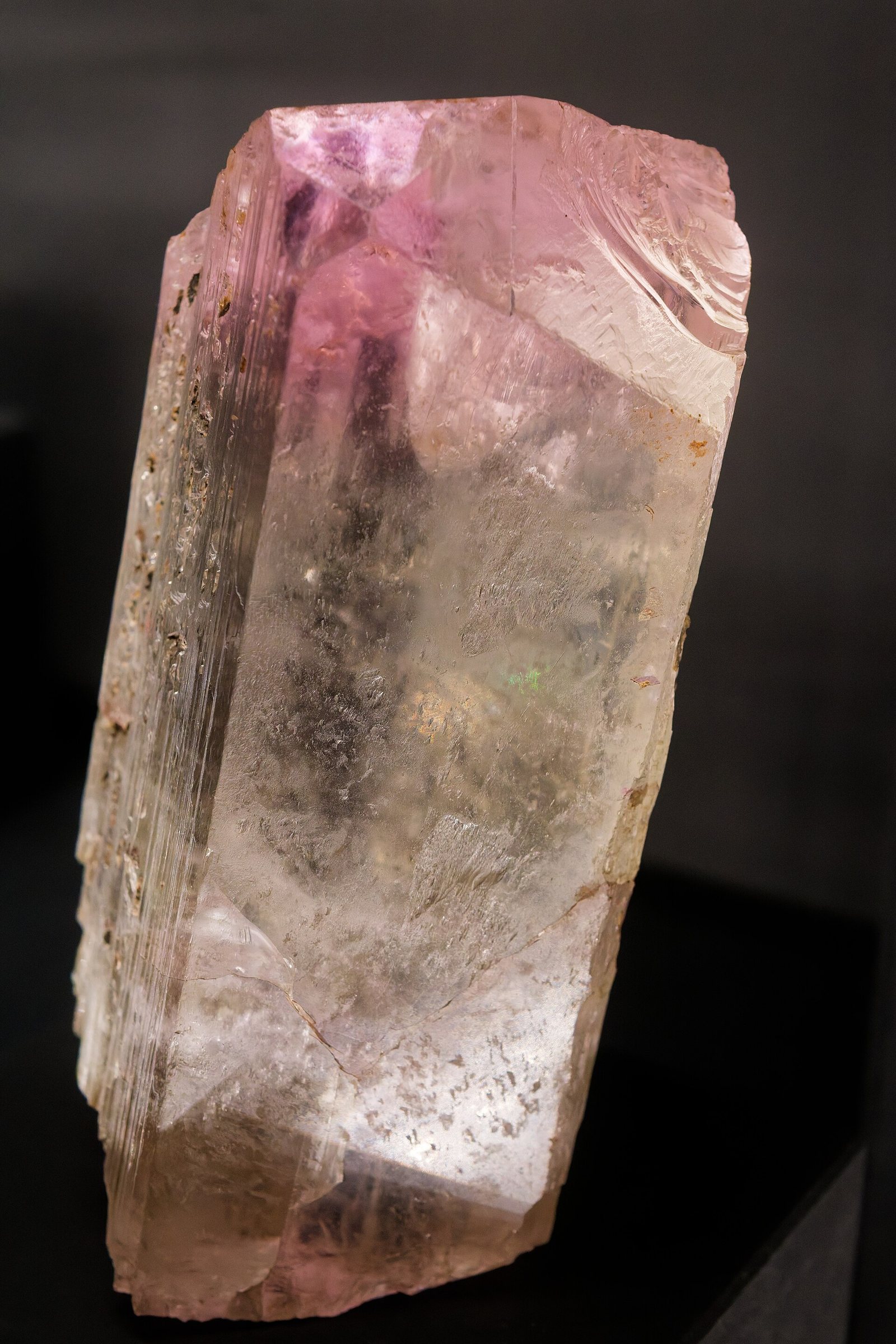
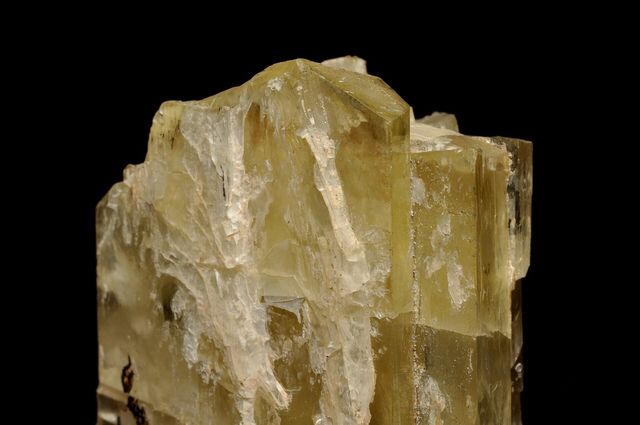
Spodumene Nuristan Créer le cristal · Marie-Lan Taÿ Pamart · CC BY 4.0 · Wikimedia Commons

ما هو؟

A soft, silvery metal so light it floats on water, and the element that lets a rechargeable battery store a lot of energy for very little weight.

لماذا يهم هذا؟

Almost every phone, laptop and electric car on Earth runs on a lithium-ion battery. There is no drop-in replacement that matches it on energy per kilogram today.

Getting it out

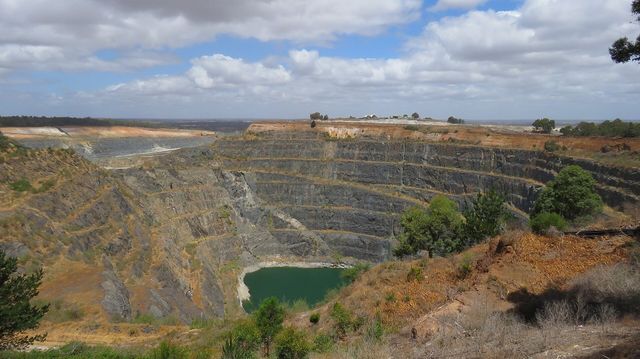
Hard-rock lithium deposits, principally the spodumene pegmatites of Australia and southern Africa, are mined by open-pit methods. Miners remove the overlying rock — called overburden — expose the orebody, and extract it in benches cut down through the deposit. The proportion of waste rock moved for every tonne of ore recovered varies with the geometry of the deposit and how deeply it runs, but in any open-pit operation this stripping ratio is a significant part of the cost. The ore is then crushed and processed on site to produce a spodumene concentrate, a product containing around 6 percent lithium oxide (Li₂O) by weight. This concentrate is the form in which most Australian lithium leaves the country, travelling to chemical plants — predominantly in China — for further conversion.

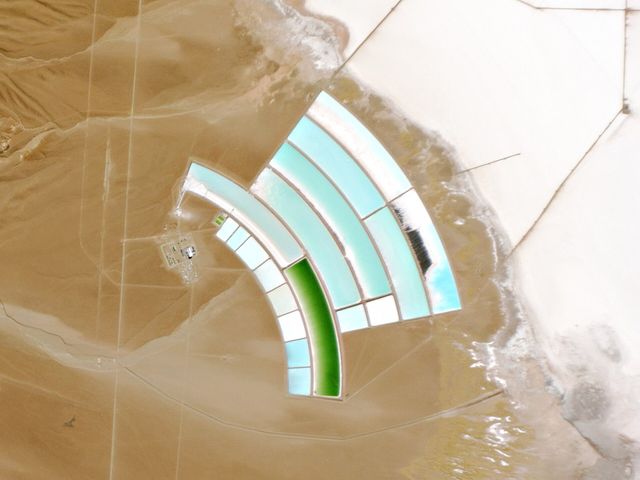
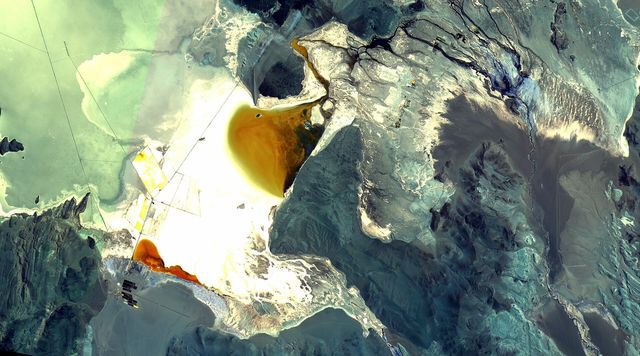
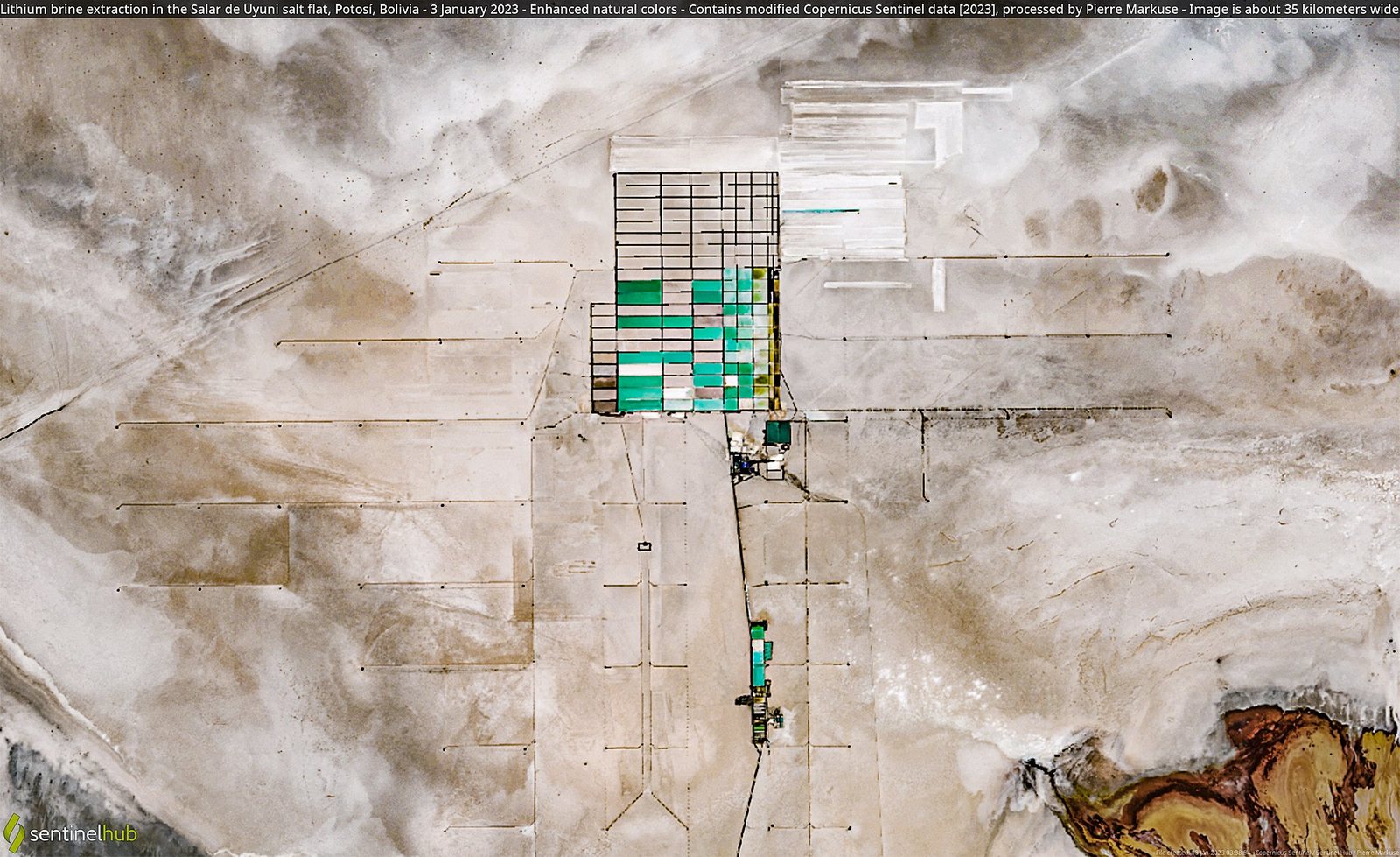
Brine deposits work entirely differently. Operators drill wells into the salt flat and pump the lithium-bearing brine to the surface, where it is directed into a sequence of large, shallow evaporation ponds. Solar energy does most of the work: over many months, water evaporates and unwanted salts crystallise out, progressively concentrating the lithium. When the brine has been sufficiently enriched, it moves to a chemical plant for further purification and conversion into lithium carbonate or lithium hydroxide. The process is slow — a full evaporation cycle can take well over a year — and the large pond footprint means it uses considerable land area in ecosystems that are ecologically and hydrologically sensitive. More recently, direct lithium extraction (DLE) technologies, which use selective adsorbent or membrane materials to pull lithium from brine without lengthy evaporation, are being piloted at several sites, including at Salar del Hombre Muerto in Argentina. DLE promises faster processing and a smaller footprint, but most projects using it are not yet operating at full commercial scale.

The clay-hosted deposit at Thacker Pass in the United States involves open-pit mining followed by acid leaching of the crushed claystone — a process closer to hydrometallurgy than to conventional mineral processing. Because this deposit type is still at an early stage of commercial development, the practical performance of the full process at scale remains to be demonstrated under operating conditions.

What pulls on it

The dominant use of lithium today is in rechargeable batteries, and within that category the largest single application is the electric vehicle. Both of the main cathode chemistries in wide use — lithium iron phosphate (LFP) and nickel manganese cobalt oxide (NMC) — incorporate lithium as a functional element that shuttles between electrodes during each charge and discharge cycle. The material-intensity data on this page shows that a single 75 kWh battery pack requires several kilograms of contained lithium, meaning that each vehicle placed on the road represents a discrete, sizeable demand event. Consumer electronics — phones, laptops, tablets — also rely on lithium-ion cells, and grid-scale battery storage for electricity networks is a growing application as more intermittent renewable generation is added to grids.

Before the battery era, lithium's main markets were quite different: glass and ceramics (where it improves thermal properties), lubricating greases, air treatment, and pharmaceutical compounds. Those uses have not disappeared, but they have shrunk as a share of total demand as battery growth has outrun everything else. The practical consequence is that the lithium market's fortunes are now tightly coupled to the rate at which battery-powered vehicles and storage systems are adopted. If that adoption accelerated, demand would rise accordingly; if policy support for electric vehicles were withdrawn in major markets, or if a competing battery chemistry emerged that did not require lithium, the demand picture would change substantially. Neither the pace of adoption nor the development of alternative chemistries is fixed, which is what makes demand forecasting in this market genuinely uncertain.

It is worth noting that demand does not translate directly into lithium consumption without accounting for the efficiency of the manufacturing chain. Cathode production involves its own yield losses, and scrap generated within battery factories does not all return to the supply chain cleanly. The intensity figures are for finished packs, and the quantity of lithium that must actually be mined to deliver one finished pack is somewhat higher than those figures alone suggest.

Where it is in the Earth

Lithium is one of the lightest elements, and its very lightness is part of why it does not appear in concentrated form everywhere: it does not fit comfortably into the crystal structures of most common rock-forming minerals, so it tends to be left behind as magmas cool and solidify. Over geological time, that rejection causes it to accumulate in the last fractions of a cooling granite body, where water-rich fluids carry it into cracks and cavities. The resulting rock type is called a pegmatite — a coarse-grained igneous rock whose outsized crystals reflect the slow, fluid-assisted growth conditions. When the right combination of lithium, aluminium, and silicon is present, the mineral spodumene crystallises, and a mineable deposit can form. Geologists label the most lithium-rich class of these bodies LCT pegmatites, shorthand for the lithium, caesium, and tantalum that tend to travel together through these late-stage fluids. The Greenbushes and Pilgangoora deposits in Western Australia are among the best-known examples.

The other principal source is entirely different in character. In high, arid plateaux — most famously the Andean altiplano spanning Chile, Argentina, and Bolivia — ancient lake basins have been concentrated by millions of years of evaporation into vast salt flats called salares. Rainwater that falls on the surrounding volcanic highlands dissolves lithium from the rocks and carries it into these closed basins, from which there is no outlet to the sea. Evaporation removes the water but leaves the dissolved salts behind, including lithium at concentrations that can reach into the thousands of milligrams per litre in the subsurface brines beneath the salt crust. This is not ore in the conventional sense — it is a mineral-rich solution sitting in the pores of sediments below ground. The concentration of lithium in that brine, measured in milligrams per litre, is the brine-deposit equivalent of ore grade.

A third deposit type is drawing attention as exploration expands: lithium-bearing claystones formed from the alteration of volcanic ash in ancient lake beds. The Thacker Pass deposit in the United States belongs to this category. Clay-hosted lithium presents different metallurgical challenges from either pegmatite or brine, and the technology to process it at scale is still being proved commercially. Each deposit type therefore represents not just a different geological setting but a different set of engineering and environmental problems to solve.

اقرأ الأرقام بصورة صحيحة. USGS tonnages count CONTAINED LITHIUM METAL, not lithium carbonate. One tonne of lithium metal is about 5.32 tonnes of lithium carbonate (Li2CO3). Nobody ships lithium metal. The traded products are lithium carbonate and lithium hydroxide, plus spodumene concentrate at about 6% Li2O.
An LCT pegmatite
spodumene-bearing zone wall zone: quartz, feldspar, mica granite host rock surface
The last few percent of a cooling granite carries whatever would not fit into the ordinary minerals — lithium, caesium, tantalum. Water-rich fluid injects it into cracks, where it grows outsized crystals in distinct zones. Schematic. Dykes range from under a metre to tens of metres thick. Original diagram, The Materials Atlas.

من أين يأتي في الصخر

جميع المعادن الخامة →

هذه هي المعادن التي تحمل فعلياً lithium. لا يُعدّ الرسوب خاماً إلا إذا كان تركيز أحد معادنه كافياً لتغطية تكاليف استخراجه.
Mine production

Mine productionmetric tons 2025 (مُقدَّر) المجموع العالمي 290,000 metric tons

USGS Mineral Commodity Summaries 2026 · USGS tonnages count CONTAINED LITHIUM METAL, not lithium carbonate. One tonne of lithium metal is about 5.32 tonnes of lithium carbonate (Li2CO3). · المصدر ↗

مرِّر الجدول أفقياً لعرض الأعمدة المتبقية.

الدولةالإنتاج حصة من العالم
Australia 92,000 31.7%
China 62,000 21.4%
Chile 56,000 19.3%
Zimbabwe 28,000 9.7%
Argentina 23,000 7.9%
Brazil 12,000 4.1%
Mali 9,400 3.2%
Canada 5,600 1.9%
Portugal 380.0 0.1%
Other countries Zero
United States Withheld
المجموع العالمي 290,000100%

«محجوب» يعني أن USGS أخفى الرقم تفاديًا للإفصاح عن بيانات شركة بعينها — وهو لا يعني صفرًا. لا يُساوي مجموع صفوف الدول دائمًا المجموع العالمي لأن المصدر يُقرِّب كل رقم باستقلالية ولا يُفصِّل دائمًا خانة «دول أخرى».

من يحتفظ بالاحتياطيات

«الاحتياطيات» مصطلح دقيق. يعني الجزء من رواسب معروفة الذي يمكن استخراجه اقتصاديًا في الوقت الراهن، بأسعار اليوم وتقنيات اليوم — لا كل ما هو موجود في باطن الأرض. تزداد الاحتياطيات حين ترتفع الأسعار أو تُستحدث تقنية جديدة، وتتقلص حين تنخفض.

Reserves

Reservesmetric tons 2025

USGS Mineral Commodity Summaries 2026 · المصدر ↗

الدولةالاحتياطياتحصة من العالم
Chile 9,200,000 24.9%
Australia 8,400,000 22.7%
China 4,600,000 12.4%
United States 4,400,000 11.9%
Argentina 4,400,000 11.9%
Other countries 2,400,000 6.5%
Canada 1,600,000 4.3%
Brazil 540,000 1.5%
Zimbabwe 500,000 1.4%
Mali 370,000 1.0%
Portugal 60,000 0.2%
المجموع العالمي 37,000,000100%

السعر

annual average-real, battery-grade lithium carbonate, dollars per metric ton

المتوسط السنويdollars per metric ton

2021 · 11,700 مرتفع 63,700 dollars per metric ton 2025 · 9,000

الأساس: annual average-real, battery-grade lithium carbonate, dollars per metric ton. متوسطات سنوية كما نُشرت في USGS Mineral Commodity Summaries 2026 · المصدر ↗. هذه متوسطات سنوية مرجعية، وليست أسعار سوق آنية.

المناجم المنتِجة له

جميع المناجم →
Goulamina
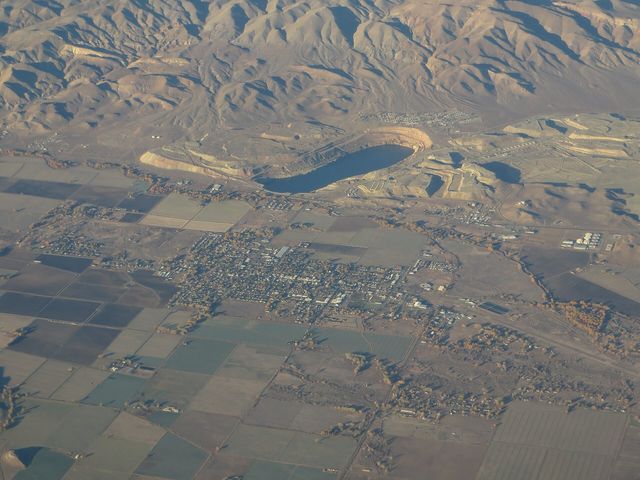
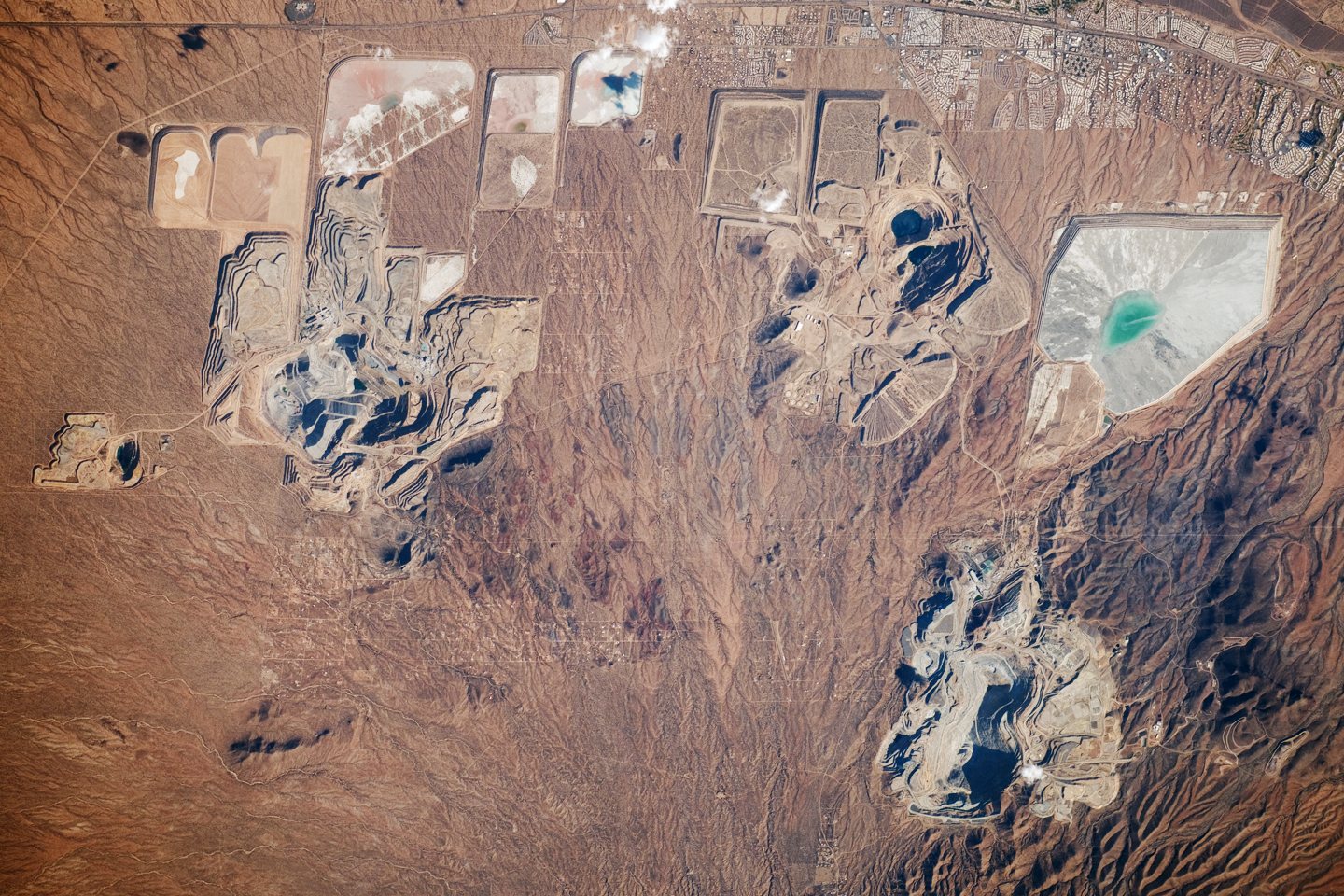
Goulamina, Mali — One of the mines behind Mali's sudden appearance in world lithium statistics. Open Pit Mines, Southern Arizona 2010-01-14 I…, Public domain via Wikimedia Commons

Goulamina →

أين تتم معالجته وتكريره

المنشأةالنوع المرحلةالدولةالدور
CATL Ningde Plants المصنع العملاق (غيغافاكتوري)مكوّن Chinaالمدخل
Gigafactory Nevada المصنع العملاق (غيغافاكتوري)مكوّن United Statesالمدخل
Kwinana Lithium Hydroxide Plant منشأة كيميائيةالتكرير Australiaالمدخل
Qinghai & Sichuan Lithium Chemical Cluster منشأة كيميائيةالتكرير Chinaالمدخل

ما الذي يُستخدم فيه

جميع الأسواق النهائية →
السوق النهائيةما الذي يؤديه هناكالأهمية
Electric Vehicles The cathode and electrolyte salt تعريف
Consumer Electronics Battery تعريف
Grid Storage Lithium-ion systems تعريف
Power Grids Battery storage on the network مهم
Robotics & Automation On-board battery مهم

ما تحتاجه التقنية منه

«الكثافة» تعني ببساطة كمية المادة التي تحتويها وحدة واحدة من شيء ما. هذه نطاقات استرشادية — فالتصاميم الفعلية تتفاوت بحسب الشركة المصنّعة وسنة الطراز، وكلها في تراجع مستمر مع تعلّم المهندسين كيفية خفض الاستهلاك.
التقنيةالكمية مُدرجالأساس
LFP Lithium-Ion Battery About 0.09 kg Li per kWh. 5.50–8.00 kg contained lithium per 75 kWh packContained metal
NMC Lithium-Ion Battery About 0.10 kg Li per kWh of cell capacity. 6.00–9.00 kg contained lithium per 75 kWh packContained metal, not carbonate

Indicative range compiled from published technology studies and chemistry; verify against a manufacturer specification before use. شغّل هذه الأرقام على أي نطاق في حاسبة المواد →

ضوابط التصدير

الدولةسيطرةينطبق على
ChinaExport licensing requirement for materials and technologies Antimony (2024), bismuth (2025), synthesized diamond (2025), gallium (2023), germanium (2023), graphite (2023), indium (2025), magnesium materials (2024), molybdenum (2025), rare earths (2025), silver (2026), tellurium (2025), tungsten (2025), and items related to lithium batteries and artificial graphite anode materials (2025).
NamibiaExport ban Ores and concentrates of cobalt, graphite, lithium, manganese, and rare earths (2023).
ZimbabweExport ban Lithium ore (2022).

USGS Mineral Commodity Summaries 2026, table 4 — controls in effect as of January 2026, excluding controls since lifted.

تتبّعها عبر الحدود

جميع المسارات →

أين تذهب شحنة من هذه المادة فعلاً — كل دولة، وكل حارس، وما الذي يتبقّى في كل خطوة.

Australian spodumene to a battery, the fast way Eight weeks instead of eighteen months, at the cost of a great deal more energy. من Australia · Spodumene concentrate, 6% Li2O, from an LCT pegmatite Chilean brine to a battery in a car The ore is water. The first year and a half of processing is done by the sun, for free. من Chile · Salar brine, roughly 1,500–2,000 mg of lithium per litre
سلاسل الإمداد المتتبَّعة

في الأخبار

المزيد →

SW US mine rush collides with water limits

The Northern Miner02 Sep 2026

Liontown to earn up to 100% interest in Centenario lithium project

MINING.COM02 Sep 2026

China’s biggest lithium mine loses licence

The Northern Miner02 Sep 2026

China’s biggest lithium mine loses licence

MINING.COM02 Sep 2026

Axiant hits ASX after Core Lithium completes spinout

MINING.COM02 Sep 2026

Liontown to acquire up to 100% of Centenario lithium project

Mining Technology02 Sep 2026

المواد

جميع المواد المعادن الحرجة الأرض النادرة مواد البطاريات معادن الخام الجدول الدوري أداة الفرز

باطن الأرض

المناجم والرواسب المعالجة والتكرير الدول الخرائط

الاقتصاد

مسارات الحيازة سلاسل الإمداد الأسواق النهائية التقنيات شركات حاسبة المواد

تعلّم

تعلّمالمسرد استفسر عن البياناتعملاء الذكاء الاصطناعي البحث والبياناتAPI مفتوح الأخبار★ محفوظ

من نحن

من نحناتصل بنا المنهجيةمصادر البيانات السياسة التحريرية سياسة الخصوصيةشروط الاستخدام إخلاء المسؤولية