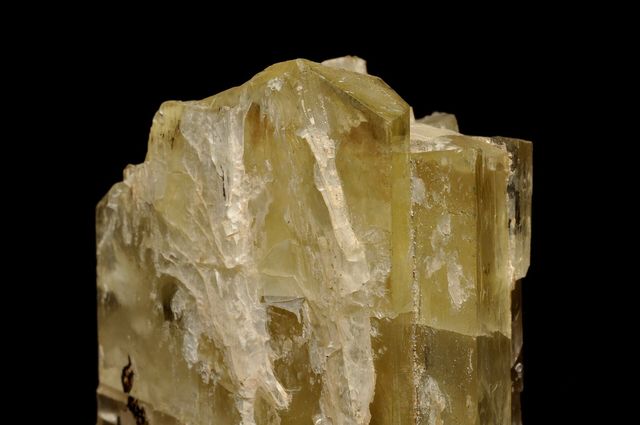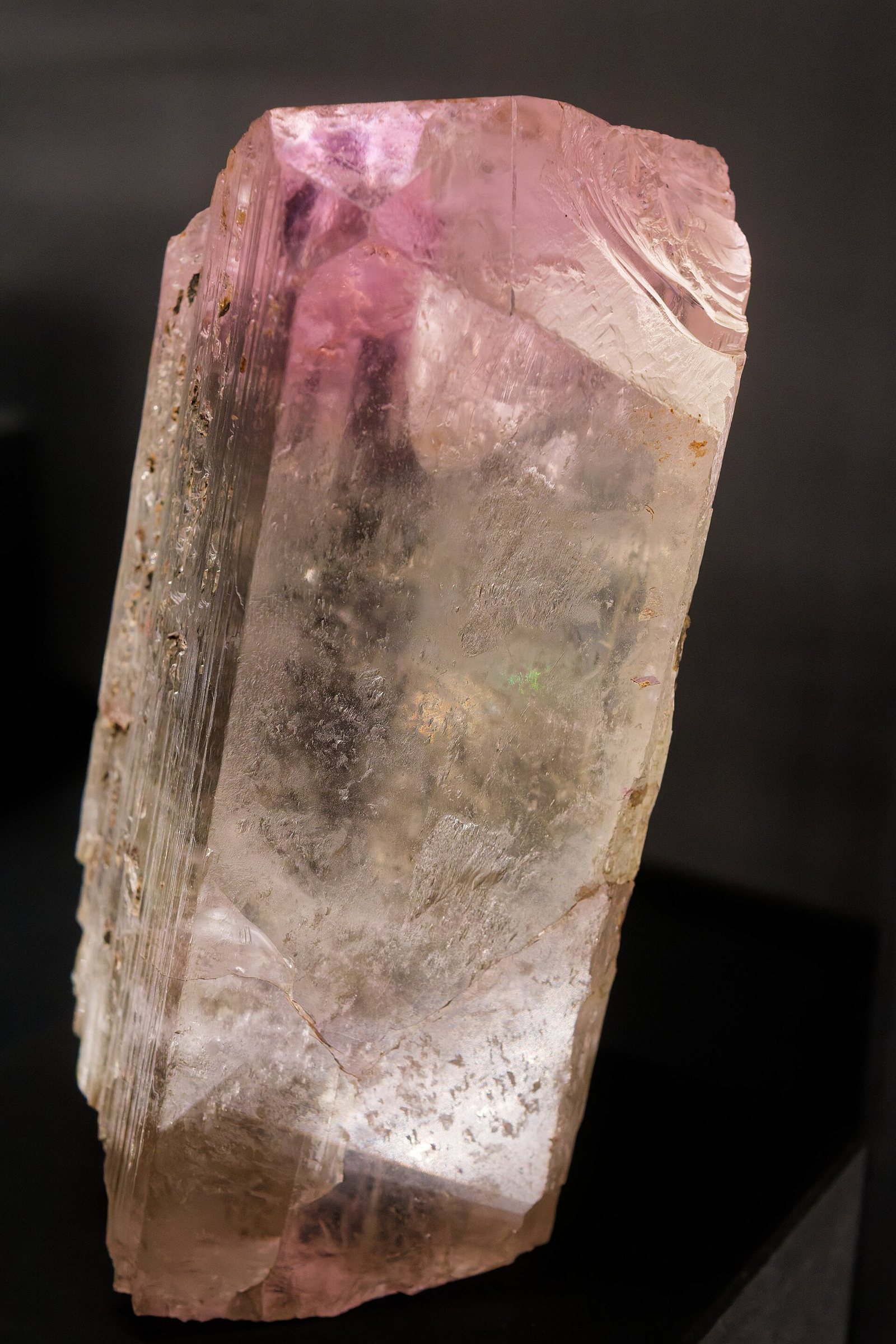
Che cos'è?
A soft, silvery metal so light it floats on water, and the element that lets a rechargeable battery store a lot of energy for very little weight.
Perché è importante?
Almost every phone, laptop and electric car on Earth runs on a lithium-ion battery. There is no drop-in replacement that matches it on energy per kilogram today.
Getting it out
Hard-rock lithium deposits, principally the spodumene pegmatites of Australia and southern Africa, are mined by open-pit methods. Miners remove the overlying rock — called overburden — expose the orebody, and extract it in benches cut down through the deposit. The proportion of waste rock moved for every tonne of ore recovered varies with the geometry of the deposit and how deeply it runs, but in any open-pit operation this stripping ratio is a significant part of the cost. The ore is then crushed and processed on site to produce a spodumene concentrate, a product containing around 6 percent lithium oxide (Li₂O) by weight. This concentrate is the form in which most Australian lithium leaves the country, travelling to chemical plants — predominantly in China — for further conversion.
Brine deposits work entirely differently. Operators drill wells into the salt flat and pump the lithium-bearing brine to the surface, where it is directed into a sequence of large, shallow evaporation ponds. Solar energy does most of the work: over many months, water evaporates and unwanted salts crystallise out, progressively concentrating the lithium. When the brine has been sufficiently enriched, it moves to a chemical plant for further purification and conversion into lithium carbonate or lithium hydroxide. The process is slow — a full evaporation cycle can take well over a year — and the large pond footprint means it uses considerable land area in ecosystems that are ecologically and hydrologically sensitive. More recently, direct lithium extraction (DLE) technologies, which use selective adsorbent or membrane materials to pull lithium from brine without lengthy evaporation, are being piloted at several sites, including at Salar del Hombre Muerto in Argentina. DLE promises faster processing and a smaller footprint, but most projects using it are not yet operating at full commercial scale.
The clay-hosted deposit at Thacker Pass in the United States involves open-pit mining followed by acid leaching of the crushed claystone — a process closer to hydrometallurgy than to conventional mineral processing. Because this deposit type is still at an early stage of commercial development, the practical performance of the full process at scale remains to be demonstrated under operating conditions.
What pulls on it
The dominant use of lithium today is in rechargeable batteries, and within that category the largest single application is the electric vehicle. Both of the main cathode chemistries in wide use — lithium iron phosphate (LFP) and nickel manganese cobalt oxide (NMC) — incorporate lithium as a functional element that shuttles between electrodes during each charge and discharge cycle. The material-intensity data on this page shows that a single 75 kWh battery pack requires several kilograms of contained lithium, meaning that each vehicle placed on the road represents a discrete, sizeable demand event. Consumer electronics — phones, laptops, tablets — also rely on lithium-ion cells, and grid-scale battery storage for electricity networks is a growing application as more intermittent renewable generation is added to grids.
Before the battery era, lithium's main markets were quite different: glass and ceramics (where it improves thermal properties), lubricating greases, air treatment, and pharmaceutical compounds. Those uses have not disappeared, but they have shrunk as a share of total demand as battery growth has outrun everything else. The practical consequence is that the lithium market's fortunes are now tightly coupled to the rate at which battery-powered vehicles and storage systems are adopted. If that adoption accelerated, demand would rise accordingly; if policy support for electric vehicles were withdrawn in major markets, or if a competing battery chemistry emerged that did not require lithium, the demand picture would change substantially. Neither the pace of adoption nor the development of alternative chemistries is fixed, which is what makes demand forecasting in this market genuinely uncertain.
It is worth noting that demand does not translate directly into lithium consumption without accounting for the efficiency of the manufacturing chain. Cathode production involves its own yield losses, and scrap generated within battery factories does not all return to the supply chain cleanly. The intensity figures are for finished packs, and the quantity of lithium that must actually be mined to deliver one finished pack is somewhat higher than those figures alone suggest.
Where it is in the Earth
Lithium is one of the lightest elements, and its very lightness is part of why it does not appear in concentrated form everywhere: it does not fit comfortably into the crystal structures of most common rock-forming minerals, so it tends to be left behind as magmas cool and solidify. Over geological time, that rejection causes it to accumulate in the last fractions of a cooling granite body, where water-rich fluids carry it into cracks and cavities. The resulting rock type is called a pegmatite — a coarse-grained igneous rock whose outsized crystals reflect the slow, fluid-assisted growth conditions. When the right combination of lithium, aluminium, and silicon is present, the mineral spodumene crystallises, and a mineable deposit can form. Geologists label the most lithium-rich class of these bodies LCT pegmatites, shorthand for the lithium, caesium, and tantalum that tend to travel together through these late-stage fluids. The Greenbushes and Pilgangoora deposits in Western Australia are among the best-known examples.
The other principal source is entirely different in character. In high, arid plateaux — most famously the Andean altiplano spanning Chile, Argentina, and Bolivia — ancient lake basins have been concentrated by millions of years of evaporation into vast salt flats called salares. Rainwater that falls on the surrounding volcanic highlands dissolves lithium from the rocks and carries it into these closed basins, from which there is no outlet to the sea. Evaporation removes the water but leaves the dissolved salts behind, including lithium at concentrations that can reach into the thousands of milligrams per litre in the subsurface brines beneath the salt crust. This is not ore in the conventional sense — it is a mineral-rich solution sitting in the pores of sediments below ground. The concentration of lithium in that brine, measured in milligrams per litre, is the brine-deposit equivalent of ore grade.
A third deposit type is drawing attention as exploration expands: lithium-bearing claystones formed from the alteration of volcanic ash in ancient lake beds. The Thacker Pass deposit in the United States belongs to this category. Clay-hosted lithium presents different metallurgical challenges from either pegmatite or brine, and the technology to process it at scale is still being proved commercially. Each deposit type therefore represents not just a different geological setting but a different set of engineering and environmental problems to solve.
Da dove proviene nella roccia
Tutti i minerali mena →Questi sono i minerali che contengono effettivamente lithium. Un giacimento è un corpo minerario solo se uno di essi è sufficientemente concentrato da giustificare il costo dell'estrazione.
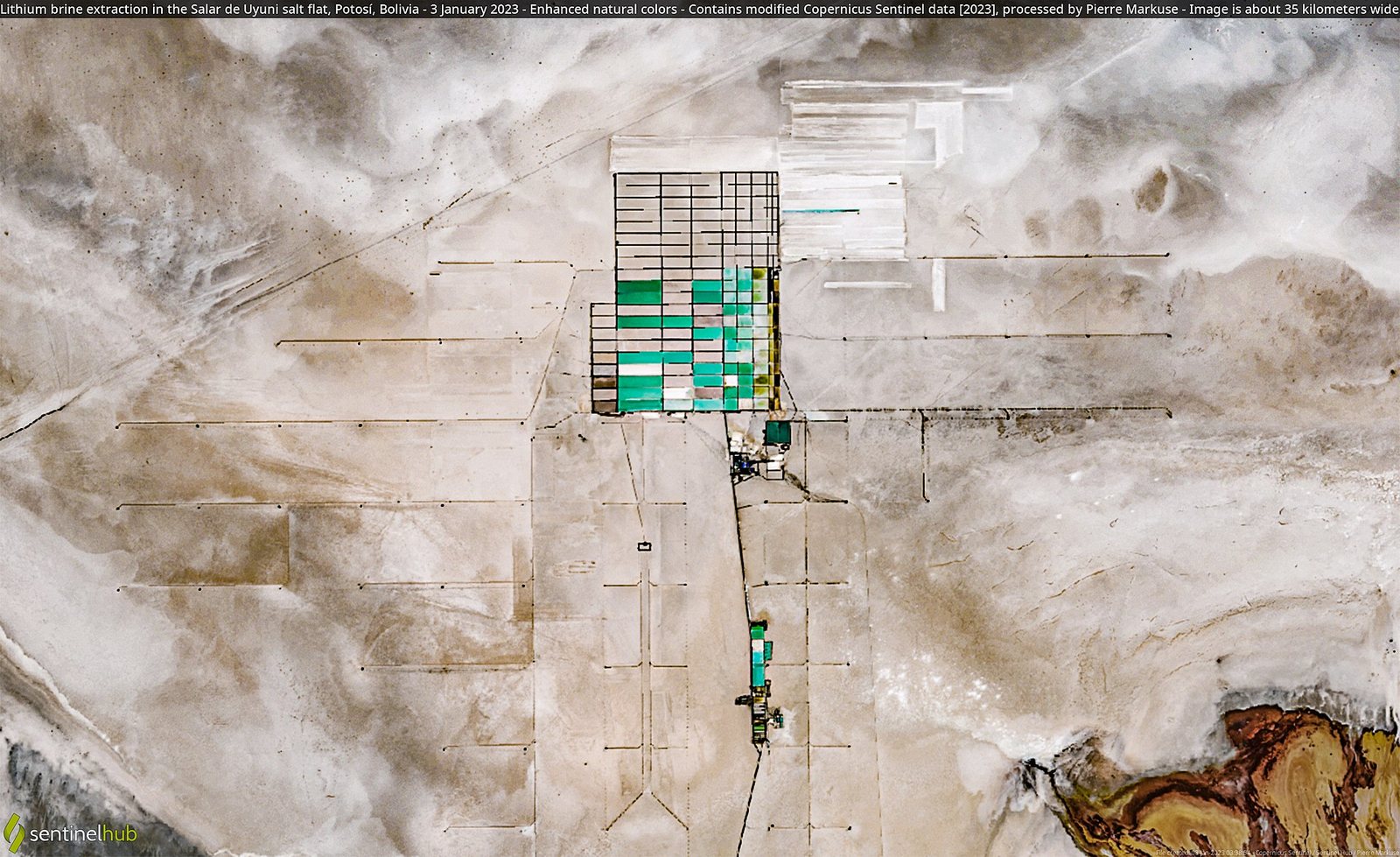
Lithium Brine
Not a mineral but a saturated salt solution beneath a salar. Concentrated by solar evaporation over 12-24 months, or…
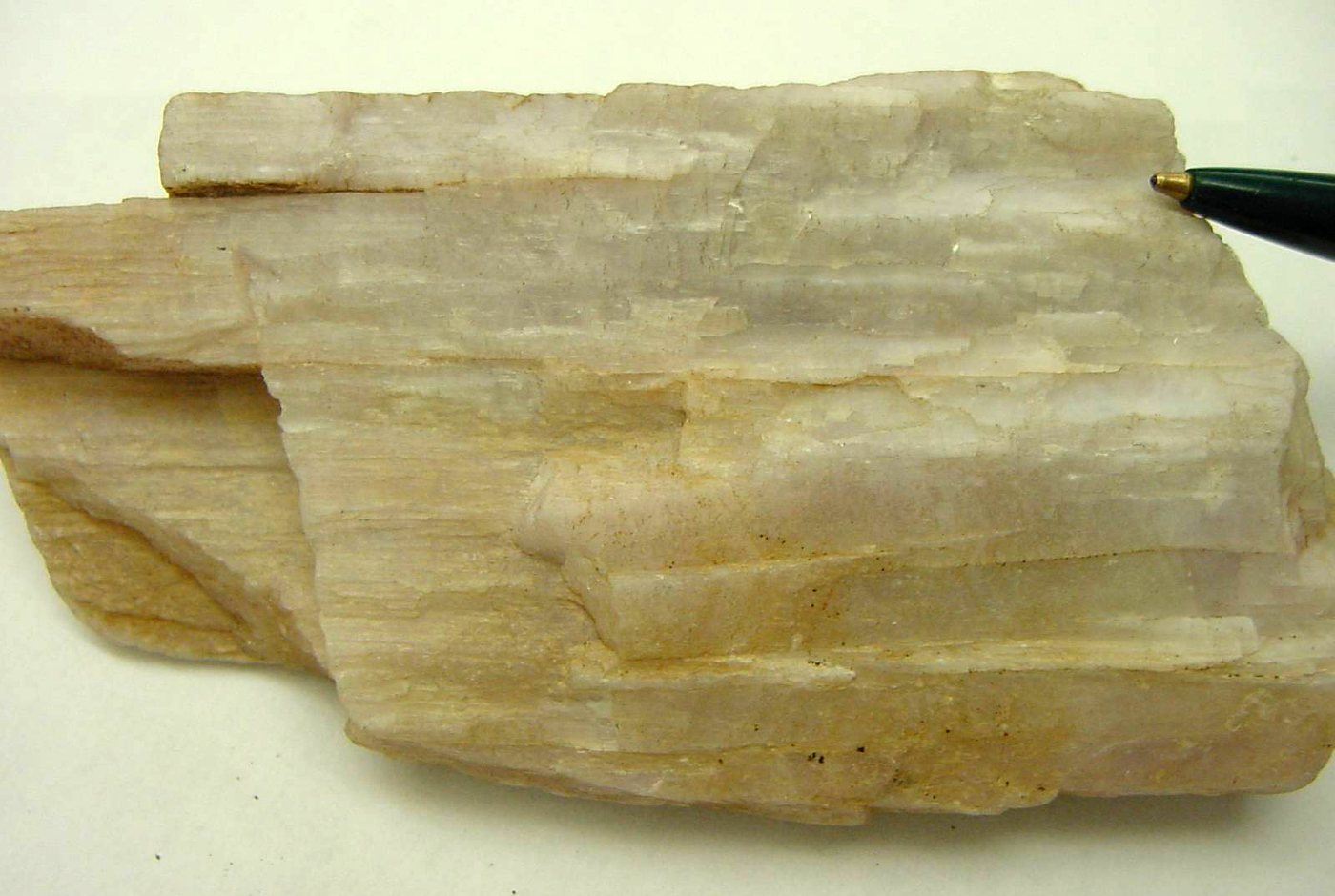
Spodumene
The main hard-rock lithium mineral. Fresh spodumene contains up to 8% Li2O; concentrate is sold at about 6%.
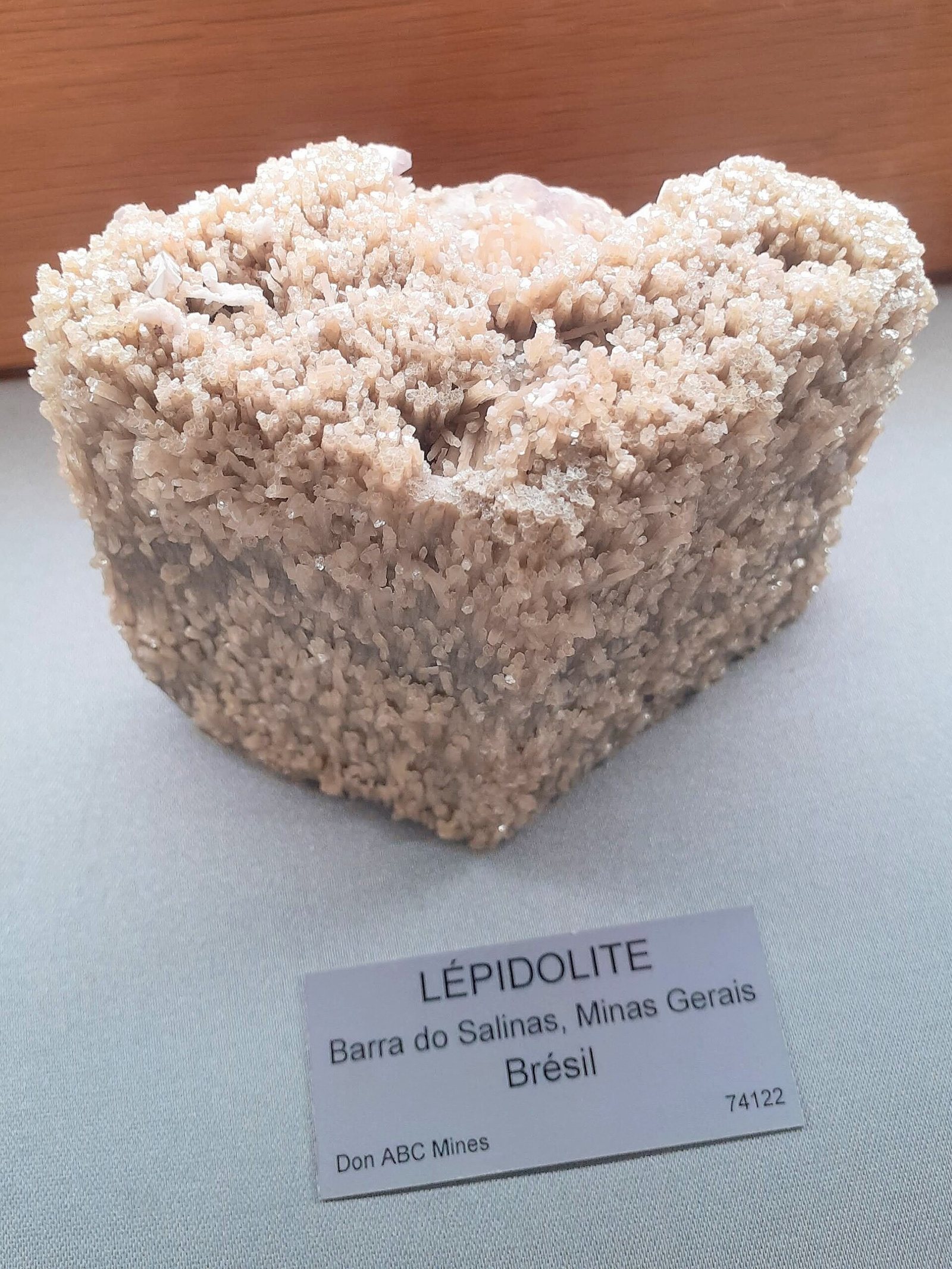
Lepidolite
A lithium mica. Rich in fluorine, which complicates processing, but also carries rubidium and caesium.
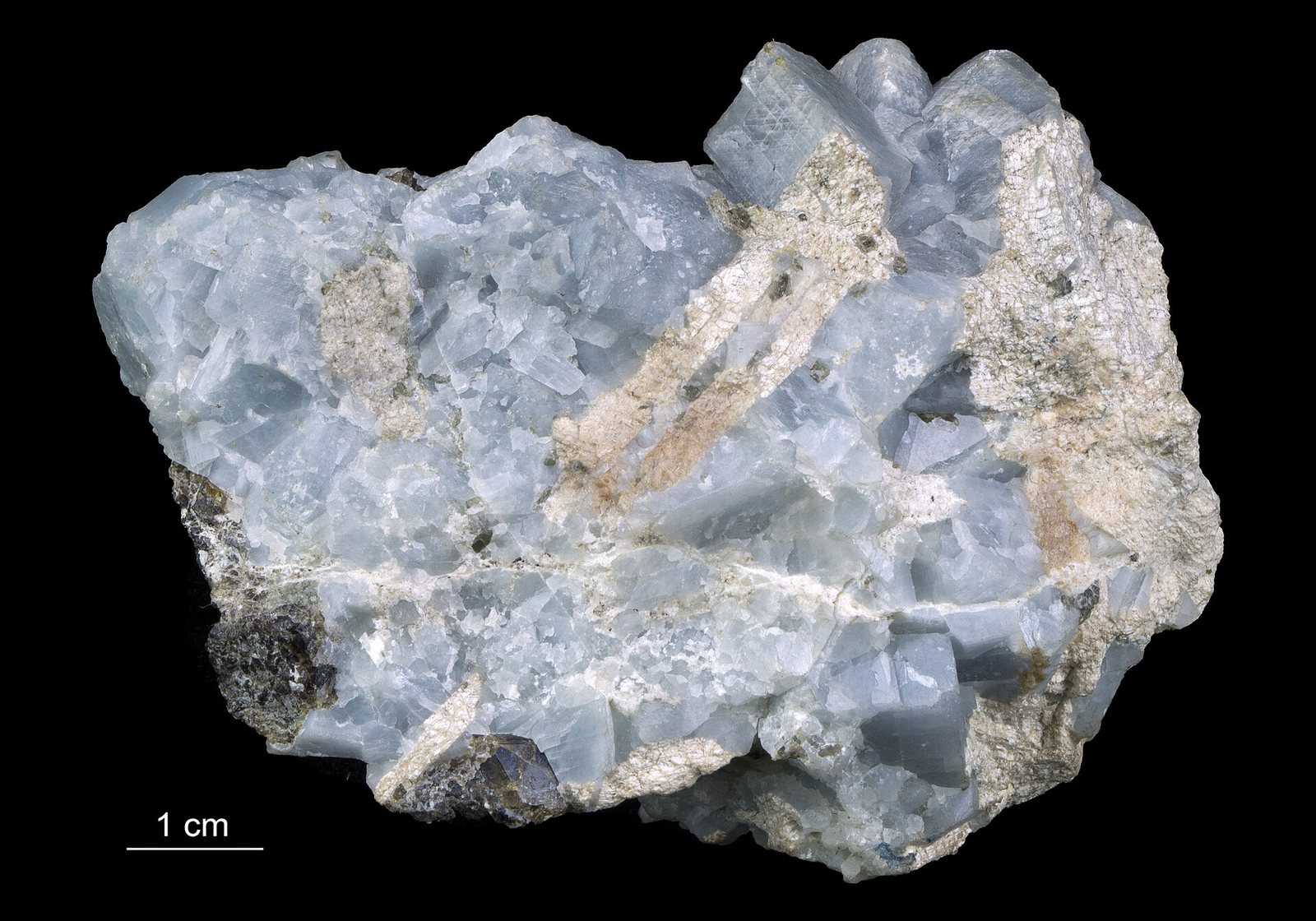
Petalite
A lower-grade lithium silicate, historically important in glass and ceramics.
Chi lo produce
Visualizza sulla mappa →Mine production
Mine productionmetric tons 2025 (stimato) Totale mondiale 290,000 metric tons
USGS Mineral Commodity Summaries 2026 · USGS tonnages count CONTAINED LITHIUM METAL, not lithium carbonate. One tonne of lithium metal is about 5.32 tonnes of lithium carbonate (Li2CO3). · fonte ↗
Scorrere la tabella lateralmente per visualizzare le colonne rimanenti.
| Paese | Produzione | Quota mondiale |
|---|---|---|
| Australia | 92,000 | 31.7% |
| China | 62,000 | 21.4% |
| Chile | 56,000 | 19.3% |
| Zimbabwe | 28,000 | 9.7% |
| Argentina | 23,000 | 7.9% |
| Brazil | 12,000 | 4.1% |
| Mali | 9,400 | 3.2% |
| Canada | 5,600 | 1.9% |
| Portugal | 380.0 | 0.1% |
| Other countries | Zero | — |
| United States | Withheld | — |
| Totale mondiale | 290,000 | 100% |
«Withheld» significa che l'USGS ha soppresso il dato per evitare di divulgare informazioni relative a una singola azienda — non equivale a zero. I valori per paese non sempre sommano al totale mondiale perché la fonte arrotonda ciascun dato in modo indipendente e non sempre disaggrega la voce «altri paesi».
Chi detiene le riserve
Reserves
Reservesmetric tons 2025
USGS Mineral Commodity Summaries 2026 · fonte ↗
| Paese | Riserve | Quota mondiale |
|---|---|---|
| Chile | 9,200,000 | 24.9% |
| Australia | 8,400,000 | 22.7% |
| China | 4,600,000 | 12.4% |
| United States | 4,400,000 | 11.9% |
| Argentina | 4,400,000 | 11.9% |
| Other countries | 2,400,000 | 6.5% |
| Canada | 1,600,000 | 4.3% |
| Brazil | 540,000 | 1.5% |
| Zimbabwe | 500,000 | 1.4% |
| Mali | 370,000 | 1.0% |
| Portugal | 60,000 | 0.2% |
| Totale mondiale | 37,000,000 | 100% |
Prezzo
annual average-real, battery-grade lithium carbonate, dollars per metric ton
Media annualedollars per metric ton
Base: annual average-real, battery-grade lithium carbonate, dollars per metric ton. Medie annuali pubblicate in USGS Mineral Commodity Summaries 2026 · fonte ↗. Queste sono medie annuali di riferimento, non quotazioni di mercato in tempo reale.
Miniere che lo producono
Tutte le miniere →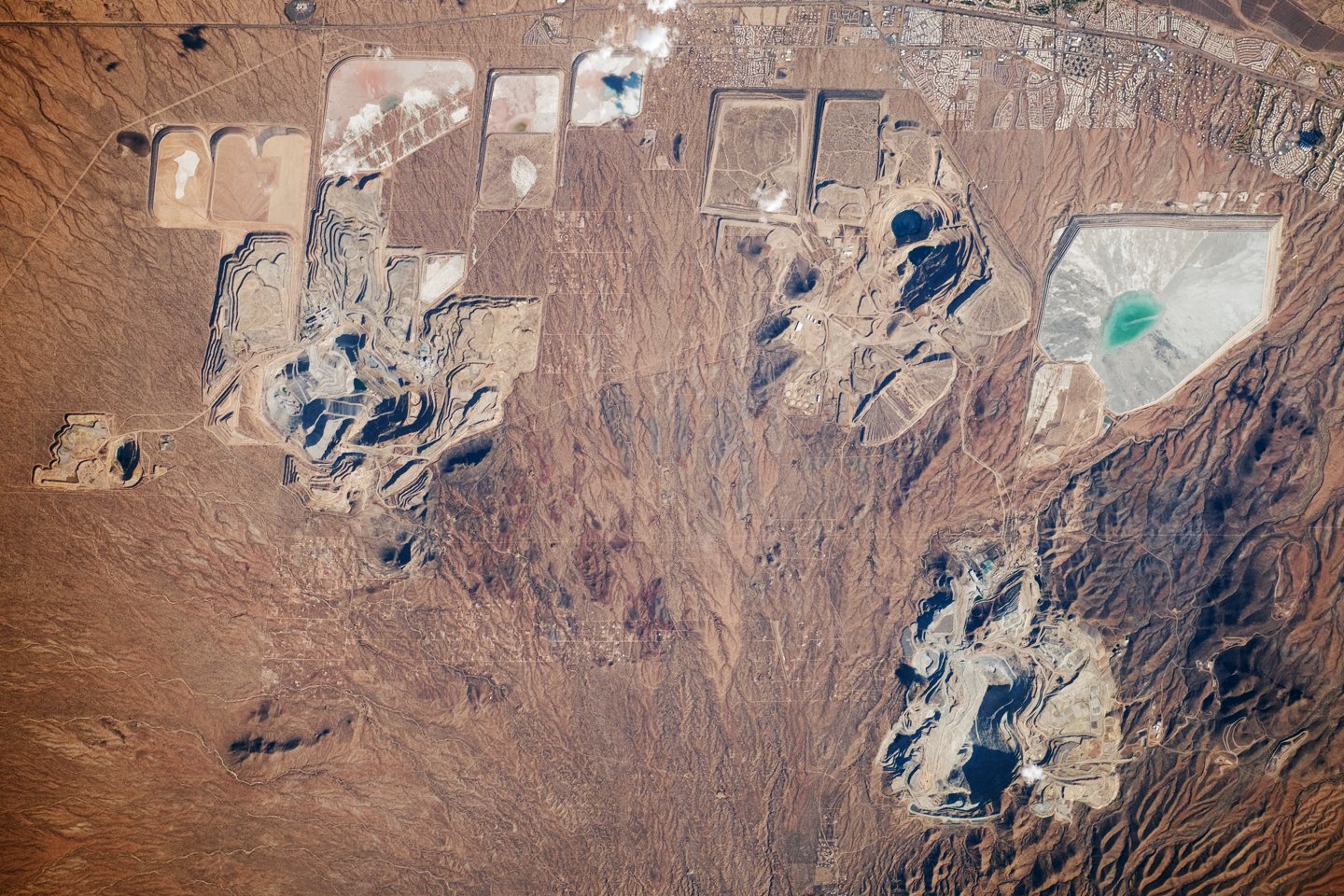
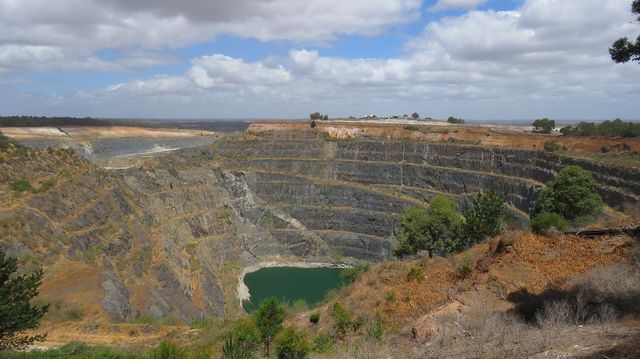
Greenbushes
The largest hard-rock lithium mine in the world.
Pilgangoora
One of the largest independent hard-rock lithium operations.
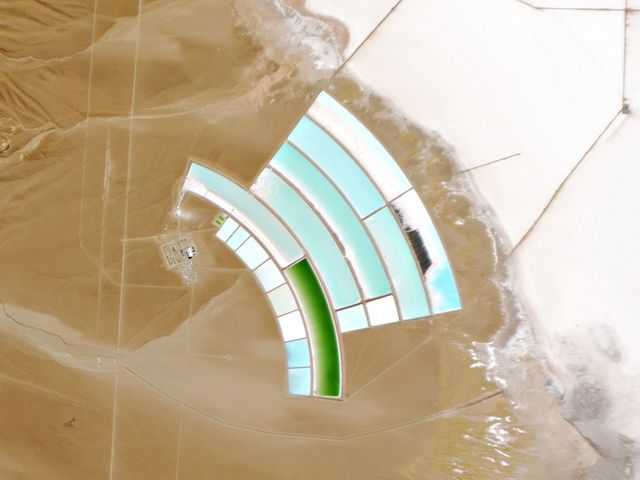
Salar de Atacama
The highest-grade and most productive lithium brine operation in the world.
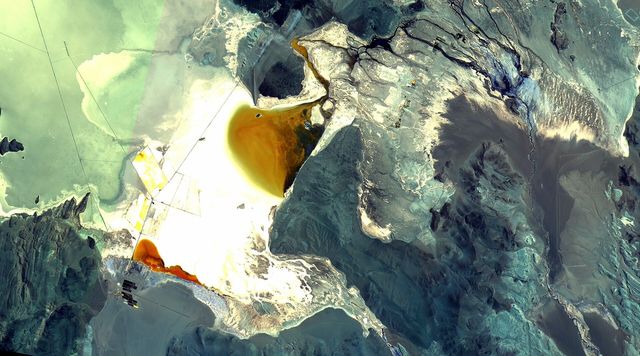
Salar del Hombre Muerto
The longest-running direct lithium extraction operation in the world.
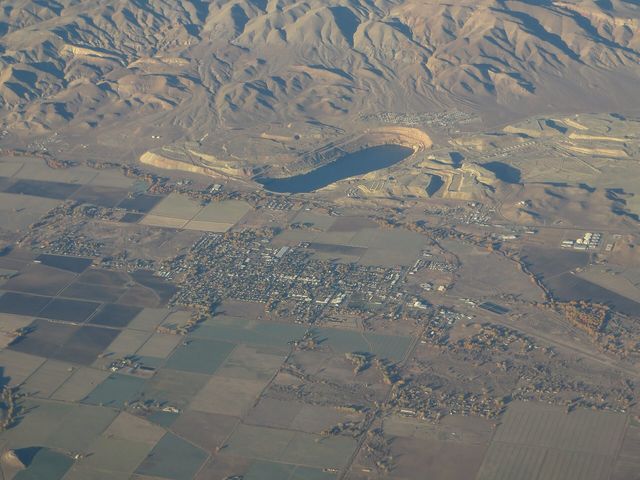
Thacker Pass
The largest known lithium resource in the United States.
Dove viene lavorato e raffinato
| Impianto | Tipo | Fase | Paese | Ruolo |
|---|---|---|---|---|
| CATL Ningde Plants | Gigafactory | Componente | China | Input |
| Gigafactory Nevada | Gigafactory | Componente | United States | Input |
| Kwinana Lithium Hydroxide Plant | Impianto chimico | Raffinazione | Australia | Input |
| Qinghai & Sichuan Lithium Chemical Cluster | Impianto chimico | Raffinazione | China | Input |
A cosa serve
Tutti i mercati finali →| Mercato finale | Cosa fa lì | Importanza |
|---|---|---|
| Electric Vehicles | The cathode and electrolyte salt | Definizione di |
| Consumer Electronics | Battery | Definizione di |
| Grid Storage | Lithium-ion systems | Definizione di |
| Power Grids | Battery storage on the network | Importante |
| Robotics & Automation | On-board battery | Importante |
Quanto ne richiede una tecnologia
| Tecnologia | Quantità | Quotato | Base |
|---|---|---|---|
| LFP Lithium-Ion Battery About 0.09 kg Li per kWh. | 5.50–8.00 kg contained lithium | per 75 kWh pack | Contained metal |
| NMC Lithium-Ion Battery About 0.10 kg Li per kWh of cell capacity. | 6.00–9.00 kg contained lithium | per 75 kWh pack | Contained metal, not carbonate |
Indicative range compiled from published technology studies and chemistry; verify against a manufacturer specification before use. Eseguire questi calcoli a qualsiasi scala nel calcolatore dei materiali →
Controlli all'esportazione
| Paese | Controllo | Si applica a |
|---|---|---|
| China | Export licensing requirement for materials and technologies | Antimony (2024), bismuth (2025), synthesized diamond (2025), gallium (2023), germanium (2023), graphite (2023), indium (2025), magnesium materials (2024), molybdenum (2025), rare earths (2025), silver (2026), tellurium (2025), tungsten (2025), and items related to lithium batteries and artificial graphite anode materials (2025). ↗ |
| Namibia | Export ban | Ores and concentrates of cobalt, graphite, lithium, manganese, and rare earths (2023). ↗ |
| Zimbabwe | Export ban | Lithium ore (2022). ↗ |
USGS Mineral Commodity Summaries 2026, table 4 — controls in effect as of January 2026, excluding controls since lifted.
Seguilo attraverso i confini
Tutti i percorsi →Dove va effettivamente un lotto di questo materiale — ogni paese, ogni custode e cosa rimane indietro a ogni tappa.
Australian spodumene to a battery, the fast way Eight weeks instead of eighteen months, at the cost of a great deal more energy. Chilean brine to a battery in a car The ore is water. The first year and a half of processing is done by the sun, for free.