Đây là gì?
A family of seventeen metals that are not actually rare in the ground, but are hard to separate from each other because they behave almost identically.
Tại sao điều này quan trọng?
Four of them make the strongest permanent magnets known. Those magnets are what makes a compact, efficient electric motor possible.
Where it is in the Earth
The seventeen elements grouped as rare earths — the fifteen lanthanides plus yttrium and scandium — are not, in the geochemical sense, scarce. Several of them are more abundant in the continental crust than copper or lead. The difficulty is that they are almost never found in concentrated, economically workable form, and when they are, they occur together in proportions that nature, not the market, has decided. Understanding where they accumulate requires understanding why they were excluded from the minerals that crystallised early in a cooling magma.
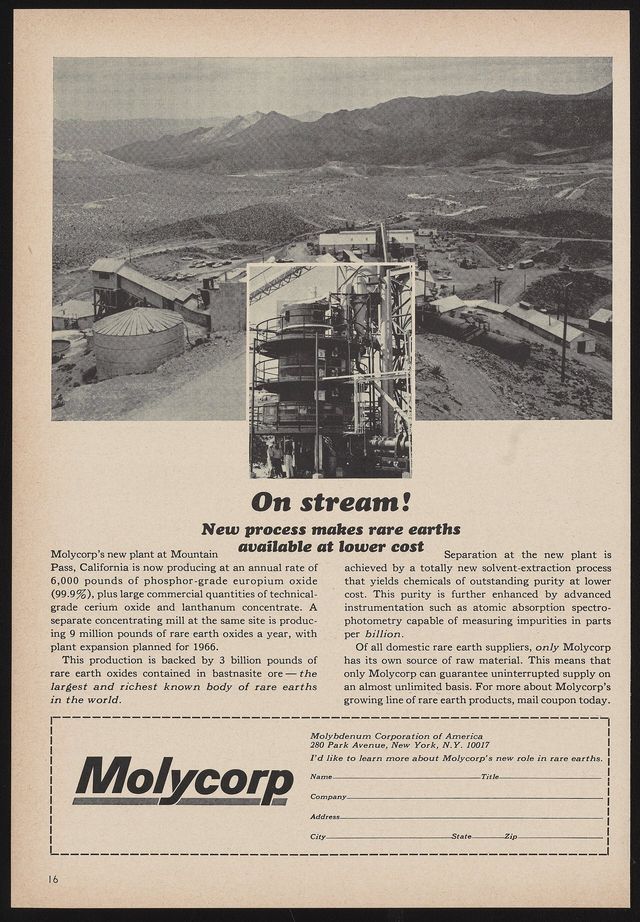
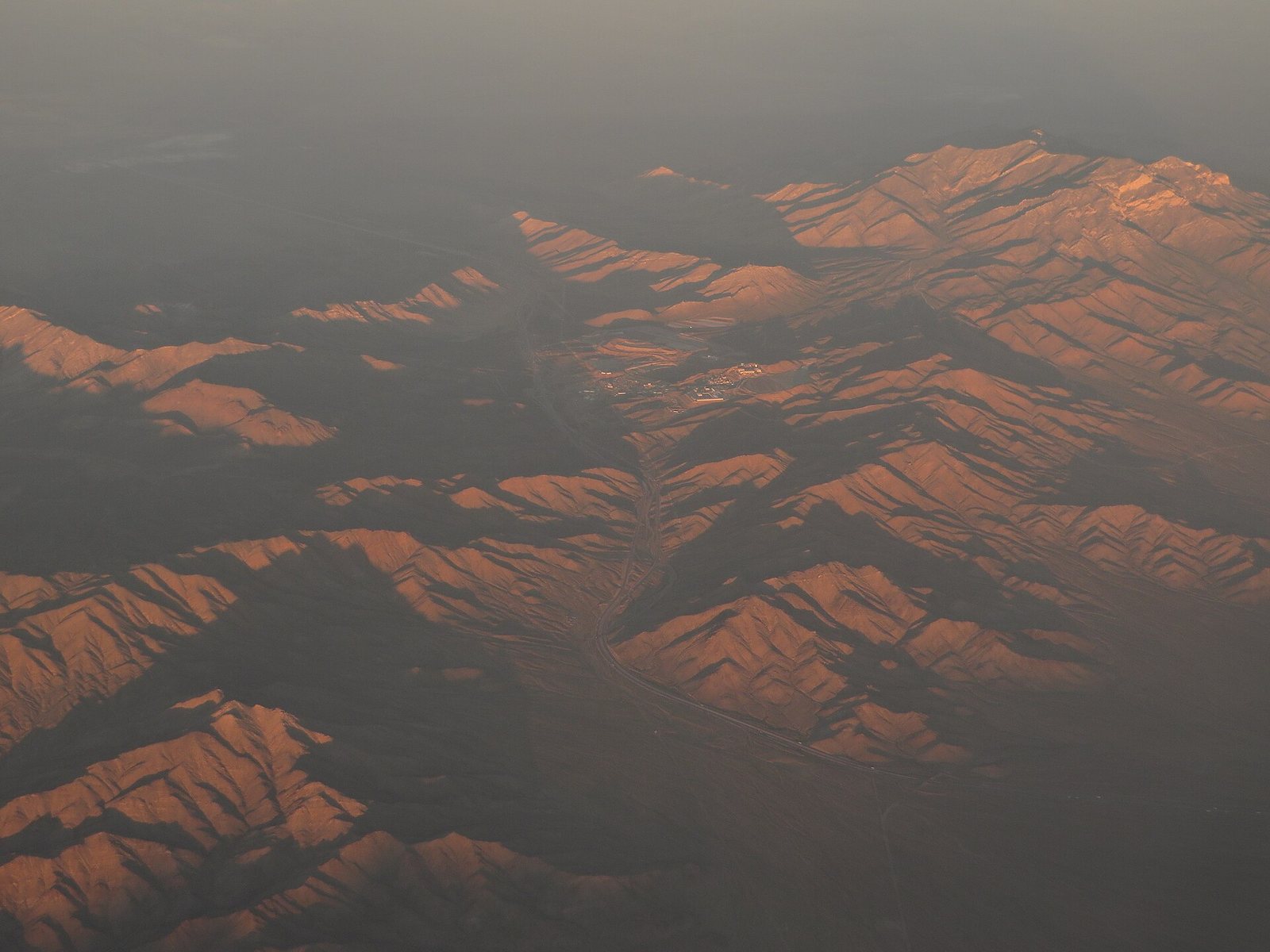
The rare earths are large ions with a strong positive charge. Early in the solidification of a silicate melt, the minerals that form — olivines, pyroxenes, feldspars — have crystal structures too tightly packed to accommodate those large ions comfortably. The rare earths are therefore pushed into the residual melt, becoming progressively more concentrated as crystallisation proceeds. In the final, carbon-dioxide-rich and often fluorine-rich fluids that escape from a cooling magmatic body, conditions can become favourable for minerals such as bastnäsite, a fluorocarbonate that is the principal ore mineral at the world's largest deposits. The rock type associated with this process is carbonatite, an igneous rock composed largely of carbonate minerals rather than silicates, and it is geologically unusual precisely because it represents such a late and chemically extreme product of magmatic differentiation. Mountain Pass in California and Bayan Obo in Inner Mongolia are both carbonatite-hosted deposits, as is Mount Weld in Western Australia, where surface weathering has stripped away overlying rock and chemically enriched the residual material to grades considerably above the fresh rock below.
A geologically and economically distinct source type is the ion-adsorption clay deposit found across southern China and, to a lesser extent, in Myanmar. These form when granites containing small but measurable amounts of rare-earth minerals are deeply weathered over geological time in a warm, humid climate. Rainwater leaches the rare earths out of their original minerals and they are redeposited, loosely attached by electrostatic forces, onto the surface of clay minerals such as kaolinite. The grades are low, but the elements enriched in this setting tend to be the heavier rare earths — including dysprosium and terbium — which are scarcer in carbonatite deposits and command higher prices. The distribution of these clays through mountainous terrain in Jiangxi, Fujian and neighbouring provinces, and across the border into Burma, explains much about why the global supply of heavy rare earths is so geographically concentrated even within China's overall dominance of the sector. Monazite, a phosphate mineral that carries significant thorium alongside cerium, lanthanum and neodymium, occurs in a third setting: as a heavy mineral concentrated by wave and river action into placer deposits, particularly along coastlines in India, Brazil, Australia and parts of Africa.
Getting it out
Because the main host rock types — carbonatite and weathered carbonatite — are relatively soft compared with many hard-rock ores, and because the deposits tend to be large and near-surface, open-pit mining is the dominant method at the principal primary mines. At Mountain Pass and Mount Weld, conventional drill-and-blast or rip-and-load techniques break the rock, which is then trucked to a crusher. The economics of open-pit mining depend heavily on the stripping ratio, meaning how much waste rock must be moved for every tonne of ore. A deposit with a high stripping ratio requires more fuel, more equipment hours and more space to dump the waste, all before any product is made.
Ion-adsorption clay deposits in southern China are mined quite differently, and the method has changed significantly over time. Early operations stripped the overlying soil and clay, heaping the material into ponds where a salt solution — historically ammonium sulfate — was percolated through to detach the adsorbed rare-earth ions and carry them into solution. This heap-leaching approach caused serious erosion, river contamination and landscape damage. The industry, under regulatory pressure, has shifted toward in-situ leaching, where injection wells deliver the leaching solution directly into the clay body underground and collection wells recover the pregnant liquor without removing the clay at all. This reduces surface disturbance substantially, though it introduces its own groundwater management challenges. The grade of ion-adsorption clays is low by conventional mining standards — the rare earths are present in small fractions of a percent — so enormous volumes of material are percolated to produce meaningful quantities of product.
A third production pathway that the tables reflect, particularly for Burma and Thailand, is the recovery of monazite and xenotime from alluvial and placer deposits, often as a by-product of tin or zircon mining. In these cases, gravity separation concentrates the heavy minerals, of which monazite or xenotime may be one component. The miner's principal product may be something else entirely, which means the rare-earth output is partly determined by decisions made about tin or zircon rather than about rare earths at all. This by-product dependency matters for understanding why production from some countries can shift without any change in the appetite for rare earths specifically.
What pulls on it
Permanent magnets made from neodymium, praseodymium, dysprosium and terbium account for the largest share of rare-earth demand by value, even if not always by weight. These neodymium-iron-boron magnets (often abbreviated NdFeB) are used wherever a motor or generator must be compact and efficient. Electric vehicles, wind turbine generators, industrial motors, robotics and consumer electronics all draw on the same pool of magnet-grade rare earths. Because the volume of rare earth needed per motor or generator is small but the performance difference compared with alternatives is large, demand in this segment tends to track the unit volume of the end product rather than economic cycles in a straightforward way. Growth in electric vehicle production has been the most discussed driver in recent years.
The picture changes considerably when you move from magnet-grade elements to the lighter ones — cerium and lanthanum — which make up the bulk of what most deposits produce. These are used in fluid catalytic cracking catalysts in oil refineries, in glass polishing compounds, in phosphors for lighting and displays, and in mischmetal alloys for batteries of the nickel-metal-hydride type. Many of these applications are either mature or in gradual decline: petroleum refining throughput is expected to plateau or fall in most scenarios over the coming decades, and nickel-metal-hydride batteries have lost ground to lithium-ion chemistries in consumer electronics and vehicles. The consequence is a structural imbalance within the rare-earth family: demand for neodymium and praseodymium grows while the market for cerium and lanthanum — which come out of the same ore — struggles to absorb what mining and separation inevitably co-produce. The price difference between NdPr oxide and mischmetal in the data tables reflects this imbalance clearly.
A sharp change in demand could come from several directions. Faster-than-expected adoption of electric vehicles and offshore wind would tighten the market for magnet-grade elements. A technological shift away from NdFeB magnets — for instance, toward induction motors or alternative magnet chemistries — would soften it. For cerium and lanthanum, any significant expansion of a market that can absorb large volumes at a price that covers mining costs would change the economics of the whole industry, because those elements are unavoidably co-produced. The connection between what the market wants and what the geology delivers is a persistent tension throughout the rare-earth supply chain.
Turning ore into product Cấp độ 3
The gap between run-of-mine ore and the separated single-element oxides, metals or alloys that manufacturers require is unusually wide for rare earths, and each step introduces losses and costs that explain why the traded form progresses through so many intermediate stages. At the mine, ore is crushed and ground — a stage called comminution — to liberate the ore minerals from the surrounding waste rock. For bastnäsite-bearing carbonatite, froth flotation is the standard concentration method: the ground ore is mixed with water and reagents that make the bastnäsite particles preferentially attach to air bubbles, which carry them to the surface as a froth while the gangue sinks. The product is a mixed rare-earth concentrate, typically assaying some tens of percent rare-earth oxide, sometimes marketed directly but more usually shipped to a separation plant.
Separation is where the chemistry becomes genuinely demanding. Because the lanthanides have nearly identical ionic radii and chemical behaviour, conventional precipitation or ion exchange techniques that work cleanly for most metals cannot distinguish one from another with useful selectivity. The industrial solution, developed to commercial scale in China from the 1980s onward, is solvent extraction — also called liquid-liquid extraction — conducted in long cascades of mixer-settler units. An aqueous feed solution carrying the rare earths is contacted with an organic solvent containing a selective extractant; by choosing the extractant, the pH and the temperature carefully, and by running the process through many successive stages, the elements can be separated from one another at high purity. The number of stages required, the volumes of organic solvent consumed and recycled, the acid and base inputs, and the wastewater produced make solvent extraction a capital- and reagent-intensive operation. It is the stage at which China's investment over several decades produced a cost advantage that proved very difficult for new entrants to match quickly. The Ganzhou cluster in Jiangxi province handles much of the world's heavy-REE separation; outside China, Lynas's plant at Kuantan in Malaysia and the Neo Performance Materials facility at Sillamäe in Estonia represent the most significant non-Chinese separation capacity.
Downstream of oxide separation, metal is produced by molten-salt electrolysis or by metallothermic reduction — reacting the oxide with calcium or other reducing metals at high temperature. Neodymium metal, for example, is then alloyed with iron and boron and sintered into the permanent magnet that is the end destination for much of the chain's value. Each conversion step — concentrate to separated oxide, oxide to metal, metal to alloy, alloy to magnet — adds complexity, requires specialised equipment and know-how, and represents a point at which the chain can be interrupted. Losses accumulate at each stage; the rare earth that enters a mine does not all emerge as magnet, and tracking overall yield through the full chain is complicated by the fact that different operators report at different points in the process.
Substitution and recycling Cấp độ 3
Substitution in rare earths is best understood element by element rather than for the family as a whole, because the elements serve quite different functions. For the magnet-grade elements, the relevant comparison is between NdFeB magnets and the available alternatives. Ferrite (iron oxide) magnets are cheap and widely produced but have considerably lower magnetic energy density, meaning a motor built with ferrite magnets must be larger and heavier for the same power output. Samarium-cobalt magnets perform comparably to NdFeB at elevated temperatures but rely on cobalt, itself a concentrated and contested supply chain, and cost more to produce. Aluminium-nickel-cobalt alloys (Alnico) are another established magnet type, but they cannot be demagnetised easily and have lower coercivity, meaning they lose their magnetisation when exposed to opposing fields. In applications where size and weight are constrained — an electric vehicle drive motor, a direct-drive wind generator — none of these alternatives currently replicates NdFeB performance without a meaningful engineering penalty.
Dysprosium and terbium, added to NdFeB magnets to maintain coercivity at elevated operating temperatures, have seen genuine substitution pressure drive real reductions in the amounts used per kilogram of magnet. Improved grain boundary engineering techniques allow magnet manufacturers to concentrate these heavy rare earths at the grain boundaries where they are most effective, reducing the total quantity needed without sacrificing performance. This grain boundary diffusion process represents a meaningful reduction in heavy-REE intensity per magnet, though it does not eliminate the requirement. For cerium and lanthanum, substitution is application-specific and often straightforward in principle but limited in practice by the economics of alternatives: synthetic zeolite catalysts can partly replace cerium in some refining applications, and alternative glass polishing compounds exist, but the cost advantage of abundant cerium has historically made substitution unattractive.
Recycling of rare earths from end-of-life products remains modest relative to primary production. The recovery of rare earths from magnets is technically feasible — methods including hydrogen decrepitation, which causes NdFeB magnets to crumble by absorbing hydrogen gas, allow the alloy to be recovered and re-sintered — but the collection infrastructure, the sorting of mixed magnet grades and the economics of competing with primary supply have limited commercial-scale activity outside a small number of specialised facilities. Hard-disk drive magnets, which are of known grade and accessible in data centre decommissioning streams, have been one focus for early-stage recycling efforts. Consumer electronics, where magnets are small, numerous, mixed with adhesives and potting compounds, and dispersed across many waste streams, present a harder collection problem. The fraction of rare earths that return through the recycling loop is a small proportion of total supply, and that is likely to remain true for as long as primary production costs remain the reference price for virgin material.
Where the chain is fragile Cấp độ 4
The concentration figures in the production table require careful interpretation before conclusions are drawn about supply risk. China produced 270,000 metric tons out of a world total of 390,000 metric tons in 2025 — a share that is large but lower than it was a decade earlier, reflecting the re-opening of Mountain Pass and the growth of Lynas's Australian and Malaysian operations. However, mine production concentration understates the true concentration of the supply chain. Separation capacity outside China remains limited to a small number of plants; metal and alloy production is still more concentrated; and magnet manufacturing is overwhelmingly concentrated in China and, to a lesser extent, Japan. A country that can mine and concentrate rare earths but cannot separate or alloy them is dependent on Chinese processing even if it appears in the production table as an independent producer. This is the structural feature that makes the chain fragile in a way that raw production shares alone do not reveal.
The by-product and co-product nature of several production streams introduces a further complication. Bayan Obo's primary products are iron ore and, to some degree, niobium; the rare earths are recovered alongside. Burma's output, which reached 22,000 metric tons in 2025, comes largely from artisanal and semi-formal ion-adsorption clay operations whose continuity depends on local regulatory and political conditions that are difficult for outside analysts to assess. Thailand's production is dominated by the processing of imported concentrate — much of it from Burma — meaning its output figures represent processing activity more than domestic mining. These interlinkages mean that a reported reduction in output from one country can reflect events in another, or changes in processing capacity, rather than changes in the ore body being worked.
Reporting conventions add uncertainty to what already complex underlying data. USGS reports production as rare-earth oxide equivalent (REO), meaning that all forms — concentrate, separated oxide, metal — are converted to a common basis assuming they were oxide. This allows aggregation across the chain but obscures where in the chain each country's contribution sits. China's official production figures reflect quota allocations set by the Ministry of Industry and Information Technology; actual output and quota are not always the same number, and the quota system covers light and heavy rare earths separately, with different implications for the elements most in demand. For ion-adsorption clay deposits specifically, informal and unlicensed production has historically made reported figures an undercount of true output by a margin that neither the Chinese authorities nor external analysts have been able to quantify precisely. Reserve figures carry their own definitional issues: national reserve estimates for countries without an active JORC or NI 43-101 reporting culture reflect geological survey assessments rather than bankable feasibility studies, and the confidence intervals around them are wide. Nigeria's reserve figure is withheld by the source, which is itself a data point about the maturity of the resource assessment there. Lead times from discovery to first production at a greenfield mine — including permitting, environmental assessment, infrastructure and plant construction — have historically exceeded a decade in jurisdictions with full regulatory process, which means that reserve figures translate into potential future supply only slowly and uncertainly.
Nguồn gốc của nó trong đá
Tất cả khoáng vật quặng →Đây là các khoáng sản thực sự mang lại rare earths (all). Một mỏ khoáng chỉ là thân quặng khi một trong số chúng có hàm lượng đủ cao để bù đắp chi phí khai thác.
Bastnäsite
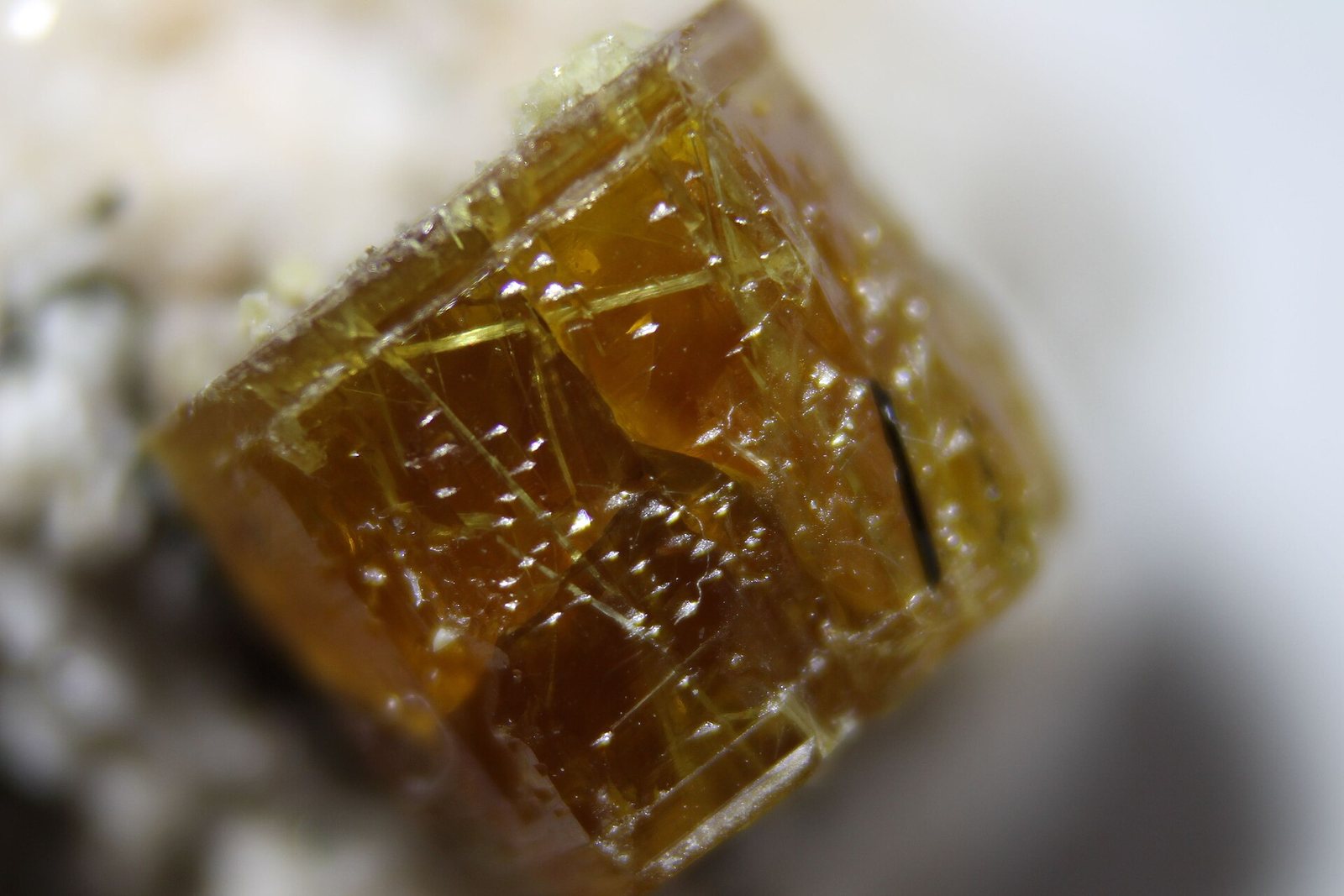
The world's principal light rare-earth mineral, mined from carbonatites. Low in thorium, which makes it easier to…
Xenotime
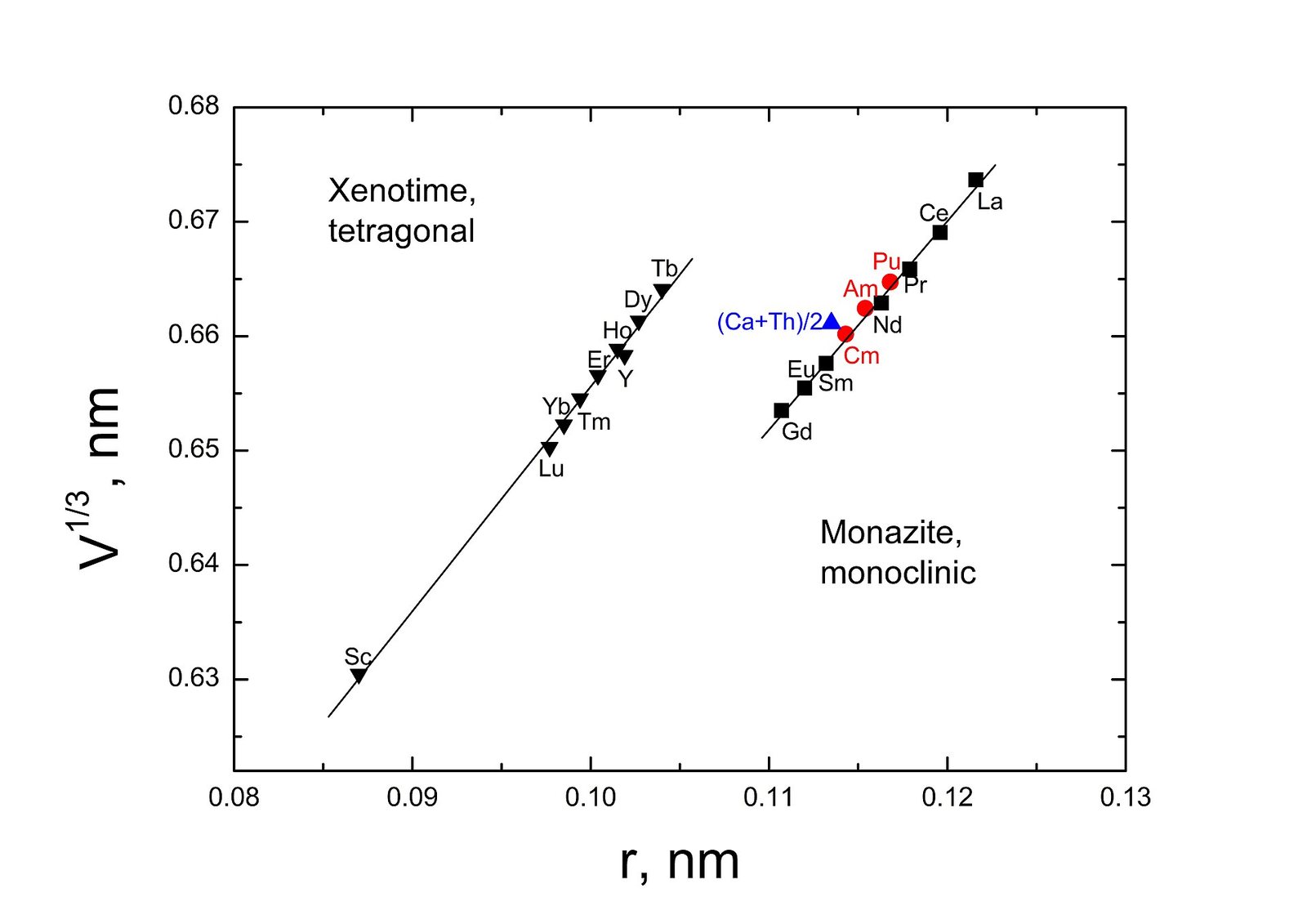
A yttrium phosphate that also carries the heavy rare earths — dysprosium, terbium, erbium — that magnets need.
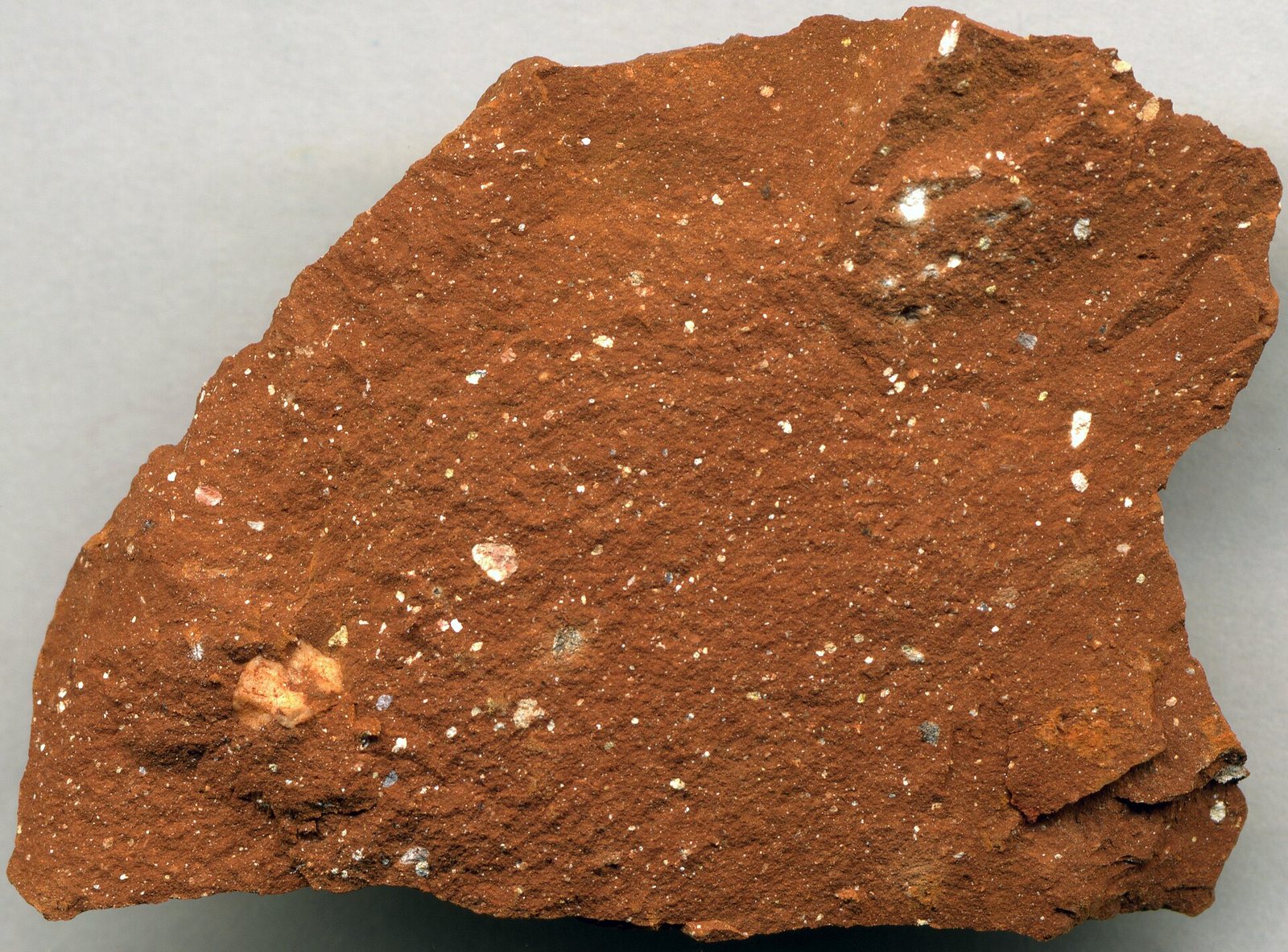
Ion-Adsorption Clay
Weathered granite where rare-earth ions cling loosely to clay surfaces. Grades are very low but the metal washes out…
Monazite
A rare-earth phosphate found in heavy mineral sands. Carries thorium, so it is radioactive enough to be regulated.
Ai sản xuất nó
Xem trên bản đồ →Mine production
Mine productionmetric tons 2025 (ước tính) Tổng toàn cầu 390,000 metric tons
USGS Mineral Commodity Summaries 2026 · USGS reports rare-earth mine production as REO — rare-earth OXIDE equivalent — not metal. · nguồn ↗
Cuộn bảng sang ngang để xem các cột còn lại.
| Quốc gia | Sản lượng | Tỷ phần thế giới |
|---|---|---|
| China | 270,000 | 69.2% |
| United States | 51,000 | 13.1% |
| Australia | 29,000 | 7.4% |
| Burma | 22,000 | 5.6% |
| Thailand | 4,800 | 1.2% |
| India | 2,900 | 0.7% |
| Madagascar | 2,700 | 0.7% |
| Russia | 2,600 | 0.7% |
| Brazil | 2,000 | 0.5% |
| Nigeria | 1,500 | 0.4% |
| Other countries | 550.0 | 0.1% |
| Vietnam | 150.0 | 0.0% |
| Malaysia | 110.0 | 0.0% |
| Tanzania | Zero | — |
| South Africa | Zero | — |
| Canada | Zero | — |
| Greenland | Zero | — |
| Tổng toàn cầu | 390,000 | 100% |
"Withheld" có nghĩa là USGS đã ẩn số liệu để tránh tiết lộ dữ liệu của một công ty riêng lẻ — không có nghĩa là bằng không. Tổng các hàng theo quốc gia không phải lúc nào cũng bằng tổng toàn cầu vì nguồn làm tròn từng số liệu một cách độc lập và không phải lúc nào cũng tách riêng dòng "các quốc gia khác".
Ai nắm giữ trữ lượng
Reserves
Reservesmetric tons 2025
USGS Mineral Commodity Summaries 2026 · nguồn ↗
| Quốc gia | Trữ lượng | Tỷ phần thế giới |
|---|---|---|
| China | 44,000,000 | 51.8% |
| Brazil | 21,000,000 | 24.7% |
| Australia | 6,300,000 | 7.4% |
| Russia | 3,800,000 | 4.5% |
| Vietnam | 3,500,000 | 4.1% |
| United States | 1,900,000 | 2.2% |
| Greenland | 1,500,000 | 1.8% |
| Tanzania | 890,000 | 1.0% |
| South Africa | 860,000 | 1.0% |
| Canada | 830,000 | 1.0% |
| Malaysia | 710,000 | 0.8% |
| Nigeria | Not applicable | — |
| Madagascar | Not applicable | — |
| India | Not applicable | — |
| Thailand | Not applicable | — |
| Burma | Not applicable | — |
| Other countries | Not applicable | — |
| Tổng toàn cầu | >85,000,000 | 100% |
Nguồn công bố tổng sản lượng thế giới này dưới dạng khoảng giới hạn chứ không phải một con số điểm, do đó các tỷ phần ở cột cuối cùng cũng là các giới hạn.
Giá
average, dollars per kilogram: Mischmetal, 65% cerium, 35% lanthanum
Trung bình nămdollars per kilogram
Cơ sở: average, dollars per kilogram: Mischmetal, 65% cerium, 35% lanthanum. Trung bình năm theo công bố trong USGS Mineral Commodity Summaries 2026 · nguồn ↗. Đây là mức trung bình hàng năm tham khảo, không phải báo giá thị trường trực tiếp.
average, dollars per kilogram: Neodymium-praseodymium (NdPr) oxide, 99% minimum
Trung bình nămdollars per kilogram
Cơ sở: average, dollars per kilogram: Neodymium-praseodymium (NdPr) oxide, 99% minimum. Trung bình năm theo công bố trong USGS Mineral Commodity Summaries 2026 · nguồn ↗. Đây là mức trung bình hàng năm tham khảo, không phải báo giá thị trường trực tiếp.
Các mỏ sản xuất khoáng sản này
Tất cả mỏ →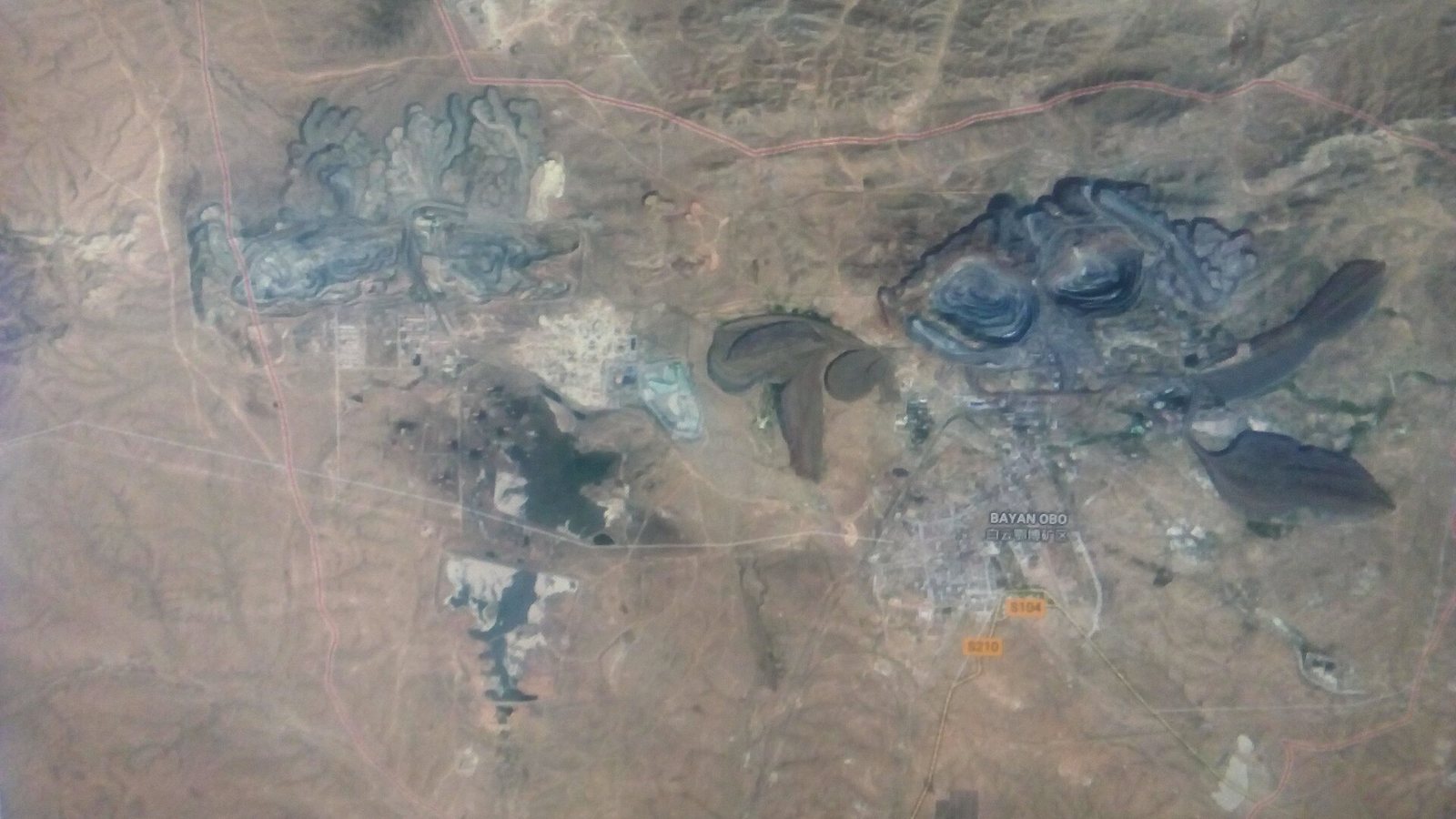
Mount Weld
The mine behind the largest rare-earth separation capacity outside China.
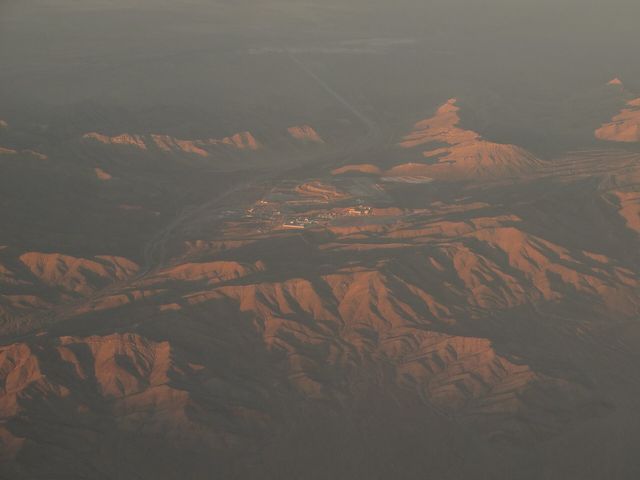
Mountain Pass
The only operating rare-earth mine in the United States.
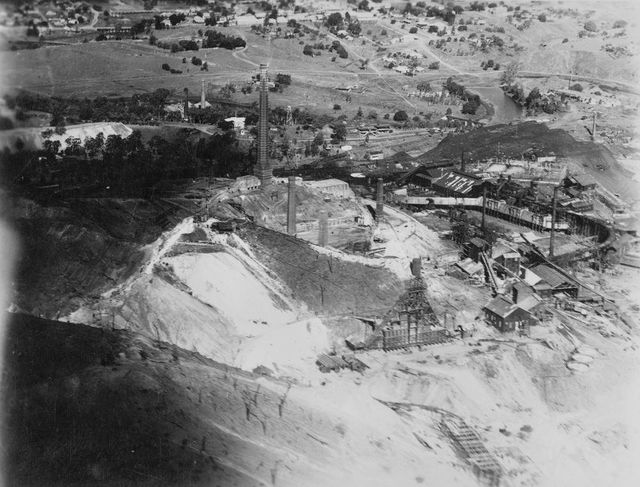
Southern China Ion-Adsorption Clays
Historically the dominant world source of heavy rare earths.
Nơi nó được chế biến và tinh luyện
| Nhà máy | Loại | Giai đoạn | Quốc gia | Vai trò |
|---|---|---|---|---|
| Ganzhou Rare Earth Cluster | Nhà máy tách chiết | Tinh luyện | China | Đầu vào |
| Lynas Advanced Materials Plant, Kuantan | Nhà máy tách chiết | Tinh luyện | Malaysia | Đầu vào |
| Mountain Pass Separation & Metal Plant | Nhà máy tách chiết | Tinh luyện | United States | Đầu vào |
| Neo Performance Materials, Sillamäe | Nhà máy tách chiết | Tinh luyện | Estonia | Đầu vào |
Kiểm soát xuất khẩu
| Quốc gia | Kiểm soát | Áp dụng cho |
|---|---|---|
| China | Export licensing requirement for materials and technologies | Antimony (2024), bismuth (2025), synthesized diamond (2025), gallium (2023), germanium (2023), graphite (2023), indium (2025), magnesium materials (2024), molybdenum (2025), rare earths (2025), silver (2026), tellurium (2025), tungsten (2025), and items related to lithium batteries and artificial graphite anode materials (2025). ↗ |
| Malaysia | Export ban | Raw rare earths (2024). ↗ |
| Namibia | Export ban | Ores and concentrates of cobalt, graphite, lithium, manganese, and rare earths (2023). ↗ |
| Vietnam | Export ban | Raw materials of iron, lead-zinc, chromite, manganese, apatite, and rare earths and deeply processed titanium (2012). ↗ |
USGS Mineral Commodity Summaries 2026, table 4 — controls in effect as of January 2026, excluding controls since lifted.
Theo dõi nó qua các biên giới
Tất cả hành trình →Một lô hàng của vật liệu này thực sự đi đâu — mỗi quốc gia, mỗi người giám hộ, và những gì còn lại sau mỗi bước.
Australian rare earths to a magnet in a motor Mined in Australia, cracked in Malaysia, magnetised in China, and fitted in Germany. Southern Chinese clay to the dysprosium that lets a magnet run hot Grades under a tenth of a percent, and almost the only heavy rare earths on the market.