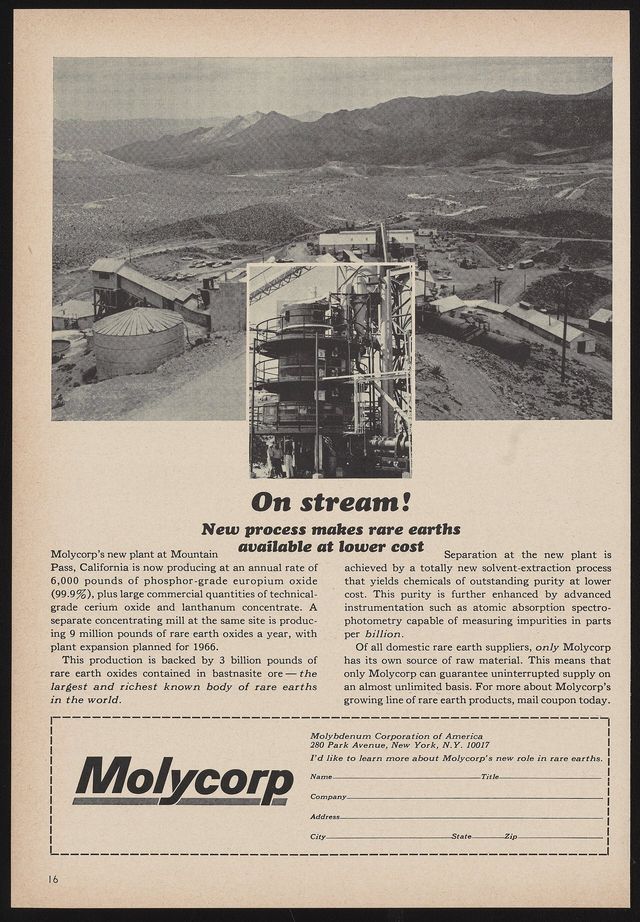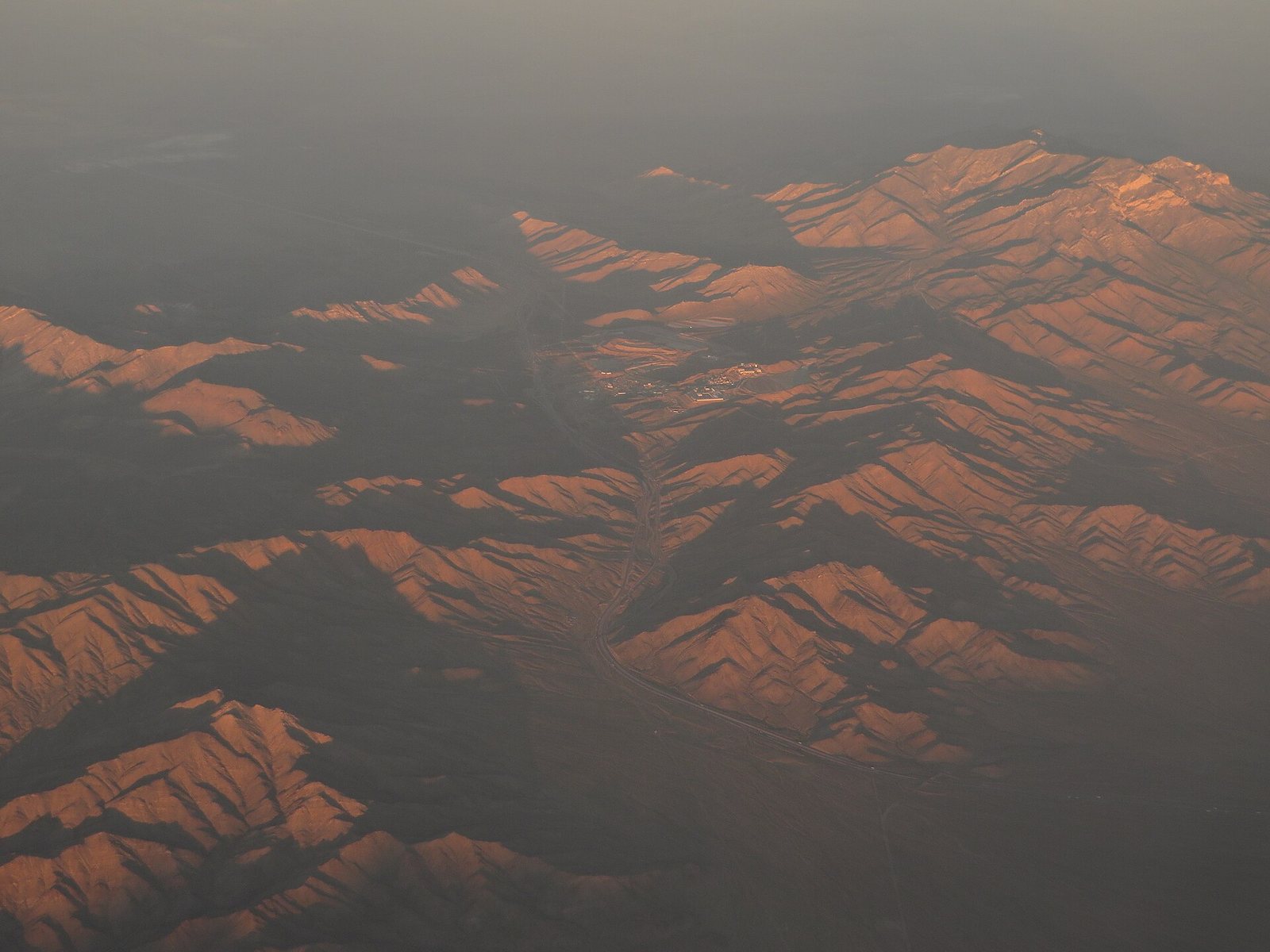
What is it?
A family of seventeen metals that are not actually rare in the ground, but are hard to separate from each other because they behave almost identically.
Why does it matter?
Four of them make the strongest permanent magnets known. Those magnets are what makes a compact, efficient electric motor possible.
Deeper written sections for this material have not been published yet. Everything below is drawn straight from the source datasets and is complete.
Where it comes from in the rock
All ore minerals →These are the minerals that actually carry rare earths (all). A deposit is only an orebody if one of them is concentrated enough to pay for digging it up.
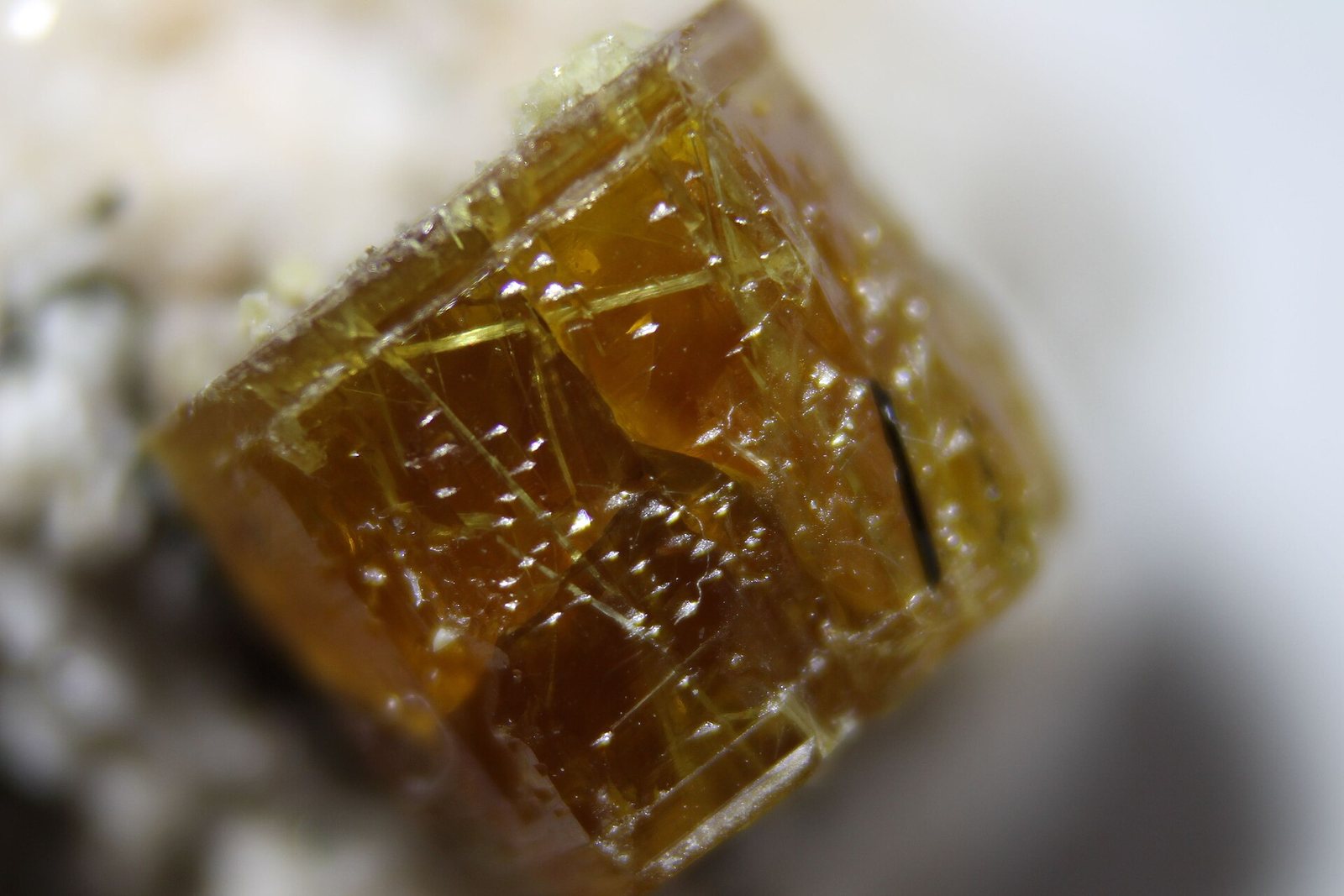
Bastnäsite
The world's principal light rare-earth mineral, mined from carbonatites. Low in thorium, which makes it easier to…
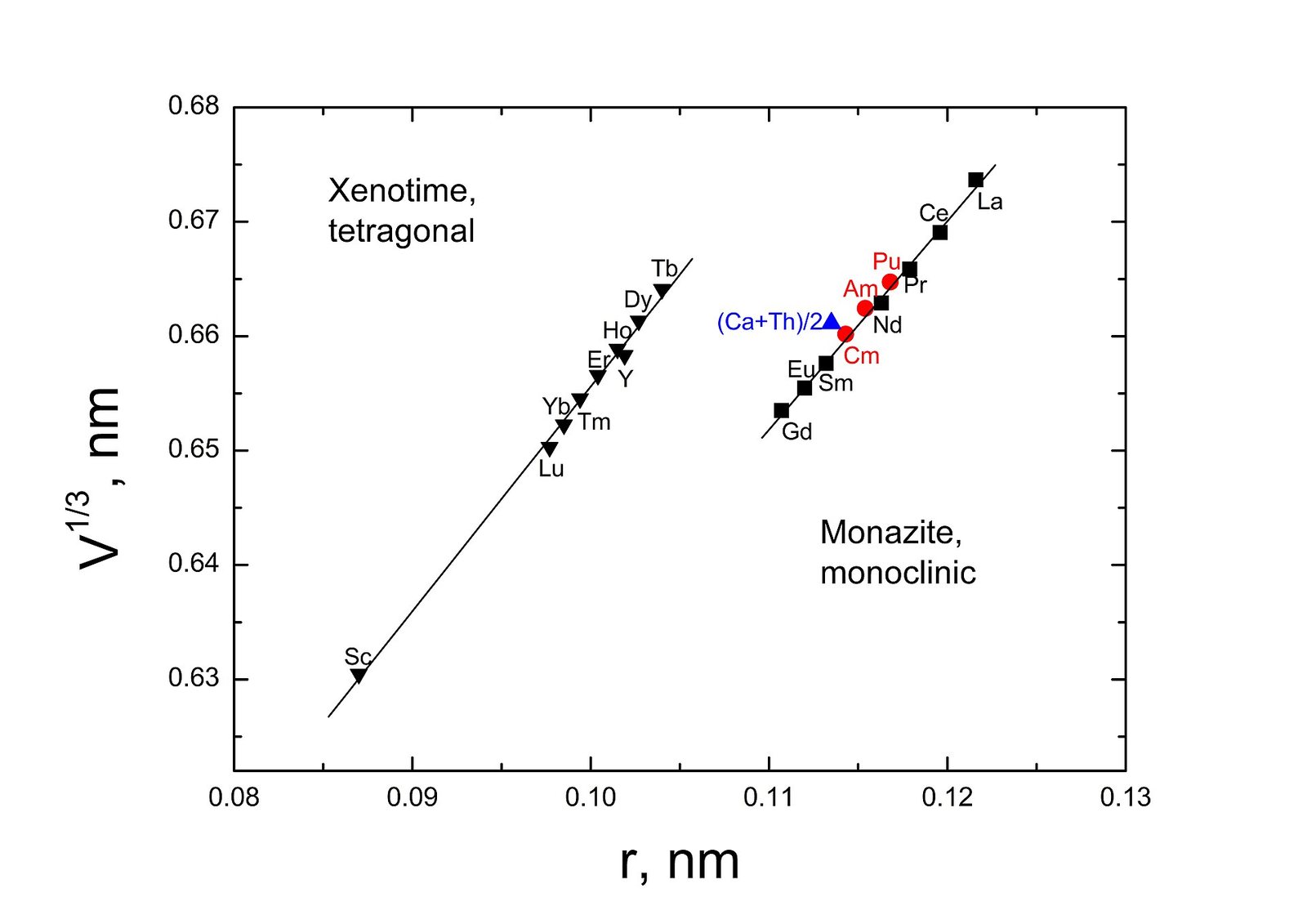
Xenotime
A yttrium phosphate that also carries the heavy rare earths — dysprosium, terbium, erbium — that magnets need.
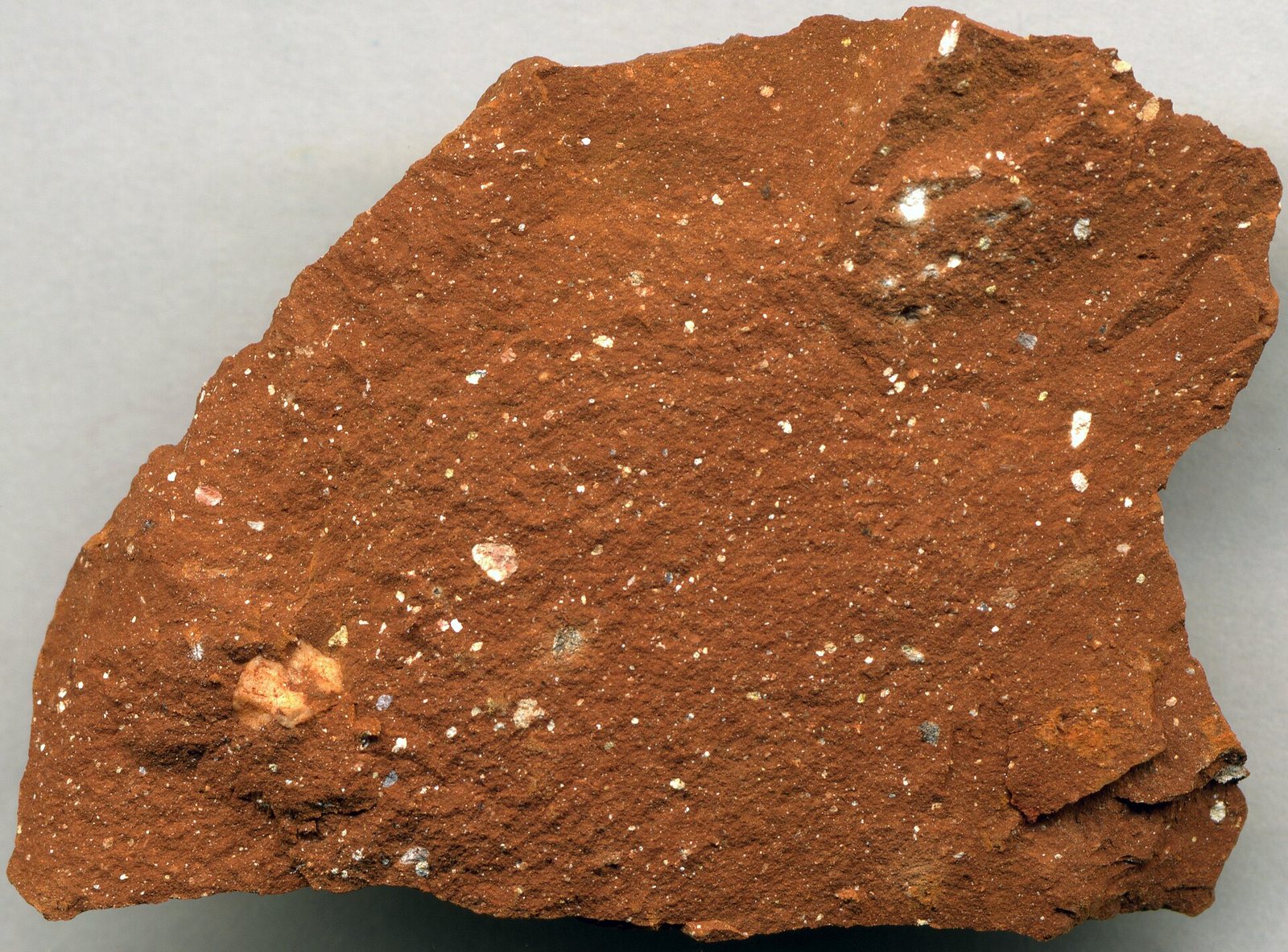
Ion-Adsorption Clay
Weathered granite where rare-earth ions cling loosely to clay surfaces. Grades are very low but the metal washes out…
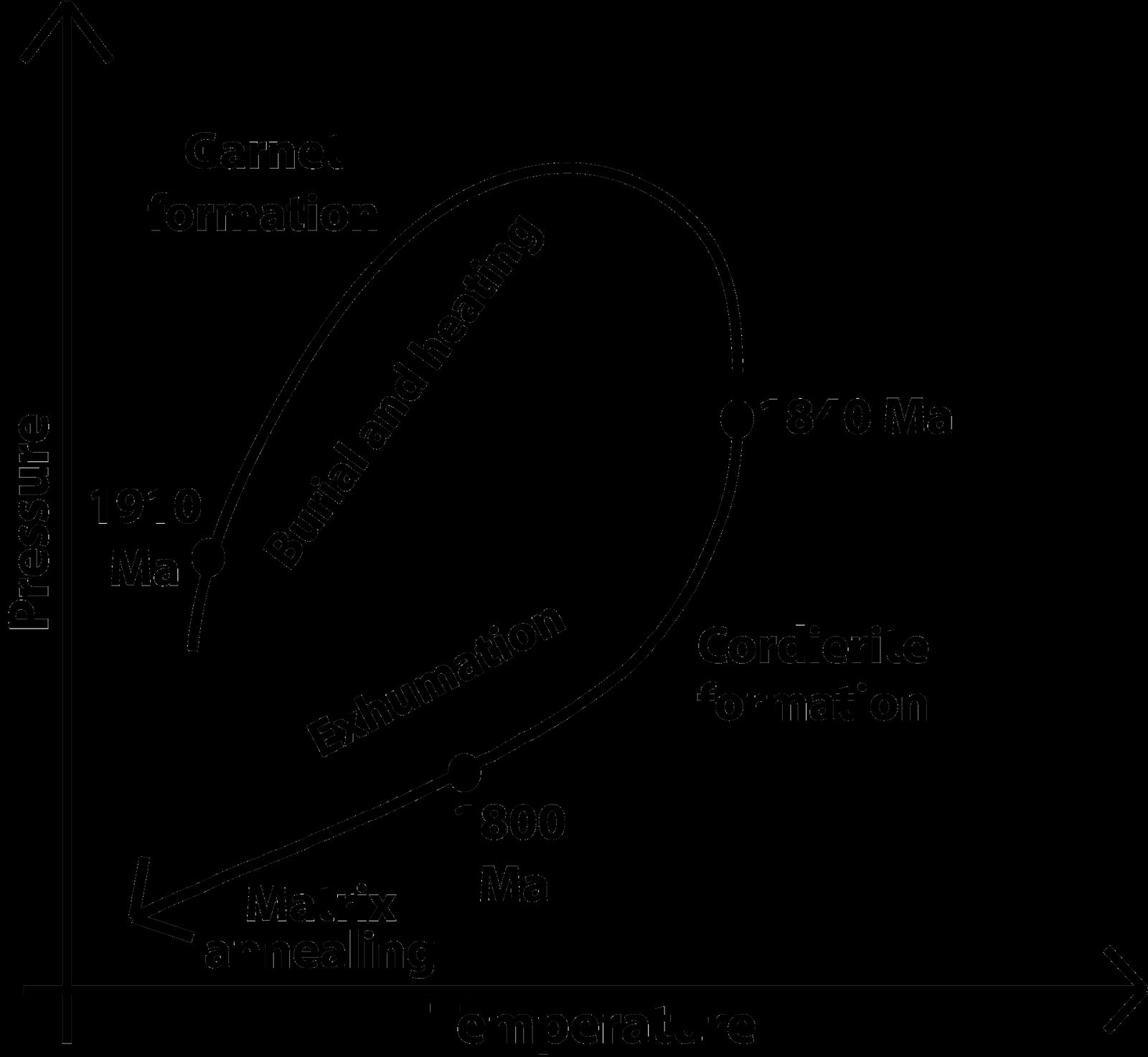
Monazite
A rare-earth phosphate found in heavy mineral sands. Carries thorium, so it is radioactive enough to be regulated.
Who produces it
See it on a map →Mine production
Mine productionmetric tons 2025 (estimated) World total 390,000 metric tons
USGS Mineral Commodity Summaries 2026 · USGS reports rare-earth mine production as REO — rare-earth OXIDE equivalent — not metal. · source ↗
Scroll the table sideways for the remaining columns.
| Country | Production | Share of world |
|---|---|---|
| China | 270,000 | 69.2% |
| United States | 51,000 | 13.1% |
| Australia | 29,000 | 7.4% |
| Burma | 22,000 | 5.6% |
| Thailand | 4,800 | 1.2% |
| India | 2,900 | 0.7% |
| Madagascar | 2,700 | 0.7% |
| Russia | 2,600 | 0.7% |
| Brazil | 2,000 | 0.5% |
| Nigeria | 1,500 | 0.4% |
| Other countries | 550.0 | 0.1% |
| Vietnam | 150.0 | 0.0% |
| Malaysia | 110.0 | 0.0% |
| Tanzania | Zero | — |
| South Africa | Zero | — |
| Canada | Zero | — |
| Greenland | Zero | — |
| World total | 390,000 | 100% |
“Withheld” means the USGS suppressed the figure to avoid disclosing an individual company's data — it does not mean zero. Country rows do not always sum to the world total because the source rounds each figure independently and does not always break out an “other countries” line.
Who holds the reserves
Reserves
Reservesmetric tons 2025
USGS Mineral Commodity Summaries 2026 · source ↗
| Country | Reserves | Share of world |
|---|---|---|
| China | 44,000,000 | 51.8% |
| Brazil | 21,000,000 | 24.7% |
| Australia | 6,300,000 | 7.4% |
| Russia | 3,800,000 | 4.5% |
| Vietnam | 3,500,000 | 4.1% |
| United States | 1,900,000 | 2.2% |
| Greenland | 1,500,000 | 1.8% |
| Tanzania | 890,000 | 1.0% |
| South Africa | 860,000 | 1.0% |
| Canada | 830,000 | 1.0% |
| Malaysia | 710,000 | 0.8% |
| Nigeria | Not applicable | — |
| Madagascar | Not applicable | — |
| India | Not applicable | — |
| Thailand | Not applicable | — |
| Burma | Not applicable | — |
| Other countries | Not applicable | — |
| World total | >85,000,000 | 100% |
The source publishes this world total as a bound rather than a point figure, so the shares in the last column are themselves bounds.
Price
average, dollars per kilogram: Mischmetal, 65% cerium, 35% lanthanum
Annual averagedollars per kilogram
Basis: average, dollars per kilogram: Mischmetal, 65% cerium, 35% lanthanum. Annual averages as published in USGS Mineral Commodity Summaries 2026 · source ↗. These are reference annual averages, not a live market quote.
average, dollars per kilogram: Neodymium-praseodymium (NdPr) oxide, 99% minimum
Annual averagedollars per kilogram
Basis: average, dollars per kilogram: Neodymium-praseodymium (NdPr) oxide, 99% minimum. Annual averages as published in USGS Mineral Commodity Summaries 2026 · source ↗. These are reference annual averages, not a live market quote.
Mines that produce it
All mines →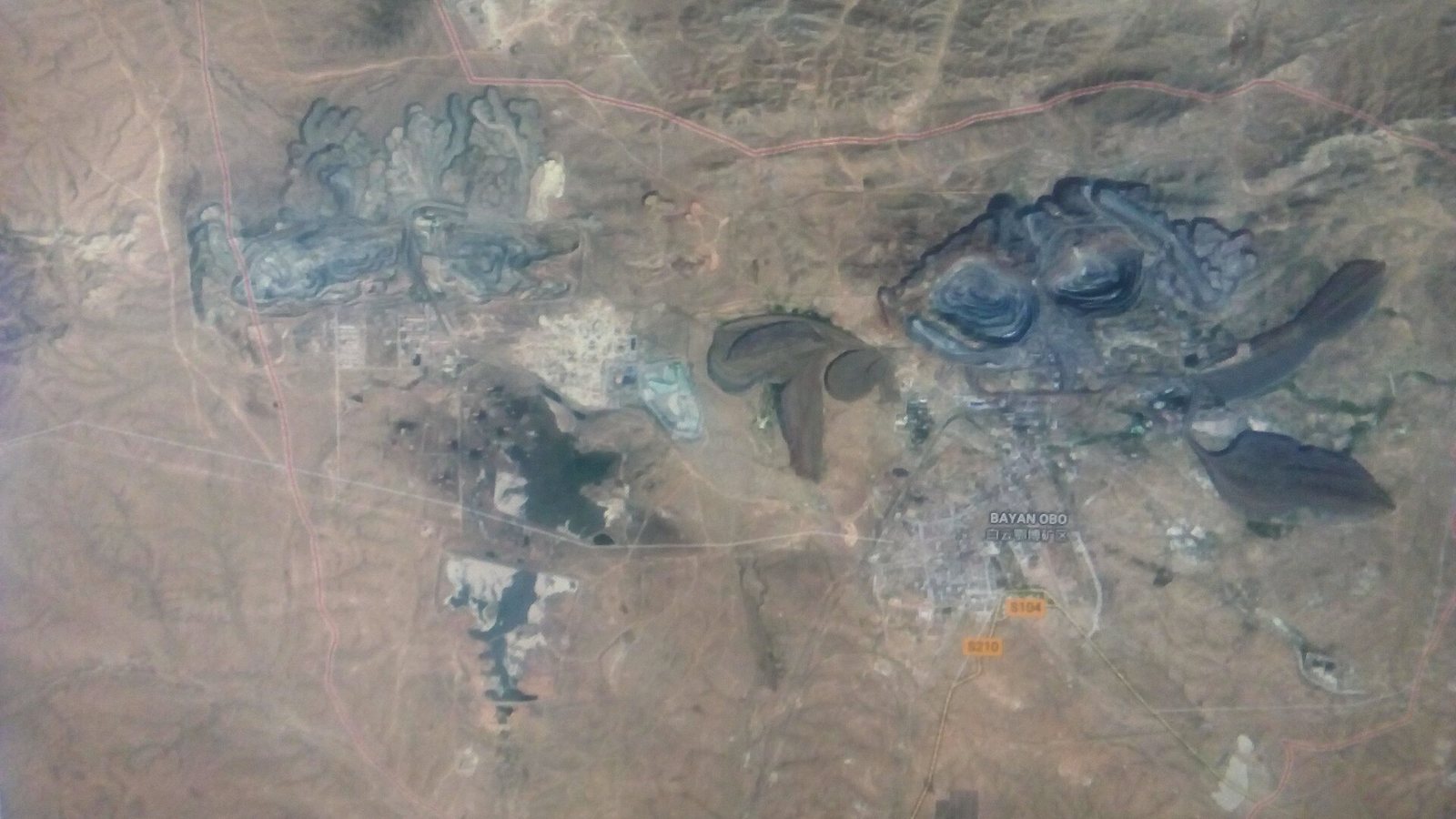
Mount Weld
The mine behind the largest rare-earth separation capacity outside China.
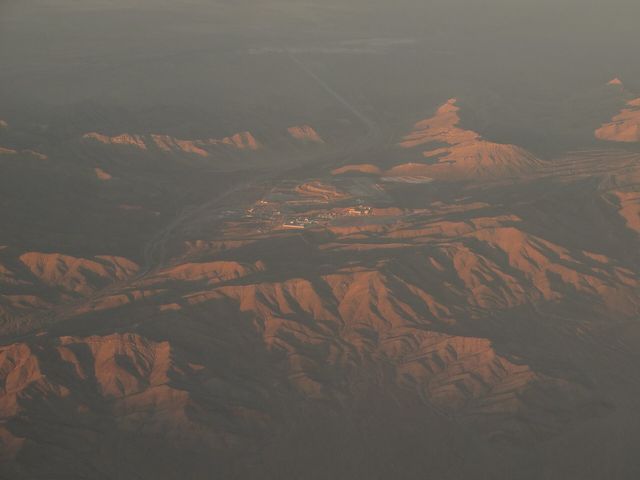
Mountain Pass
The only operating rare-earth mine in the United States.
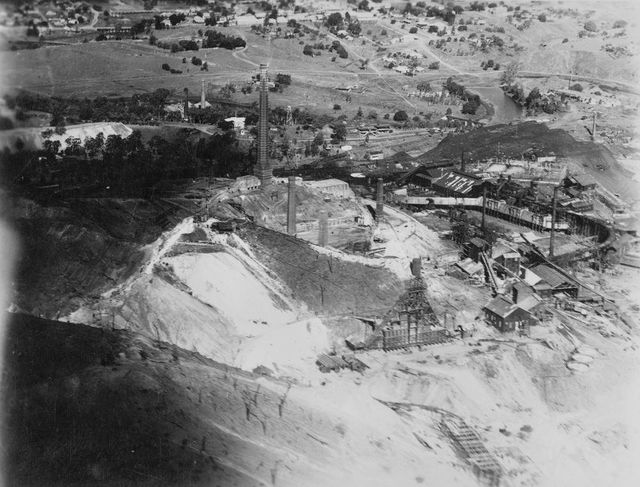
Southern China Ion-Adsorption Clays
Historically the dominant world source of heavy rare earths.
Where it is processed and refined
| Plant | Kind | Stage | Country | Role |
|---|---|---|---|---|
| Ganzhou Rare Earth Cluster | Separation plant | Refining | China | Input |
| Lynas Advanced Materials Plant, Kuantan | Separation plant | Refining | Malaysia | Input |
| Mountain Pass Separation & Metal Plant | Separation plant | Refining | United States | Input |
| Neo Performance Materials, Sillamäe | Separation plant | Refining | Estonia | Input |
Export controls
| Country | Control | Applies to |
|---|---|---|
| China | Export licensing requirement for materials and technologies | Antimony (2024), bismuth (2025), synthesized diamond (2025), gallium (2023), germanium (2023), graphite (2023), indium (2025), magnesium materials (2024), molybdenum (2025), rare earths (2025), silver (2026), tellurium (2025), tungsten (2025), and items related to lithium batteries and artificial graphite anode materials (2025). ↗ |
| Malaysia | Export ban | Raw rare earths (2024). ↗ |
| Namibia | Export ban | Ores and concentrates of cobalt, graphite, lithium, manganese, and rare earths (2023). ↗ |
| Vietnam | Export ban | Raw materials of iron, lead-zinc, chromite, manganese, apatite, and rare earths and deeply processed titanium (2012). ↗ |
USGS Mineral Commodity Summaries 2026, table 4 — controls in effect as of January 2026, excluding controls since lifted.
Follow it across the borders
All journeys →Where a consignment of this material actually goes — every country, every custodian, and what is left behind at each step.
Australian rare earths to a magnet in a motor Mined in Australia, cracked in Malaysia, magnetised in China, and fitted in Germany. Southern Chinese clay to the dysprosium that lets a magnet run hot Grades under a tenth of a percent, and almost the only heavy rare earths on the market.