Qu'est-ce que c'est ?
A family of seventeen metals that are not actually rare in the ground, but are hard to separate from each other because they behave almost identically.
Pourquoi est-ce important ?
Four of them make the strongest permanent magnets known. Those magnets are what makes a compact, efficient electric motor possible.
Where it is in the Earth
The seventeen elements grouped as rare earths — the fifteen lanthanides plus yttrium and scandium — are not, in the geochemical sense, scarce. Several of them are more abundant in the continental crust than copper or lead. The difficulty is that they are almost never found in concentrated, economically workable form, and when they are, they occur together in proportions that nature, not the market, has decided. Understanding where they accumulate requires understanding why they were excluded from the minerals that crystallised early in a cooling magma.
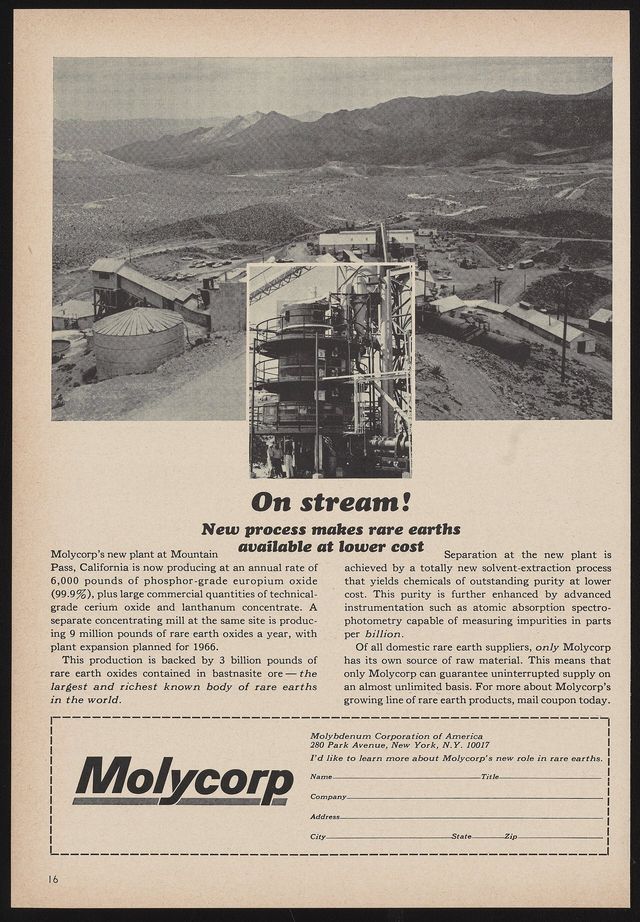
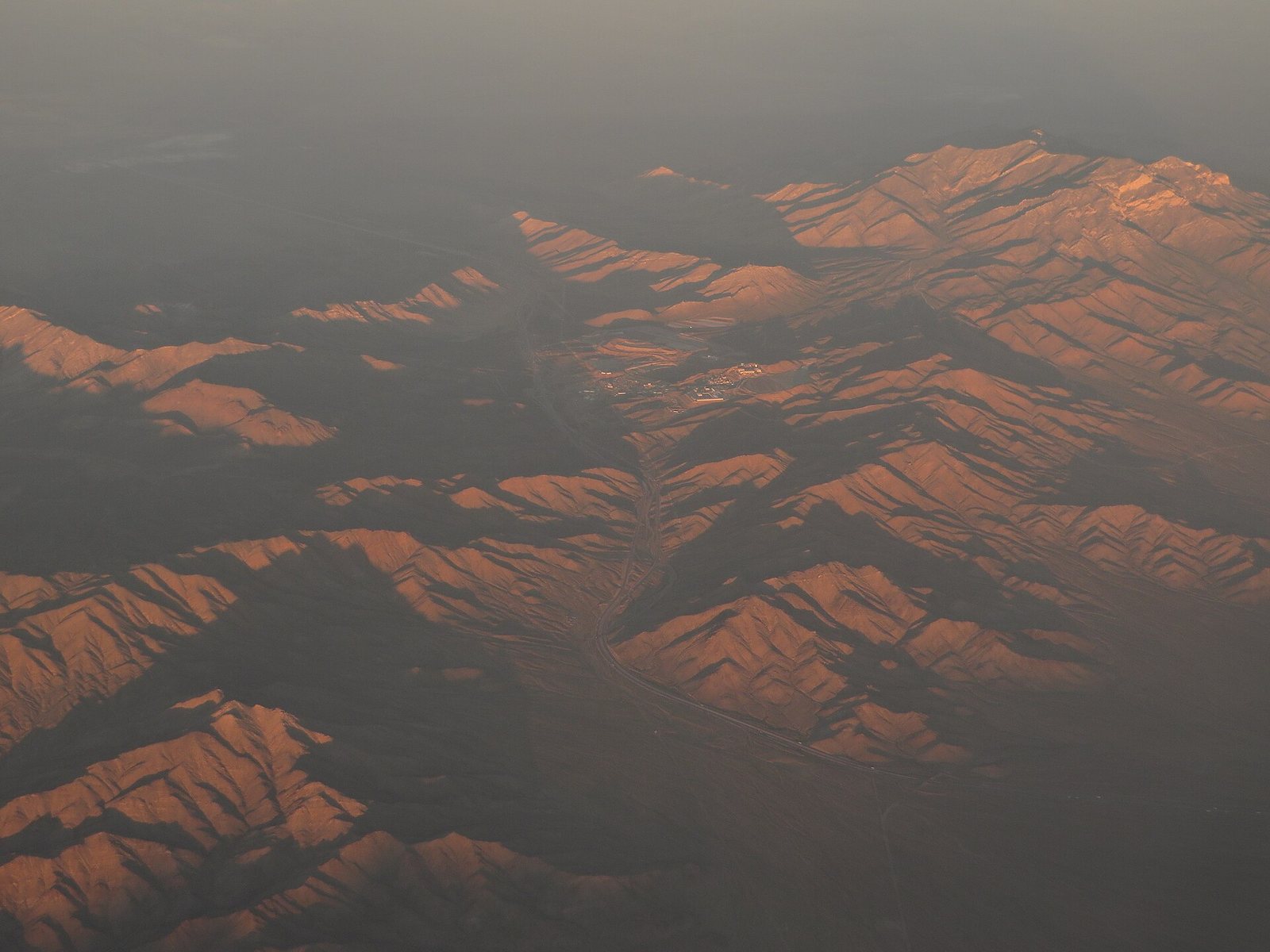
The rare earths are large ions with a strong positive charge. Early in the solidification of a silicate melt, the minerals that form — olivines, pyroxenes, feldspars — have crystal structures too tightly packed to accommodate those large ions comfortably. The rare earths are therefore pushed into the residual melt, becoming progressively more concentrated as crystallisation proceeds. In the final, carbon-dioxide-rich and often fluorine-rich fluids that escape from a cooling magmatic body, conditions can become favourable for minerals such as bastnäsite, a fluorocarbonate that is the principal ore mineral at the world's largest deposits. The rock type associated with this process is carbonatite, an igneous rock composed largely of carbonate minerals rather than silicates, and it is geologically unusual precisely because it represents such a late and chemically extreme product of magmatic differentiation. Mountain Pass in California and Bayan Obo in Inner Mongolia are both carbonatite-hosted deposits, as is Mount Weld in Western Australia, where surface weathering has stripped away overlying rock and chemically enriched the residual material to grades considerably above the fresh rock below.
A geologically and economically distinct source type is the ion-adsorption clay deposit found across southern China and, to a lesser extent, in Myanmar. These form when granites containing small but measurable amounts of rare-earth minerals are deeply weathered over geological time in a warm, humid climate. Rainwater leaches the rare earths out of their original minerals and they are redeposited, loosely attached by electrostatic forces, onto the surface of clay minerals such as kaolinite. The grades are low, but the elements enriched in this setting tend to be the heavier rare earths — including dysprosium and terbium — which are scarcer in carbonatite deposits and command higher prices. The distribution of these clays through mountainous terrain in Jiangxi, Fujian and neighbouring provinces, and across the border into Burma, explains much about why the global supply of heavy rare earths is so geographically concentrated even within China's overall dominance of the sector. Monazite, a phosphate mineral that carries significant thorium alongside cerium, lanthanum and neodymium, occurs in a third setting: as a heavy mineral concentrated by wave and river action into placer deposits, particularly along coastlines in India, Brazil, Australia and parts of Africa.
Getting it out
Because the main host rock types — carbonatite and weathered carbonatite — are relatively soft compared with many hard-rock ores, and because the deposits tend to be large and near-surface, open-pit mining is the dominant method at the principal primary mines. At Mountain Pass and Mount Weld, conventional drill-and-blast or rip-and-load techniques break the rock, which is then trucked to a crusher. The economics of open-pit mining depend heavily on the stripping ratio, meaning how much waste rock must be moved for every tonne of ore. A deposit with a high stripping ratio requires more fuel, more equipment hours and more space to dump the waste, all before any product is made.
Ion-adsorption clay deposits in southern China are mined quite differently, and the method has changed significantly over time. Early operations stripped the overlying soil and clay, heaping the material into ponds where a salt solution — historically ammonium sulfate — was percolated through to detach the adsorbed rare-earth ions and carry them into solution. This heap-leaching approach caused serious erosion, river contamination and landscape damage. The industry, under regulatory pressure, has shifted toward in-situ leaching, where injection wells deliver the leaching solution directly into the clay body underground and collection wells recover the pregnant liquor without removing the clay at all. This reduces surface disturbance substantially, though it introduces its own groundwater management challenges. The grade of ion-adsorption clays is low by conventional mining standards — the rare earths are present in small fractions of a percent — so enormous volumes of material are percolated to produce meaningful quantities of product.
A third production pathway that the tables reflect, particularly for Burma and Thailand, is the recovery of monazite and xenotime from alluvial and placer deposits, often as a by-product of tin or zircon mining. In these cases, gravity separation concentrates the heavy minerals, of which monazite or xenotime may be one component. The miner's principal product may be something else entirely, which means the rare-earth output is partly determined by decisions made about tin or zircon rather than about rare earths at all. This by-product dependency matters for understanding why production from some countries can shift without any change in the appetite for rare earths specifically.
What pulls on it
Permanent magnets made from neodymium, praseodymium, dysprosium and terbium account for the largest share of rare-earth demand by value, even if not always by weight. These neodymium-iron-boron magnets (often abbreviated NdFeB) are used wherever a motor or generator must be compact and efficient. Electric vehicles, wind turbine generators, industrial motors, robotics and consumer electronics all draw on the same pool of magnet-grade rare earths. Because the volume of rare earth needed per motor or generator is small but the performance difference compared with alternatives is large, demand in this segment tends to track the unit volume of the end product rather than economic cycles in a straightforward way. Growth in electric vehicle production has been the most discussed driver in recent years.
The picture changes considerably when you move from magnet-grade elements to the lighter ones — cerium and lanthanum — which make up the bulk of what most deposits produce. These are used in fluid catalytic cracking catalysts in oil refineries, in glass polishing compounds, in phosphors for lighting and displays, and in mischmetal alloys for batteries of the nickel-metal-hydride type. Many of these applications are either mature or in gradual decline: petroleum refining throughput is expected to plateau or fall in most scenarios over the coming decades, and nickel-metal-hydride batteries have lost ground to lithium-ion chemistries in consumer electronics and vehicles. The consequence is a structural imbalance within the rare-earth family: demand for neodymium and praseodymium grows while the market for cerium and lanthanum — which come out of the same ore — struggles to absorb what mining and separation inevitably co-produce. The price difference between NdPr oxide and mischmetal in the data tables reflects this imbalance clearly.
A sharp change in demand could come from several directions. Faster-than-expected adoption of electric vehicles and offshore wind would tighten the market for magnet-grade elements. A technological shift away from NdFeB magnets — for instance, toward induction motors or alternative magnet chemistries — would soften it. For cerium and lanthanum, any significant expansion of a market that can absorb large volumes at a price that covers mining costs would change the economics of the whole industry, because those elements are unavoidably co-produced. The connection between what the market wants and what the geology delivers is a persistent tension throughout the rare-earth supply chain.
D'où cela vient dans la roche
Tous les minéraux de minerai →Ce sont les minéraux qui portent réellement rare earths (all). Un gisement n'est un corps minéralisé que si l'un d'eux est suffisamment concentré pour rentabiliser son extraction.
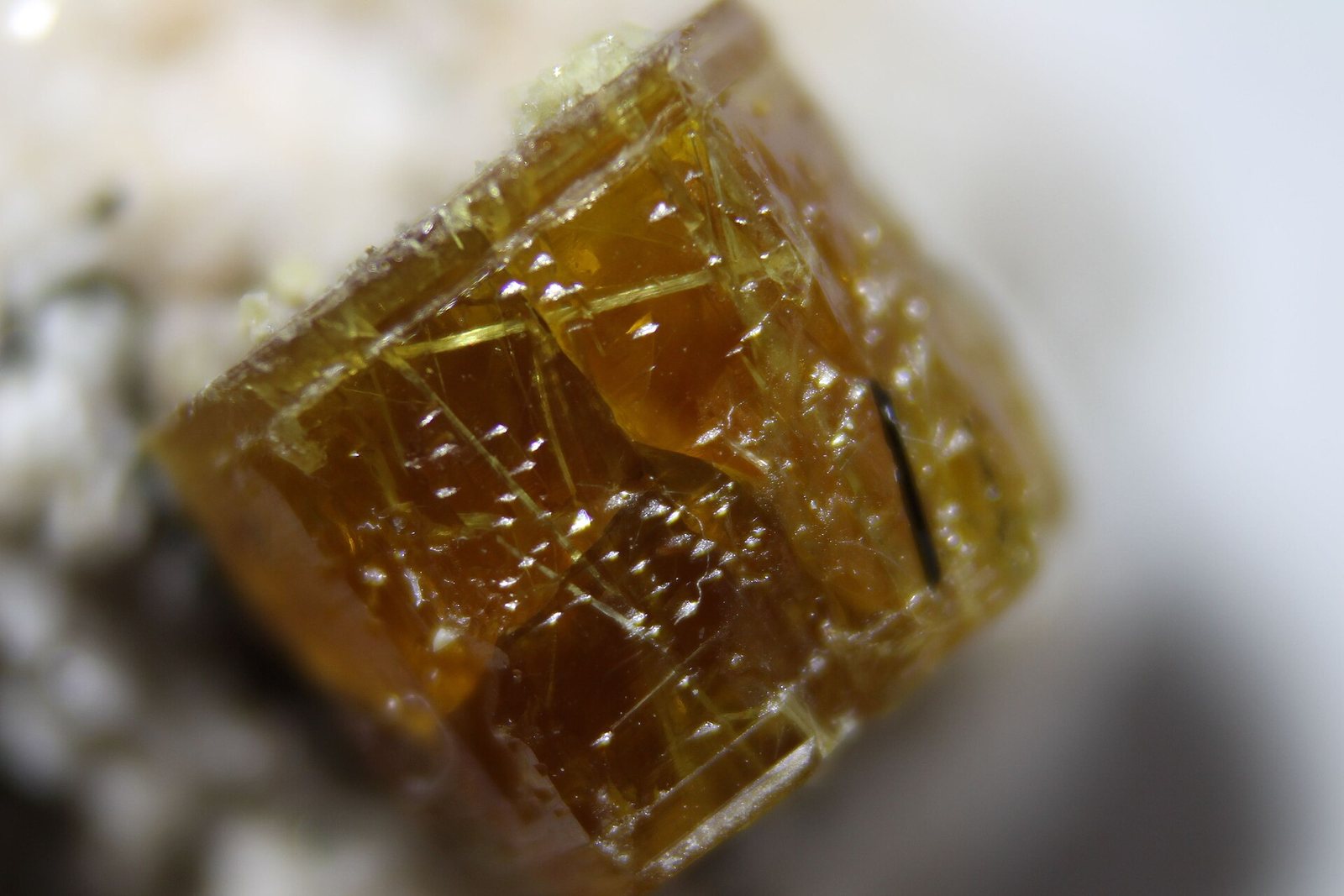
Bastnäsite
The world's principal light rare-earth mineral, mined from carbonatites. Low in thorium, which makes it easier to…
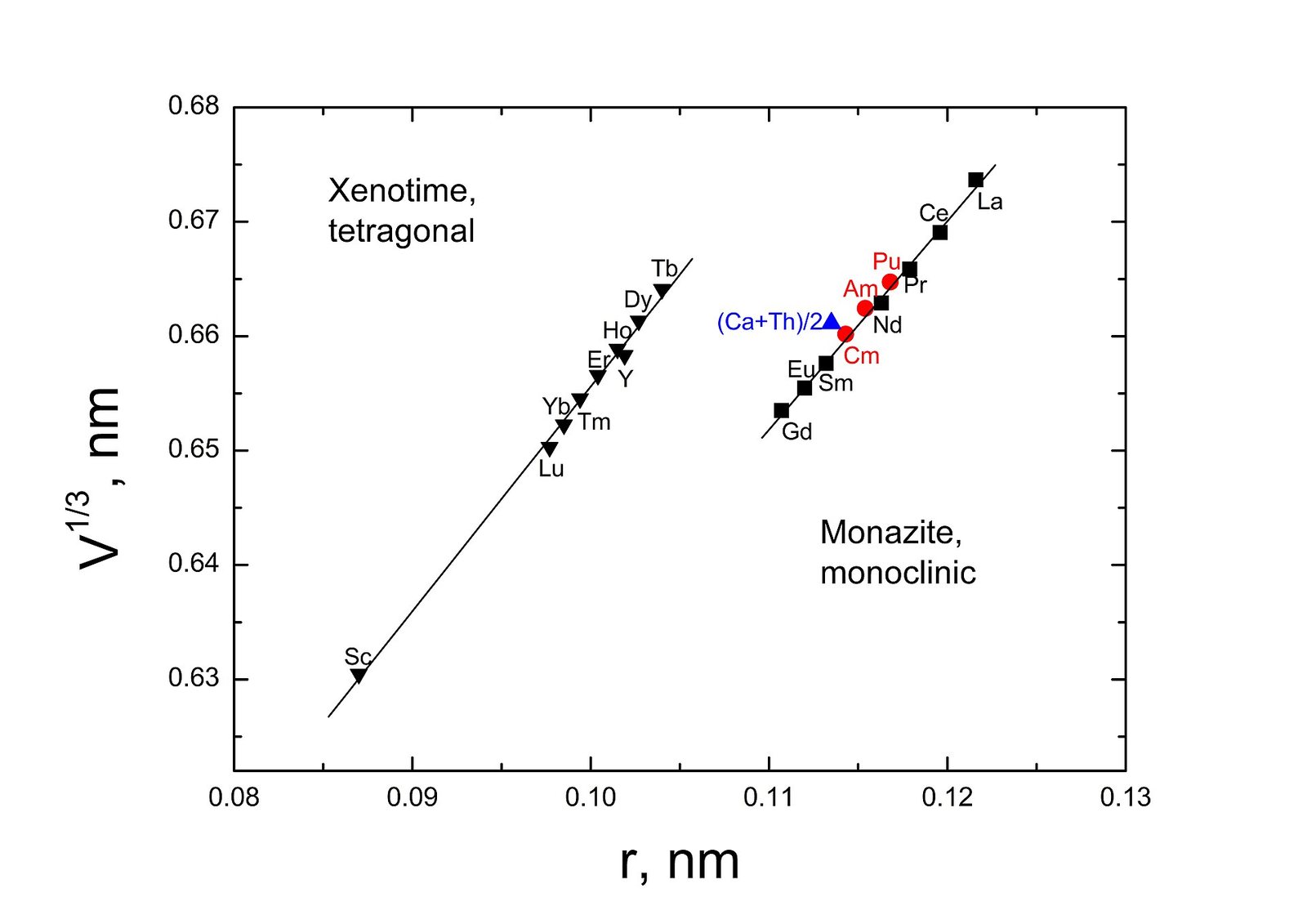
Xenotime
A yttrium phosphate that also carries the heavy rare earths — dysprosium, terbium, erbium — that magnets need.
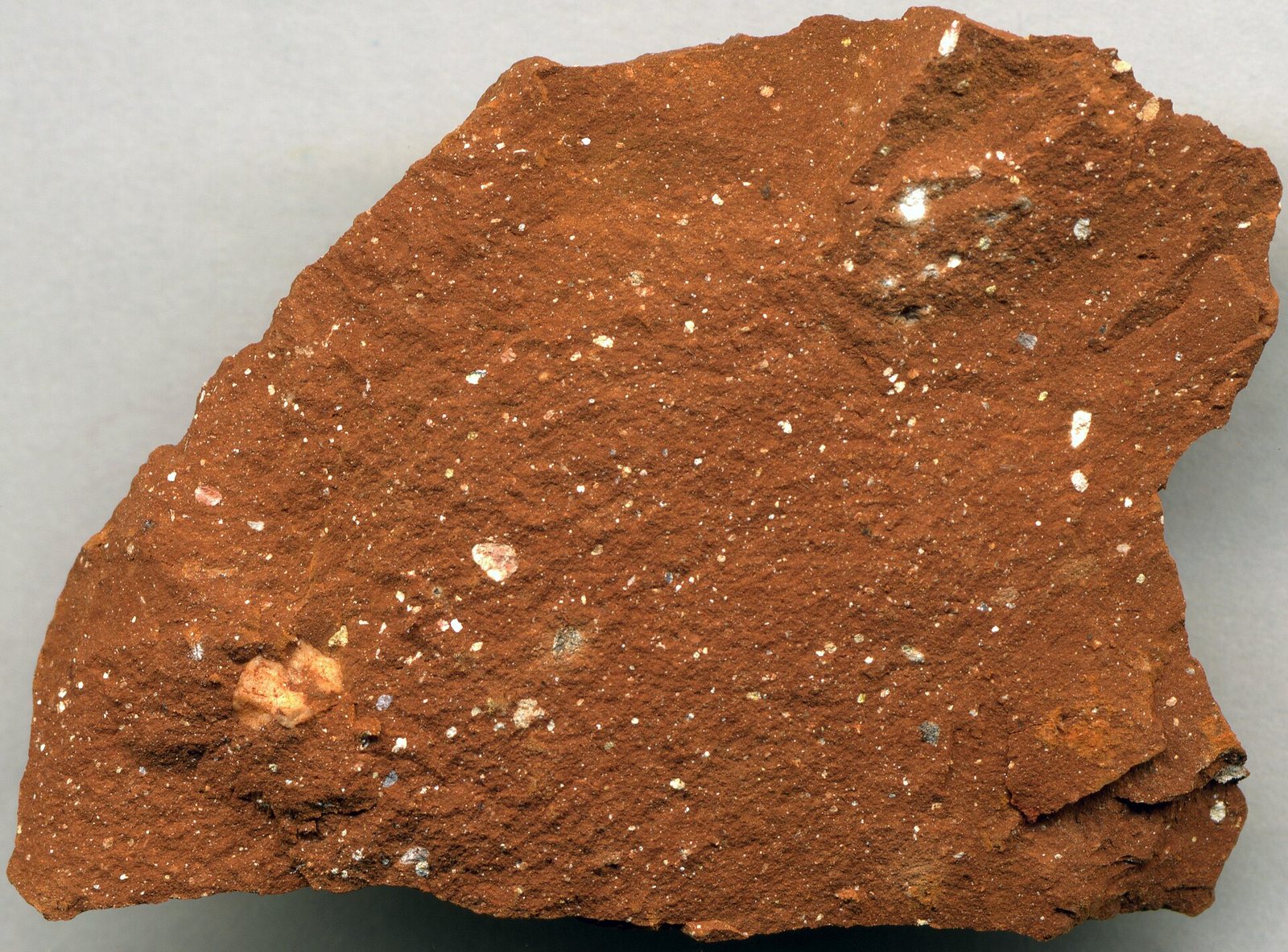
Ion-Adsorption Clay
Weathered granite where rare-earth ions cling loosely to clay surfaces. Grades are very low but the metal washes out…
Monazite
A rare-earth phosphate found in heavy mineral sands. Carries thorium, so it is radioactive enough to be regulated.
Qui le produit
Voir sur une carte →Mine production
Mine productionmetric tons 2025 (estimé) Total mondial 390,000 metric tons
USGS Mineral Commodity Summaries 2026 · USGS reports rare-earth mine production as REO — rare-earth OXIDE equivalent — not metal. · source ↗
Faire défiler le tableau latéralement pour afficher les colonnes restantes.
| Pays | Production | Part mondiale |
|---|---|---|
| China | 270,000 | 69.2% |
| United States | 51,000 | 13.1% |
| Australia | 29,000 | 7.4% |
| Burma | 22,000 | 5.6% |
| Thailand | 4,800 | 1.2% |
| India | 2,900 | 0.7% |
| Madagascar | 2,700 | 0.7% |
| Russia | 2,600 | 0.7% |
| Brazil | 2,000 | 0.5% |
| Nigeria | 1,500 | 0.4% |
| Other countries | 550.0 | 0.1% |
| Vietnam | 150.0 | 0.0% |
| Malaysia | 110.0 | 0.0% |
| Tanzania | Zero | — |
| South Africa | Zero | — |
| Canada | Zero | — |
| Greenland | Zero | — |
| Total mondial | 390,000 | 100% |
« Withheld » signifie que l'USGS a supprimé le chiffre afin de ne pas divulguer les données d'une entreprise individuelle — cela ne signifie pas zéro. La somme des lignes par pays ne correspond pas toujours au total mondial, car la source arrondit chaque chiffre de manière indépendante et ne détaille pas toujours une ligne « autres pays ».
Qui détient les réserves
Reserves
Reservesmetric tons 2025
USGS Mineral Commodity Summaries 2026 · source ↗
| Pays | Réserves | Part mondiale |
|---|---|---|
| China | 44,000,000 | 51.8% |
| Brazil | 21,000,000 | 24.7% |
| Australia | 6,300,000 | 7.4% |
| Russia | 3,800,000 | 4.5% |
| Vietnam | 3,500,000 | 4.1% |
| United States | 1,900,000 | 2.2% |
| Greenland | 1,500,000 | 1.8% |
| Tanzania | 890,000 | 1.0% |
| South Africa | 860,000 | 1.0% |
| Canada | 830,000 | 1.0% |
| Malaysia | 710,000 | 0.8% |
| Nigeria | Not applicable | — |
| Madagascar | Not applicable | — |
| India | Not applicable | — |
| Thailand | Not applicable | — |
| Burma | Not applicable | — |
| Other countries | Not applicable | — |
| Total mondial | >85,000,000 | 100% |
La source publie ce total mondial comme une valeur encadrée plutôt que comme un chiffre précis ; les parts figurant dans la dernière colonne sont donc elles-mêmes des bornes.
Prix
average, dollars per kilogram: Mischmetal, 65% cerium, 35% lanthanum
Moyenne annuelledollars per kilogram
Base: average, dollars per kilogram: Mischmetal, 65% cerium, 35% lanthanum. Moyennes annuelles telles que publiées dans USGS Mineral Commodity Summaries 2026 · source ↗. Il s'agit de moyennes annuelles de référence, et non de cotations de marché en temps réel.
average, dollars per kilogram: Neodymium-praseodymium (NdPr) oxide, 99% minimum
Moyenne annuelledollars per kilogram
Base: average, dollars per kilogram: Neodymium-praseodymium (NdPr) oxide, 99% minimum. Moyennes annuelles telles que publiées dans USGS Mineral Commodity Summaries 2026 · source ↗. Il s'agit de moyennes annuelles de référence, et non de cotations de marché en temps réel.
Mines qui le produisent
Toutes les mines →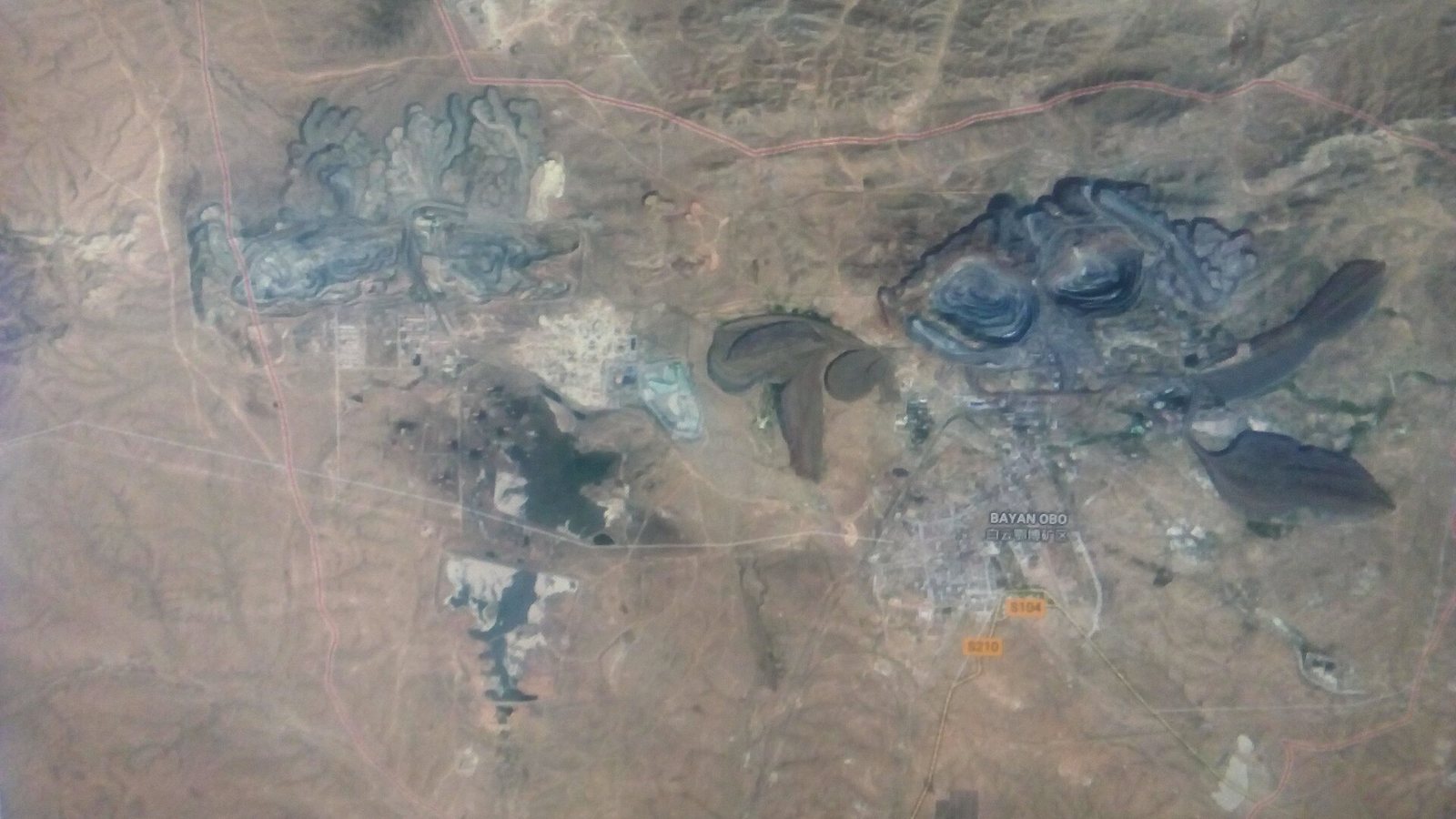
Mount Weld
The mine behind the largest rare-earth separation capacity outside China.
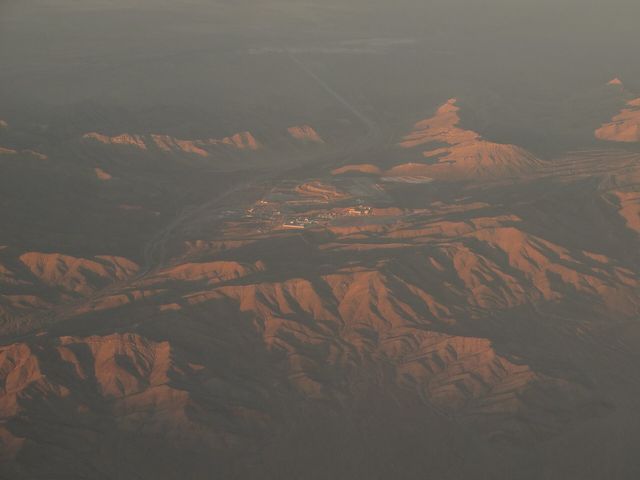
Mountain Pass
The only operating rare-earth mine in the United States.
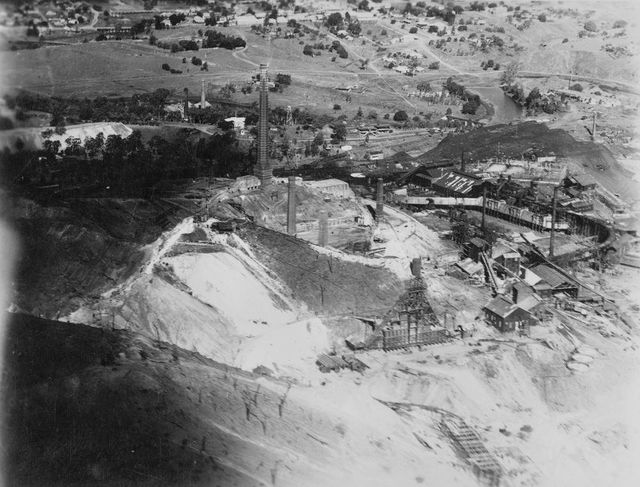
Southern China Ion-Adsorption Clays
Historically the dominant world source of heavy rare earths.
Où c'est traité et raffiné
| Usine | Type | Étape | Pays | Rôle |
|---|---|---|---|---|
| Ganzhou Rare Earth Cluster | Usine de séparation | Affinage | China | Intrant |
| Lynas Advanced Materials Plant, Kuantan | Usine de séparation | Affinage | Malaysia | Intrant |
| Mountain Pass Separation & Metal Plant | Usine de séparation | Affinage | United States | Intrant |
| Neo Performance Materials, Sillamäe | Usine de séparation | Affinage | Estonia | Intrant |
Contrôles à l'exportation
| Pays | Contrôle | S'applique à |
|---|---|---|
| China | Export licensing requirement for materials and technologies | Antimony (2024), bismuth (2025), synthesized diamond (2025), gallium (2023), germanium (2023), graphite (2023), indium (2025), magnesium materials (2024), molybdenum (2025), rare earths (2025), silver (2026), tellurium (2025), tungsten (2025), and items related to lithium batteries and artificial graphite anode materials (2025). ↗ |
| Malaysia | Export ban | Raw rare earths (2024). ↗ |
| Namibia | Export ban | Ores and concentrates of cobalt, graphite, lithium, manganese, and rare earths (2023). ↗ |
| Vietnam | Export ban | Raw materials of iron, lead-zinc, chromite, manganese, apatite, and rare earths and deeply processed titanium (2012). ↗ |
USGS Mineral Commodity Summaries 2026, table 4 — controls in effect as of January 2026, excluding controls since lifted.
Suivez-le au fil des frontières
Tous les parcours →Où va réellement un lot de ce matériau — chaque pays, chaque dépositaire, et ce qui est perdu à chaque étape.
Australian rare earths to a magnet in a motor Mined in Australia, cracked in Malaysia, magnetised in China, and fitted in Germany. Southern Chinese clay to the dysprosium that lets a magnet run hot Grades under a tenth of a percent, and almost the only heavy rare earths on the market.