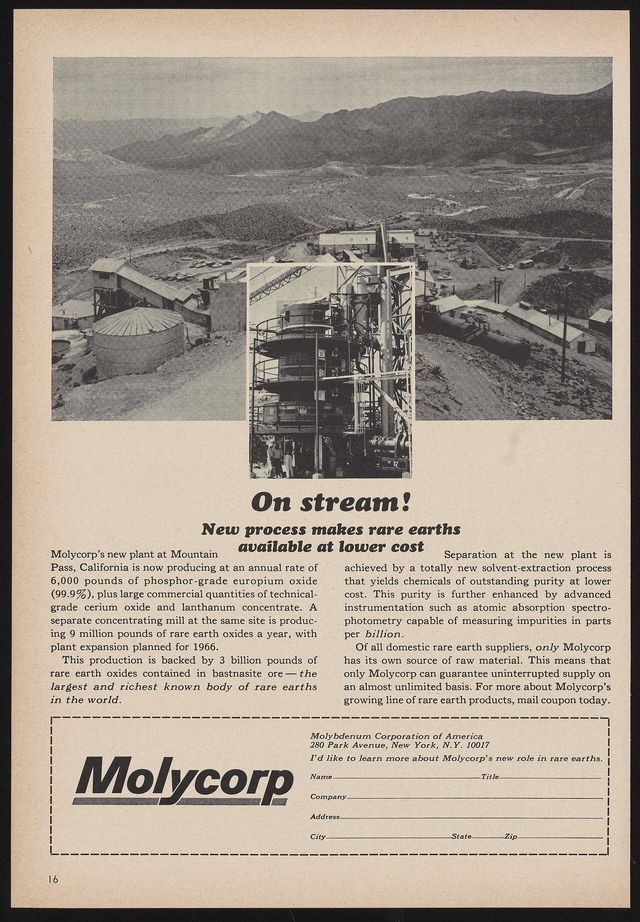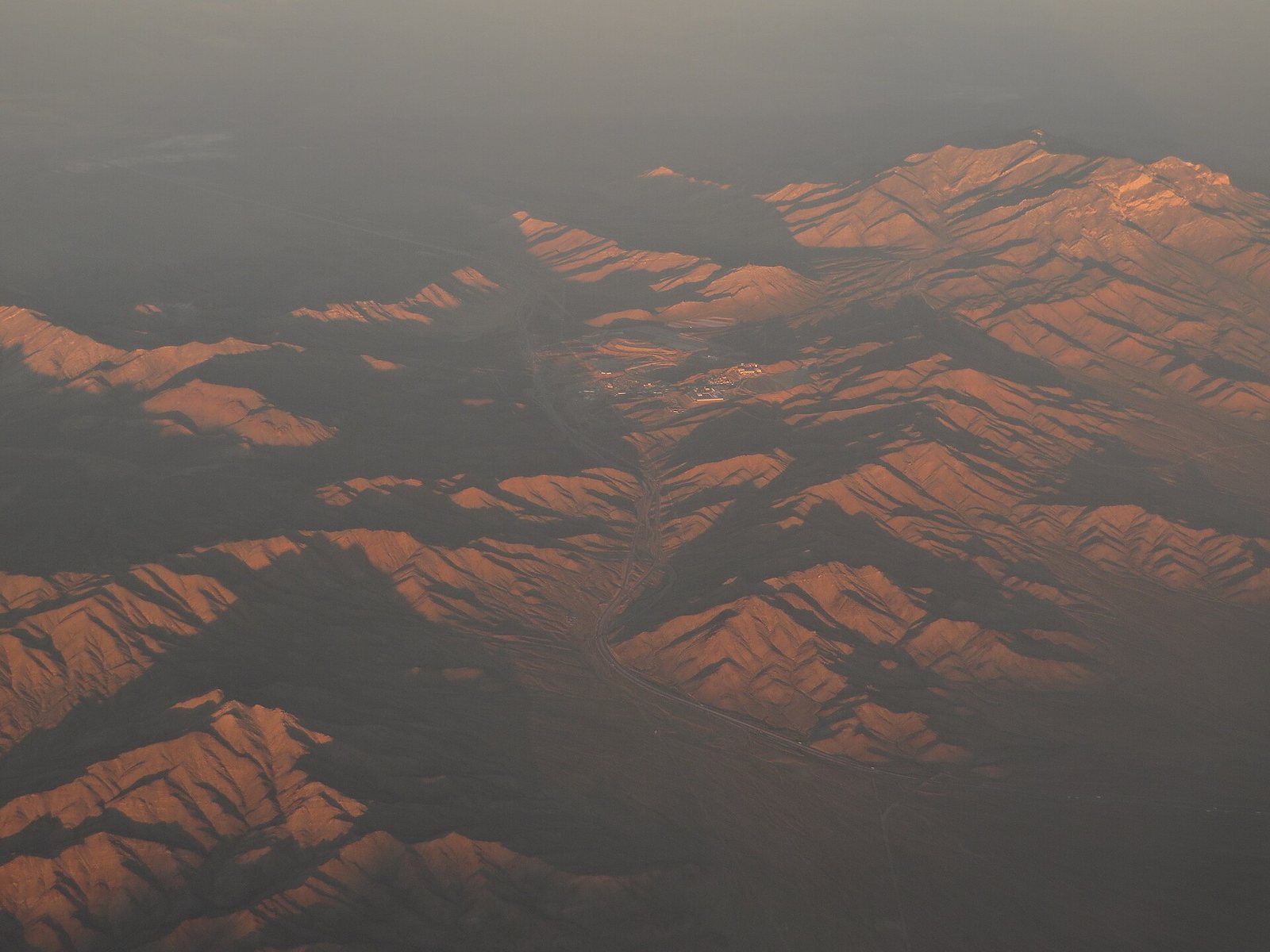
이것은 무엇인가?
A family of seventeen metals that are not actually rare in the ground, but are hard to separate from each other because they behave almost identically.
왜 중요한가?
Four of them make the strongest permanent magnets known. Those magnets are what makes a compact, efficient electric motor possible.
이 소재의 심층 서술 섹션은 아직 게재되지 않았습니다. 아래 내용은 모두 원본 데이터셋에서 직접 가져온 것으로 완전한 상태입니다.
암석 내 산출 위치
전체 광석 광물 →실제로 이를 함유하는 광물은 다음과 같다: rare earths (all). 광체(orebody)란 채굴 비용을 충당할 만큼 특정 광물이 충분히 농집된 광상을 말한다.
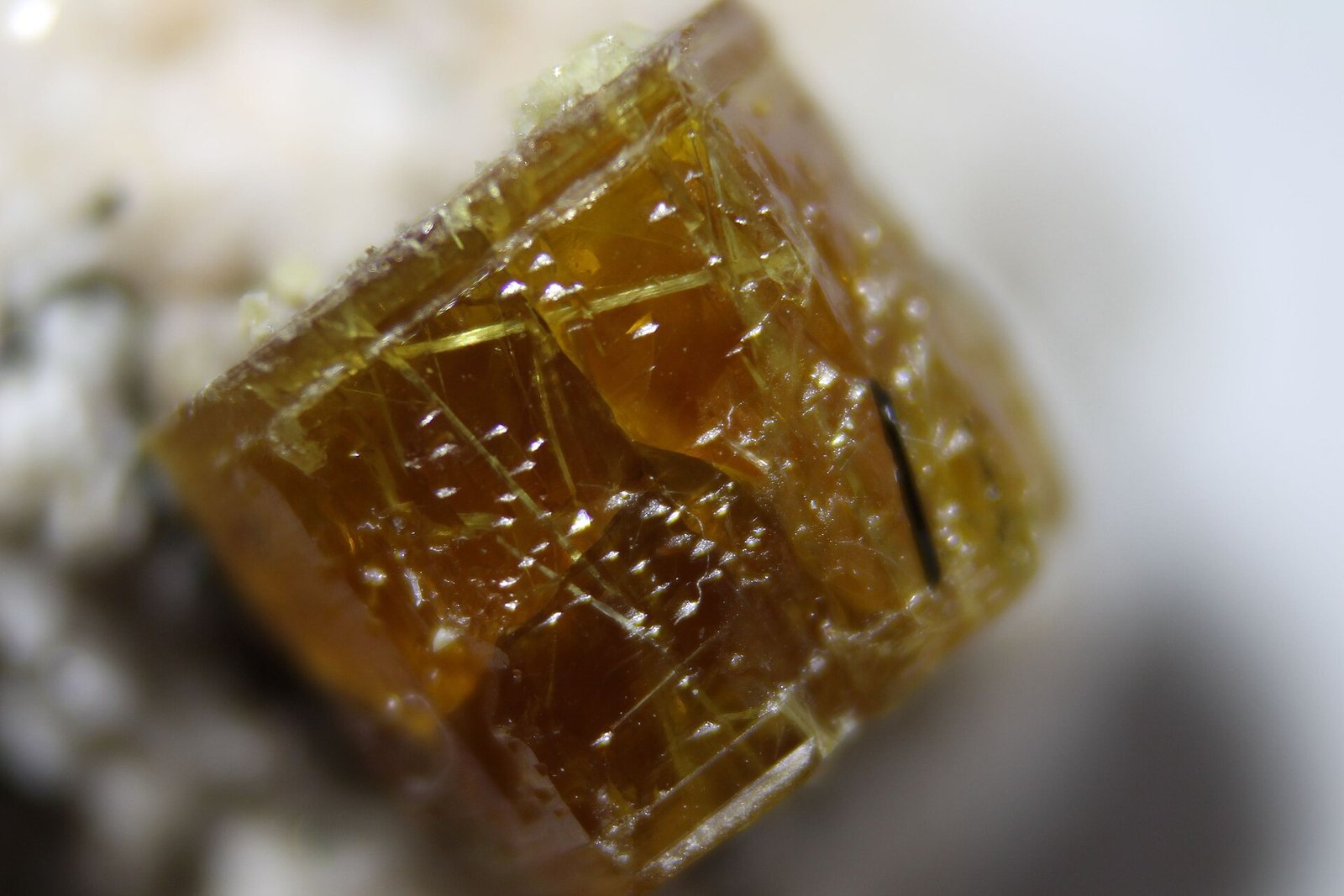
Bastnäsite
The world's principal light rare-earth mineral, mined from carbonatites. Low in thorium, which makes it easier to…
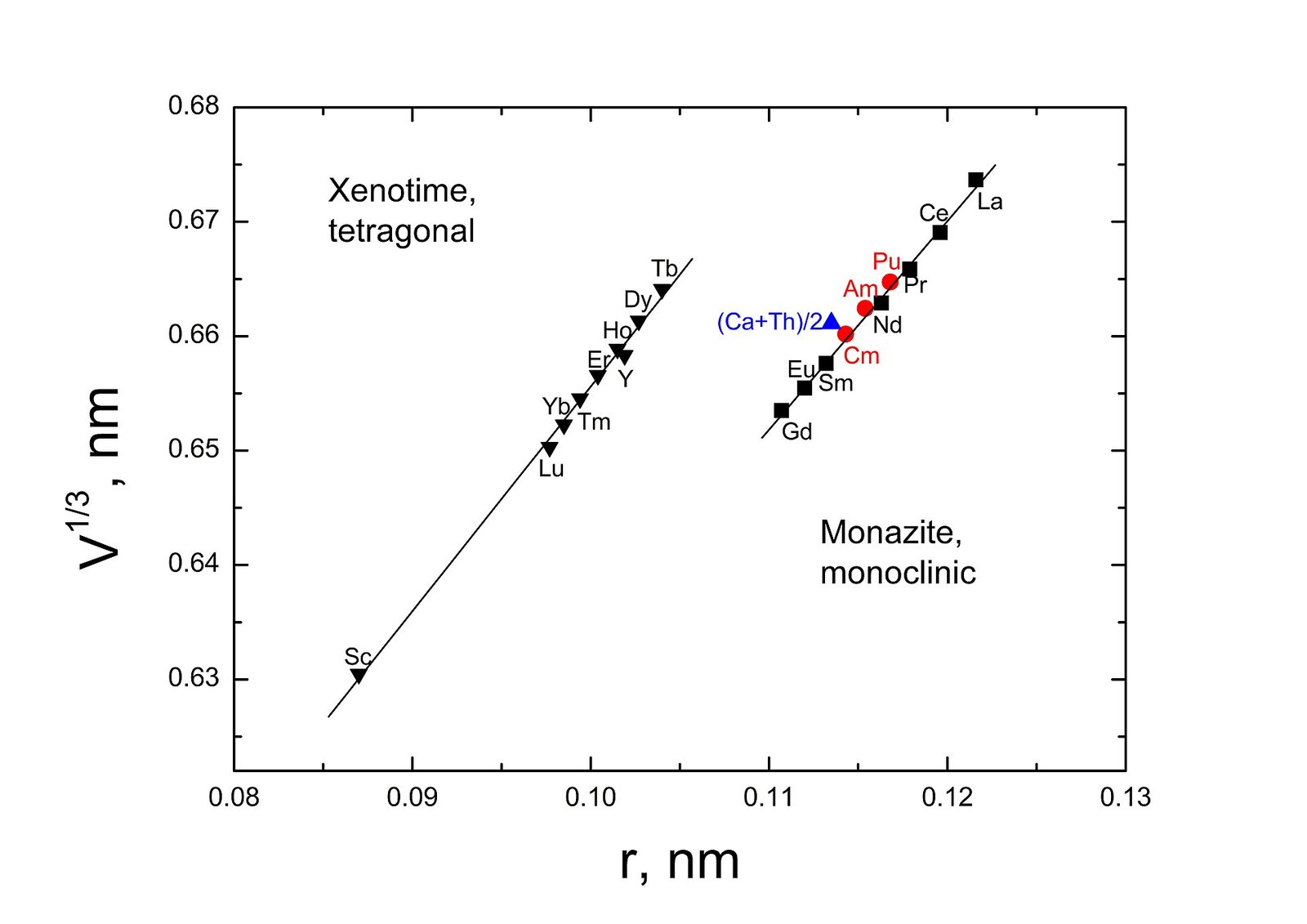
Xenotime
A yttrium phosphate that also carries the heavy rare earths — dysprosium, terbium, erbium — that magnets need.
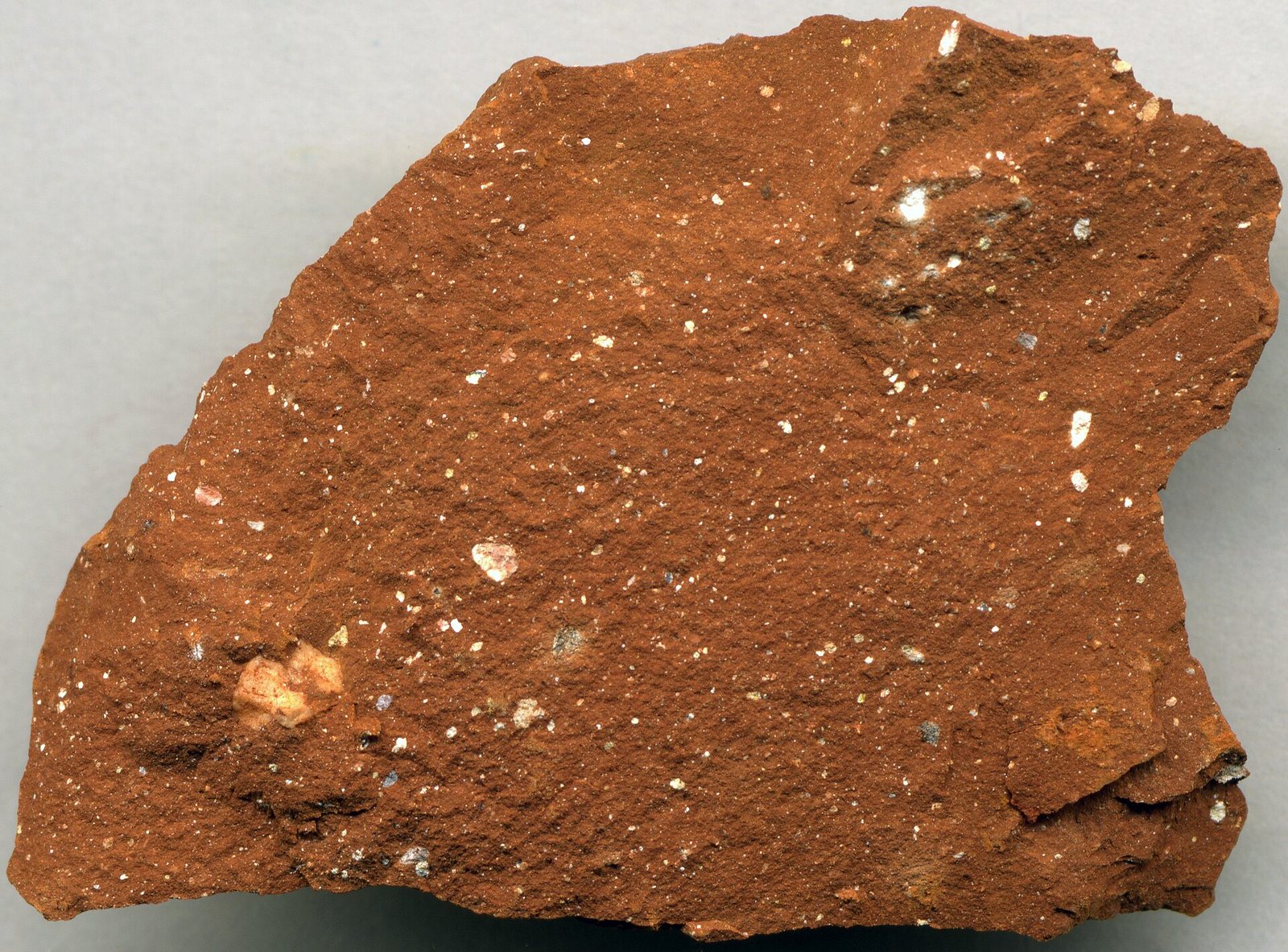
Ion-Adsorption Clay
Weathered granite where rare-earth ions cling loosely to clay surfaces. Grades are very low but the metal washes out…
Monazite
A rare-earth phosphate found in heavy mineral sands. Carries thorium, so it is radioactive enough to be regulated.
생산 주체
지도에서 보기 →Mine production
Mine productionmetric tons 2025 (추정치) 세계 합계 390,000 metric tons
USGS Mineral Commodity Summaries 2026 · USGS reports rare-earth mine production as REO — rare-earth OXIDE equivalent — not metal. · 출처 ↗
나머지 열을 보려면 표를 옆으로 스크롤하십시오.
| 국가 | 생산 | 세계 비중 |
|---|---|---|
| China | 270,000 | 69.2% |
| United States | 51,000 | 13.1% |
| Australia | 29,000 | 7.4% |
| Burma | 22,000 | 5.6% |
| Thailand | 4,800 | 1.2% |
| India | 2,900 | 0.7% |
| Madagascar | 2,700 | 0.7% |
| Russia | 2,600 | 0.7% |
| Brazil | 2,000 | 0.5% |
| Nigeria | 1,500 | 0.4% |
| Other countries | 550.0 | 0.1% |
| Vietnam | 150.0 | 0.0% |
| Malaysia | 110.0 | 0.0% |
| Tanzania | Zero | — |
| South Africa | Zero | — |
| Canada | Zero | — |
| Greenland | Zero | — |
| 세계 합계 | 390,000 | 100% |
'비공개'는 USGS가 개별 기업의 데이터 노출을 막기 위해 수치를 억제한 것으로, 0을 의미하지 않습니다. 출처가 각 수치를 독립적으로 반올림하고 '기타 국가' 항목을 항상 별도로 구분하지는 않기 때문에, 국가별 합계가 세계 합계와 일치하지 않을 수 있습니다.
매장량 보유 주체
Reserves
Reservesmetric tons 2025
USGS Mineral Commodity Summaries 2026 · 출처 ↗
| 국가 | 매장량 | 세계 비중 |
|---|---|---|
| China | 44,000,000 | 51.8% |
| Brazil | 21,000,000 | 24.7% |
| Australia | 6,300,000 | 7.4% |
| Russia | 3,800,000 | 4.5% |
| Vietnam | 3,500,000 | 4.1% |
| United States | 1,900,000 | 2.2% |
| Greenland | 1,500,000 | 1.8% |
| Tanzania | 890,000 | 1.0% |
| South Africa | 860,000 | 1.0% |
| Canada | 830,000 | 1.0% |
| Malaysia | 710,000 | 0.8% |
| Nigeria | Not applicable | — |
| Madagascar | Not applicable | — |
| India | Not applicable | — |
| Thailand | Not applicable | — |
| Burma | Not applicable | — |
| Other countries | Not applicable | — |
| 세계 합계 | >85,000,000 | 100% |
출처에서 이 세계 합계를 정확한 수치가 아닌 범위로 공표하므로, 마지막 열의 점유율도 범위값이다.
가격
average, dollars per kilogram: Mischmetal, 65% cerium, 35% lanthanum
연간 평균dollars per kilogram
기준: average, dollars per kilogram: Mischmetal, 65% cerium, 35% lanthanum. 다음 자료에 게재된 연간 평균 USGS Mineral Commodity Summaries 2026 · 출처 ↗. 이 수치는 기준 연간 평균값이며, 실시간 시장 가격이 아니다.
average, dollars per kilogram: Neodymium-praseodymium (NdPr) oxide, 99% minimum
연간 평균dollars per kilogram
기준: average, dollars per kilogram: Neodymium-praseodymium (NdPr) oxide, 99% minimum. 다음 자료에 게재된 연간 평균 USGS Mineral Commodity Summaries 2026 · 출처 ↗. 이 수치는 기준 연간 평균값이며, 실시간 시장 가격이 아니다.
이 소재를 생산하는 광산
전체 광산 →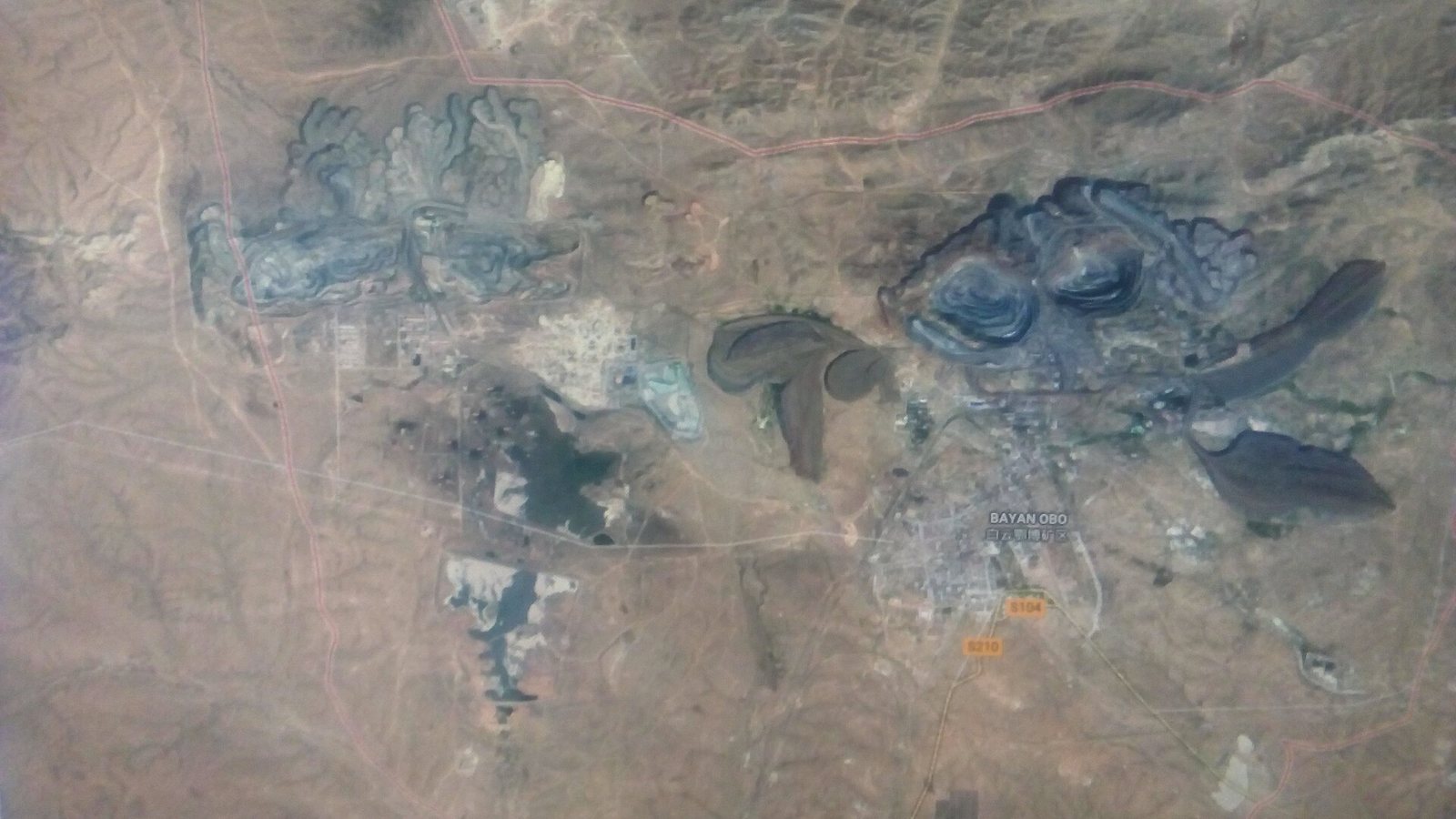
Mount Weld
The mine behind the largest rare-earth separation capacity outside China.
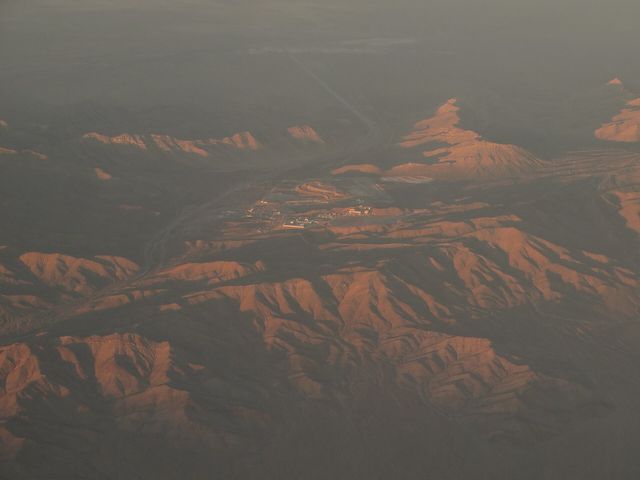
Mountain Pass
The only operating rare-earth mine in the United States.
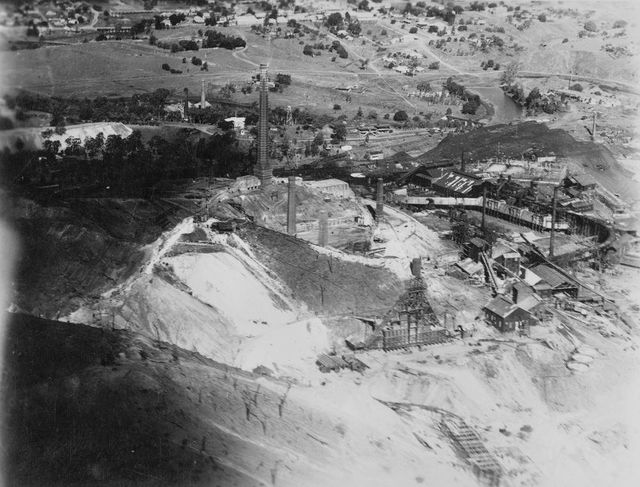
Southern China Ion-Adsorption Clays
Historically the dominant world source of heavy rare earths.
처리·정련 지점
| 시설 | 종류 | 단계 | 국가 | 역할 |
|---|---|---|---|---|
| Ganzhou Rare Earth Cluster | 분리 플랜트 | 정련 | China | 투입물 |
| Lynas Advanced Materials Plant, Kuantan | 분리 플랜트 | 정련 | Malaysia | 투입물 |
| Mountain Pass Separation & Metal Plant | 분리 플랜트 | 정련 | United States | 투입물 |
| Neo Performance Materials, Sillamäe | 분리 플랜트 | 정련 | Estonia | 투입물 |
수출 통제
| 국가 | 지배력 | 적용 대상 |
|---|---|---|
| China | Export licensing requirement for materials and technologies | Antimony (2024), bismuth (2025), synthesized diamond (2025), gallium (2023), germanium (2023), graphite (2023), indium (2025), magnesium materials (2024), molybdenum (2025), rare earths (2025), silver (2026), tellurium (2025), tungsten (2025), and items related to lithium batteries and artificial graphite anode materials (2025). ↗ |
| Malaysia | Export ban | Raw rare earths (2024). ↗ |
| Namibia | Export ban | Ores and concentrates of cobalt, graphite, lithium, manganese, and rare earths (2023). ↗ |
| Vietnam | Export ban | Raw materials of iron, lead-zinc, chromite, manganese, apatite, and rare earths and deeply processed titanium (2012). ↗ |
USGS Mineral Commodity Summaries 2026, table 4 — controls in effect as of January 2026, excluding controls since lifted.
국경을 따라 추적하기
모든 여정 →이 소재의 화물이 실제로 가는 곳 — 모든 나라, 모든 보관자, 그리고 각 단계에서 남는 것.
Australian rare earths to a magnet in a motor Mined in Australia, cracked in Malaysia, magnetised in China, and fitted in Germany. Southern Chinese clay to the dysprosium that lets a magnet run hot Grades under a tenth of a percent, and almost the only heavy rare earths on the market.