Cosa si muove effettivamente
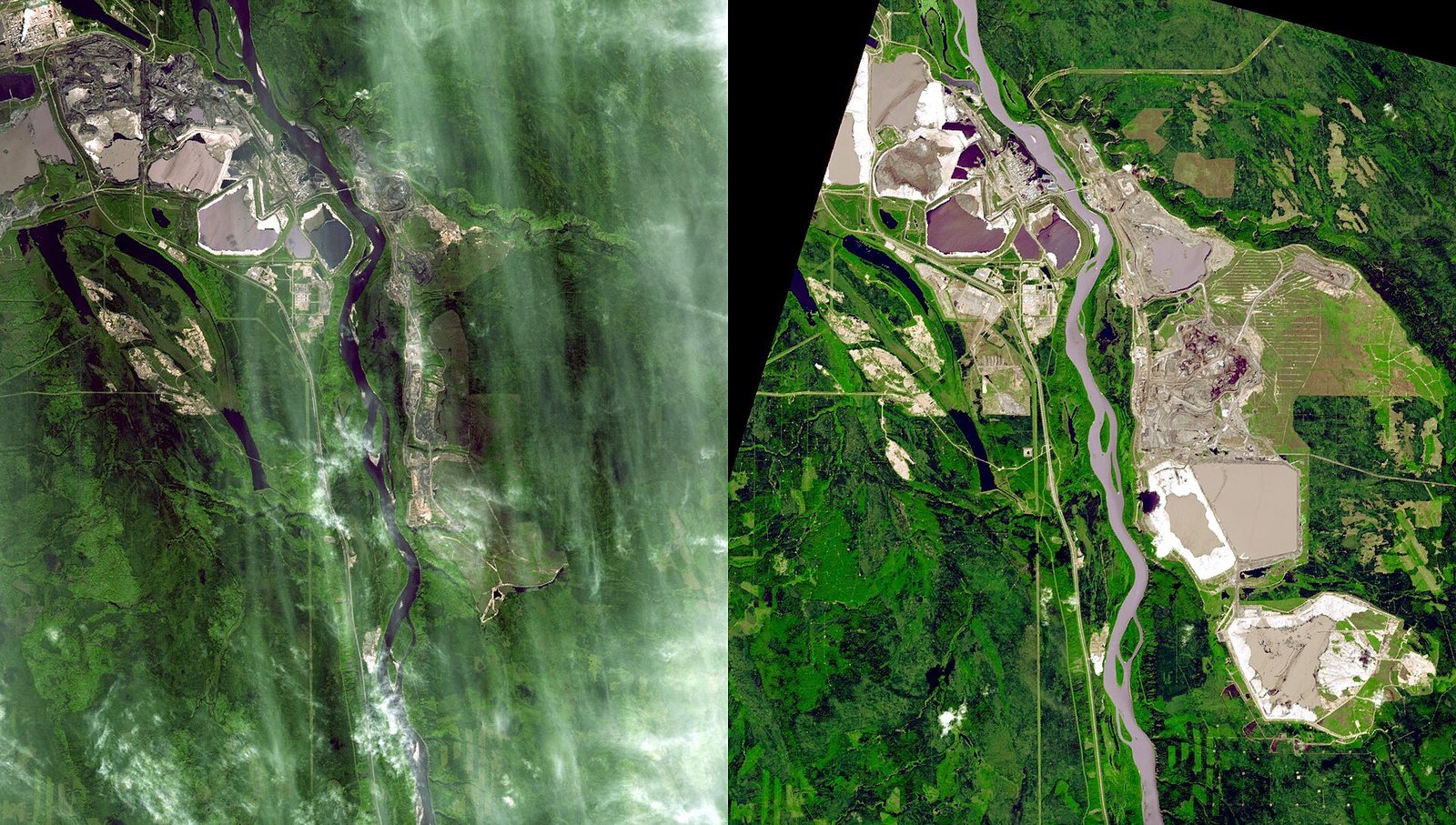
Athabasca bitumen sits in sand near the surface. It is strip-mined, washed out with hot water, and then either upgraded on site into a synthetic crude or thinned with condensate and pipelined south. It is the clearest place where the mining industry and the oil industry are the same industry.
- Il materiale
- Oil Sands & Bitumen
- La varietà
- Bitumen in sand, roughly 8° API, 10–12% bitumen by weight
- Dove inizia
- Canada — The Athabasca deposit, northern Alberta
Passo dopo passo, confine per confine
Canada · Athabasca, Alberta detenuto da Oil sands operators (Minatore)
A mine, in every sense
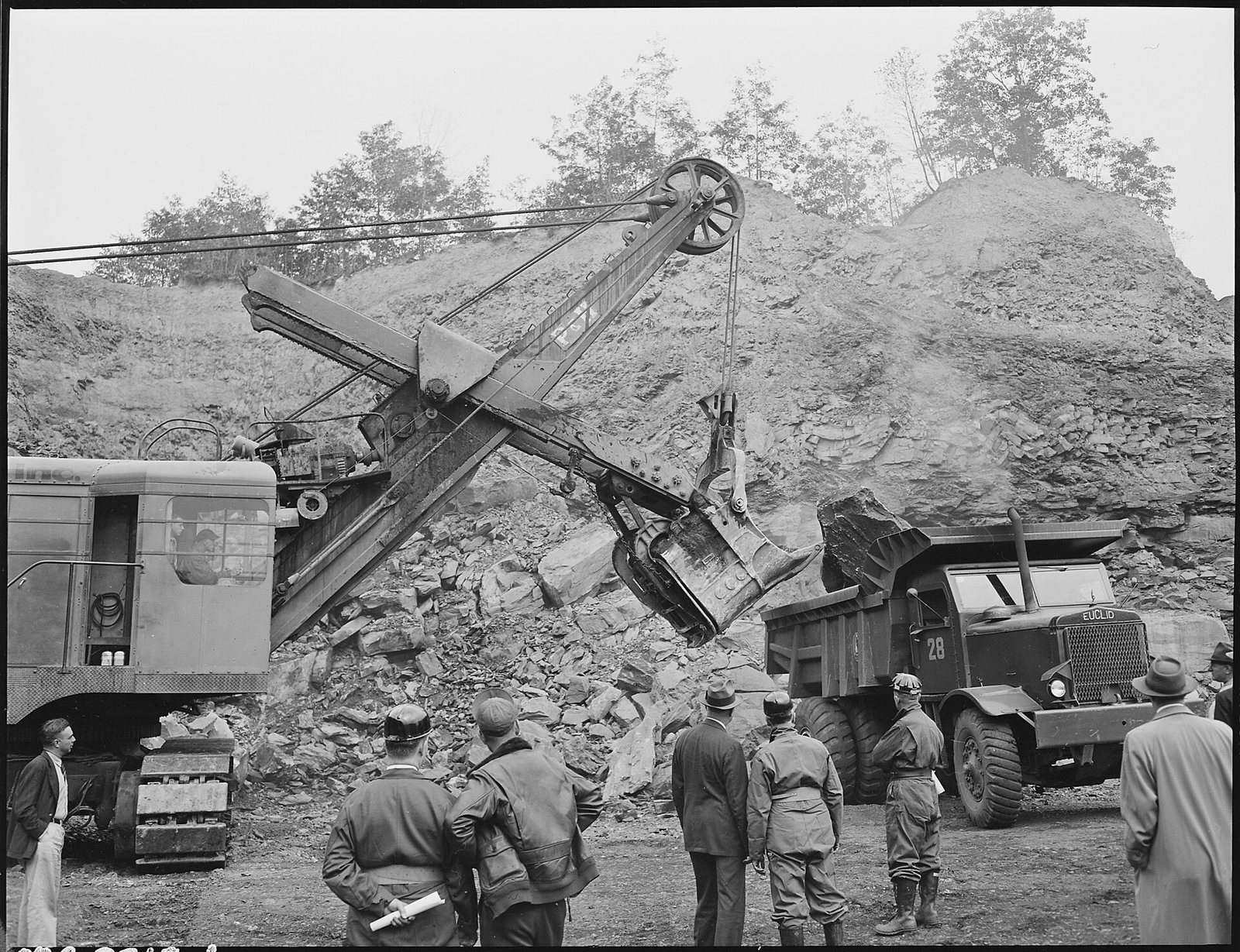
Overburden is stripped and the oil sand is loaded by electric shovel into 400-tonne haul trucks. The ore grade is quoted in percent bitumen exactly as a copper mine quotes percent copper.
Perché qui: Shallow deposits only. Where the bitumen is too deep to mine, steam is injected instead and it is produced through wells.
Canada · Extraction plant detenuto da Oil sands operators (Minatore)
Washing the oil off the sand
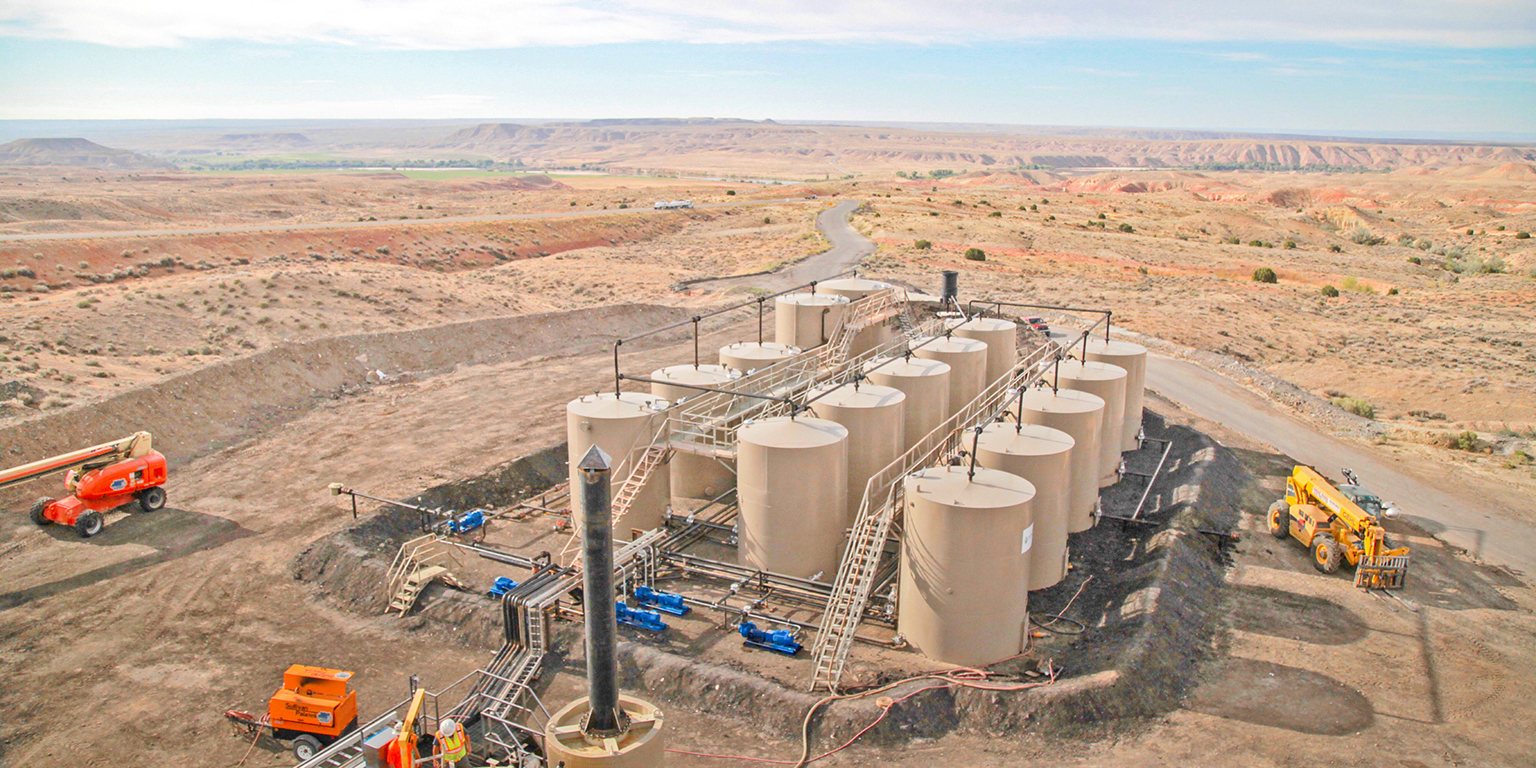
The sand is slurried in hot water and agitated. Bitumen floats to the top as a froth; sand and clay sink and go to the tailings pond.
Che fine ha fatto il resto: About 890 tonnes of sand, clay and water per 1,000 tonnes mined goes to tailings. Managing that residue is the defining environmental question of the whole industry.
Perché qui: Hot-water separation only works on mined ore, and the ore is too heavy to ship anywhere. The plant is beside the mine because it has to be.
Canada · Upgrader, or a diluent blending terminal detenuto da Operators and midstream companies (Raffinatore)
Upgrade here, or dilute and send it south
An upgrader cokes and hydrotreats the bitumen into synthetic crude oil of about 31° API. The alternative is to blend in roughly 30% condensate to make dilbit, which can be pipelined but arrives as somebody else's refining problem.
Che fine ha fatto il resto: Upgrading rejects carbon as petroleum coke — millions of tonnes of it are stockpiled in Alberta because there is no local market.
Perché qui: Upgrading in Alberta keeps the conversion value in Canada; diluting exports it. The same decision the Venezuelan route faces, with the same trade-off.
United States · To the US Midwest and Gulf Coast detenuto da Pipeline operators (Trader)
1,500 km of pipeline
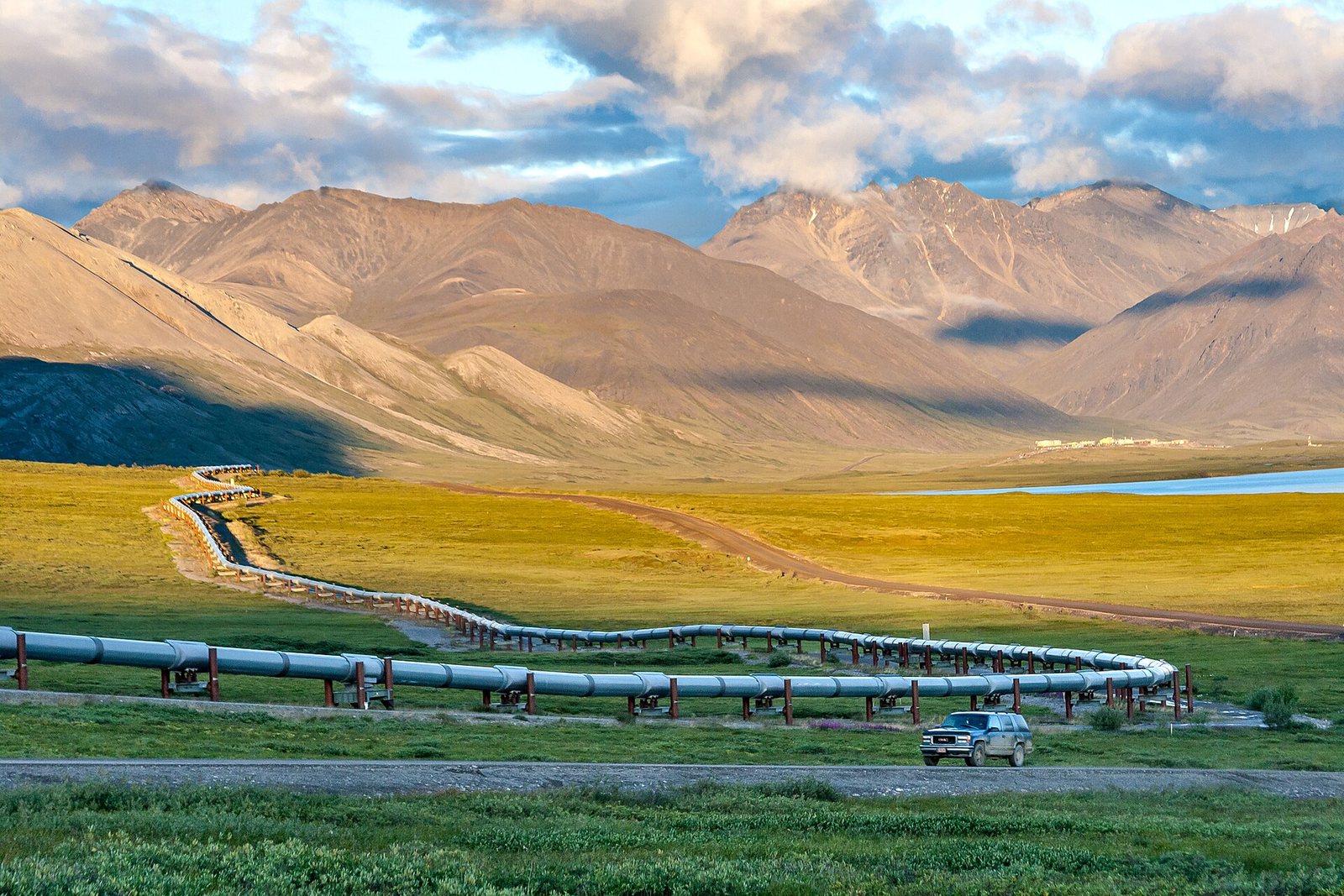
Pumped south. The condensate in dilbit is separated at the refinery and railed or piped back north to be used again.
Perché qui: Alberta is landlocked. Pipeline capacity, not geology, is what has capped this industry's growth for two decades.
United States · US Midwest refineries detenuto da Refiner (Raffinatore)
Refined into fuel
Midwest refineries were rebuilt specifically to run this heavy Canadian barrel, which is why it trades at a discount to lighter crude but has a dependable home.
Perché qui: A refinery configured for heavy crude cannot easily switch to light, and vice versa. Refineries and crude grades marry each other for decades.
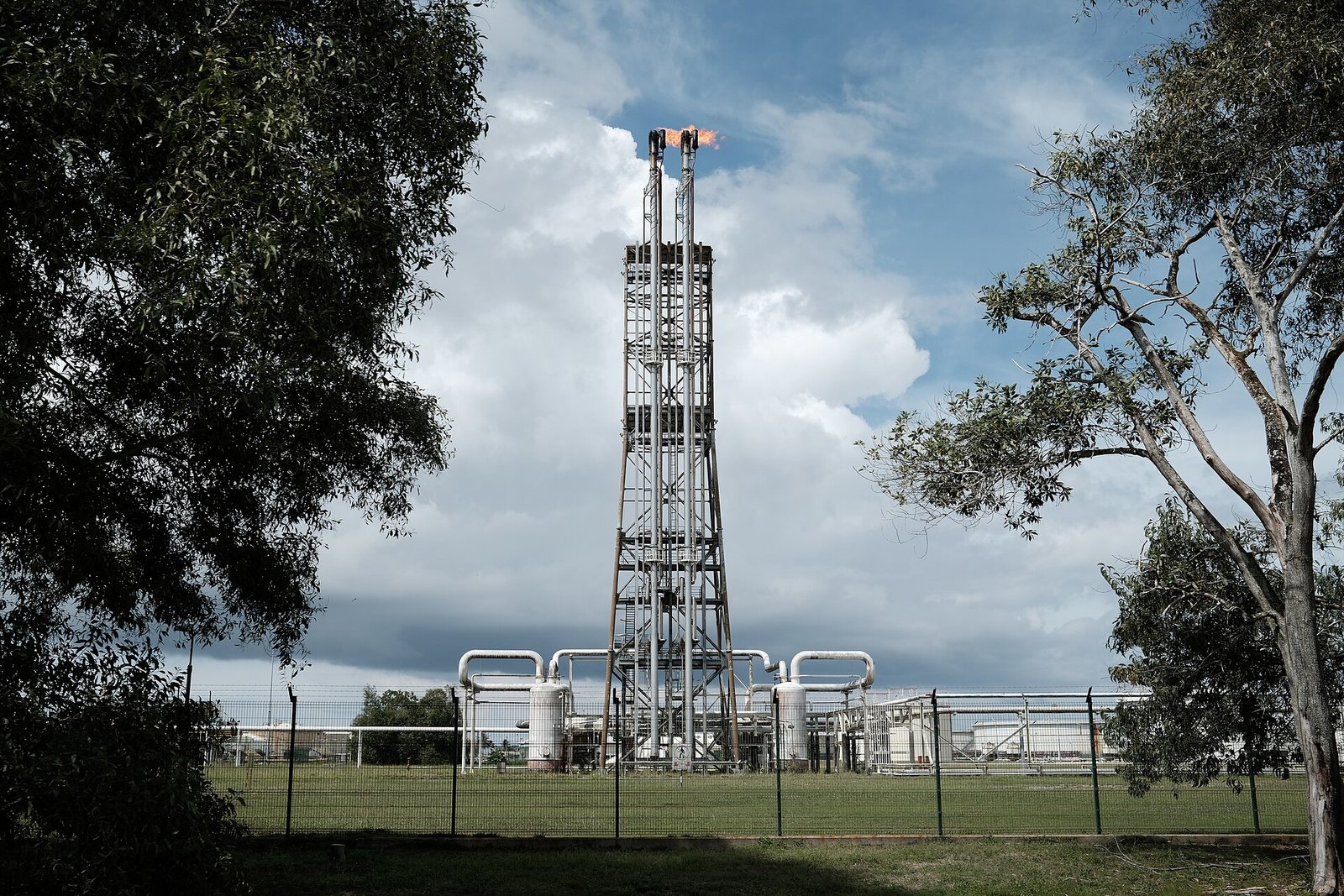
Questo è un esempio elaborato. Segue una quantità iniziale dichiarata attraverso rese e recuperi tipici pubblicati, così che le proporzioni siano verificabili; non è il resoconto di una spedizione specifica. I dati di percorso — quali paesi, quali processi e perché il materiale non può semplicemente essere trattato altrove — sono compilati da fonti di pubblico dominio.