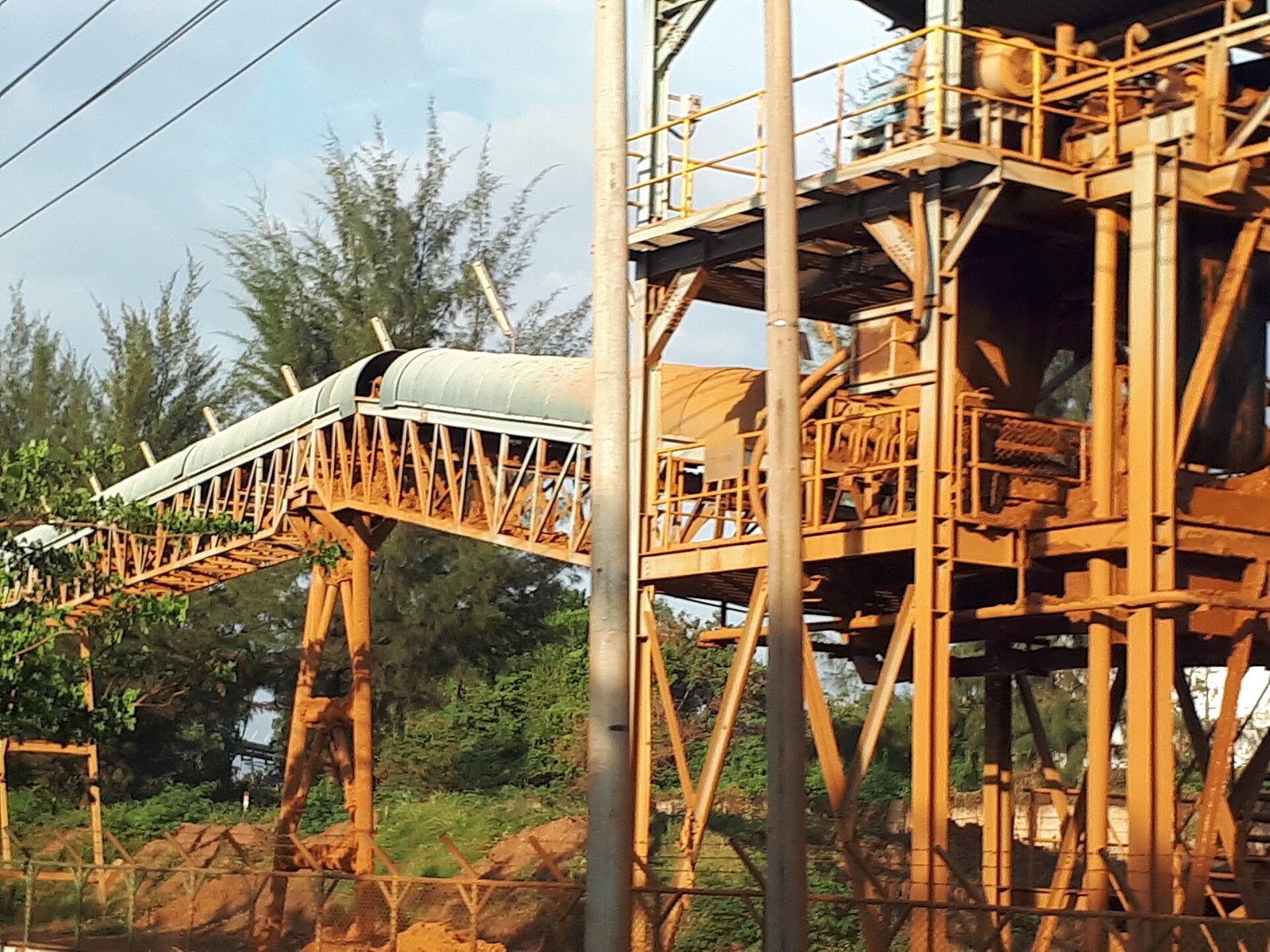
Vom Gestein zum Produkt, nachverfolgt
The Materials Atlas
Materialien Bergwerke & Lagerstätten Aufbereitung & Raffination Verbleibsrouten Lieferketten Unternehmen Länder Nachrichten
Materialien nach Regal Batteriematerialien Seltene-Erden-Elemente Kupfer & Elektro Halbleitermaterialien Nuklearmaterialien Luft- und Raumfahrt & Verteidigung Edelmetalle Stahl & Legierungsmetalle Industrieminerale Agrarmineralien Energierohstoffe Erzminerale Periodensystem
Nachfrage Endmärkte Technologien Materialrechner Karten Screener
Lernen & Werkzeuge LernenGlossar Die Daten befragenKI-Agenten Forschung & DatenAPI ★ Gespeichert
Über Über unsMethodik DatenquellenKontakt Haftungsausschluss
Leseoptionen
🧭 Geführte Ansicht Neu dabei – Erzgehalte, Konzentrat, Raffination, Nebenprodukte? Wir erläutern jeden Begriff beim Stöbern, in verständlicher Sprache. Dieselben Daten, mit integrierter Hilfe.
⚡ Expertenansicht Sie kennen die Branche. Nur die Daten – bereinigt, schnell und kompakt, ohne zusätzliche Erläuterungen. Dies ist die Standardansicht.
Thema
Oberflächensprache
Tiefe Materialseiten sind auf vier Ebenen verfasst. Wählen Sie eine auf einer beliebigen Materialseite aus — sie wird gespeichert.
★ Gespeichert Forschung & Daten

Verbleibsroute · beginnt in Indonesia

Indonesian laterite to a battery cathode

A country that banned raw ore exports and built the processing industry instead.

1,000 tonnes of limonite ore as mined
11 tonnes of contained nickel, plus about 1 tonne of cobalt
Indonesia → China · Container ship Indonesia — Skimming the top of the profile 1 Indonesia China — To a refinery 2 China
In der Reihenfolge nummeriert, in der das Material transportiert wird. Ein Land anklicken, um dessen Seite zu öffnen. Äquidistante Zylinderprojektion auf Basis von Länderschwerpunkten — die Bögen zeigen, welche Grenzen überschritten werden, nicht den tatsächlichen Seeweg.

Was tatsächlich transportiert wird

Indonesia forbade the export of unprocessed nickel ore, forcing anyone who wanted the metal to build a plant on Indonesian soil. Within a decade the country went from an ore supplier to the dominant producer of processed nickel, and the upper limonite layer that used to be waste became battery feedstock.

Das Material
Nickel
Die Varietät
Limonite laterite, roughly 1.3% nickel, with recoverable cobalt
Wo es beginnt
Indonesia — Sulawesi and Halmahera
Warum diese Route und keine andere. Limonite is the iron-rich upper layer of a laterite profile — too low-grade to smelt economically, but well suited to high-pressure acid leaching, which dissolves the nickel and the cobalt together. That process needs an autoclave running at 250 °C and 40 bar, which is a large, difficult and expensive thing to build.
Das engste Glied. The autoclaves. High-pressure acid leach plants are notoriously hard to commission and only a handful of firms have made them work.
Die zwei Zahlen an jedem Schritt zeigen: was hineinging und was herauskam. Ihrem Schrumpfen zuzusehen ist der Kern der Sache. Am Ende hat man tausend Tonnen Gestein bis auf wenige Kilogramm des eigentlich wirksamen Stoffs verfolgt.

Schritt für Schritt und Grenze für Grenze

01 Gewinnung 1,000tonnes

Indonesia · Sulawesi gehalten von Indonesian miners and joint ventures (Bergmann)

Skimming the top of the profile

The limonite layer sits above the saprolite. It used to be stripped off and dumped to reach the higher-grade ore below; now it is the product.

1,000 tonneslimonite ore 1,000 tonnesore to the plant

Warum hier: Same weathering process as New Caledonia, different layer of the same profile.
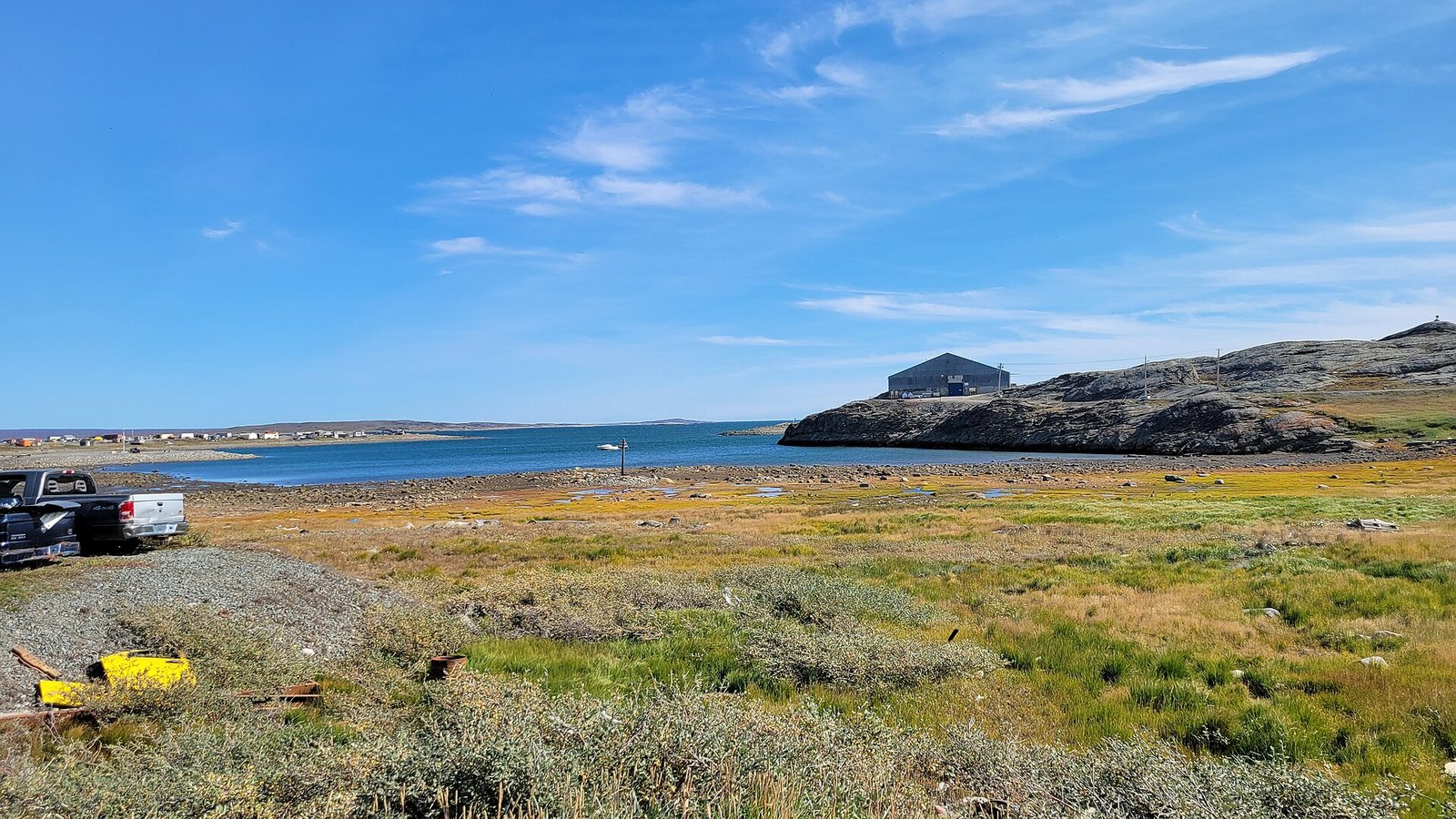
Der nicht beschrittene Weg The other layer of the same rock Limonite goes to batteries; the saprolite beneath it goes to stainless steel.
Skimming the top of the profile
Johnston Cove - Former nickel mine · CC BY-SA 4.0 via Wikimedia Commons
02 Aufbereitung 12tonnes

Indonesia · HPAL plant, Morowali or Obi gehalten von Plant operators (Chemisch)

Dissolving it under pressure

Slurried ore goes into an autoclave with sulfuric acid at about 250 °C and 40 bar. Nickel and cobalt dissolve; iron stays behind as a residue.

1,000 tonneslimonite at ~1.3% Ni 12 tonnesnickel and cobalt in solution

Was mit dem Rest geschah: The acid is made on site from sulfur, most of it imported. A nickel plant is quietly also a very large chemical plant.

Warum hier: Because the ore export ban means it has to be. This industry exists in Indonesia by policy as much as by geology.
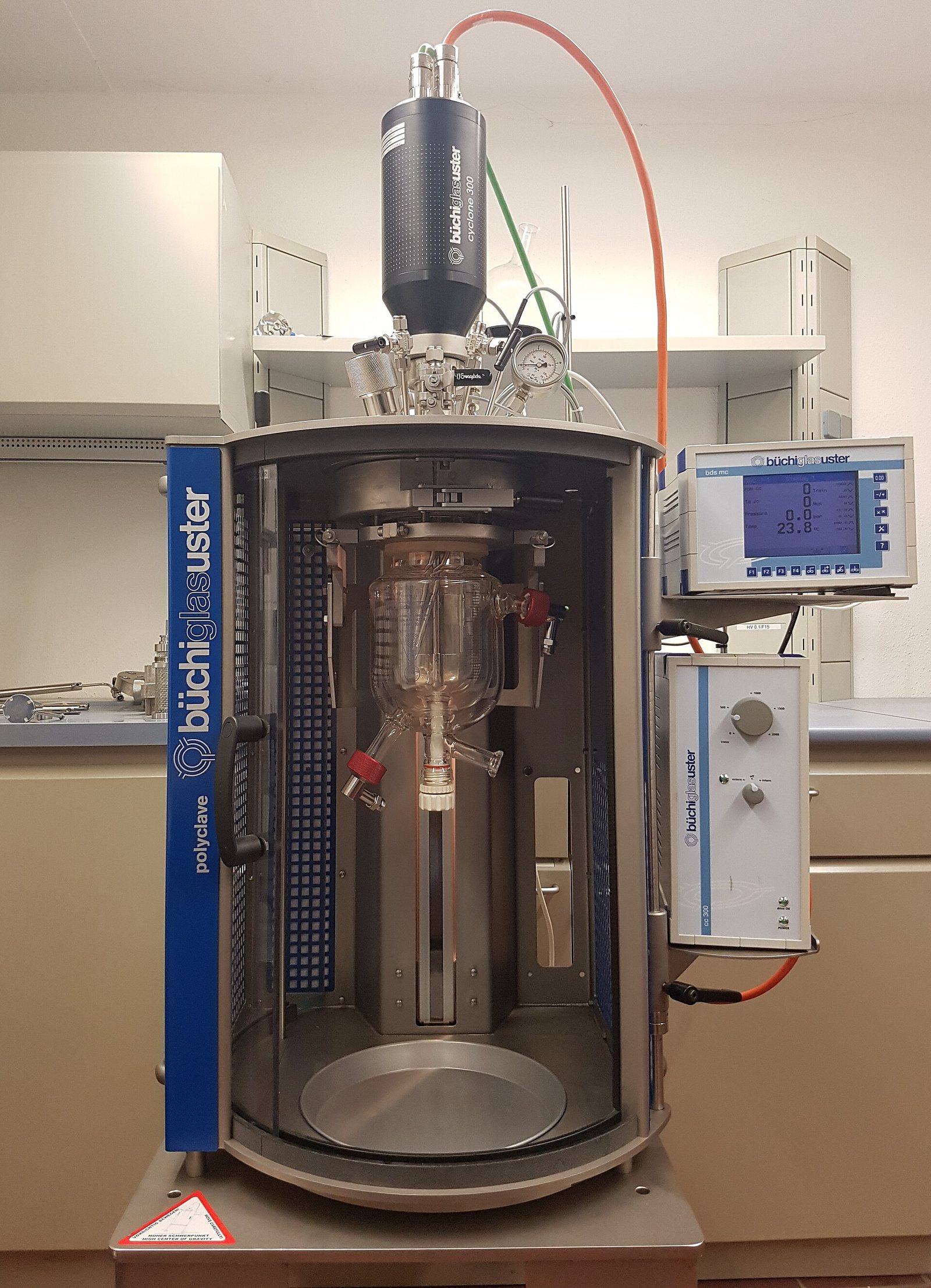
Dissolving it under pressure
Glass Pressure Reactor · CC BY-SA 4.0 via Wikimedia Commons
03 Raffination 12tonnes

Indonesia · Same complex gehalten von Plant operators (Chemisch)

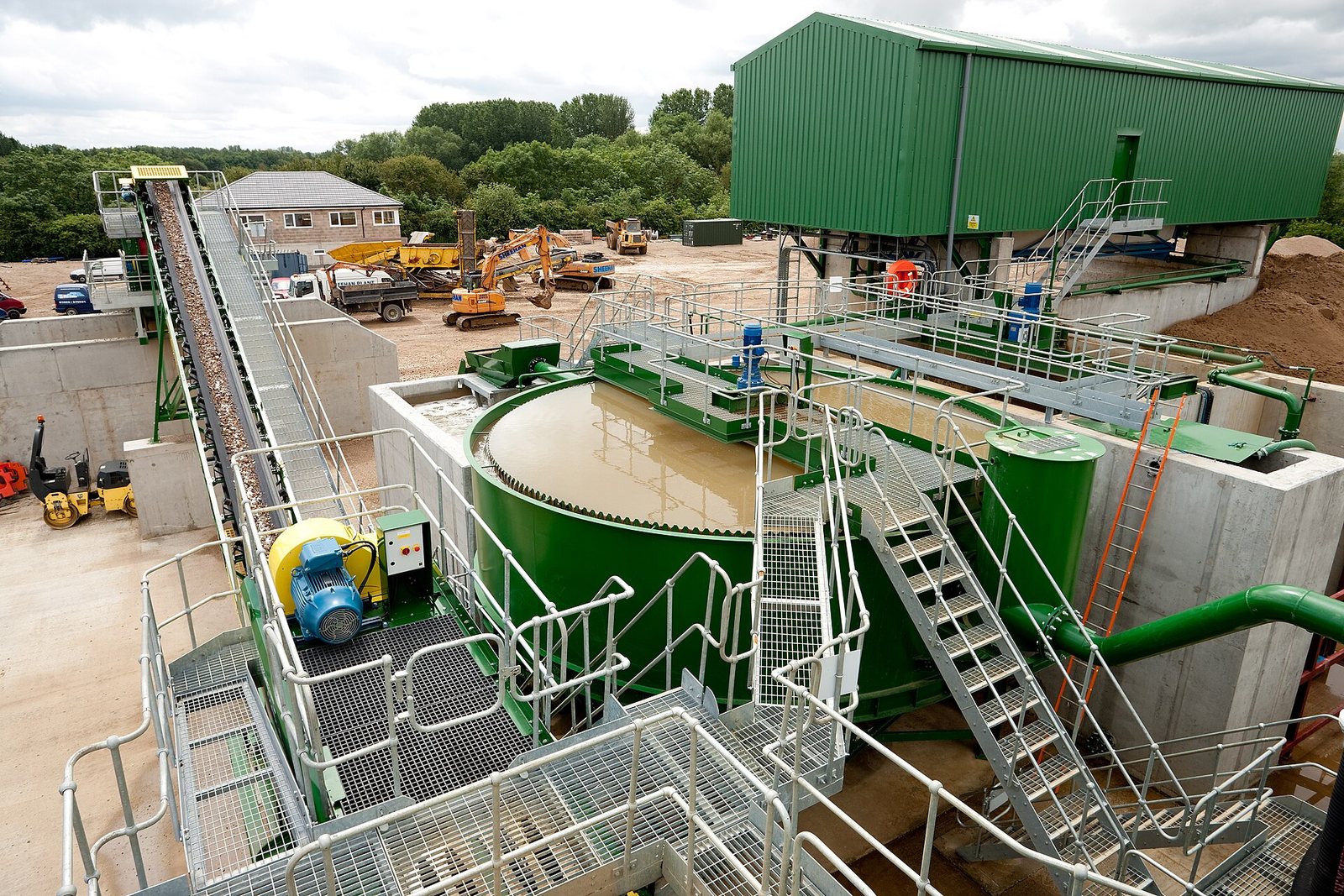
Precipitating a shippable intermediate

Nickel and cobalt are precipitated together as mixed hydroxide precipitate — MHP — a green-grey filter cake that is compact enough to ship economically.

12 tonnesmetal in solution 12 tonnesnickel and cobalt in MHP

Warum hier: MHP exists purely to solve a freight problem: you cannot ship a tank of pregnant leach solution across an ocean.
hours Cobalt →
Precipitating a shippable intermediate
Aquacycle thickener and GHT filter pres… · CC BY 2.0 via Wikimedia Commons
04 Transport 12tonnes

China · Chinese refineries gehalten von Refiners (Raffineriebetreiber)

To a refinery

MHP is containerised and shipped to be redissolved and separated into individual metal salts.

12 tonnesmetal in MHP 12 tonnesdelivered

Warum hier: Sulfate refining and cathode precursor manufacture are co-located; the intermediate goes to where both already exist.
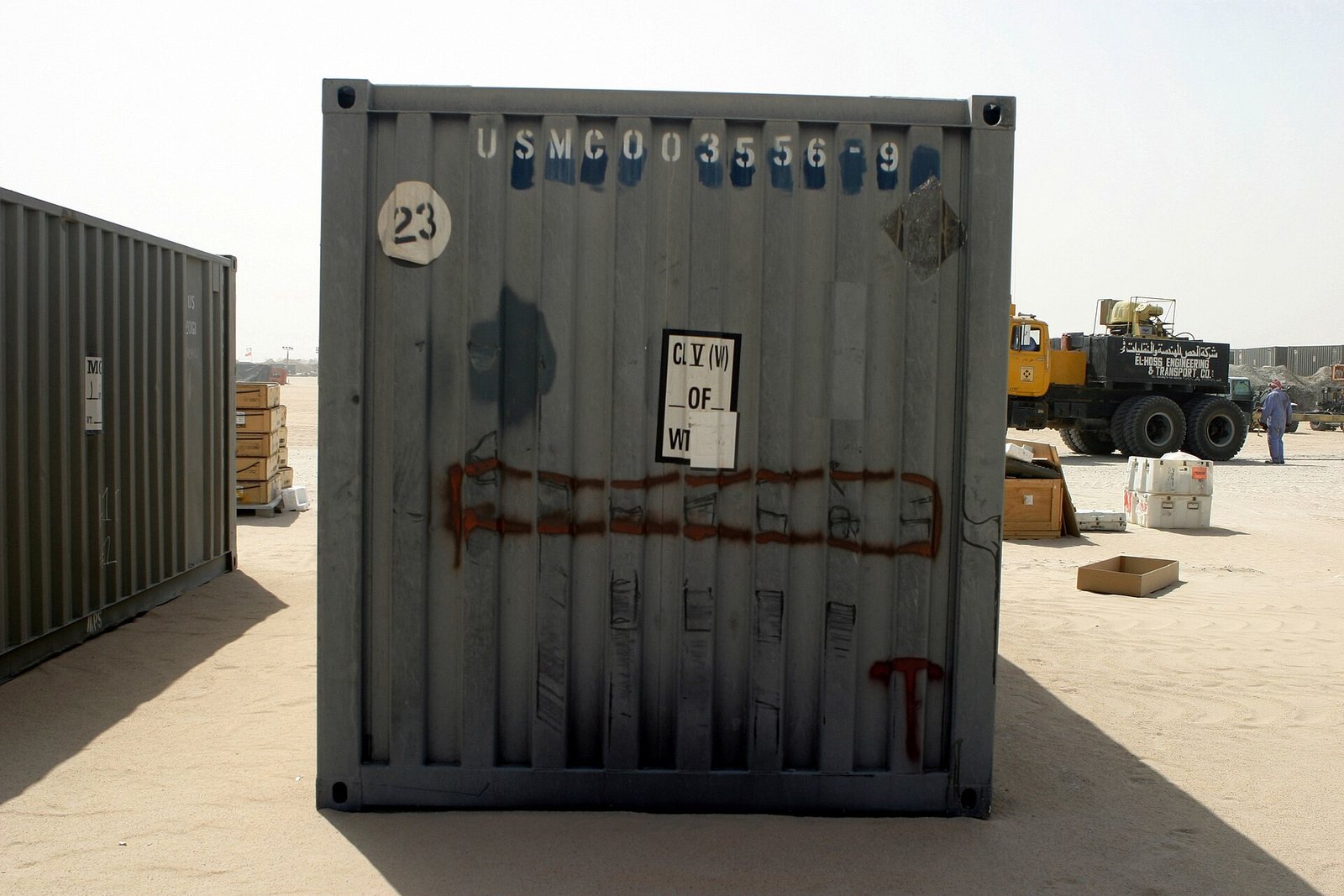
Container ship ~1 week Huayou Cobalt Refineries →
To a refinery
A Container assigned to the US Marine C… · Public domain via Wikimedia Commons
05 Komponente 11tonnes

China · Precursor and cathode plants gehalten von Chemical and cathode makers (Hersteller)

Sulfate, precursor, cathode

Redissolved and crystallised into nickel sulfate and cobalt sulfate, co-precipitated with manganese into a mixed hydroxide precursor, then lithiated and calcined into cathode powder.

12 tonnesnickel and cobalt 11 tonnesnickel in cathode material

Warum hier: Precursor chemistry is the least visible and most concentrated step in the entire battery chain.
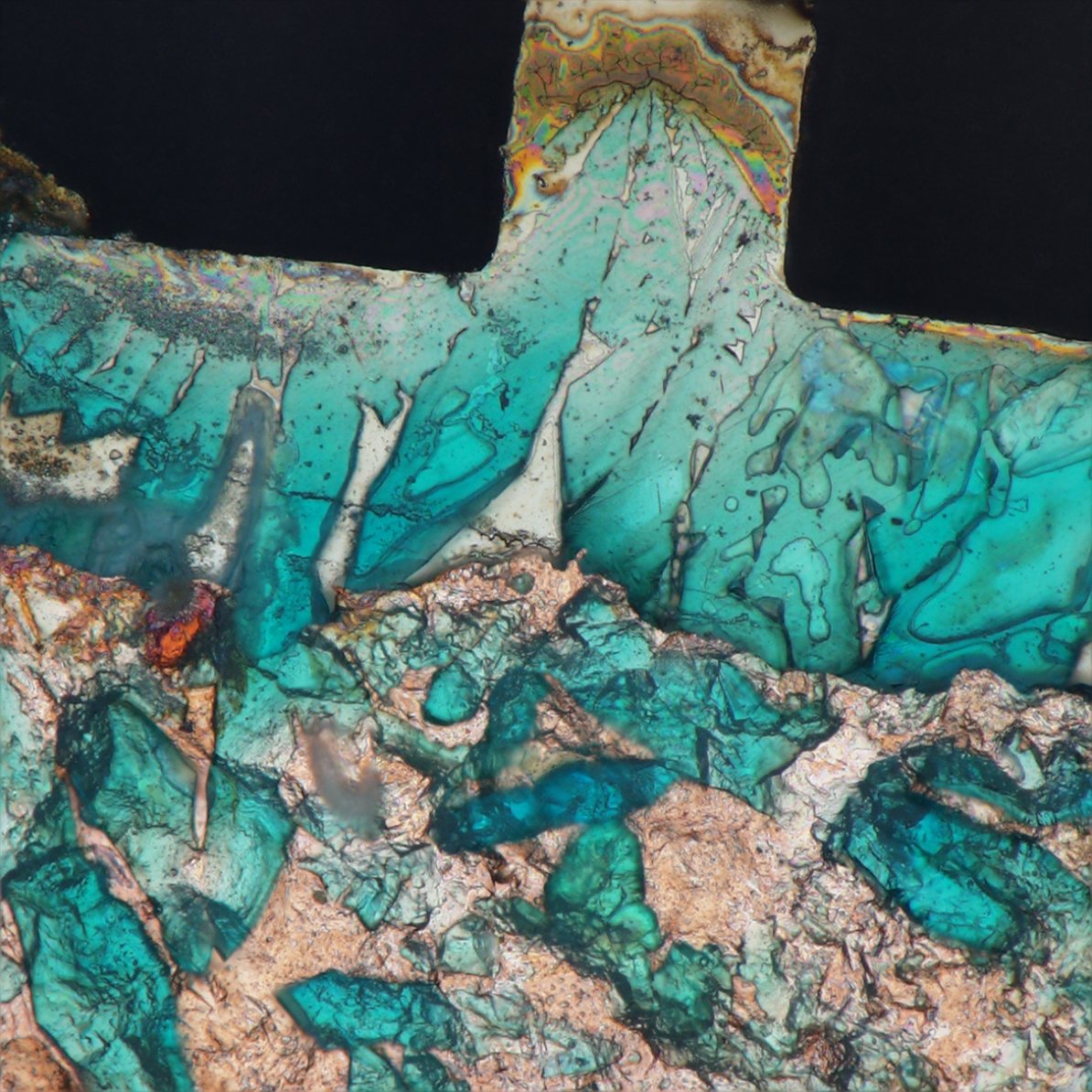
Sulfate, precursor, cathode
Crystals of nickel sulfate on copper · CC BY-SA 4.0 via Wikimedia Commons
06 Endmarkt 11tonnes

China · Cell and vehicle plants gehalten von Battery and vehicle manufacturers (Hersteller)

Roughly 220 electric cars

At around 50 kg of nickel per high-nickel pack, 11 tonnes of contained nickel is on the order of two hundred cars.

11 tonnesnickel in cathode 11 tonnesin service

Warum hier: From a hillside in Sulawesi to a car park, in about five months.
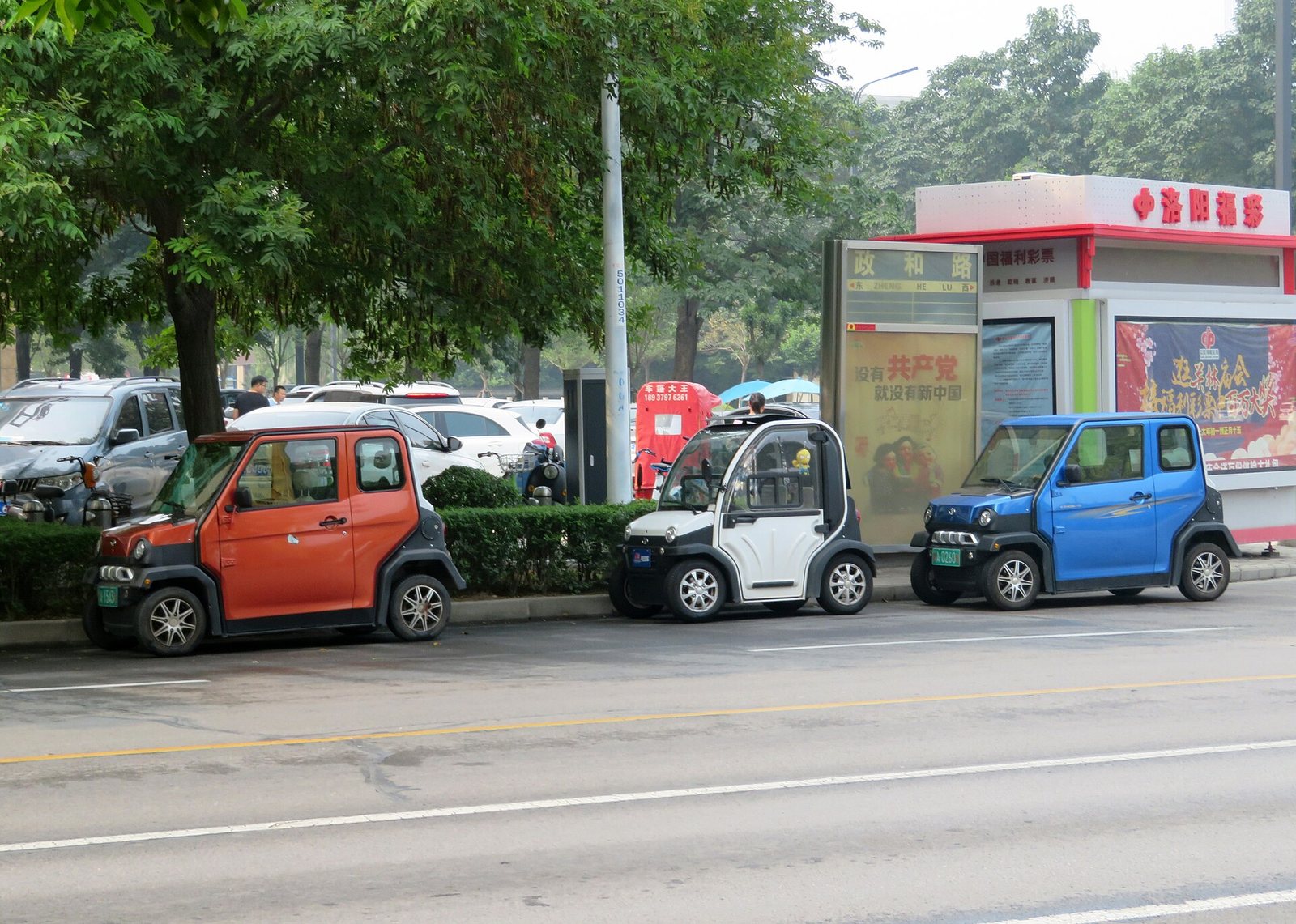
Roughly 220 electric cars
Dayang low-speed electric vehicles line… · CC BY-SA 4.0 via Wikimedia Commons

Dies ist ein ausgearbeitetes Beispiel. Es verfolgt eine angegebene Ausgangsmenge anhand veröffentlichter typischer Ausbeuten und Ausbringungsgrade, sodass die Verhältnisse nachprüfbar sind; es handelt sich nicht um den Nachweis einer bestimmten Lieferung. Routenfakten — welche Länder, welche Prozesse und warum das Material nicht einfach anderswo verarbeitet werden kann — sind aus öffentlichen Berichten zusammengestellt.

Materialien

Alle Materialien Kritische Mineralien Seltene Erden Batteriematerialien Erzminerale Periodensystem Screener

Das Gestein

Bergwerke & Lagerstätten Aufbereitung & Raffination Länder Karten

Die Wirtschaft

Verbleibsrouten Lieferketten Endmärkte Technologien Unternehmen Materialrechner

Lernen

LernenGlossar Die Daten befragenKI-Agenten Forschung & DatenOffene API Nachrichten★ Gespeichert

Über uns

Über unsKontakt MethodikDatenquellen Redaktionelle Leitlinien DatenschutzrichtlinieNutzungsbedingungen Haftungsausschluss