Rock to product, traced
The Materials Atlas
Materials Mines & deposits Processing & refining Custody journeys Supply chains Companies Countries News
Materials by shelf Battery Materials Rare Earth Elements Copper & Electrical Semiconductor Materials Nuclear Materials Aerospace & Defence Precious Metals Steel & Alloy Metals Industrial Minerals Agricultural Minerals Energy Raw Materials Ore minerals Periodic table
Demand End markets Technologies Material calculator Maps Screener
Learn & tools LearnGlossary Ask the DataAI agents Research & dataAPI ★ Saved
About About usMethodology Data sourcesContact Disclaimer
Reading options
🧭 Guided View New to this — ore grades, concentrate, refining, by-products? We explain every term as you browse, in plain English. Same data, with the help built in.
⚡ Expert View You already know the industry. Just the data — clean, fast and compact, with no extra explanations. This is the default view.
Theme
Interface language
Depth Material pages are written at four levels. Pick one on any material page and it is remembered.
★ Saved Research & data
A quarry in North Carolina to the chip in your phone

Custody journey · starts in United States

A quarry in North Carolina to the chip in your phone

The most valuable sand on Earth, and almost all of it comes from one small district.

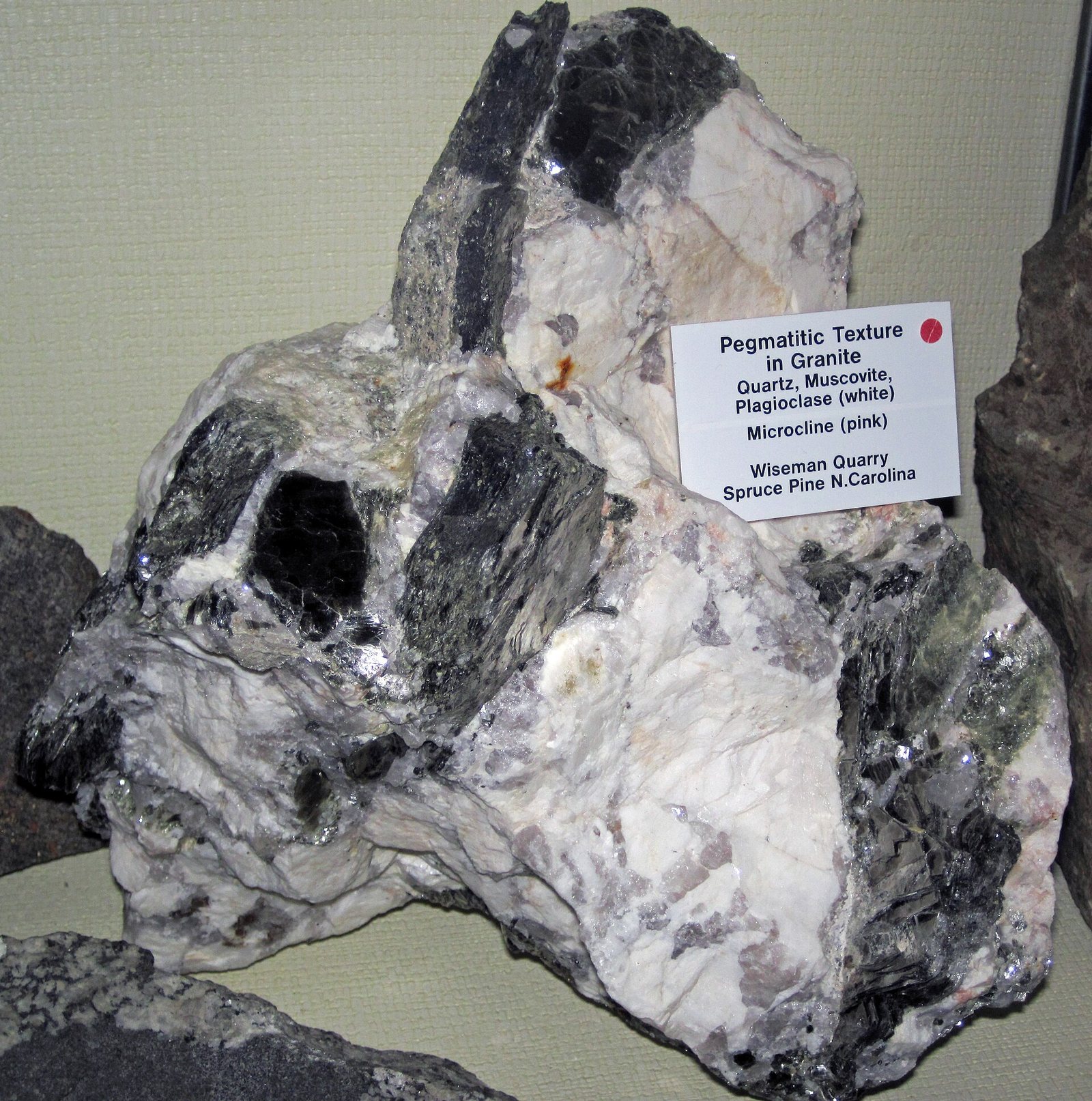
Pegmatitic granite (Spruce Pine Pegmatite District, Devonia… · James St. John · CC BY 2.0 · Wikimedia Commons
1,000 kg of high-purity quartz sand
8,000 wafers of 300 mm silicon, roughly
United States → Germany · Container Germany → China China → Japan Japan → Taiwan · Air freight Taiwan → Vietnam United States — An unremarkable-looking quarry 1 United States Germany — Made into crucibles 2 Germany China — Meanwhile, the silicon itself 3 China Japan — Growing the crystal 4 Japan Taiwan — Hundreds of steps on a wafer 5 Taiwan Vietnam — Millions of chips 6 Vietnam
Numbered in the order the material travels. Click a country to open its page. Equirectangular projection drawn from country centroids — the arcs show which borders are crossed, not the actual sailing route.

What is actually moving

A silicon crystal is grown in a crucible of fused quartz, and any impurity in that crucible ends up in the chip. Only a few deposits on the planet are clean enough. The sand is not the product — it is the container the product is grown in, and it is consumed every time.

The material
High-Purity Quartz
The variety
High-purity quartz sand, impurities measured in parts per million
Where it starts
United States — Spruce Pine, North Carolina — the source of most of the world's crucible-grade quartz
Why this route and not another. The crucible touches molten silicon at 1,400 °C for days. At that temperature it slowly dissolves, so every atom of contamination in it migrates into the crystal. That is why crucible quartz is specified to parts per billion and why so few deposits qualify.
The narrowest link. A handful of quarries, and one district in particular. It is the most cited single-point-of-failure in the semiconductor supply chain.
Read the two numbers on each step: what went in, and what came out. Watching them shrink is the point. By the end you will have followed a thousand tonnes of rock down to a few kilograms of the thing that actually does the work.

Step by step, and border by border

01 Extraction 1,000kg

United States · Spruce Pine, North Carolina held by Quartz producers (Miner)

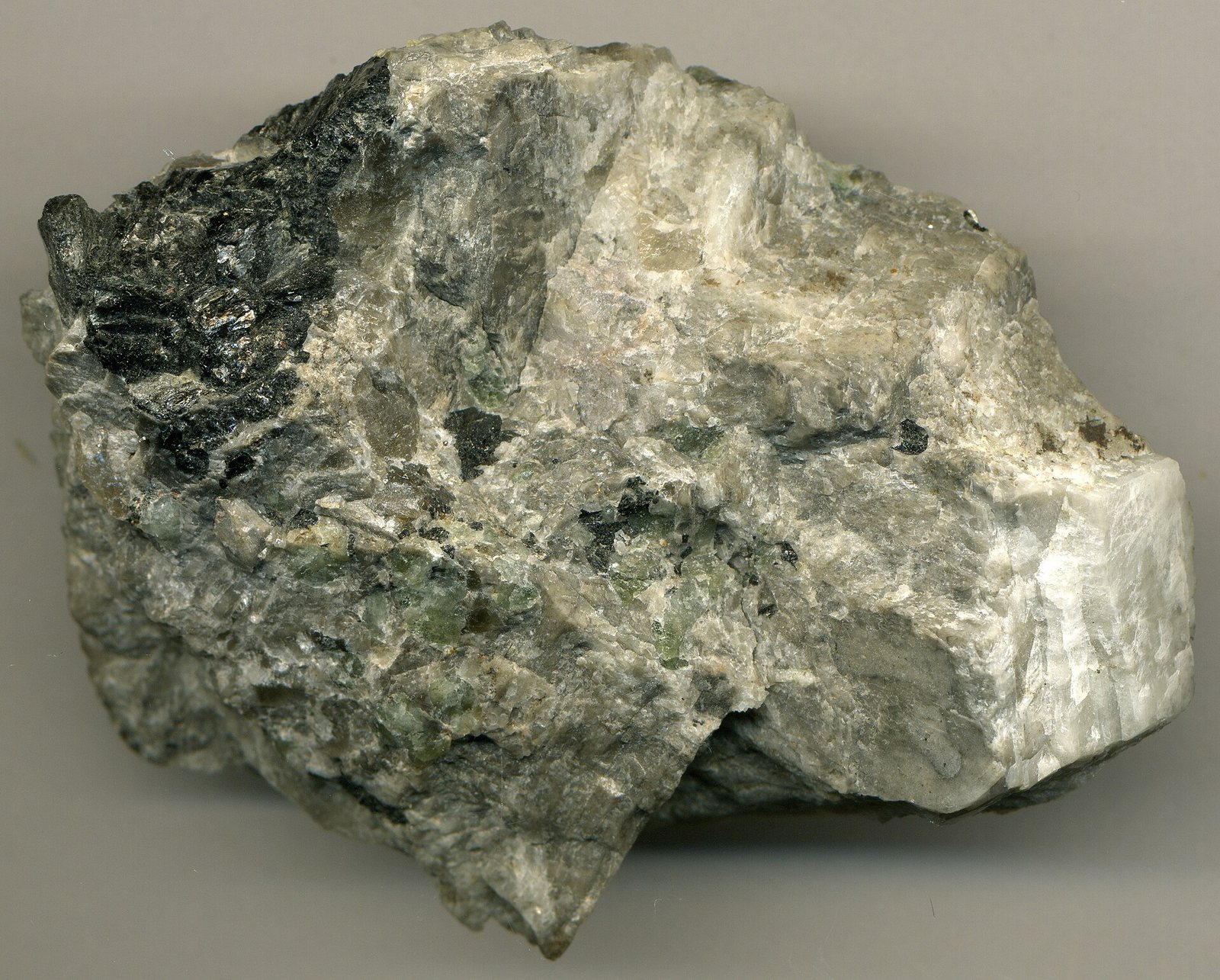
An unremarkable-looking quarry

Pegmatite is mined and the quartz separated from feldspar and mica. It then goes through a long purification sequence — flotation, acid leaching, chlorination — to strip aluminium, iron, titanium and sodium down to parts per million.

1,000 kgquartz sand 1,000 kggraded high-purity sand

Why here: An accident of geology. These pegmatites formed with unusually little of the trace elements that ruin quartz for this purpose.
weeks Quartz →
An unremarkable-looking quarry
Pegmatitic granite (Tamminen Pegmatite,… · CC BY 2.0 via Wikimedia Commons
02 Component 1,000kg

Germany · Fused-quartz manufacturers held by Crucible makers (Manufacturer)

Made into crucibles

The sand is fused into crucibles — bowls that will hold molten silicon while a crystal is pulled from it.

1,000 kgsand 1,000 kgcrucibles

Why here: Fused-quartz manufacture is its own specialised industry, separate from both mining and chipmaking.
Container weeks High-Purity Quartz →
Made into crucibles
Czochralski method used crucible wall 2… · Public domain via Wikimedia Commons
03 Processing

China · Polysilicon plant held by Polysilicon producers (Chemical)

Meanwhile, the silicon itself

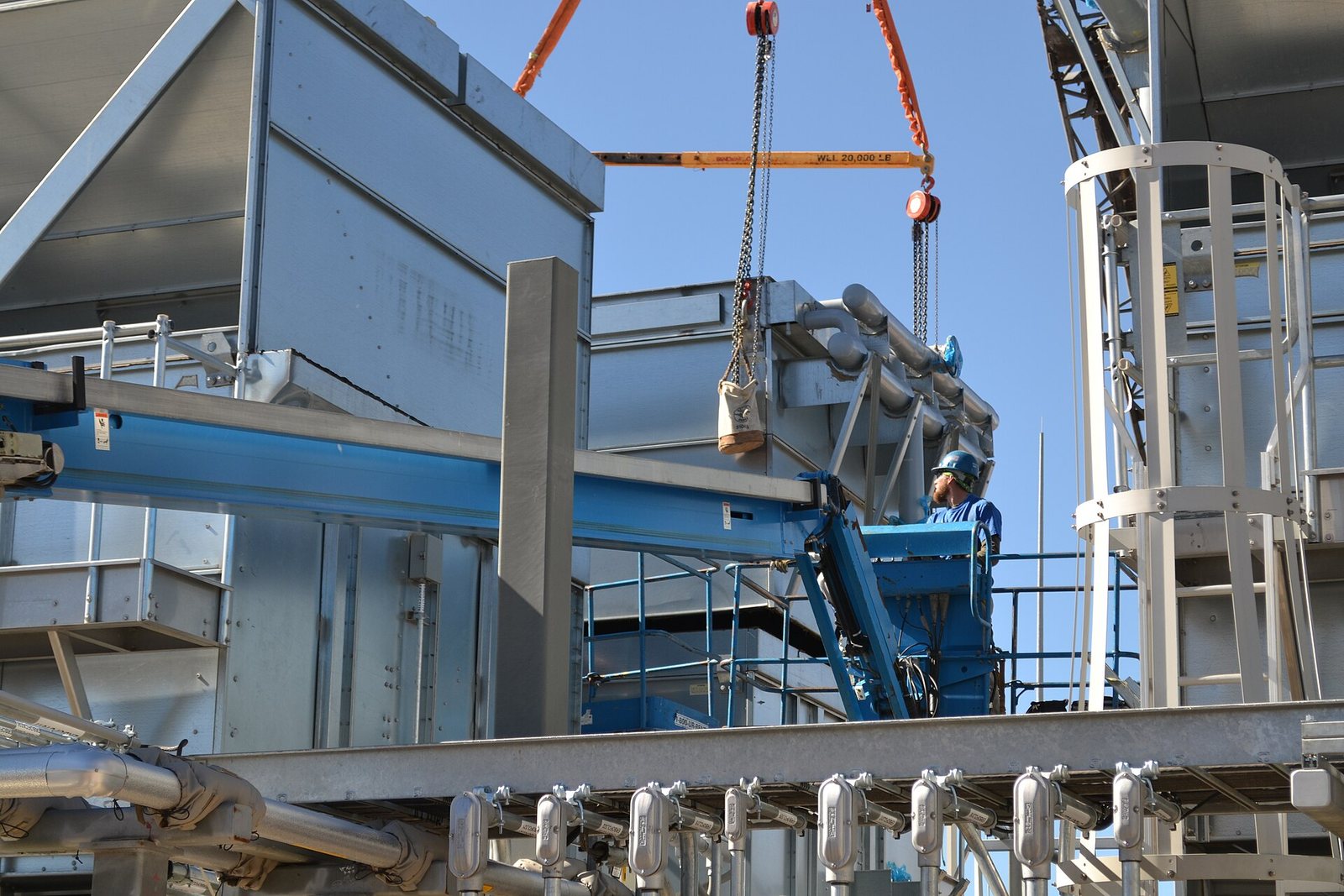
Ordinary quartzite is reduced with carbon to metallurgical silicon at about 99%, then converted to trichlorosilane, distilled and redeposited as polysilicon — up to eleven nines of purity for semiconductors.

What happened to the rest: This step is essentially electricity turned into purity, which is why it migrated to wherever power is cheapest.

Why here: Solar-grade polysilicon needs six or seven nines; semiconductor-grade needs eleven. The extra nines are what separate the two industries.
The road not taken Another chain with a single hard step Both are limited by one process almost nobody can do.
Hemlock Semiconductor Polysilicon Plant
Pueblo Chemical Agent-Destruction Pilot… · CC BY 2.0 via Wikimedia Commons
04 Component 8,000wafers

Japan · Crystal growers held by Wafer manufacturers (Manufacturer)

Growing the crystal

Polysilicon is melted in the quartz crucible and a seed crystal is slowly pulled and rotated out of it, growing a single cylindrical crystal up to 300 mm across and two metres long.

1,000 kgcrucibles 8,000 wafers300 mm wafers this quartz can support

What happened to the rest: The crucible is consumed. That is the whole reason this journey starts at a sand quarry rather than a silicon plant.

Why here: Crystal growing is dominated by a small number of Japanese, Korean, German and Taiwanese firms.
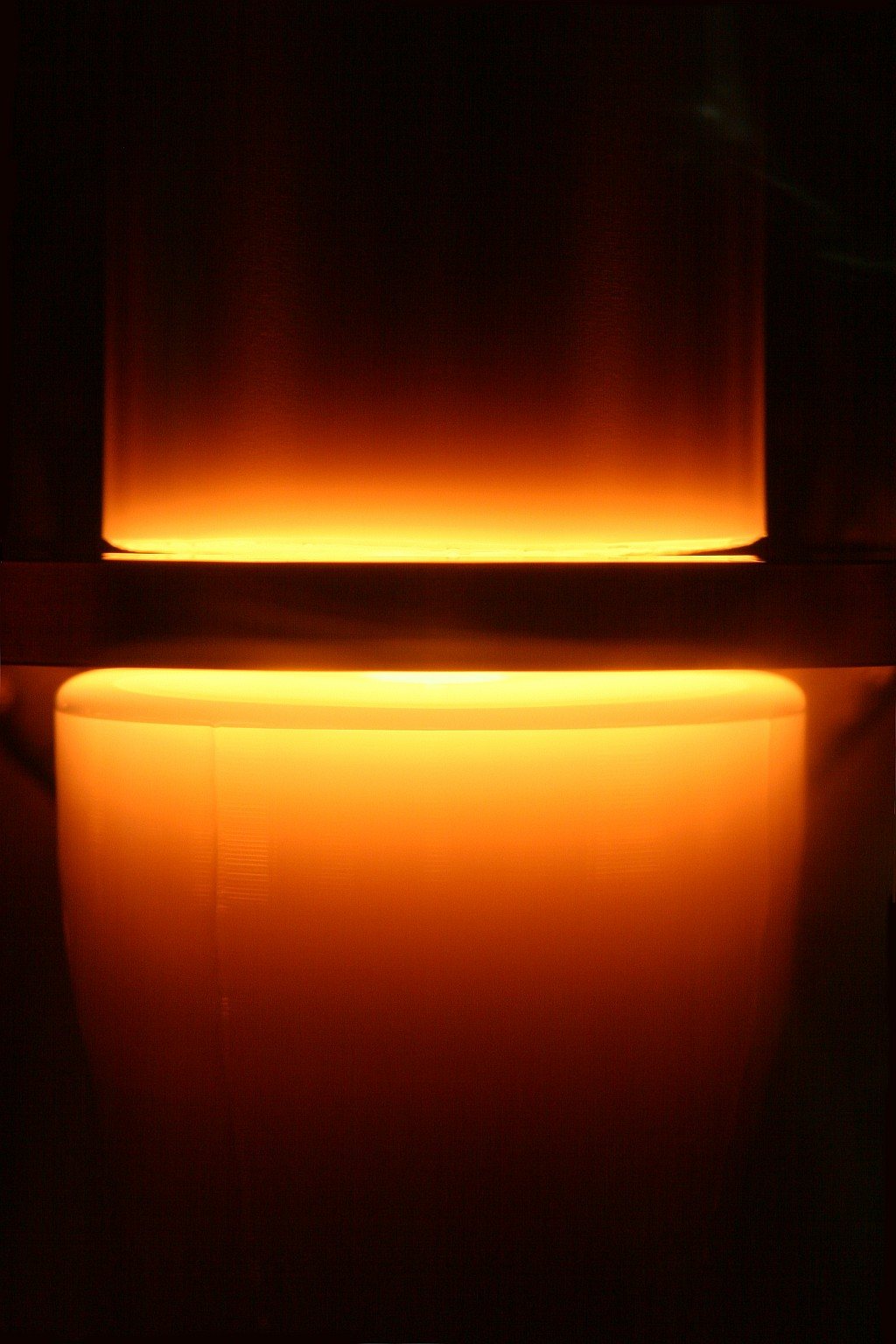
days per ingot Silicon →
Growing the crystal
Si-crystal floatingzone growing · CC BY-SA 3.0 via Wikimedia Commons
05 Component 8,000wafers

Taiwan · Fab, Hsinchu or Tainan held by Foundry (Manufacturer)

Hundreds of steps on a wafer

Deposition, lithography, etch, repeated hundreds of times, building transistors and copper wiring layer by layer. Tungsten fills the contacts; hafnium oxide forms the gate dielectric; neon lases the light that prints the pattern.

8,000 wafersblank wafers 8,000 waferspatterned wafers

Why here: Leading-edge fabs are among the most capital-intensive facilities ever built and exist in very few places.
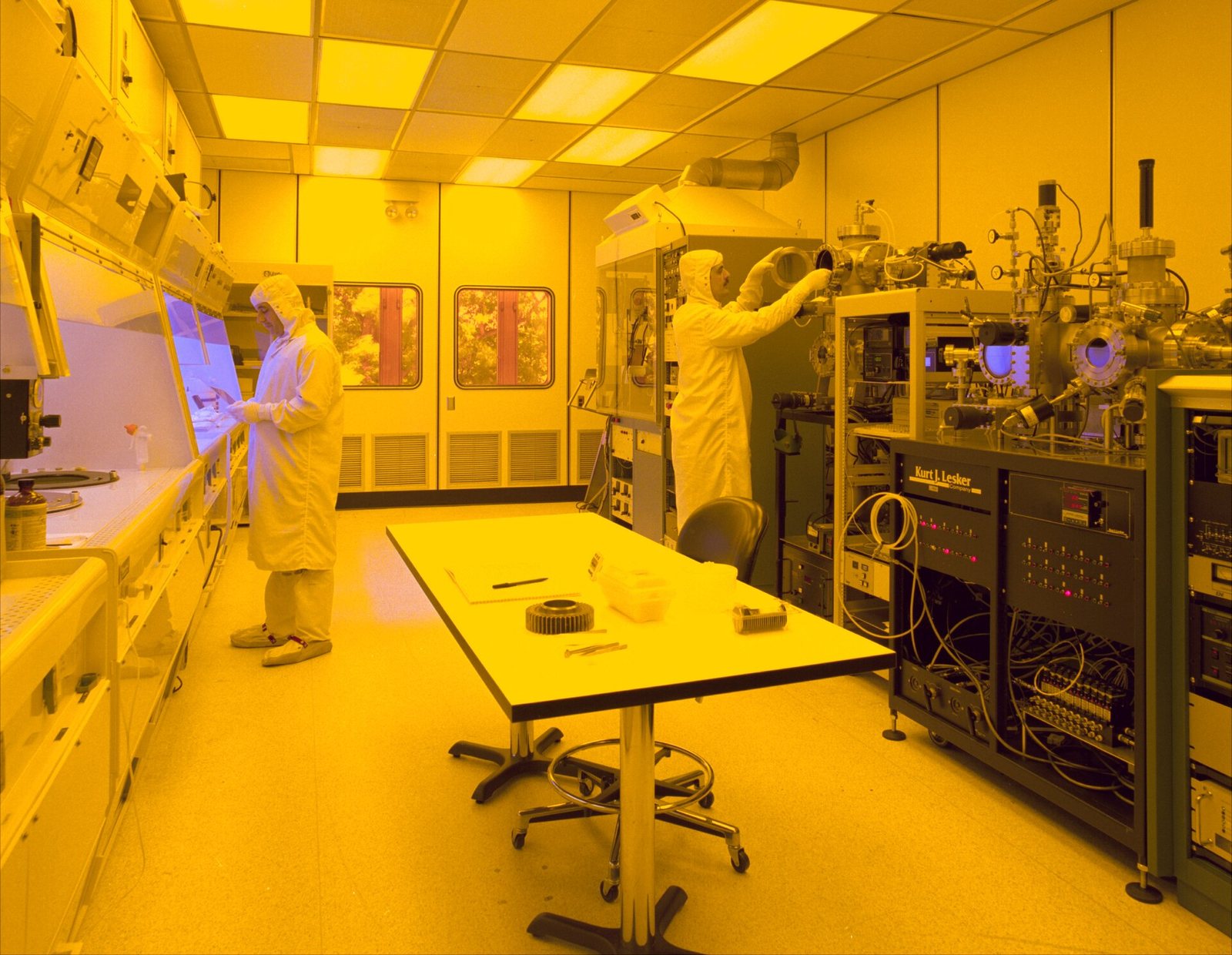
Air freight ~3 months per wafer TSMC Fab 18, Tainan →
Hundreds of steps on a wafer
Clean room · Public domain via Wikimedia Commons
06 End market 8,000wafers

Vietnam · Assembly and test, then the world held by Assemblers and device makers (Manufacturer)

Millions of chips

Wafers are diced, packaged, tested and soldered onto boards. From 1,000 kg of a specific sand from one American county, a few million finished chips.

8,000 waferspatterned wafers 8,000 wafersdiced into millions of chips

Why here: Six countries and roughly six months, for something that weighs a few grams.
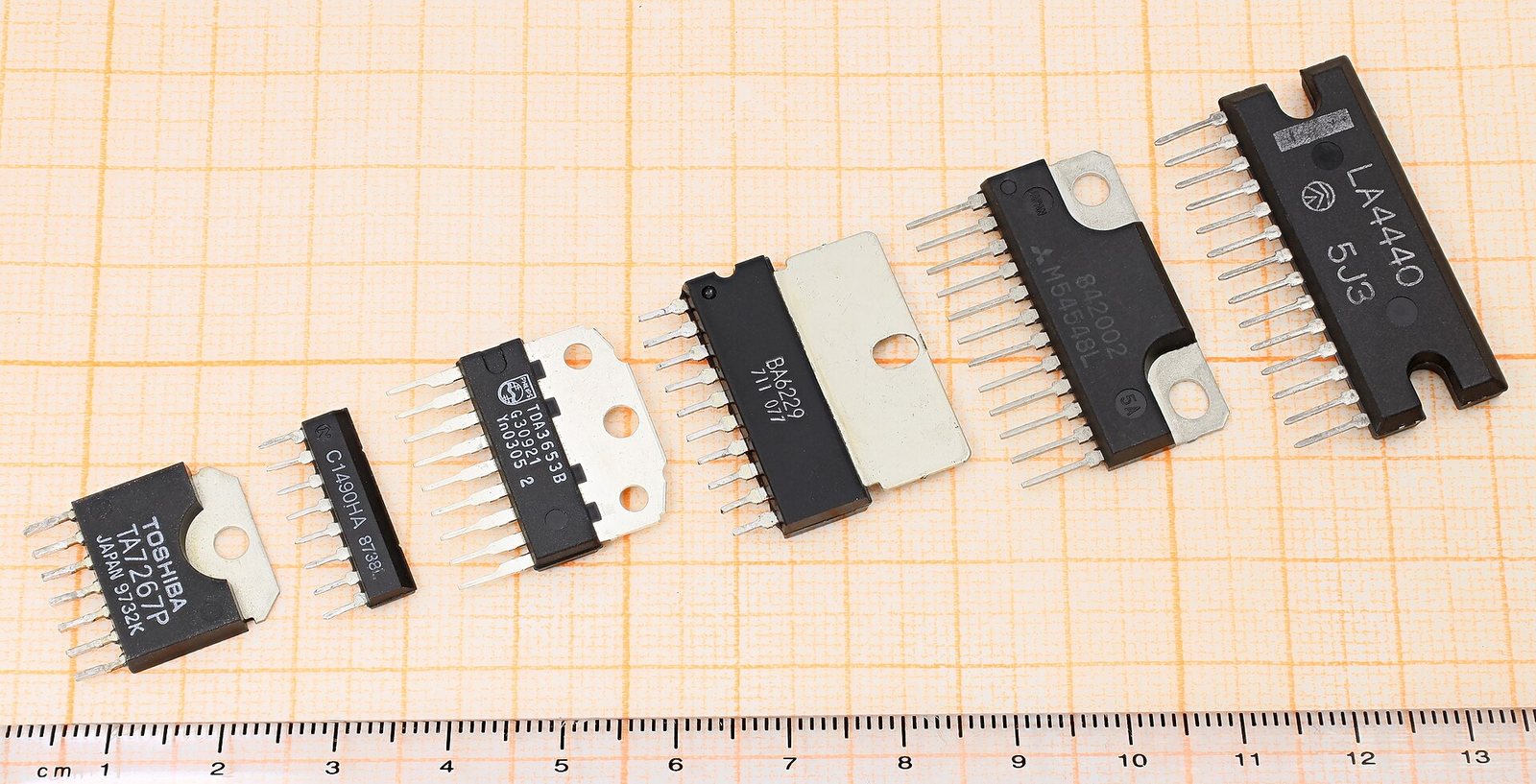
Millions of chips
SIP integrated circuits package · CC BY-SA 4.0 via Wikimedia Commons

This is a worked example. It follows a stated starting quantity through published typical yields and recoveries, so the proportions are checkable; it is not a record of a specific shipment. Route facts — which countries, which processes, and why the material cannot simply be handled somewhere else — are compiled from public reporting.

Materials

All materials Critical minerals Rare earths Battery materials Ore minerals Periodic table Screener

The ground

Mines & deposits Processing & refining Countries Maps

The economy

Custody journeys Supply chains End markets Technologies Companies Material calculator

Learn

LearnGlossary Ask the DataAI agents Research & dataOpen API News★ Saved

About us

About usContact MethodologyData sources Editorial policy Privacy policyTerms of use Disclaimer