Thực chất đang vận chuyển gì
A silicon crystal is grown in a crucible of fused quartz, and any impurity in that crucible ends up in the chip. Only a few deposits on the planet are clean enough. The sand is not the product — it is the container the product is grown in, and it is consumed every time.
- Vật liệu
- High-Purity Quartz
- Loại
- High-purity quartz sand, impurities measured in parts per million
- Nơi bắt đầu
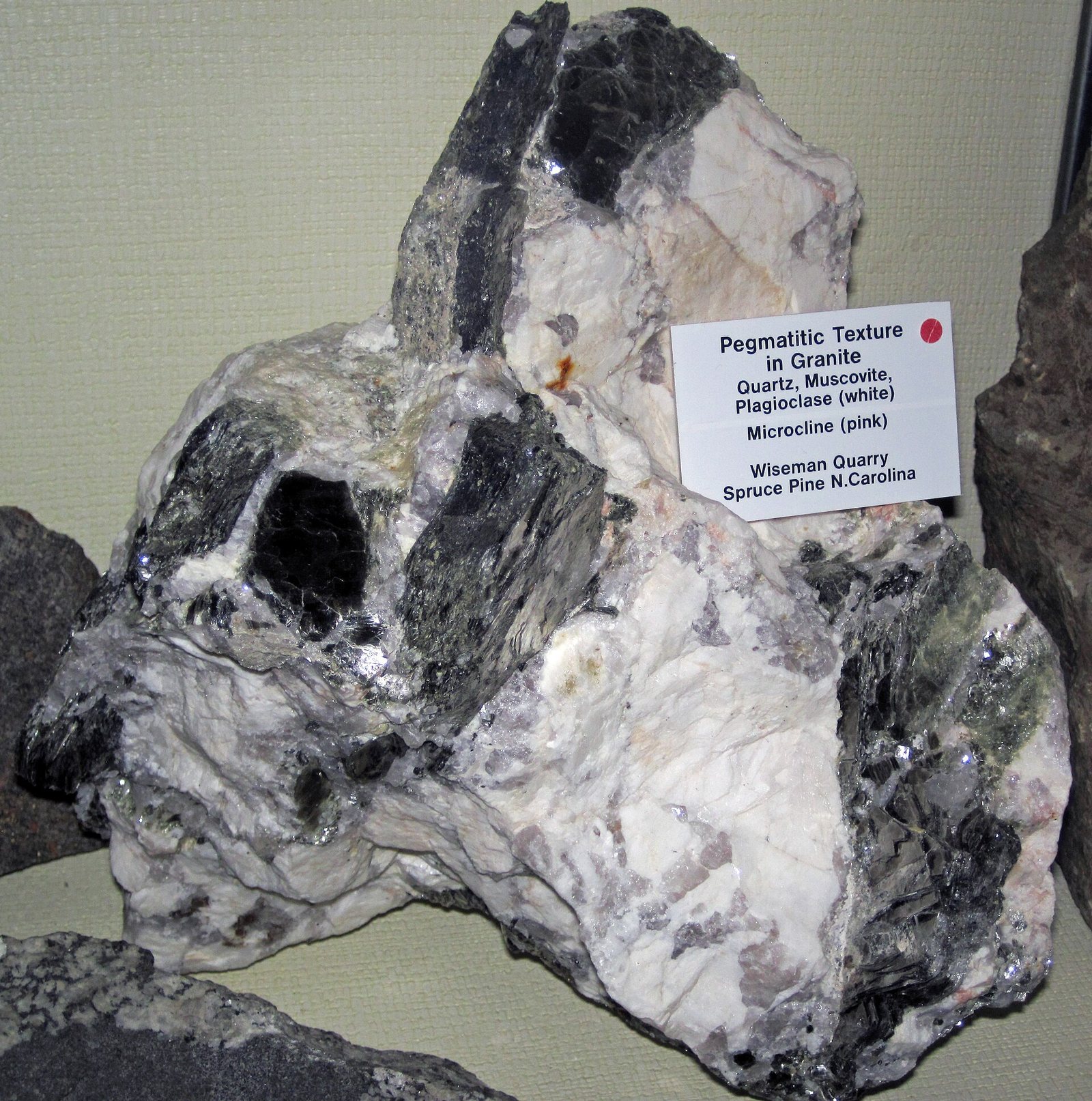
- United States — Spruce Pine, North Carolina — the source of most of the world's crucible-grade quartz
Từng bước một, từng biên giới một
United States · Spruce Pine, North Carolina được nắm giữ bởi Quartz producers (Công ty khai thác)
An unremarkable-looking quarry
Pegmatite is mined and the quartz separated from feldspar and mica. It then goes through a long purification sequence — flotation, acid leaching, chlorination — to strip aluminium, iron, titanium and sodium down to parts per million.
Tại sao tại đây: An accident of geology. These pegmatites formed with unusually little of the trace elements that ruin quartz for this purpose.
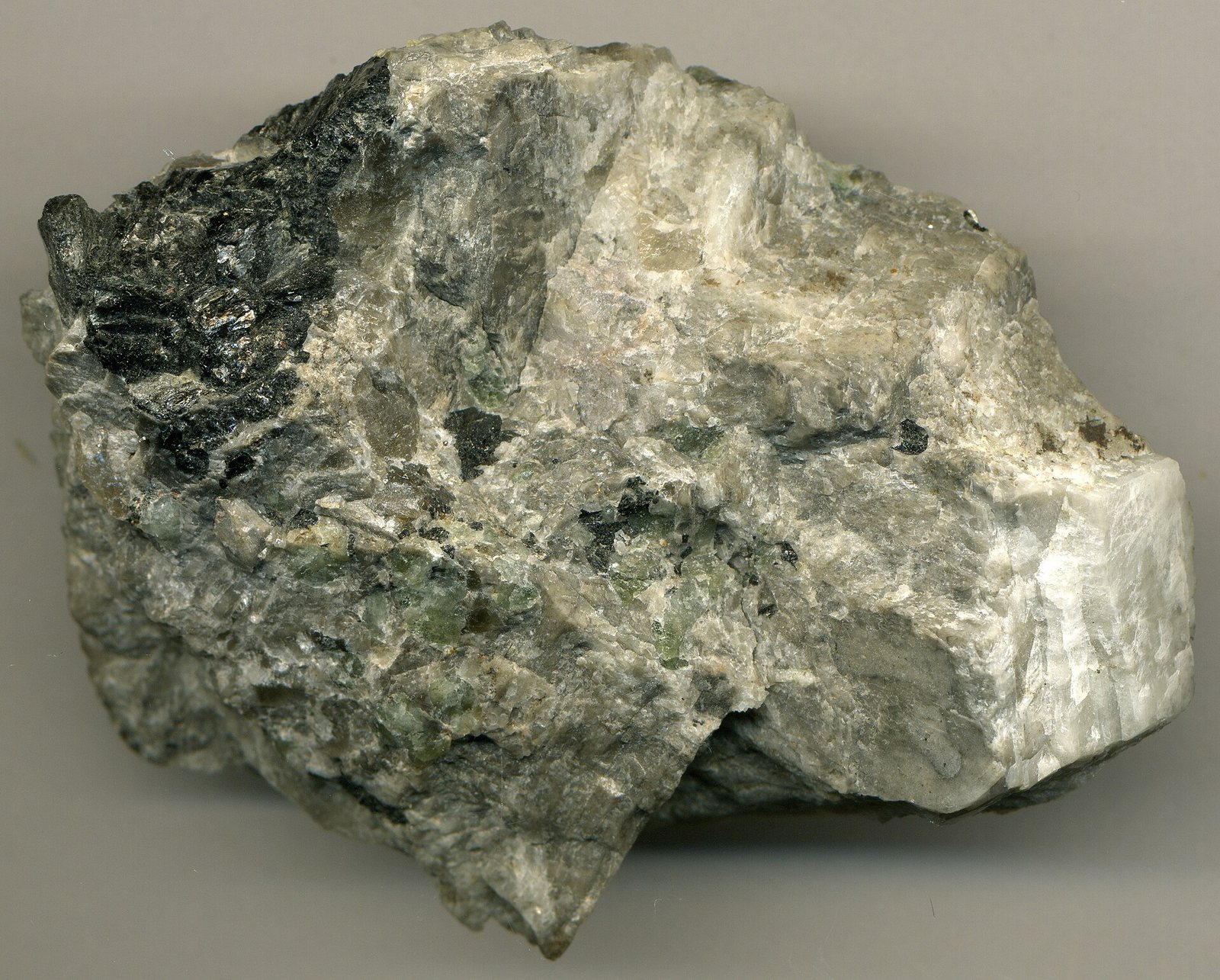
Germany · Fused-quartz manufacturers được nắm giữ bởi Crucible makers (Nhà sản xuất)
Made into crucibles
The sand is fused into crucibles — bowls that will hold molten silicon while a crystal is pulled from it.
Tại sao tại đây: Fused-quartz manufacture is its own specialised industry, separate from both mining and chipmaking.
China · Polysilicon plant được nắm giữ bởi Polysilicon producers (Hóa học)
Meanwhile, the silicon itself
Ordinary quartzite is reduced with carbon to metallurgical silicon at about 99%, then converted to trichlorosilane, distilled and redeposited as polysilicon — up to eleven nines of purity for semiconductors.
Những gì xảy ra với phần còn lại: This step is essentially electricity turned into purity, which is why it migrated to wherever power is cheapest.
Tại sao tại đây: Solar-grade polysilicon needs six or seven nines; semiconductor-grade needs eleven. The extra nines are what separate the two industries.
Japan · Crystal growers được nắm giữ bởi Wafer manufacturers (Nhà sản xuất)
Growing the crystal
Polysilicon is melted in the quartz crucible and a seed crystal is slowly pulled and rotated out of it, growing a single cylindrical crystal up to 300 mm across and two metres long.
Những gì xảy ra với phần còn lại: The crucible is consumed. That is the whole reason this journey starts at a sand quarry rather than a silicon plant.
Tại sao tại đây: Crystal growing is dominated by a small number of Japanese, Korean, German and Taiwanese firms.
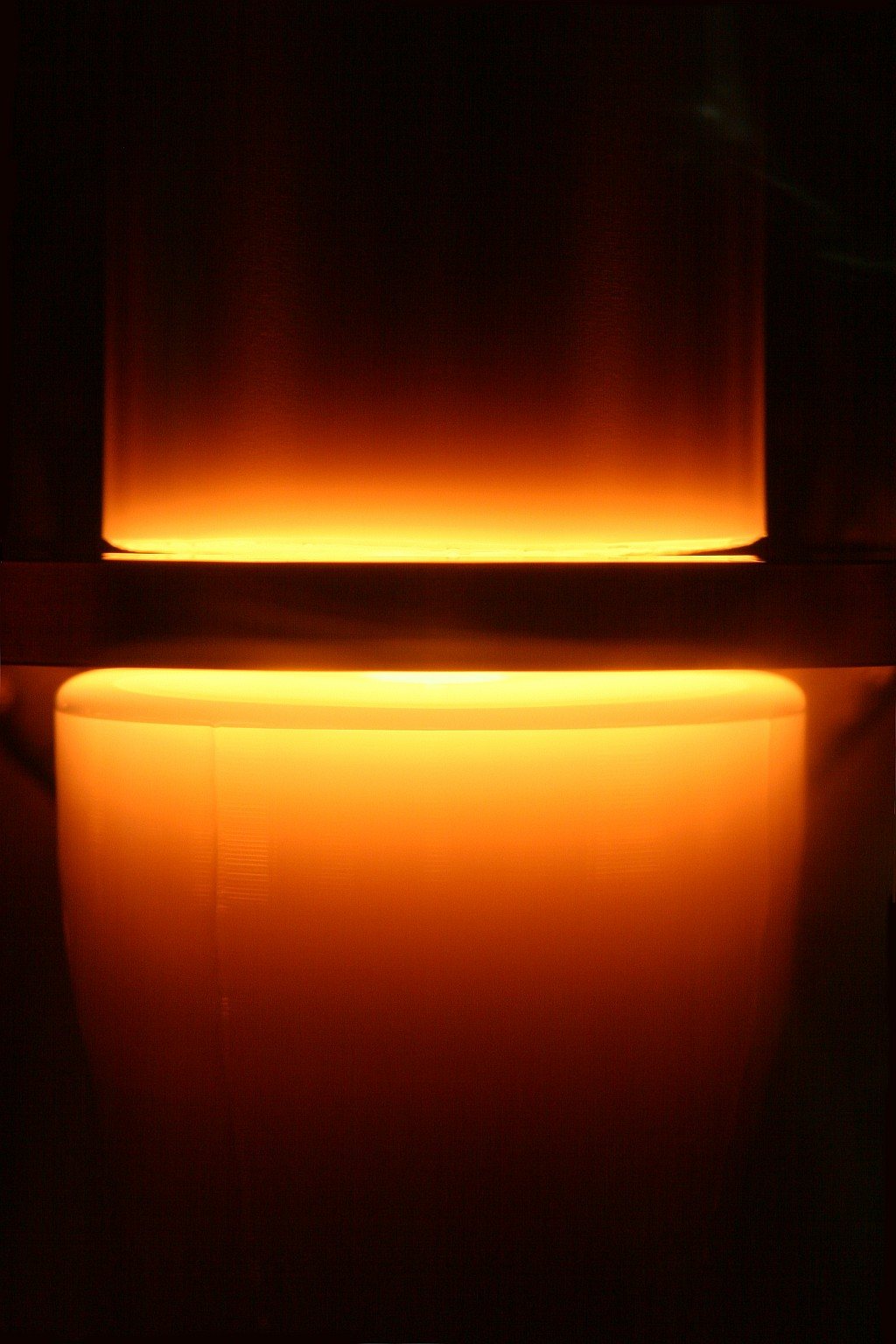
Taiwan · Fab, Hsinchu or Tainan được nắm giữ bởi Foundry (Nhà sản xuất)
Hundreds of steps on a wafer
Deposition, lithography, etch, repeated hundreds of times, building transistors and copper wiring layer by layer. Tungsten fills the contacts; hafnium oxide forms the gate dielectric; neon lases the light that prints the pattern.
Tại sao tại đây: Leading-edge fabs are among the most capital-intensive facilities ever built and exist in very few places.
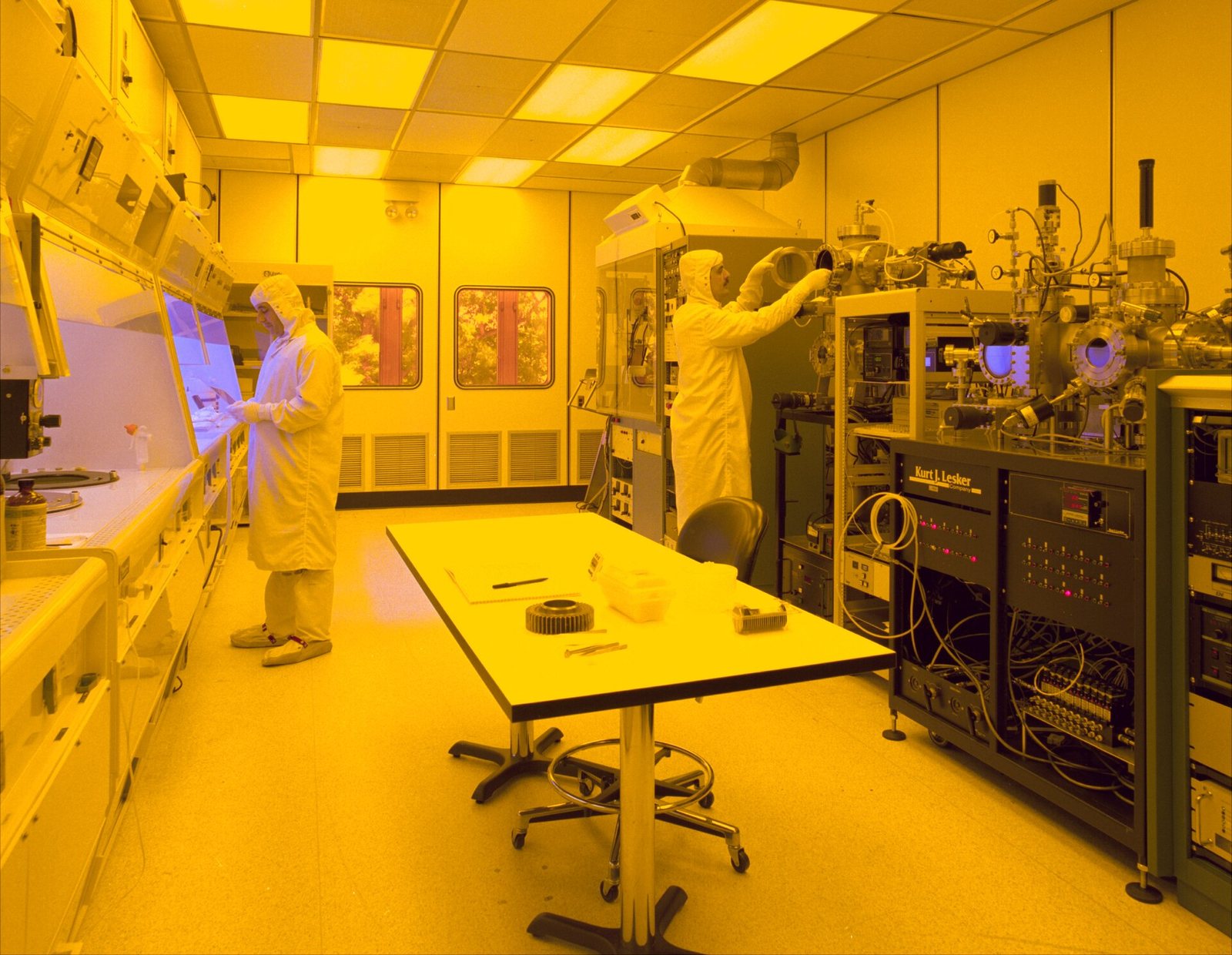
Vietnam · Assembly and test, then the world được nắm giữ bởi Assemblers and device makers (Nhà sản xuất)
Millions of chips
Wafers are diced, packaged, tested and soldered onto boards. From 1,000 kg of a specific sand from one American county, a few million finished chips.
Tại sao tại đây: Six countries and roughly six months, for something that weighs a few grams.
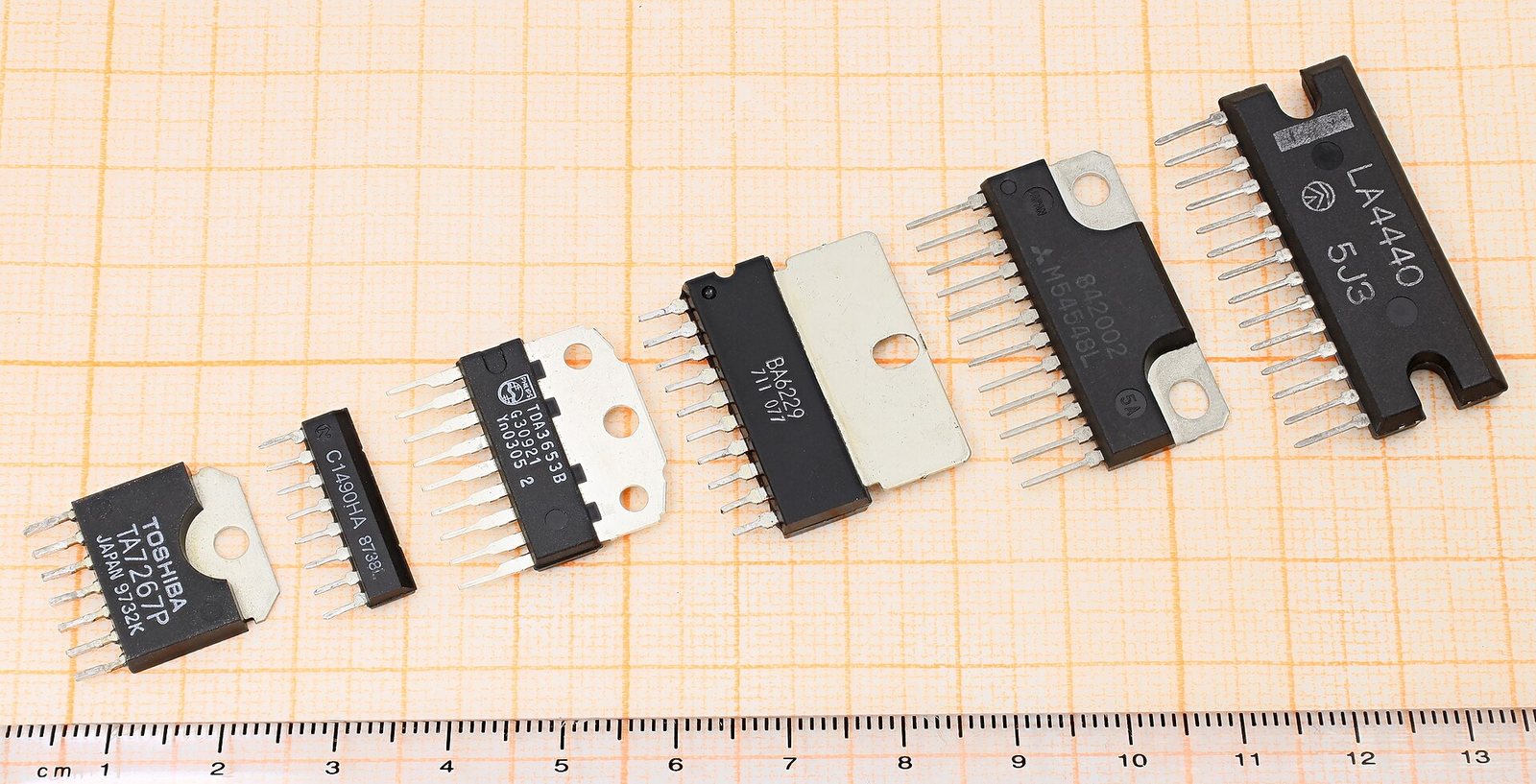
Đây là một ví dụ minh họa có tính toán. Nó theo dõi một lượng khởi đầu được nêu rõ qua các năng suất và hiệu suất thu hồi điển hình đã công bố, do đó các tỷ lệ có thể kiểm chứng; đây không phải là hồ sơ của một lô hàng cụ thể. Các dữ kiện về tuyến đường — những quốc gia nào, những quy trình nào, và tại sao vật liệu không thể đơn giản được xử lý ở nơi khác — được tổng hợp từ các báo cáo công khai.