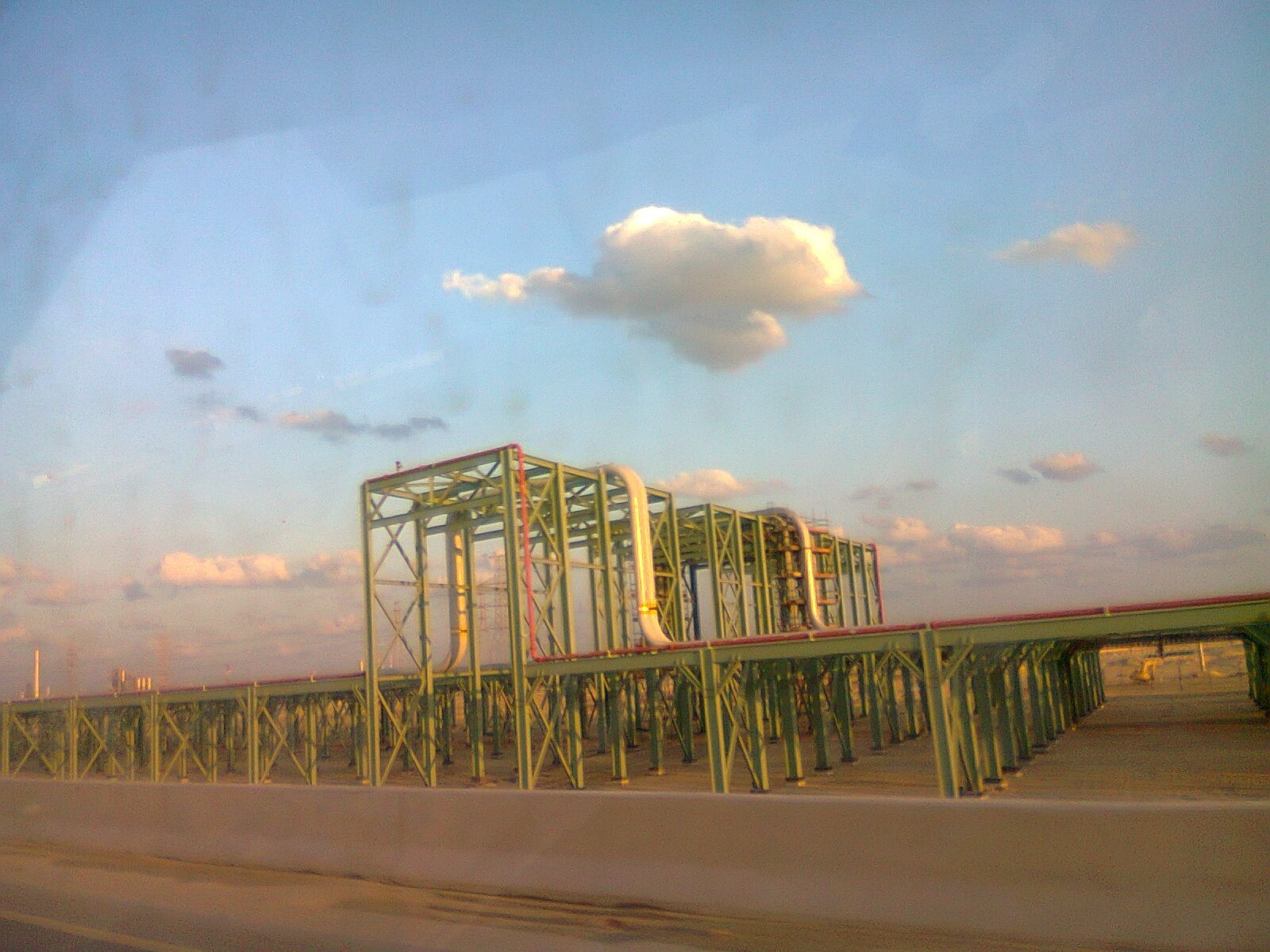
Apa yang sebenarnya bergerak
Arab Light flows on its own, boils into useful products without cracking, and can be run by an ordinary refinery on any continent. Put next to the Venezuelan route, it shows how much of a supply chain is decided by chemistry rather than by policy.
- Materialnya
- Crude Oil
- Varietasnya
- Light sour crude, roughly 33° API, moderate sulfur
- Titik awal
- Saudi Arabia — Ghawar and the eastern Saudi fields
Langkah demi langkah, perbatasan demi perbatasan
Saudi Arabia · Eastern Province dipegang oleh Saudi Aramco (Produsen negara)
Out of the reservoir under its own pressure
Conventional wells, with water injected to maintain reservoir pressure. The crude flows without heating or dilution.
Mengapa di sini: Same as anywhere: the oil is where the oil is.
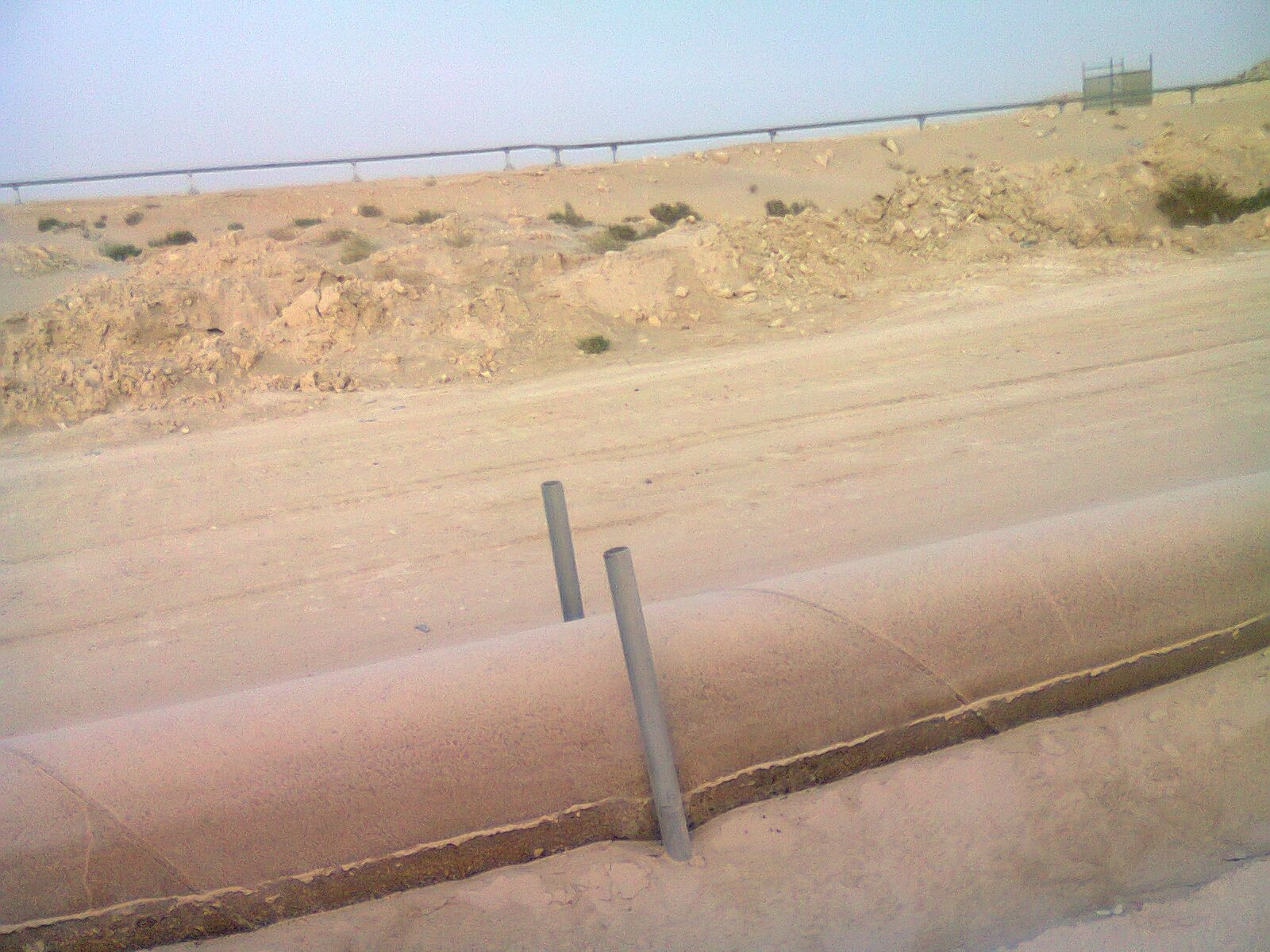
Saudi Arabia · Abqaiq dipegang oleh Saudi Aramco (Produsen negara)
Stabilisation, and nothing else
Gas and hydrogen sulfide are separated out and the crude is stabilised for shipping. No diluent, no upgrader, no coker.
Apa yang terjadi pada sisanya: The associated gas is not waste — it feeds the petrochemical industry and the power that runs the whole operation.
Mengapa di sini: Stabilisation always happens close to the field. That it is ALL that happens is the point of this journey.
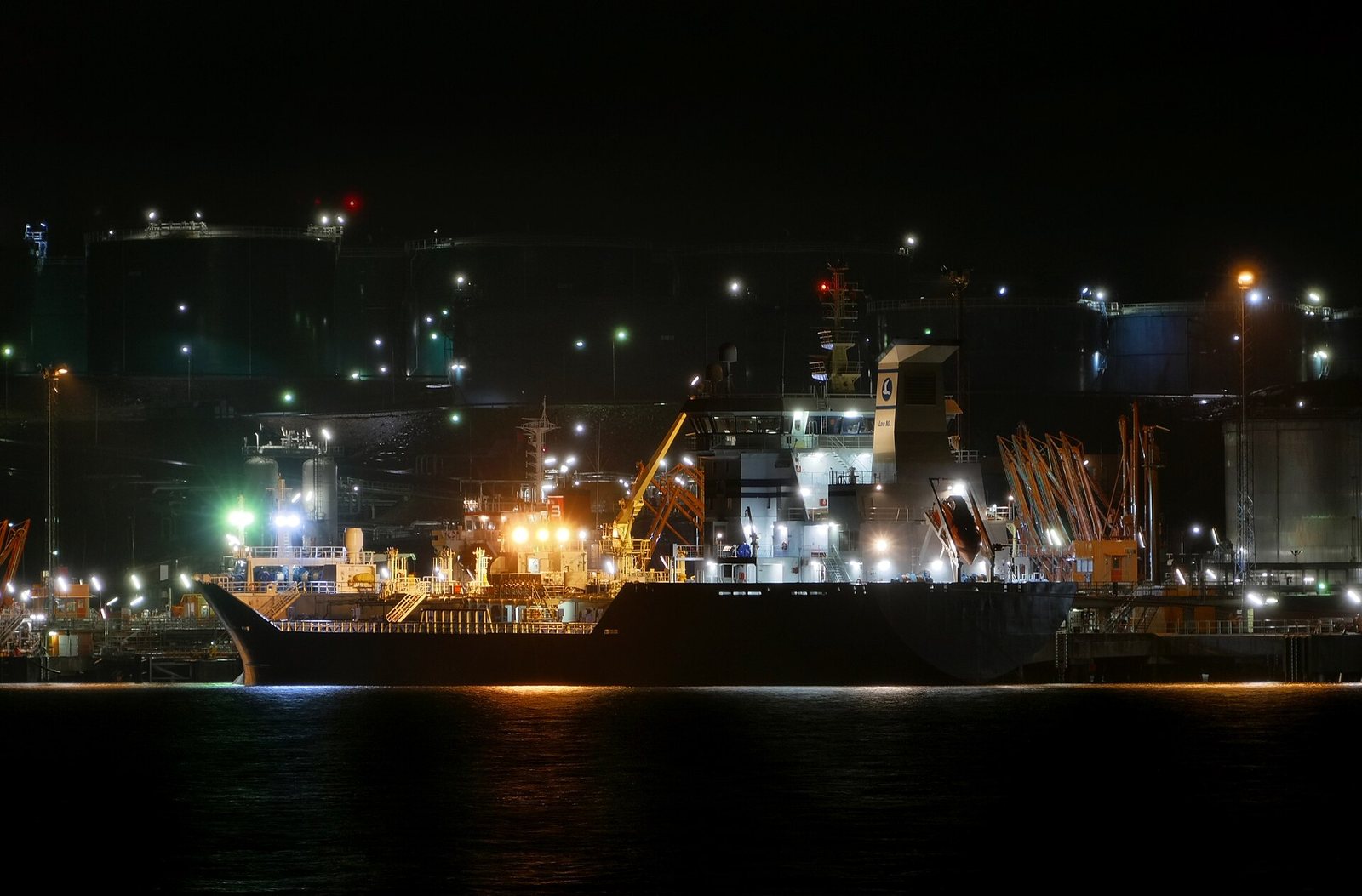
Saudi Arabia · Ras Tanura dipegang oleh Shipowners and buyers (Pedagang)
Straight onto a VLCC
Loaded and sailed. Most cargoes are sold on term contracts to refiners who have taken the same grade for decades.
Mengapa di sini: Ras Tanura is the outlet. The vulnerability of this journey is not the refinery — it is the 40 km-wide strait the tanker sails through.
South Korea · Ulsan, Rotterdam, Houston — the buyer's choice dipegang oleh Refiner (Pemurni)
Any competent refinery will take it
Atmospheric distillation splits the barrel; a hydrotreater removes sulfur; a reformer raises the octane of the naphtha. No deep conversion is required.
Apa yang terjadi pada sisanya: Volume comes out slightly HIGHER than it went in — cracking and reforming produce lighter, less dense molecules. Refiners call it processing gain.
Mengapa di sini: Nowhere in particular, and that is the whole lesson: because the crude is easy, the buyer can be anyone.
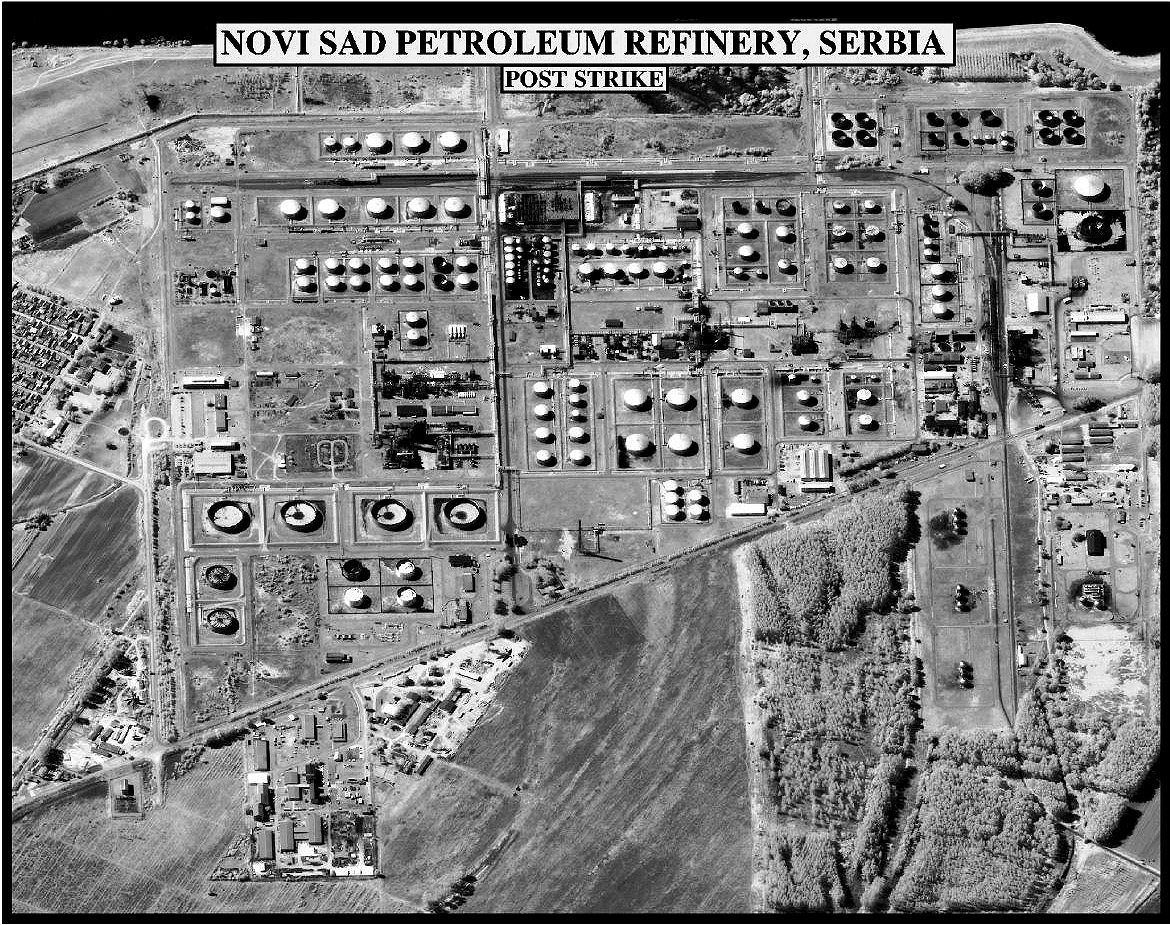
South Korea · Refinery gate dipegang oleh Fuel and petrochemical buyers (Produsen)
Fuel, and the feedstock for plastics
Petrol, diesel and jet fuel, plus naphtha that goes to a steam cracker to become ethylene and the plastics that follow from it.
Mengapa di sini: Refineries are built next to the demand, or next to a port that reaches it.
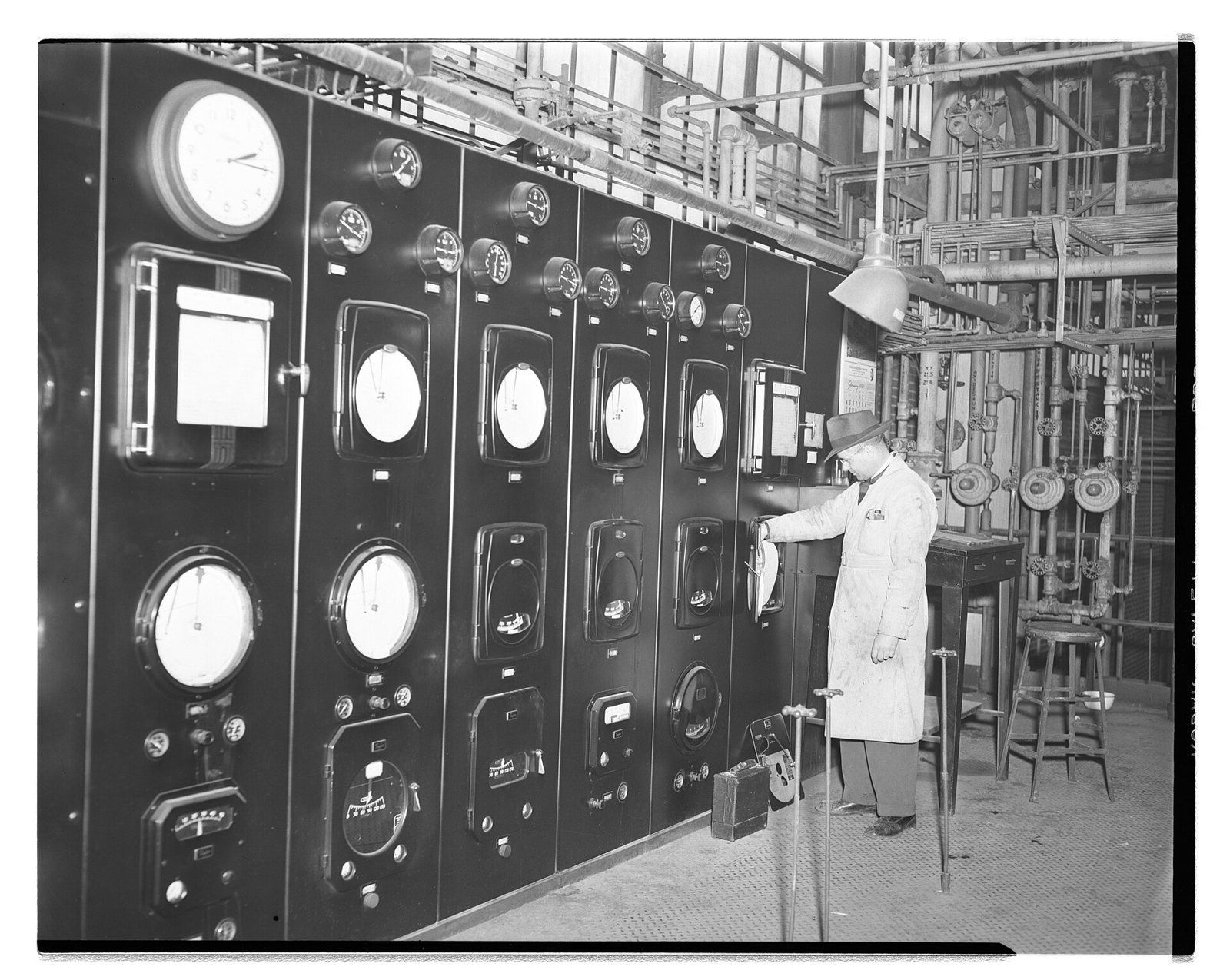
Ini adalah contoh terhitung. Contoh ini mengikuti kuantitas awal yang dinyatakan melalui hasil dan perolehan tipikal yang dipublikasikan, sehingga proporsinya dapat diperiksa; ini bukan catatan pengiriman tertentu. Fakta rute — negara mana saja, proses apa saja, dan mengapa material tersebut tidak dapat begitu saja ditangani di tempat lain — dikompilasi dari laporan publik.