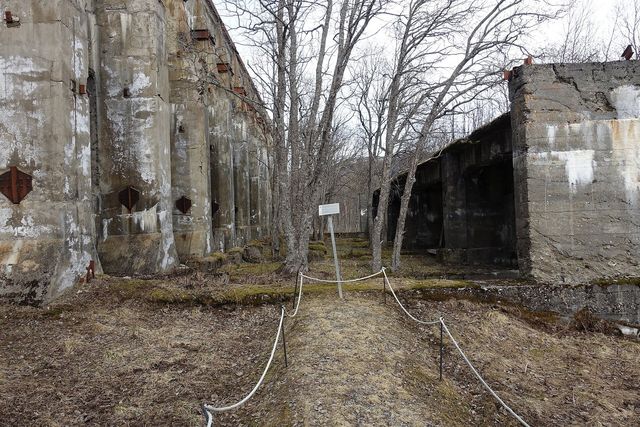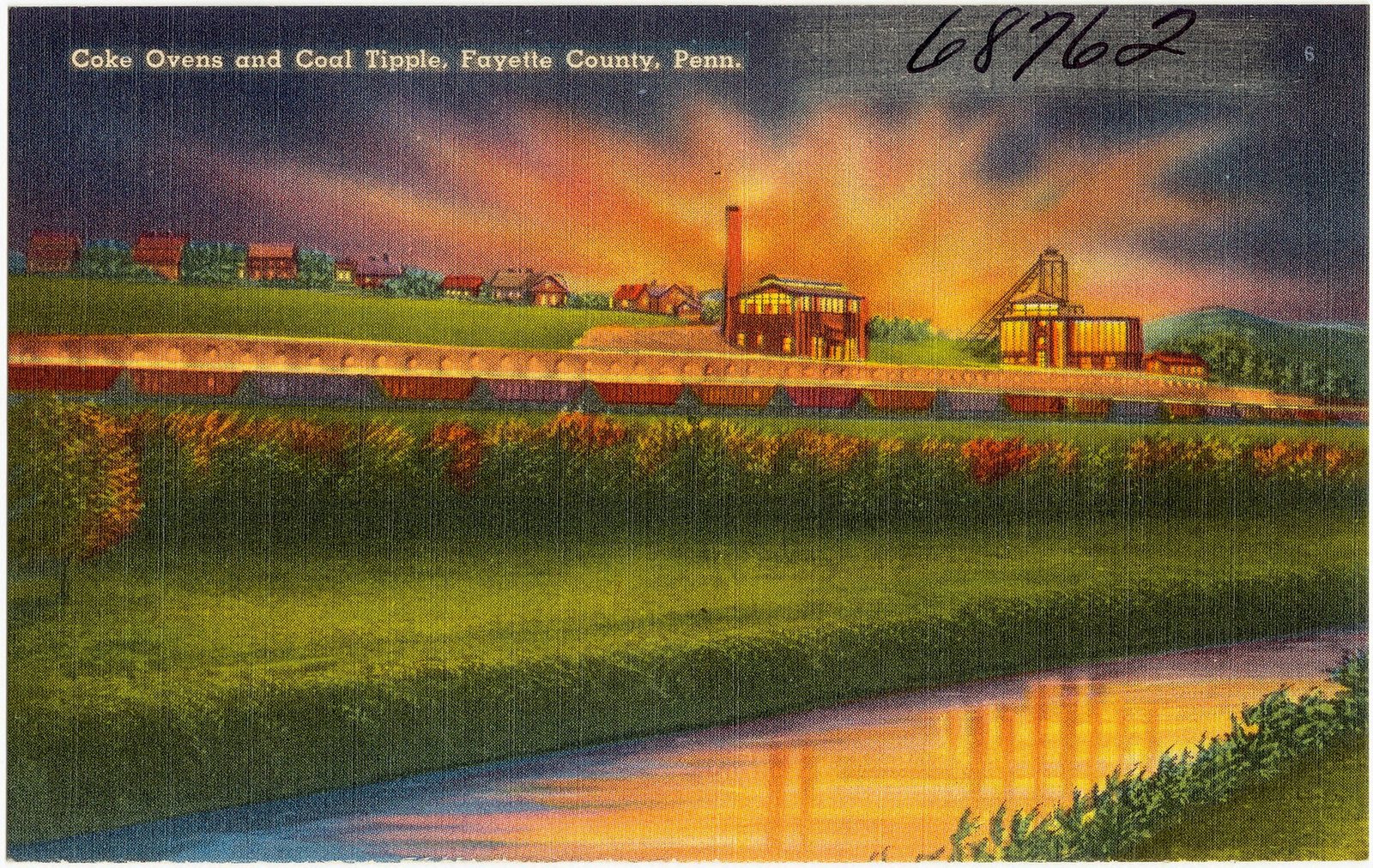
これは何か
Coal of the specific quality that, when baked without air, turns into coke — the hard carbon that both fuels and chemically drives a blast furnace.
なぜ重要なのか
It is not burned for electricity. It is a chemical reagent: the carbon strips the oxygen off iron ore. That is why steel is hard to decarbonise.
Where it is in the Earth
Metallurgical coal is a variety of bituminous coal — the middle rank in the sequence that runs from soft, crumbly lignite through to hard, almost pure-carbon anthracite. Rank describes how thoroughly heat and pressure have driven off water, oxygen and volatile compounds over geological time, leaving progressively more carbon behind. Metallurgical coal sits at a particular point in that sequence where the carbon content, the amount of volatile matter still present, and the chemistry of the organic material combine to produce a coal that will sinter and fuse when heated rather than simply crumbling to powder.
The organic material itself began as plant matter — the vast swamp forests of the Carboniferous and Permian periods, whose remains were buried before they could fully decay. Burial under layers of sediment generated the heat and pressure that drove coalification. The critical variable is not just depth of burial but the rate and duration of heating, which is why rocks of quite different ages can yield coking coal and why not every coalfield produces a grade suitable for steelmaking. The detailed composition of the original vegetation and the local chemistry of the burial environment also matter, which is why neighbouring seams within the same basin can differ markedly in coking quality.
The Bowen Basin in Queensland, Australia, is among the most significant sources of hard coking coal in the world. It formed in the Permian, when thick sequences of sediment accumulated in a back-arc basin. The coal seams are laterally extensive and relatively undisturbed by later tectonic activity, which makes them both accessible and consistent in quality. Other major coalfields — in North America, Russia, China and Mozambique — share a broadly similar story: organic-rich sediments accumulated in ancient basins, buried to the right depth, and later exposed by erosion or accessible by mining without being so deeply buried that extraction becomes uneconomic.
Getting it out
Metallurgical coal is extracted by two main methods, often within the same coalfield. Where seams lie close to the surface, open-pit mining removes the overlying rock and soil — collectively called overburden — to expose the coal below. The ratio of overburden removed to coal recovered is a central economic variable: the thicker and shallower the seam relative to the overburden, the more economical the operation. As open pits deepen and the overburden-to-coal ratio rises, a point comes at which underground mining becomes more cost-effective for the remaining resource.
Underground operations in coalfields like the Bowen Basin commonly use longwall mining, a technique in which a long face of coal is progressively sheared away by a rotating drum moving back and forth across the seam. Hydraulic roof supports advance with the equipment, and the roof is deliberately allowed to collapse behind the worked-out section. Longwall mining achieves high recovery rates from a seam and is well suited to the thick, continuous seams characteristic of the Bowen Basin. The alternative underground method, room-and-pillar, leaves pillars of coal standing to hold the roof, which means some resource is permanently sacrificed for structural support.
Raw coal as it leaves the mine is not yet a product. It is mixed with rock from the roof and floor of the seam, as well as with bands of inferior coal within the seam itself. This dilution means that the tonne of coal arriving at the surface is not the same thing as the washed, graded coking coal that a steelmaker can use. The relationship between the raw material mined and the saleable product is important for understanding production statistics: reported mine output and the quantity of usable coking coal that reaches a customer are different numbers, and the gap between them is determined by the processing step described in the next section.
What pulls on it
The overwhelming use of metallurgical coal is in the blast furnace route to steel. In that process, coke performs two distinct functions that cannot easily be separated: it burns to generate the heat needed to melt iron, and its carbon chemically reduces iron oxide — that is, it strips the oxygen from the ore, leaving liquid iron behind. It is this dual chemical and thermal role that makes metallurgical coal qualitatively different from the coal burned in a power station. A power station only needs energy; a blast furnace needs a specific solid carbon structure that can bear the weight of the ore burden above it while remaining permeable enough to let gases flow through.
Steel demand, and therefore metallurgical coal demand, tracks construction activity, vehicle manufacturing and industrial investment. Historically, as countries industrialise and build out their infrastructure — roads, railways, housing, factories — their steel consumption rises, and with it their need for coking coal. This is why the growth of steel production in Asia over recent decades has been the central fact shaping the metallurgical coal trade. Demand from mature, already-industrialised economies has been broadly flat or declining as their construction booms have passed and as steel recycling using electric arc furnaces has grown.
The condition that would change demand sharply is a large-scale shift away from blast furnaces toward alternative ironmaking routes that do not require coke. Electric arc furnaces, which melt scrap steel using electricity, use no metallurgical coal at all. Direct reduction processes, which reduce iron ore using hydrogen or natural gas rather than coke, also bypass it. The constraint on how quickly these alternatives can displace blast furnaces is partly the availability of sufficient scrap steel and clean energy, and partly the enormous capital investment already sunk into existing blast furnace infrastructure, which has decades of useful life remaining. The pace of that transition, rather than any short-term fluctuation in construction activity, is what will determine the long-run trajectory of metallurgical coal demand.
産出鉱山
全鉱山 →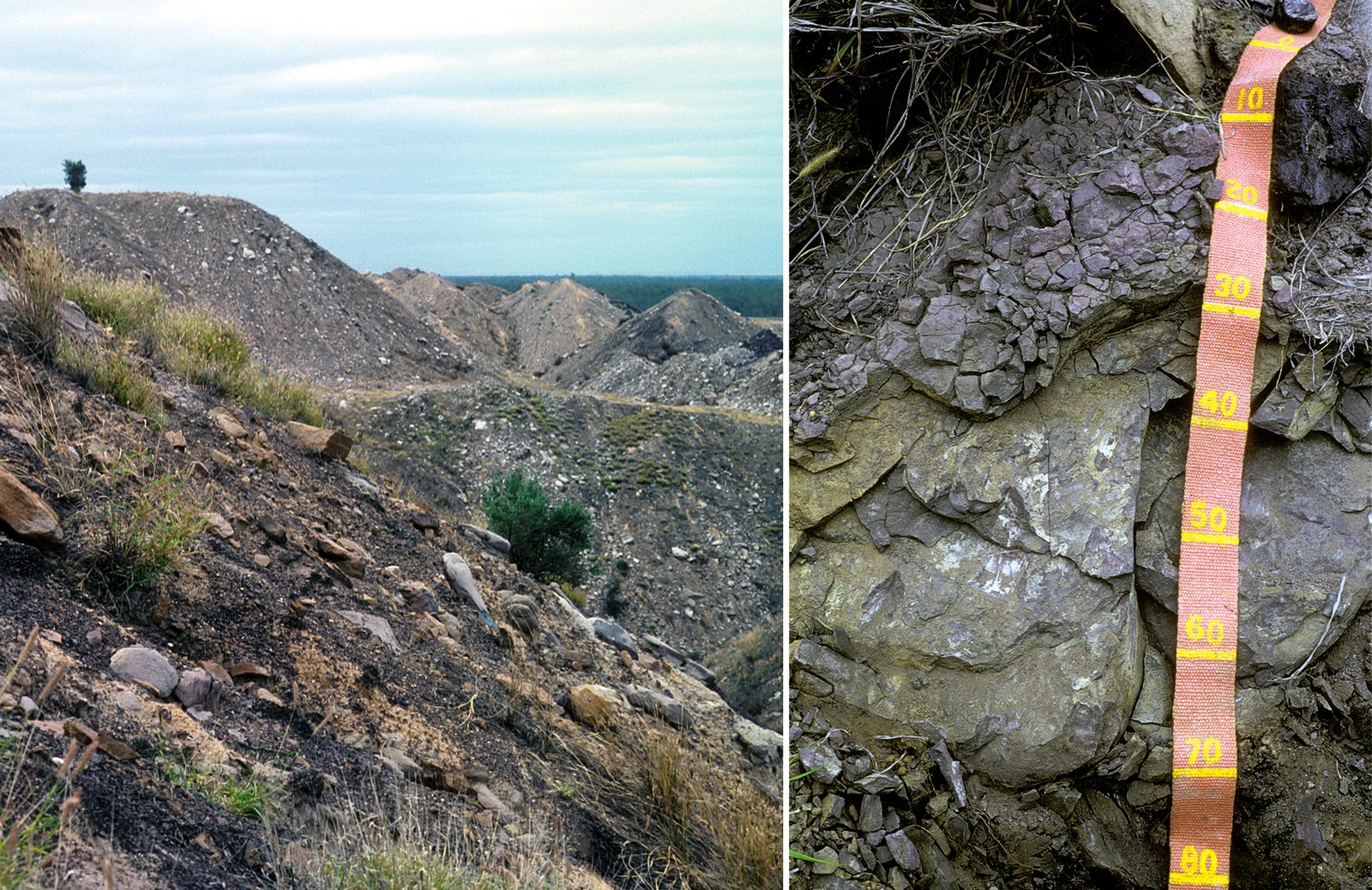
処理・精製が行われる場所
| プラント | 種別 | ステージ | 国 | 役割 |
|---|---|---|---|---|
| Port of Rotterdam Bulk Terminals | 港湾 | 処理 | Netherlands | 投入 |
用途
全エンドマーケット →| 最終市場 | そこでの機能 | 重要度 |
|---|---|---|
| Construction & Steel | Blast-furnace reduction | 定義 |
越境地点をたどる
すべての輸送経路 →この素材の特定の貨物が実際にたどる経路——すべての国、すべての管理者、各工程で残されるもの。
Pilbara iron ore to Chinese steel The largest material flow on Earth: dig it, crush it, screen it, and put it on a boat.