Was tatsächlich transportiert wird
Hard-rock lithium is mined and floated like any other ore, then shipped as a concentrate to be cracked open with heat and acid. It is faster to start, faster to stop and faster to expand than a salar — which is why hard rock, not brine, supplied most of the growth of the last decade.
- Das Material
- Lithium
- Die Varietät
- Spodumene concentrate, 6% Li2O, from an LCT pegmatite
- Wo es beginnt
- Australia — Greenbushes, Western Australia — the highest-grade hard-rock lithium mine in the world
Schritt für Schritt und Grenze für Grenze
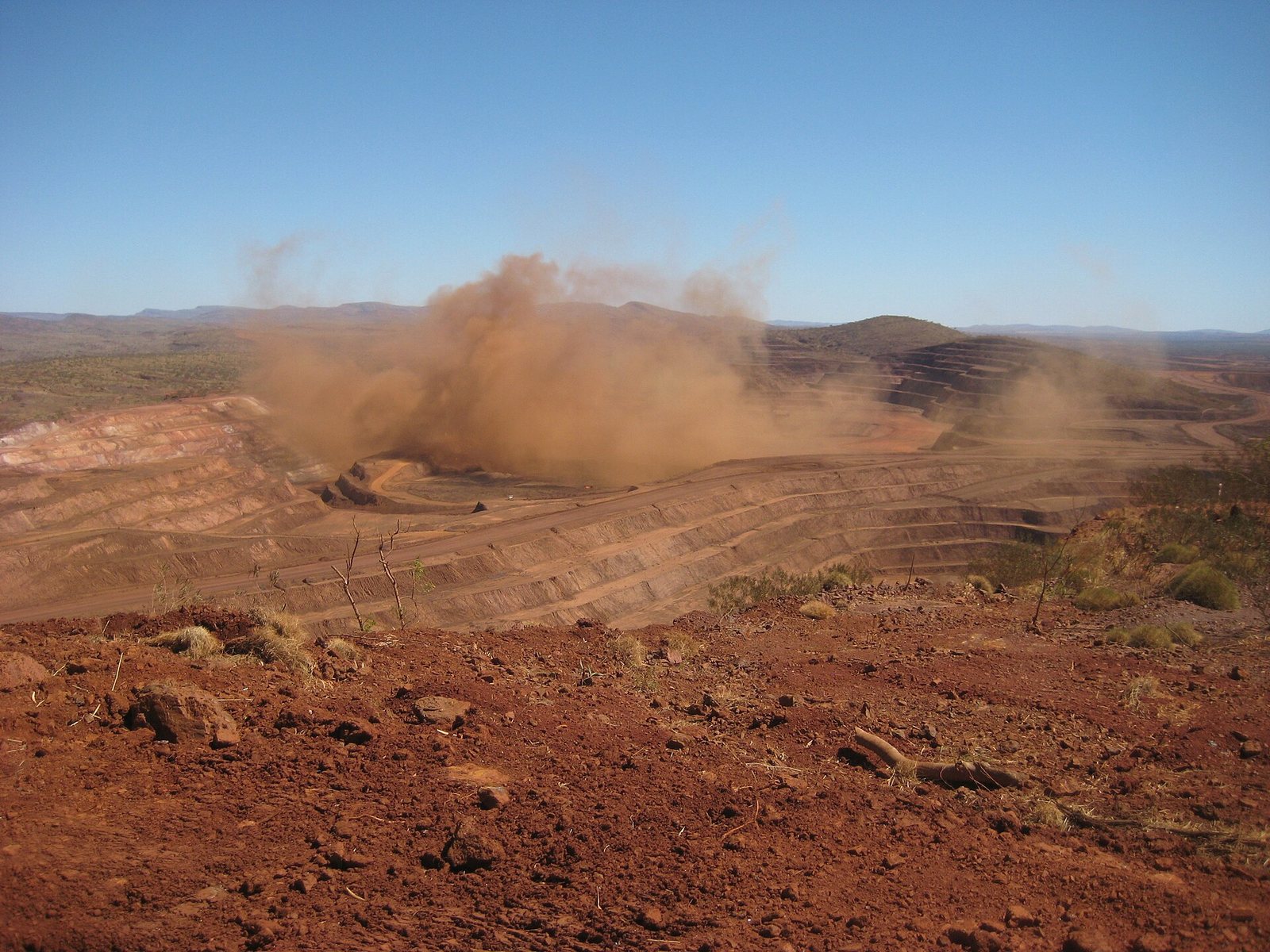
Australia · Greenbushes, Western Australia gehalten von Talison Lithium (Bergmann)
Drill, blast, load, haul
Conventional open-pit mining of a zoned pegmatite. The ore is unusually rich in lithium for hard rock, which is why this mine stays profitable through price crashes that shut others.
Warum hier: The pegmatite is here. Greenbushes was mined for tin for a century before anyone wanted the lithium.
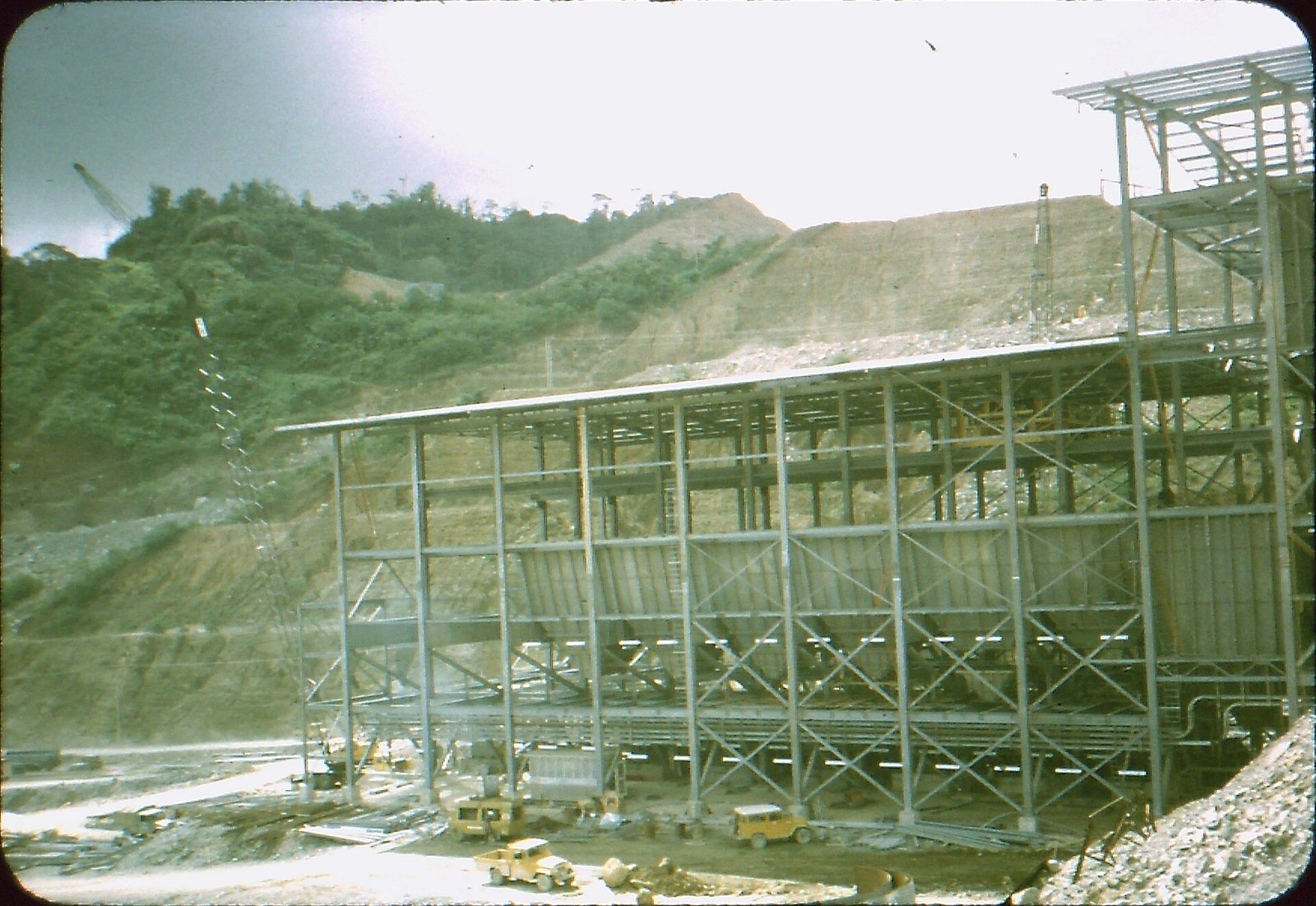
Australia · Concentrator on site gehalten von Talison Lithium (Bergmann)
Crushing and floating to a concentrate
Crushed, ground, and separated by dense-media separation and flotation until the spodumene is concentrated to about 6% Li2O.
Was mit dem Rest geschah: 880 tonnes to tailings. Concentrating on site is essential — shipping the waste rock across an ocean would be absurd.
Warum hier: You concentrate as close to the pit as possible, always. Freight is charged by the tonne.
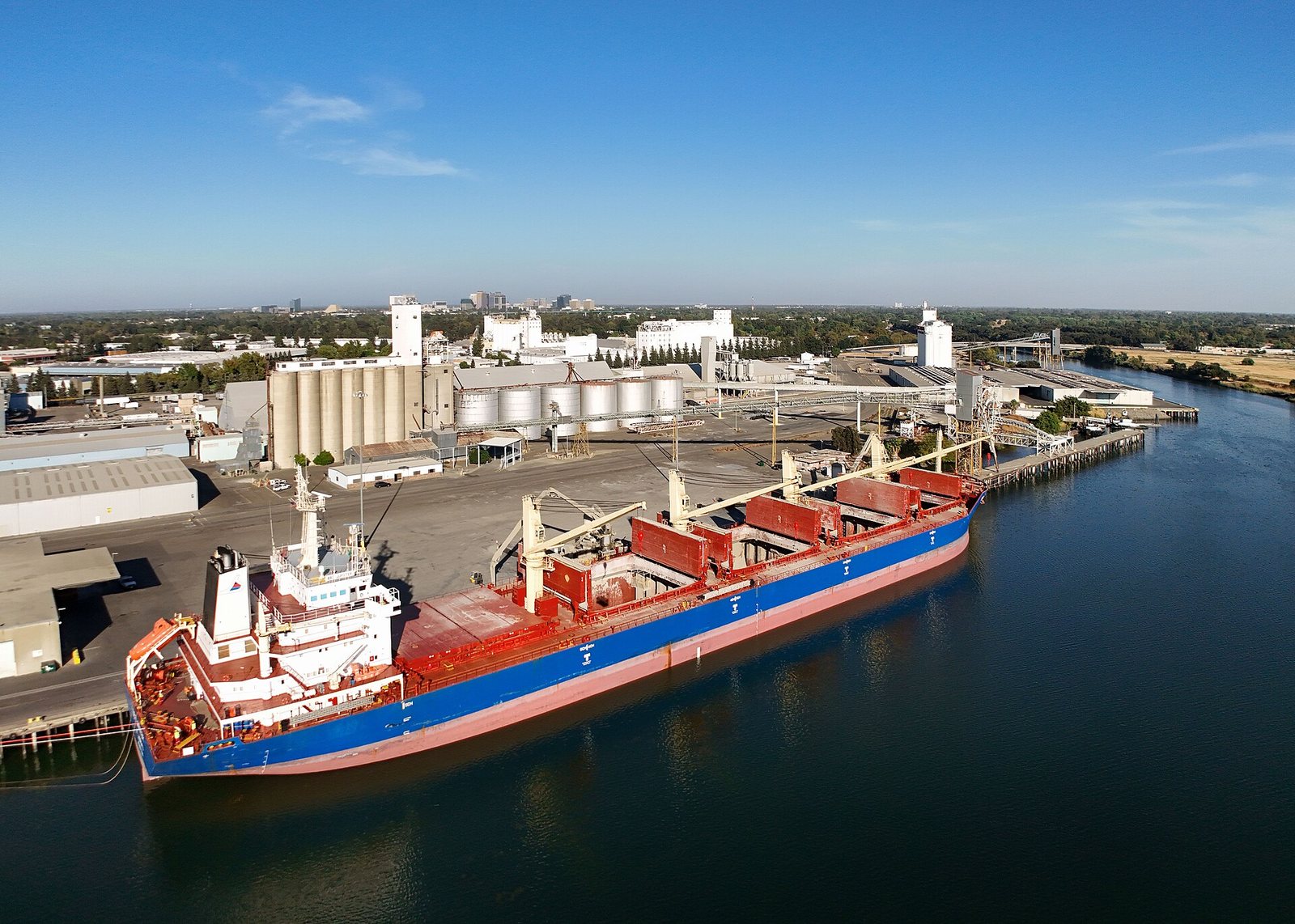
China · Port Hedland or Bunbury to Chinese ports gehalten von Traders and converters (Händler)
Bulk carrier to China
Shipped as bulk concentrate. This is the step that made spodumene a spot-traded commodity with a visible price.
Warum hier: The converters are in China. Australia has built some conversion capacity, and found out how hard commissioning a lithium chemical plant to battery specification really is.
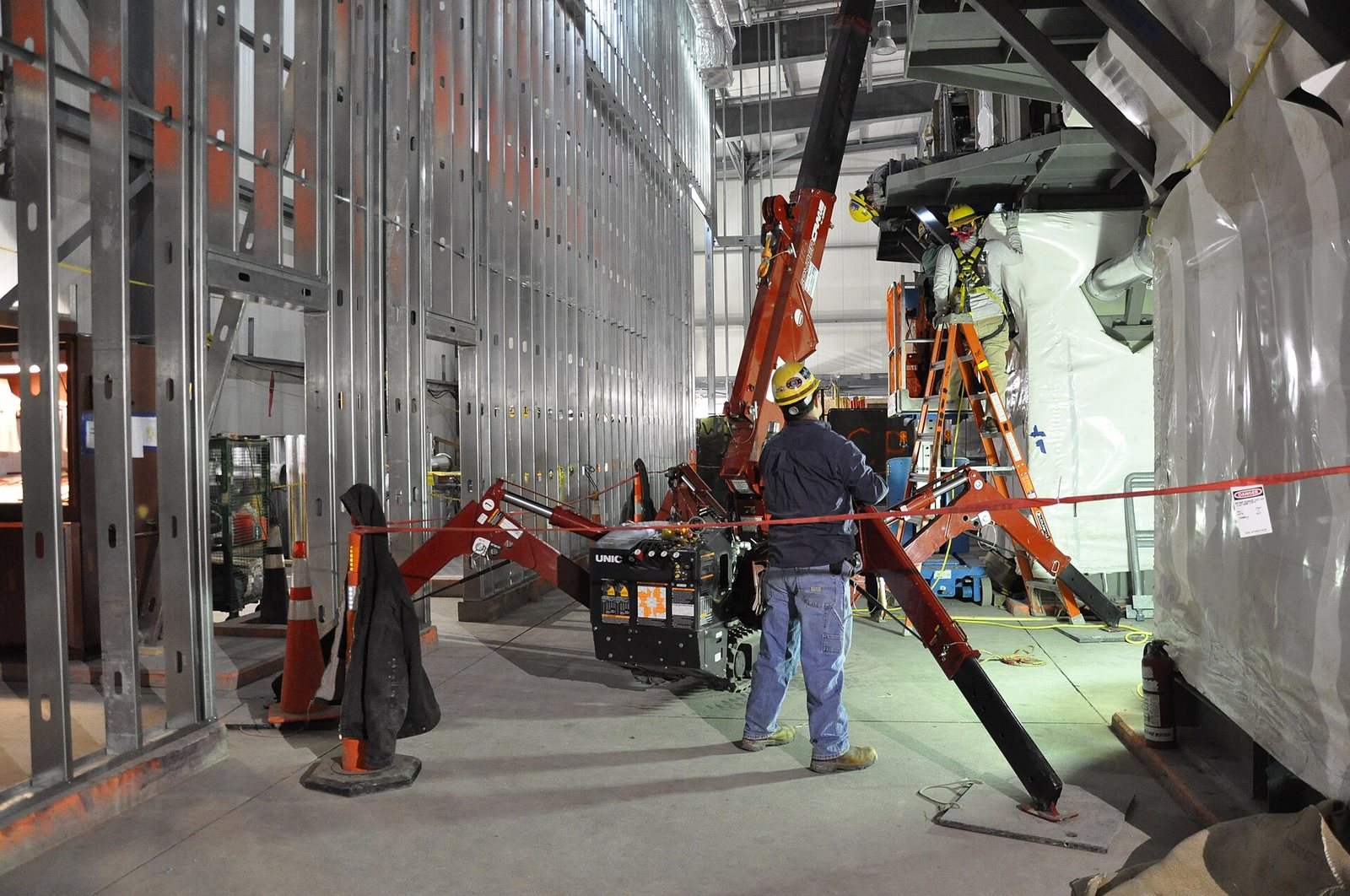
China · Sichuan or Jiangxi gehalten von Converter (Chemisch)
Roasting at 1,050 °C, then acid
The concentrate is calcined to flip alpha-spodumene into the beta form, then digested in concentrated sulfuric acid and purified into lithium hydroxide or carbonate.
Was mit dem Rest geschah: The sulfuric acid used here is largely a by-product of oil refining and metal smelting — the same sulfur that came off a heavy crude barrel elsewhere on this site.
Warum hier: Energy, acid, chemical engineering and a qualified customer next door.
South Korea · Cathode and cell plants gehalten von Cathode and cell manufacturers (Hersteller)
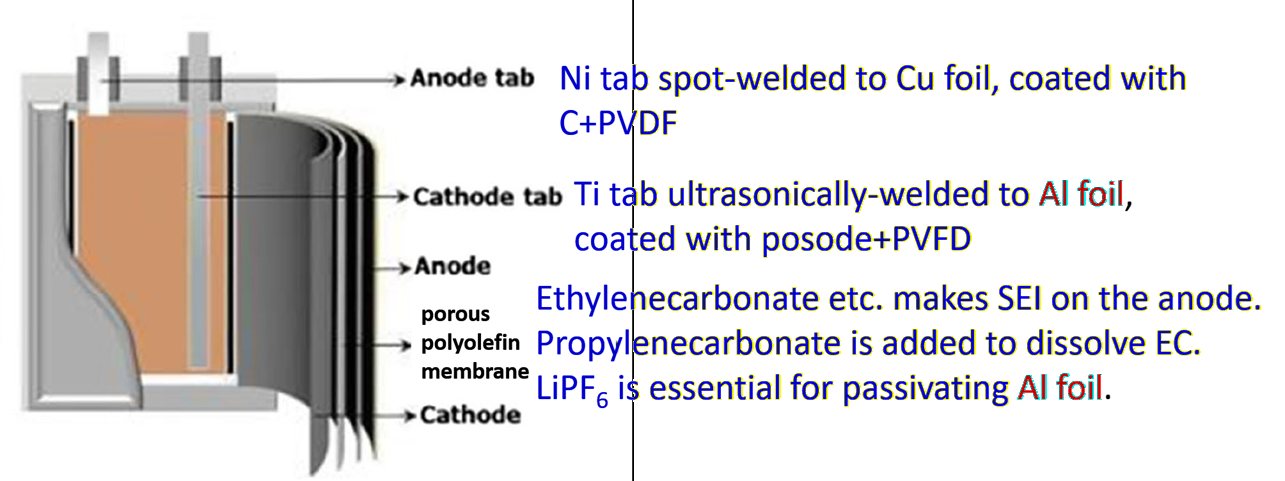
Cathode, cell, pack
Hydroxide is preferred over carbonate for high-nickel cathodes because it calcines at a lower temperature. It becomes cathode powder, then a coated electrode, then a sealed cell.
Warum hier: High-nickel cathode expertise sits in a small number of Korean, Japanese and Chinese firms.
United States · Wherever it is sold gehalten von The driver (Endabnehmer)
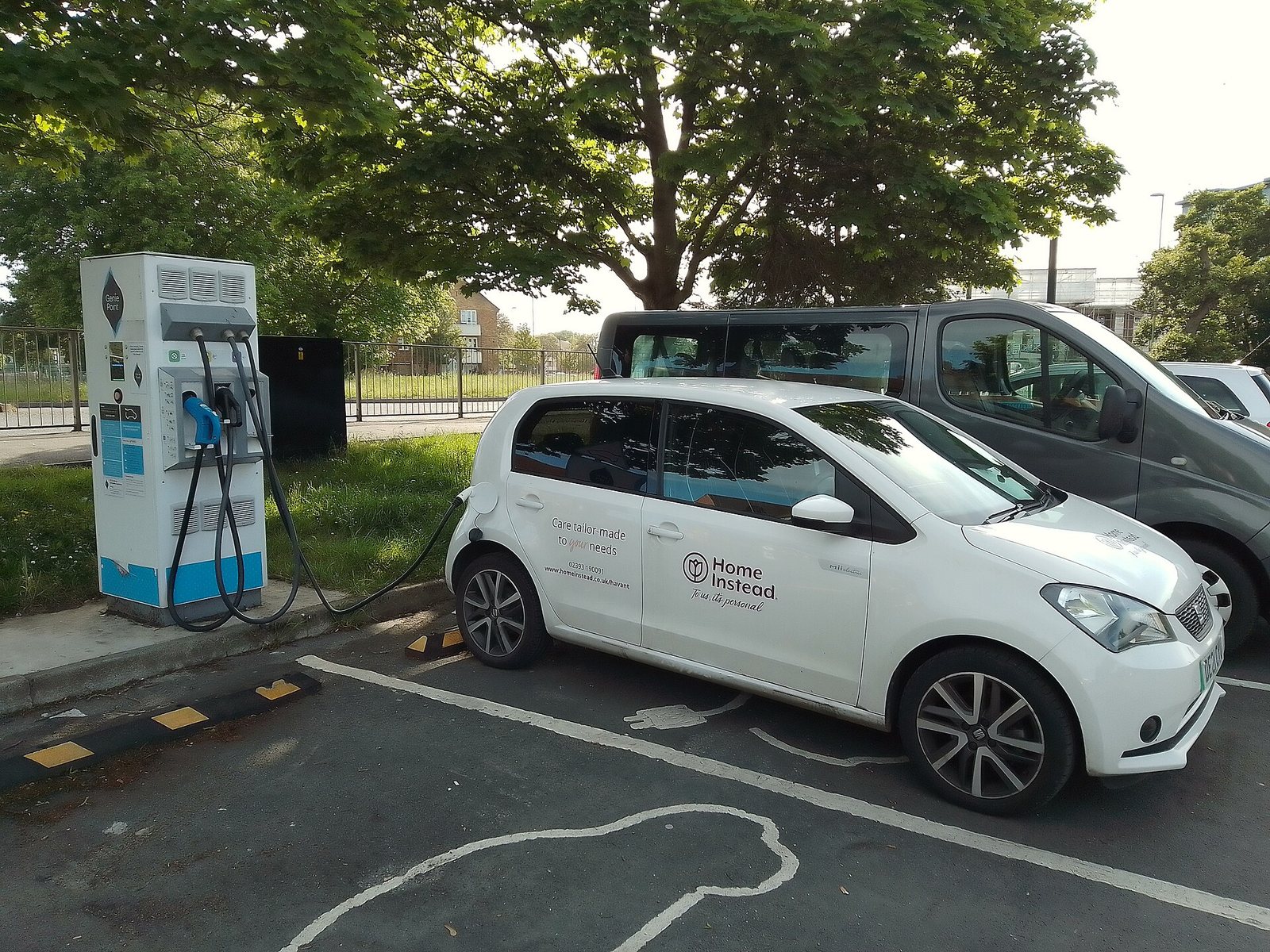
A long-range electric car
The same 8 kg of lithium as the Chilean route delivers — from 1,000 tonnes of rock instead of a million litres of brine.
Warum hier: Four countries, two oceans, and about four months from blast to battery.
Dies ist ein ausgearbeitetes Beispiel. Es verfolgt eine angegebene Ausgangsmenge anhand veröffentlichter typischer Ausbeuten und Ausbringungsgrade, sodass die Verhältnisse nachprüfbar sind; es handelt sich nicht um den Nachweis einer bestimmten Lieferung. Routenfakten — welche Länder, welche Prozesse und warum das Material nicht einfach anderswo verarbeitet werden kann — sind aus öffentlichen Berichten zusammengestellt.