Vom Gestein zum Produkt, nachverfolgt
The Materials Atlas
Materialien Bergwerke & Lagerstätten Aufbereitung & Raffination Verbleibsrouten Lieferketten Unternehmen Länder Nachrichten
Materialien nach Regal Batteriematerialien Seltene-Erden-Elemente Kupfer & Elektro Halbleitermaterialien Nuklearmaterialien Luft- und Raumfahrt & Verteidigung Edelmetalle Stahl & Legierungsmetalle Industrieminerale Agrarmineralien Energierohstoffe Erzminerale Periodensystem
Nachfrage Endmärkte Technologien Materialrechner Karten Screener
Lernen & Werkzeuge LernenGlossar Die Daten befragenKI-Agenten Forschung & DatenAPI ★ Gespeichert
Über Über unsMethodik DatenquellenKontakt Haftungsausschluss
Leseoptionen
🧭 Geführte Ansicht Neu dabei – Erzgehalte, Konzentrat, Raffination, Nebenprodukte? Wir erläutern jeden Begriff beim Stöbern, in verständlicher Sprache. Dieselben Daten, mit integrierter Hilfe.
⚡ Expertenansicht Sie kennen die Branche. Nur die Daten – bereinigt, schnell und kompakt, ohne zusätzliche Erläuterungen. Dies ist die Standardansicht.
Thema
Oberflächensprache
Tiefe Materialseiten sind auf vier Ebenen verfasst. Wählen Sie eine auf einer beliebigen Materialseite aus — sie wird gespeichert.
★ Gespeichert Forschung & Daten
Chilean sulfide concentrate to Chinese cathode to a wire

Verbleibsroute · beginnt in Chile

Chilean sulfide concentrate to Chinese cathode to a wire

Chile mines the most copper in the world. China refines the most. Those are not the same sentence.

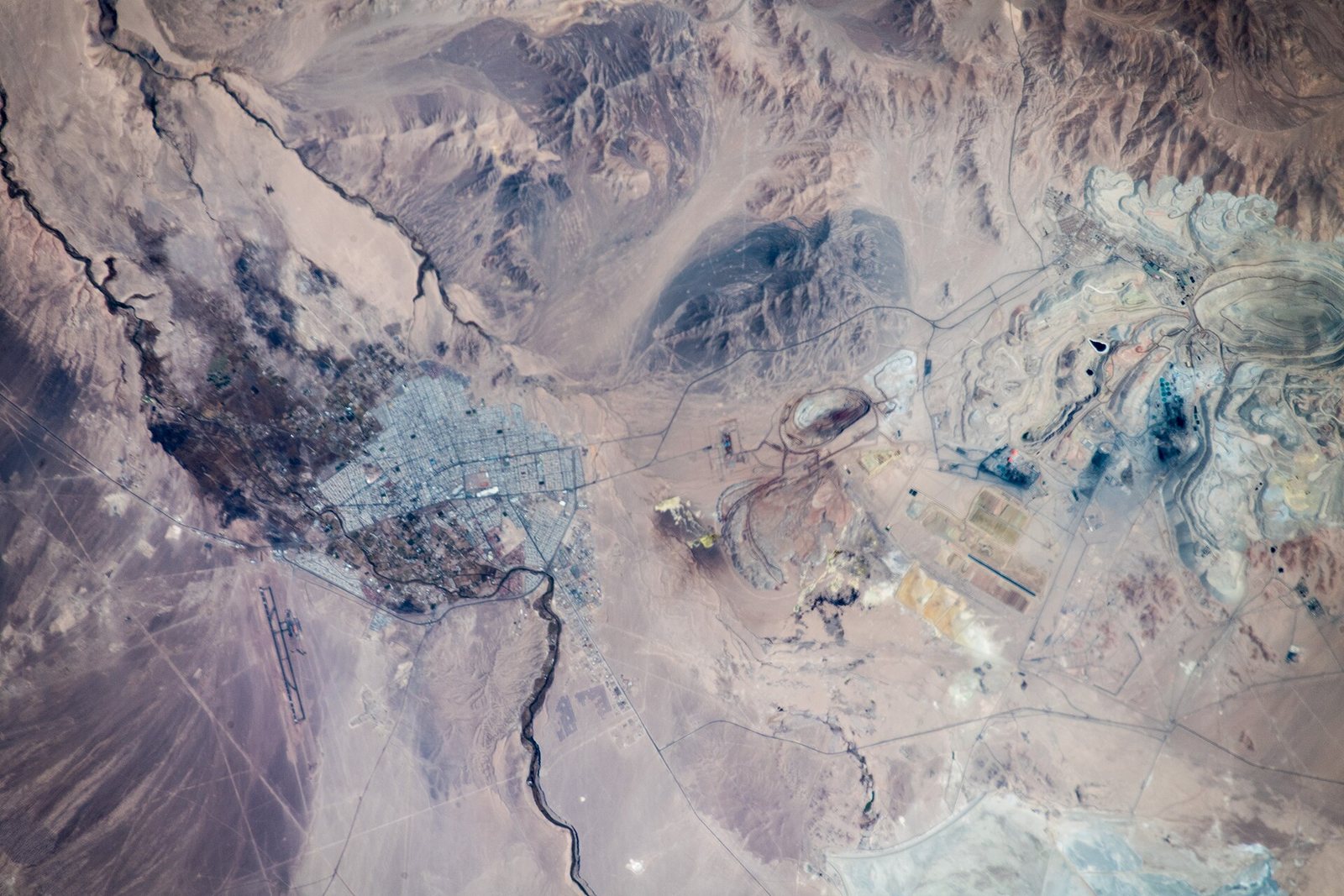
Chuquicamata copper mine - Chuquicamata-Kupfermine · Alexander Gerst · CC BY-SA 2.0 · Wikimedia Commons
1,000 tonnes of ore as blasted
5 tonnes of 99.99% copper cathode
Chile → China · Bulk carrier Chile — Moving a mountain for half a percent 1 Chile China — Down to the coast and across the Pacific 2 China
In der Reihenfolge nummeriert, in der das Material transportiert wird. Ein Land anklicken, um dessen Seite zu öffnen. Äquidistante Zylinderprojektion auf Basis von Länderschwerpunkten — die Bögen zeigen, welche Grenzen überschritten werden, nicht den tatsächlichen Seeweg.

Was tatsächlich transportiert wird

Sulfide copper has to be smelted, and more than half the world's smelting capacity is on the other side of the Pacific. So Chilean concentrate — about 30% copper and 70% something else — sails 19,000 km to be turned into metal, and the by-products in it become somebody else's gold, silver and tellurium.

Das Material
Copper
Die Varietät
Chalcopyrite concentrate from a porphyry, roughly 0.5% Cu ore grade
Wo es beginnt
Chile — Escondida, 3,100 m up in the Atacama
Warum diese Route und keine andere. Chalcopyrite locks copper to iron and sulfur. Only a smelter can break those bonds, and building smelters requires acid plants, permits and power that have moved to where the refining industry consolidated.
Das engste Glied. Smelting and refining, not mining. A country can be the largest miner of copper and still have very little say over the metal.
Die zwei Zahlen an jedem Schritt zeigen: was hineinging und was herauskam. Ihrem Schrumpfen zuzusehen ist der Kern der Sache. Am Ende hat man tausend Tonnen Gestein bis auf wenige Kilogramm des eigentlich wirksamen Stoffs verfolgt.

Schritt für Schritt und Grenze für Grenze

01 Gewinnung 1,000tonnes

Chile · Escondida, Antofagasta gehalten von BHP as operator, with Rio Tinto and JECO (Bergmann)

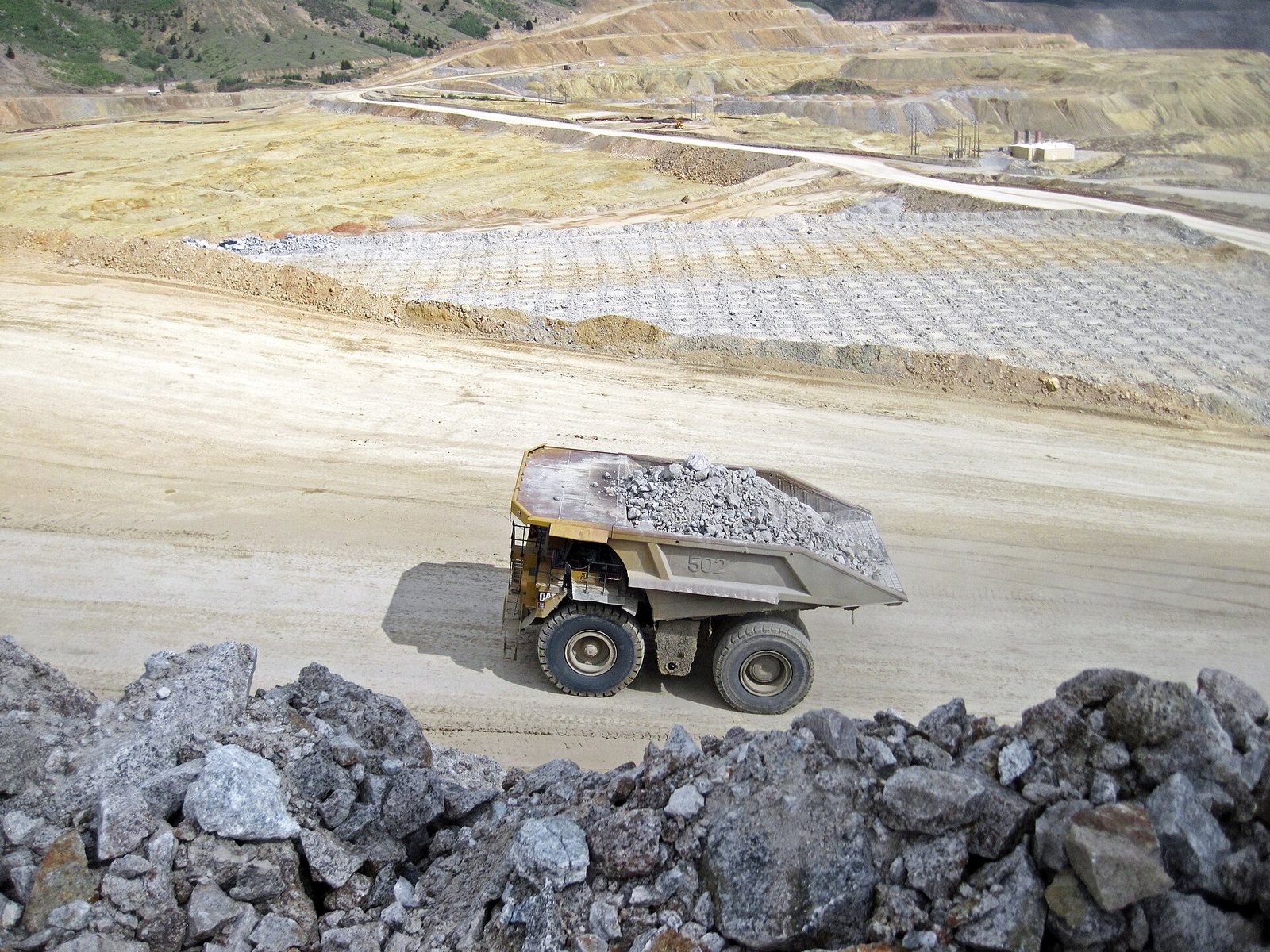
Moving a mountain for half a percent

Drilled, blasted and hauled from an open pit. At about 0.5% copper, 995 kg of every tonne is waste before processing even begins.

1,000 tonnesore in the pit 1,000 tonnesore to the mill

Warum hier: A porphyry orebody, and desalinated seawater pumped 180 km uphill to process it.
continuous Escondida →
Moving a mountain for half a percent
Haul truck (Continental Mine, Butte, Mo… · CC BY 2.0 via Wikimedia Commons
02 Aufbereitung 16tonnes

Chile · Concentrator gehalten von BHP (Bergmann)

Grinding and floating

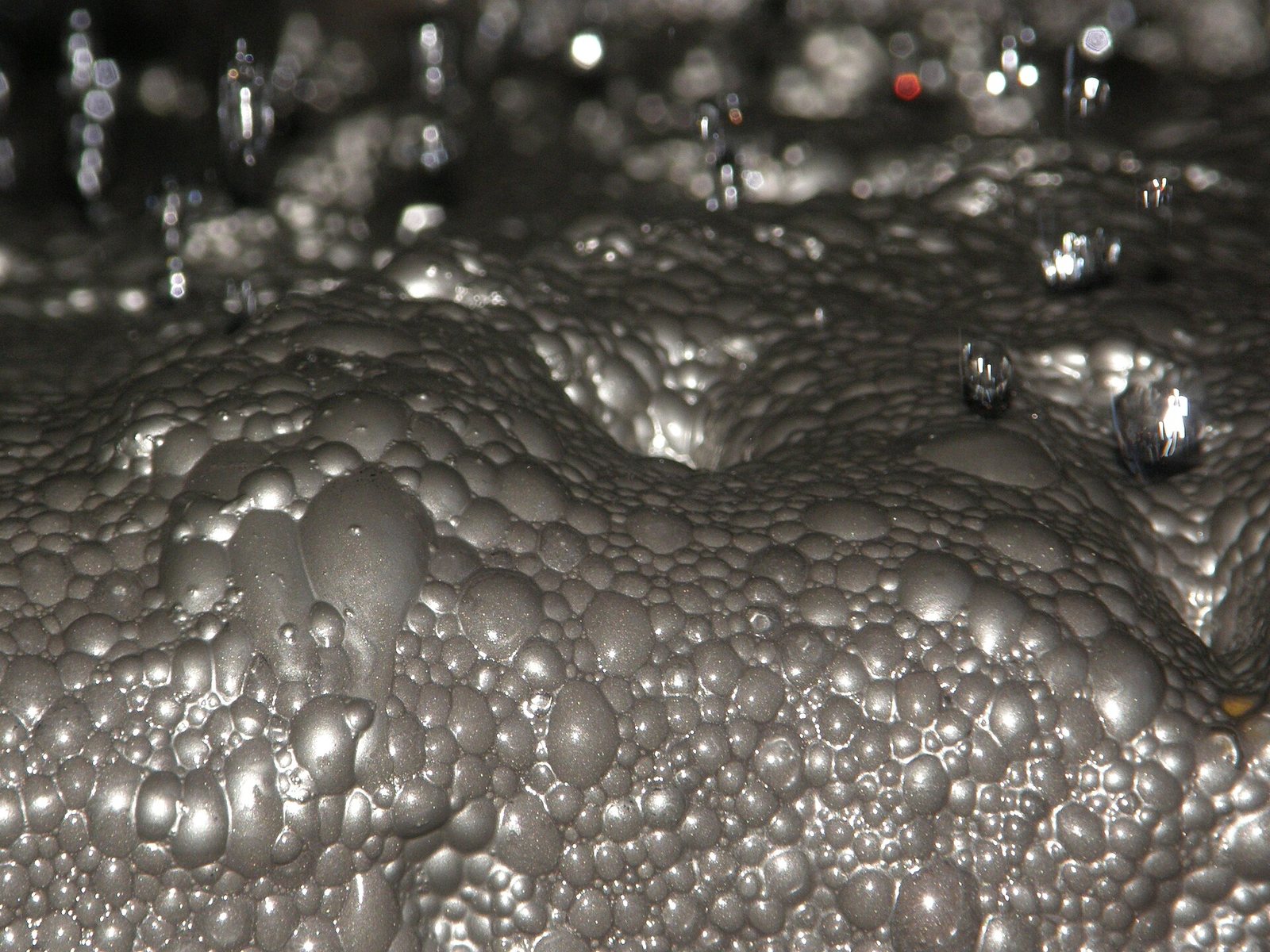
Ground to a powder and floated: air bubbles carry the sulfide minerals to the surface while the rock sinks. The result is a concentrate of about 30% copper.

1,000 tonnesore at 0.5% Cu 16 tonnesconcentrate at ~30% Cu

Was mit dem Rest geschah: 984 tonnes to the tailings dam. Grinding is the largest single electricity consumer on any copper mine.

Warum hier: Always at the mine. Shipping 1,000 tonnes to recover 5 would be indefensible.
Der nicht beschrittene Weg Oxide ore, finished at the mine instead Change the mineral and the whole international leg disappears.
Grinding and floating
Prominenthill-flotation · CC BY-SA 4.0 via Wikimedia Commons
03 Transport 16tonnes

China · Antofagasta to Chinese smelter ports gehalten von Traders and smelters (Händler)

Down to the coast and across the Pacific

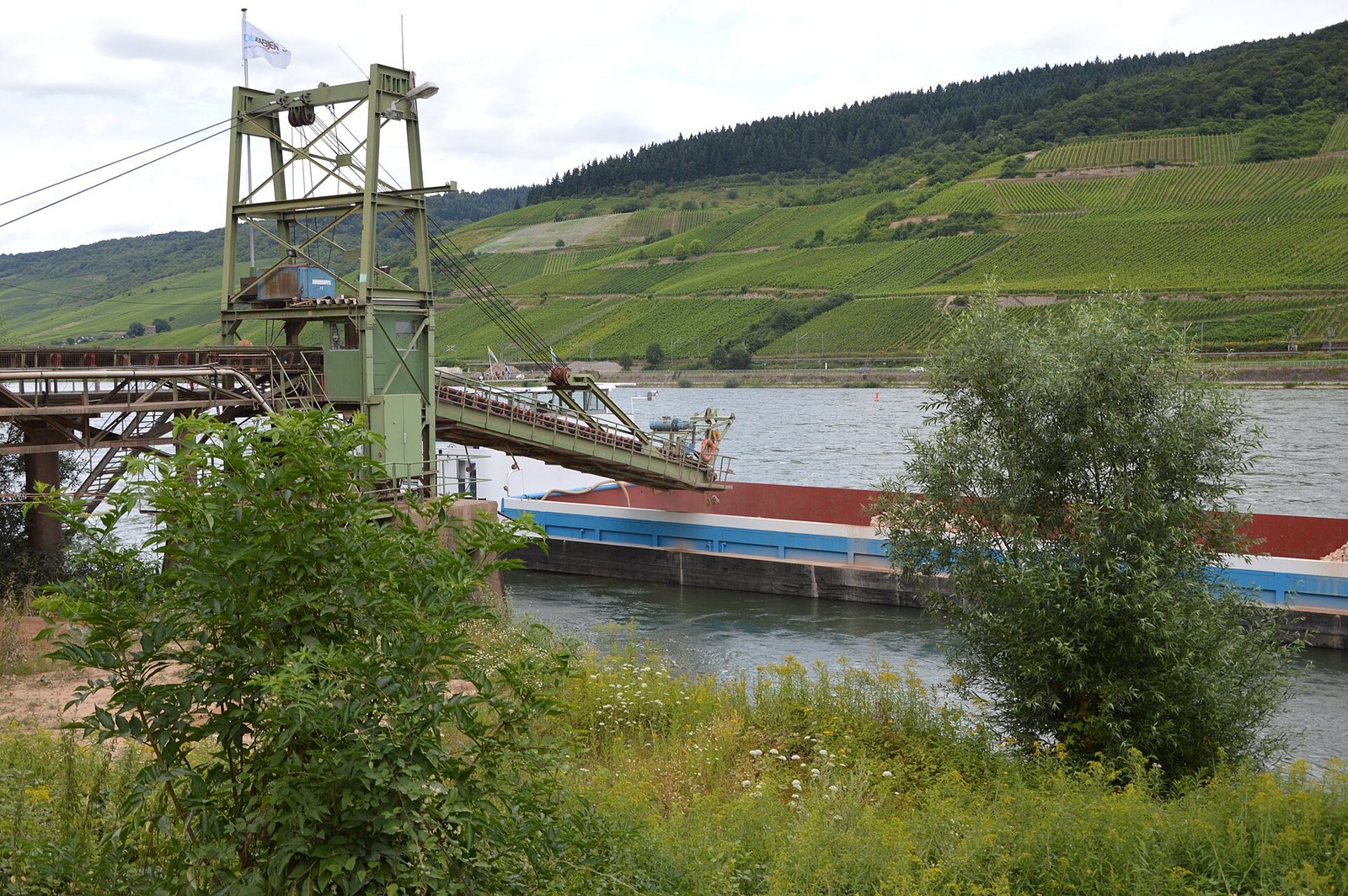
Concentrate moves by truck or slurry pipeline to the port, then in the hold of a bulk carrier. Treatment charges — what the smelter is paid to process it — are negotiated annually and are one of the industry's most watched numbers.

16 tonnesconcentrate 16 tonnesdelivered concentrate

Warum hier: Because the smelters are there. Chile smelts a minority of its own concentrate.
Bulk carrier · ~19,000 km, about 35 days ~35 days Guixi Smelter →
Down to the coast and across the Pacific
Conveyor belt + Rhine ship · CC BY-SA 3.0 via Wikimedia Commons
04 Aufbereitung 5tonnes

China · Guixi, Jiangxi gehalten von Smelter (Raffineriebetreiber)

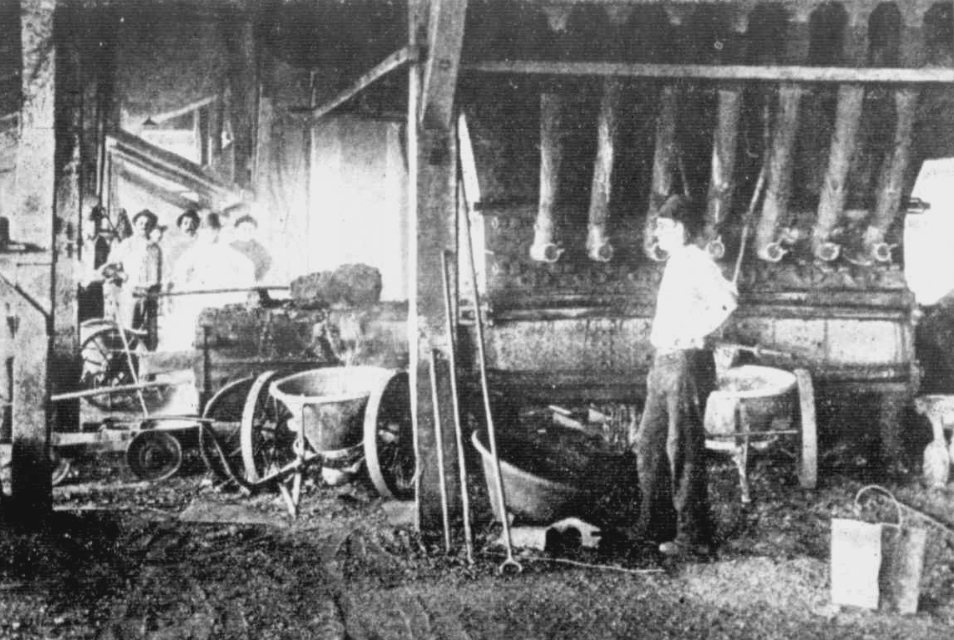
Smelting

Melted with oxygen. Iron and sulfur oxidise away; the sulfur is captured as sulfuric acid rather than released. What is left is blister copper at about 98%.

16 tonnesconcentrate 5 tonnesblister copper

Was mit dem Rest geschah: The captured sulfur becomes sulfuric acid — often sold onward to leach nickel or phosphate somewhere else entirely.

Warum hier: Smelting needs scale, an acid plant, an acid market and a permit. China assembled all four.
hours Sulfur →
Smelting
Smelting Co. of Australia - 80 ton copp… · Public domain via Wikimedia Commons
05 Raffination 5tonnes

China · Tankhouse gehalten von Refiner (Raffineriebetreiber)

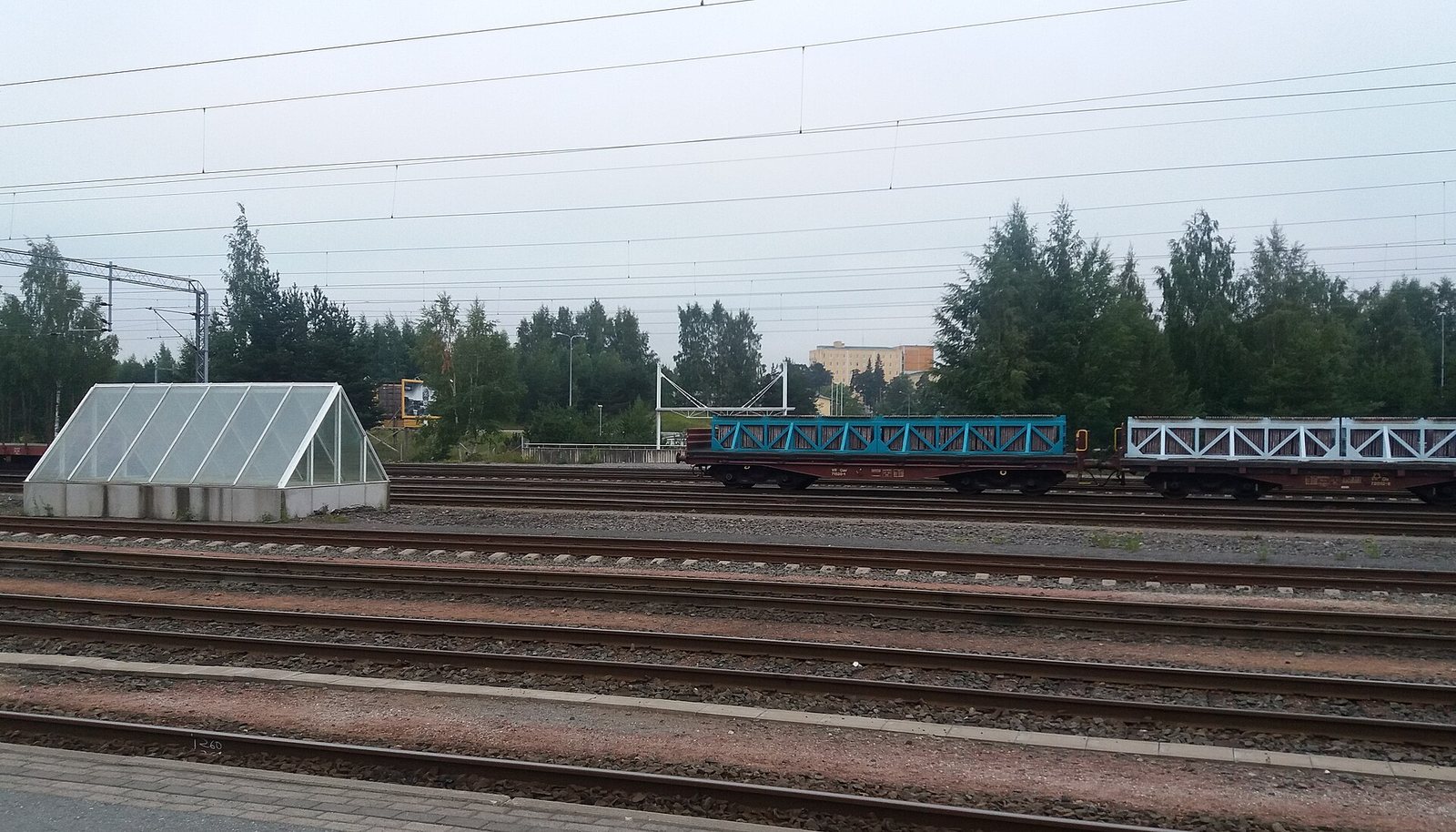
Electrorefining, and the slime at the bottom

Blister is cast into anodes and dissolved electrolytically over about two weeks; pure copper plates onto cathodes. Gold, silver, selenium, tellurium and platinum-group metals do not dissolve and settle as anode slime.

5 tonnesblister copper 5 tonnes99.99% cathode

Was mit dem Rest geschah: That anode slime is where a large share of the world's tellurium and selenium comes from. The by-products of this step are a whole industry.

Warum hier: Refining follows smelting; the two are almost always on the same site.
~14 days Tellurium →
Electrorefining, and the slime at the bottom
Train with anodes in Pori (1) · CC BY-SA 4.0 via Wikimedia Commons
06 Endmarkt 5tonnes

China · Rod mill and cable plants gehalten von Cable and equipment makers (Hersteller)

Rod, wire, and a grid

Cathode is melted and drawn into rod, then wire, then cable. 4.6 tonnes is roughly the copper in one large wind turbine, or a few hundred metres of subsea export cable.

5 tonnescathode 5 tonnesin service, and recyclable indefinitely

Warum hier: Copper is one of the few materials here that can be recycled endlessly without losing quality. This tonne will outlive the mine.
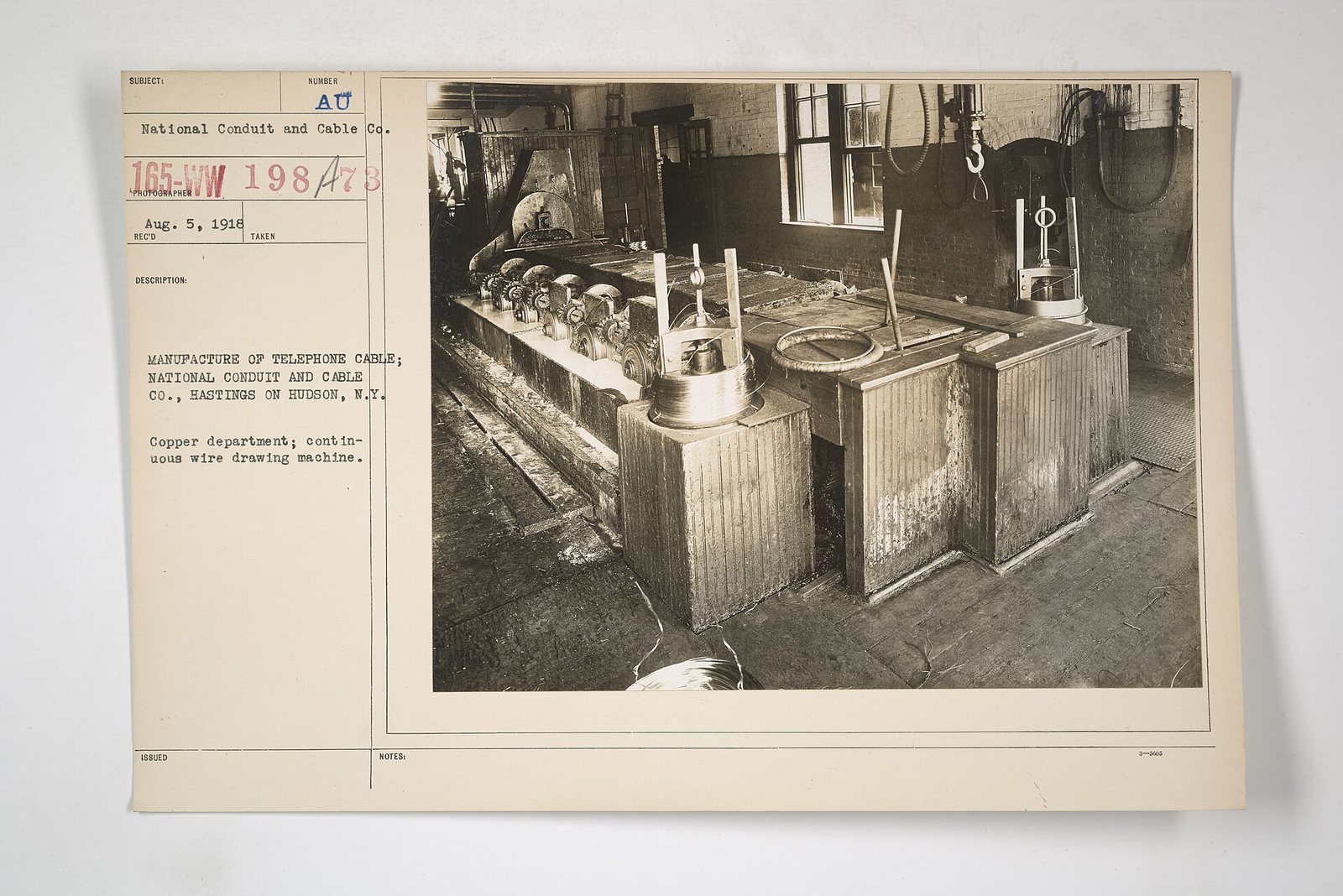
Rod, wire, and a grid
Industries of War - Electrical Apparatu… · Public domain via Wikimedia Commons

Dies ist ein ausgearbeitetes Beispiel. Es verfolgt eine angegebene Ausgangsmenge anhand veröffentlichter typischer Ausbeuten und Ausbringungsgrade, sodass die Verhältnisse nachprüfbar sind; es handelt sich nicht um den Nachweis einer bestimmten Lieferung. Routenfakten — welche Länder, welche Prozesse und warum das Material nicht einfach anderswo verarbeitet werden kann — sind aus öffentlichen Berichten zusammengestellt.

Materialien

Alle Materialien Kritische Mineralien Seltene Erden Batteriematerialien Erzminerale Periodensystem Screener

Das Gestein

Bergwerke & Lagerstätten Aufbereitung & Raffination Länder Karten

Die Wirtschaft

Verbleibsrouten Lieferketten Endmärkte Technologien Unternehmen Materialrechner

Lernen

LernenGlossar Die Daten befragenKI-Agenten Forschung & DatenOffene API Nachrichten★ Gespeichert

Über uns

Über unsKontakt MethodikDatenquellen Redaktionelle Leitlinien DatenschutzrichtlinieNutzungsbedingungen Haftungsausschluss