De la roca al producto, trazado
The Materials Atlas
Materiales Minas y yacimientos Procesamiento y refinación Recorridos de custodia Cadenas de suministro Empresas Países Noticias
Materiales por categoría Materiales para baterías Elementos de tierras raras Cobre y electricidad Materiales para semiconductores Materiales nucleares Aeroespacial y Defensa Metales preciosos Acero y metales de aleación Minerales industriales Minerales Agrícolas Materias primas energéticas Minerales mena Tabla periódica
Demanda Mercados finales Tecnologías Calculadora de materiales Mapas Clasificador
Aprender y herramientas AprenderGlosario Consultar los datosAgentes de IA Investigación y datosAPI ★ Guardado
Acerca de Quiénes somosMetodología Fuentes de datosContacto Aviso legal
Opciones de lectura
🧭 Vista guiada ¿Es nuevo en esto: leyes de mena, concentrado, refinación, subproductos? Explicamos cada término mientras navega, en lenguaje claro. Los mismos datos, con la ayuda integrada.
⚡ Vista de experto Usted ya conoce el sector. Solo los datos: limpios, rápidos y compactos, sin explicaciones adicionales. Esta es la vista predeterminada.
Tema
Idioma de la interfaz
Profundidad Las páginas de materiales están redactadas en cuatro niveles. Seleccione uno en cualquier página de material y se recordará.
★ Guardado Investigación y datos
Chilean sulfide concentrate to Chinese cathode to a wire

Recorrido de custodia · comienza en Chile

Chilean sulfide concentrate to Chinese cathode to a wire

Chile mines the most copper in the world. China refines the most. Those are not the same sentence.

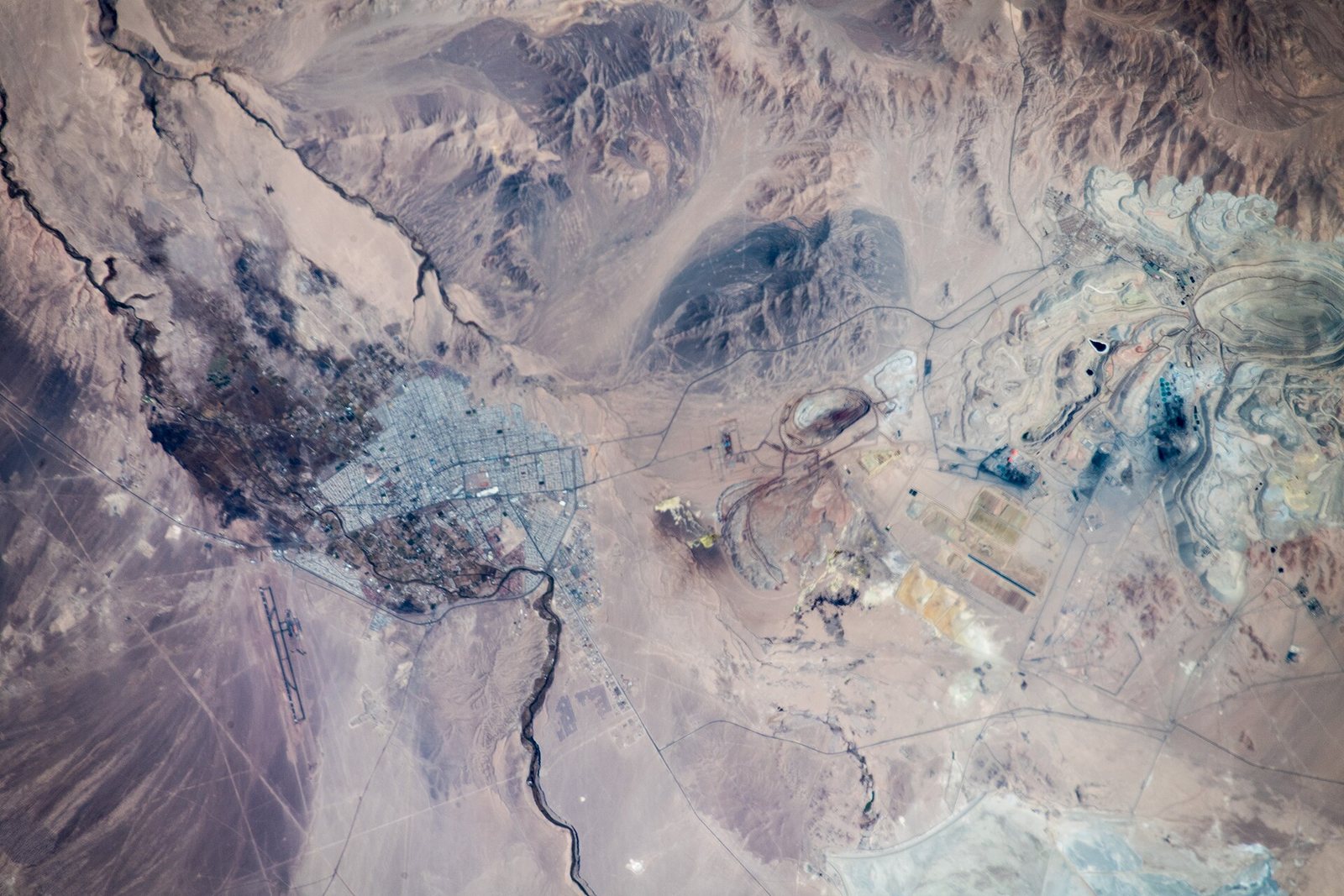
Chuquicamata copper mine - Chuquicamata-Kupfermine · Alexander Gerst · CC BY-SA 2.0 · Wikimedia Commons
1,000 tonnes of ore as blasted
5 tonnes of 99.99% copper cathode
Chile → China · Bulk carrier Chile — Moving a mountain for half a percent 1 Chile China — Down to the coast and across the Pacific 2 China
Numerados en el orden en que viaja el material. Haga clic en un país para abrir su página. Proyección equirrectangular trazada a partir de los centroides de cada país — los arcos indican qué fronteras se cruzan, no la ruta de navegación real.

Qué es lo que se mueve realmente

Sulfide copper has to be smelted, and more than half the world's smelting capacity is on the other side of the Pacific. So Chilean concentrate — about 30% copper and 70% something else — sails 19,000 km to be turned into metal, and the by-products in it become somebody else's gold, silver and tellurium.

El material
Copper
La variedad
Chalcopyrite concentrate from a porphyry, roughly 0.5% Cu ore grade
Dónde empieza
Chile — Escondida, 3,100 m up in the Atacama
Por qué esta ruta y no otra. Chalcopyrite locks copper to iron and sulfur. Only a smelter can break those bonds, and building smelters requires acid plants, permits and power that have moved to where the refining industry consolidated.
El eslabón más estrecho. Smelting and refining, not mining. A country can be the largest miner of copper and still have very little say over the metal.
Lea los dos valores de cada paso: lo que entró y lo que salió. Observar cómo se reducen es el objeto del ejercicio. Al final habrá seguido mil toneladas de roca hasta llegar a unos pocos kilogramos de lo que realmente hace el trabajo.

Paso a paso, y frontera por frontera

01 Extracción 1,000tonnes

Chile · Escondida, Antofagasta en poder de BHP as operator, with Rio Tinto and JECO (Minero)

Moving a mountain for half a percent

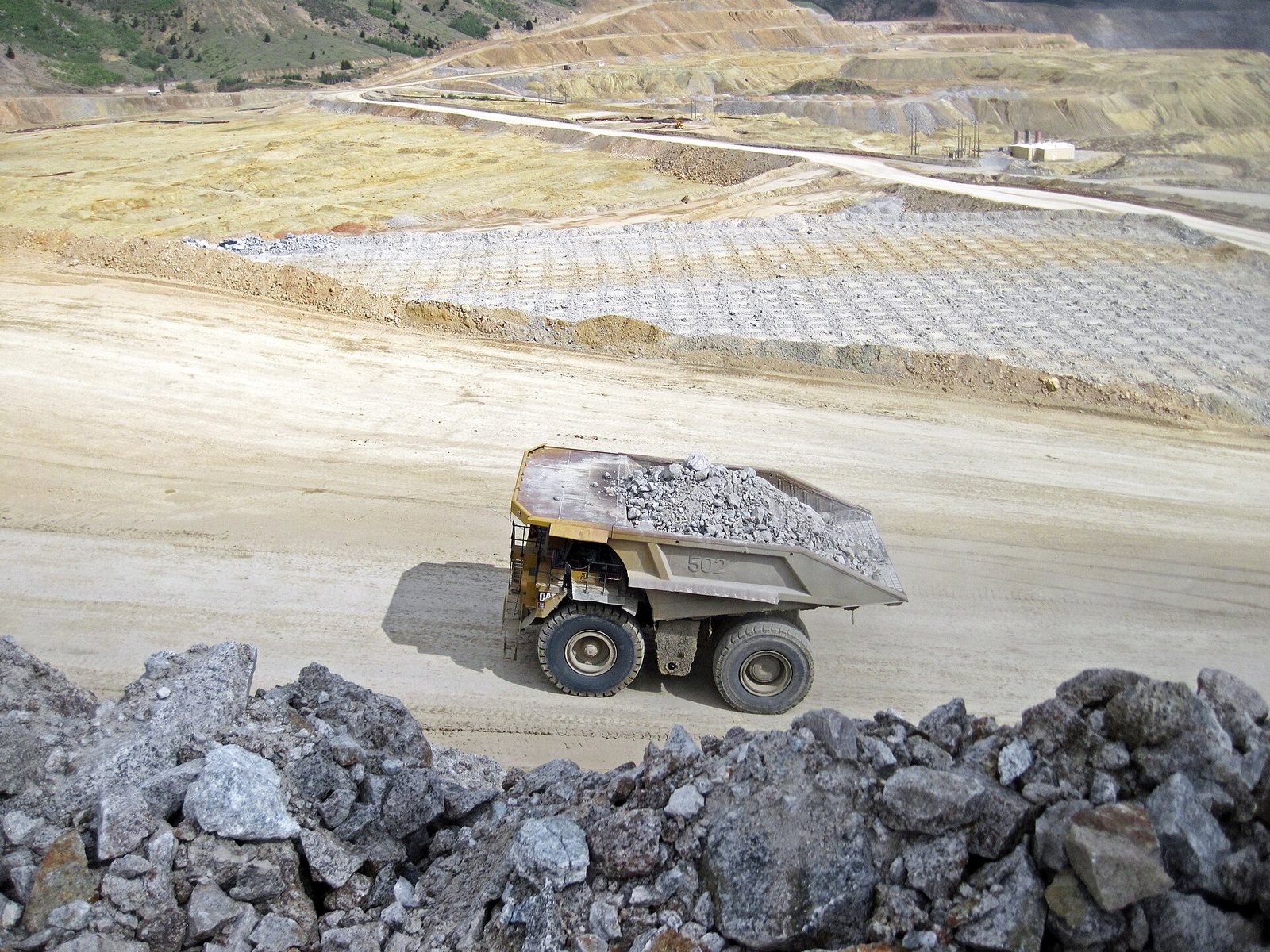
Drilled, blasted and hauled from an open pit. At about 0.5% copper, 995 kg of every tonne is waste before processing even begins.

1,000 tonnesore in the pit 1,000 tonnesore to the mill

Por qué aquí: A porphyry orebody, and desalinated seawater pumped 180 km uphill to process it.
continuous Escondida →
Moving a mountain for half a percent
Haul truck (Continental Mine, Butte, Mo… · CC BY 2.0 via Wikimedia Commons
02 Procesamiento 16tonnes

Chile · Concentrator en poder de BHP (Minero)

Grinding and floating

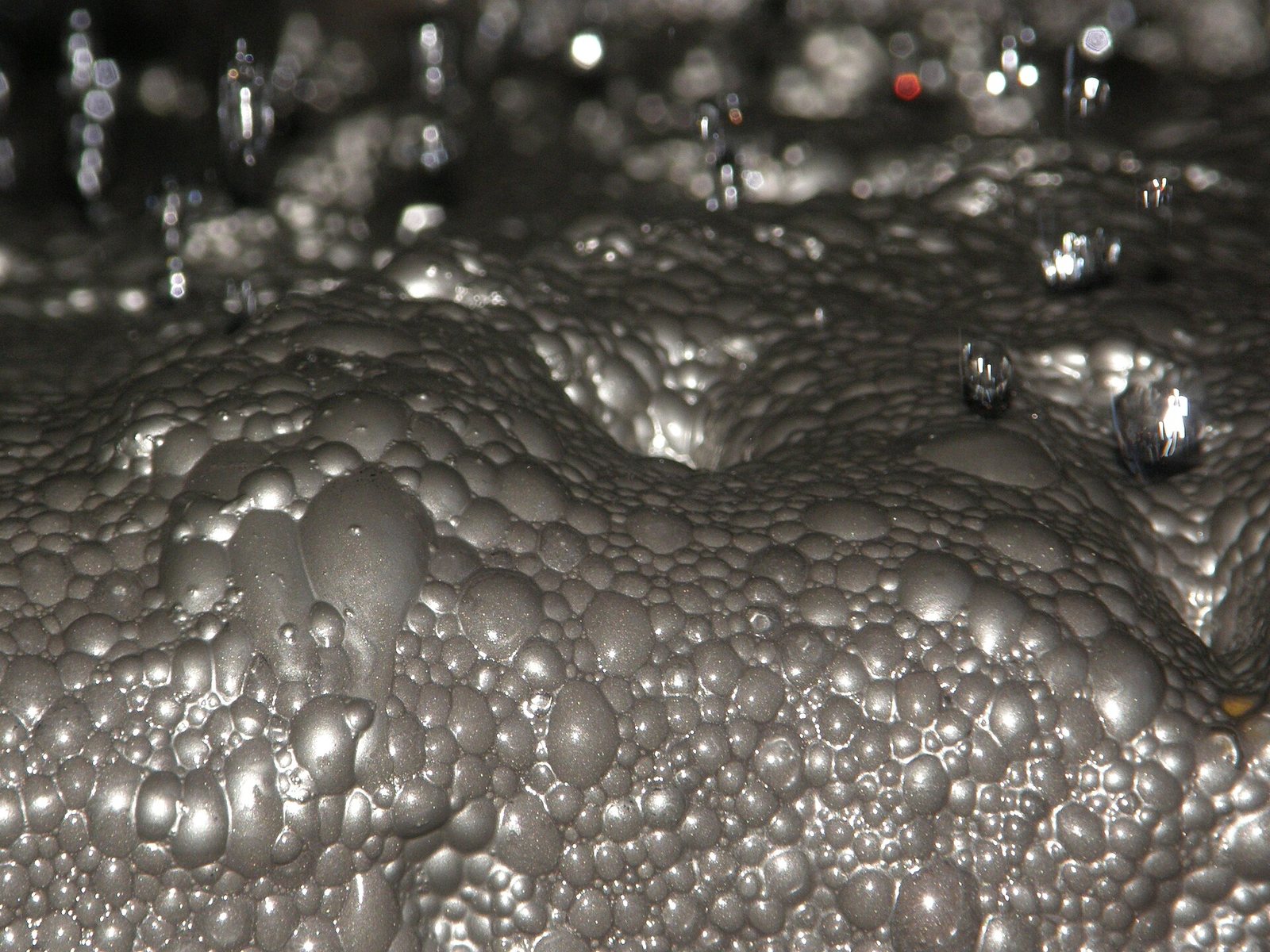
Ground to a powder and floated: air bubbles carry the sulfide minerals to the surface while the rock sinks. The result is a concentrate of about 30% copper.

1,000 tonnesore at 0.5% Cu 16 tonnesconcentrate at ~30% Cu

Qué ocurrió con el resto: 984 tonnes to the tailings dam. Grinding is the largest single electricity consumer on any copper mine.

Por qué aquí: Always at the mine. Shipping 1,000 tonnes to recover 5 would be indefensible.
El camino no tomado Oxide ore, finished at the mine instead Change the mineral and the whole international leg disappears.
Grinding and floating
Prominenthill-flotation · CC BY-SA 4.0 via Wikimedia Commons
03 Transporte 16tonnes

China · Antofagasta to Chinese smelter ports en poder de Traders and smelters (Comerciante)

Down to the coast and across the Pacific

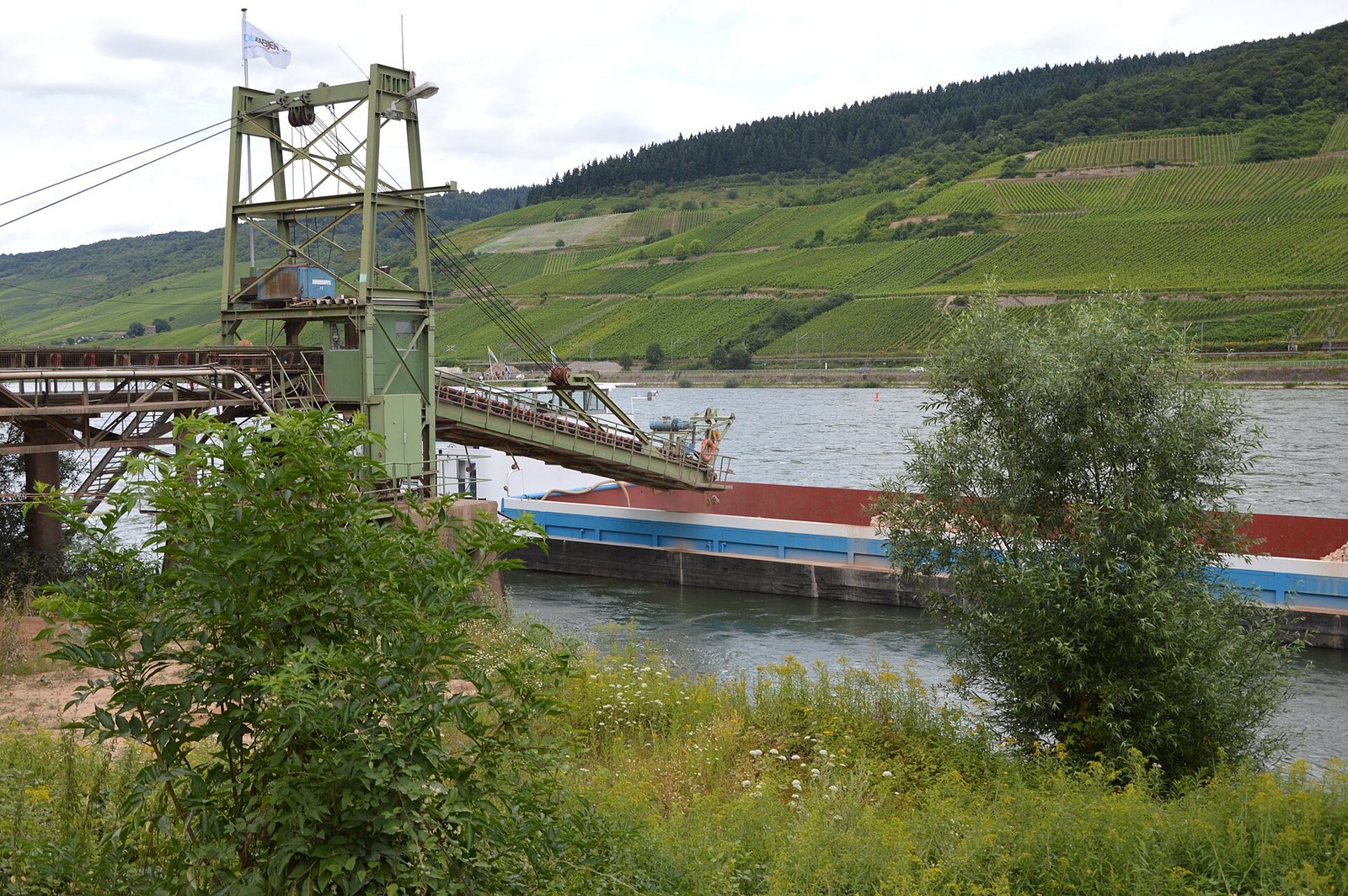
Concentrate moves by truck or slurry pipeline to the port, then in the hold of a bulk carrier. Treatment charges — what the smelter is paid to process it — are negotiated annually and are one of the industry's most watched numbers.

16 tonnesconcentrate 16 tonnesdelivered concentrate

Por qué aquí: Because the smelters are there. Chile smelts a minority of its own concentrate.
Bulk carrier · ~19,000 km, about 35 days ~35 days Guixi Smelter →
Down to the coast and across the Pacific
Conveyor belt + Rhine ship · CC BY-SA 3.0 via Wikimedia Commons
04 Procesamiento 5tonnes

China · Guixi, Jiangxi en poder de Smelter (Refinador)

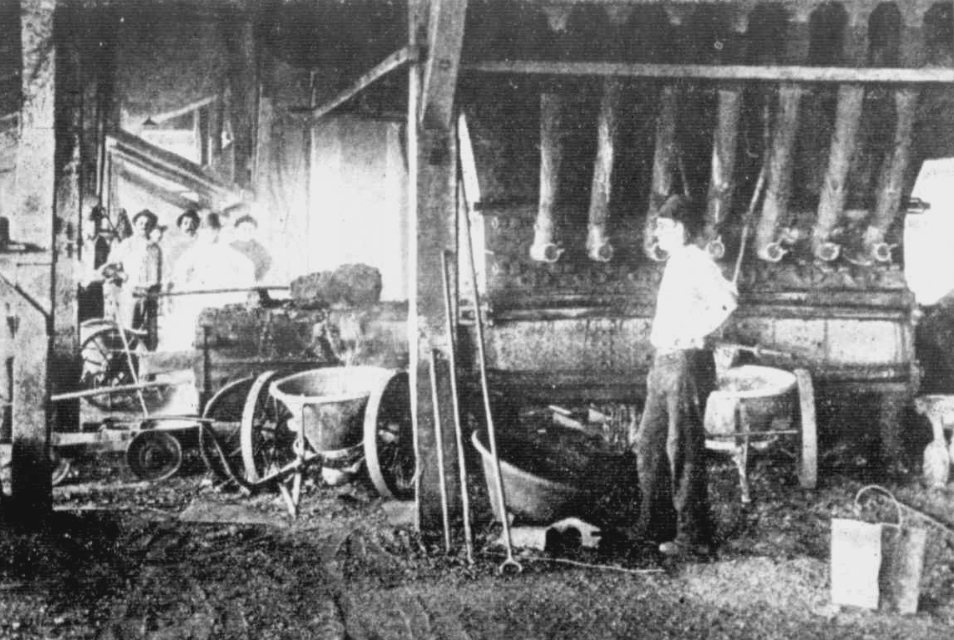
Smelting

Melted with oxygen. Iron and sulfur oxidise away; the sulfur is captured as sulfuric acid rather than released. What is left is blister copper at about 98%.

16 tonnesconcentrate 5 tonnesblister copper

Qué ocurrió con el resto: The captured sulfur becomes sulfuric acid — often sold onward to leach nickel or phosphate somewhere else entirely.

Por qué aquí: Smelting needs scale, an acid plant, an acid market and a permit. China assembled all four.
hours Sulfur →
Smelting
Smelting Co. of Australia - 80 ton copp… · Public domain via Wikimedia Commons
05 Refinación 5tonnes

China · Tankhouse en poder de Refiner (Refinador)

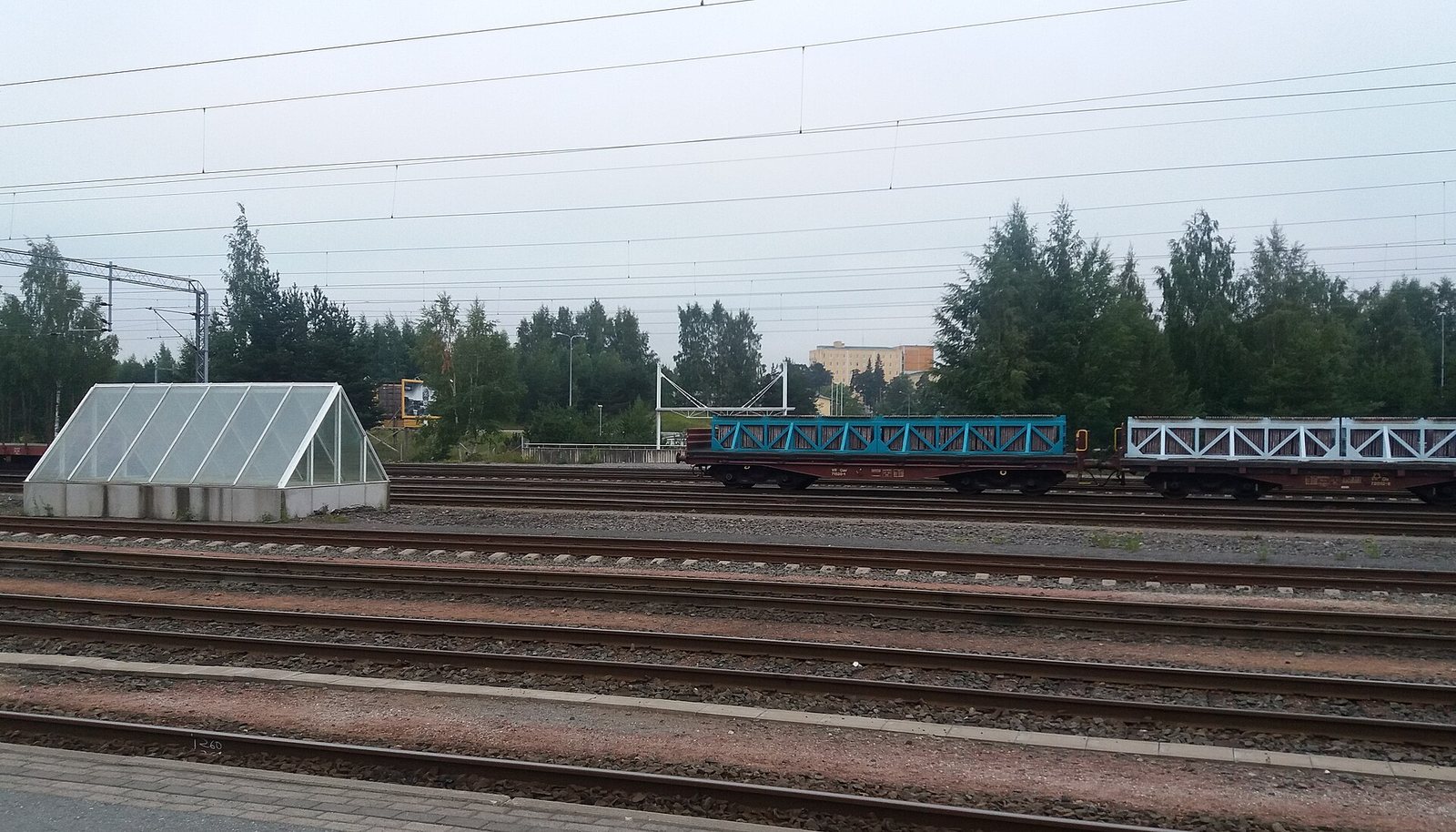
Electrorefining, and the slime at the bottom

Blister is cast into anodes and dissolved electrolytically over about two weeks; pure copper plates onto cathodes. Gold, silver, selenium, tellurium and platinum-group metals do not dissolve and settle as anode slime.

5 tonnesblister copper 5 tonnes99.99% cathode

Qué ocurrió con el resto: That anode slime is where a large share of the world's tellurium and selenium comes from. The by-products of this step are a whole industry.

Por qué aquí: Refining follows smelting; the two are almost always on the same site.
~14 days Tellurium →
Electrorefining, and the slime at the bottom
Train with anodes in Pori (1) · CC BY-SA 4.0 via Wikimedia Commons
06 Mercado final 5tonnes

China · Rod mill and cable plants en poder de Cable and equipment makers (Fabricante)

Rod, wire, and a grid

Cathode is melted and drawn into rod, then wire, then cable. 4.6 tonnes is roughly the copper in one large wind turbine, or a few hundred metres of subsea export cable.

5 tonnescathode 5 tonnesin service, and recyclable indefinitely

Por qué aquí: Copper is one of the few materials here that can be recycled endlessly without losing quality. This tonne will outlive the mine.
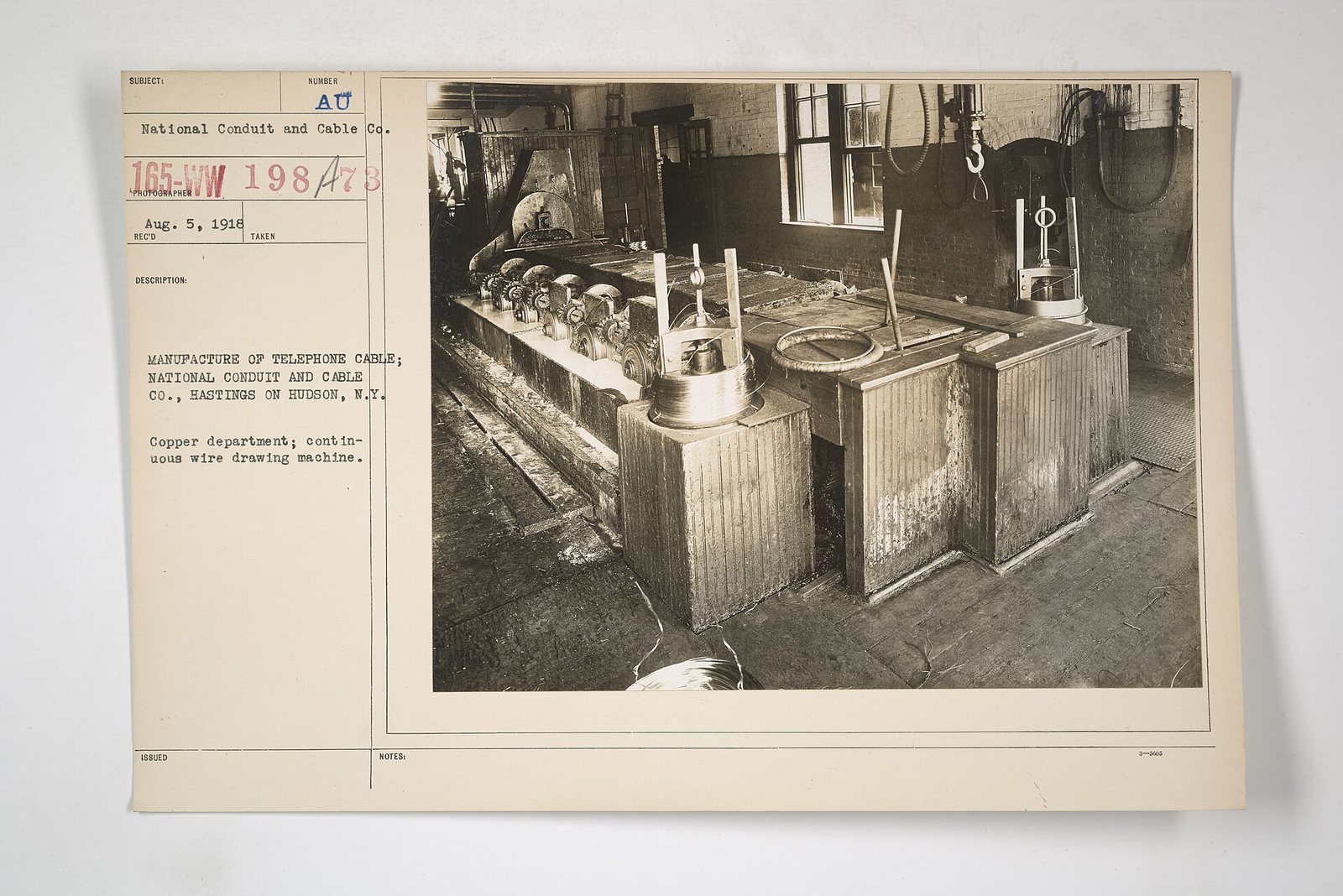
Rod, wire, and a grid
Industries of War - Electrical Apparatu… · Public domain via Wikimedia Commons

Este es un ejemplo resuelto. Sigue una cantidad de partida declarada a través de rendimientos y recuperaciones típicos publicados, por lo que las proporciones son verificables; no es el registro de un envío concreto. Los datos de la ruta — qué países, qué procesos y por qué el material no puede simplemente manipularse en otro lugar — se han compilado a partir de información pública.

Materiales

Todos los materiales Minerales críticos Tierras raras Materiales para baterías Minerales mena Tabla periódica Clasificador

El subsuelo

Minas y yacimientos Procesamiento y refinación Países Mapas

La economía

Recorridos de custodia Cadenas de suministro Mercados finales Tecnologías Empresas Calculadora de materiales

Aprender

AprenderGlosario Consultar los datosAgentes de IA Investigación y datosAPI abierta Noticias★ Guardado

Quiénes somos

Quiénes somosContacto MetodologíaFuentes de datos Política editorial Política de privacidadCondiciones de uso Aviso legal