Dalla roccia al prodotto, tracciato
The Materials Atlas
Materiali Miniere e giacimenti Lavorazione e raffinazione Percorsi di custodia Filiere produttive Aziende Paesi Notizie
Materiali per scaffale Materiali per batterie Elementi delle terre rare Rame ed elettrico Materiali per semiconduttori Materiali nucleari Aerospazio e difesa Metalli preziosi Acciaio e metalli da lega Minerali industriali Minerali per l'agricoltura Materie prime energetiche Minerali mena Tavola periodica
Domanda Mercati finali Tecnologie Calcolatore di materiali Mappe Screener
Approfondisci e strumenti ApprofondisciGlossario Interroga i datiAgenti AI Ricerca e datiAPI ★ Salvato
Informazioni Chi siamoMetodologia Fonti dei datiContatti Avvertenza
Opzioni di lettura
🧭 Vista guidata Nuovo a tutto questo — tenori di minerale, concentrato, raffinazione, sottoprodotti? Spieghiamo ogni termine mentre navighi, in linguaggio chiaro. Stessi dati, con il supporto integrato.
⚡ Vista esperto Conosci già il settore. Solo i dati — puliti, rapidi e compatti, senza spiegazioni aggiuntive. Questa è la visualizzazione predefinita.
Tema
Lingua dell'interfaccia
Profondità Le pagine dei materiali sono scritte a quattro livelli. Selezionane uno in qualsiasi pagina di materiale: la scelta viene memorizzata.
★ Salvato Ricerca e dati
Chilean sulfide concentrate to Chinese cathode to a wire

Percorso di custodia · inizia in Chile

Chilean sulfide concentrate to Chinese cathode to a wire

Chile mines the most copper in the world. China refines the most. Those are not the same sentence.

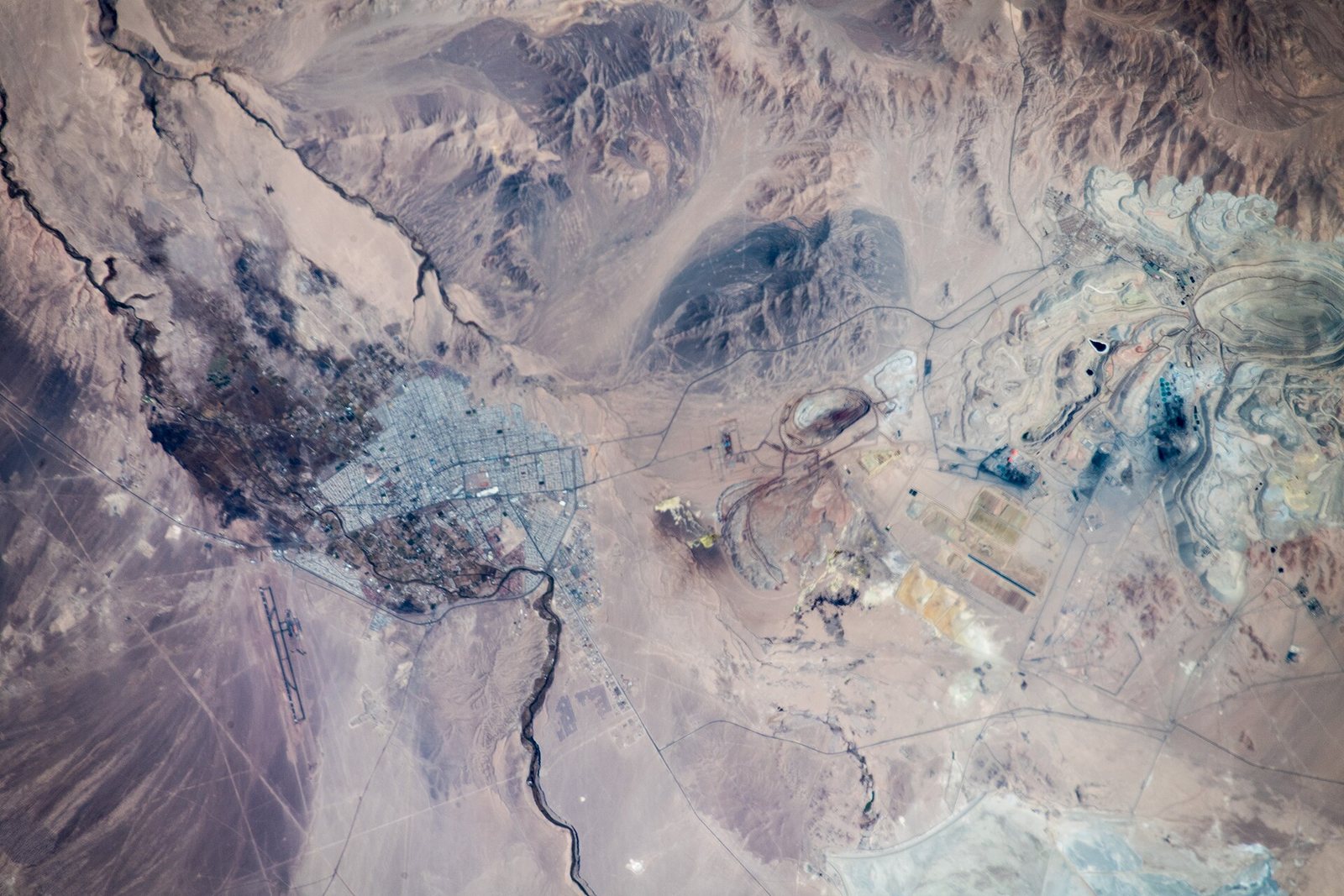
Chuquicamata copper mine - Chuquicamata-Kupfermine · Alexander Gerst · CC BY-SA 2.0 · Wikimedia Commons
1,000 tonnes of ore as blasted
5 tonnes of 99.99% copper cathode
Chile → China · Bulk carrier Chile — Moving a mountain for half a percent 1 Chile China — Down to the coast and across the Pacific 2 China
Numerati nell'ordine in cui il materiale viaggia. Clicca su un paese per aprirne la pagina. Proiezione equirettangolare costruita dai centroidi dei paesi — gli archi mostrano quali confini vengono attraversati, non la rotta di navigazione effettiva.

Cosa si muove effettivamente

Sulfide copper has to be smelted, and more than half the world's smelting capacity is on the other side of the Pacific. So Chilean concentrate — about 30% copper and 70% something else — sails 19,000 km to be turned into metal, and the by-products in it become somebody else's gold, silver and tellurium.

Il materiale
Copper
La varietà
Chalcopyrite concentrate from a porphyry, roughly 0.5% Cu ore grade
Dove inizia
Chile — Escondida, 3,100 m up in the Atacama
Perché questo percorso e non un altro. Chalcopyrite locks copper to iron and sulfur. Only a smelter can break those bonds, and building smelters requires acid plants, permits and power that have moved to where the refining industry consolidated.
L'anello più stretto. Smelting and refining, not mining. A country can be the largest miner of copper and still have very little say over the metal.
Leggi i due valori su ogni tappa: quanto è entrato e quanto è uscito. Osservarne la diminuzione progressiva è lo scopo dell'esercizio. Alla fine avrai seguito mille tonnellate di roccia fino a ridurle a pochi chilogrammi della sostanza che svolge effettivamente il lavoro.

Passo dopo passo, confine per confine

01 Estrazione 1,000tonnes

Chile · Escondida, Antofagasta detenuto da BHP as operator, with Rio Tinto and JECO (Minatore)

Moving a mountain for half a percent

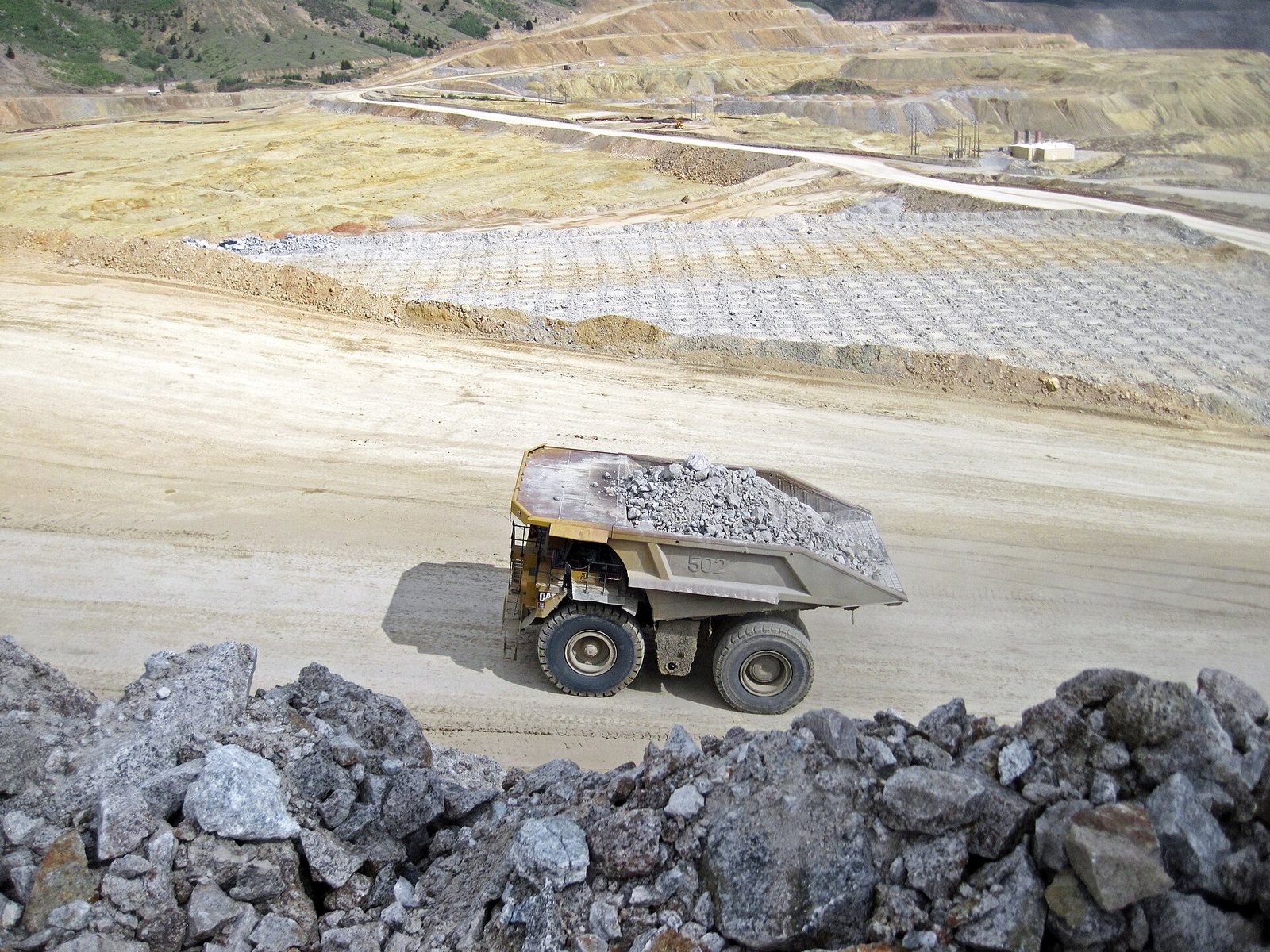
Drilled, blasted and hauled from an open pit. At about 0.5% copper, 995 kg of every tonne is waste before processing even begins.

1,000 tonnesore in the pit 1,000 tonnesore to the mill

Perché qui: A porphyry orebody, and desalinated seawater pumped 180 km uphill to process it.
continuous Escondida →
Moving a mountain for half a percent
Haul truck (Continental Mine, Butte, Mo… · CC BY 2.0 via Wikimedia Commons
02 Lavorazione 16tonnes

Chile · Concentrator detenuto da BHP (Minatore)

Grinding and floating

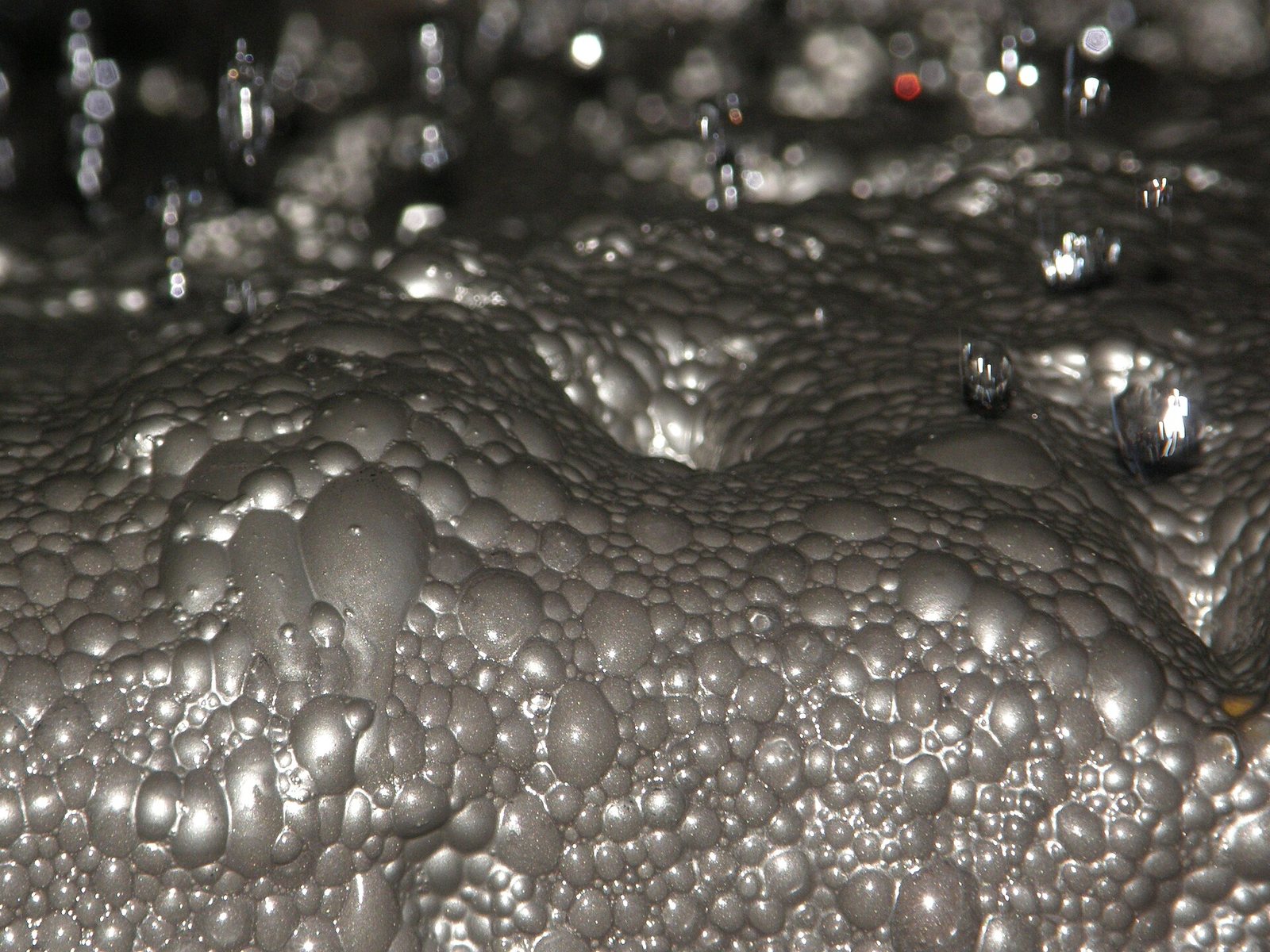
Ground to a powder and floated: air bubbles carry the sulfide minerals to the surface while the rock sinks. The result is a concentrate of about 30% copper.

1,000 tonnesore at 0.5% Cu 16 tonnesconcentrate at ~30% Cu

Che fine ha fatto il resto: 984 tonnes to the tailings dam. Grinding is the largest single electricity consumer on any copper mine.

Perché qui: Always at the mine. Shipping 1,000 tonnes to recover 5 would be indefensible.
La strada non percorsa Oxide ore, finished at the mine instead Change the mineral and the whole international leg disappears.
Grinding and floating
Prominenthill-flotation · CC BY-SA 4.0 via Wikimedia Commons
03 Trasporto 16tonnes

China · Antofagasta to Chinese smelter ports detenuto da Traders and smelters (Trader)

Down to the coast and across the Pacific

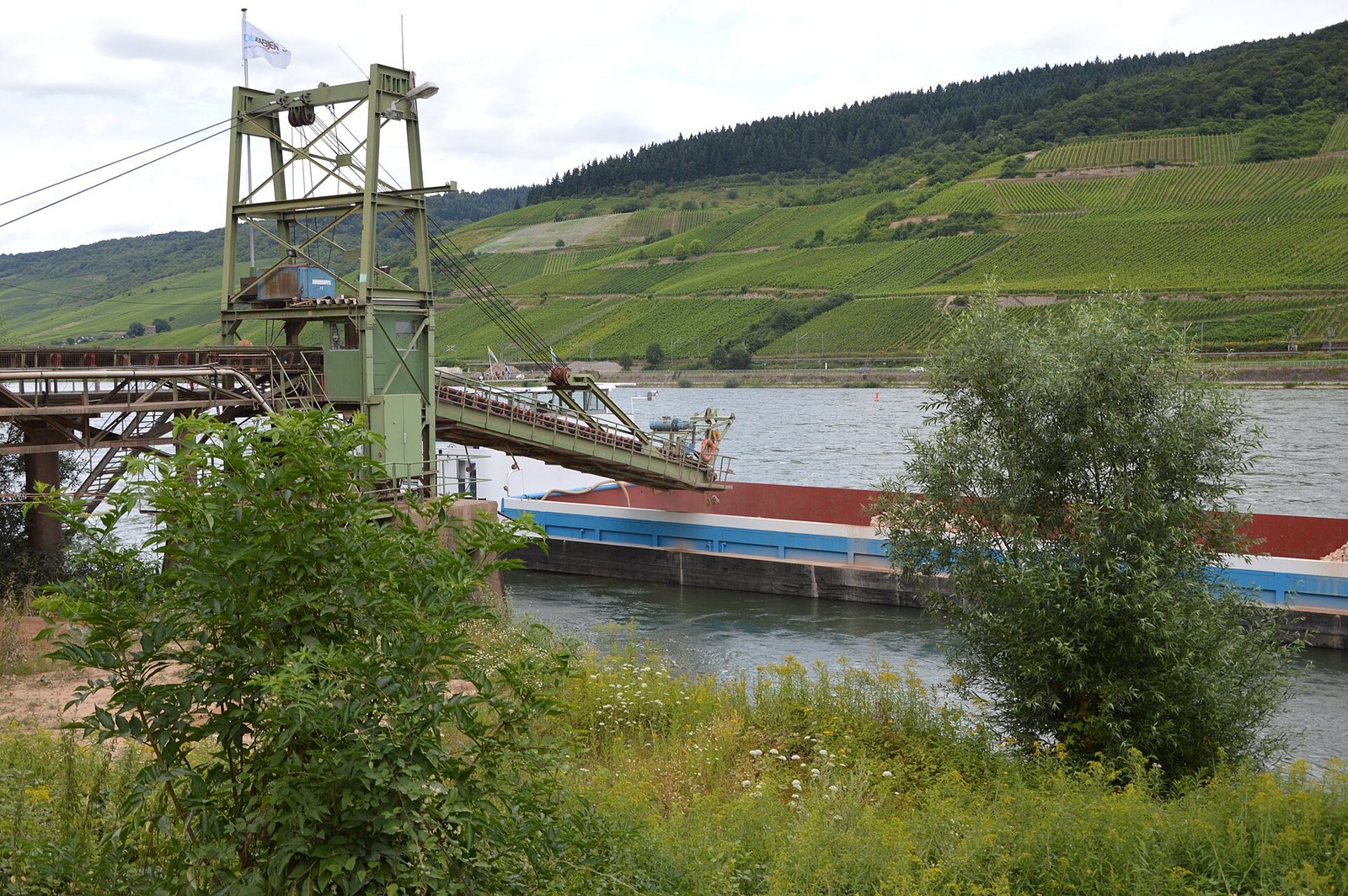
Concentrate moves by truck or slurry pipeline to the port, then in the hold of a bulk carrier. Treatment charges — what the smelter is paid to process it — are negotiated annually and are one of the industry's most watched numbers.

16 tonnesconcentrate 16 tonnesdelivered concentrate

Perché qui: Because the smelters are there. Chile smelts a minority of its own concentrate.
Bulk carrier · ~19,000 km, about 35 days ~35 days Guixi Smelter →
Down to the coast and across the Pacific
Conveyor belt + Rhine ship · CC BY-SA 3.0 via Wikimedia Commons
04 Lavorazione 5tonnes

China · Guixi, Jiangxi detenuto da Smelter (Raffinatore)

Smelting

Melted with oxygen. Iron and sulfur oxidise away; the sulfur is captured as sulfuric acid rather than released. What is left is blister copper at about 98%.

16 tonnesconcentrate 5 tonnesblister copper

Che fine ha fatto il resto: The captured sulfur becomes sulfuric acid — often sold onward to leach nickel or phosphate somewhere else entirely.

Perché qui: Smelting needs scale, an acid plant, an acid market and a permit. China assembled all four.
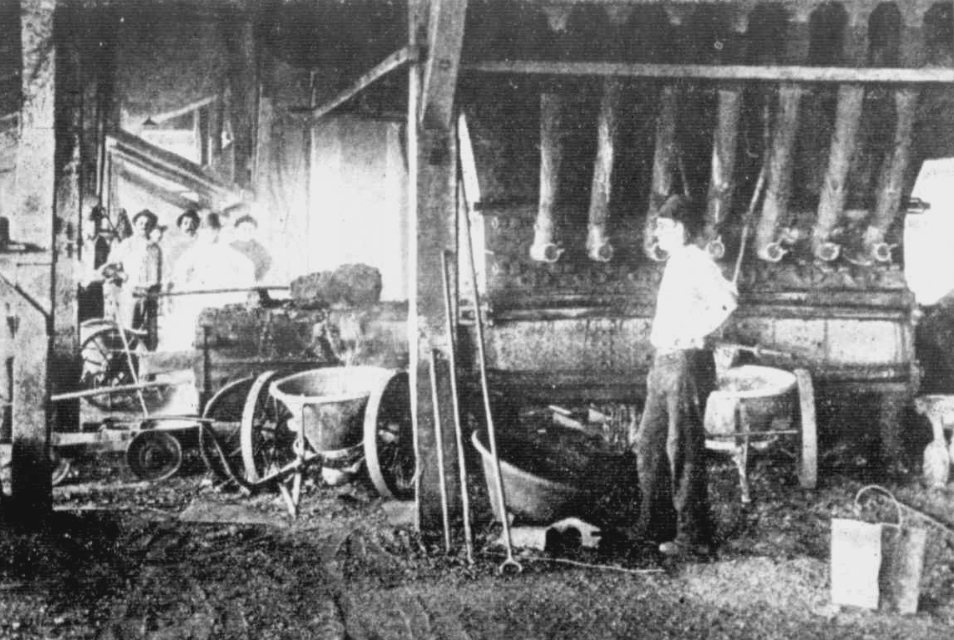
hours Sulfur →
Smelting
Smelting Co. of Australia - 80 ton copp… · Public domain via Wikimedia Commons
05 Raffinazione 5tonnes

China · Tankhouse detenuto da Refiner (Raffinatore)

Electrorefining, and the slime at the bottom

Blister is cast into anodes and dissolved electrolytically over about two weeks; pure copper plates onto cathodes. Gold, silver, selenium, tellurium and platinum-group metals do not dissolve and settle as anode slime.

5 tonnesblister copper 5 tonnes99.99% cathode

Che fine ha fatto il resto: That anode slime is where a large share of the world's tellurium and selenium comes from. The by-products of this step are a whole industry.

Perché qui: Refining follows smelting; the two are almost always on the same site.
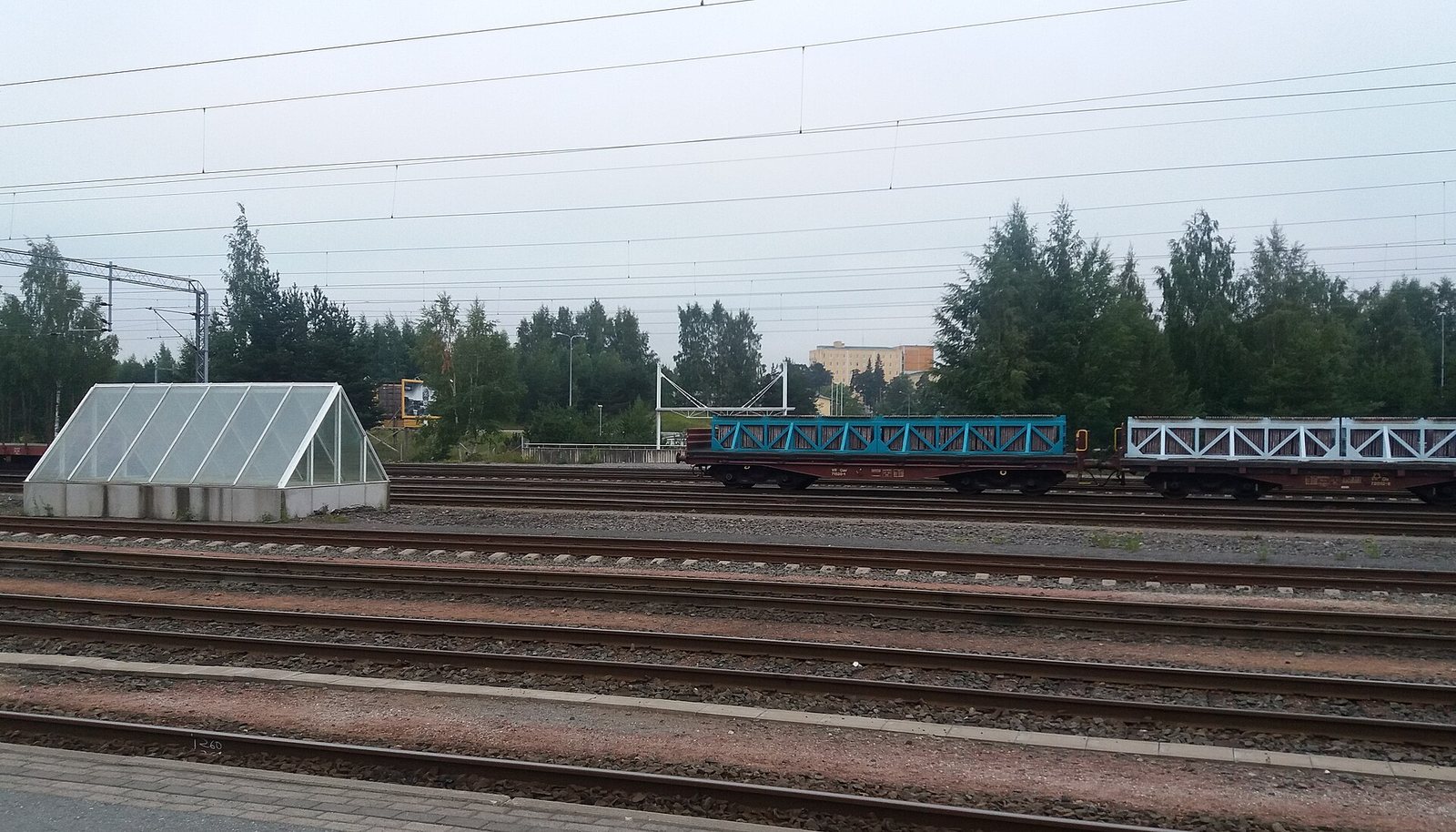
~14 days Tellurium →
Electrorefining, and the slime at the bottom
Train with anodes in Pori (1) · CC BY-SA 4.0 via Wikimedia Commons
06 Mercato finale 5tonnes

China · Rod mill and cable plants detenuto da Cable and equipment makers (Produttore)

Rod, wire, and a grid

Cathode is melted and drawn into rod, then wire, then cable. 4.6 tonnes is roughly the copper in one large wind turbine, or a few hundred metres of subsea export cable.

5 tonnescathode 5 tonnesin service, and recyclable indefinitely

Perché qui: Copper is one of the few materials here that can be recycled endlessly without losing quality. This tonne will outlive the mine.
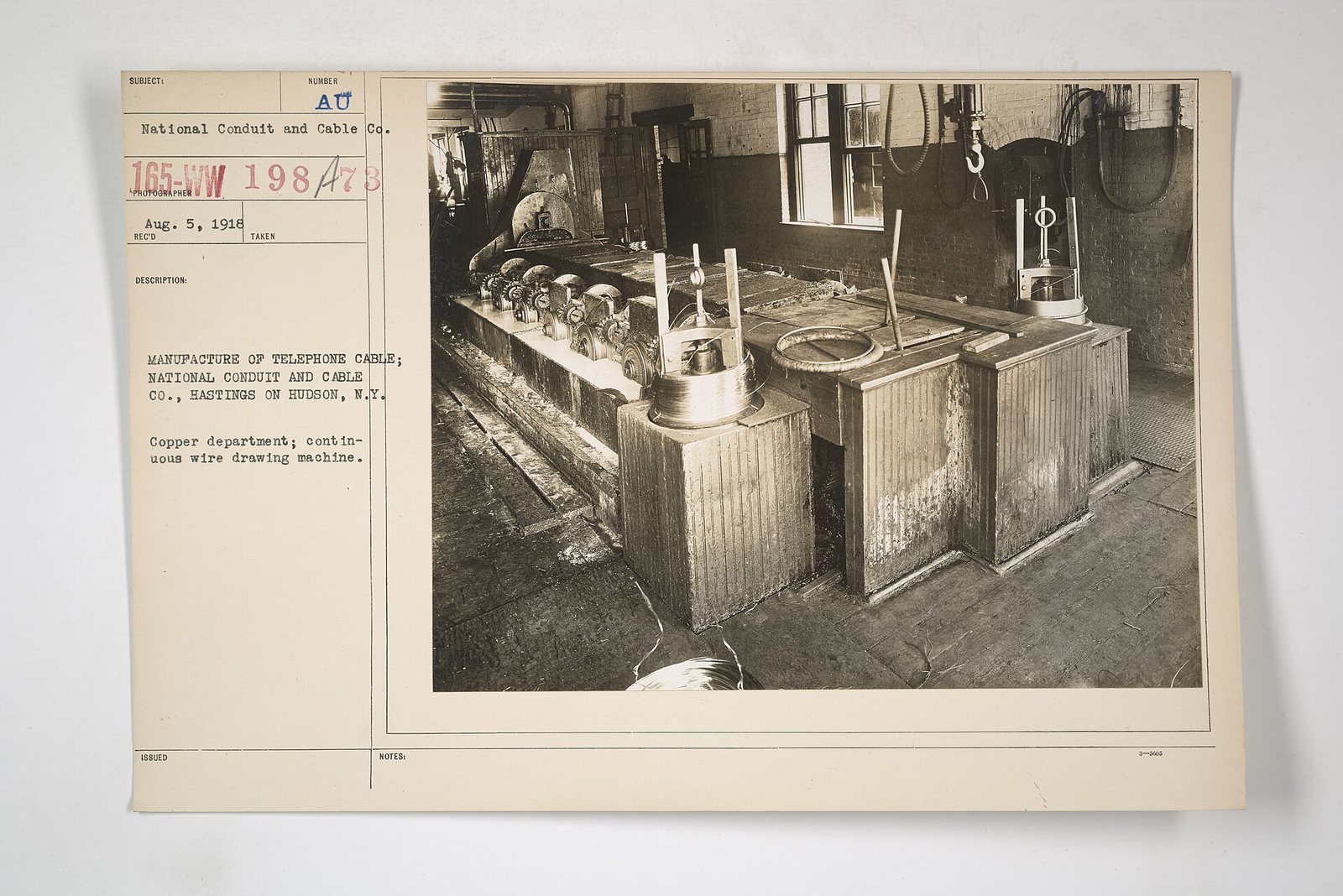
Rod, wire, and a grid
Industries of War - Electrical Apparatu… · Public domain via Wikimedia Commons

Questo è un esempio elaborato. Segue una quantità iniziale dichiarata attraverso rese e recuperi tipici pubblicati, così che le proporzioni siano verificabili; non è il resoconto di una spedizione specifica. I dati di percorso — quali paesi, quali processi e perché il materiale non può semplicemente essere trattato altrove — sono compilati da fonti di pubblico dominio.

Materiali

Tutti i materiali Minerali critici Terre rare Materiali per batterie Minerali mena Tavola periodica Screener

Il sottosuolo

Miniere e giacimenti Lavorazione e raffinazione Paesi Mappe

L'economia

Percorsi di custodia Filiere produttive Mercati finali Tecnologie Aziende Calcolatore di materiali

Approfondisci

ApprofondisciGlossario Interroga i datiAgenti AI Ricerca e datiAPI aperta Notizie★ Salvato

Chi siamo

Chi siamoContatti MetodologiaFonti dei dati Politica editoriale Informativa sulla privacyCondizioni d'uso Avvertenza