실제로 이동하는 것
Sulfide copper has to be smelted, and more than half the world's smelting capacity is on the other side of the Pacific. So Chilean concentrate — about 30% copper and 70% something else — sails 19,000 km to be turned into metal, and the by-products in it become somebody else's gold, silver and tellurium.
- 소재
- Copper
- 유형
- Chalcopyrite concentrate from a porphyry, roughly 0.5% Cu ore grade
- 출발지
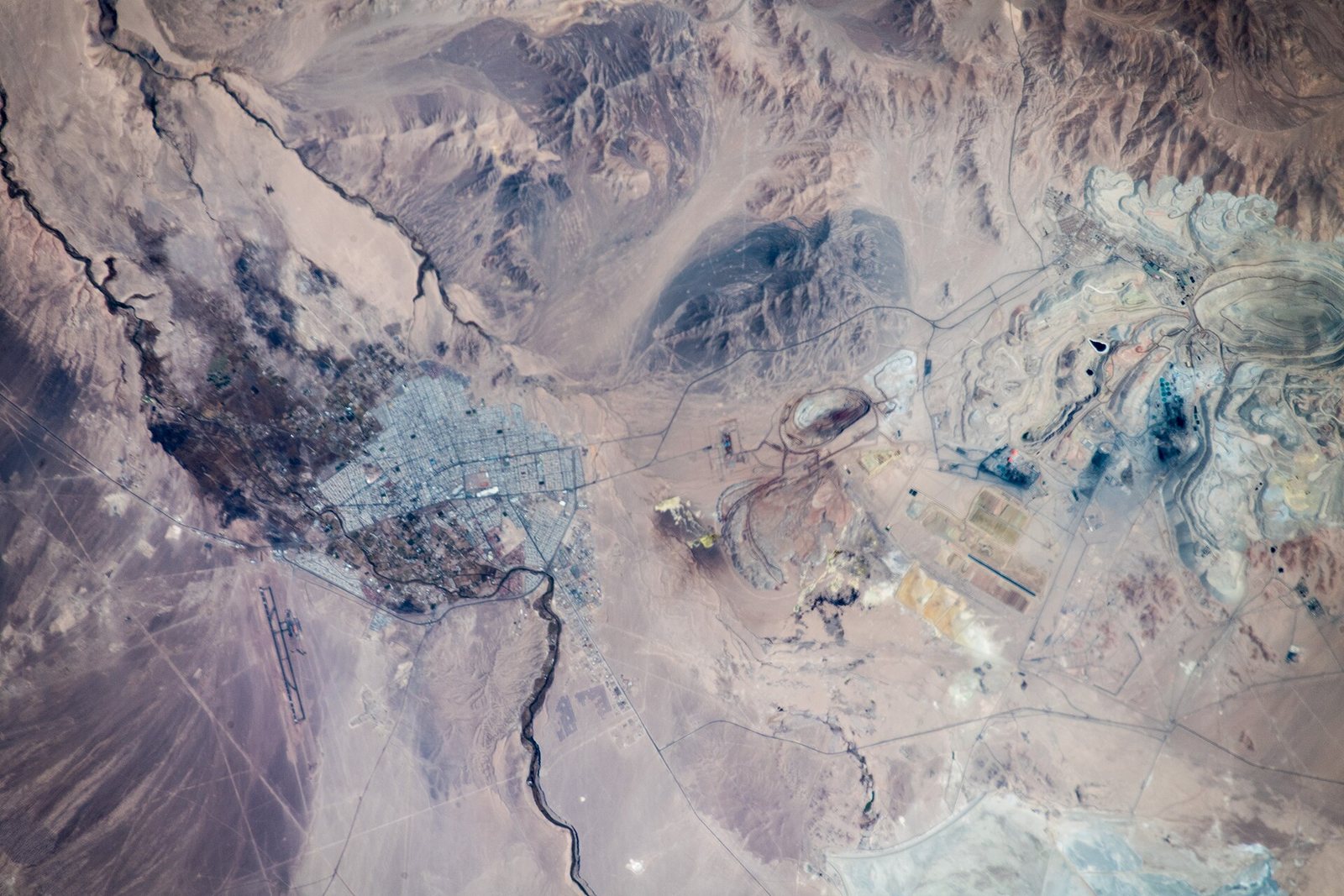
- Chile — Escondida, 3,100 m up in the Atacama
단계별, 국경별
Chile · Escondida, Antofagasta 보유자 BHP as operator, with Rio Tinto and JECO (채굴업체)
Moving a mountain for half a percent
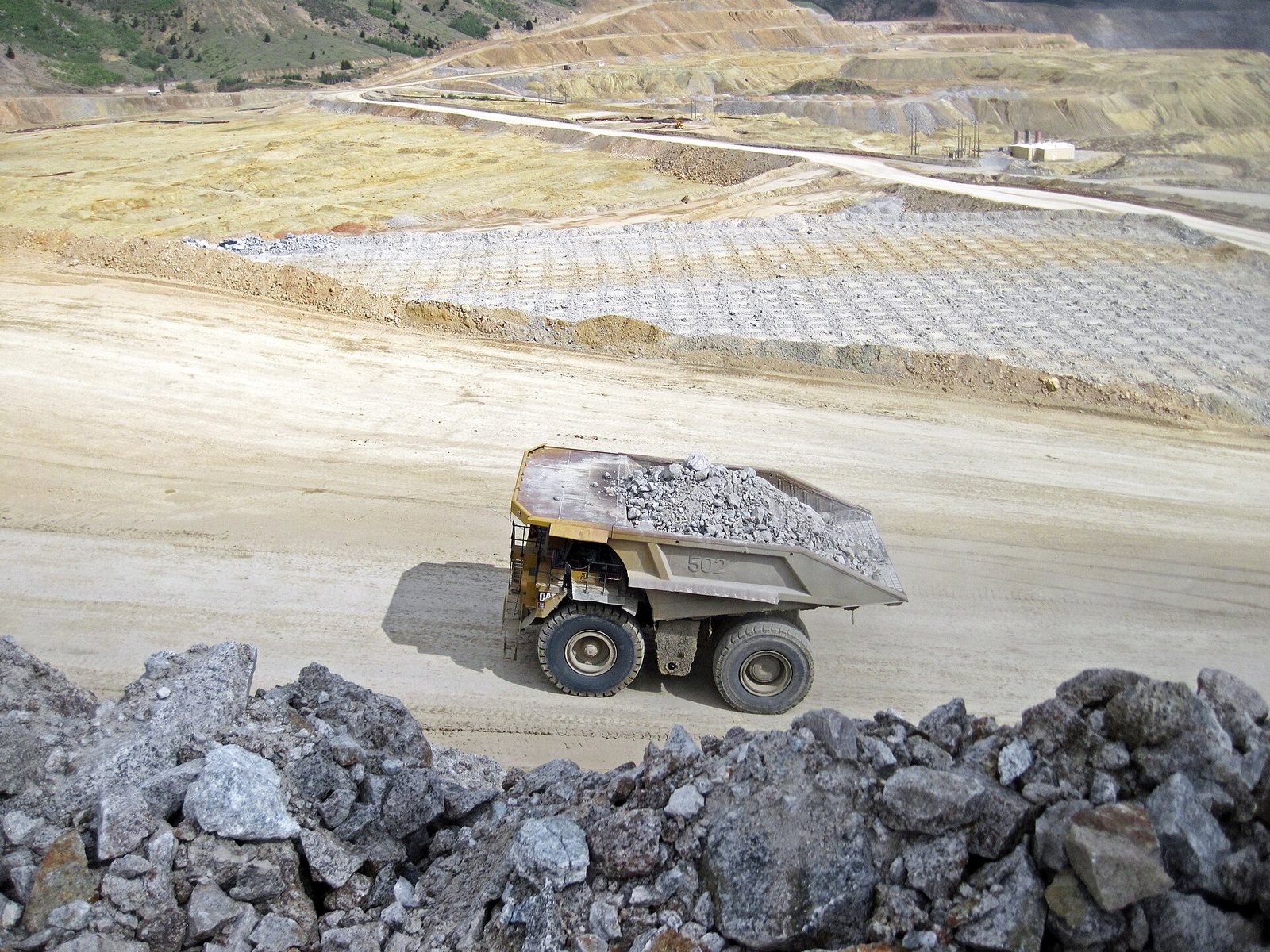
Drilled, blasted and hauled from an open pit. At about 0.5% copper, 995 kg of every tonne is waste before processing even begins.
왜 이곳인가: A porphyry orebody, and desalinated seawater pumped 180 km uphill to process it.
Chile · Concentrator 보유자 BHP (채굴업체)
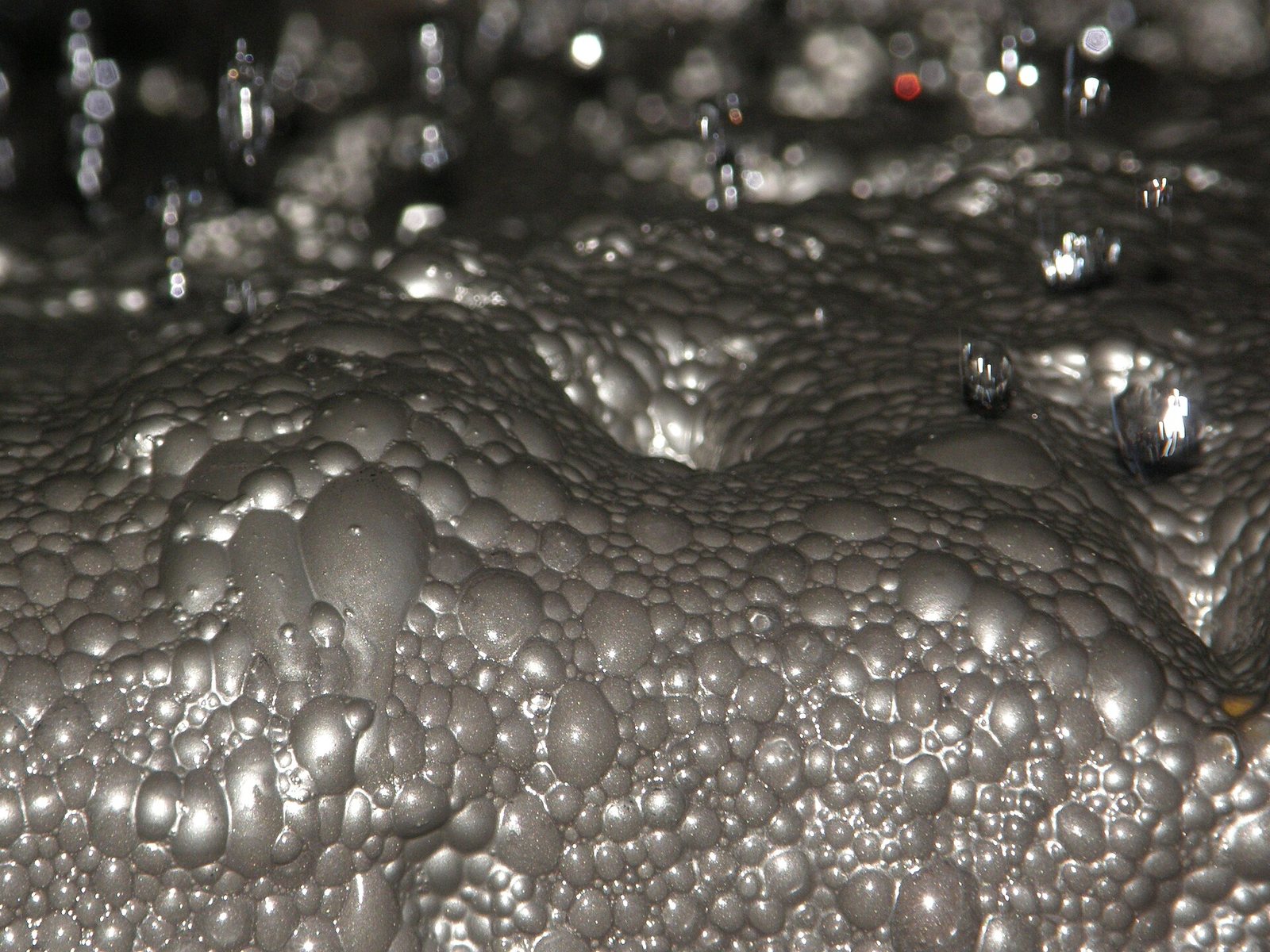
Grinding and floating
Ground to a powder and floated: air bubbles carry the sulfide minerals to the surface while the rock sinks. The result is a concentrate of about 30% copper.
나머지는 어떻게 되었는가: 984 tonnes to the tailings dam. Grinding is the largest single electricity consumer on any copper mine.
왜 이곳인가: Always at the mine. Shipping 1,000 tonnes to recover 5 would be indefensible.
China · Antofagasta to Chinese smelter ports 보유자 Traders and smelters (트레이더)
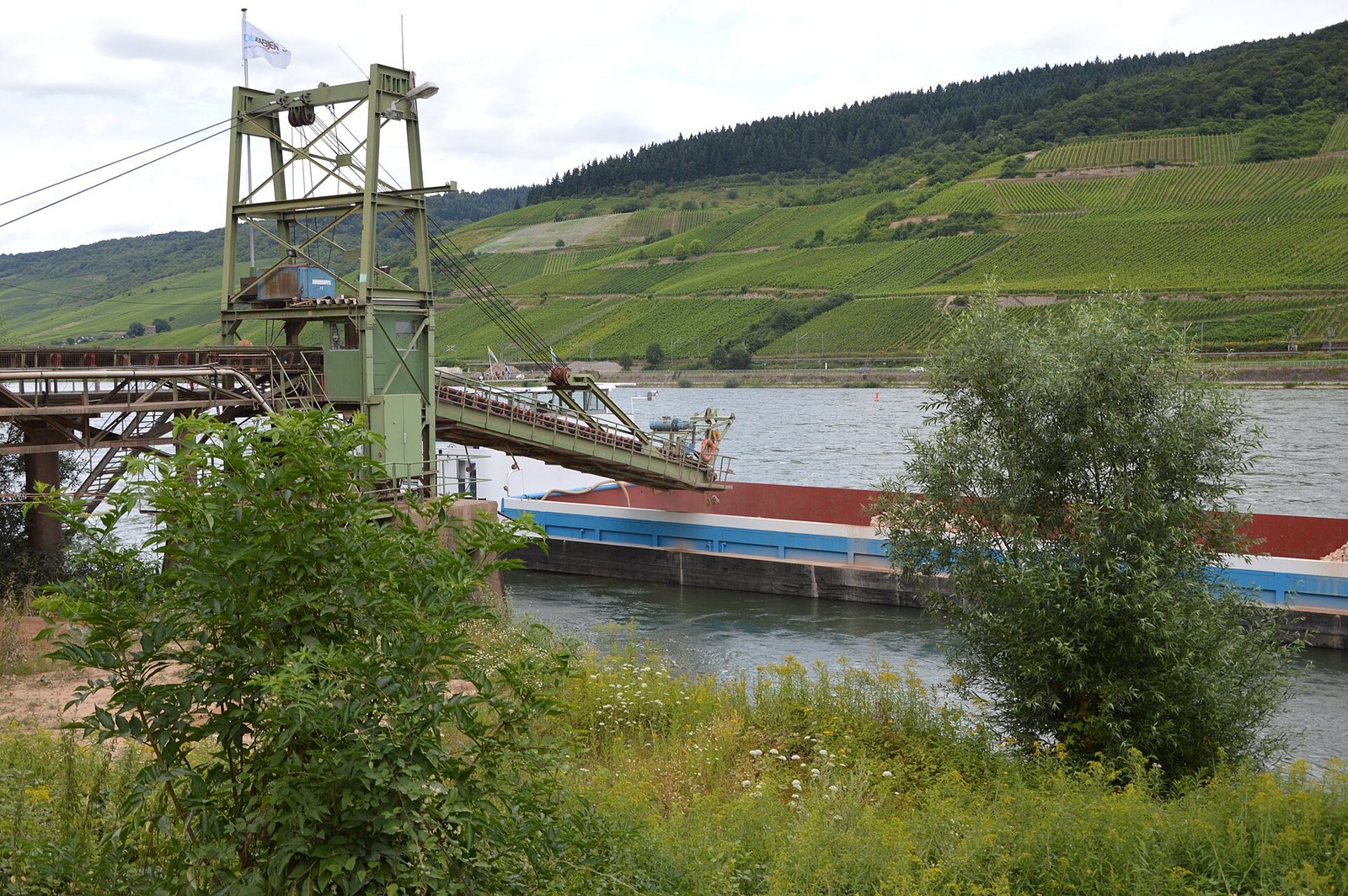
Down to the coast and across the Pacific
Concentrate moves by truck or slurry pipeline to the port, then in the hold of a bulk carrier. Treatment charges — what the smelter is paid to process it — are negotiated annually and are one of the industry's most watched numbers.
왜 이곳인가: Because the smelters are there. Chile smelts a minority of its own concentrate.
China · Guixi, Jiangxi 보유자 Smelter (정련업체)
Smelting
Melted with oxygen. Iron and sulfur oxidise away; the sulfur is captured as sulfuric acid rather than released. What is left is blister copper at about 98%.
나머지는 어떻게 되었는가: The captured sulfur becomes sulfuric acid — often sold onward to leach nickel or phosphate somewhere else entirely.
왜 이곳인가: Smelting needs scale, an acid plant, an acid market and a permit. China assembled all four.
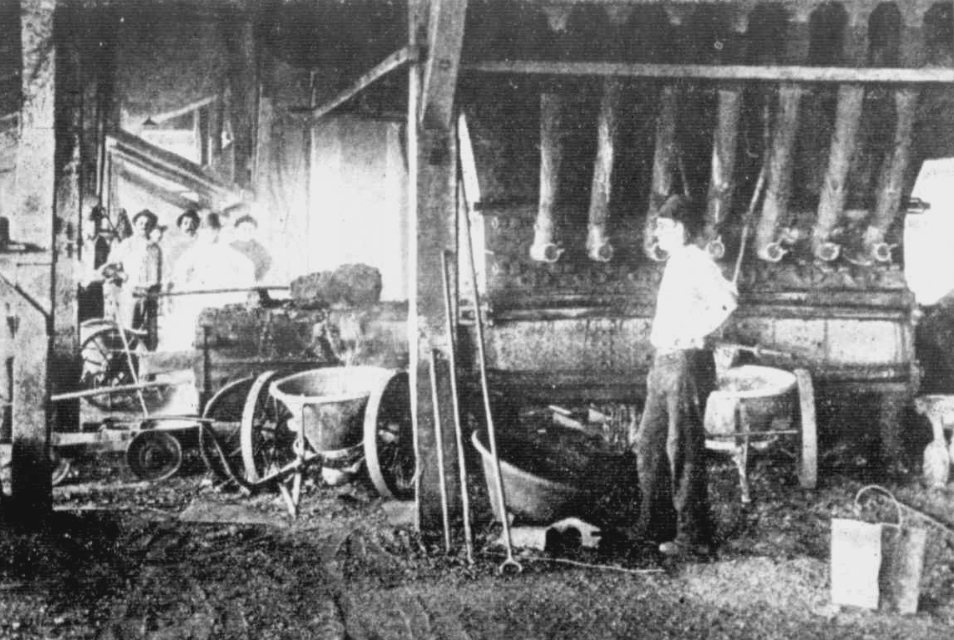
China · Tankhouse 보유자 Refiner (정련업체)
Electrorefining, and the slime at the bottom
Blister is cast into anodes and dissolved electrolytically over about two weeks; pure copper plates onto cathodes. Gold, silver, selenium, tellurium and platinum-group metals do not dissolve and settle as anode slime.
나머지는 어떻게 되었는가: That anode slime is where a large share of the world's tellurium and selenium comes from. The by-products of this step are a whole industry.
왜 이곳인가: Refining follows smelting; the two are almost always on the same site.
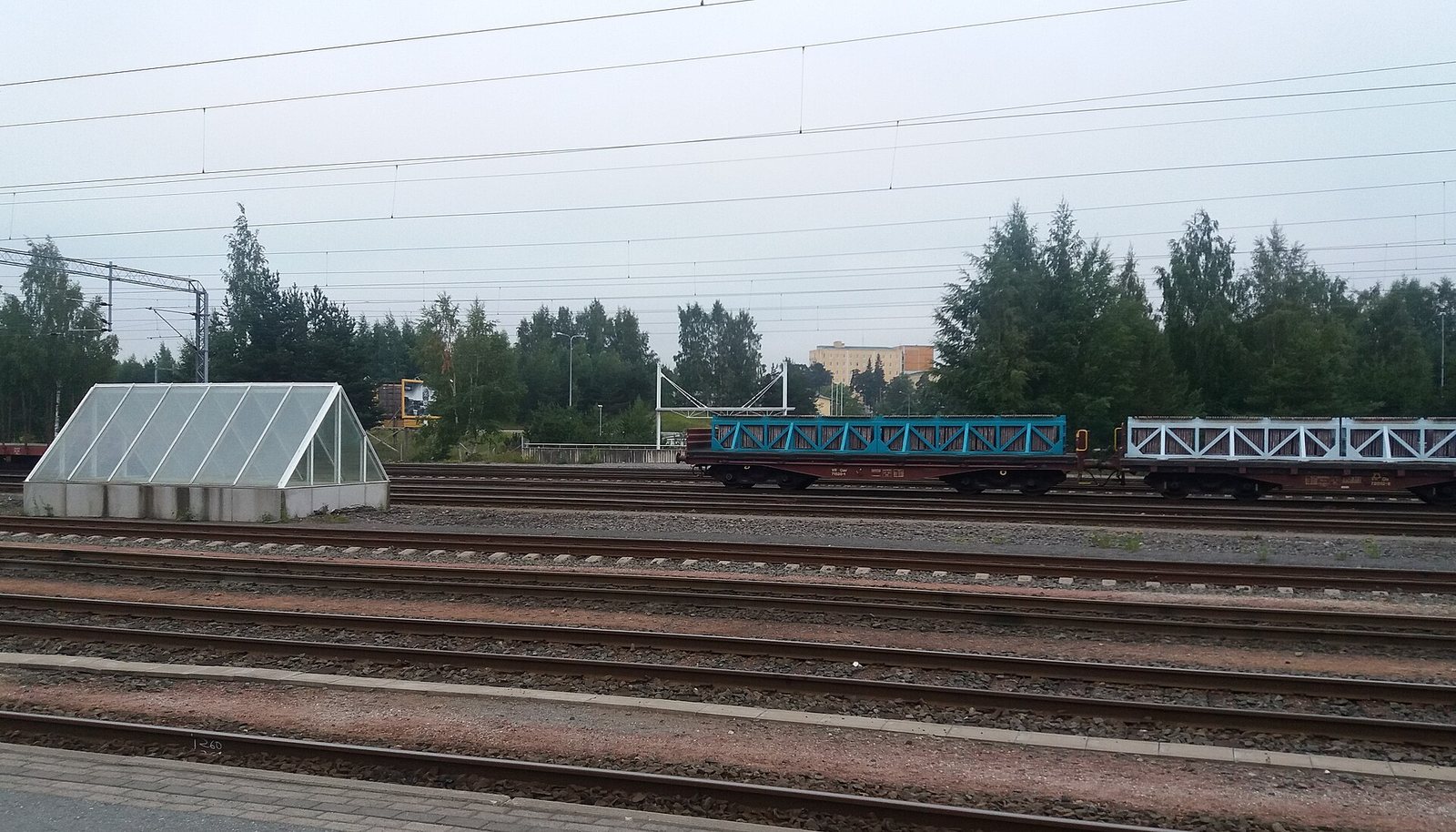
China · Rod mill and cable plants 보유자 Cable and equipment makers (제조사)
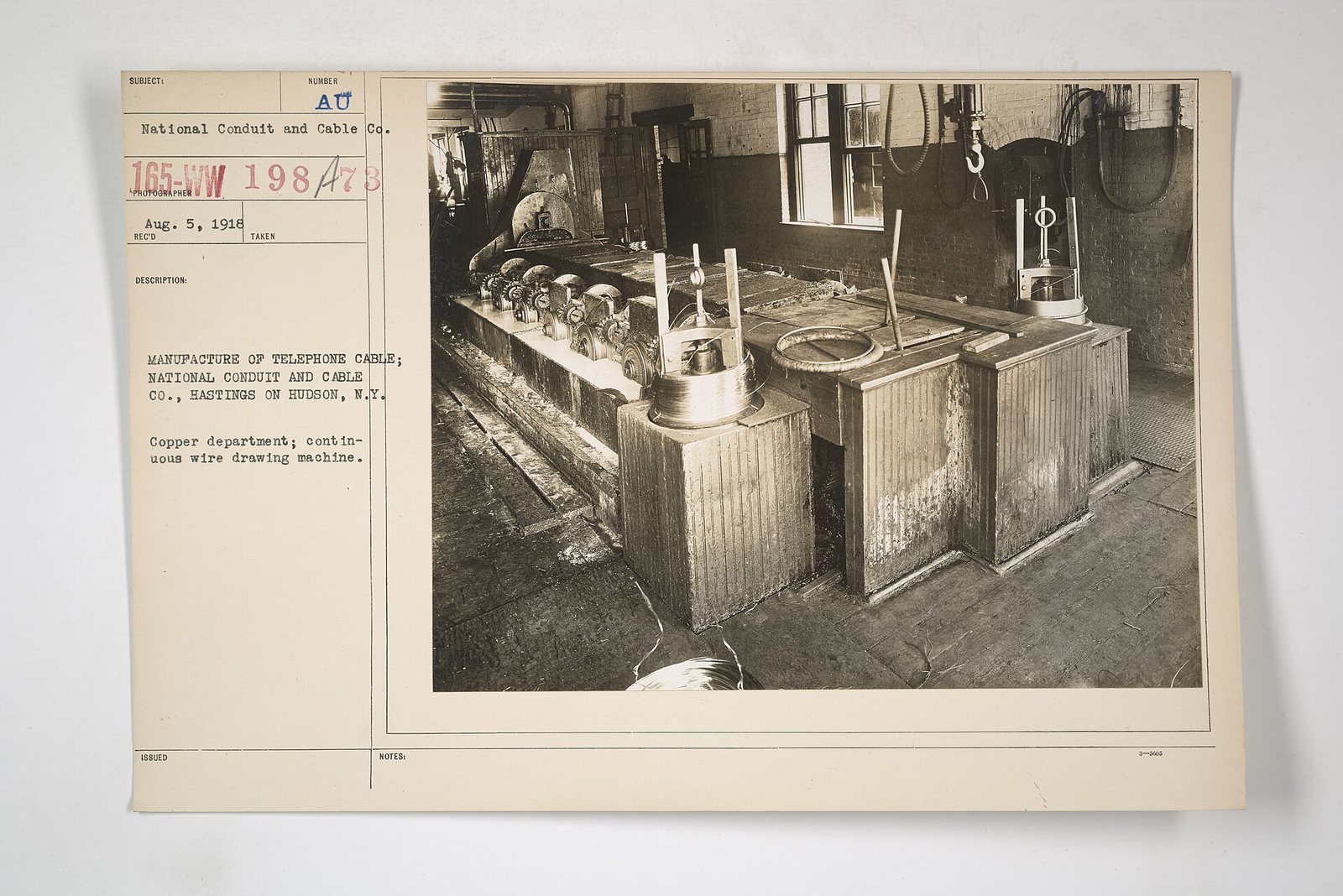
Rod, wire, and a grid
Cathode is melted and drawn into rod, then wire, then cable. 4.6 tonnes is roughly the copper in one large wind turbine, or a few hundred metres of subsea export cable.
왜 이곳인가: Copper is one of the few materials here that can be recycled endlessly without losing quality. This tonne will outlive the mine.
이것은 작업 예시이다. 공표된 출발 수량을 공표된 일반적인 수율 및 회수율에 따라 추적한 것이므로 비율은 검증 가능하다. 특정 선적 기록이 아니다. 경로 사실—어느 나라, 어떤 공정, 그리고 왜 해당 소재를 다른 곳에서 처리할 수 없는지—은 공개 보고를 바탕으로 정리되었다.