Van erts naar product, getraceerd
The Materials Atlas
Materialen Mijnen & afzettingen Verwerking & raffinage Bewaartrajecten Toeleveringsketens Bedrijven Landen Nieuws
Materialen per schap Batterijmaterialen Zeldzame-aardelementen Koper & elektrisch Halfgeleidermaterialen Nucleaire materialen Luchtvaart & defensie Edele metalen Staal- en legeringsmetalen Industriële mineralen Landbouwmineralen Energiegrondstoffen Ertsmineralen Periodiek systeem
Vraag Eindmarkten Technologieën Materiaалcalculator Kaarten Screener
Leren & hulpmiddelen Meer lerenVerklarende woordenlijst Raadpleeg de dataAI-agenten Onderzoek & dataAPI ★ Opgeslagen
Over Over onsMethodologie GegevensbronnenContact Disclaimer
Leesopties
🧭 Begeleide weergave Nieuw hiermee — ertsgrades, concentraat, raffinage, bijproducten? We leggen elk begrip uit terwijl u bladert, in duidelijke taal. Dezelfde gegevens, met de uitleg ingebouwd.
⚡ Expertweergave U kent de sector al. Alleen de data — helder, snel en compact, zonder extra toelichting. Dit is de standaardweergave.
Thema
Interfacetaal
Diepte Materiaalpagina's zijn op vier niveaus geschreven. Kies een niveau op een materiaalpagina en het wordt onthouden.
★ Opgeslagen Onderzoek & data
Chilean sulfide concentrate to Chinese cathode to a wire

Bewaartraject · begint in Chile

Chilean sulfide concentrate to Chinese cathode to a wire

Chile mines the most copper in the world. China refines the most. Those are not the same sentence.

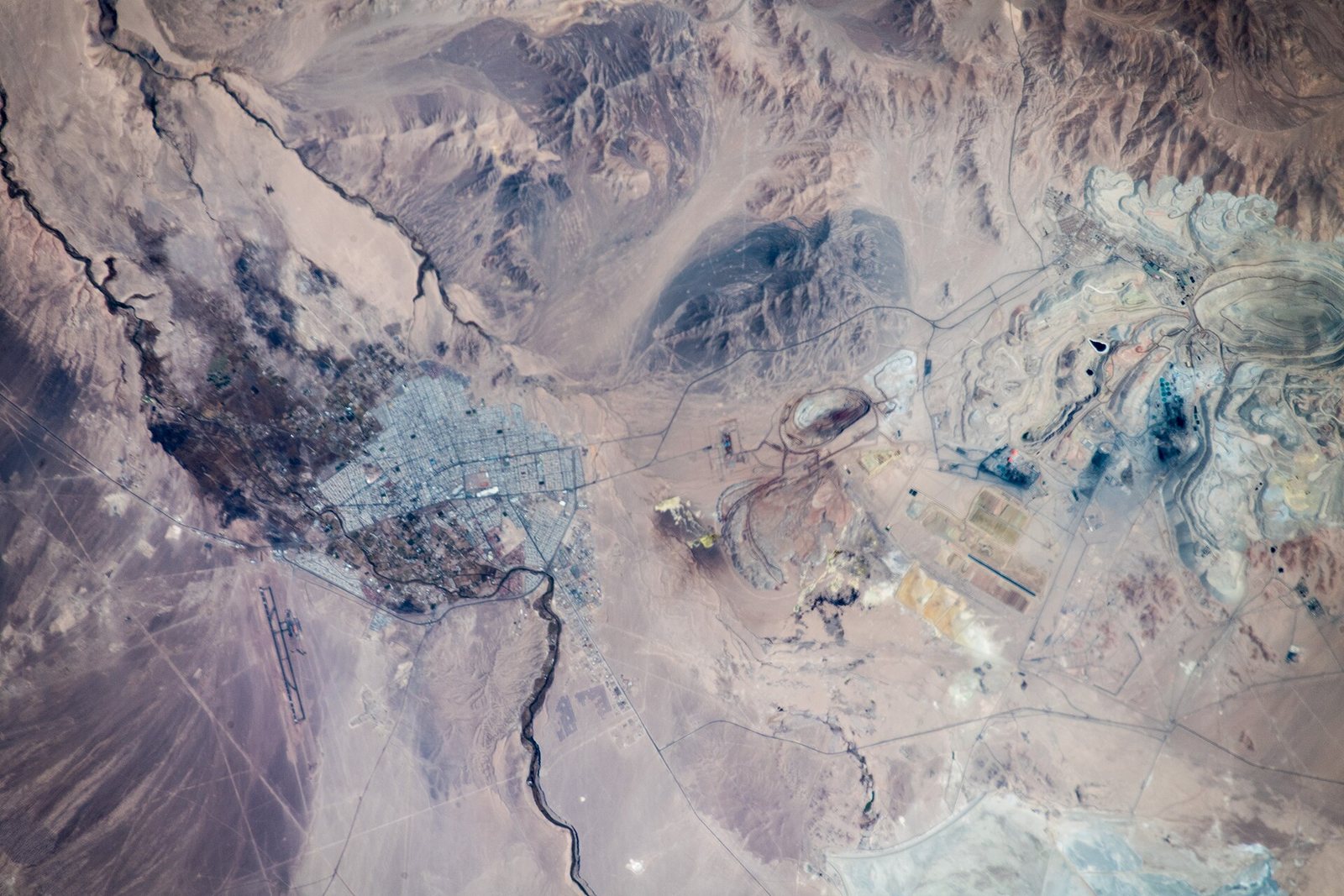
Chuquicamata copper mine - Chuquicamata-Kupfermine · Alexander Gerst · CC BY-SA 2.0 · Wikimedia Commons
1,000 tonnes of ore as blasted
5 tonnes of 99.99% copper cathode
Chile → China · Bulk carrier Chile — Moving a mountain for half a percent 1 Chile China — Down to the coast and across the Pacific 2 China
Genummerd in de volgorde waarin het materiaal reist. Klik op een land om de bijbehorende pagina te openen. Equirectangulaire projectie gebaseerd op landscentroïden — de bogen tonen welke grenzen worden overschreden, niet de werkelijke vaarroute.

Wat er werkelijk wordt vervoerd

Sulfide copper has to be smelted, and more than half the world's smelting capacity is on the other side of the Pacific. So Chilean concentrate — about 30% copper and 70% something else — sails 19,000 km to be turned into metal, and the by-products in it become somebody else's gold, silver and tellurium.

Het materiaal
Copper
De variëteit
Chalcopyrite concentrate from a porphyry, roughly 0.5% Cu ore grade
Waar het begint
Chile — Escondida, 3,100 m up in the Atacama
Waarom deze route en niet een andere. Chalcopyrite locks copper to iron and sulfur. Only a smelter can break those bonds, and building smelters requires acid plants, permits and power that have moved to where the refining industry consolidated.
De smalste schakel. Smelting and refining, not mining. A country can be the largest miner of copper and still have very little say over the metal.
Lees de twee getallen bij elke stap: wat erin ging en wat eruit kwam. Zien hoe ze krimpen is het punt. Aan het einde hebt u duizend ton gesteente gevolgd tot op enkele kilogrammen van wat uiteindelijk het werk doet.

Stap voor stap, en grens voor grens

01 Winning 1,000tonnes

Chile · Escondida, Antofagasta in beheer bij BHP as operator, with Rio Tinto and JECO (Mijnbouwer)

Moving a mountain for half a percent

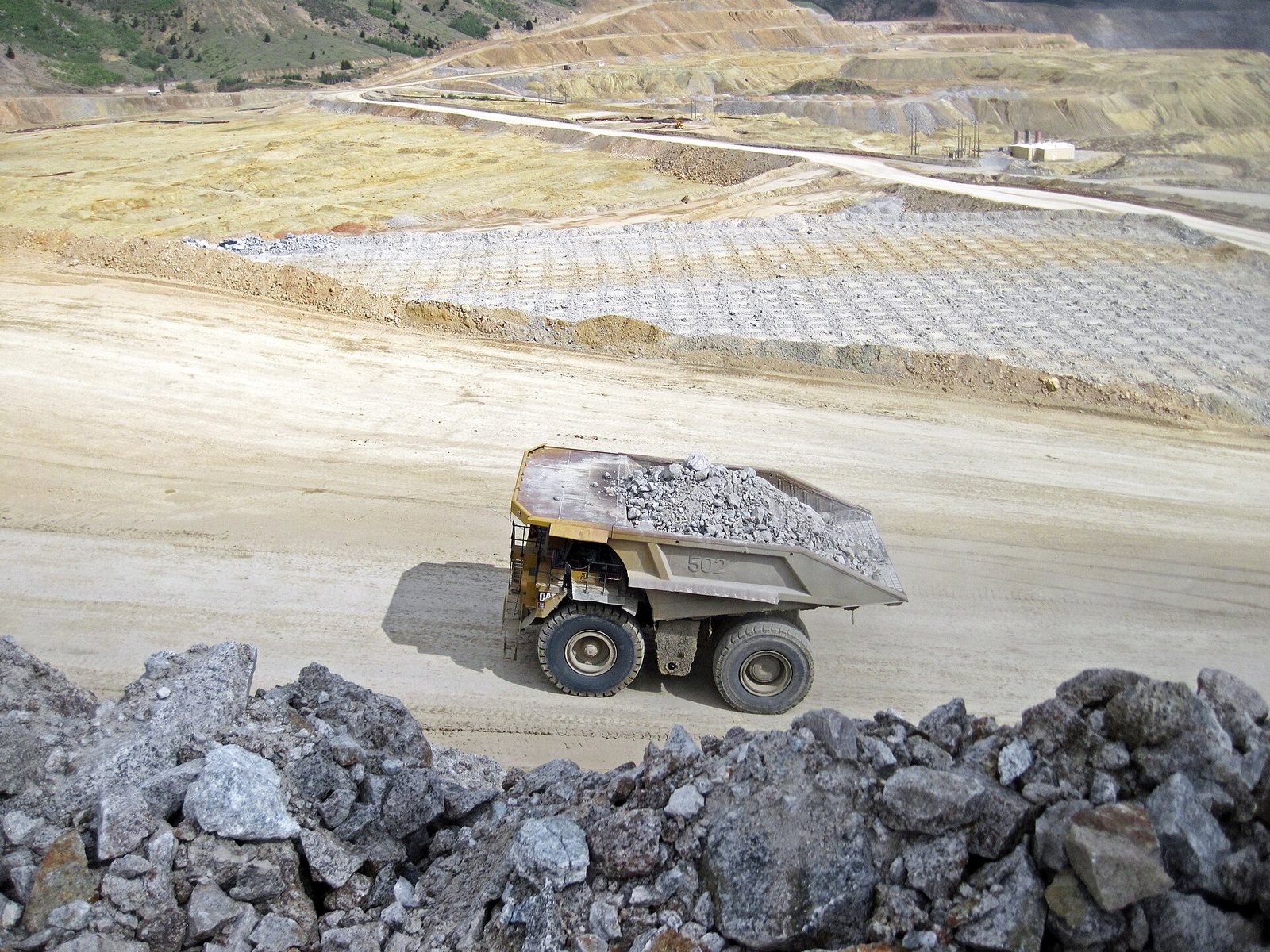
Drilled, blasted and hauled from an open pit. At about 0.5% copper, 995 kg of every tonne is waste before processing even begins.

1,000 tonnesore in the pit 1,000 tonnesore to the mill

Waarom hier: A porphyry orebody, and desalinated seawater pumped 180 km uphill to process it.
continuous Escondida →
Moving a mountain for half a percent
Haul truck (Continental Mine, Butte, Mo… · CC BY 2.0 via Wikimedia Commons
02 Verwerking 16tonnes

Chile · Concentrator in beheer bij BHP (Mijnbouwer)

Grinding and floating

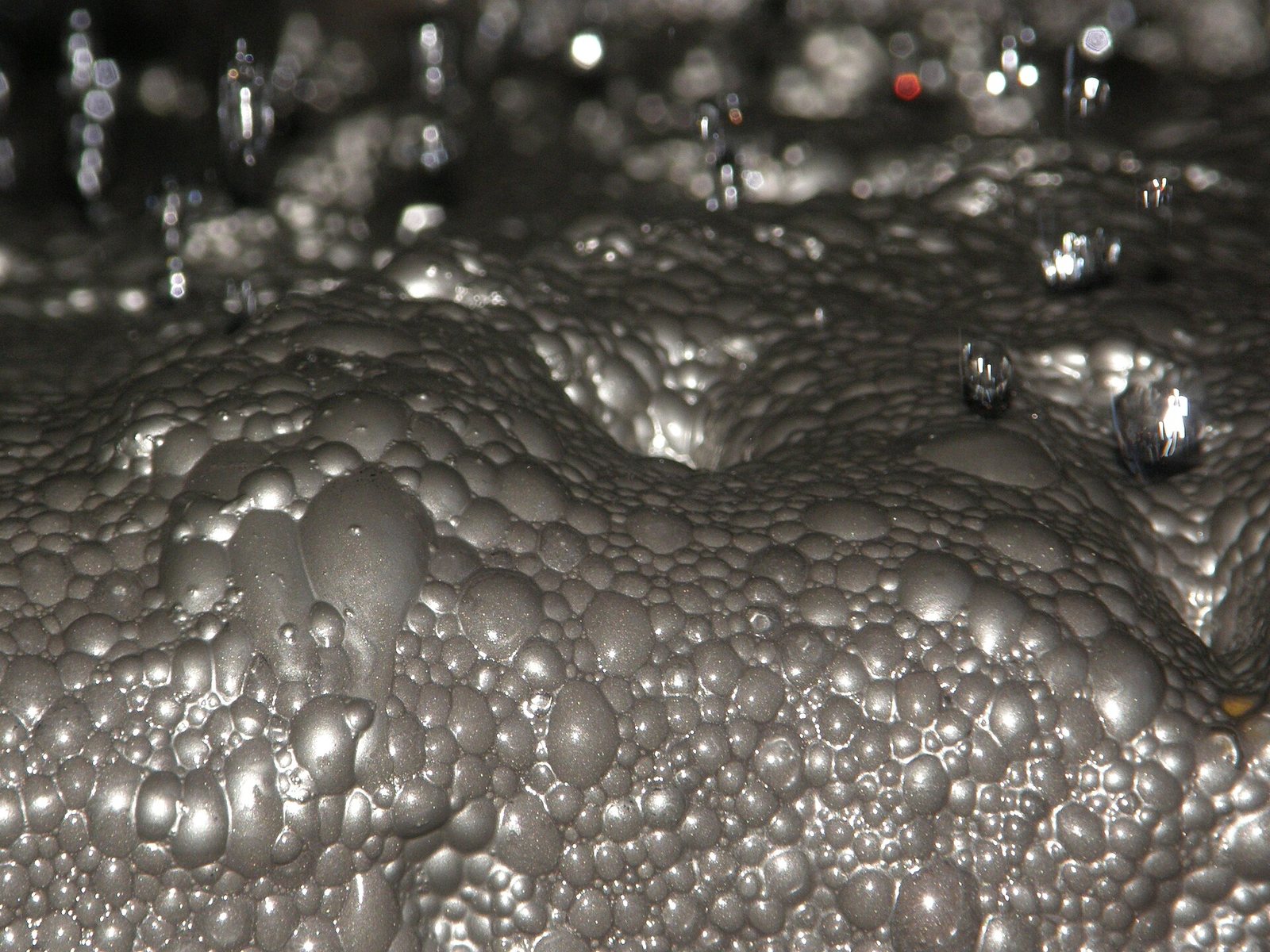
Ground to a powder and floated: air bubbles carry the sulfide minerals to the surface while the rock sinks. The result is a concentrate of about 30% copper.

1,000 tonnesore at 0.5% Cu 16 tonnesconcentrate at ~30% Cu

Wat er met de rest gebeurde: 984 tonnes to the tailings dam. Grinding is the largest single electricity consumer on any copper mine.

Waarom hier: Always at the mine. Shipping 1,000 tonnes to recover 5 would be indefensible.
De niet genomen route Oxide ore, finished at the mine instead Change the mineral and the whole international leg disappears.
Grinding and floating
Prominenthill-flotation · CC BY-SA 4.0 via Wikimedia Commons
03 Transport 16tonnes

China · Antofagasta to Chinese smelter ports in beheer bij Traders and smelters (Handelaar)

Down to the coast and across the Pacific

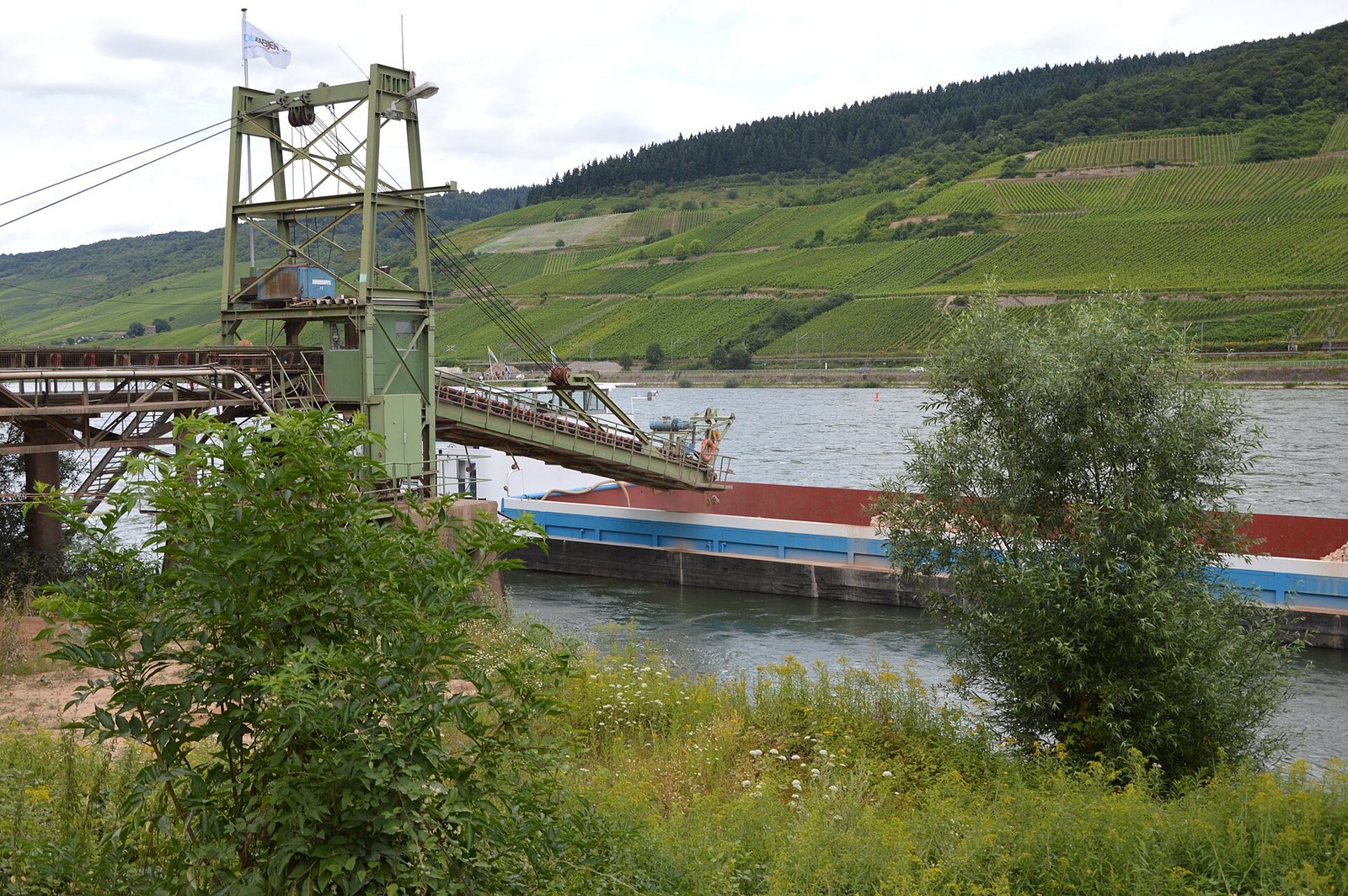
Concentrate moves by truck or slurry pipeline to the port, then in the hold of a bulk carrier. Treatment charges — what the smelter is paid to process it — are negotiated annually and are one of the industry's most watched numbers.

16 tonnesconcentrate 16 tonnesdelivered concentrate

Waarom hier: Because the smelters are there. Chile smelts a minority of its own concentrate.
Bulk carrier · ~19,000 km, about 35 days ~35 days Guixi Smelter →
Down to the coast and across the Pacific
Conveyor belt + Rhine ship · CC BY-SA 3.0 via Wikimedia Commons
04 Verwerking 5tonnes

China · Guixi, Jiangxi in beheer bij Smelter (Raffinaderij)

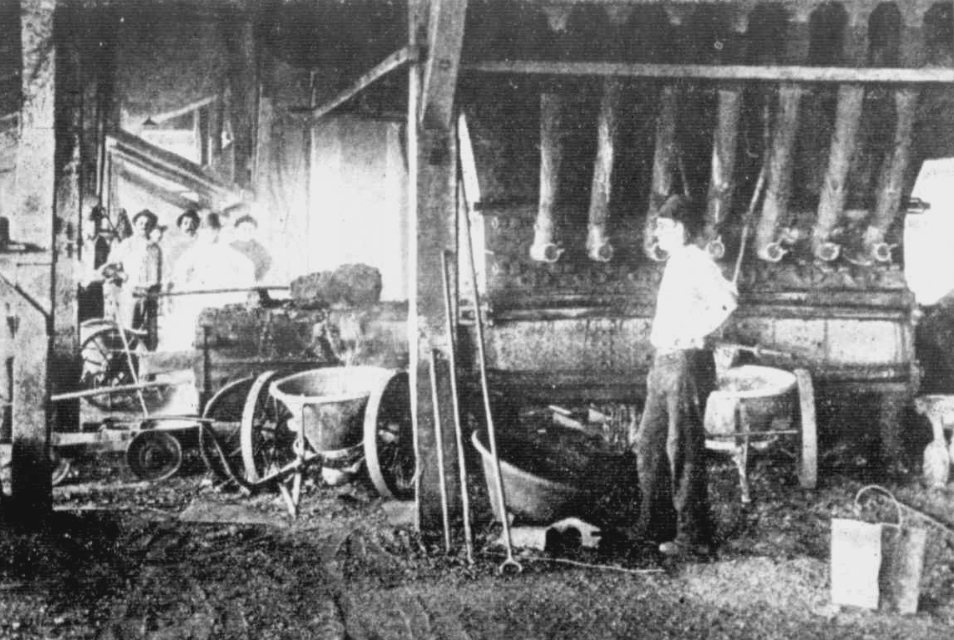
Smelting

Melted with oxygen. Iron and sulfur oxidise away; the sulfur is captured as sulfuric acid rather than released. What is left is blister copper at about 98%.

16 tonnesconcentrate 5 tonnesblister copper

Wat er met de rest gebeurde: The captured sulfur becomes sulfuric acid — often sold onward to leach nickel or phosphate somewhere else entirely.

Waarom hier: Smelting needs scale, an acid plant, an acid market and a permit. China assembled all four.
hours Sulfur →
Smelting
Smelting Co. of Australia - 80 ton copp… · Public domain via Wikimedia Commons
05 Raffinage 5tonnes

China · Tankhouse in beheer bij Refiner (Raffinaderij)

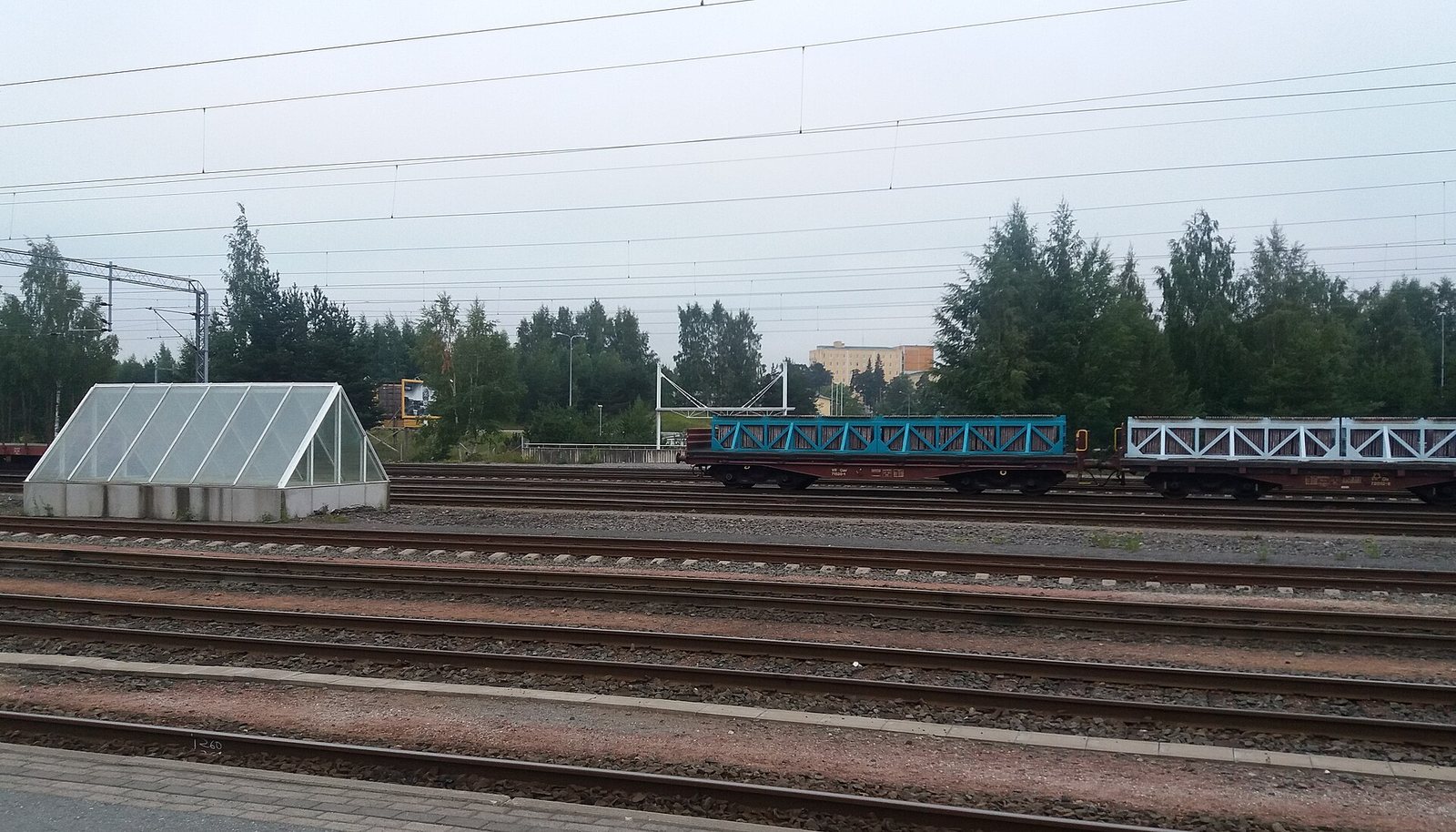
Electrorefining, and the slime at the bottom

Blister is cast into anodes and dissolved electrolytically over about two weeks; pure copper plates onto cathodes. Gold, silver, selenium, tellurium and platinum-group metals do not dissolve and settle as anode slime.

5 tonnesblister copper 5 tonnes99.99% cathode

Wat er met de rest gebeurde: That anode slime is where a large share of the world's tellurium and selenium comes from. The by-products of this step are a whole industry.

Waarom hier: Refining follows smelting; the two are almost always on the same site.
~14 days Tellurium →
Electrorefining, and the slime at the bottom
Train with anodes in Pori (1) · CC BY-SA 4.0 via Wikimedia Commons
06 Eindmarkt 5tonnes

China · Rod mill and cable plants in beheer bij Cable and equipment makers (Fabrikant)

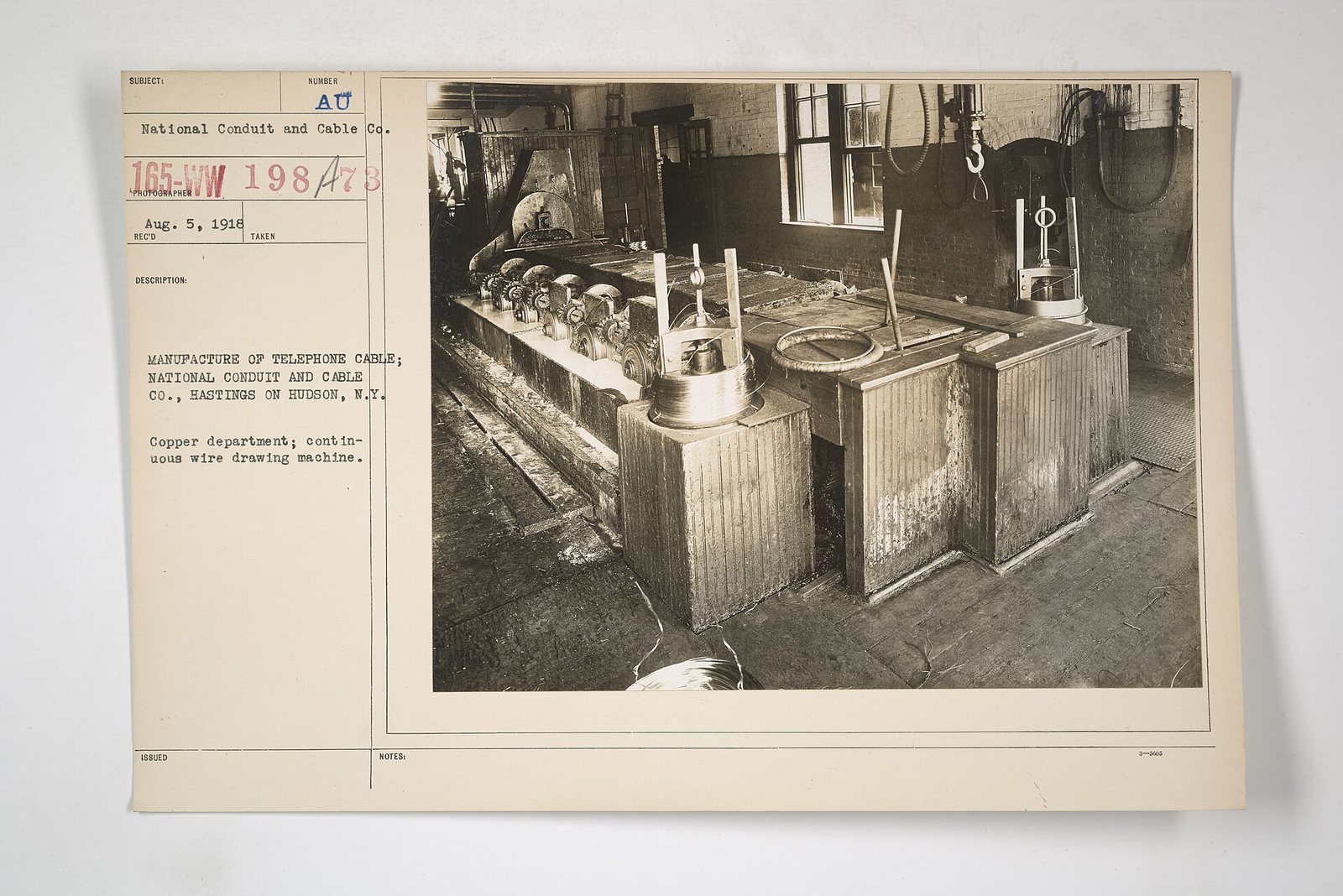
Rod, wire, and a grid

Cathode is melted and drawn into rod, then wire, then cable. 4.6 tonnes is roughly the copper in one large wind turbine, or a few hundred metres of subsea export cable.

5 tonnescathode 5 tonnesin service, and recyclable indefinitely

Waarom hier: Copper is one of the few materials here that can be recycled endlessly without losing quality. This tonne will outlive the mine.
Rod, wire, and a grid
Industries of War - Electrical Apparatu… · Public domain via Wikimedia Commons

Dit is een uitgewerkt voorbeeld. Het volgt een opgegeven beginhoeveel­heid door gepubliceerde typische opbrengsten en rendementen, zodat de verhoudingen controleerbaar zijn; het is geen verslag van een concrete zending. Route­feiten — welke landen, welke processen, en waarom het materiaal niet zomaar elders kan worden verwerkt — zijn samengesteld uit openbare bronnen.

Materialen

Alle materialen Kritieke mineralen Zeldzame aarden Batterijmaterialen Ertsmineralen Periodiek systeem Screener

De ondergrond

Mijnen & afzettingen Verwerking & raffinage Landen Kaarten

De economie

Bewaartrajecten Toeleveringsketens Eindmarkten Technologieën Bedrijven Materiaалcalculator

Meer leren

Meer lerenVerklarende woordenlijst Raadpleeg de dataAI-agenten Onderzoek & dataOpen API Nieuws★ Opgeslagen

Over ons

Over onsContact MethodologieGegevensbronnen Redactioneel beleid PrivacybeleidGebruiksvoorwaarden Disclaimer