Vom Gestein zum Produkt, nachverfolgt
The Materials Atlas
Materialien Bergwerke & Lagerstätten Aufbereitung & Raffination Verbleibsrouten Lieferketten Unternehmen Länder Nachrichten
Materialien nach Regal Batteriematerialien Seltene-Erden-Elemente Kupfer & Elektro Halbleitermaterialien Nuklearmaterialien Luft- und Raumfahrt & Verteidigung Edelmetalle Stahl & Legierungsmetalle Industrieminerale Agrarmineralien Energierohstoffe Erzminerale Periodensystem
Nachfrage Endmärkte Technologien Materialrechner Karten Screener
Lernen & Werkzeuge LernenGlossar Die Daten befragenKI-Agenten Forschung & DatenAPI ★ Gespeichert
Über Über unsMethodik DatenquellenKontakt Haftungsausschluss
Leseoptionen
🧭 Geführte Ansicht Neu dabei – Erzgehalte, Konzentrat, Raffination, Nebenprodukte? Wir erläutern jeden Begriff beim Stöbern, in verständlicher Sprache. Dieselben Daten, mit integrierter Hilfe.
⚡ Expertenansicht Sie kennen die Branche. Nur die Daten – bereinigt, schnell und kompakt, ohne zusätzliche Erläuterungen. Dies ist die Standardansicht.
Thema
Oberflächensprache
Tiefe Materialseiten sind auf vier Ebenen verfasst. Wählen Sie eine auf einer beliebigen Materialseite aus — sie wird gespeichert.
★ Gespeichert Forschung & Daten
Chilean brine to a battery in a car

Verbleibsroute · beginnt in Chile

Chilean brine to a battery in a car

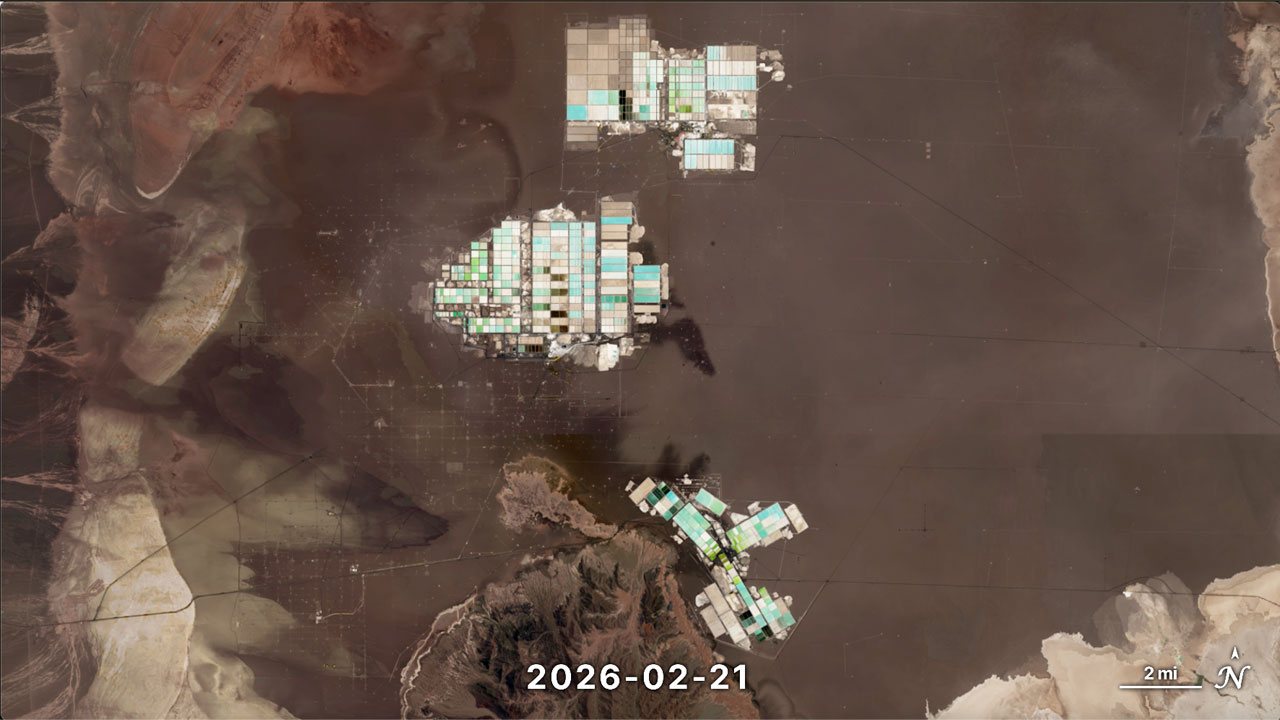
The ore is water. The first year and a half of processing is done by the sun, for free.

Lithium Ponds of Chile's Salar de Atacama (SVS15006) · NASA's Scientific Visualization Studio - SSAI… · Public domain · Wikimedia Commons
1,000,000 litres of raw brine pumped from beneath the salt crust
8 kg of contained lithium — roughly one electric car's worth
Chile → China · Container ship China → Germany Chile — Pumping the ore to the surface 1 Chile China — Across the Pacific in a container 2 China Germany — A car, for maybe fifteen years 3 Germany
In der Reihenfolge nummeriert, in der das Material transportiert wird. Ein Land anklicken, um dessen Seite zu öffnen. Äquidistante Zylinderprojektion auf Basis von Länderschwerpunkten — die Bögen zeigen, welche Grenzen überschritten werden, nicht den tatsächlichen Seeweg.

Was tatsächlich transportiert wird

Lithium in a salar is dissolved in brine under the salt crust. It is pumped into ponds and left to evaporate for twelve to twenty-four months until it is concentrated enough to be worth processing. Almost none of the value is added in Chile; the concentrate leaves as a chemical and comes back, eventually, as a car.

Das Material
Lithium
Die Varietät
Salar brine, roughly 1,500–2,000 mg of lithium per litre
Wo es beginnt
Chile — Salar de Atacama, 2,300 m up in the driest desert on Earth
Warum diese Route und keine andere. Atacama brine has an unusually favourable ratio of magnesium to lithium, which is what makes solar evaporation work here and not in most other salars. The alternative — extracting the lithium directly with an adsorbent — is faster and uses far less water, but has a much shorter commercial track record.
Das engste Glied. Not the brine. Cathode manufacture, which is overwhelmingly concentrated in one region, and which is where the lithium finally acquires most of its value.
Die zwei Zahlen an jedem Schritt zeigen: was hineinging und was herauskam. Ihrem Schrumpfen zuzusehen ist der Kern der Sache. Am Ende hat man tausend Tonnen Gestein bis auf wenige Kilogramm des eigentlich wirksamen Stoffs verfolgt.

Schritt für Schritt und Grenze für Grenze

01 Gewinnung 1,000,000litres

Chile · Salar de Atacama gehalten von SQM and Albemarle, under CORFO concessions (Bergmann)

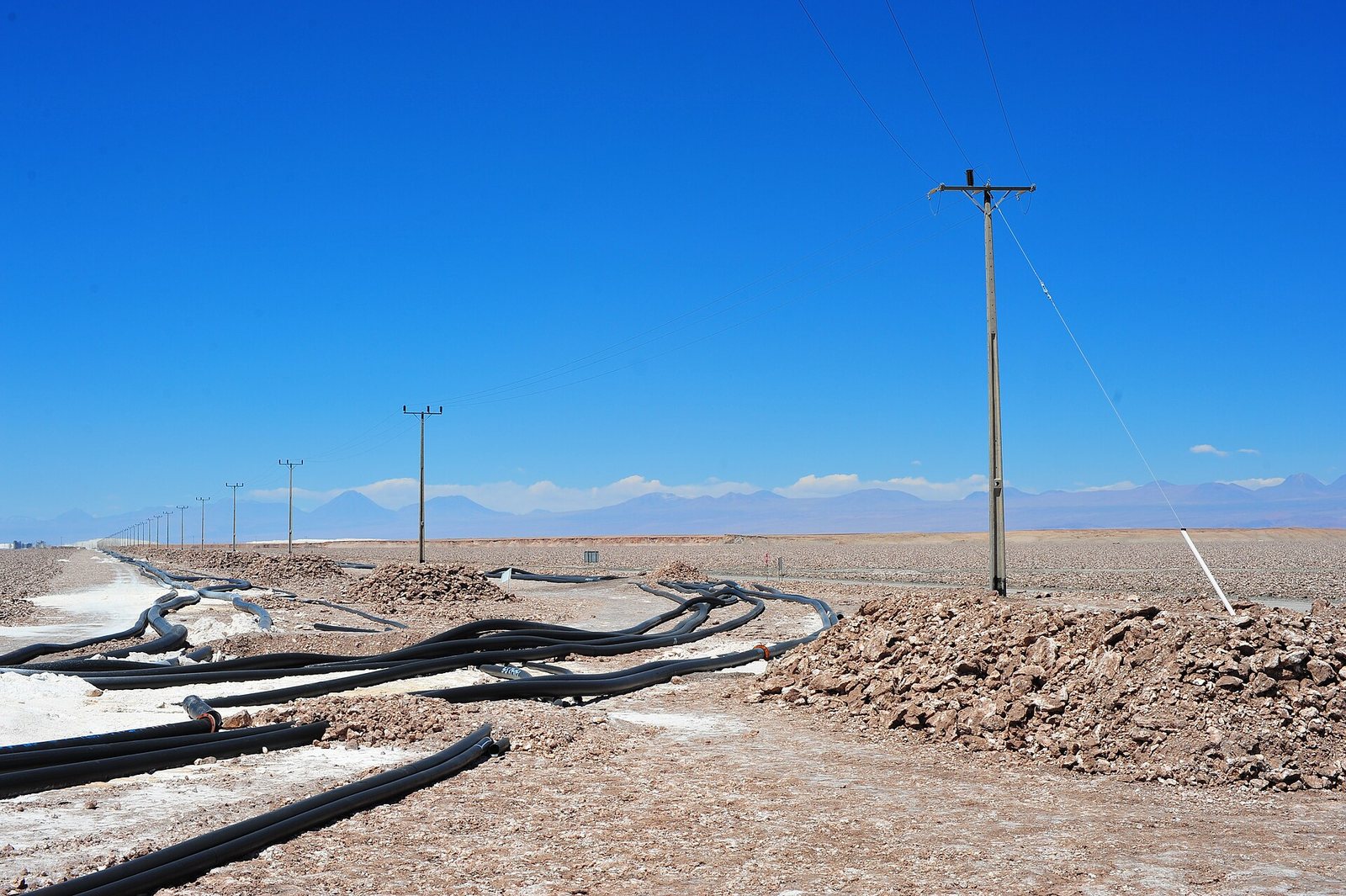
Pumping the ore to the surface

Brine is pumped from wells 30–200 m below the salt crust. No blasting, no haul trucks, no waste rock — the ore arrives as a liquid.

1,000,000 litresbrine in the aquifer 1,000,000 litresraw brine at the ponds

Warum hier: Closed basin, high altitude, volcanic highlands feeding it, and almost no rainfall. Very few places on Earth combine all four.
Pumping the ore to the surface
SQM Brine pipelines, Salar de Atacama · CC BY-SA 2.0 via Wikimedia Commons
02 Aufbereitung 25,000litres

Chile · Evaporation ponds gehalten von SQM and Albemarle (Bergmann)

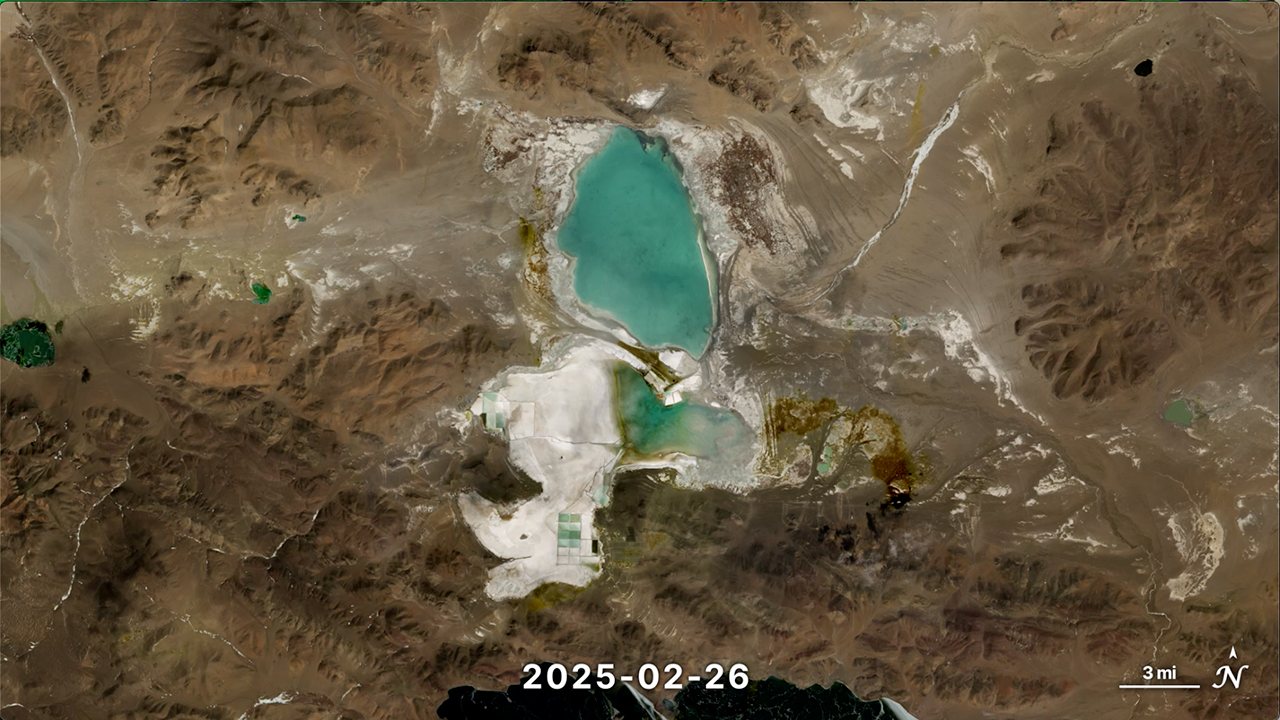
Eighteen months of sunshine

The brine moves through a cascade of ponds. Sodium, potassium and magnesium salts crystallise out in sequence and are harvested; the lithium stays in solution and concentrates.

1,000,000 litresraw brine at ~1,800 mg/L lithium 25,000 litresconcentrated brine at ~6% lithium

Was mit dem Rest geschah: Around 95% of the water evaporates into the desert air. Potash is harvested as a genuine co-product, not a waste.

Warum hier: This step is free solar energy and eighteen months of patience. It cannot be moved somewhere with less sun and it cannot be hurried.
12–24 months Potash →
Der nicht beschrittene Weg The same element out of hard rock instead Eighteen months of evaporation, or eight weeks of crushing and roasting. Compare them.
Eighteen months of sunshine
Lithium Ponds of Tibet’s Lake Zabuye (S… · Public domain via Wikimedia Commons
03 Aufbereitung 43kg

Chile · Salar del Carmen, near Antofagasta gehalten von SQM / Albemarle (Chemisch)

Into a chemical

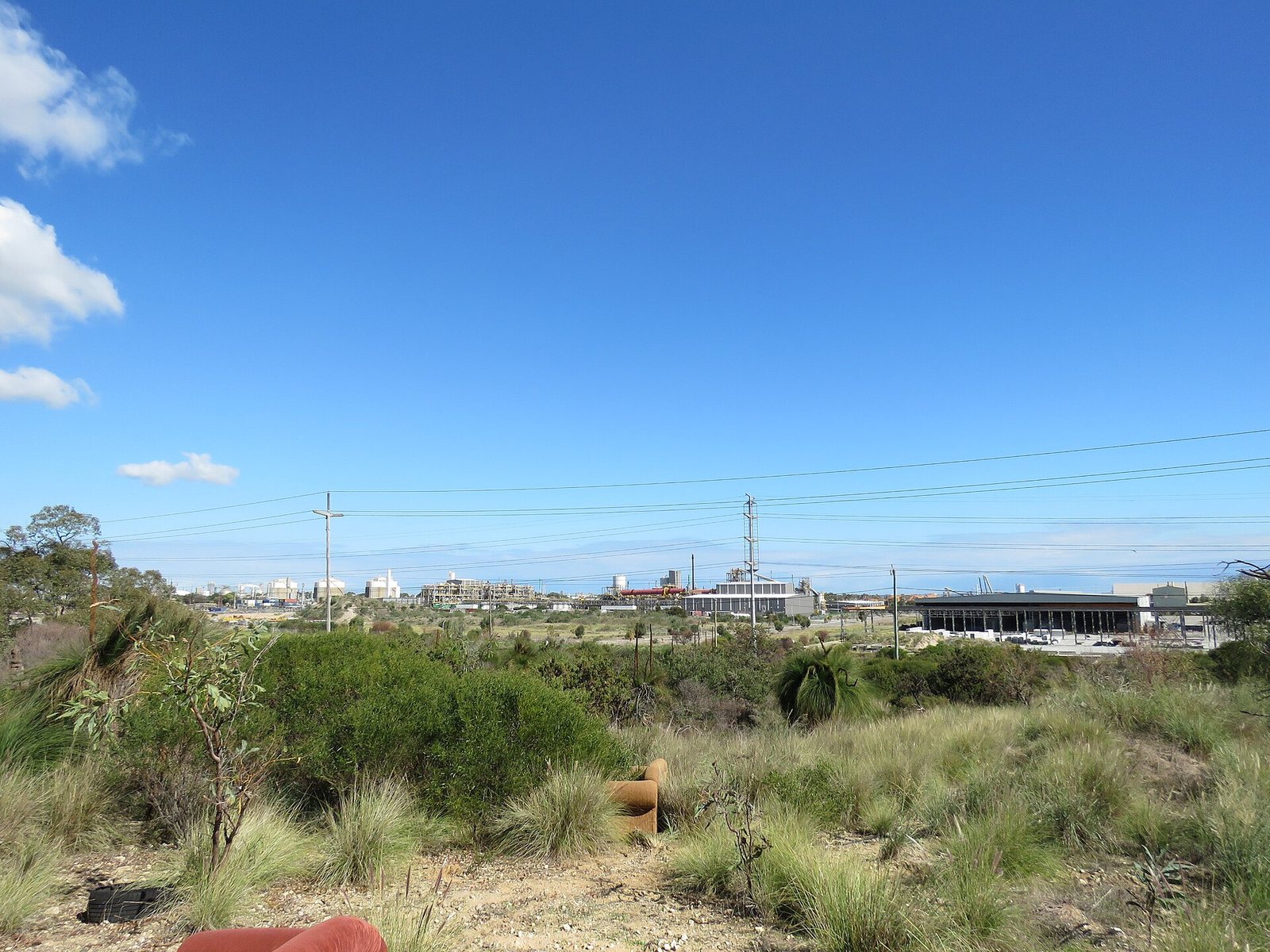
The concentrate is trucked to the coast, purified of boron and magnesium, and reacted with soda ash to precipitate lithium carbonate.

25,000 litresconcentrated brine 43 kgbattery-grade lithium carbonate

Was mit dem Rest geschah: This is the last step performed in Chile. Everything downstream — and most of the value — happens elsewhere.

Warum hier: Near the port and the power, and required by the concession terms.
Truck · ~250 km down from the salar to the coast days Lithium →
Into a chemical
Kwinana Lithium Plant, May 2021 01 · CC BY-SA 4.0 via Wikimedia Commons
04 Transport 43kg

China · To Chinese and Korean cathode plants gehalten von Traders and cathode makers (Händler)

Across the Pacific in a container

Lithium carbonate ships as an ordinary bagged chemical in a standard container. At this point custody leaves the mining industry entirely.

43 kglithium carbonate 43 kgdelivered chemical

Warum hier: Cathode manufacture is where the buyers are. The chemical goes to the factory; the factory does not come to the salar.
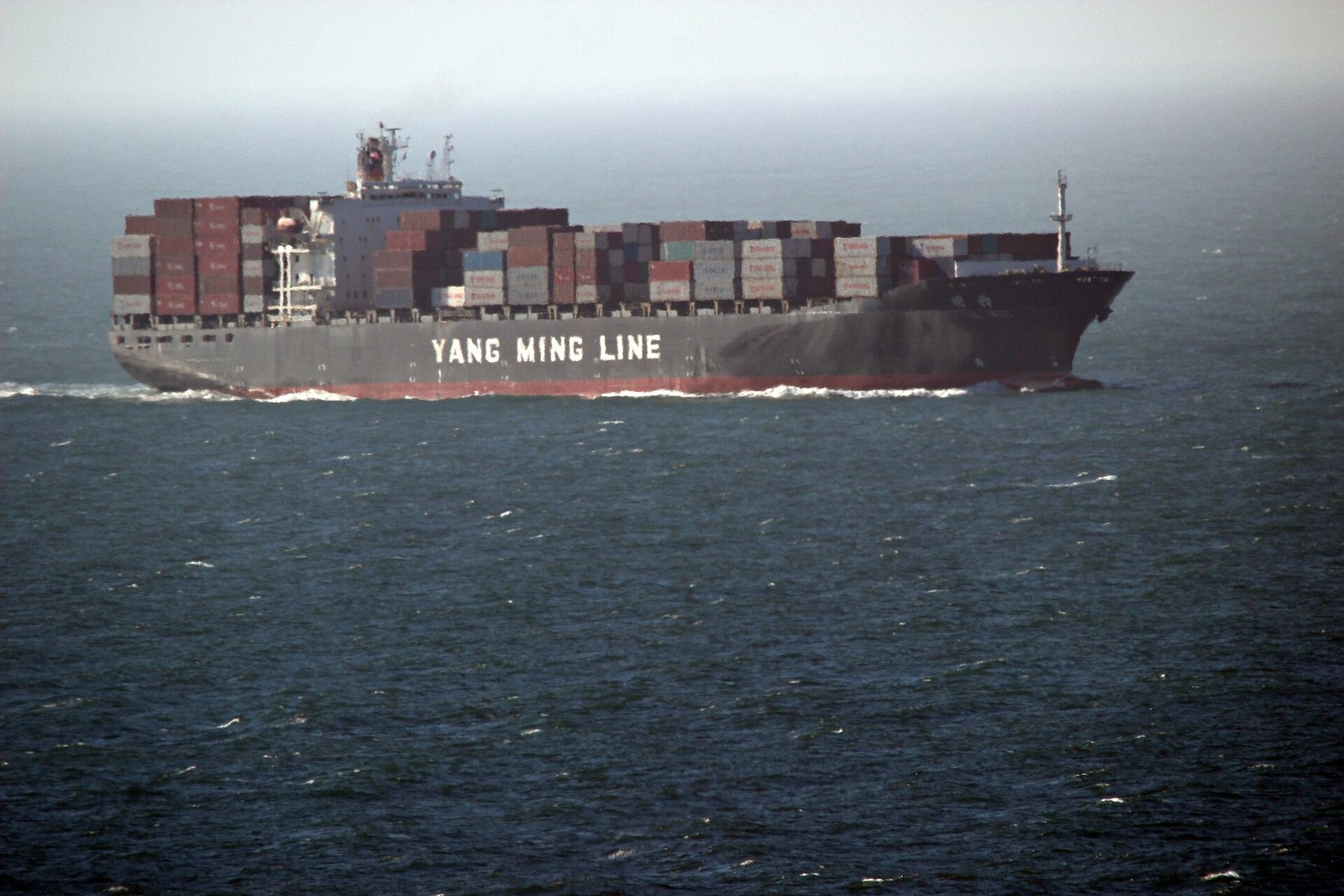
Container ship · Antofagasta to Shanghai, about 30 days ~30 days Qinghai & Sichuan Lithium Chemical Cluster →
Across the Pacific in a container
Container ship in Pacific Ocean off the… · CC BY-SA 4.0 via Wikimedia Commons
05 Komponente 8kg

China · Cathode plant gehalten von Cathode manufacturer (Hersteller)

Becoming a cathode

The carbonate is combined with an iron-phosphate or nickel-manganese-cobalt precursor and calcined into cathode active material — a black powder.

43 kglithium carbonate 8 kgcontained lithium in cathode powder

Was mit dem Rest geschah: Carbonate is only about 19% lithium by weight. The rest of the mass was always carbon and oxygen.

Warum hier: Calcination to a tight particle-size specification is the hardest step to qualify, and the qualified plants are concentrated in a few places.
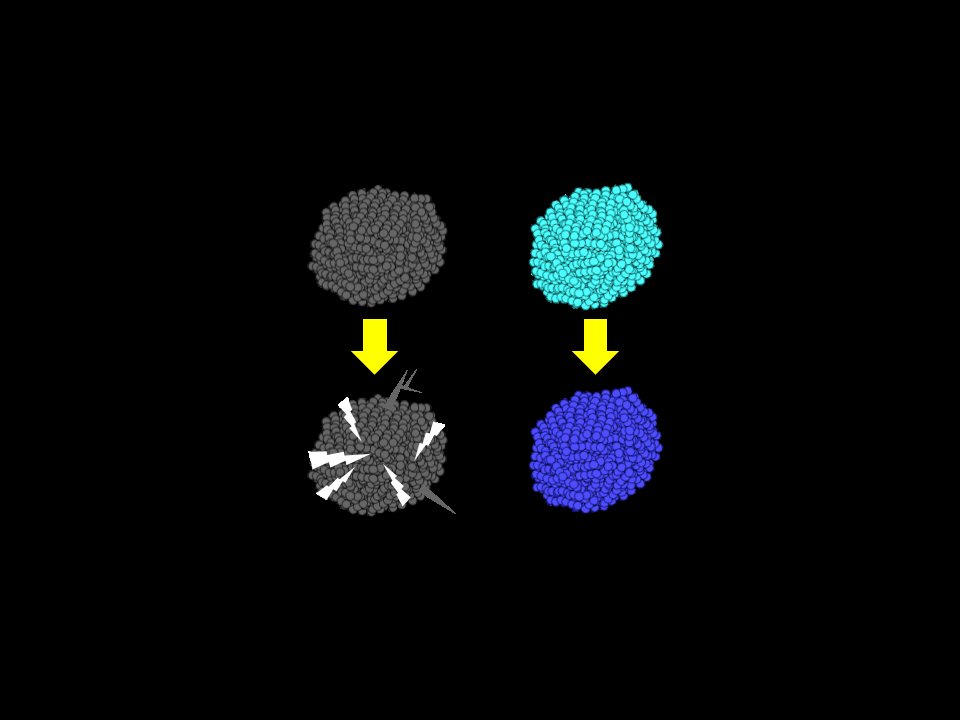
Becoming a cathode
Cathode Coating Materials.png · CC0 via Wikimedia Commons
06 Produkt 8kg

China · Cell plant and vehicle assembly gehalten von Battery and vehicle manufacturers (Hersteller)

Into a cell, then a pack, then a car

Cathode powder is coated onto aluminium foil, paired with a graphite anode on copper foil, wound or stacked, filled with electrolyte and sealed. The cells become modules, the modules become a pack.

8 kgcontained lithium 8 kgcontained lithium in a finished pack

Warum hier: Cells are heavy and awkward to ship, so cell plants cluster near vehicle assembly.
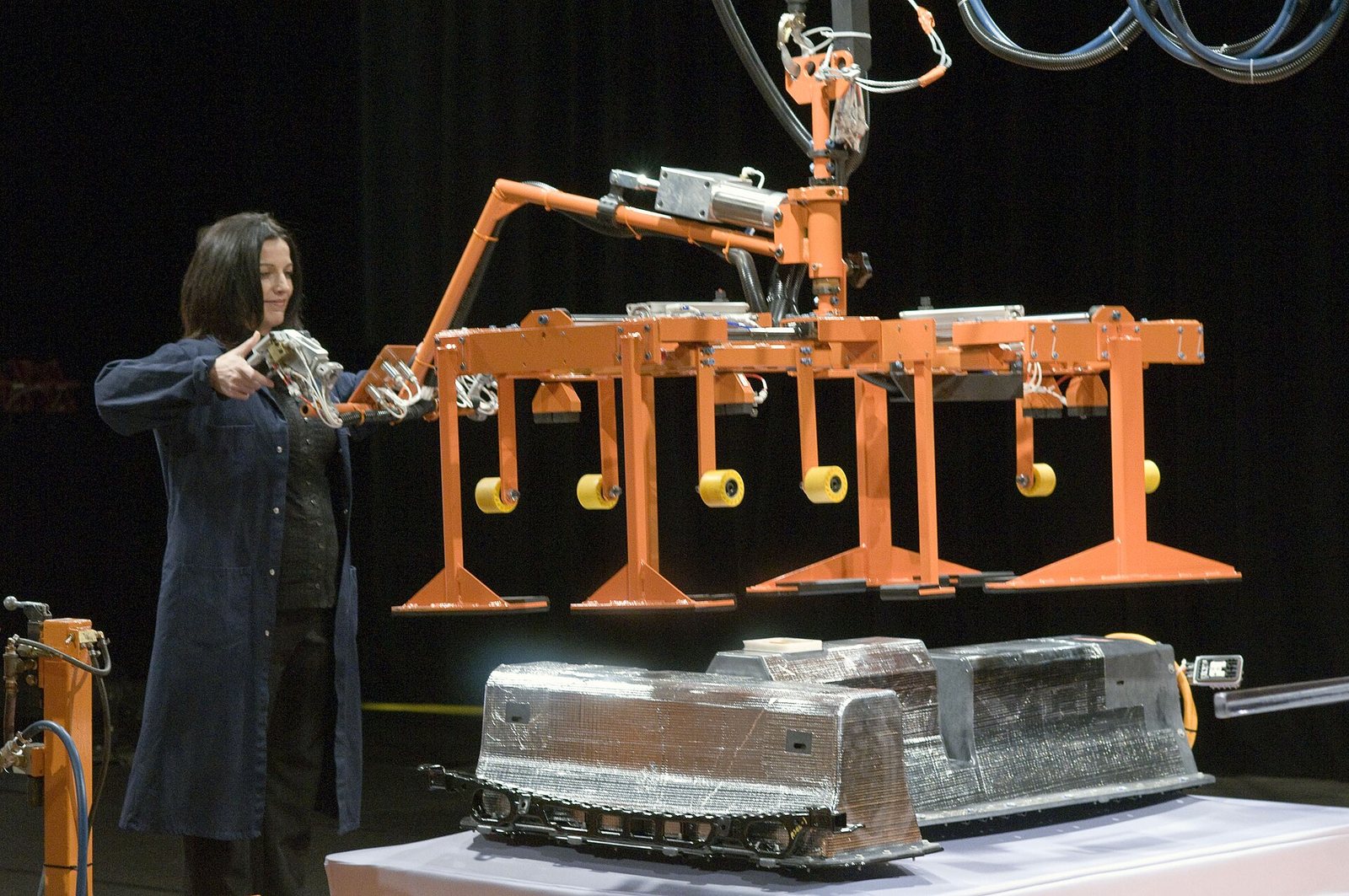
Into a cell, then a pack, then a car
ChevyVoltFirstBattery06 (4267062397) · Public domain via Wikimedia Commons
07 Endmarkt 8kg

Germany · Wherever it is sold gehalten von The driver (Endabnehmer)

A car, for maybe fifteen years

Roughly 8 kg of contained lithium, from a million litres of desert brine, now sits under a car floor. At end of life it can be recovered — recycling returns lithium at high rates once the collection system exists.

8 kgcontained lithium 8 kgrecoverable at end of life

Warum hier: The car is sold where the demand is. The lithium has now crossed three continents.
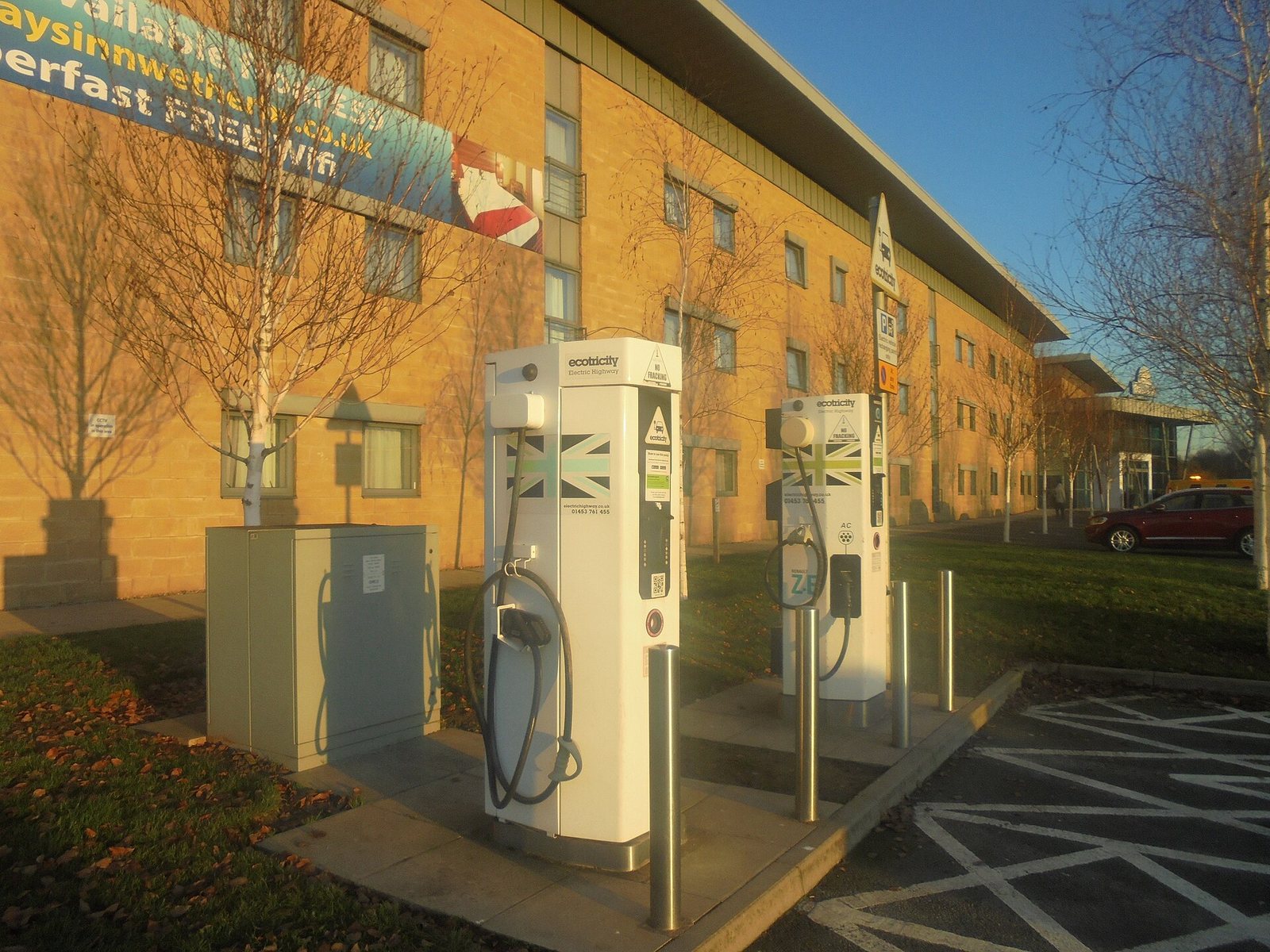
A car, for maybe fifteen years
Electric car charging point, Wetherby s… · CC BY-SA 4.0 via Wikimedia Commons

Dies ist ein ausgearbeitetes Beispiel. Es verfolgt eine angegebene Ausgangsmenge anhand veröffentlichter typischer Ausbeuten und Ausbringungsgrade, sodass die Verhältnisse nachprüfbar sind; es handelt sich nicht um den Nachweis einer bestimmten Lieferung. Routenfakten — welche Länder, welche Prozesse und warum das Material nicht einfach anderswo verarbeitet werden kann — sind aus öffentlichen Berichten zusammengestellt.

Materialien

Alle Materialien Kritische Mineralien Seltene Erden Batteriematerialien Erzminerale Periodensystem Screener

Das Gestein

Bergwerke & Lagerstätten Aufbereitung & Raffination Länder Karten

Die Wirtschaft

Verbleibsrouten Lieferketten Endmärkte Technologien Unternehmen Materialrechner

Lernen

LernenGlossar Die Daten befragenKI-Agenten Forschung & DatenOffene API Nachrichten★ Gespeichert

Über uns

Über unsKontakt MethodikDatenquellen Redaktionelle Leitlinien DatenschutzrichtlinieNutzungsbedingungen Haftungsausschluss