Wat er werkelijk wordt vervoerd
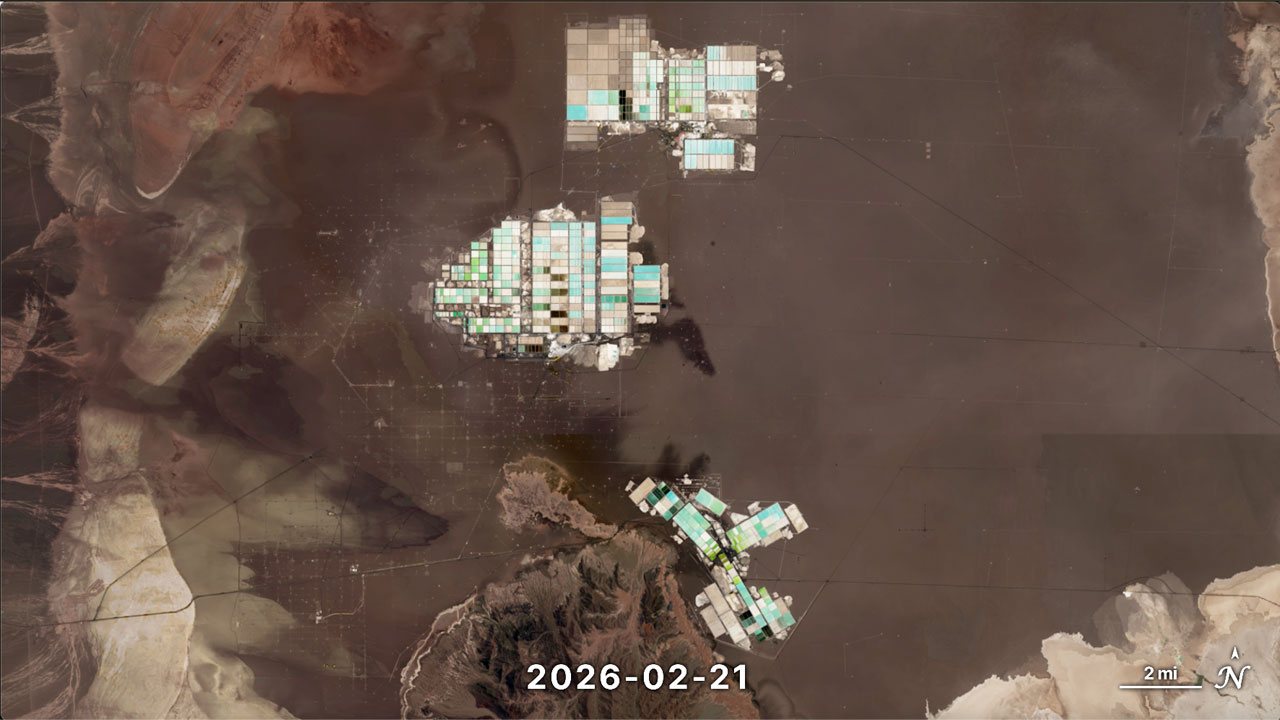
Lithium in a salar is dissolved in brine under the salt crust. It is pumped into ponds and left to evaporate for twelve to twenty-four months until it is concentrated enough to be worth processing. Almost none of the value is added in Chile; the concentrate leaves as a chemical and comes back, eventually, as a car.
- Het materiaal
- Lithium
- De variëteit
- Salar brine, roughly 1,500–2,000 mg of lithium per litre
- Waar het begint
- Chile — Salar de Atacama, 2,300 m up in the driest desert on Earth
Stap voor stap, en grens voor grens
Chile · Salar de Atacama in beheer bij SQM and Albemarle, under CORFO concessions (Mijnbouwer)
Pumping the ore to the surface
Brine is pumped from wells 30–200 m below the salt crust. No blasting, no haul trucks, no waste rock — the ore arrives as a liquid.
Waarom hier: Closed basin, high altitude, volcanic highlands feeding it, and almost no rainfall. Very few places on Earth combine all four.
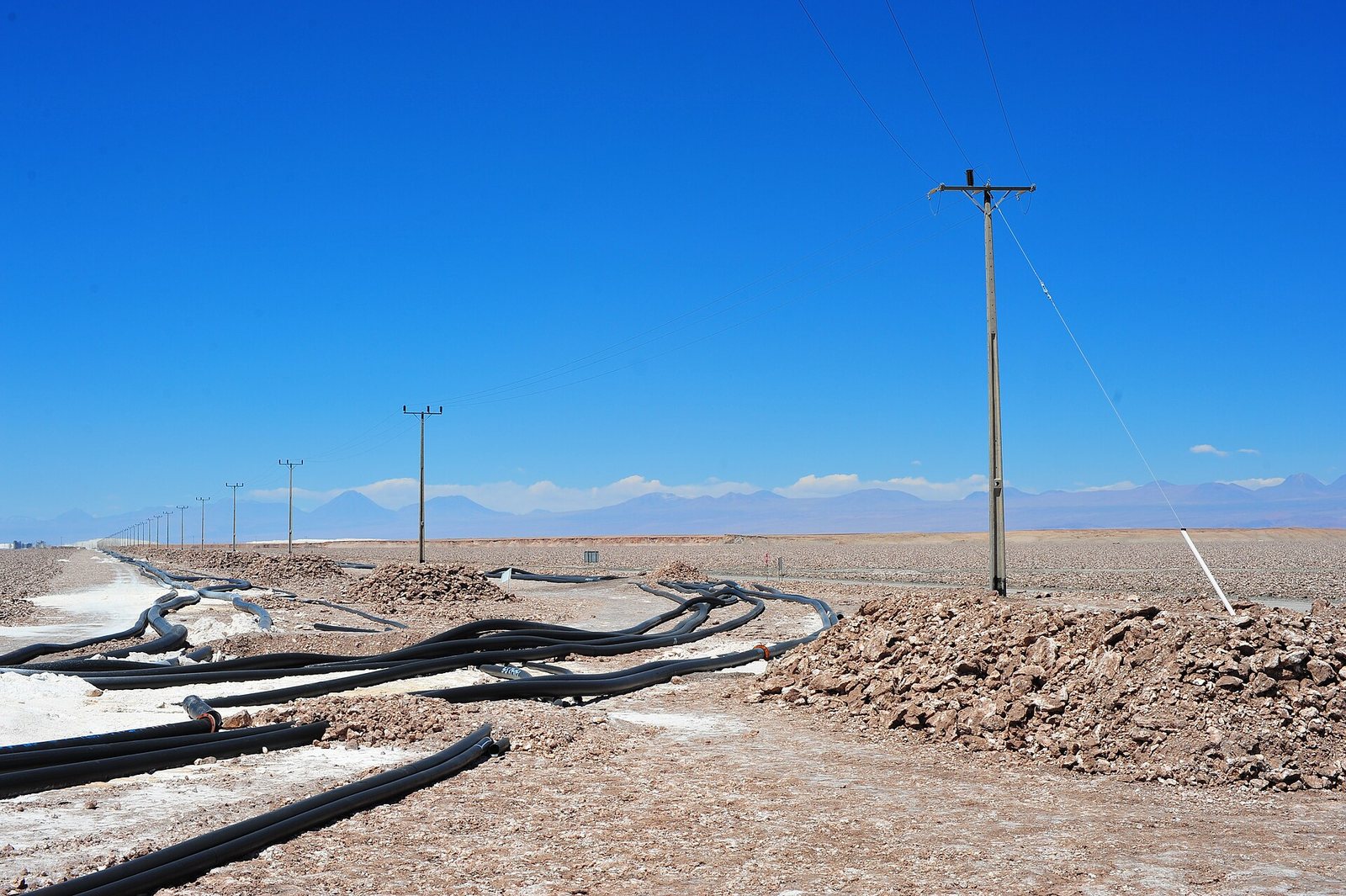
Chile · Evaporation ponds in beheer bij SQM and Albemarle (Mijnbouwer)
Eighteen months of sunshine
The brine moves through a cascade of ponds. Sodium, potassium and magnesium salts crystallise out in sequence and are harvested; the lithium stays in solution and concentrates.
Wat er met de rest gebeurde: Around 95% of the water evaporates into the desert air. Potash is harvested as a genuine co-product, not a waste.
Waarom hier: This step is free solar energy and eighteen months of patience. It cannot be moved somewhere with less sun and it cannot be hurried.
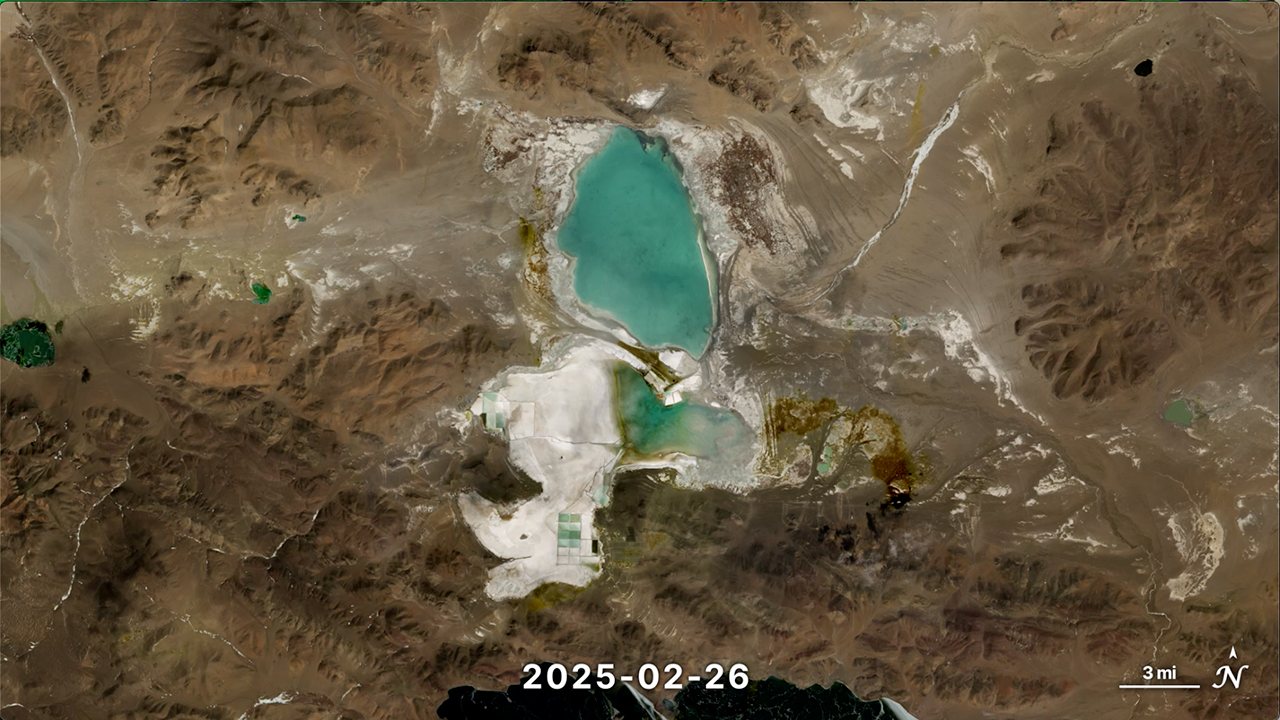
Chile · Salar del Carmen, near Antofagasta in beheer bij SQM / Albemarle (Chemisch)
Into a chemical
The concentrate is trucked to the coast, purified of boron and magnesium, and reacted with soda ash to precipitate lithium carbonate.
Wat er met de rest gebeurde: This is the last step performed in Chile. Everything downstream — and most of the value — happens elsewhere.
Waarom hier: Near the port and the power, and required by the concession terms.
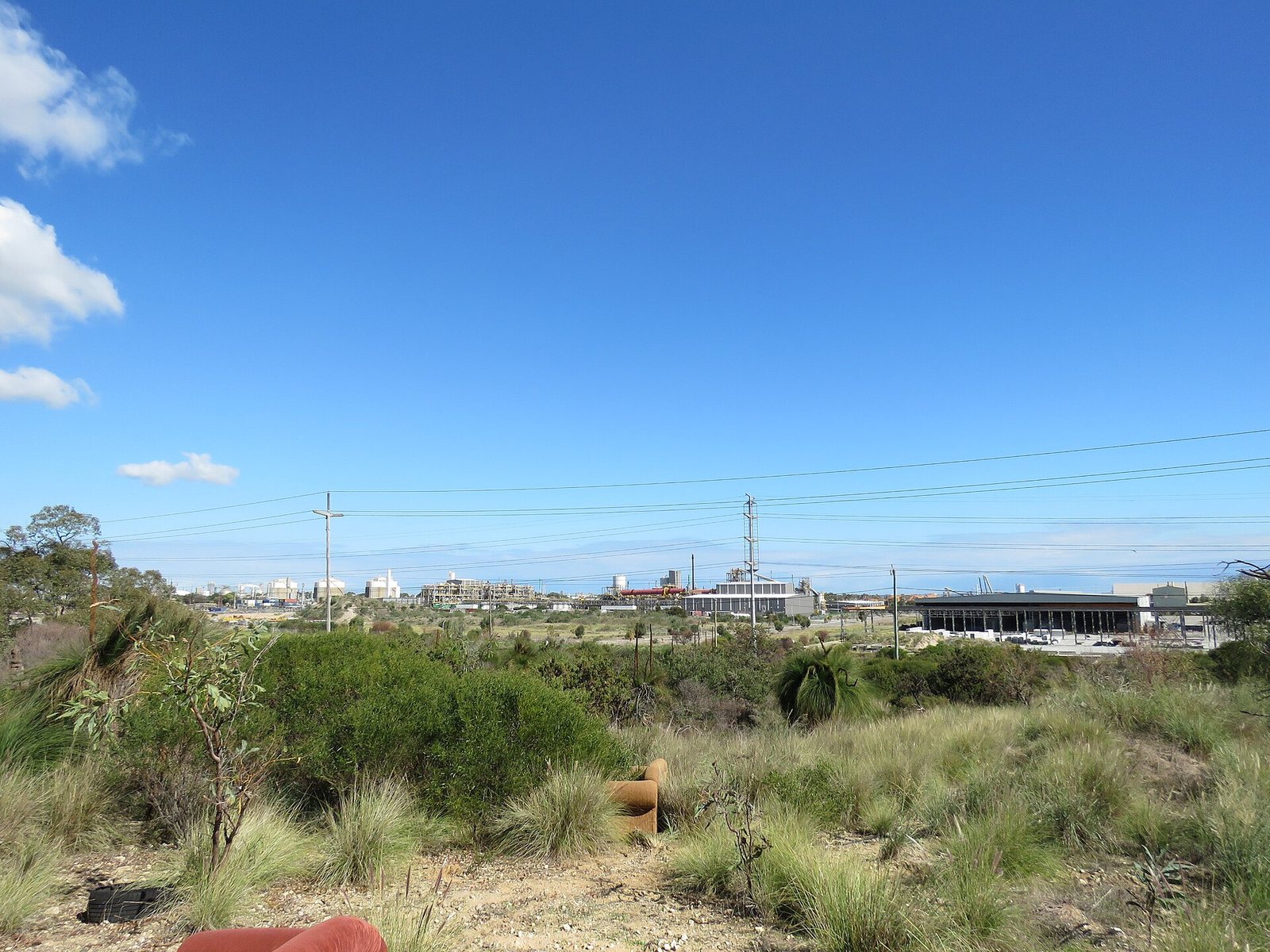
China · To Chinese and Korean cathode plants in beheer bij Traders and cathode makers (Handelaar)
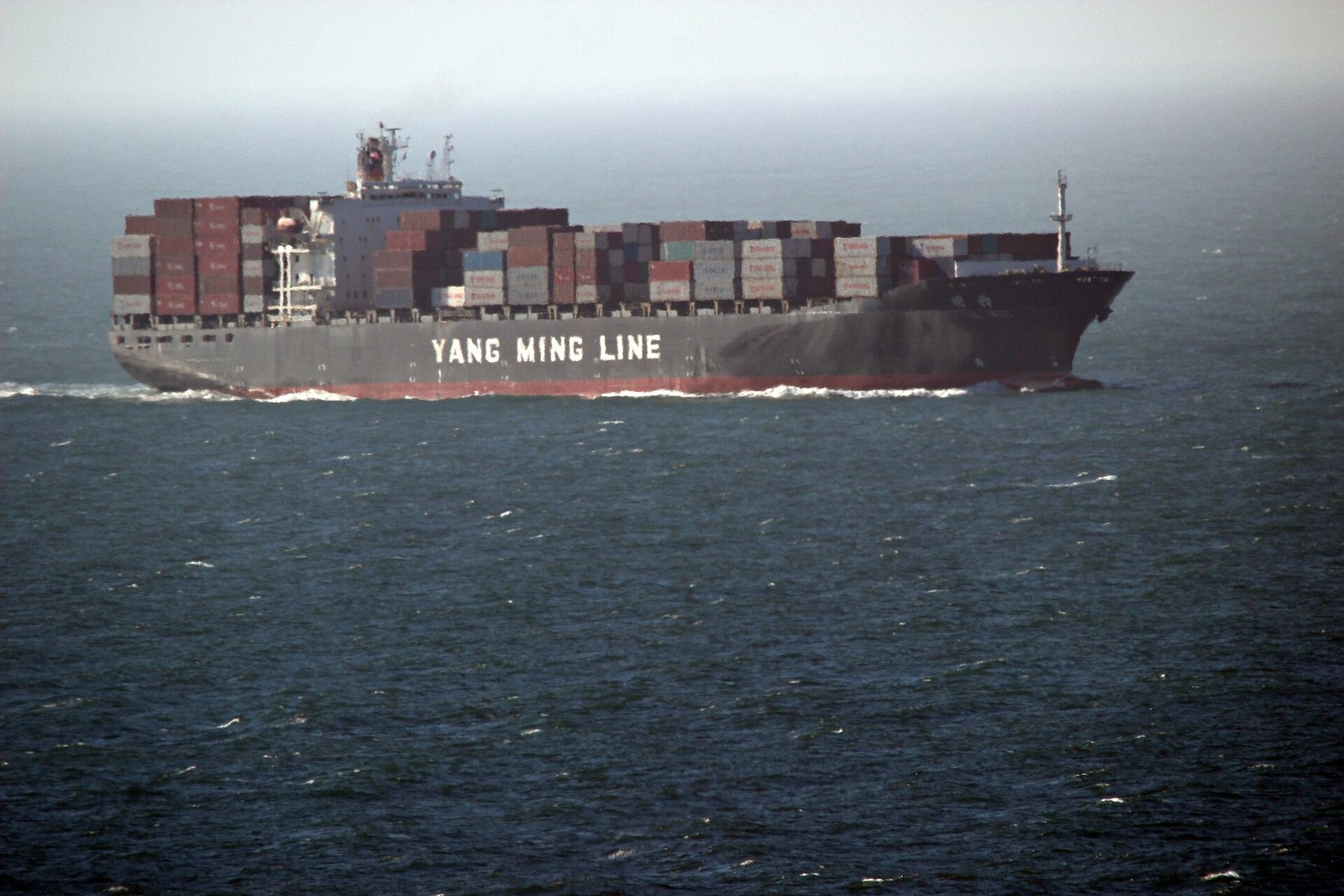
Across the Pacific in a container
Lithium carbonate ships as an ordinary bagged chemical in a standard container. At this point custody leaves the mining industry entirely.
Waarom hier: Cathode manufacture is where the buyers are. The chemical goes to the factory; the factory does not come to the salar.
China · Cathode plant in beheer bij Cathode manufacturer (Fabrikant)
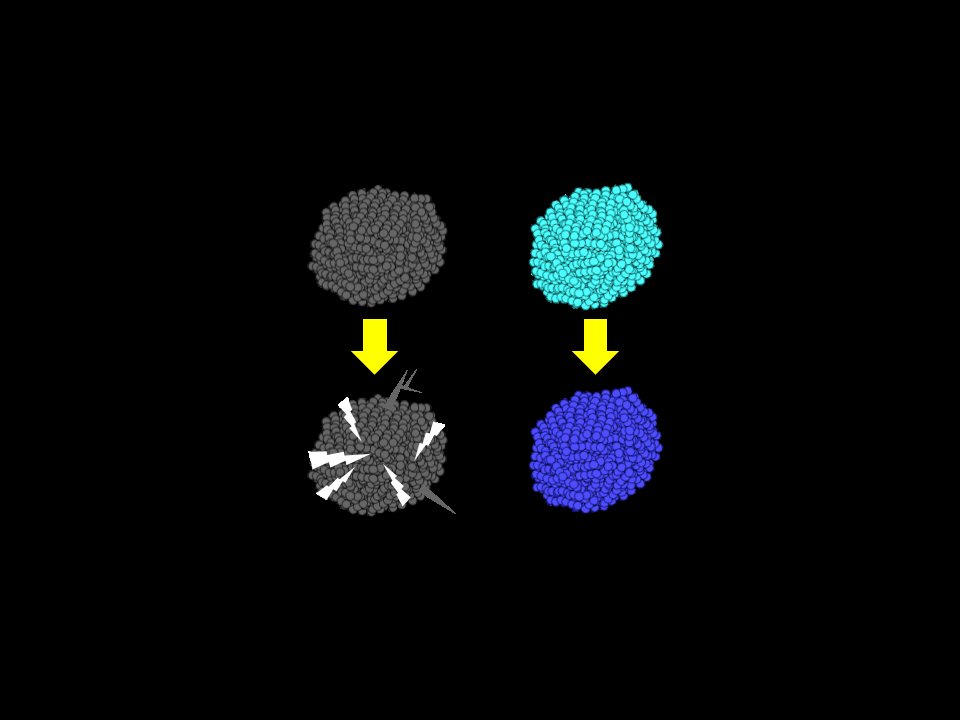
Becoming a cathode
The carbonate is combined with an iron-phosphate or nickel-manganese-cobalt precursor and calcined into cathode active material — a black powder.
Wat er met de rest gebeurde: Carbonate is only about 19% lithium by weight. The rest of the mass was always carbon and oxygen.
Waarom hier: Calcination to a tight particle-size specification is the hardest step to qualify, and the qualified plants are concentrated in a few places.
China · Cell plant and vehicle assembly in beheer bij Battery and vehicle manufacturers (Fabrikant)
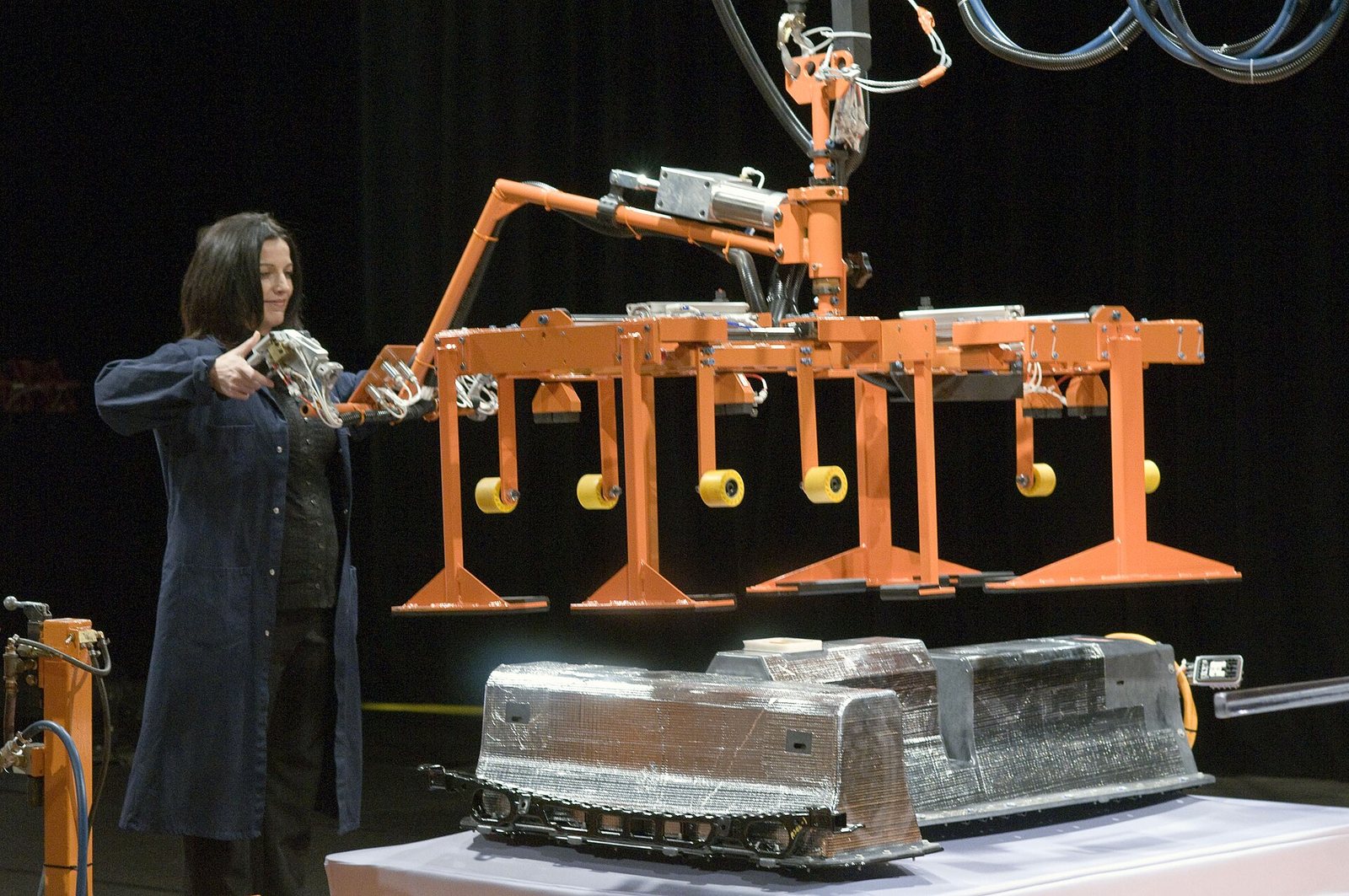
Into a cell, then a pack, then a car
Cathode powder is coated onto aluminium foil, paired with a graphite anode on copper foil, wound or stacked, filled with electrolyte and sealed. The cells become modules, the modules become a pack.
Waarom hier: Cells are heavy and awkward to ship, so cell plants cluster near vehicle assembly.
Germany · Wherever it is sold in beheer bij The driver (Eindgebruiker)
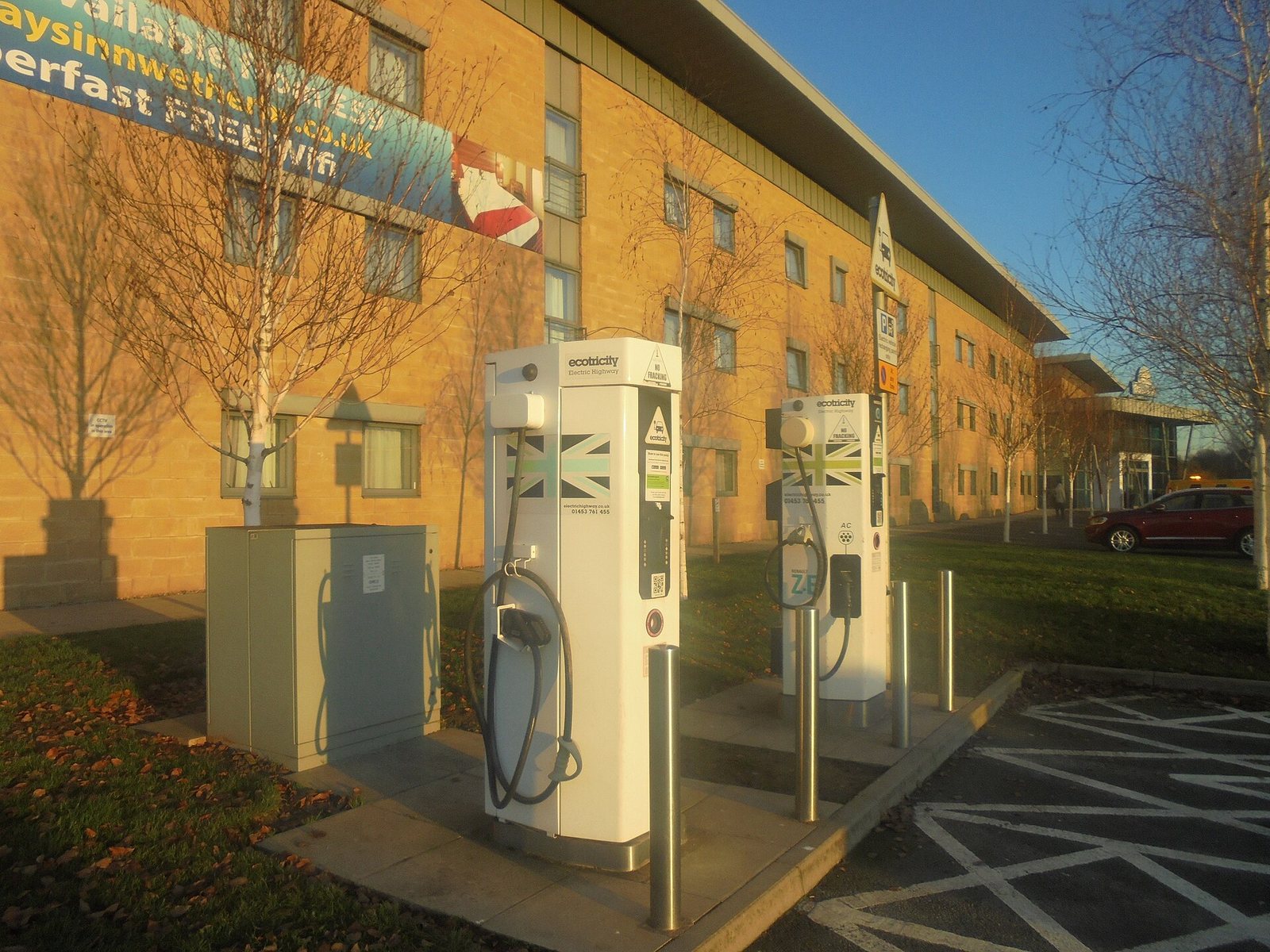
A car, for maybe fifteen years
Roughly 8 kg of contained lithium, from a million litres of desert brine, now sits under a car floor. At end of life it can be recovered — recycling returns lithium at high rates once the collection system exists.
Waarom hier: The car is sold where the demand is. The lithium has now crossed three continents.
Dit is een uitgewerkt voorbeeld. Het volgt een opgegeven beginhoeveelheid door gepubliceerde typische opbrengsten en rendementen, zodat de verhoudingen controleerbaar zijn; het is geen verslag van een concrete zending. Routefeiten — welke landen, welke processen, en waarom het materiaal niet zomaar elders kan worden verwerkt — zijn samengesteld uit openbare bronnen.