O que está realmente em movimento
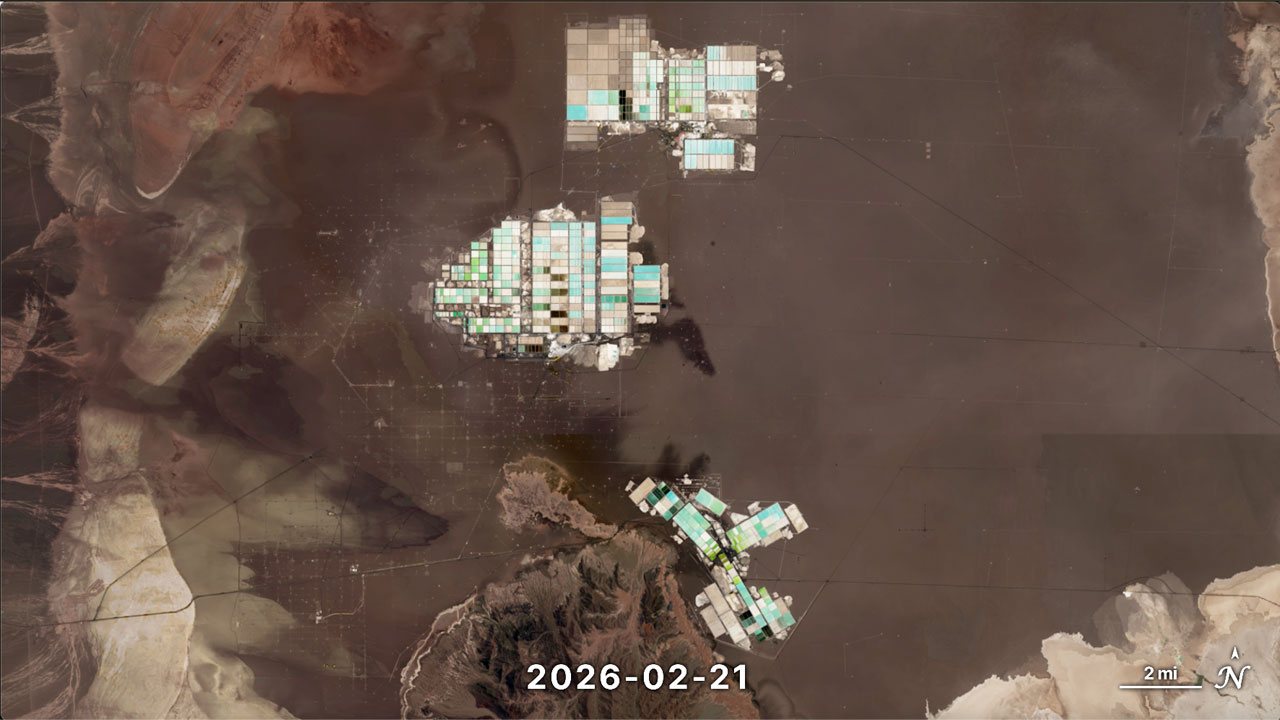
Lithium in a salar is dissolved in brine under the salt crust. It is pumped into ponds and left to evaporate for twelve to twenty-four months until it is concentrated enough to be worth processing. Almost none of the value is added in Chile; the concentrate leaves as a chemical and comes back, eventually, as a car.
- O material
- Lithium
- A variedade
- Salar brine, roughly 1,500–2,000 mg of lithium per litre
- Onde começa
- Chile — Salar de Atacama, 2,300 m up in the driest desert on Earth
Passo a passo, e fronteira a fronteira
Chile · Salar de Atacama detido por SQM and Albemarle, under CORFO concessions (Mineiro)
Pumping the ore to the surface
Brine is pumped from wells 30–200 m below the salt crust. No blasting, no haul trucks, no waste rock — the ore arrives as a liquid.
Por que aqui: Closed basin, high altitude, volcanic highlands feeding it, and almost no rainfall. Very few places on Earth combine all four.
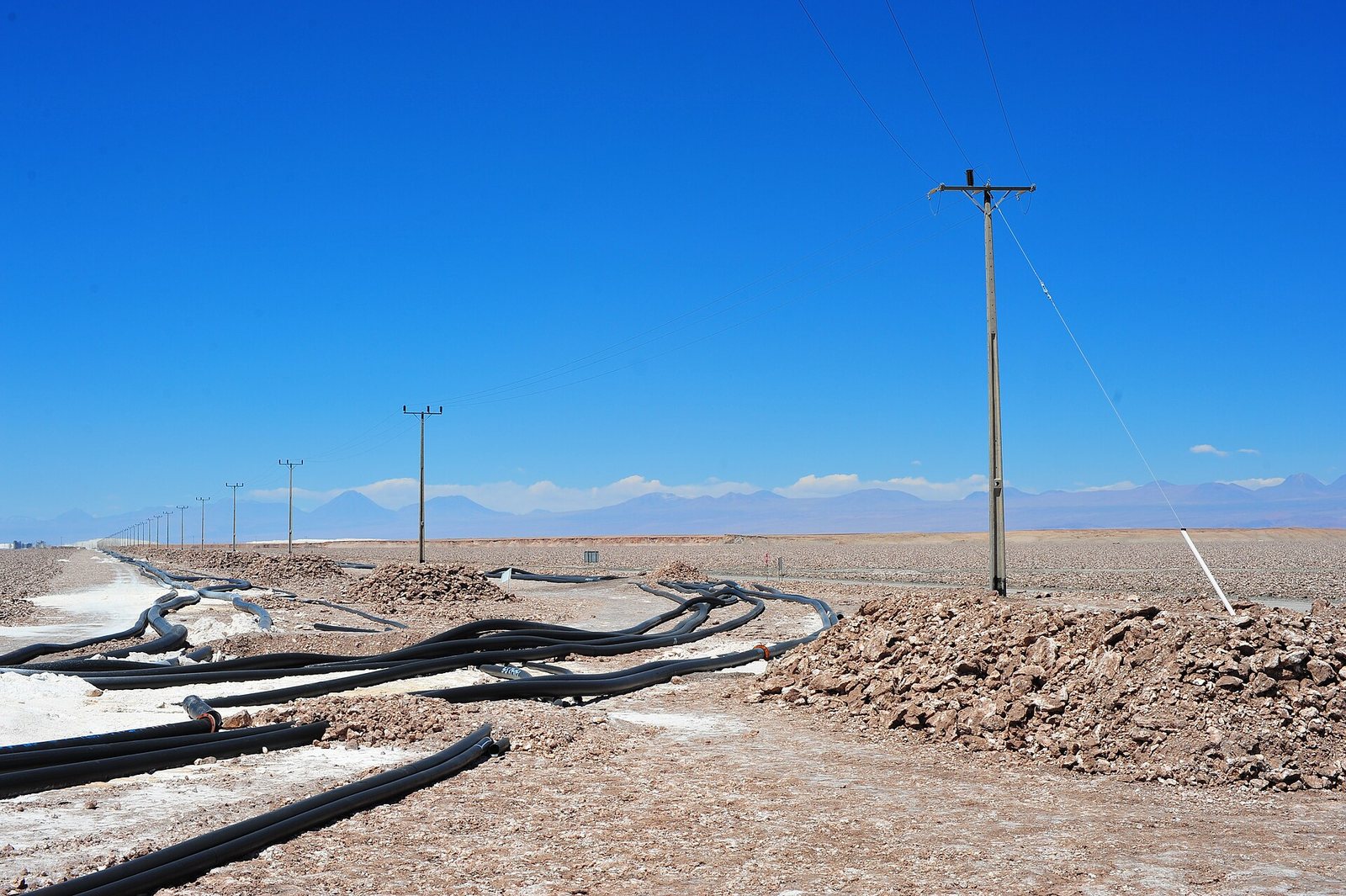
Chile · Evaporation ponds detido por SQM and Albemarle (Mineiro)
Eighteen months of sunshine
The brine moves through a cascade of ponds. Sodium, potassium and magnesium salts crystallise out in sequence and are harvested; the lithium stays in solution and concentrates.
O que aconteceu ao restante: Around 95% of the water evaporates into the desert air. Potash is harvested as a genuine co-product, not a waste.
Por que aqui: This step is free solar energy and eighteen months of patience. It cannot be moved somewhere with less sun and it cannot be hurried.
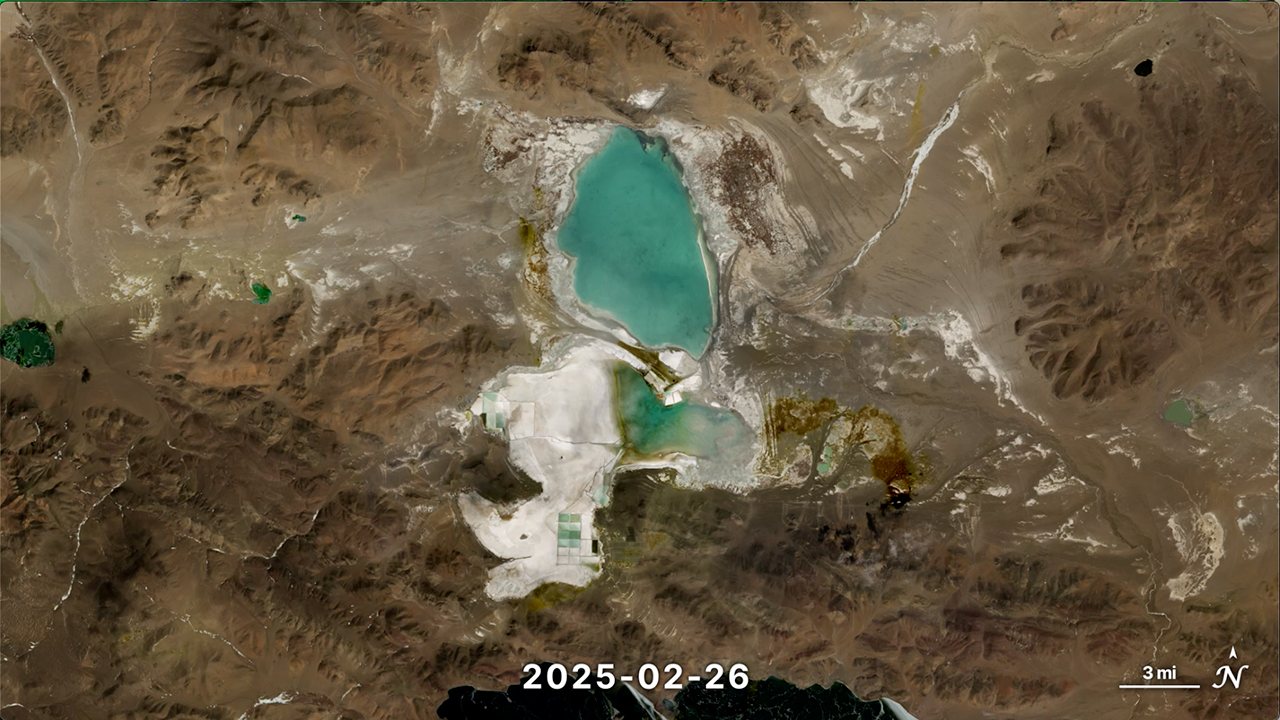
Chile · Salar del Carmen, near Antofagasta detido por SQM / Albemarle (Químico)
Into a chemical
The concentrate is trucked to the coast, purified of boron and magnesium, and reacted with soda ash to precipitate lithium carbonate.
O que aconteceu ao restante: This is the last step performed in Chile. Everything downstream — and most of the value — happens elsewhere.
Por que aqui: Near the port and the power, and required by the concession terms.
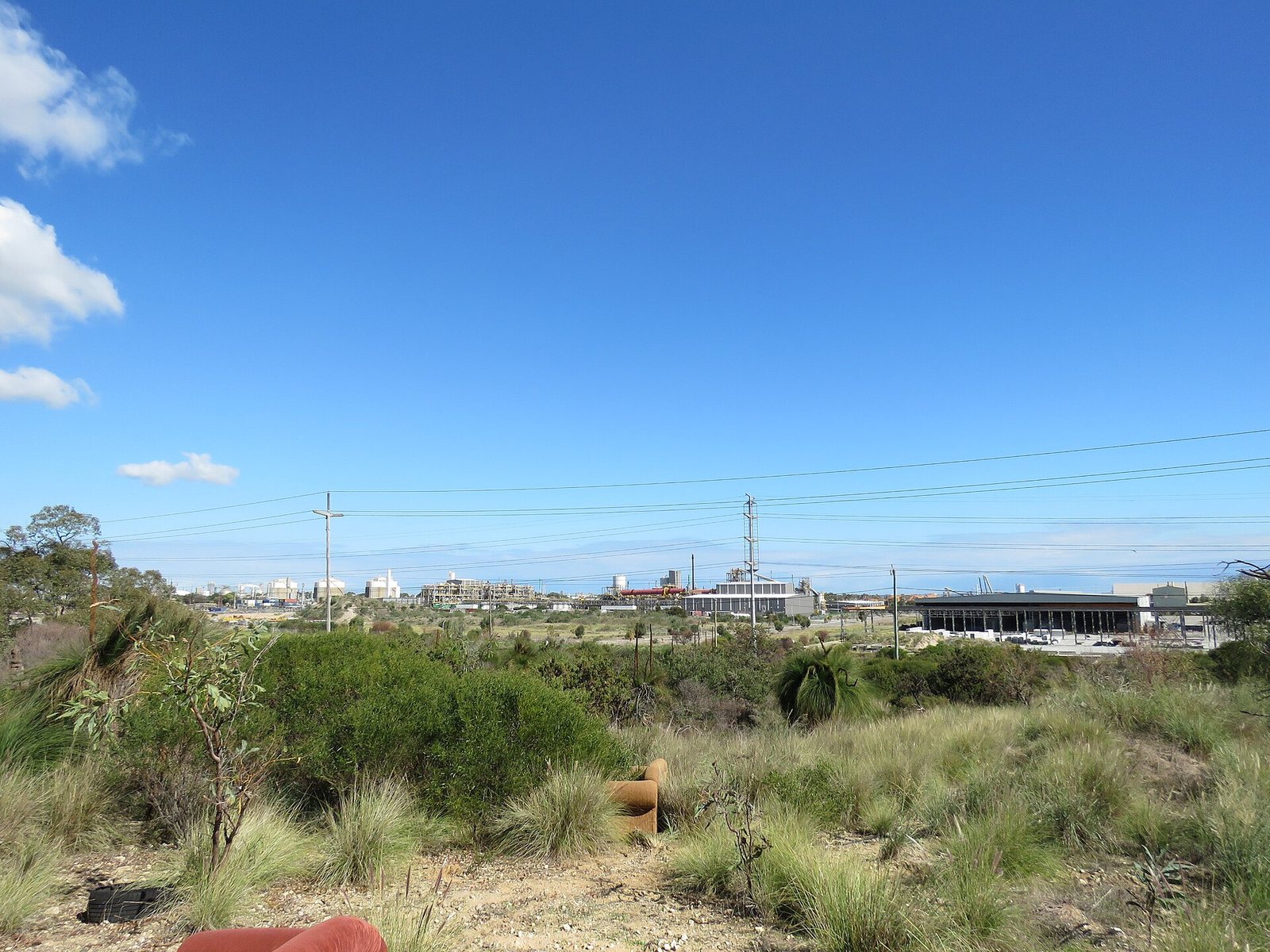
China · To Chinese and Korean cathode plants detido por Traders and cathode makers (Trader)
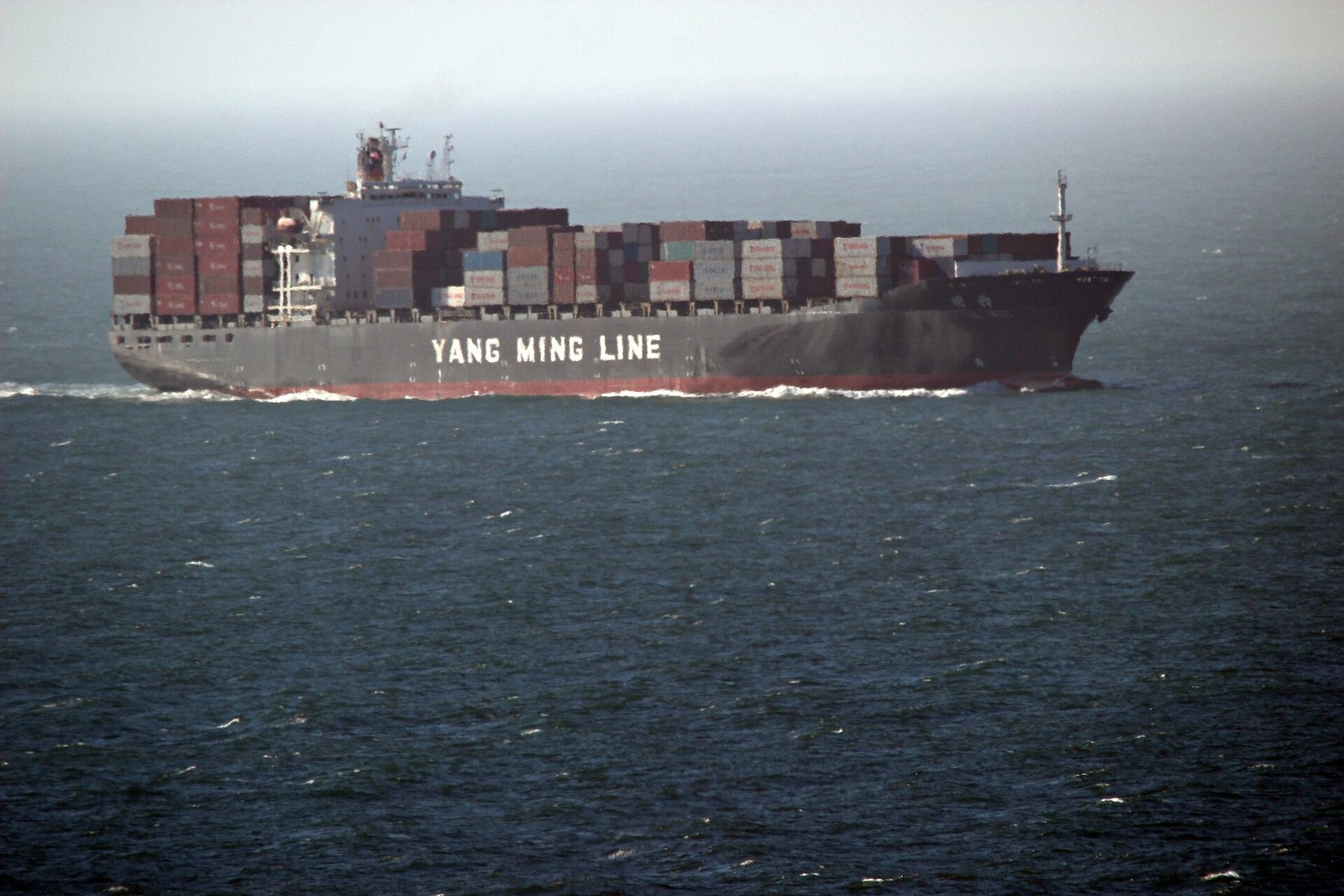
Across the Pacific in a container
Lithium carbonate ships as an ordinary bagged chemical in a standard container. At this point custody leaves the mining industry entirely.
Por que aqui: Cathode manufacture is where the buyers are. The chemical goes to the factory; the factory does not come to the salar.
China · Cathode plant detido por Cathode manufacturer (Fabricante)
Becoming a cathode
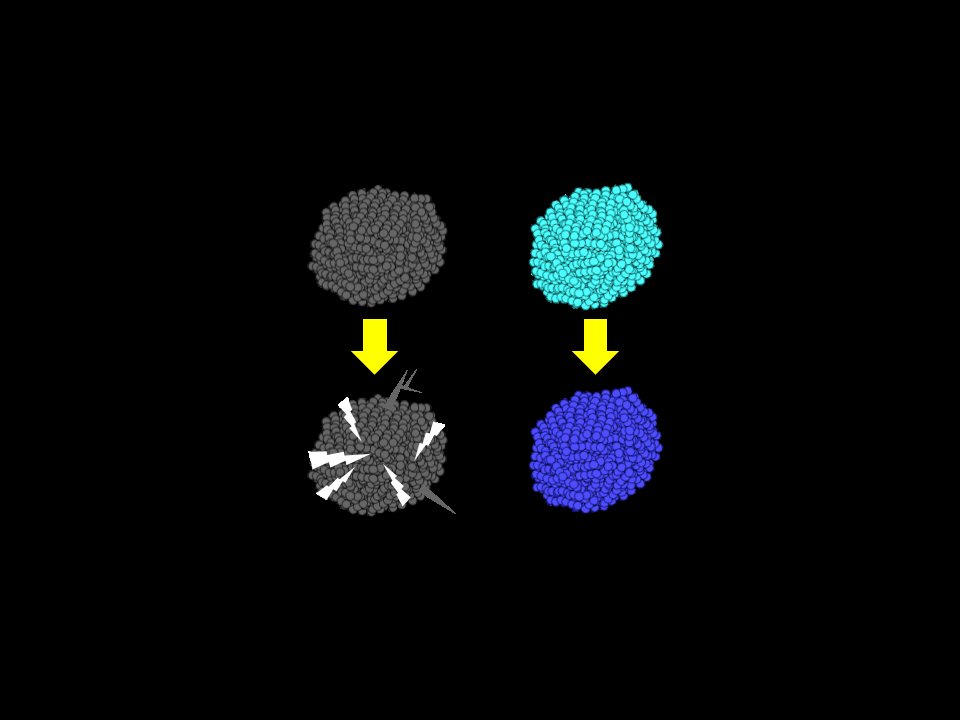
The carbonate is combined with an iron-phosphate or nickel-manganese-cobalt precursor and calcined into cathode active material — a black powder.
O que aconteceu ao restante: Carbonate is only about 19% lithium by weight. The rest of the mass was always carbon and oxygen.
Por que aqui: Calcination to a tight particle-size specification is the hardest step to qualify, and the qualified plants are concentrated in a few places.
China · Cell plant and vehicle assembly detido por Battery and vehicle manufacturers (Fabricante)
Into a cell, then a pack, then a car
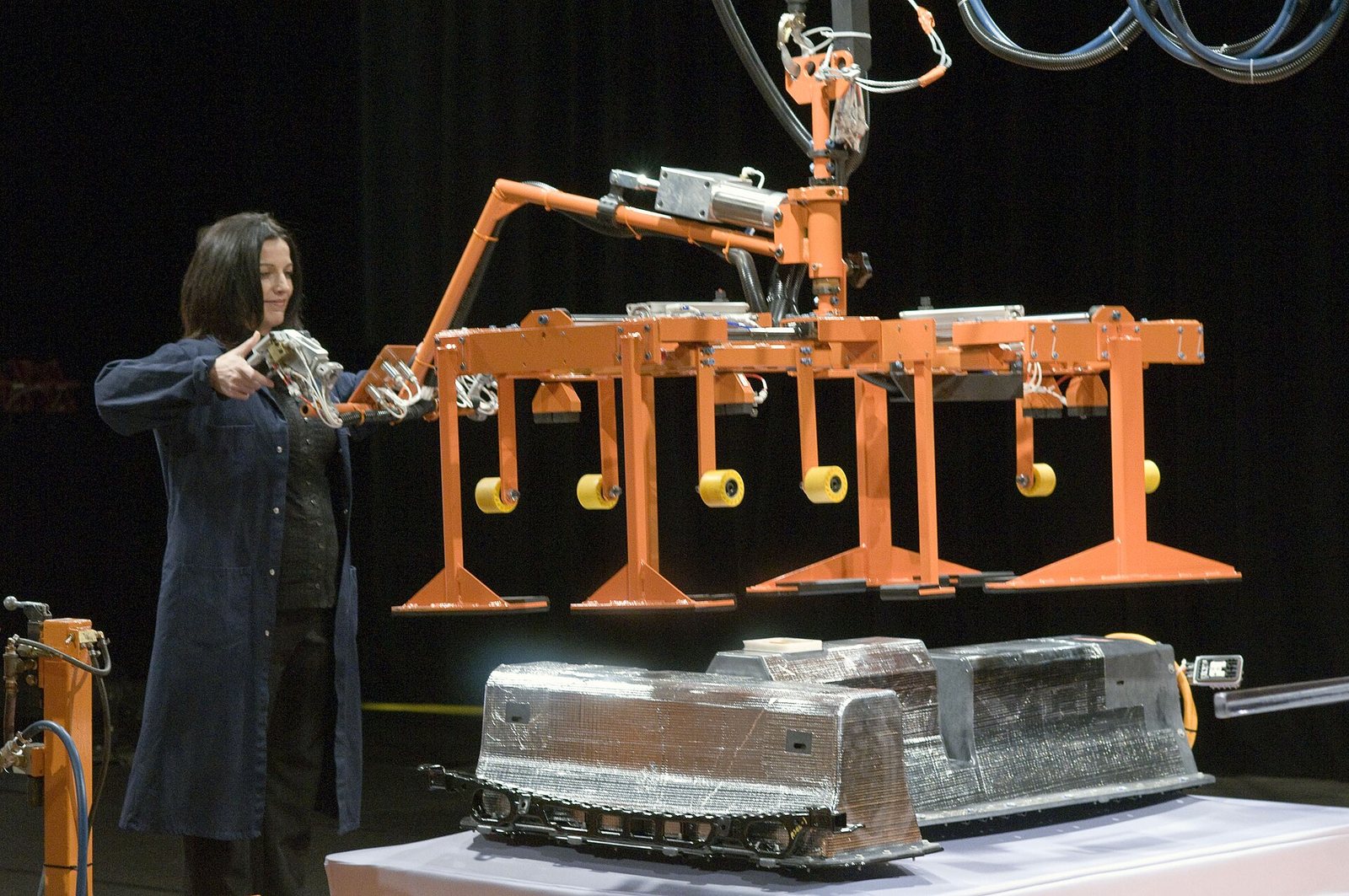
Cathode powder is coated onto aluminium foil, paired with a graphite anode on copper foil, wound or stacked, filled with electrolyte and sealed. The cells become modules, the modules become a pack.
Por que aqui: Cells are heavy and awkward to ship, so cell plants cluster near vehicle assembly.
Germany · Wherever it is sold detido por The driver (Utilizador final)
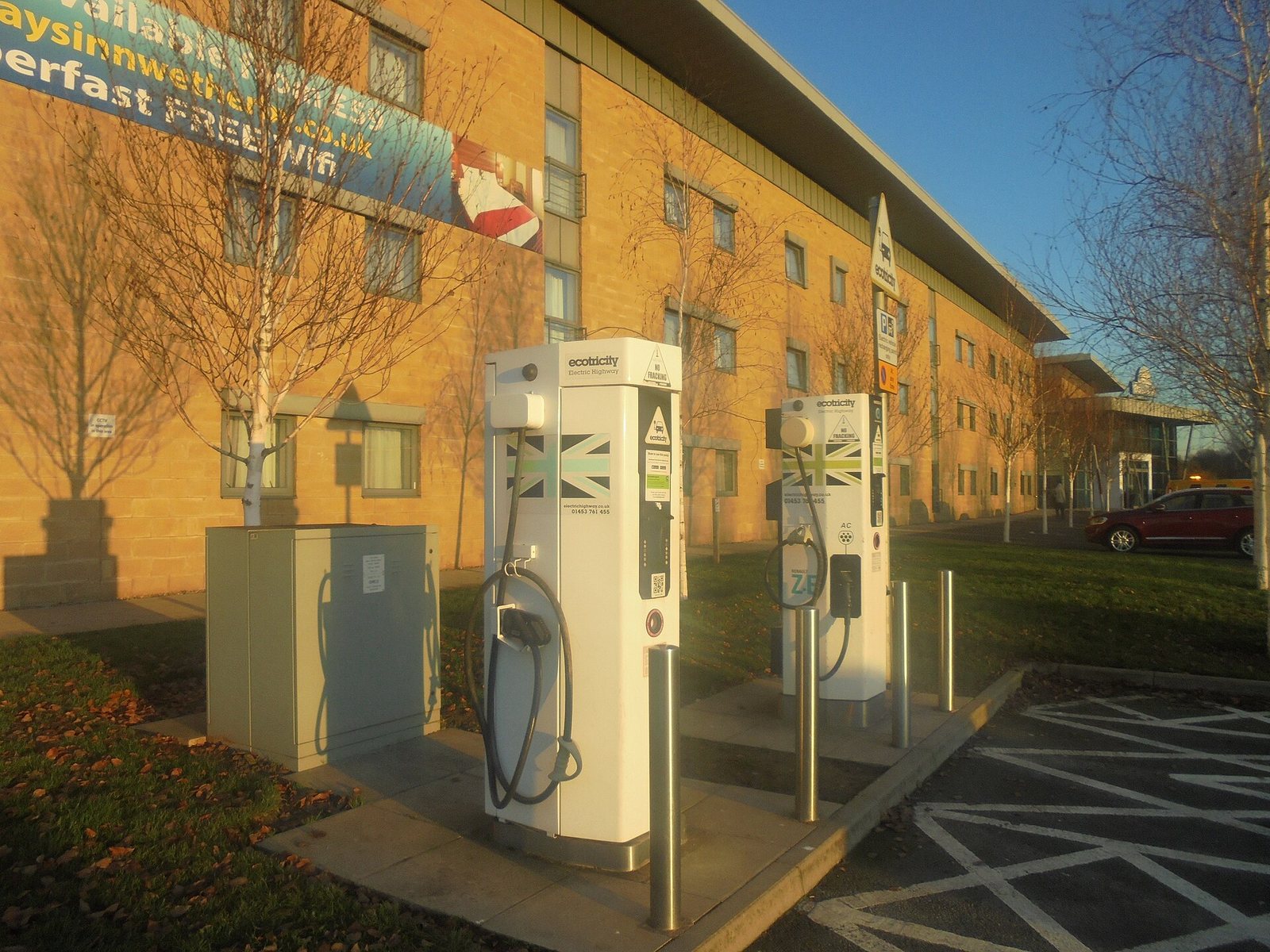
A car, for maybe fifteen years
Roughly 8 kg of contained lithium, from a million litres of desert brine, now sits under a car floor. At end of life it can be recovered — recycling returns lithium at high rates once the collection system exists.
Por que aqui: The car is sold where the demand is. The lithium has now crossed three continents.
Este é um exemplo elaborado. Acompanha uma quantidade inicial declarada através de rendimentos e recuperações típicos publicados, pelo que as proporções são verificáveis; não é o registo de uma remessa específica. Os factos relativos à rota — quais os países, quais os processos e por que o material não pode simplesmente ser tratado noutro local — são compilados a partir de informação pública.