Was tatsächlich transportiert wird
Cobalt is a by-product: it comes up because somebody wanted the copper. It leaves the DRC as a hydroxide filter cake on a truck, crosses two borders, sails to China, and is refined into the sulfate that goes into a cathode. The route is long, and the due-diligence obligations attached to it are the strictest of any material covered here.
- Das Material
- Cobalt
- Die Varietät
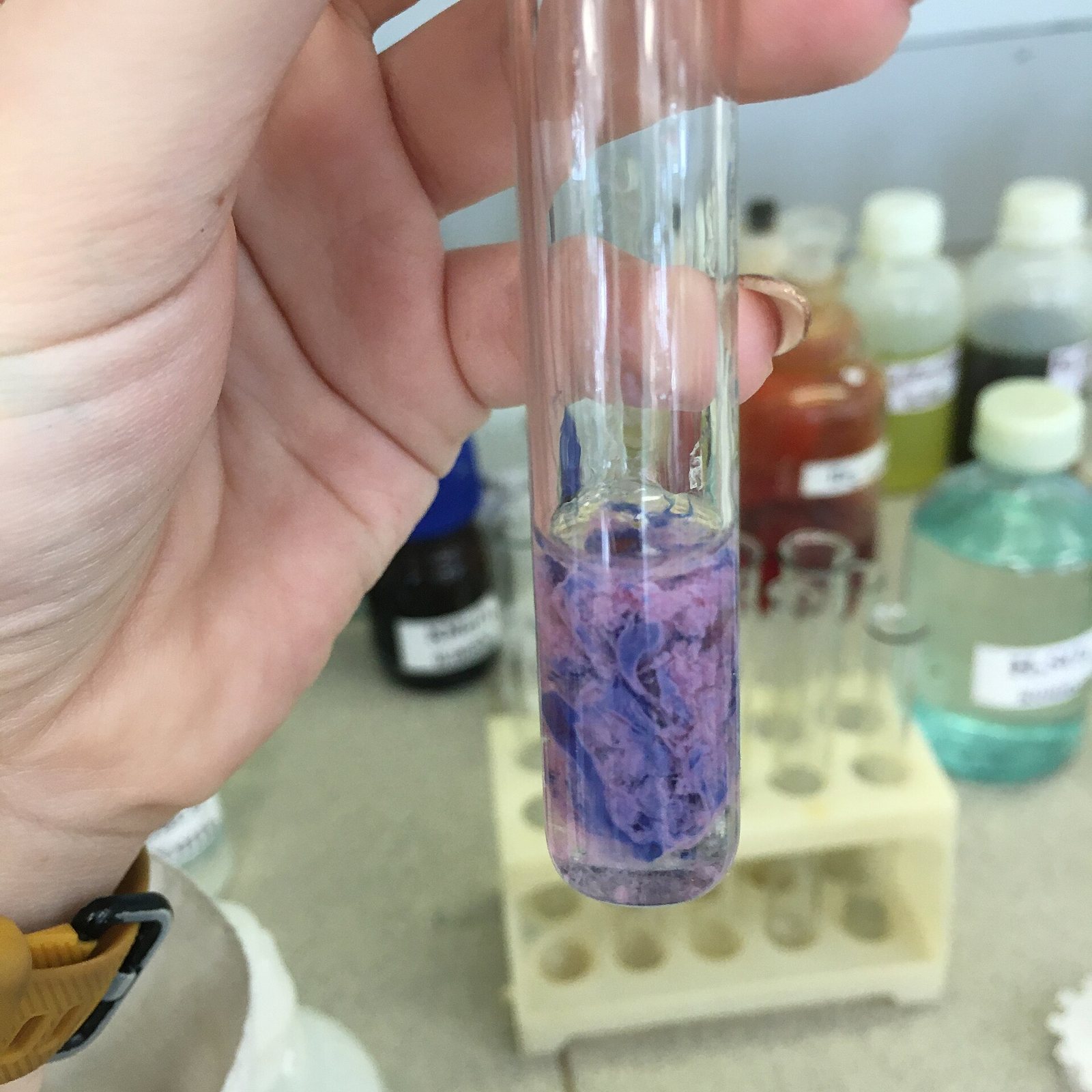
- Heterogenite, cobalt oxide ore, recovered alongside copper
- Wo es beginnt
- Democratic Republic of the Congo — Kolwezi, where roughly three-quarters of the world's cobalt originates
Schritt für Schritt und Grenze für Grenze
Democratic Republic of the Congo · Kolwezi and the Lualaba belt gehalten von Industrial operators and artisanal miners (Bergmann)
Industrial mines, and a great deal of hand digging
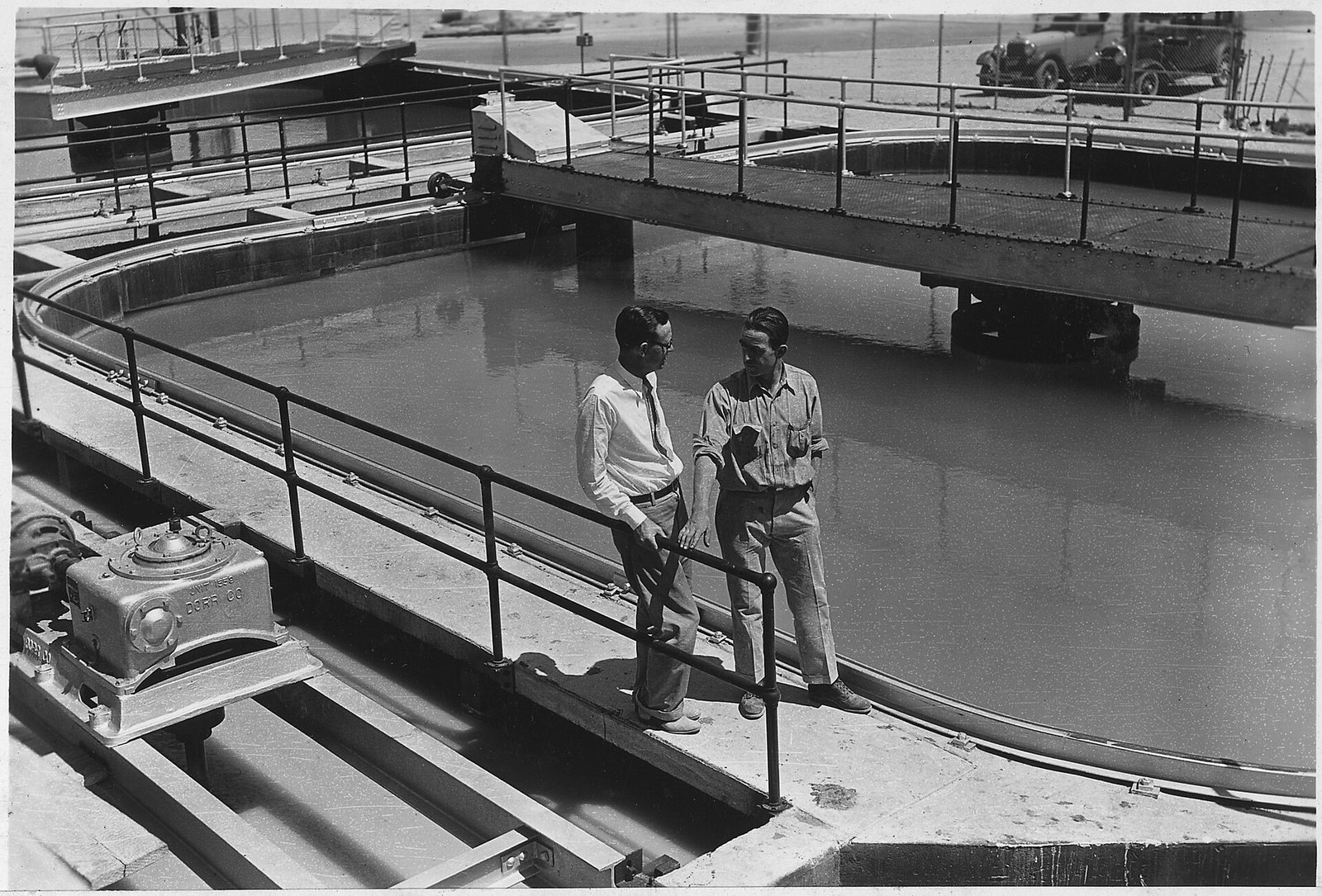
Most cobalt comes from large mechanised copper mines. A material share is also dug by hand by artisanal miners and sold into the same processing plants, which is why chain-of-custody documentation matters here more than anywhere else on this site.
Warum hier: The Copperbelt. There is no comparable cobalt resource being mined at this scale anywhere else.
Democratic Republic of the Congo · Hydrometallurgical plant gehalten von Operators (Chemisch)
Leached out with the copper
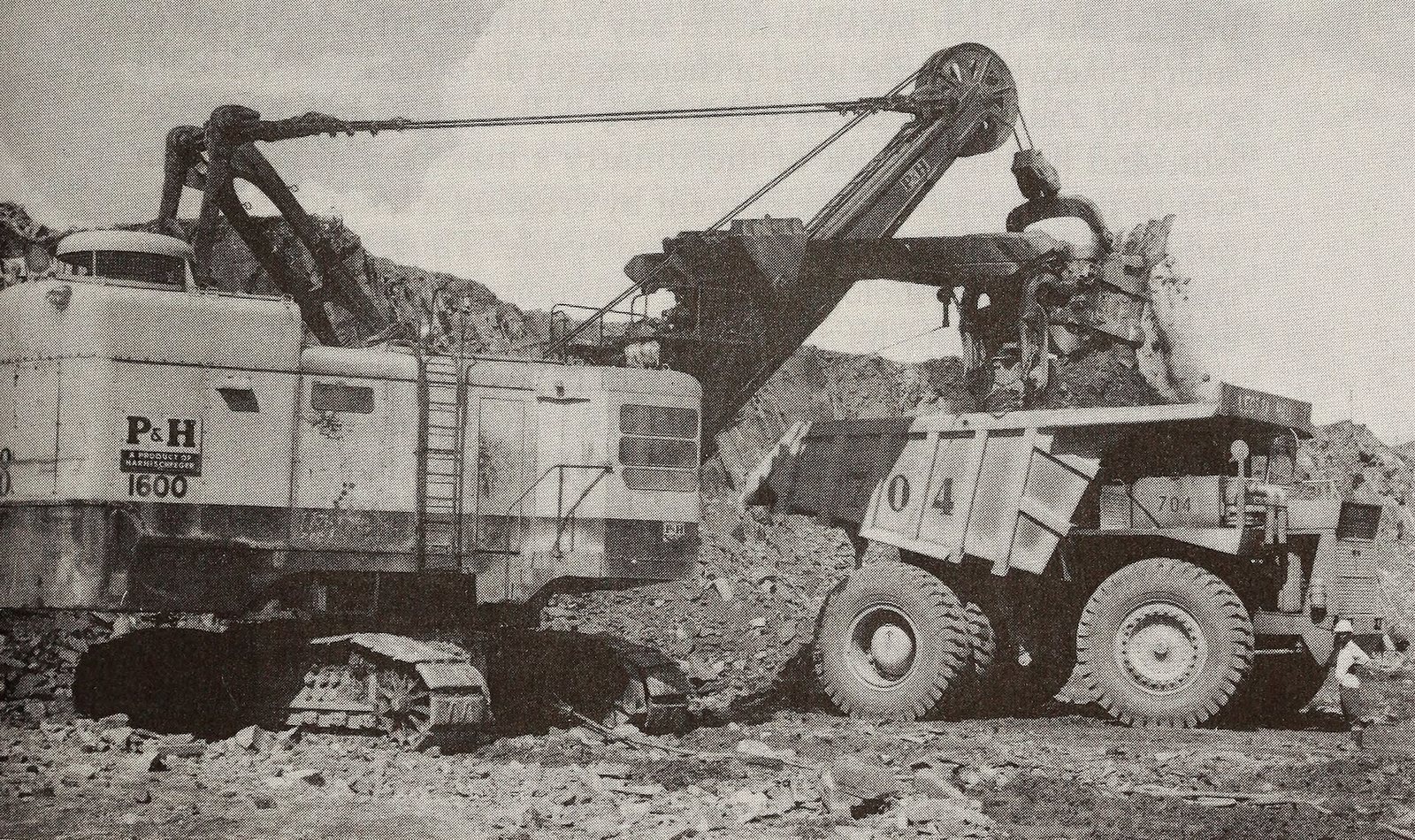
Cobalt dissolves in the same acid leach as the copper, then is separated and precipitated as a hydroxide once the copper has been electrowon out.
Was mit dem Rest geschah: If the copper price falls far enough to close the mine, the cobalt stops too. Its supply follows copper economics, not its own.
Warum hier: It shares a circuit with the copper because it shares an orebody with it.
Tanzania · To Dar es Salaam or Durban gehalten von Hauliers (Händler)
The long haul
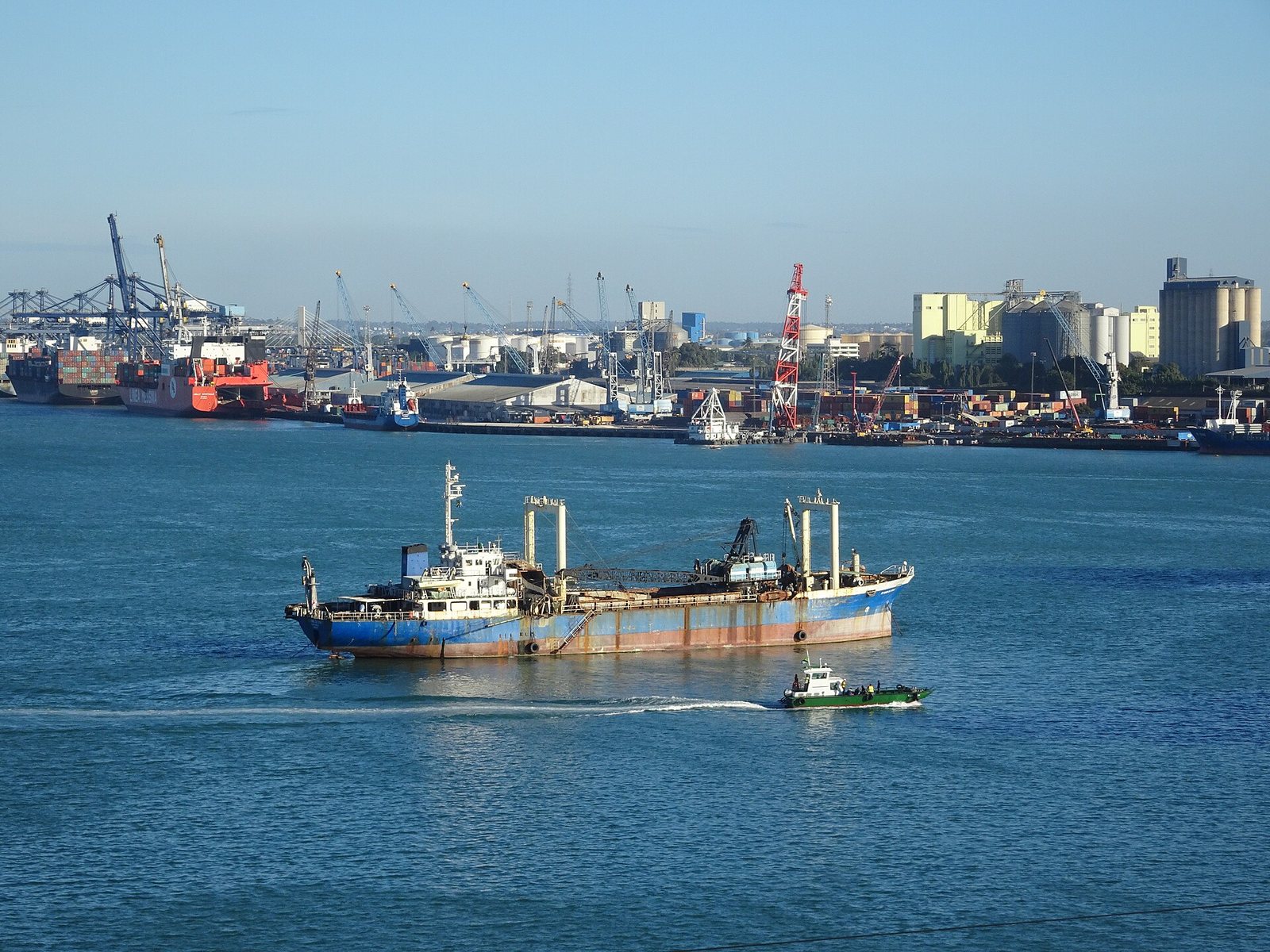
Bagged hydroxide is trucked 2,000 km or more to a port, crossing at least one border. Queues at the crossings routinely add days.
Warum hier: There is no railway that does this job reliably. The road IS the supply chain.
China · Zhejiang and Jiangxi refineries gehalten von Refiner (Raffineriebetreiber)
Into a battery-grade salt
Redissolved, purified of nickel, copper, iron and manganese, and crystallised into cobalt sulfate heptahydrate — pink crystals to a very tight specification.
Warum hier: This is the real chokepoint. Mining is spread across one country; refining is concentrated in another.
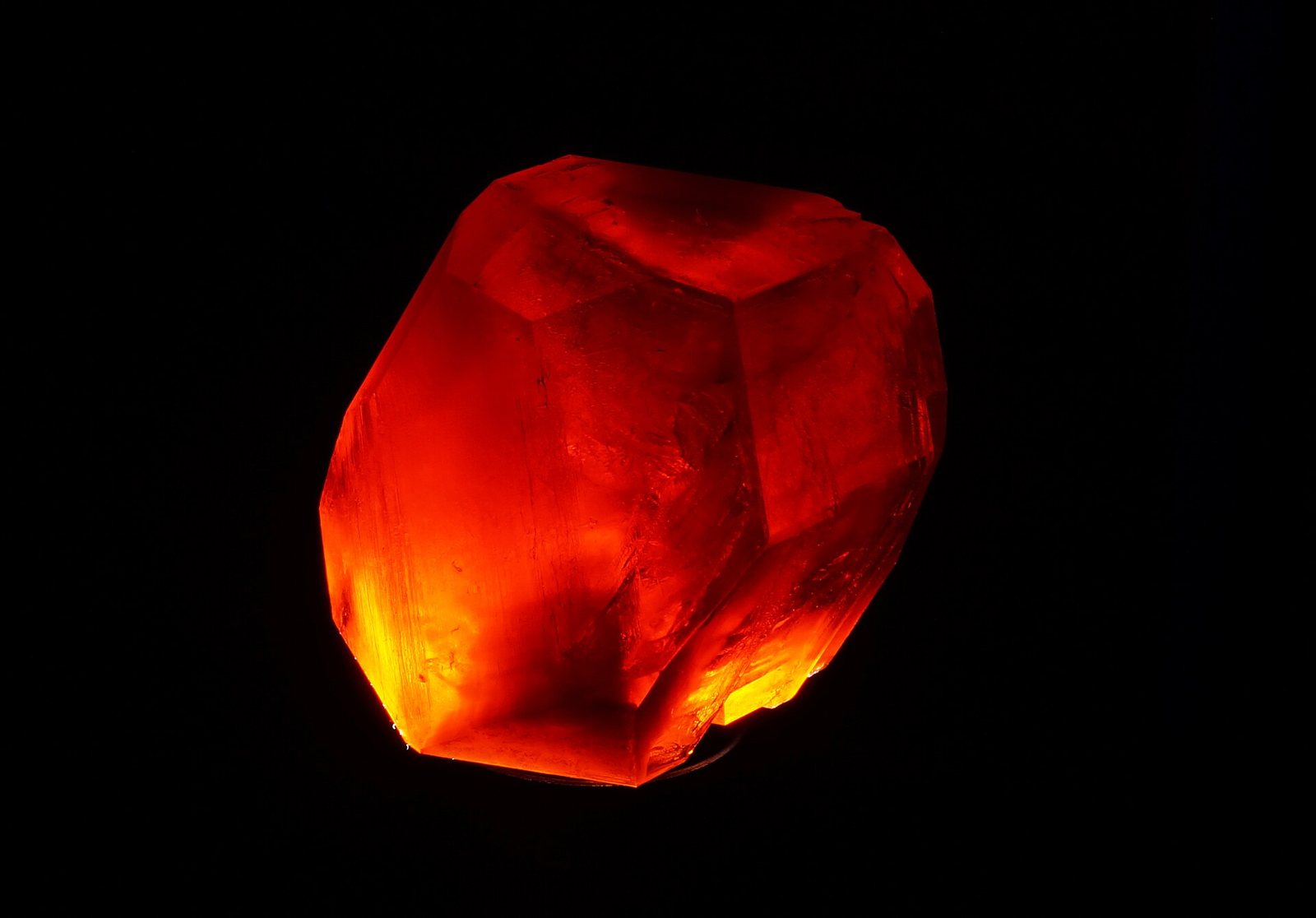
South Korea · Precursor and cathode plants gehalten von Cathode manufacturers (Hersteller)
Into the cathode
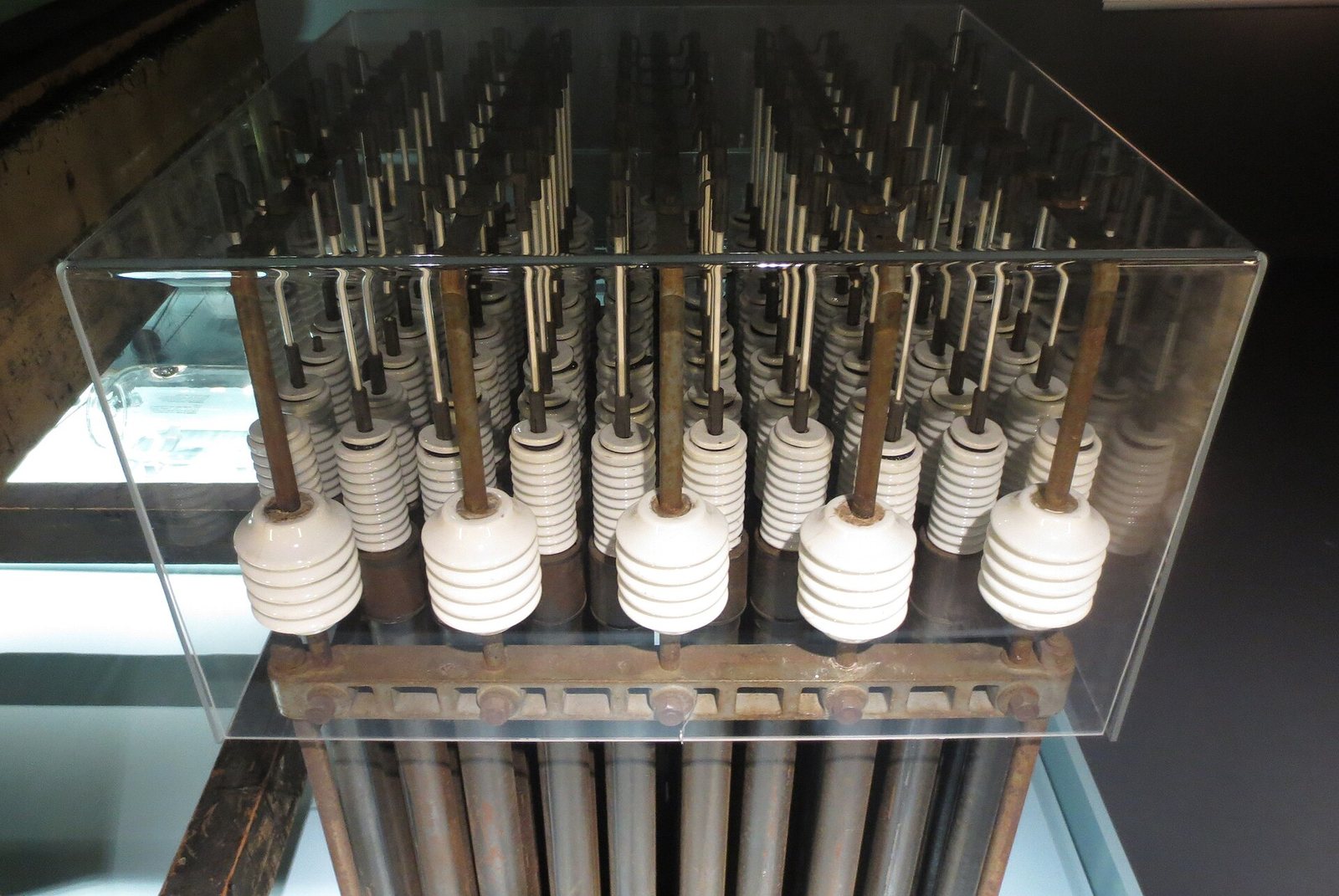
Co-precipitated with nickel and manganese sulfates into a precursor, then lithiated and calcined. Cobalt is what keeps the cathode's layered structure from collapsing as it charges and discharges.
Warum hier: Cathode makers cluster near cell makers, who cluster near carmakers.
Germany · Wherever they are sold gehalten von Drivers (Endabnehmer)
About 350 cars
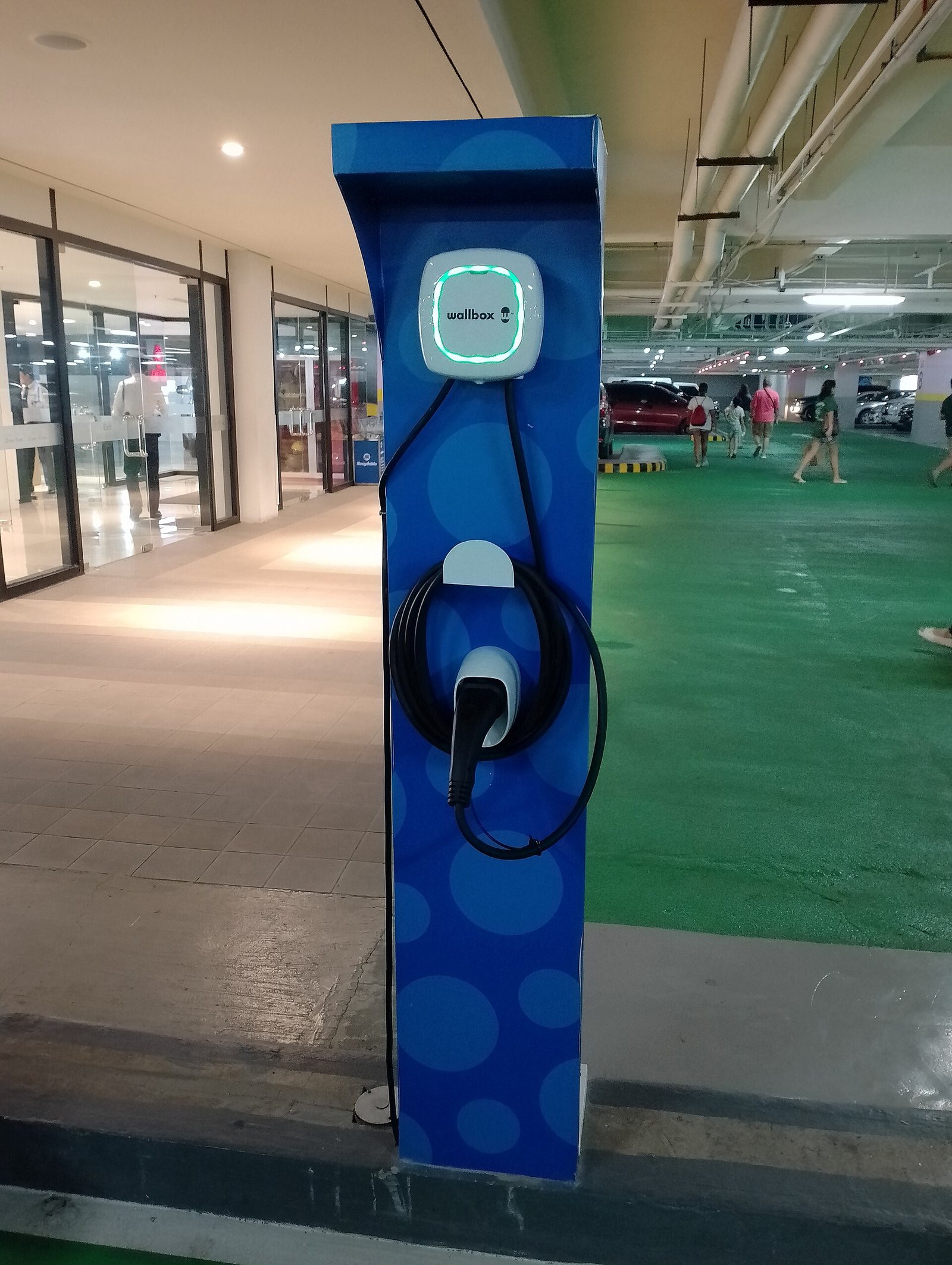
At roughly 13 kg per pack for a mid-nickel chemistry, 4.5 tonnes of cobalt is a few hundred vehicles — and every one of them can be traced back, on paper, to the pit it came from.
Was mit dem Rest geschah: Cathode chemistry has been cutting cobalt for a decade — from a third of the cathode metal to under a tenth in high-nickel designs, and to zero in LFP.
Warum hier: Substitution is the quiet counter-pressure on this entire route.
Dies ist ein ausgearbeitetes Beispiel. Es verfolgt eine angegebene Ausgangsmenge anhand veröffentlichter typischer Ausbeuten und Ausbringungsgrade, sodass die Verhältnisse nachprüfbar sind; es handelt sich nicht um den Nachweis einer bestimmten Lieferung. Routenfakten — welche Länder, welche Prozesse und warum das Material nicht einfach anderswo verarbeitet werden kann — sind aus öffentlichen Berichten zusammengestellt.