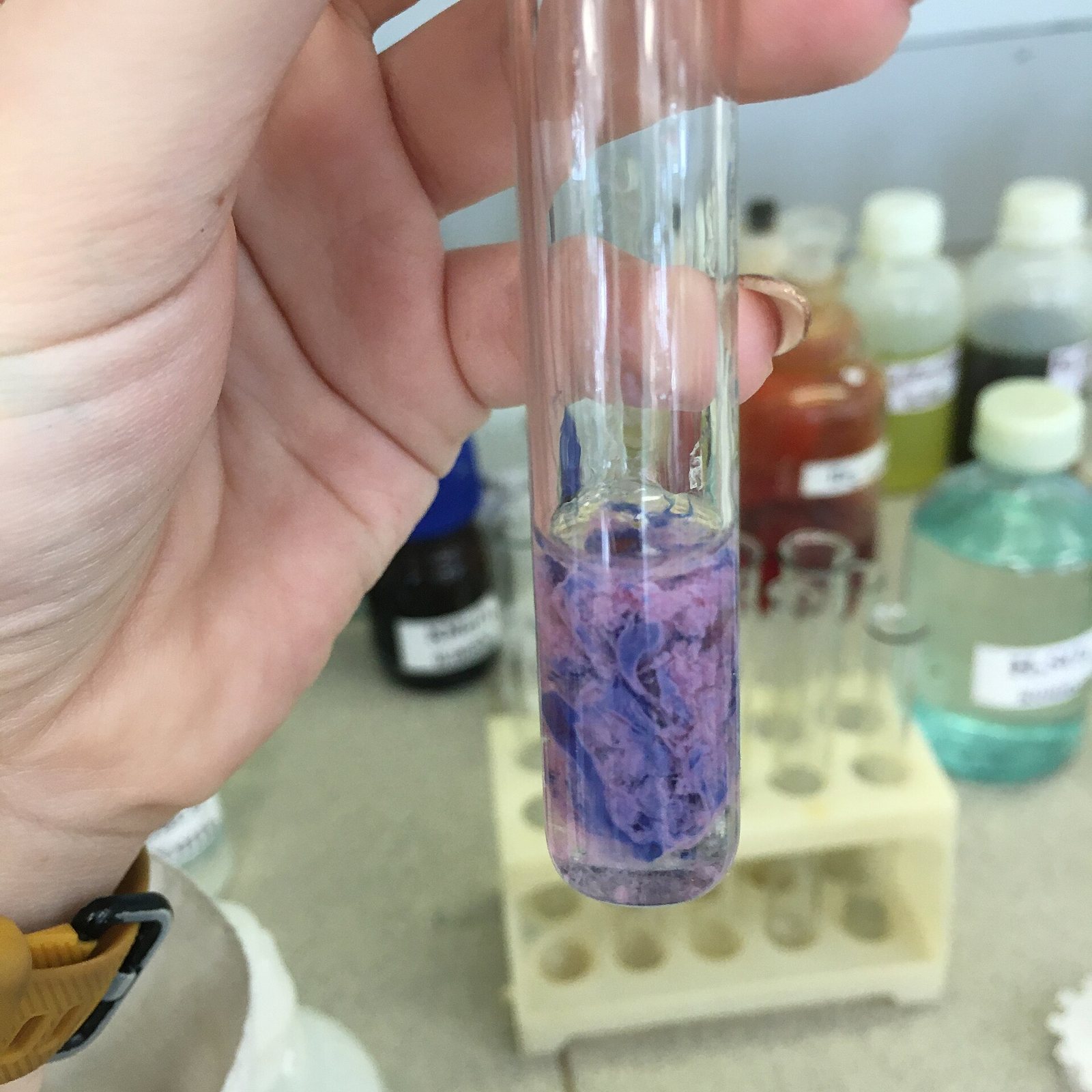
Thực chất đang vận chuyển gì
Cobalt is a by-product: it comes up because somebody wanted the copper. It leaves the DRC as a hydroxide filter cake on a truck, crosses two borders, sails to China, and is refined into the sulfate that goes into a cathode. The route is long, and the due-diligence obligations attached to it are the strictest of any material covered here.
- Vật liệu
- Cobalt
- Loại
- Heterogenite, cobalt oxide ore, recovered alongside copper
- Nơi bắt đầu
- Democratic Republic of the Congo — Kolwezi, where roughly three-quarters of the world's cobalt originates
Từng bước một, từng biên giới một
Democratic Republic of the Congo · Kolwezi and the Lualaba belt được nắm giữ bởi Industrial operators and artisanal miners (Công ty khai thác)
Industrial mines, and a great deal of hand digging
Most cobalt comes from large mechanised copper mines. A material share is also dug by hand by artisanal miners and sold into the same processing plants, which is why chain-of-custody documentation matters here more than anywhere else on this site.
Tại sao tại đây: The Copperbelt. There is no comparable cobalt resource being mined at this scale anywhere else.
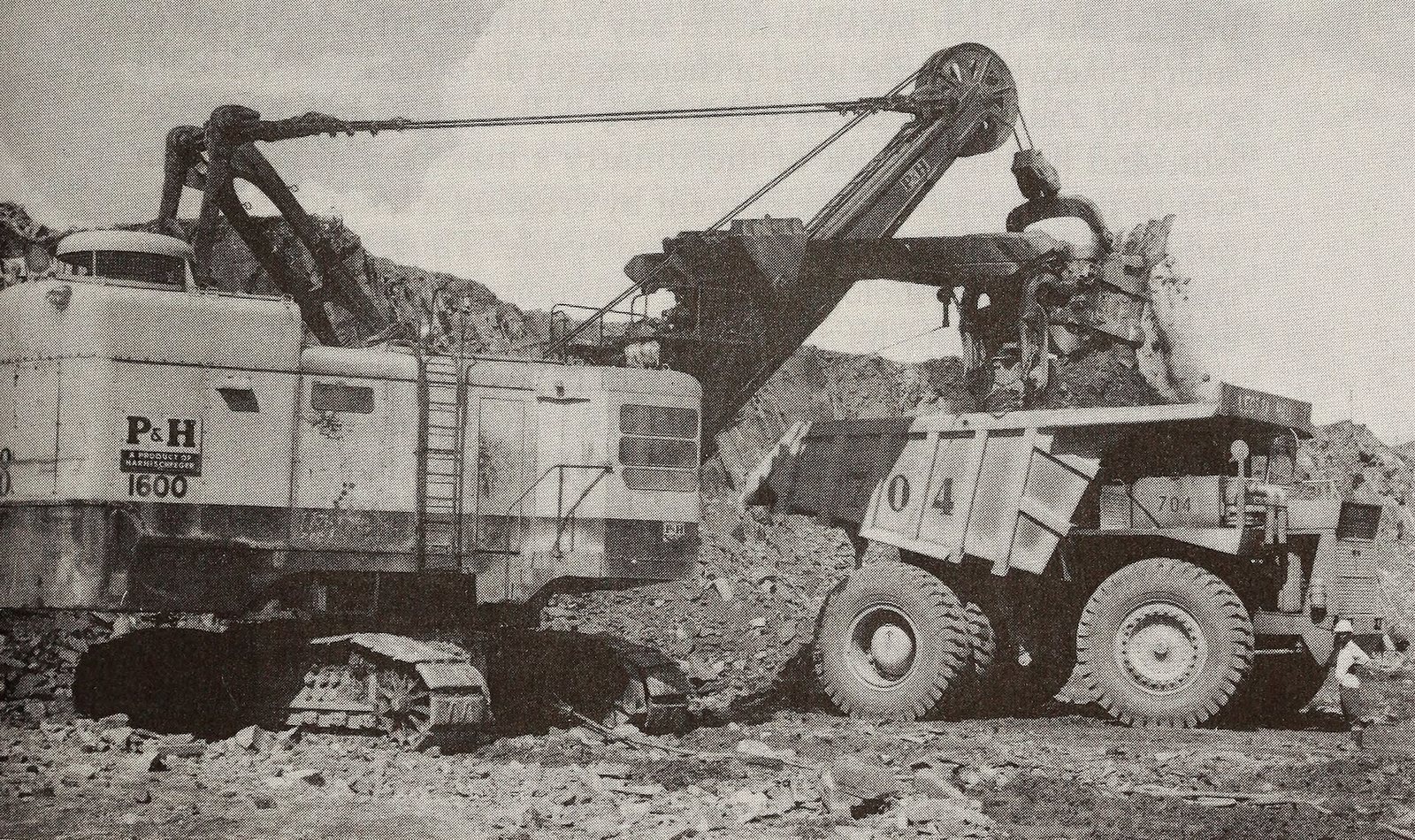
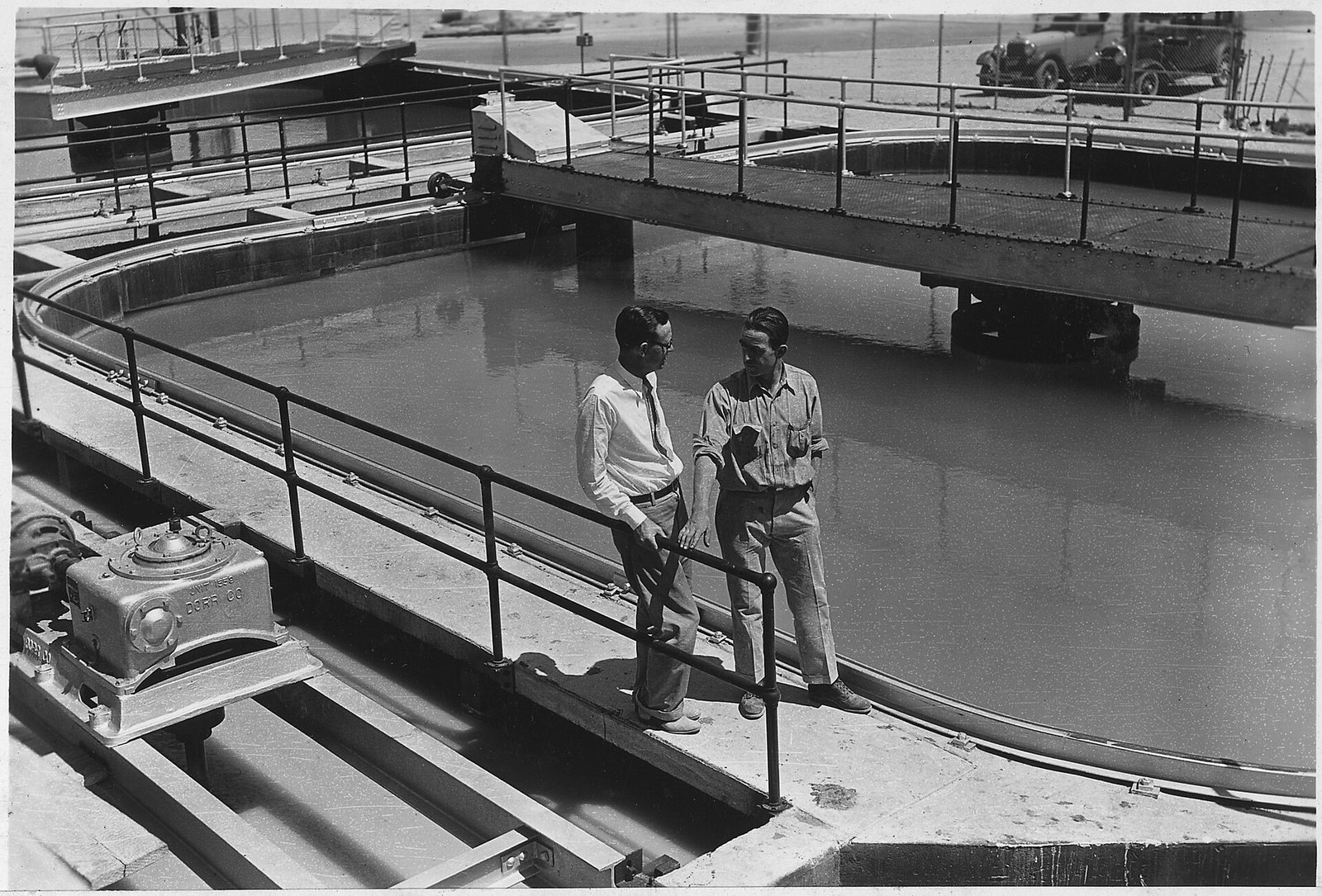
Democratic Republic of the Congo · Hydrometallurgical plant được nắm giữ bởi Operators (Hóa học)
Leached out with the copper
Cobalt dissolves in the same acid leach as the copper, then is separated and precipitated as a hydroxide once the copper has been electrowon out.
Những gì xảy ra với phần còn lại: If the copper price falls far enough to close the mine, the cobalt stops too. Its supply follows copper economics, not its own.
Tại sao tại đây: It shares a circuit with the copper because it shares an orebody with it.
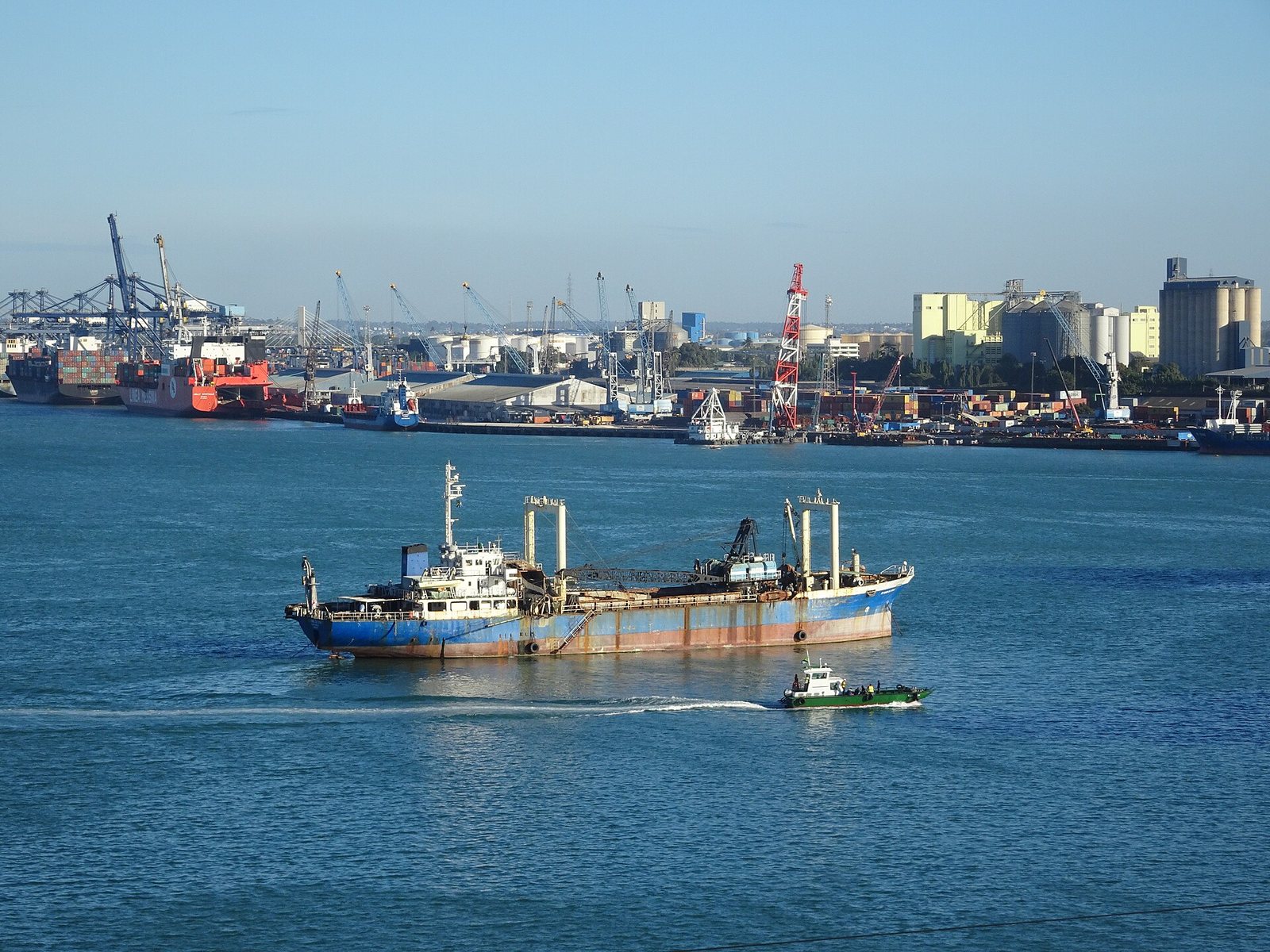
Tanzania · To Dar es Salaam or Durban được nắm giữ bởi Hauliers (Nhà kinh doanh)
The long haul
Bagged hydroxide is trucked 2,000 km or more to a port, crossing at least one border. Queues at the crossings routinely add days.
Tại sao tại đây: There is no railway that does this job reliably. The road IS the supply chain.
China · Zhejiang and Jiangxi refineries được nắm giữ bởi Refiner (Nhà máy tinh luyện)
Into a battery-grade salt
Redissolved, purified of nickel, copper, iron and manganese, and crystallised into cobalt sulfate heptahydrate — pink crystals to a very tight specification.
Tại sao tại đây: This is the real chokepoint. Mining is spread across one country; refining is concentrated in another.
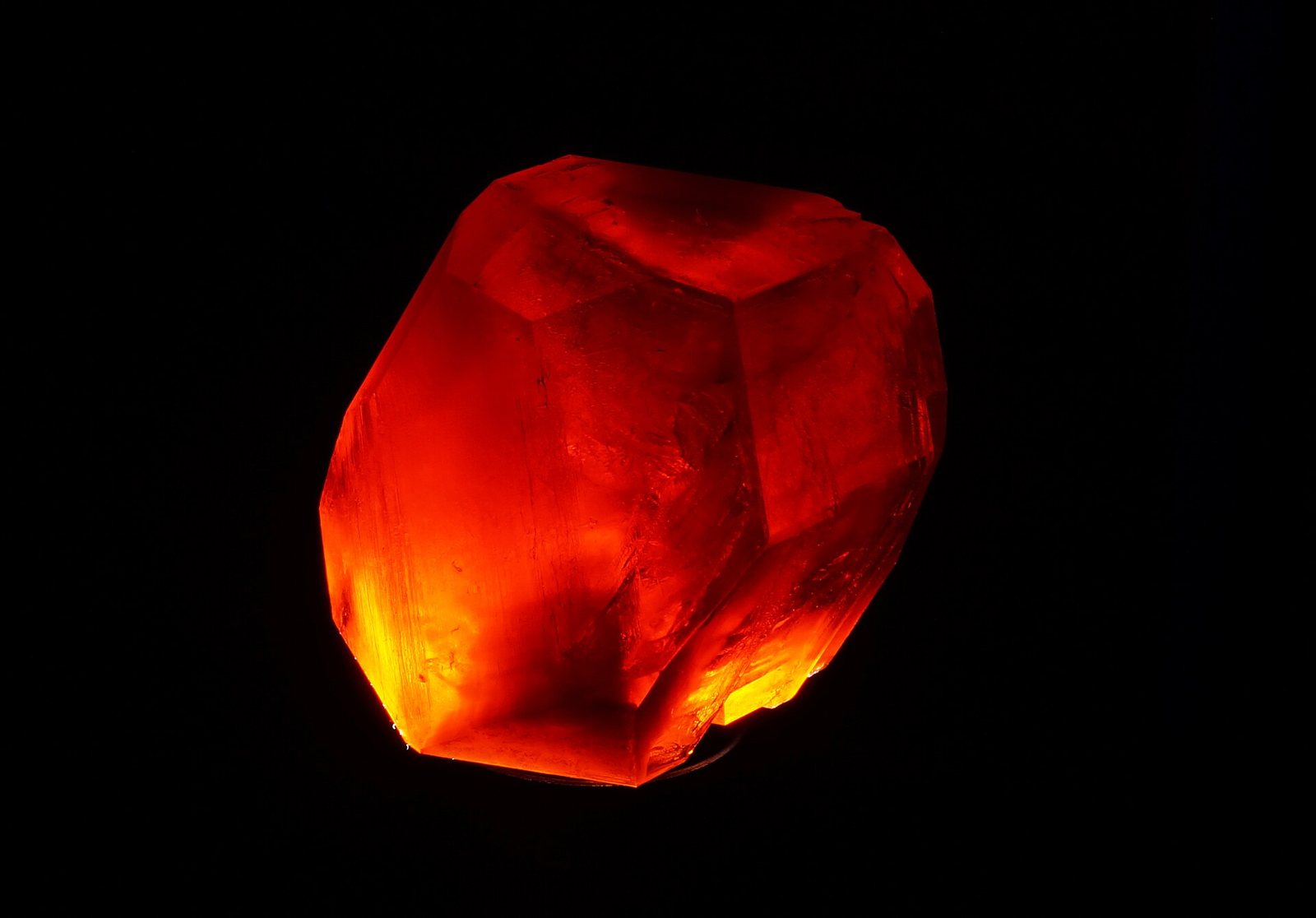
South Korea · Precursor and cathode plants được nắm giữ bởi Cathode manufacturers (Nhà sản xuất)
Into the cathode
Co-precipitated with nickel and manganese sulfates into a precursor, then lithiated and calcined. Cobalt is what keeps the cathode's layered structure from collapsing as it charges and discharges.
Tại sao tại đây: Cathode makers cluster near cell makers, who cluster near carmakers.
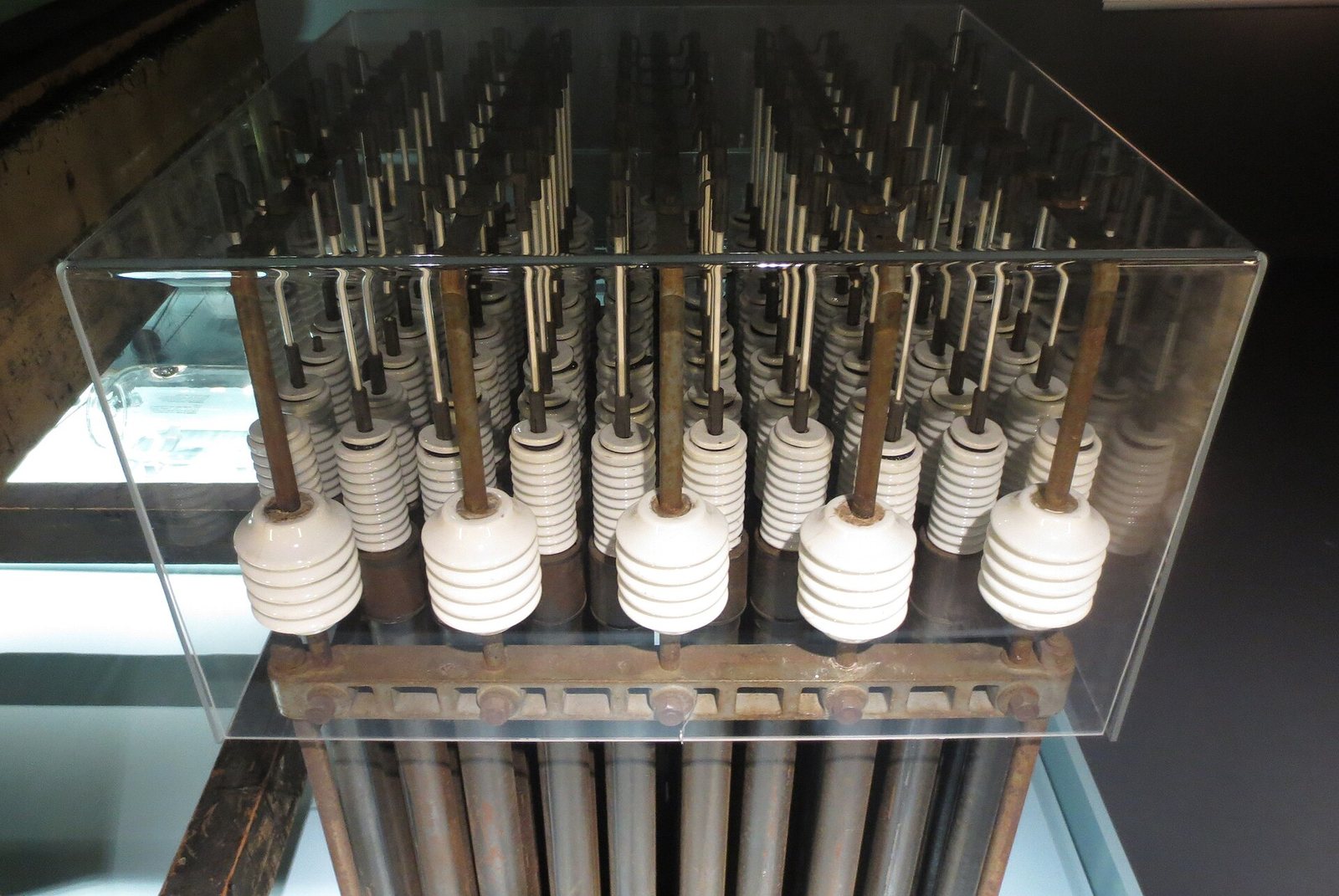
Germany · Wherever they are sold được nắm giữ bởi Drivers (Người dùng cuối)
About 350 cars
At roughly 13 kg per pack for a mid-nickel chemistry, 4.5 tonnes of cobalt is a few hundred vehicles — and every one of them can be traced back, on paper, to the pit it came from.
Những gì xảy ra với phần còn lại: Cathode chemistry has been cutting cobalt for a decade — from a third of the cathode metal to under a tenth in high-nickel designs, and to zero in LFP.
Tại sao tại đây: Substitution is the quiet counter-pressure on this entire route.
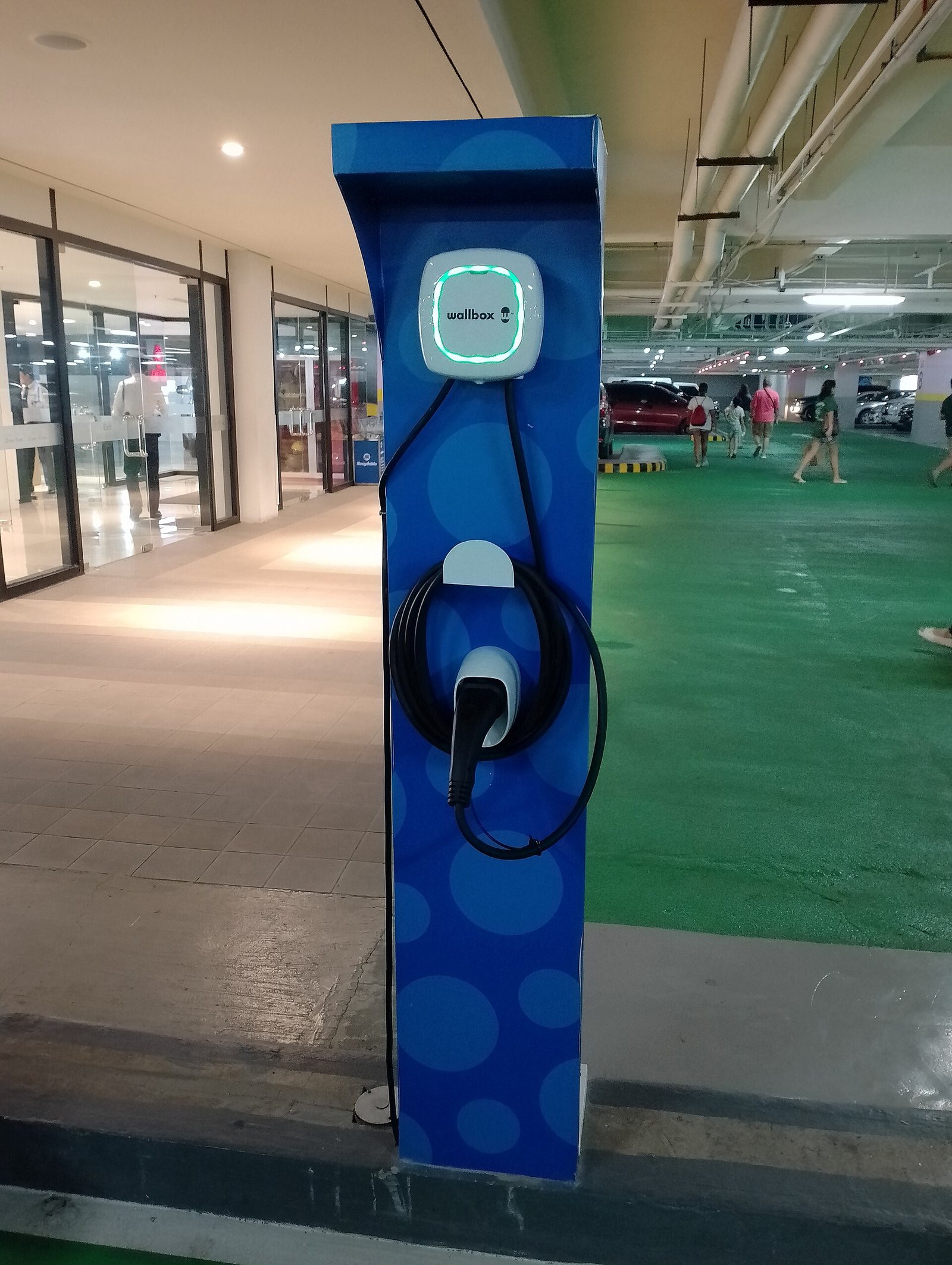
Đây là một ví dụ minh họa có tính toán. Nó theo dõi một lượng khởi đầu được nêu rõ qua các năng suất và hiệu suất thu hồi điển hình đã công bố, do đó các tỷ lệ có thể kiểm chứng; đây không phải là hồ sơ của một lô hàng cụ thể. Các dữ kiện về tuyến đường — những quốc gia nào, những quy trình nào, và tại sao vật liệu không thể đơn giản được xử lý ở nơi khác — được tổng hợp từ các báo cáo công khai.