Rock to product, traced
The Materials Atlas
Materials Mines & deposits Processing & refining Custody journeys Supply chains Companies Countries News
Materials by shelf Battery Materials Rare Earth Elements Copper & Electrical Semiconductor Materials Nuclear Materials Aerospace & Defence Precious Metals Steel & Alloy Metals Industrial Minerals Agricultural Minerals Energy Raw Materials Ore minerals Periodic table
Demand End markets Technologies Material calculator Maps Screener
Learn & tools LearnGlossary Ask the DataAI agents Research & dataAPI ★ Saved
About About usMethodology Data sourcesContact Disclaimer
Reading options
🧭 Guided View New to this — ore grades, concentrate, refining, by-products? We explain every term as you browse, in plain English. Same data, with the help built in.
⚡ Expert View You already know the industry. Just the data — clean, fast and compact, with no extra explanations. This is the default view.
Theme
Interface language
Depth Material pages are written at four levels. Pick one on any material page and it is remembered.
★ Saved Research & data
Congolese oxide ore to finished cathode, without a smelter

Custody journey · starts in Democratic Republic of the Congo

Congolese oxide ore to finished cathode, without a smelter

When the ore is oxide, acid will do what a smelter would otherwise have to.

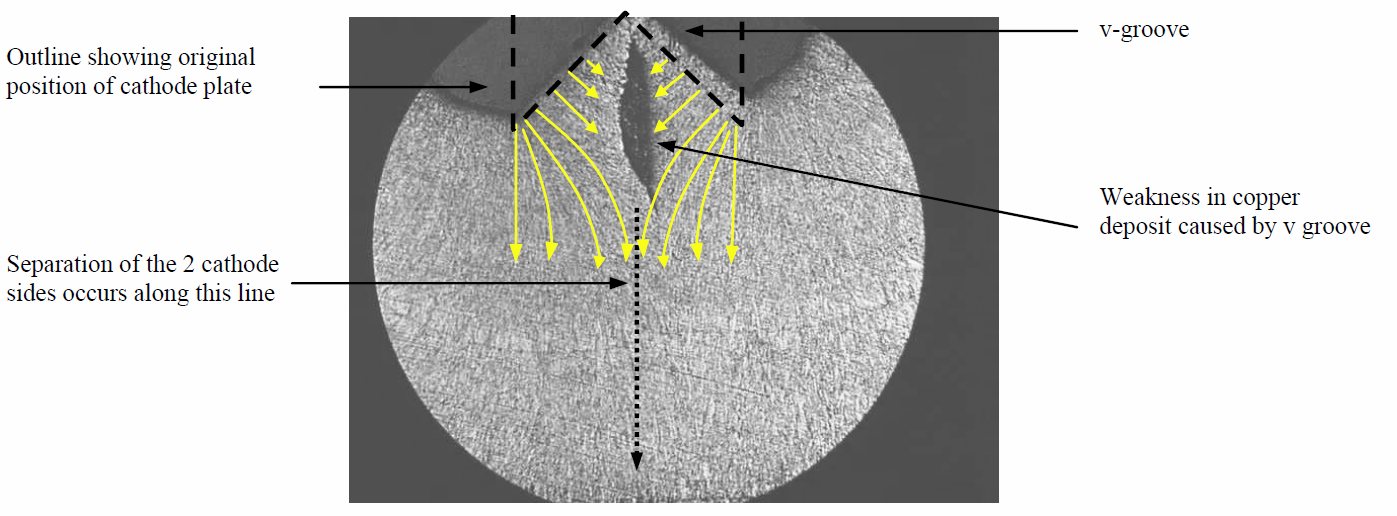
Cathode starter sheet V-groove.png · Xstrata Technology · CC BY-SA 3.0 · Wikimedia Commons
1,000 tonnes of oxide ore as mined
25 tonnes of copper cathode, plus cobalt hydroxide
Democratic Republic of the Congo → South Africa · Truck South Africa → China Democratic Republic of the Congo — A richer orebody than most 1 Democratic Republic of the Congo South Africa — Two thousand kilometres by road 2 South Africa China — Straight into the wire market 3 China
Numbered in the order the material travels. Click a country to open its page. Equirectangular projection drawn from country centroids — the arcs show which borders are crossed, not the actual sailing route.

What is actually moving

Oxidised copper minerals dissolve in sulfuric acid. That means the metal can be leached, extracted and plated into finished cathode at the mine site, and leave the country as a 99.99% product rather than as a concentrate. It is the same metal as the Chilean route and a completely different journey.

The material
Copper
The variety
Oxide and mixed copper ore of the Central African Copperbelt
Where it starts
Democratic Republic of the Congo — Kolwezi and the Lualaba copper-cobalt belt
Why this route and not another. Malachite and other oxide minerals give up their copper to acid; chalcopyrite does not. That single mineralogical fact removes an ocean crossing, a smelter and a refinery from the route.
The narrowest link. Not the metal — the road. This copper is produced 2,000 km from the nearest port, in a landlocked country, and every tonne leaves by truck.
Read the two numbers on each step: what went in, and what came out. Watching them shrink is the point. By the end you will have followed a thousand tonnes of rock down to a few kilograms of the thing that actually does the work.

Step by step, and border by border

01 Extraction 1,000tonnes

Democratic Republic of the Congo · Kolwezi, Lualaba held by Operators with Gécamines as state partner (Miner)

A richer orebody than most

Open-pit and underground mining of sediment-hosted ore that runs several times the grade of a typical porphyry.

1,000 tonnesore at ~3% Cu 1,000 tonnesore to the plant

Why here: The Central African Copperbelt is one of the richest copper provinces on Earth, and it carries cobalt with it.
continuous Kamoto (KCC) →
The road not taken Sulfide ore, which must be smelted abroad Two copper mines, two mineralogies, and one of them keeps the refining at home.
A richer orebody than most
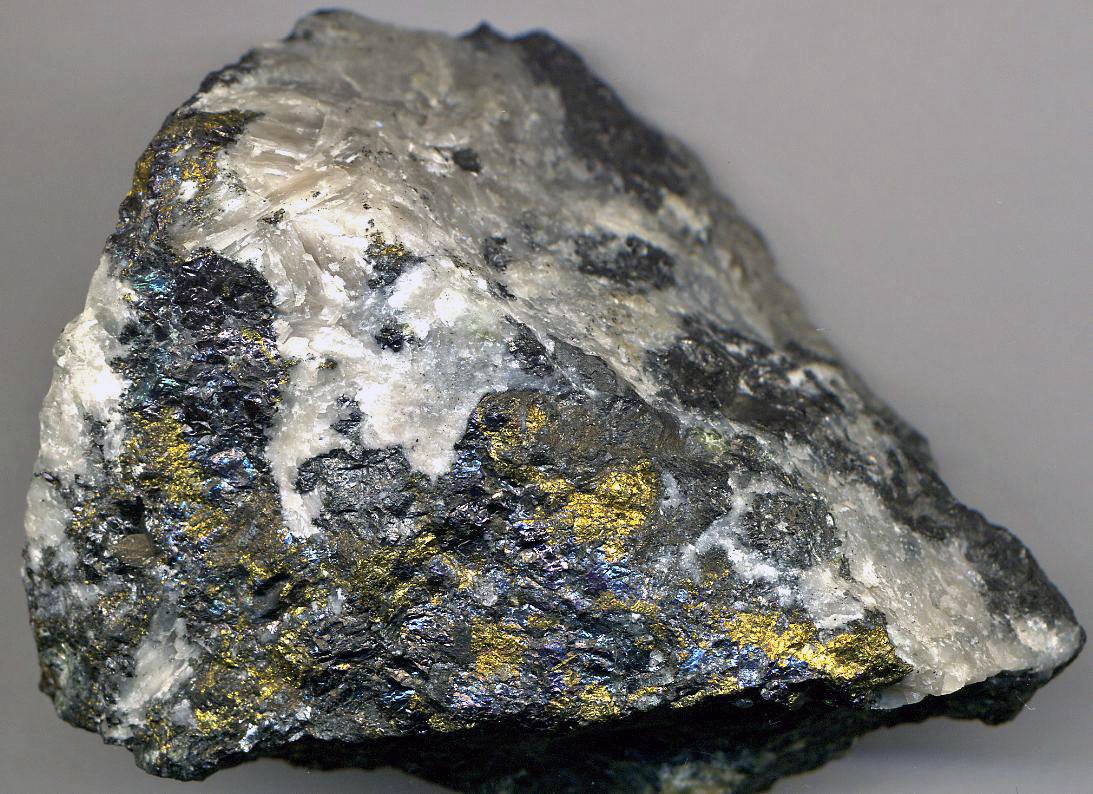
Sulfidic calciocarbonatite (copper ore)… · CC BY 2.0 via Wikimedia Commons
02 Processing 30tonnes

Democratic Republic of the Congo · Hydrometallurgical plant on site held by Operators (Chemical)

Leaching with acid

Crushed ore is leached in sulfuric acid. Copper and cobalt dissolve together into a pregnant leach solution.

1,000 tonnesore 30 tonnescopper in solution, with cobalt

What happened to the rest: Acid is trucked in or made on site. In a landlocked country, the reagent supply chain is as hard as the metal one.

Why here: No smelter needed, so no reason to ship the ore anywhere.
days Cobalt →
Leaching with acid
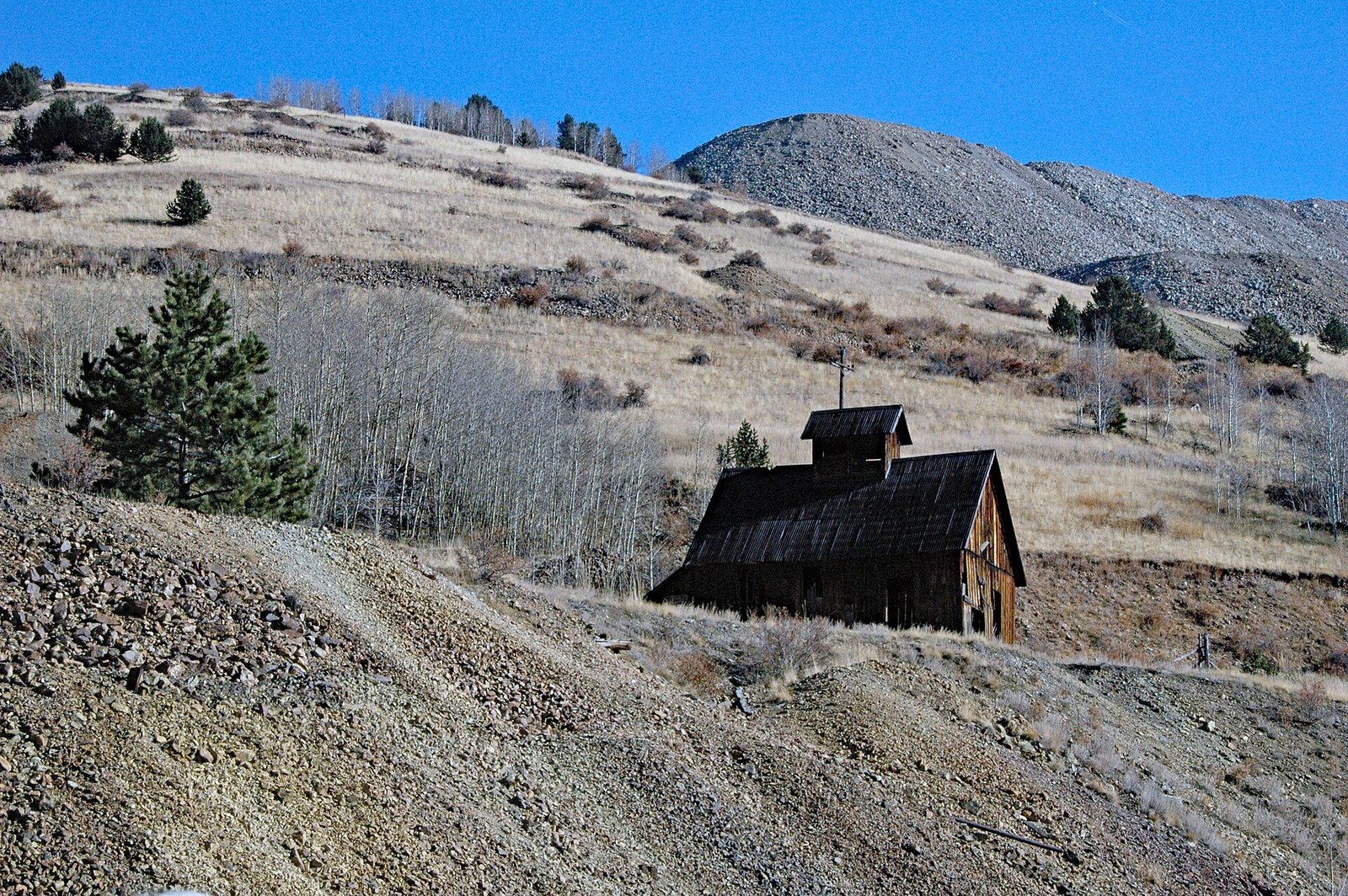
Cyanide leaching of low grade gold ore … · CC BY 2.0 via Wikimedia Commons
03 Refining 25tonnes

Democratic Republic of the Congo · Same plant held by Operators (Refiner)

Solvent extraction and electrowinning

An organic solvent picks the copper selectively out of the solution and releases it into a clean electrolyte; current then plates it onto cathode blanks. Cobalt is precipitated separately as a hydroxide.

30 tonnescopper in solution 25 tonnes99.99% copper cathode

Why here: This is the whole point of the route. The finished metal is made at the mine, in the country that owns the orebody.
days Copper →
Solvent extraction and electrowinning
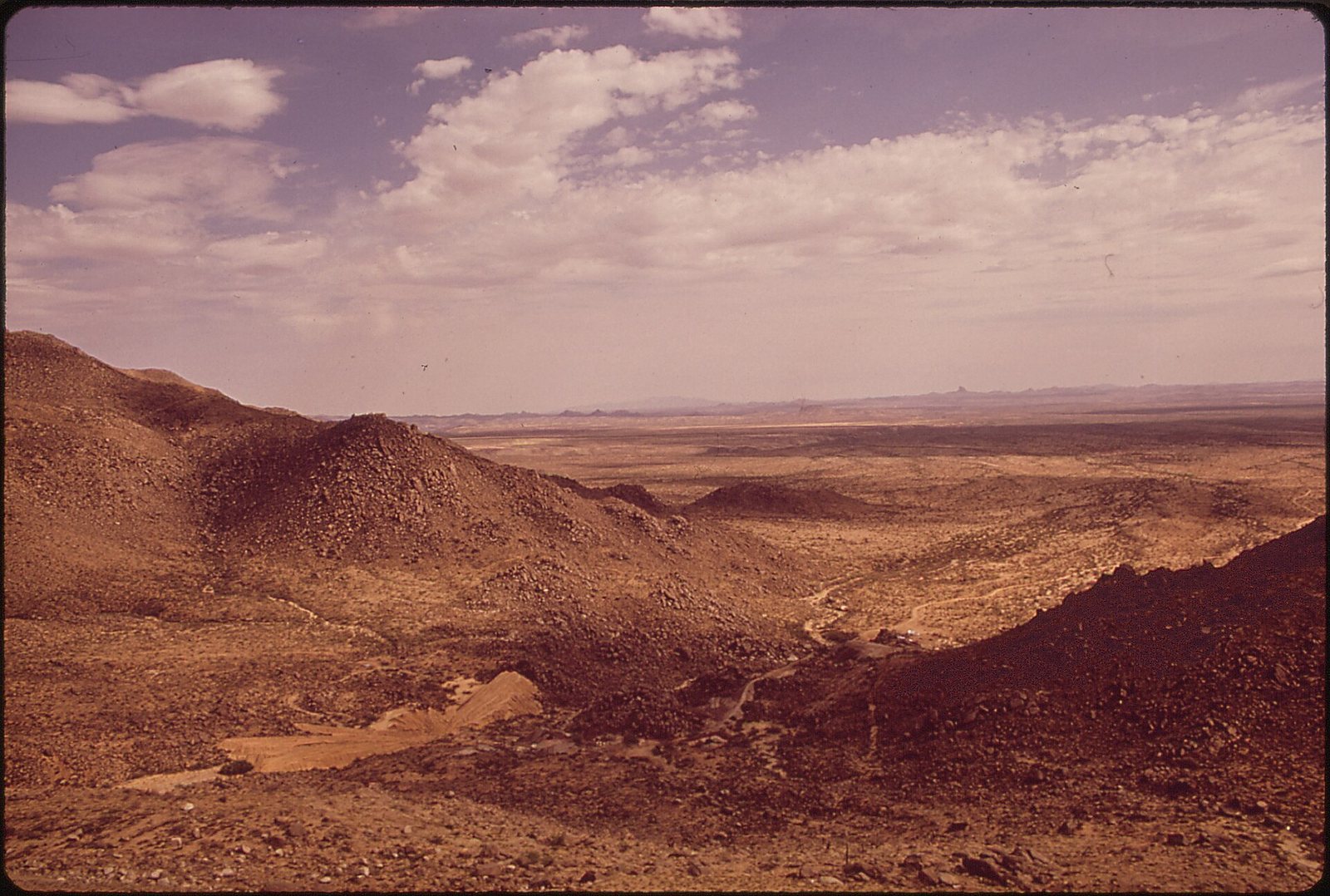
INSPIRATON CONSOLIDATED COPPER CO.'S EL… · Public domain via Wikimedia Commons
04 Transport 25tonnes

South Africa · To Durban, Dar es Salaam or Beira held by Hauliers and traders (Trader)

Two thousand kilometres by road

Cathode is bundled and trucked across one or two borders to a port. Delays at the border are measured in days.

25 tonnescathode 25 tonnesat the quayside

Why here: Being landlocked is the permanent tax on this journey — and it is why the cobalt beside it travels the same road.
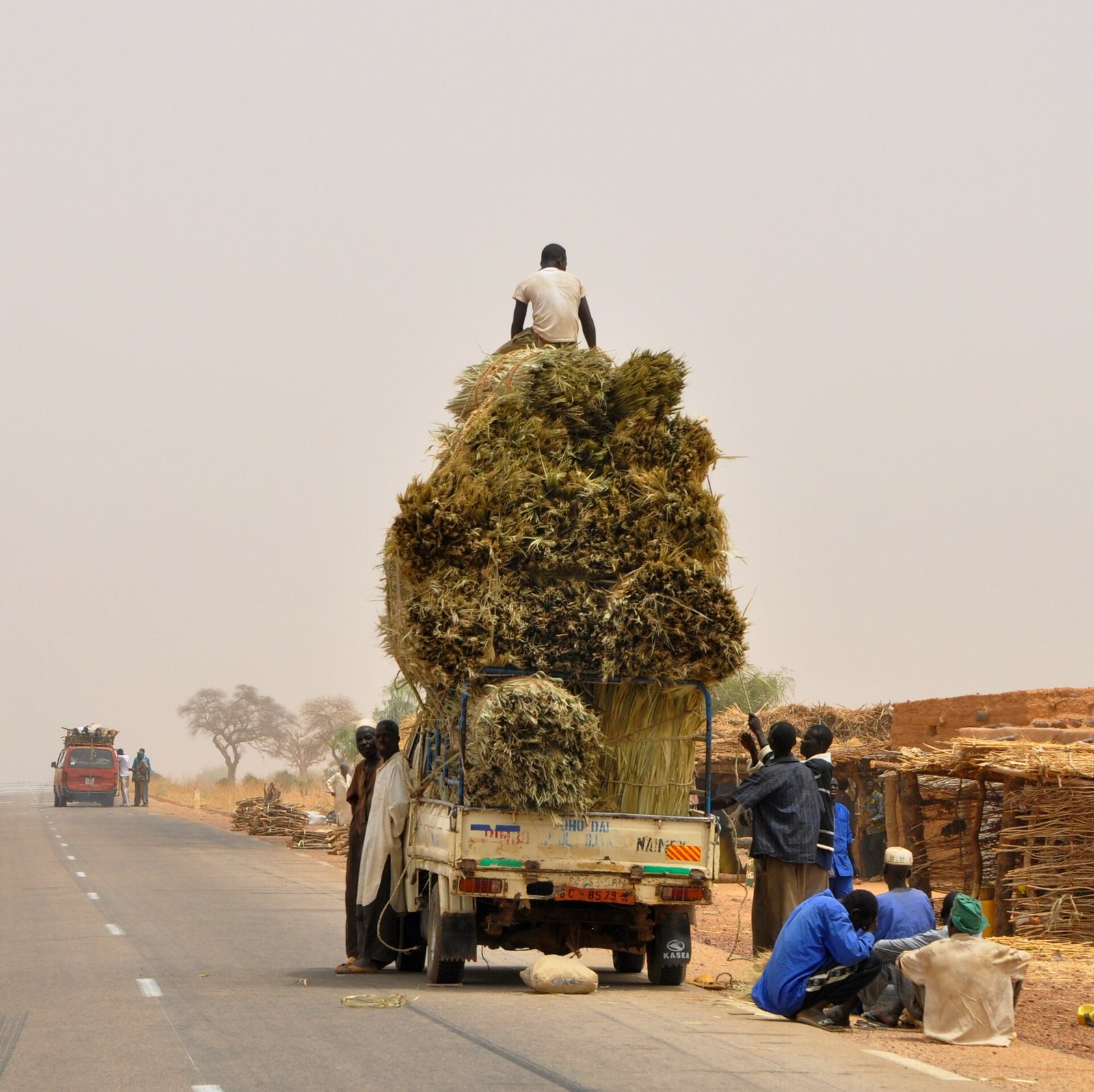
Truck · 7–14 days, one or two border crossings 7–14 days Democratic Republic of the Congo →
Two thousand kilometres by road
Road transport in Africa.JPG · CC BY-SA 3.0 via Wikimedia Commons
05 End market 25tonnes

China · Wherever it is bought held by Fabricators (Manufacturer)

Straight into the wire market

Cathode from Kolwezi is the same product as cathode from Guixi and trades on the same terms. Nobody downstream can tell which route it took.

25 tonnescathode 25 tonnesin service

Why here: Once it is cathode, copper is copper.
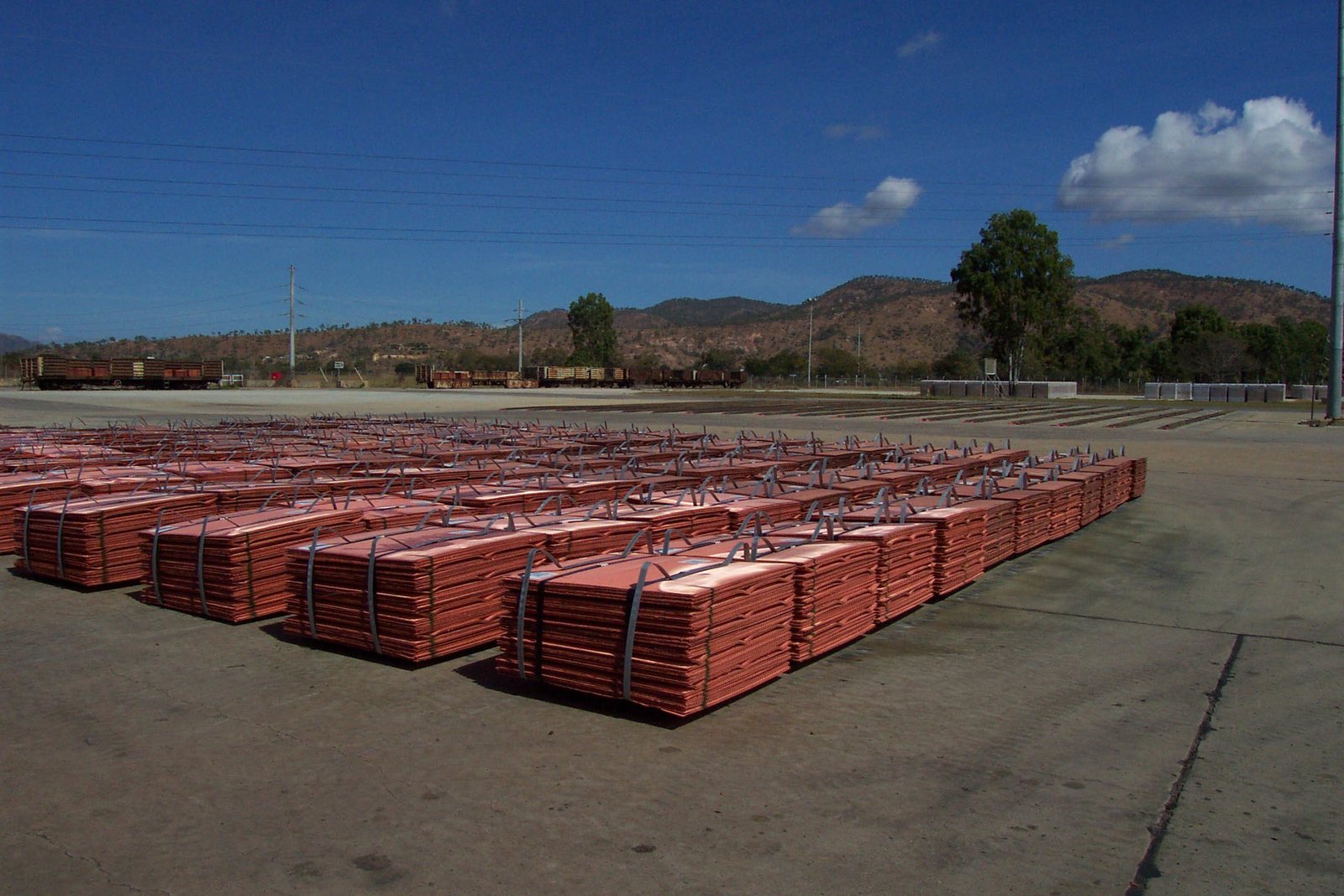
Straight into the wire market
Bundles of cathode copper.png · CC BY-SA 3.0 via Wikimedia Commons

This is a worked example. It follows a stated starting quantity through published typical yields and recoveries, so the proportions are checkable; it is not a record of a specific shipment. Route facts — which countries, which processes, and why the material cannot simply be handled somewhere else — are compiled from public reporting.

Materials

All materials Critical minerals Rare earths Battery materials Ore minerals Periodic table Screener

The ground

Mines & deposits Processing & refining Countries Maps

The economy

Custody journeys Supply chains End markets Technologies Companies Material calculator

Learn

LearnGlossary Ask the DataAI agents Research & dataOpen API News★ Saved

About us

About usContact MethodologyData sources Editorial policy Privacy policyTerms of use Disclaimer