Cosa si muove effettivamente
Bauxite is red soil. It is refined into alumina, and alumina is smelted into aluminium by passing an enormous electric current through it. Because that last step is essentially electricity in solid form, the smelter is built next to cheap power rather than next to the mine — often on a different continent.
- Il materiale
- Bauxite
- La varietà
- Gibbsitic bauxite, roughly 45% alumina, low silica
- Dove inizia
- Guinea — The Boké plateau, part of the largest bauxite reserve base in the world
Passo dopo passo, confine per confine
Guinea · Boké, Guinea detenuto da Mining consortia with the Guinean state (Minatore)
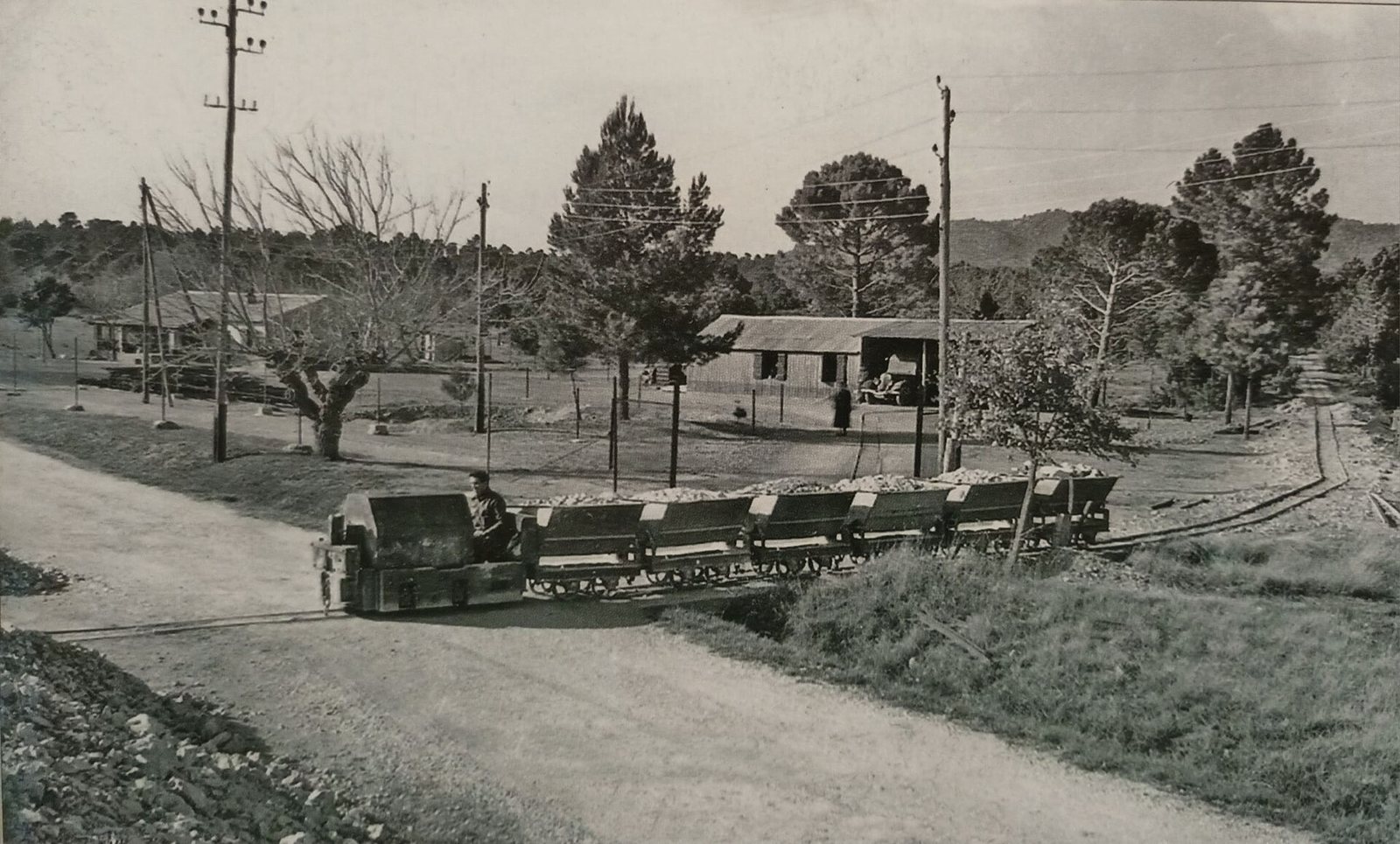
Scraping the plateau
Bauxite lies at or near the surface under a thin overburden. It is ripped and loaded — no blasting, no grinding, no flotation. The simplest large-scale mining there is.
Perché qui: Tropical weathering over millions of years made this. West Africa and northern Australia have most of it.
China · Kamsar, then Chinese and Gulf refineries detenuto da Traders and refiners (Trader)
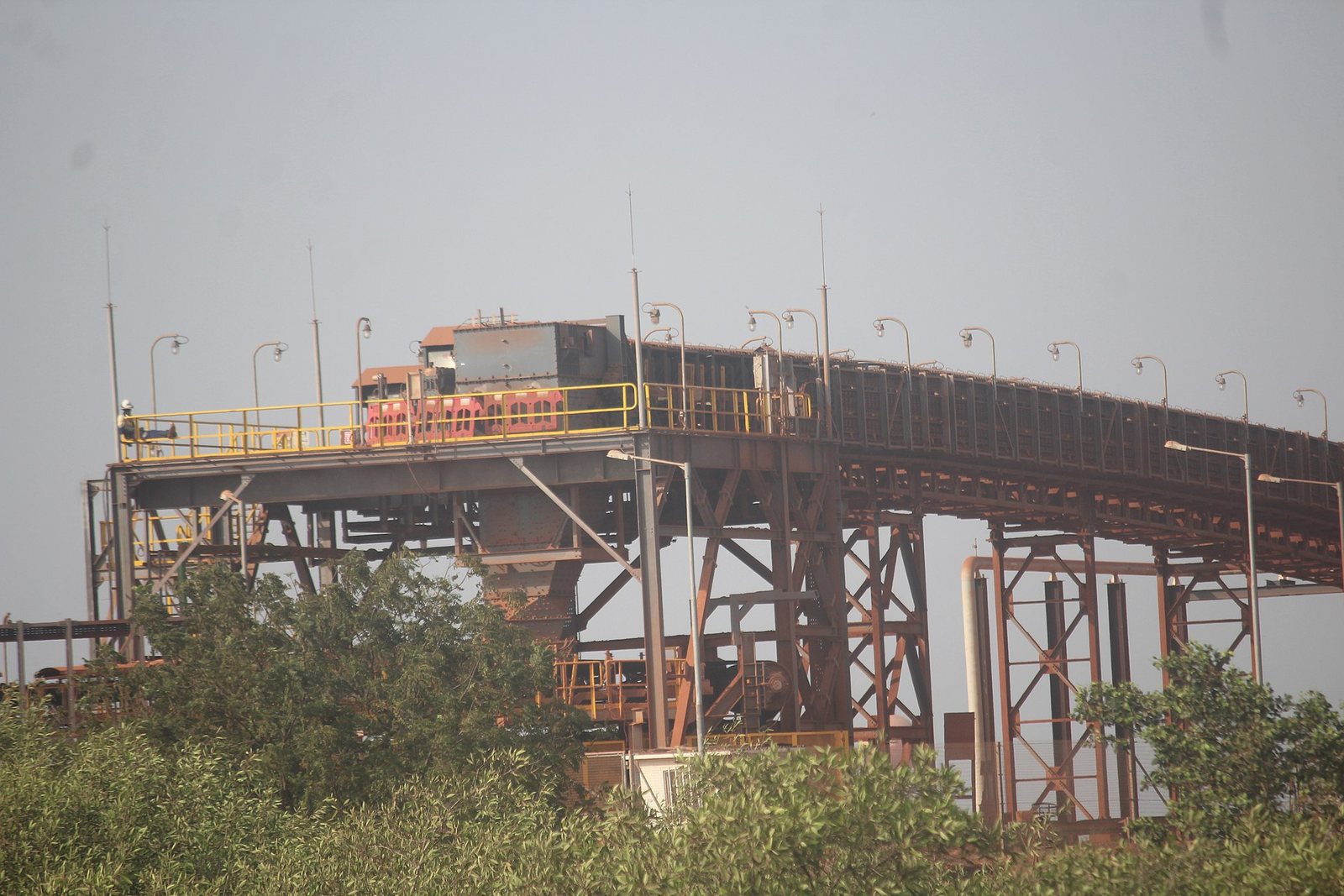
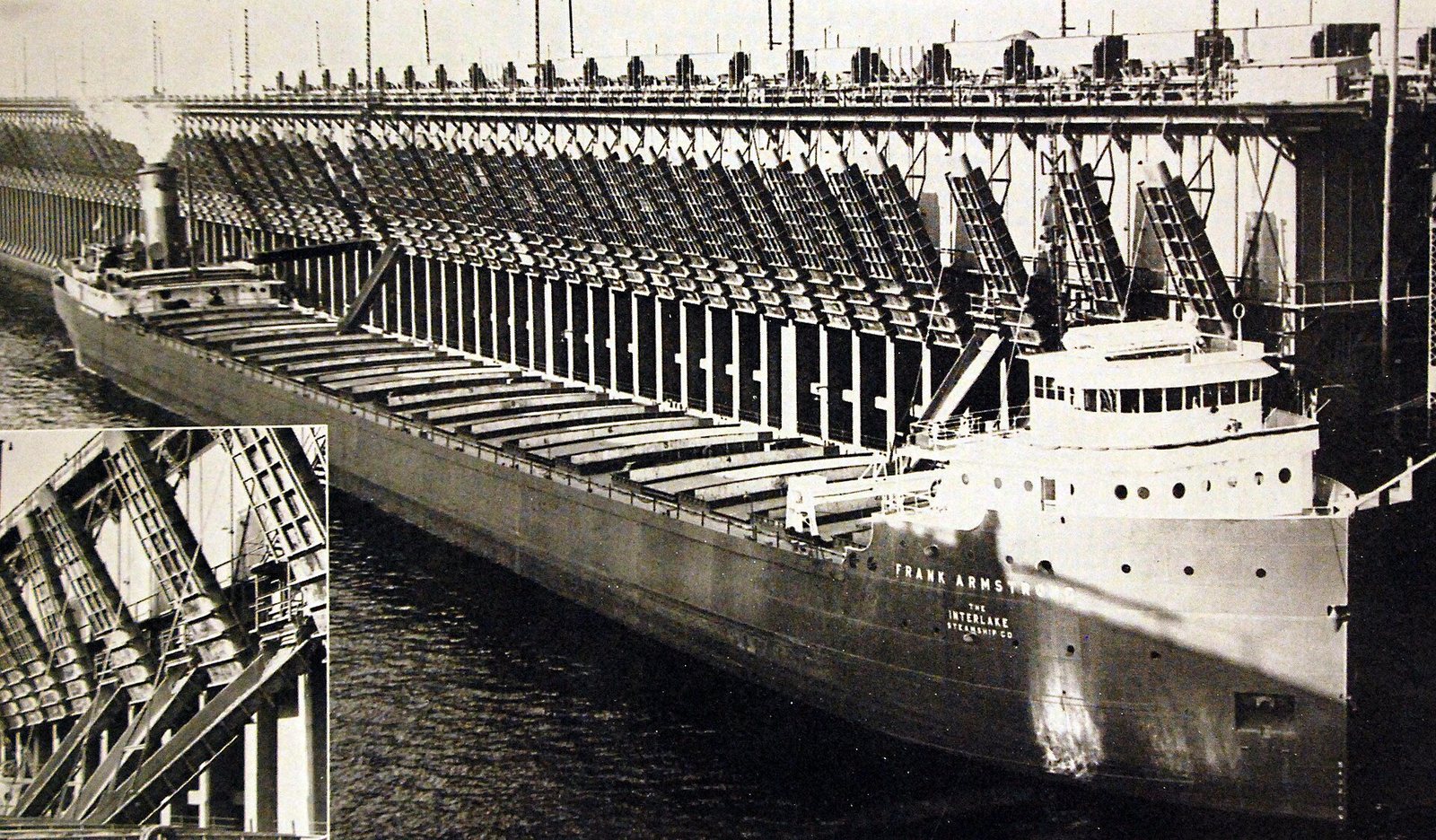
Rail to the coast, then a Capesize
Railed to a purpose-built port and loaded onto bulk carriers. Guinea ships hundreds of millions of tonnes a year of what is, physically, dirt.
Perché qui: An export ban would force refining onshore — several countries have tried exactly that with different minerals.
China · Alumina refinery detenuto da Refiner (Raffinatore)
The Bayer process
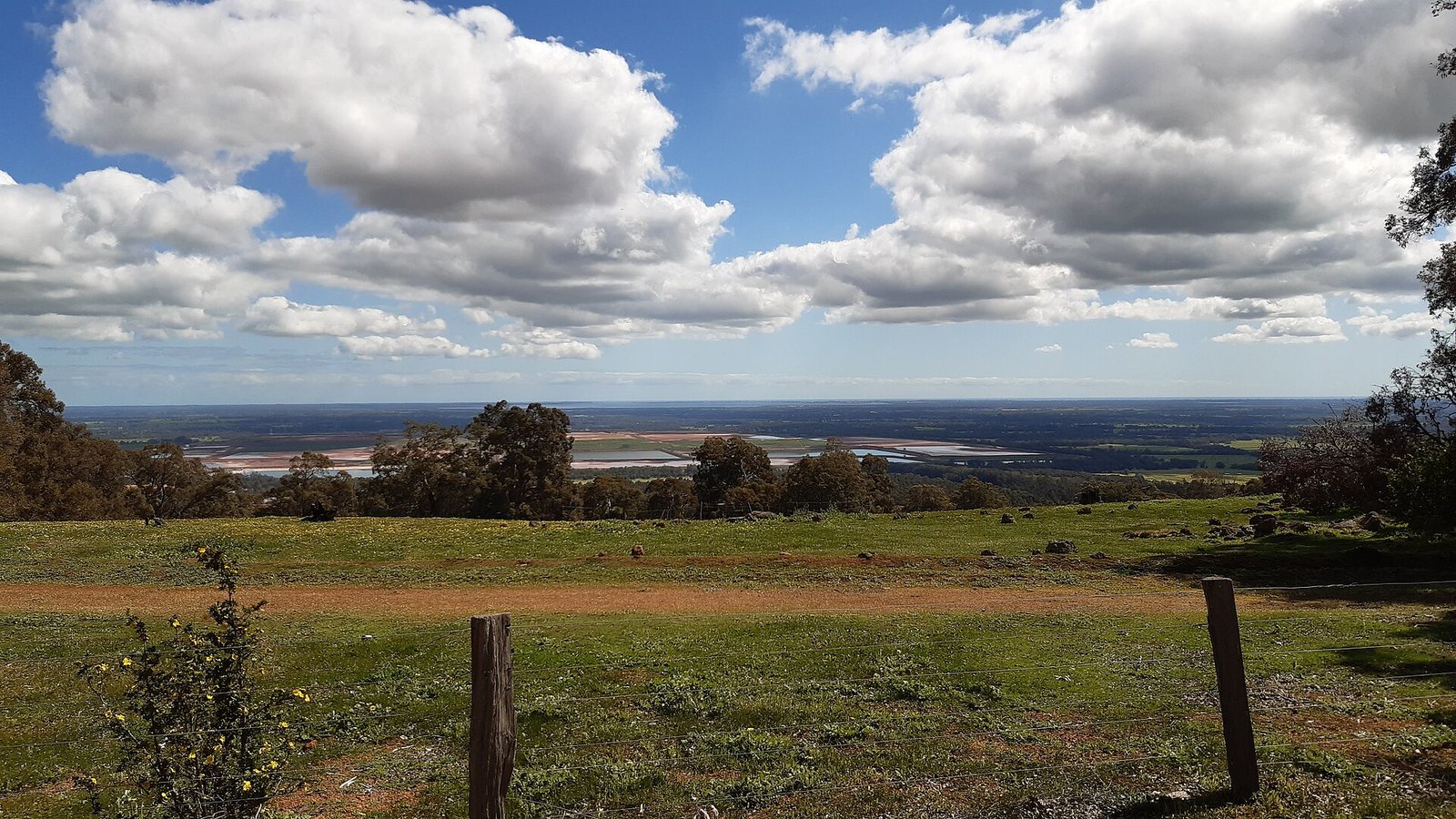
Digested in hot caustic soda under pressure. The alumina dissolves; the iron and silica do not, and settle out as red mud. The dissolved alumina is then precipitated and calcined to a white powder.
Che fine ha fatto il resto: Red mud is the largest single waste stream in the metals industry by volume, and it is caustic. Storing it safely is the defining problem of this step.
Perché qui: Refineries sit near ports and near smelters. Some are in Guinea now, but most of the capacity is not.
United Arab Emirates · Smelter, wherever power is cheap detenuto da Smelter (Raffinatore)
Electricity, made solid
Alumina is dissolved in molten cryolite at about 960 °C and an enormous direct current is passed through it. Aluminium collects at the bottom; the carbon anodes are consumed and must be constantly replaced.
Che fine ha fatto il resto: Roughly 125 tonnes of carbon anode is burned away — and that carbon started life as petroleum coke, from an oil refinery.
Perché qui: Iceland, the Gulf, Quebec, Siberia, Yunnan. All the same answer: cheap, reliable, uninterruptible electricity.
Germany · Rolling and extrusion mills detenuto da Fabricators (Produttore)
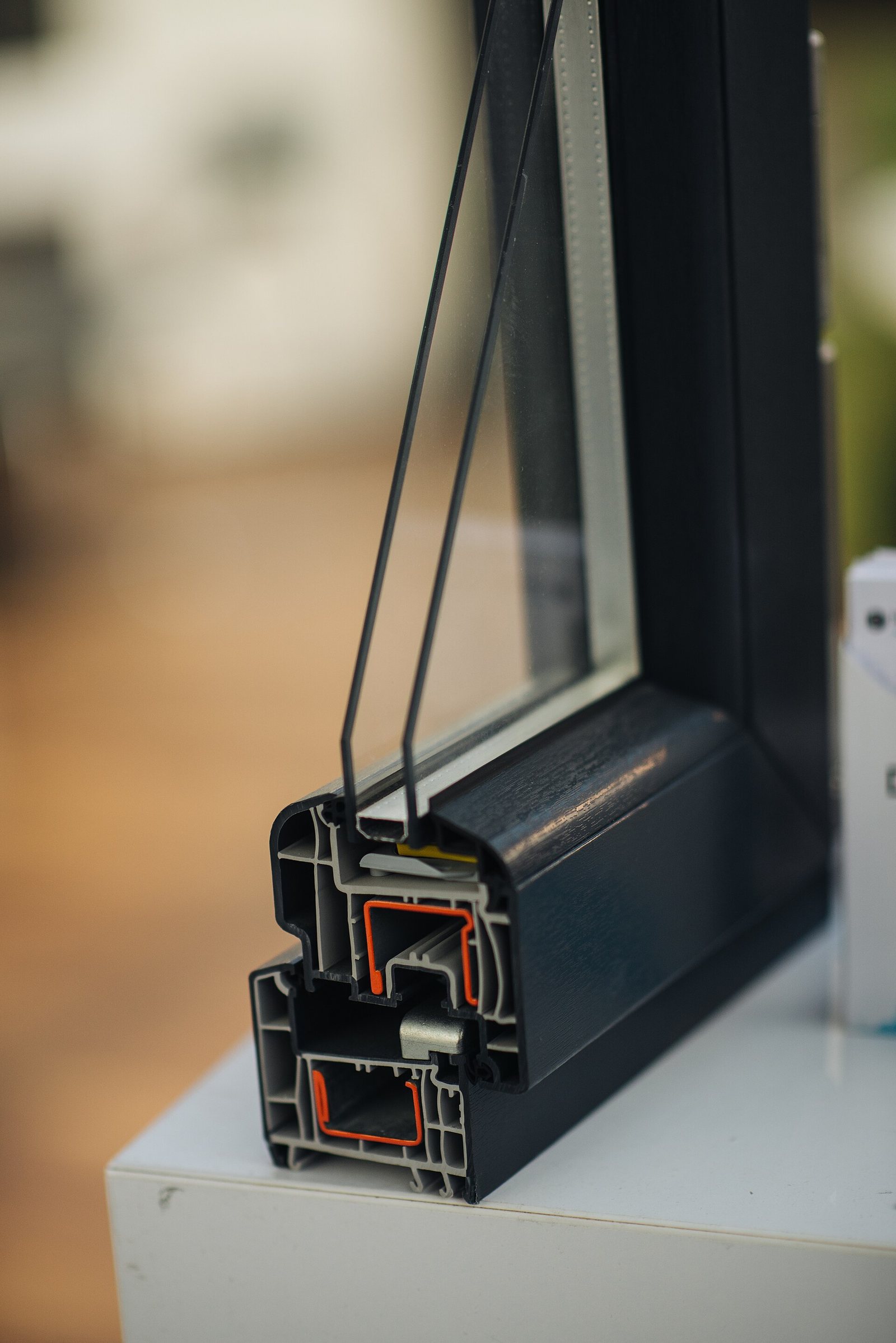
Frames, cans, cables, car bodies
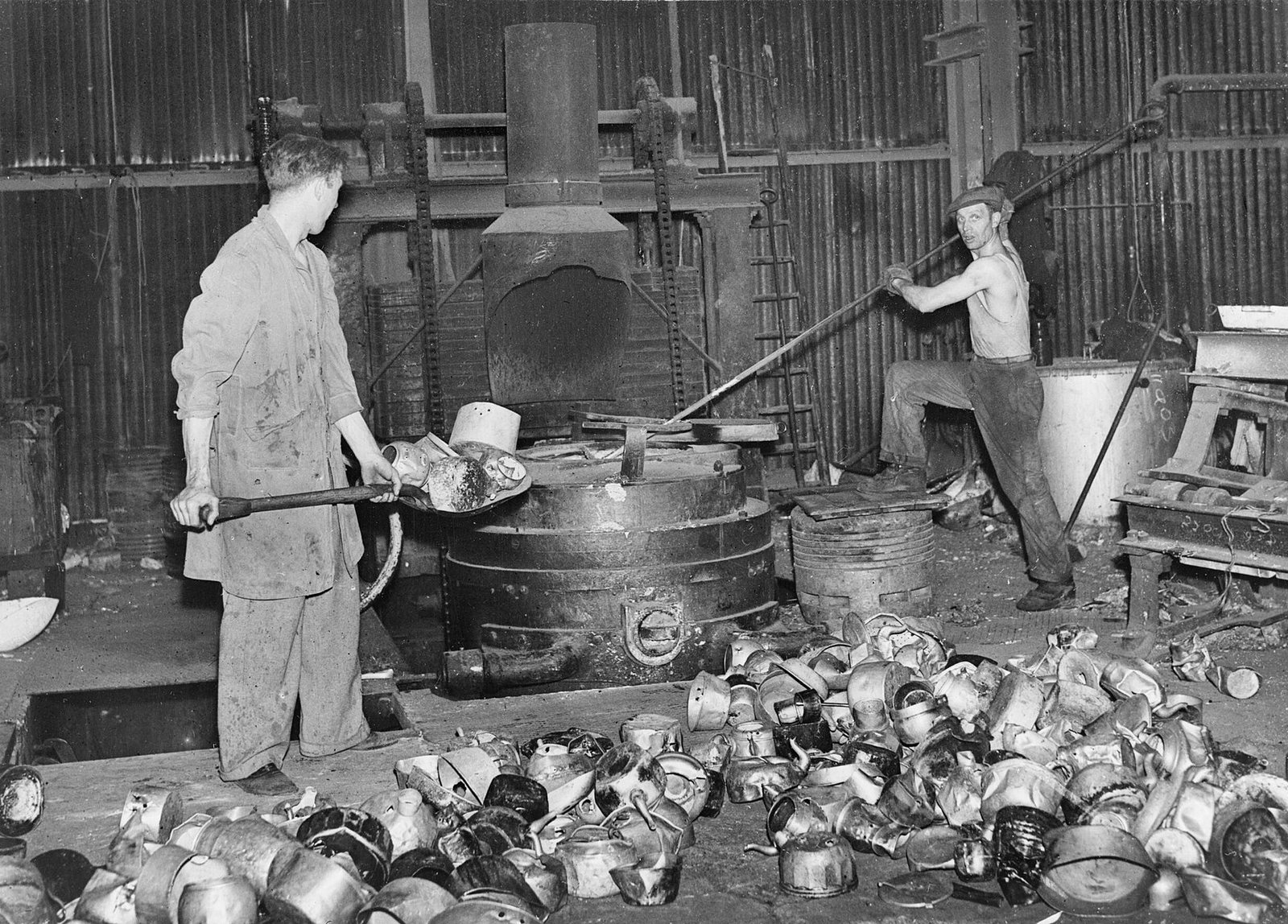
Cast into billet and slab, then extruded or rolled. Recycled aluminium needs about a twentieth of the energy of primary, which is why scrap is worth so much.
Perché qui: Four tonnes of Guinean soil for one tonne of metal — and once it exists, it can be melted and reused indefinitely.
Questo è un esempio elaborato. Segue una quantità iniziale dichiarata attraverso rese e recuperi tipici pubblicati, così che le proporzioni siano verificabili; non è il resoconto di una spedizione specifica. I dati di percorso — quali paesi, quali processi e perché il materiale non può semplicemente essere trattato altrove — sono compilati da fonti di pubblico dominio.