Dalla roccia al prodotto, tracciato
The Materials Atlas
Materiali Miniere e giacimenti Lavorazione e raffinazione Percorsi di custodia Filiere produttive Aziende Paesi Notizie
Materiali per scaffale Materiali per batterie Elementi delle terre rare Rame ed elettrico Materiali per semiconduttori Materiali nucleari Aerospazio e difesa Metalli preziosi Acciaio e metalli da lega Minerali industriali Minerali per l'agricoltura Materie prime energetiche Minerali mena Tavola periodica
Domanda Mercati finali Tecnologie Calcolatore di materiali Mappe Screener
Approfondisci e strumenti ApprofondisciGlossario Interroga i datiAgenti AI Ricerca e datiAPI ★ Salvato
Informazioni Chi siamoMetodologia Fonti dei datiContatti Avvertenza
Opzioni di lettura
🧭 Vista guidata Nuovo a tutto questo — tenori di minerale, concentrato, raffinazione, sottoprodotti? Spieghiamo ogni termine mentre navighi, in linguaggio chiaro. Stessi dati, con il supporto integrato.
⚡ Vista esperto Conosci già il settore. Solo i dati — puliti, rapidi e compatti, senza spiegazioni aggiuntive. Questa è la visualizzazione predefinita.
Tema
Lingua dell'interfaccia
Profondità Le pagine dei materiali sono scritte a quattro livelli. Selezionane uno in qualsiasi pagina di materiale: la scelta viene memorizzata.
★ Salvato Ricerca e dati
Pilbara iron ore to Chinese steel

Percorso di custodia · inizia in Australia

Pilbara iron ore to Chinese steel

The largest material flow on Earth: dig it, crush it, screen it, and put it on a boat.

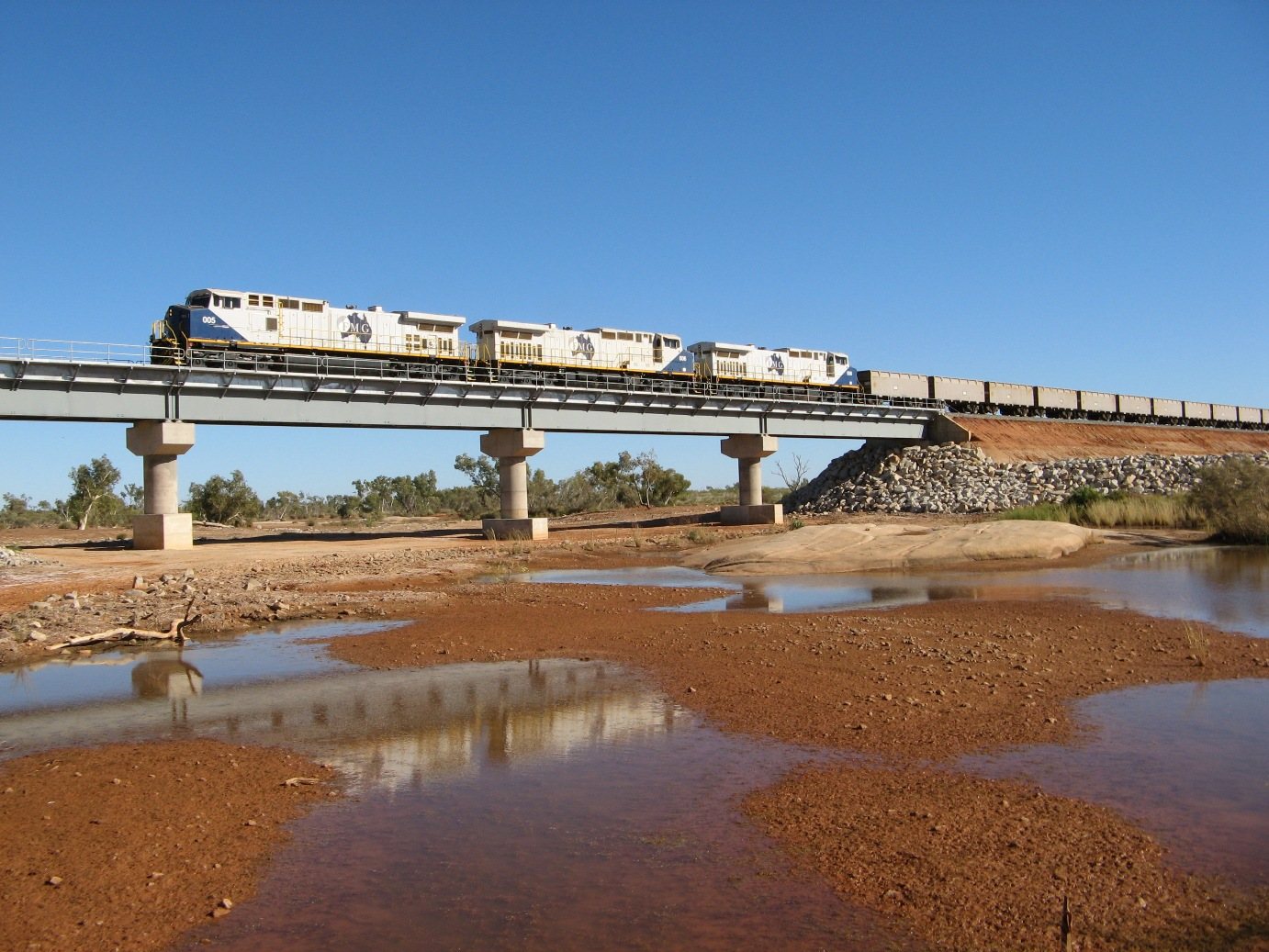
FMG Iron Ore Train -2008 · Geez-oz · CC BY-SA 3.0 · Wikimedia Commons
1,000 tonnes of iron ore as mined
620 tonnes of crude steel
Australia → China · Rail then Capesize Australia — Blast, load, haul 1 Australia China — Rail, port, Capesize 2 China
Numerati nell'ordine in cui il materiale viaggia. Clicca su un paese per aprirne la pagina. Proiezione equirettangolare costruita dai centroidi dei paesi — gli archi mostrano quali confini vengono attraversati, non la rotta di navigazione effettiva.

Cosa si muove effettivamente

Pilbara hematite is rich enough to ship almost as it comes out of the ground. There is no flotation, no smelting, no chemistry at the mine — just crushing and screening, a private heavy-haul railway and a purpose-built port. All the transformation happens on another continent.

Il materiale
Iron Ore
La varietà
Direct-shipping hematite fines, around 62% iron
Dove inizia
Australia — The Pilbara, where banded iron formation was laid down over two billion years ago
Perché questo percorso e non un altro. Direct-shipping ore is the exception in mining: the rock is already good enough. That is why the Pilbara moves more tonnage than any other district and why the value added in Australia per tonne is so small.
L'anello più stretto. Coking coal, oddly enough. The blast furnace needs carbon as a chemical reductant, not just as fuel, and that is the hardest part of steel to replace.
Leggi i due valori su ogni tappa: quanto è entrato e quanto è uscito. Osservarne la diminuzione progressiva è lo scopo dell'esercizio. Alla fine avrai seguito mille tonnellate di roccia fino a ridurle a pochi chilogrammi della sostanza che svolge effettivamente il lavoro.

Passo dopo passo, confine per confine

01 Estrazione 1,000tonnes

Australia · Pilbara, Western Australia detenuto da Rio Tinto, BHP, FMG and others (Minatore)

Blast, load, haul

Enriched hematite is drilled, blasted and hauled — much of it by autonomous trucks and driverless trains.

1,000 tonnesore 1,000 tonnesore to the crusher

Perché qui: Weathering leached the silica out of ancient banded iron formation and left almost pure hematite behind.
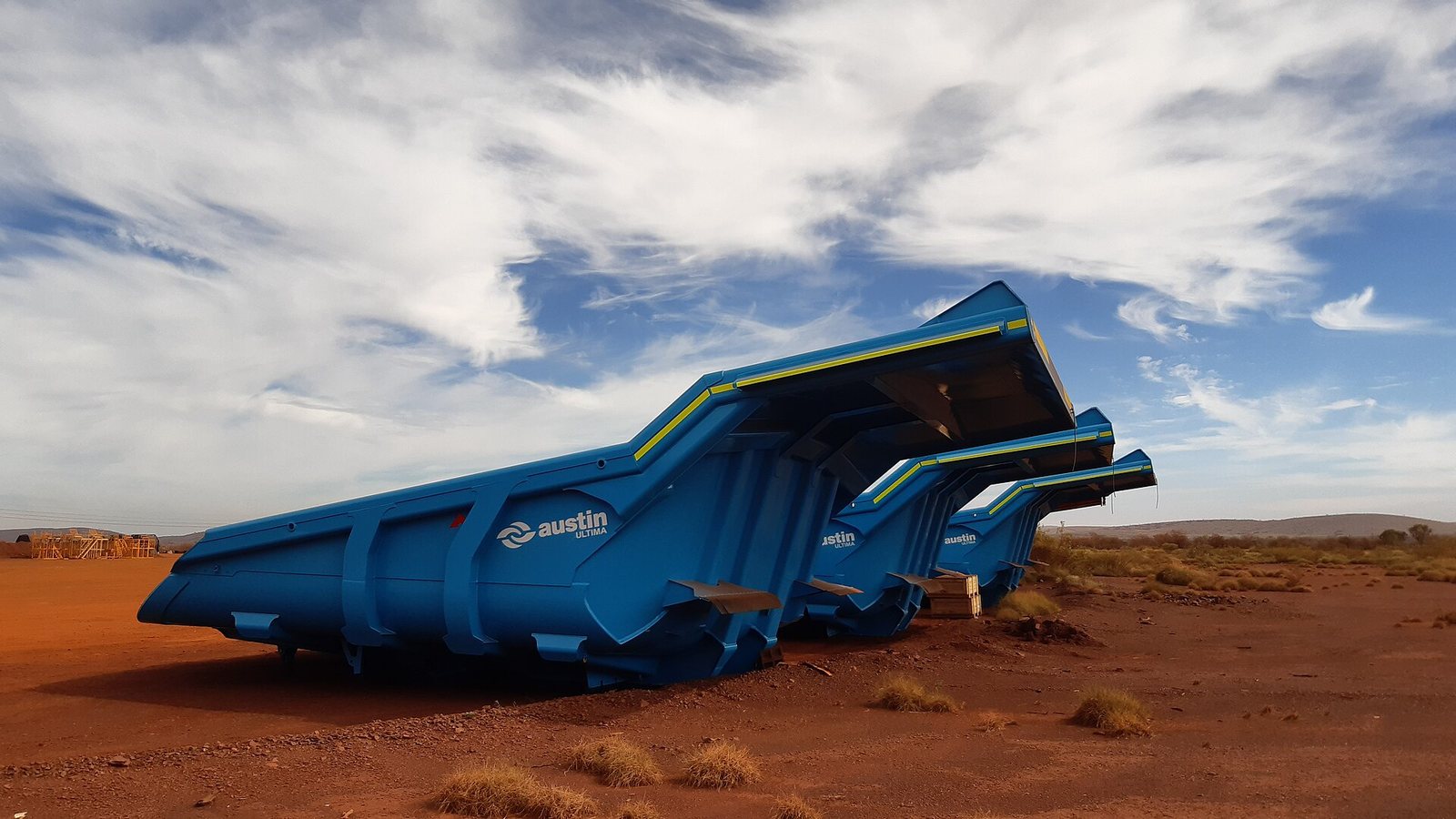
Blast, load, haul
Haul truck trays to be fitted at the Br… · CC BY-SA 4.0 via Wikimedia Commons
02 Preparazione 990tonnes

Australia · Mine-site plant detenuto da Miners (Minatore)

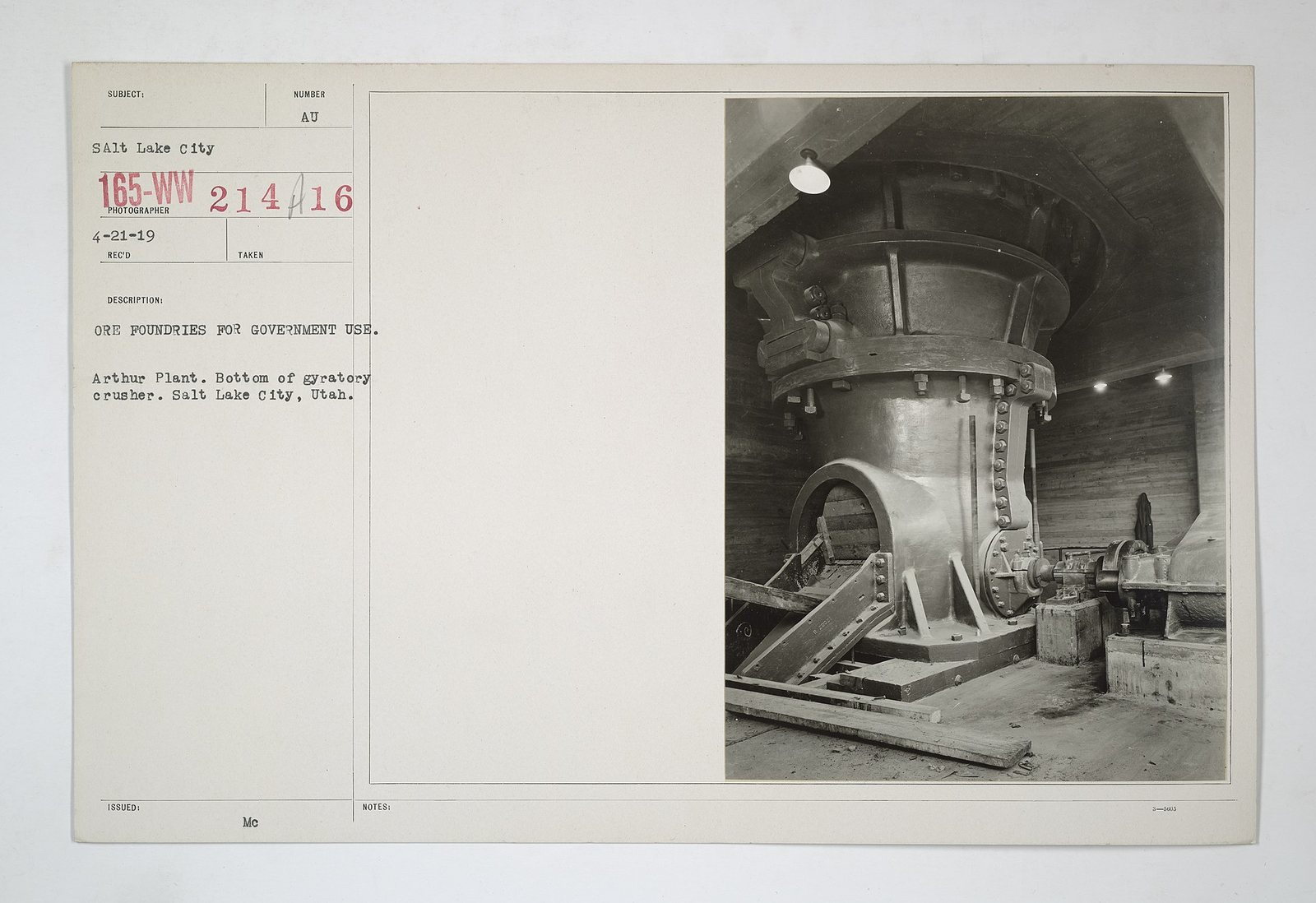
Crush and screen. That is all.

Crushed and screened into lump and fines. No concentration is needed — the ore is already close to a saleable grade.

1,000 tonnesore 990 tonneslump and fines

Che fine ha fatto il resto: Almost nothing is discarded. Compare that with copper, where 984 tonnes in 1,000 go to tailings.

Perché qui: Where the ore is good enough to ship, nobody builds a plant.
hours Hematite →
Crush and screen. That is all.
Industries of War - Metals - Iron - Ore… · Public domain via Wikimedia Commons
03 Trasporto 990tonnes

China · Port Hedland to Chinese mills detenuto da Miners and steelmakers (Trader)

Rail, port, Capesize

Trains up to 2.5 km long run to a private port, and Capesize bulkers sail to China. This is the highest-tonnage trade route on the planet.

990 tonnesore 990 tonnesdelivered

Perché qui: The steel mills are in Asia and the ore is in Australia. The whole business is logistics.
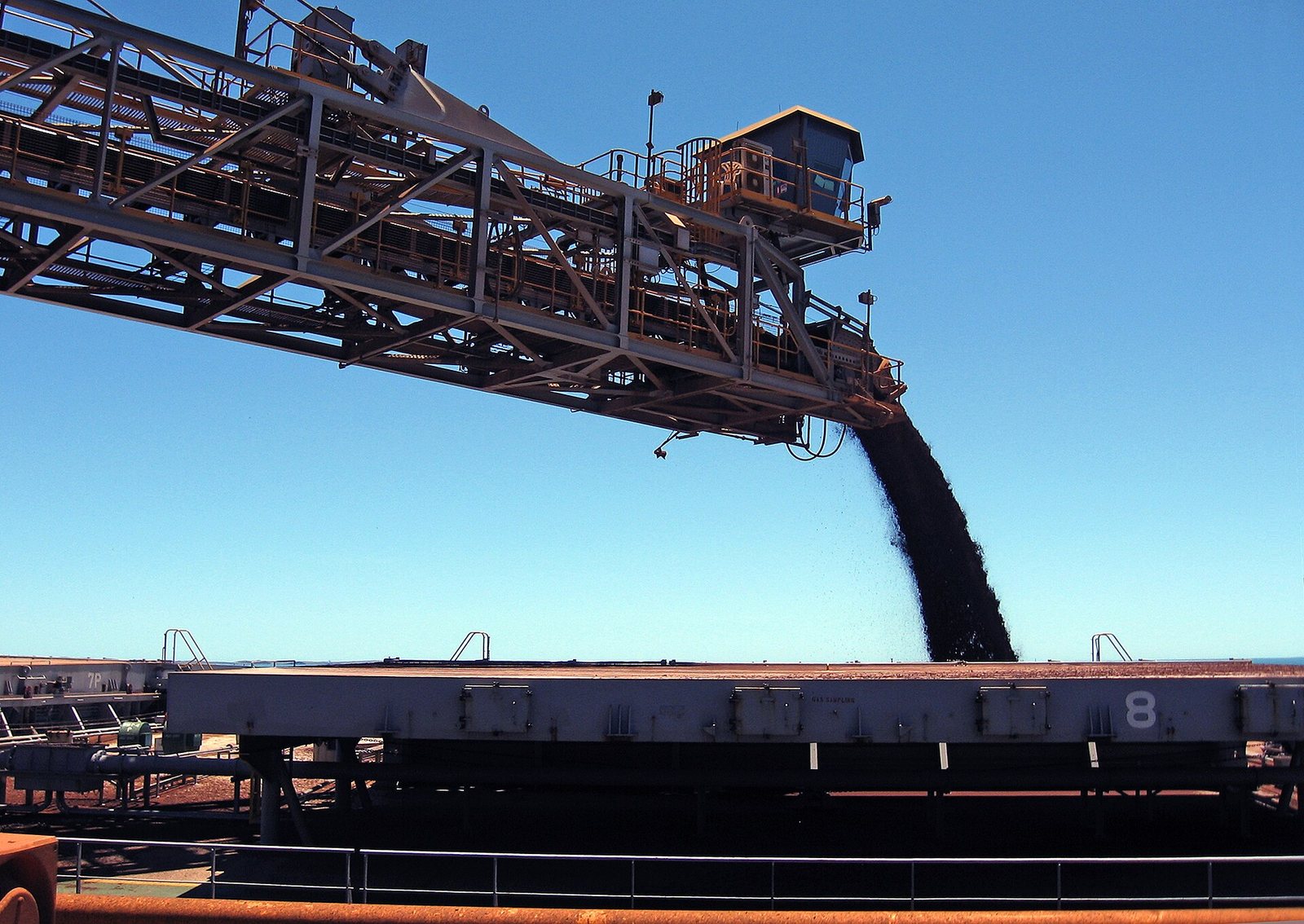
Rail then Capesize · ~2 weeks at sea ~2 weeks Port Hedland →
Rail, port, Capesize
CSIRO ScienceImage 11678 A Rio Tinto ir… · CC BY 3.0 via Wikimedia Commons
04 Lavorazione 640tonnes

China · Integrated steelworks detenuto da Steelmaker (Produttore)

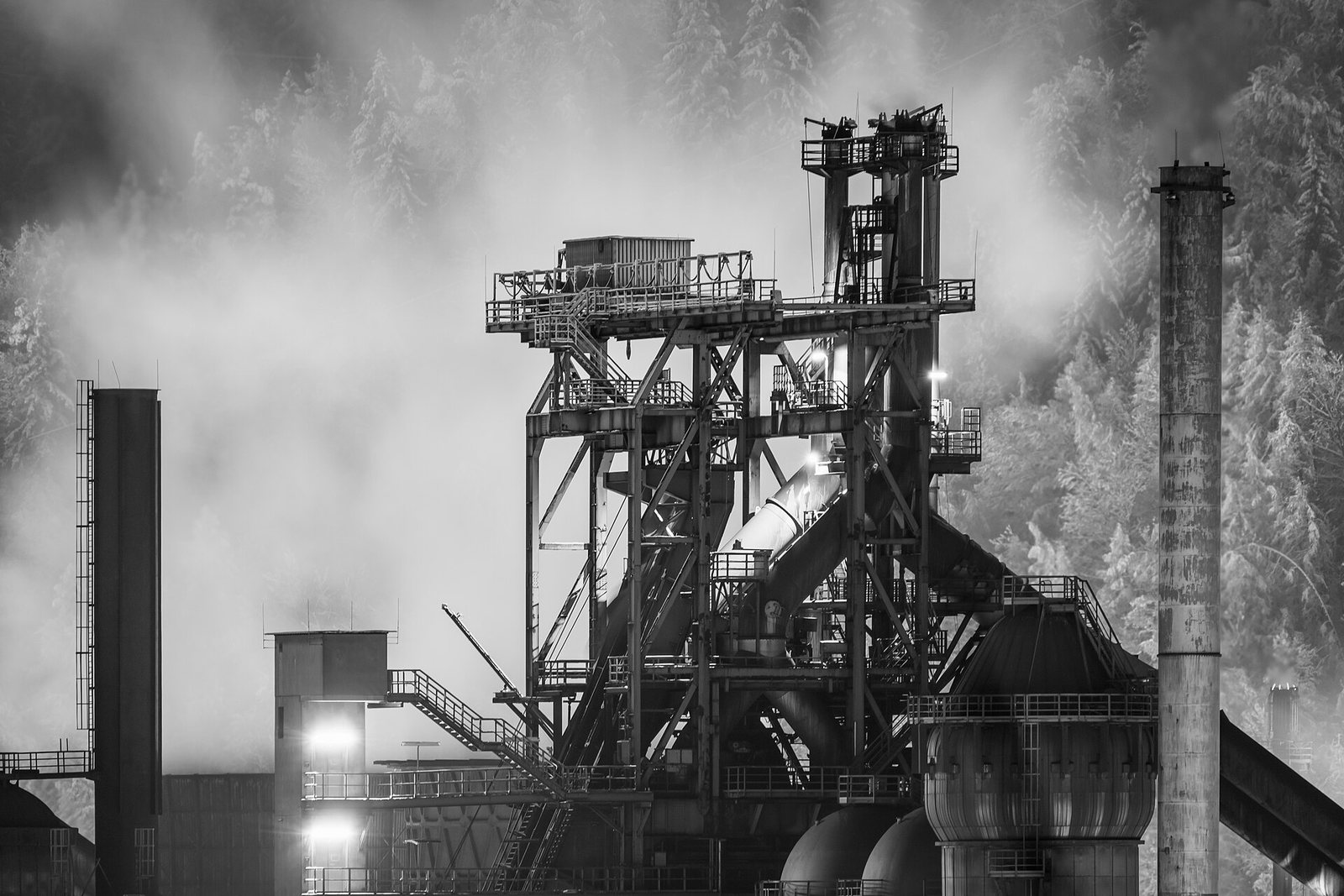
Sinter, coke, and a blast furnace

Fines are sintered into lumps; coking coal is baked into coke. In the furnace the carbon strips the oxygen off the iron oxide — a chemical reaction, not just heat.

990 tonnesiron ore 640 tonneshot metal

Che fine ha fatto il resto: Roughly 500 kg of coking coal per tonne of hot metal, and the CO2 that comes with it. This reaction is why steel is hard to decarbonise.

Perché qui: Integrated steelworks sit next to ports and next to demand.
La strada non percorsa The other great bulk trade Same shape, different metal, and a different reason the value is added abroad.
Sinter, coke, and a blast furnace
DSC03739 Blast Furnace 1 at Night, voes… · CC BY 4.0 via Wikimedia Commons
05 Componente 620tonnes

China · Basic oxygen furnace detenuto da Steelmaker (Produttore)

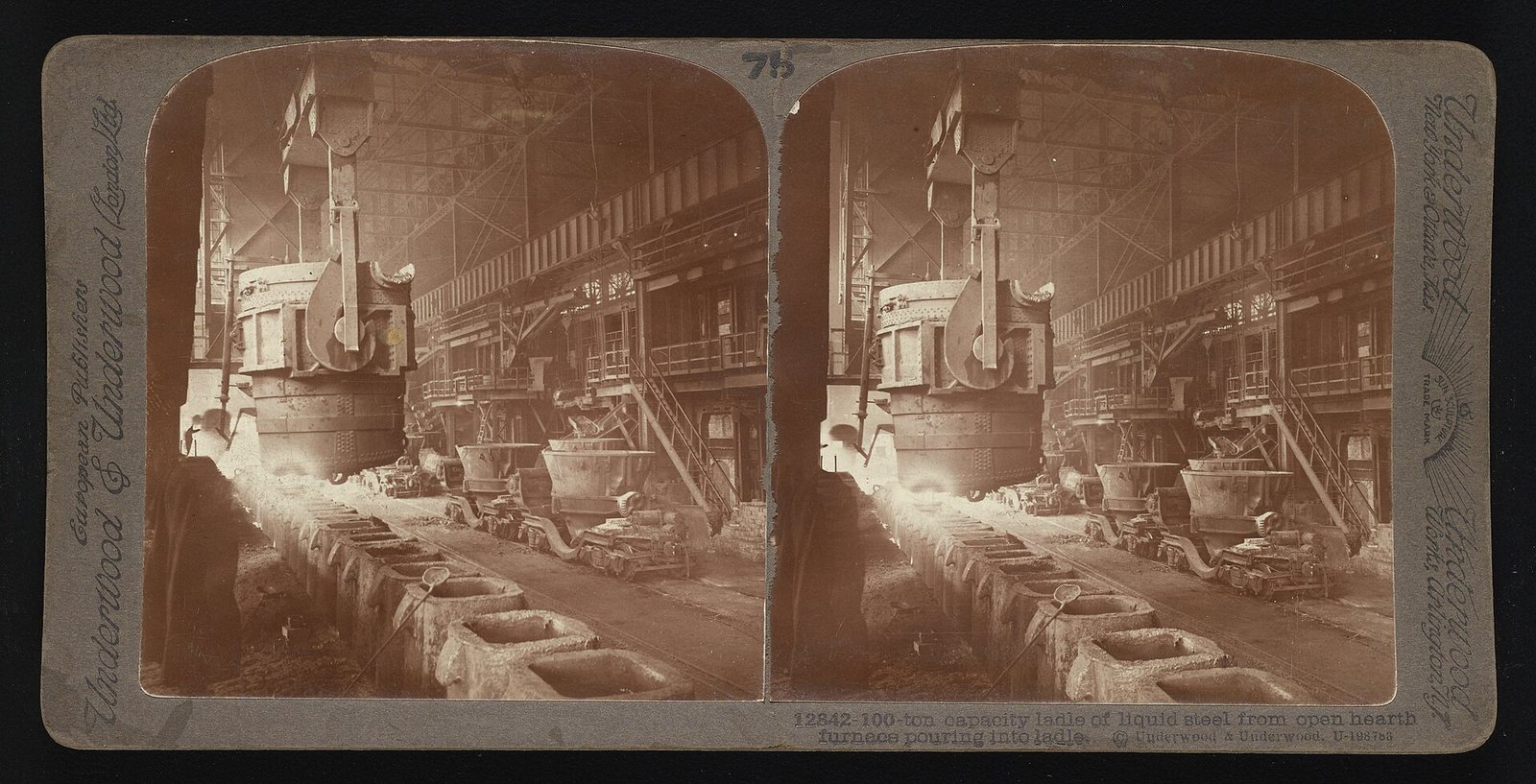
Blowing the carbon back out

Oxygen is blown through the hot metal to burn the carbon down to a few tenths of a percent. Manganese goes in — every tonne of steel needs some — and then whatever else the grade calls for: chromium, nickel, niobium, vanadium.

640 tonneshot metal 620 tonnescrude steel

Perché qui: Steel is the alloy where a dozen other materials in this atlas quietly end up.

under an hour Manganese →
Blowing the carbon back out
100-ton capacity ladle of liquid steel … · Public domain via Wikimedia Commons
06 Mercato finale 620tonnes

China · Rolling mills detenuto da Fabricators (Produttore)

Buildings, cars, rail, ships

Cast, rolled and cut. 620 tonnes of steel is roughly the frame of a mid-rise building, or five hundred cars.

620 tonnescrude steel 620 tonnesin service, and recyclable

Che fine ha fatto il resto: Steel made from scrap in an electric arc furnace emits a fraction of this route's carbon. How fast steel can decarbonise depends on how much scrap exists — and you cannot recycle steel that has not been built yet.

Perché qui: Two countries, one ocean, and by weight the largest thing humans move.
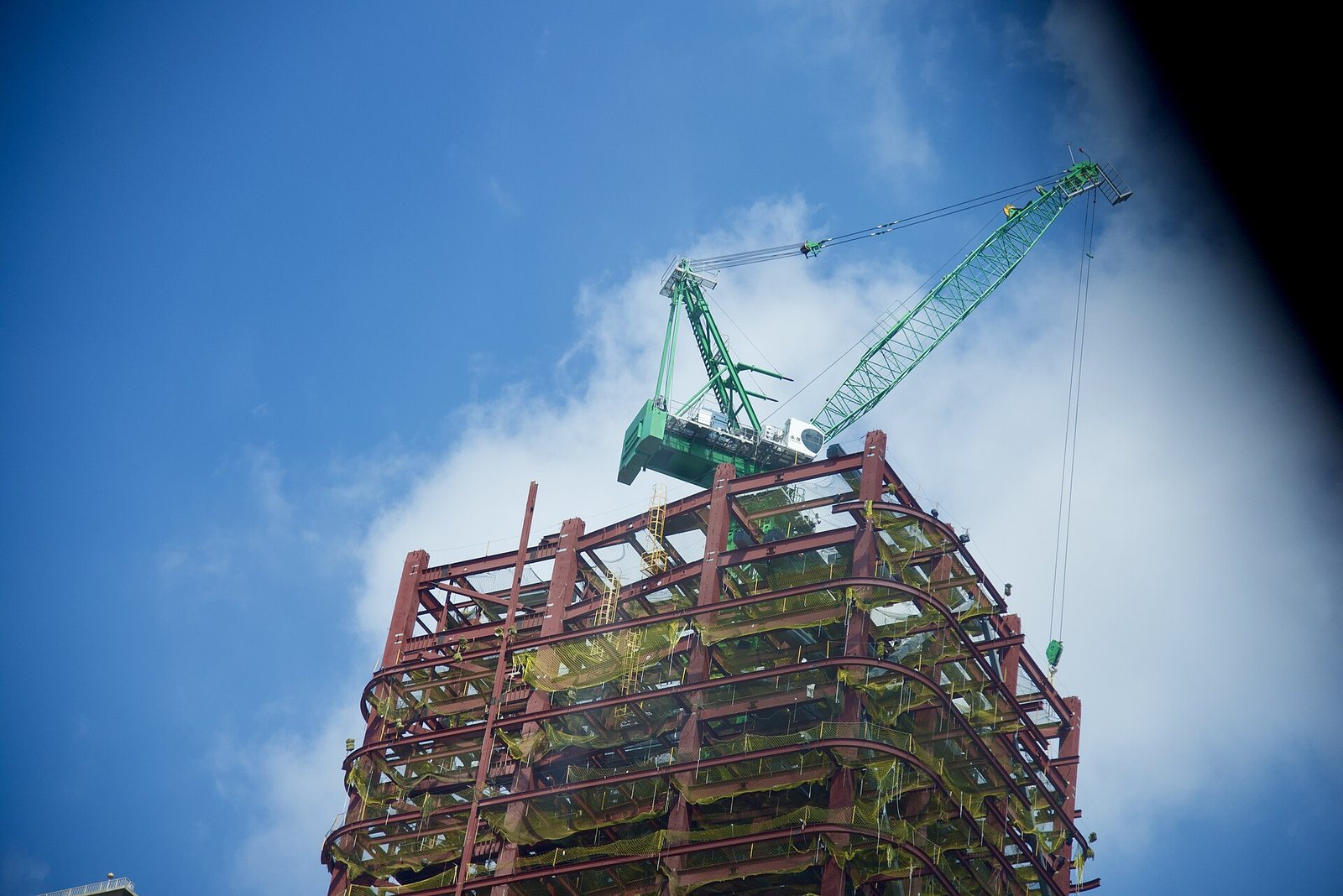
Buildings, cars, rail, ships
Steel frame building under construction… · CC0 via Wikimedia Commons

Questo è un esempio elaborato. Segue una quantità iniziale dichiarata attraverso rese e recuperi tipici pubblicati, così che le proporzioni siano verificabili; non è il resoconto di una spedizione specifica. I dati di percorso — quali paesi, quali processi e perché il materiale non può semplicemente essere trattato altrove — sono compilati da fonti di pubblico dominio.

Materiali

Tutti i materiali Minerali critici Terre rare Materiali per batterie Minerali mena Tavola periodica Screener

Il sottosuolo

Miniere e giacimenti Lavorazione e raffinazione Paesi Mappe

L'economia

Percorsi di custodia Filiere produttive Mercati finali Tecnologie Aziende Calcolatore di materiali

Approfondisci

ApprofondisciGlossario Interroga i datiAgenti AI Ricerca e datiAPI aperta Notizie★ Salvato

Chi siamo

Chi siamoContatti MetodologiaFonti dei dati Politica editoriale Informativa sulla privacyCondizioni d'uso Avvertenza