실제로 이동하는 것
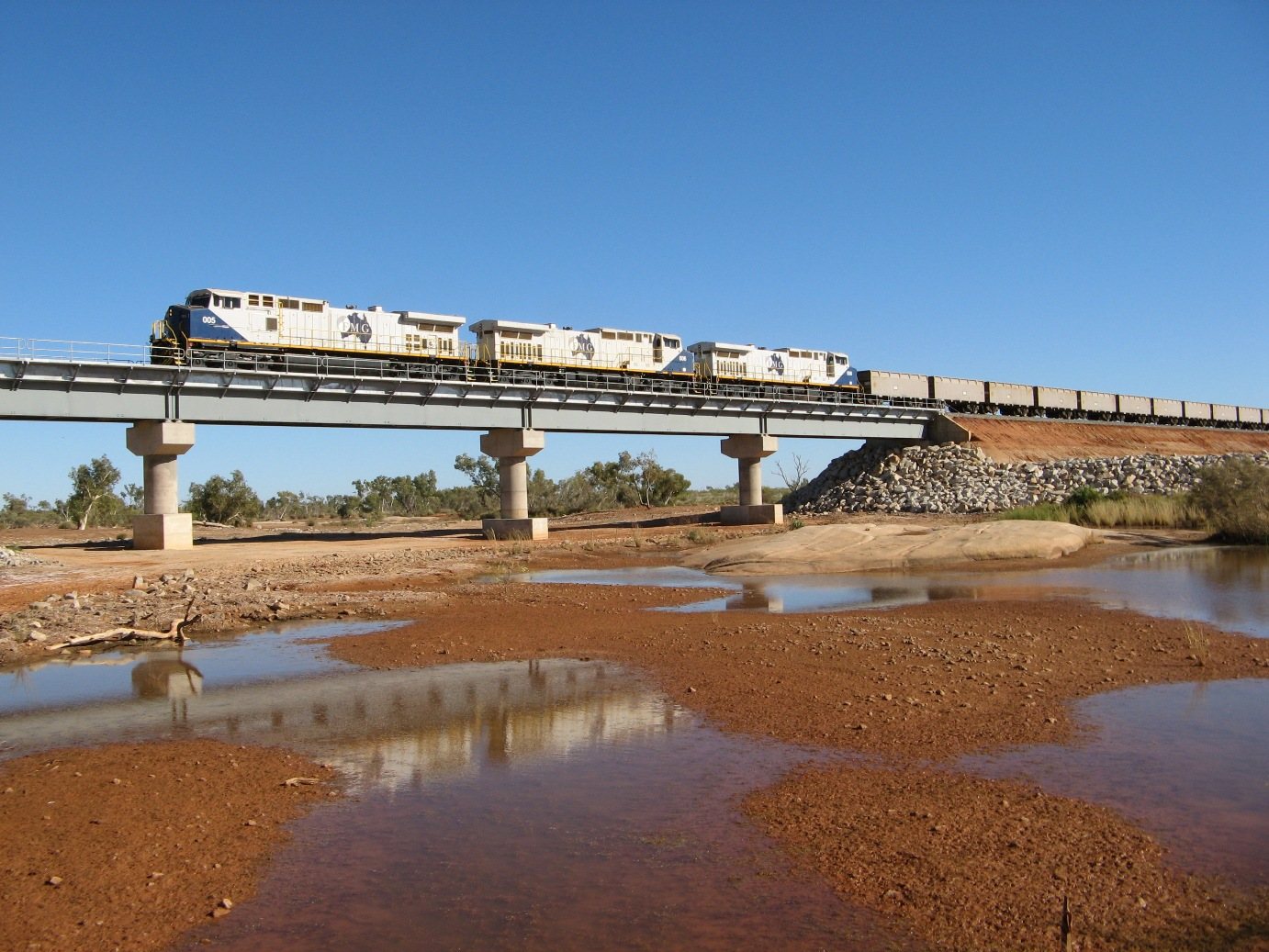
Pilbara hematite is rich enough to ship almost as it comes out of the ground. There is no flotation, no smelting, no chemistry at the mine — just crushing and screening, a private heavy-haul railway and a purpose-built port. All the transformation happens on another continent.
- 소재
- Iron Ore
- 유형
- Direct-shipping hematite fines, around 62% iron
- 출발지
- Australia — The Pilbara, where banded iron formation was laid down over two billion years ago
단계별, 국경별
Australia · Pilbara, Western Australia 보유자 Rio Tinto, BHP, FMG and others (채굴업체)
Blast, load, haul
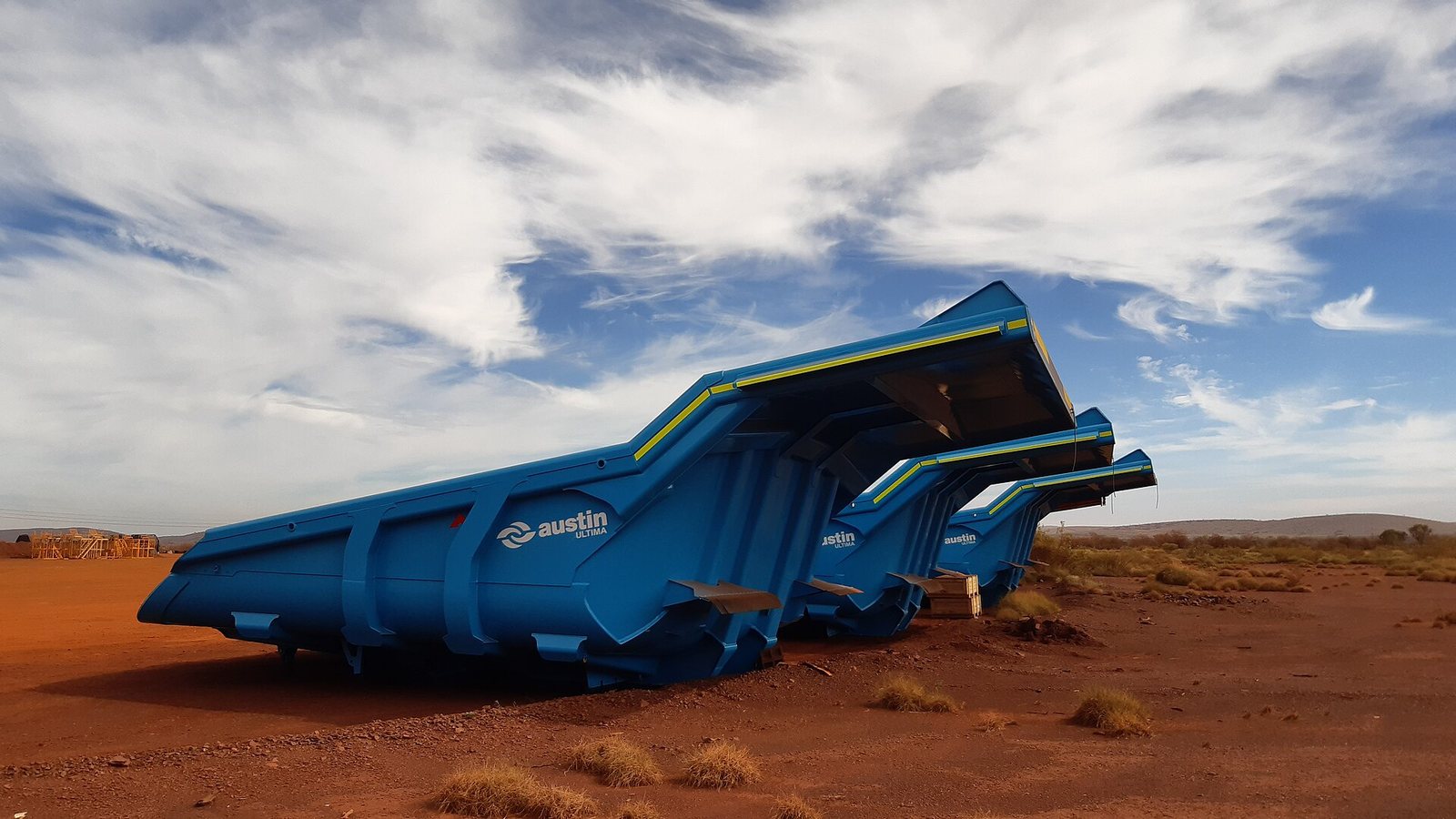
Enriched hematite is drilled, blasted and hauled — much of it by autonomous trucks and driverless trains.
왜 이곳인가: Weathering leached the silica out of ancient banded iron formation and left almost pure hematite behind.
Australia · Mine-site plant 보유자 Miners (채굴업체)
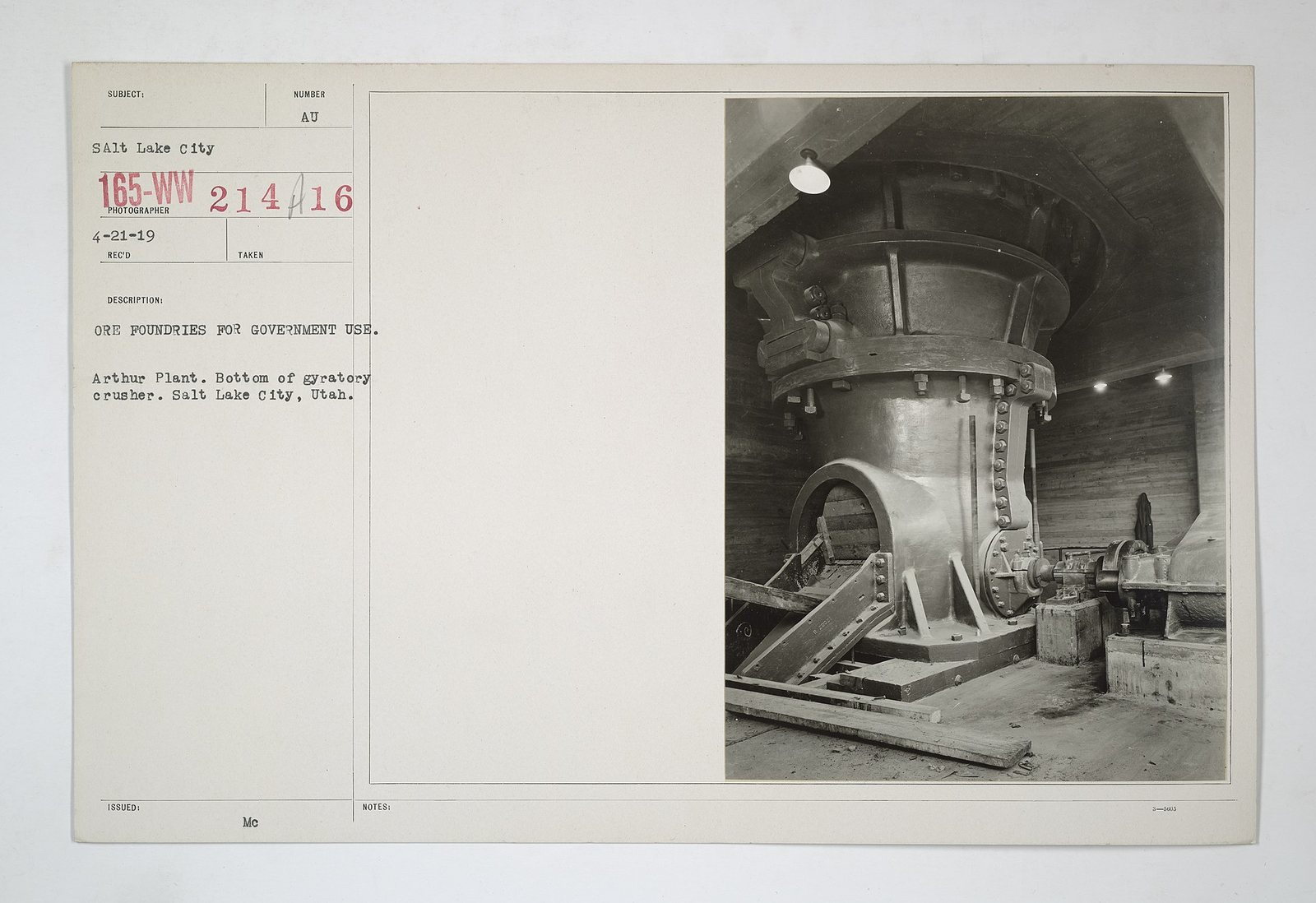
Crush and screen. That is all.
Crushed and screened into lump and fines. No concentration is needed — the ore is already close to a saleable grade.
나머지는 어떻게 되었는가: Almost nothing is discarded. Compare that with copper, where 984 tonnes in 1,000 go to tailings.
왜 이곳인가: Where the ore is good enough to ship, nobody builds a plant.
China · Port Hedland to Chinese mills 보유자 Miners and steelmakers (트레이더)
Rail, port, Capesize
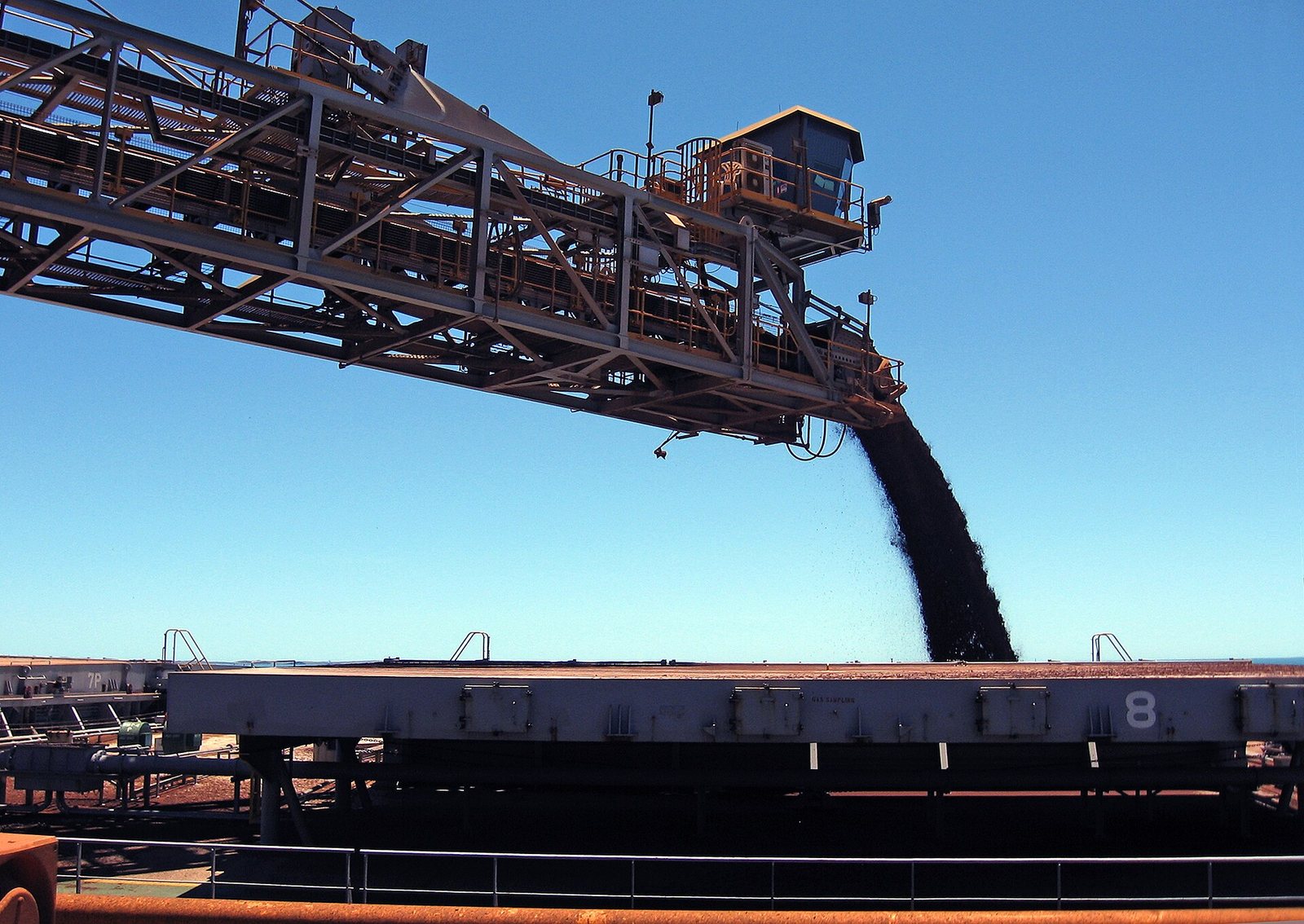
Trains up to 2.5 km long run to a private port, and Capesize bulkers sail to China. This is the highest-tonnage trade route on the planet.
왜 이곳인가: The steel mills are in Asia and the ore is in Australia. The whole business is logistics.
China · Integrated steelworks 보유자 Steelmaker (제조사)
Sinter, coke, and a blast furnace
Fines are sintered into lumps; coking coal is baked into coke. In the furnace the carbon strips the oxygen off the iron oxide — a chemical reaction, not just heat.
나머지는 어떻게 되었는가: Roughly 500 kg of coking coal per tonne of hot metal, and the CO2 that comes with it. This reaction is why steel is hard to decarbonise.
왜 이곳인가: Integrated steelworks sit next to ports and next to demand.
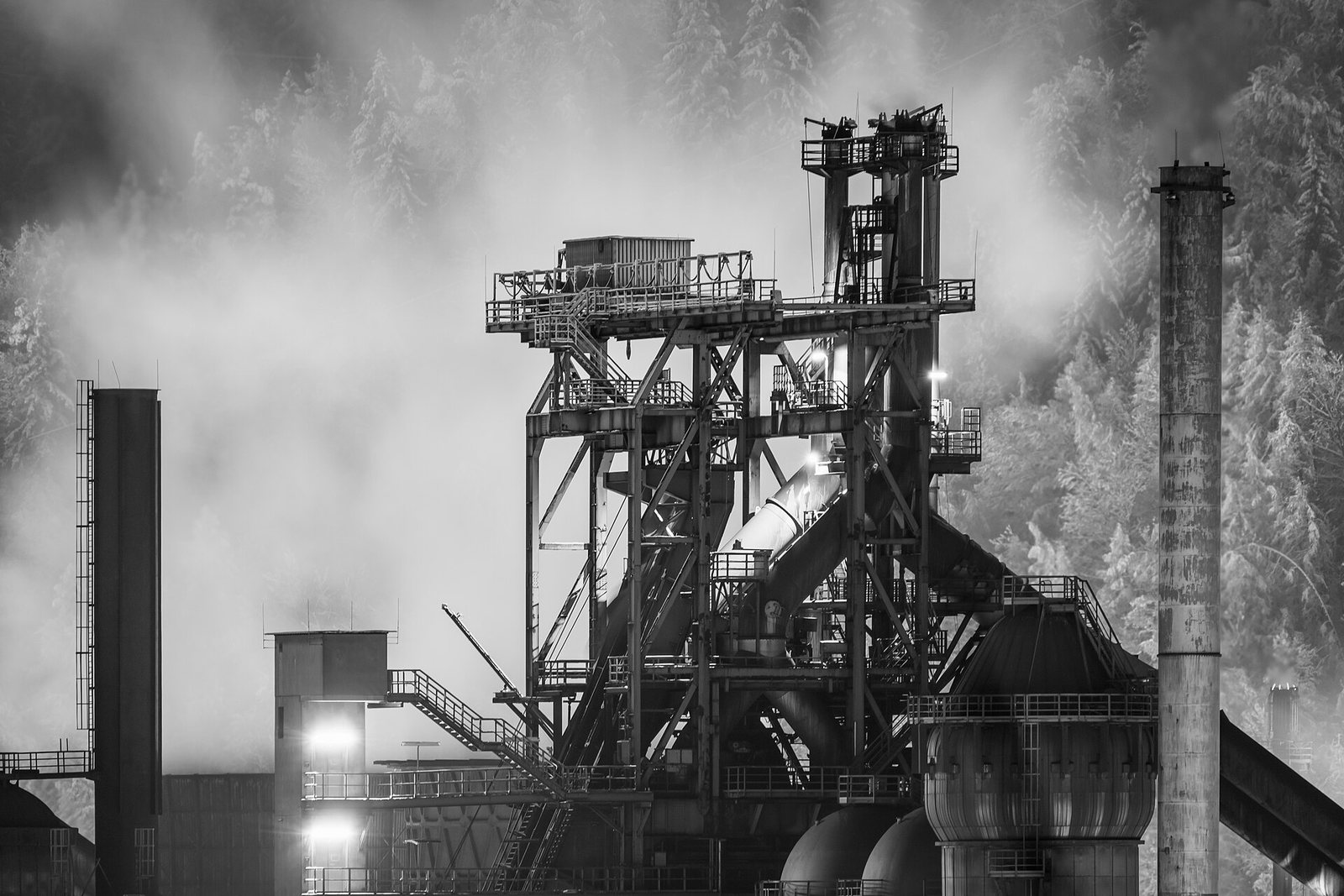
China · Basic oxygen furnace 보유자 Steelmaker (제조사)
Blowing the carbon back out
Oxygen is blown through the hot metal to burn the carbon down to a few tenths of a percent. Manganese goes in — every tonne of steel needs some — and then whatever else the grade calls for: chromium, nickel, niobium, vanadium.
왜 이곳인가: Steel is the alloy where a dozen other materials covered here quietly end up.
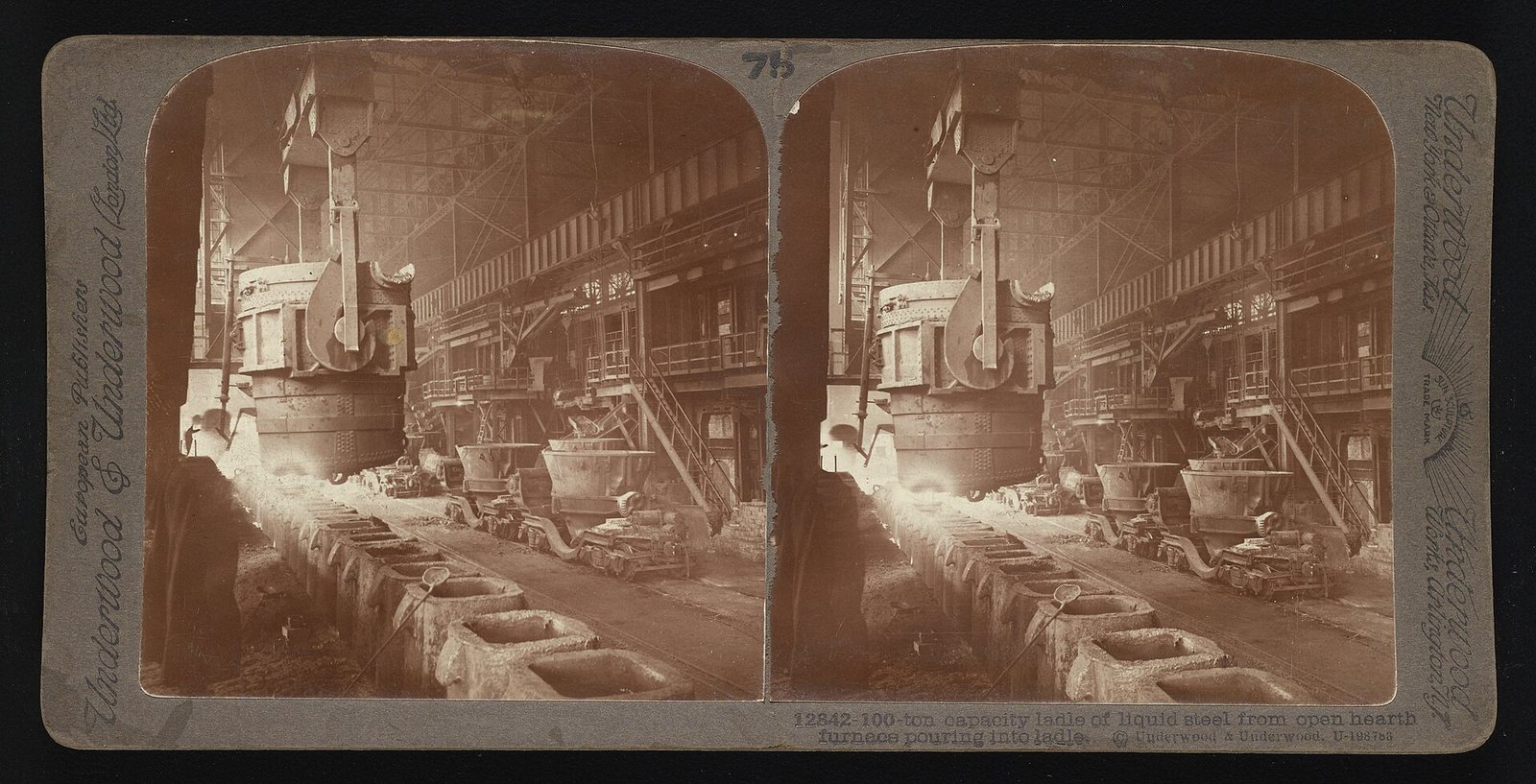
China · Rolling mills 보유자 Fabricators (제조사)
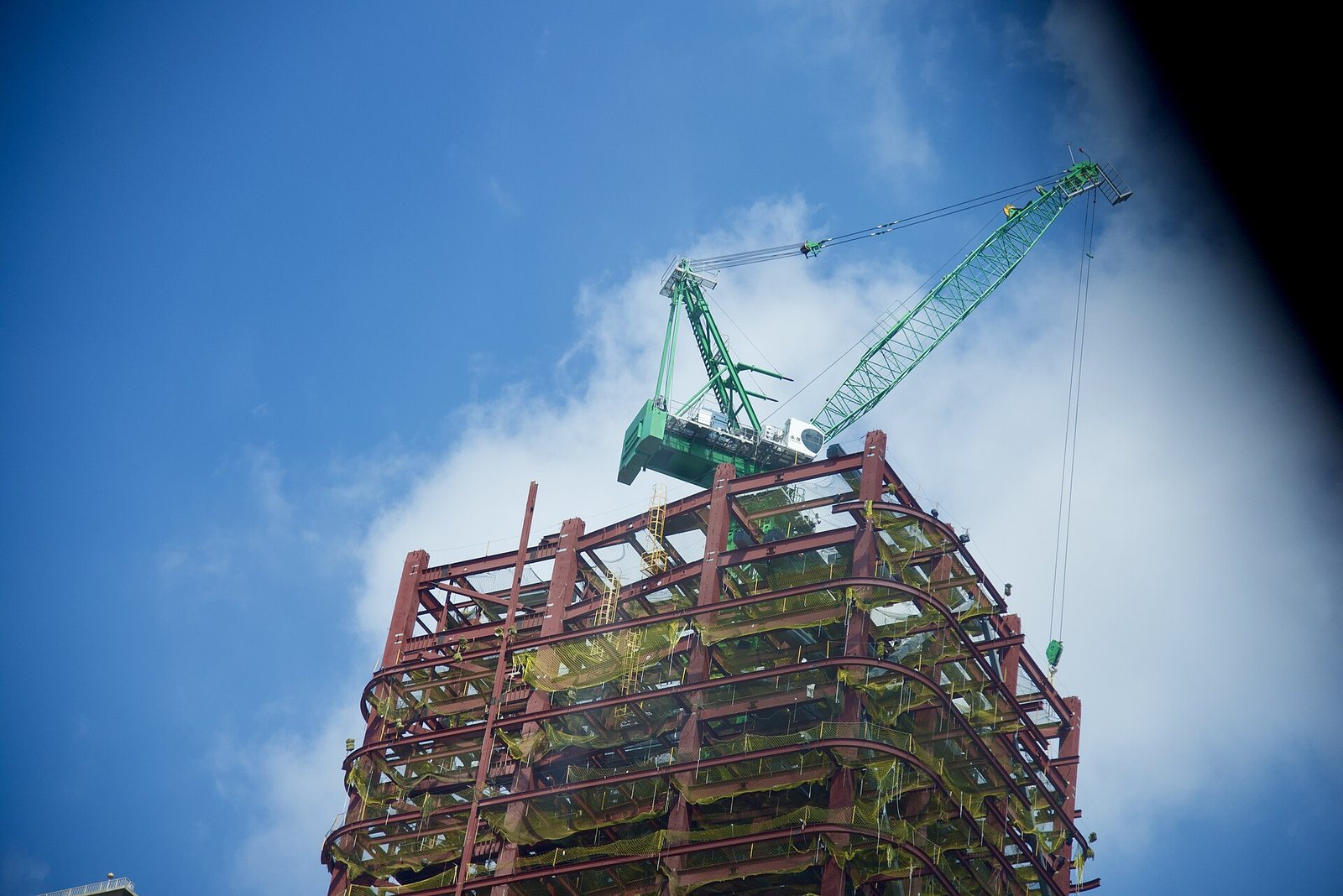
Buildings, cars, rail, ships
Cast, rolled and cut. 620 tonnes of steel is roughly the frame of a mid-rise building, or five hundred cars.
나머지는 어떻게 되었는가: Steel made from scrap in an electric arc furnace emits a fraction of this route's carbon. How fast steel can decarbonise depends on how much scrap exists — and you cannot recycle steel that has not been built yet.
왜 이곳인가: Two countries, one ocean, and by weight the largest thing humans move.
이것은 작업 예시이다. 공표된 출발 수량을 공표된 일반적인 수율 및 회수율에 따라 추적한 것이므로 비율은 검증 가능하다. 특정 선적 기록이 아니다. 경로 사실—어느 나라, 어떤 공정, 그리고 왜 해당 소재를 다른 곳에서 처리할 수 없는지—은 공개 보고를 바탕으로 정리되었다.