Wat er werkelijk wordt vervoerd
Pilbara hematite is rich enough to ship almost as it comes out of the ground. There is no flotation, no smelting, no chemistry at the mine — just crushing and screening, a private heavy-haul railway and a purpose-built port. All the transformation happens on another continent.
- Het materiaal
- Iron Ore
- De variëteit
- Direct-shipping hematite fines, around 62% iron
- Waar het begint
- Australia — The Pilbara, where banded iron formation was laid down over two billion years ago
Stap voor stap, en grens voor grens
Australia · Pilbara, Western Australia in beheer bij Rio Tinto, BHP, FMG and others (Mijnbouwer)
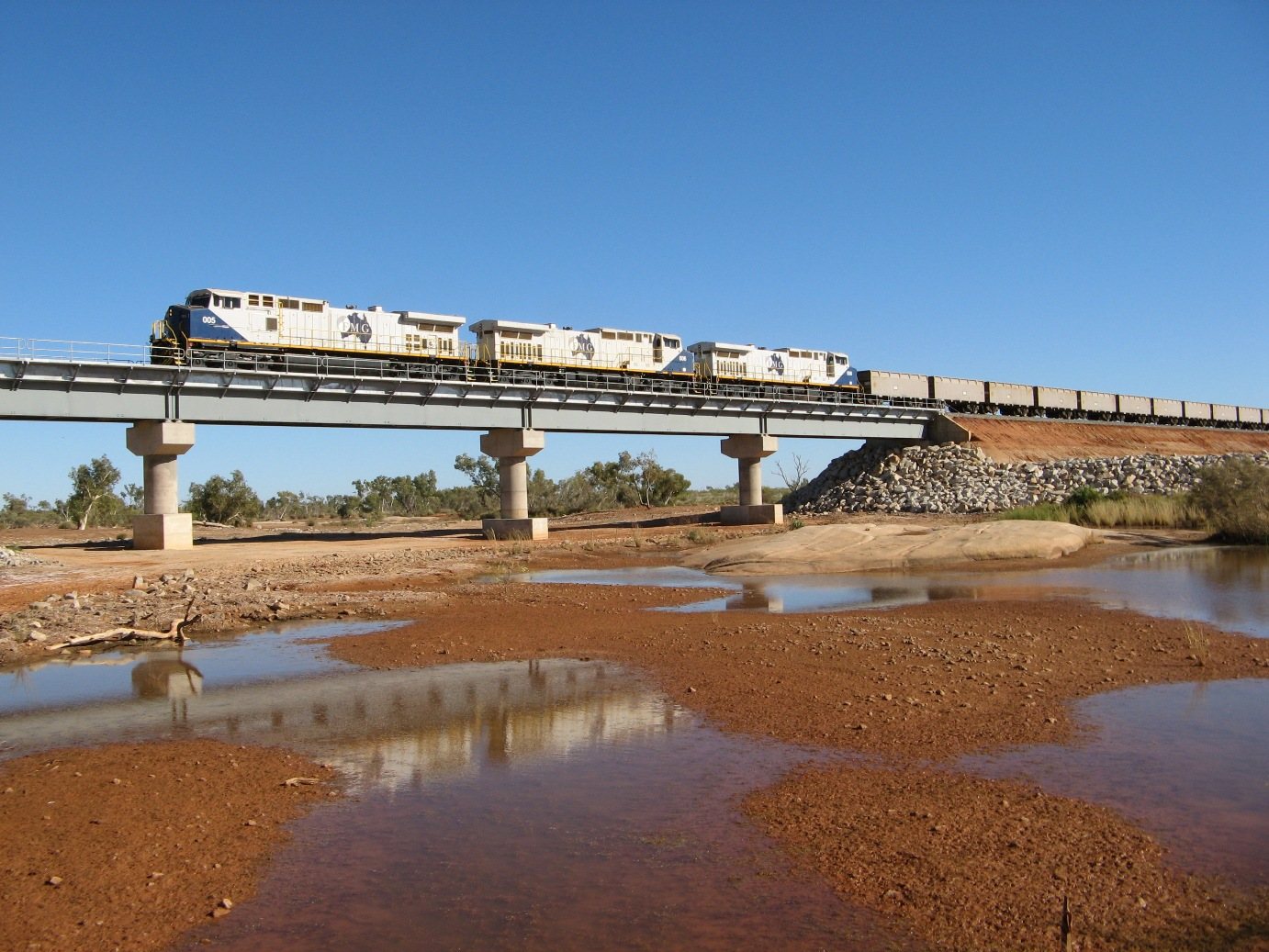
Blast, load, haul
Enriched hematite is drilled, blasted and hauled — much of it by autonomous trucks and driverless trains.
Waarom hier: Weathering leached the silica out of ancient banded iron formation and left almost pure hematite behind.
Australia · Mine-site plant in beheer bij Miners (Mijnbouwer)
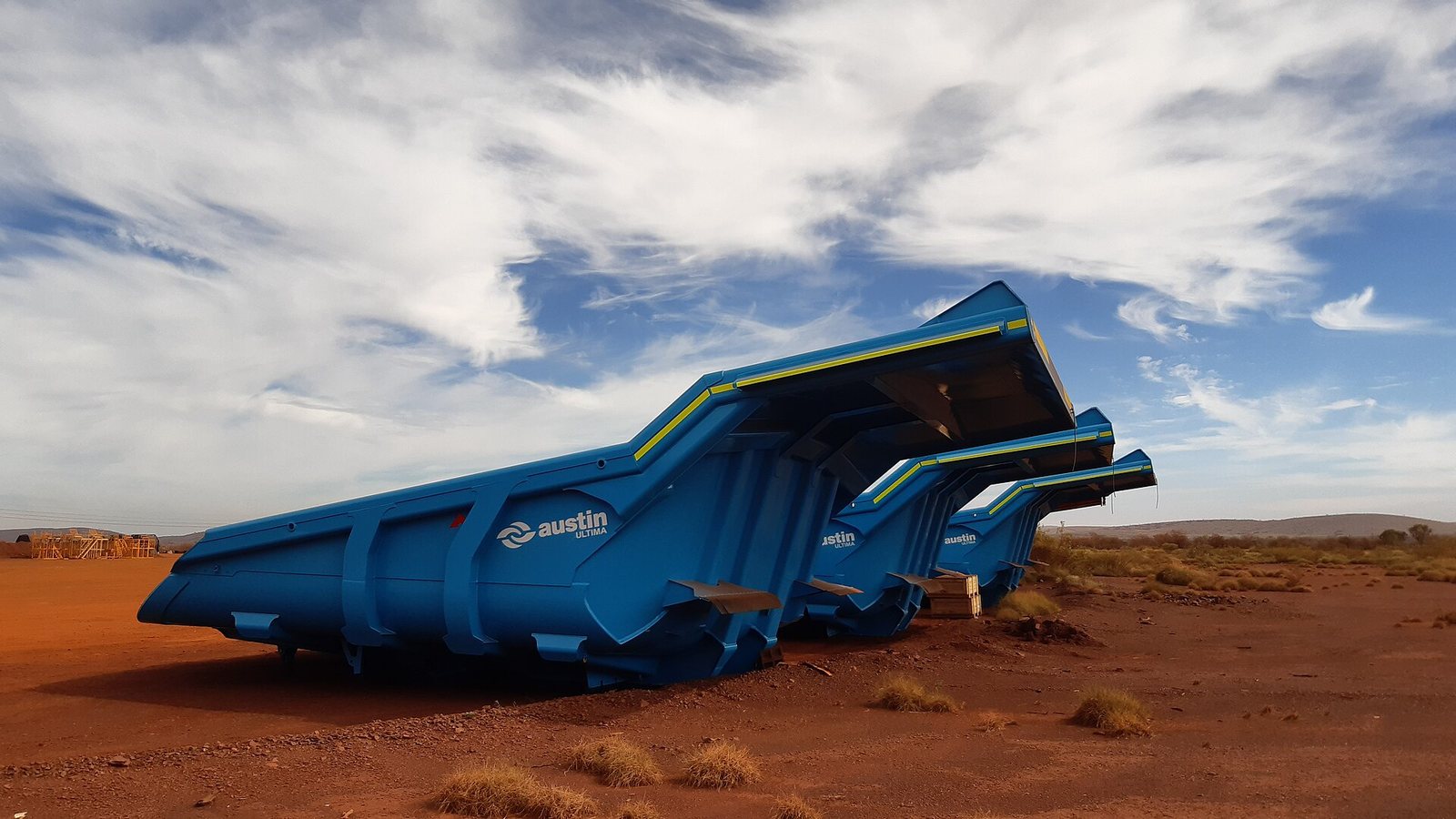
Crush and screen. That is all.
Crushed and screened into lump and fines. No concentration is needed — the ore is already close to a saleable grade.
Wat er met de rest gebeurde: Almost nothing is discarded. Compare that with copper, where 984 tonnes in 1,000 go to tailings.
Waarom hier: Where the ore is good enough to ship, nobody builds a plant.
China · Port Hedland to Chinese mills in beheer bij Miners and steelmakers (Handelaar)
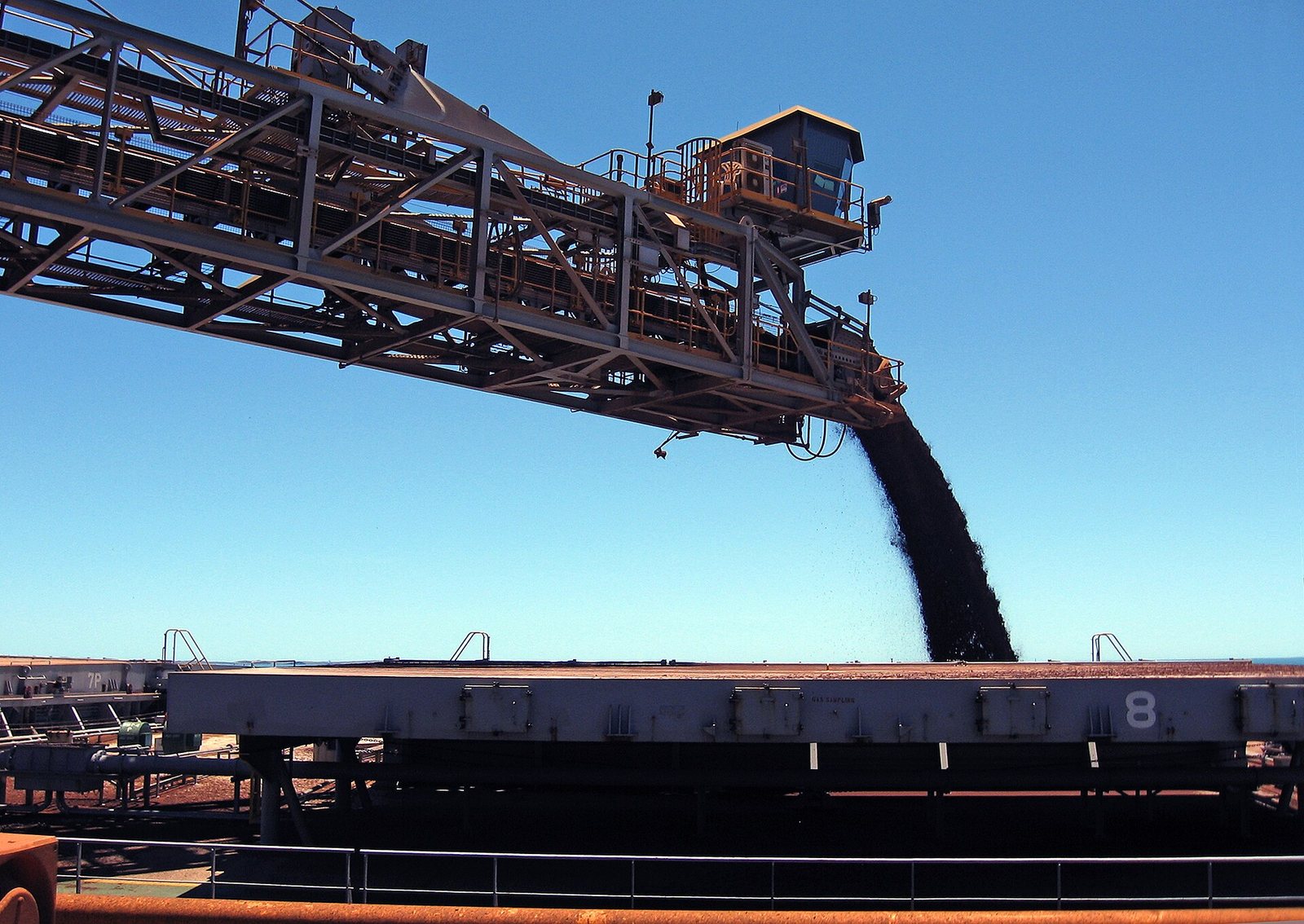
Rail, port, Capesize
Trains up to 2.5 km long run to a private port, and Capesize bulkers sail to China. This is the highest-tonnage trade route on the planet.
Waarom hier: The steel mills are in Asia and the ore is in Australia. The whole business is logistics.
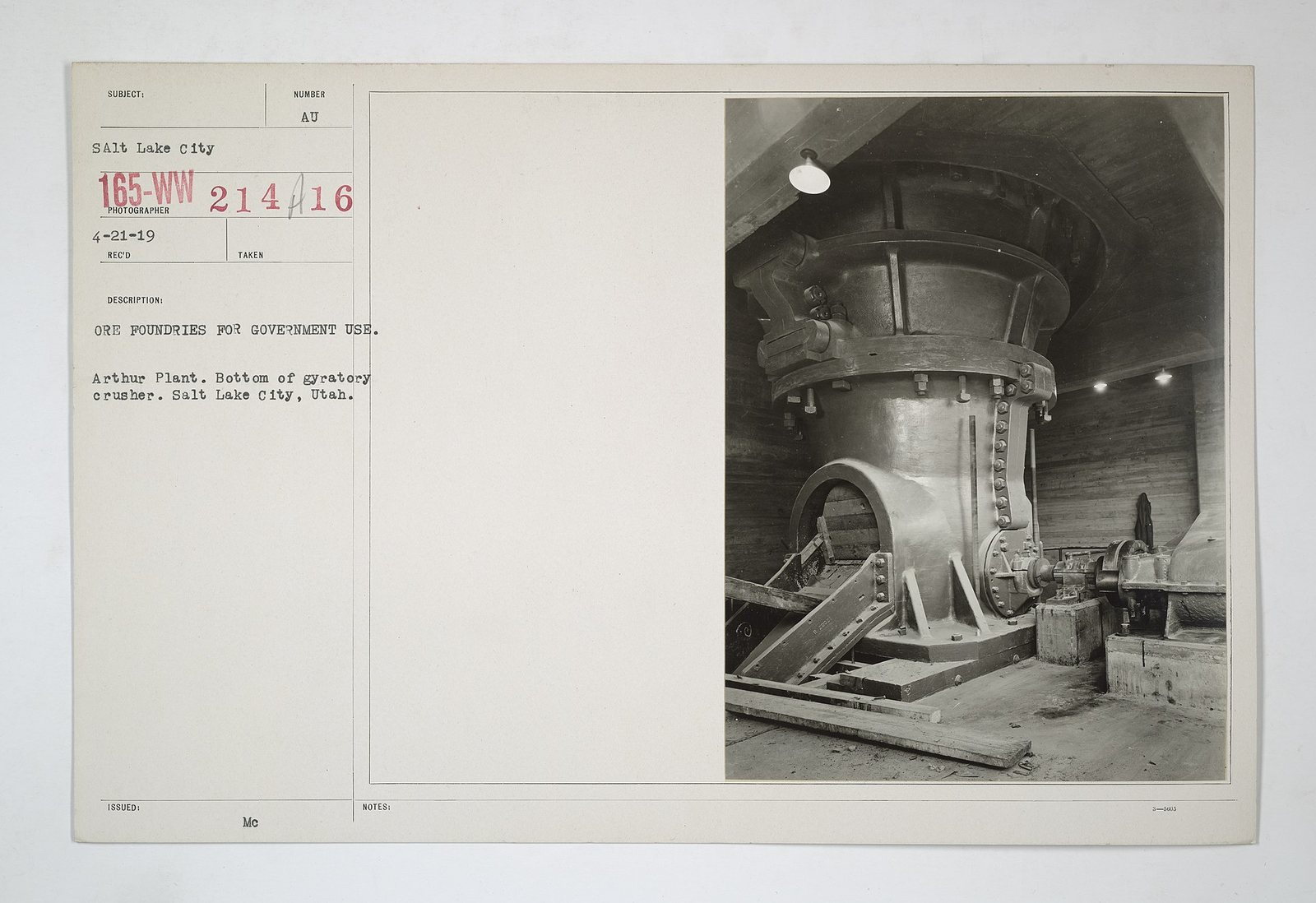
China · Integrated steelworks in beheer bij Steelmaker (Fabrikant)
Sinter, coke, and a blast furnace
Fines are sintered into lumps; coking coal is baked into coke. In the furnace the carbon strips the oxygen off the iron oxide — a chemical reaction, not just heat.
Wat er met de rest gebeurde: Roughly 500 kg of coking coal per tonne of hot metal, and the CO2 that comes with it. This reaction is why steel is hard to decarbonise.
Waarom hier: Integrated steelworks sit next to ports and next to demand.
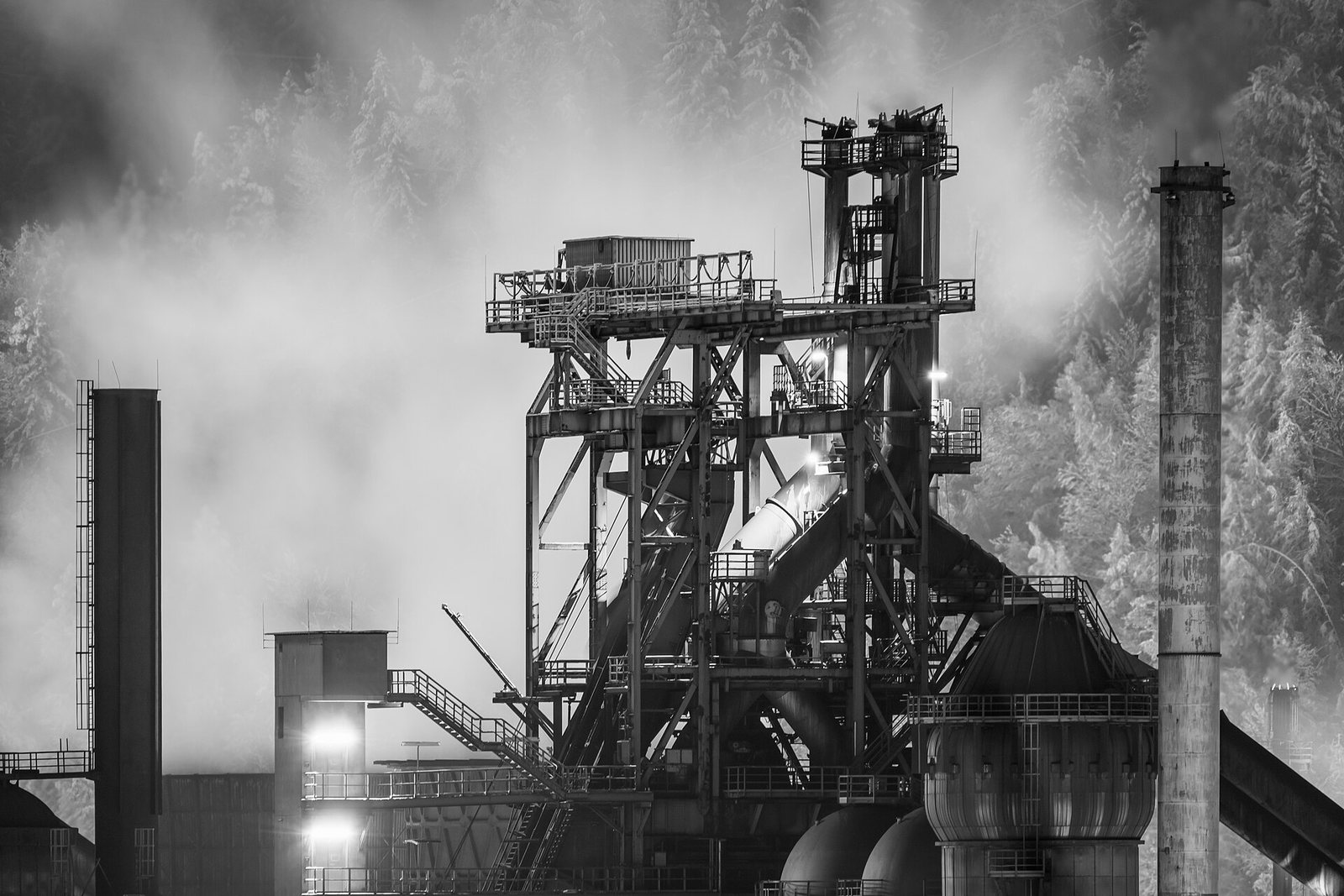
China · Basic oxygen furnace in beheer bij Steelmaker (Fabrikant)
Blowing the carbon back out
Oxygen is blown through the hot metal to burn the carbon down to a few tenths of a percent. Manganese goes in — every tonne of steel needs some — and then whatever else the grade calls for: chromium, nickel, niobium, vanadium.
Waarom hier: Steel is the alloy where a dozen other materials covered here quietly end up.
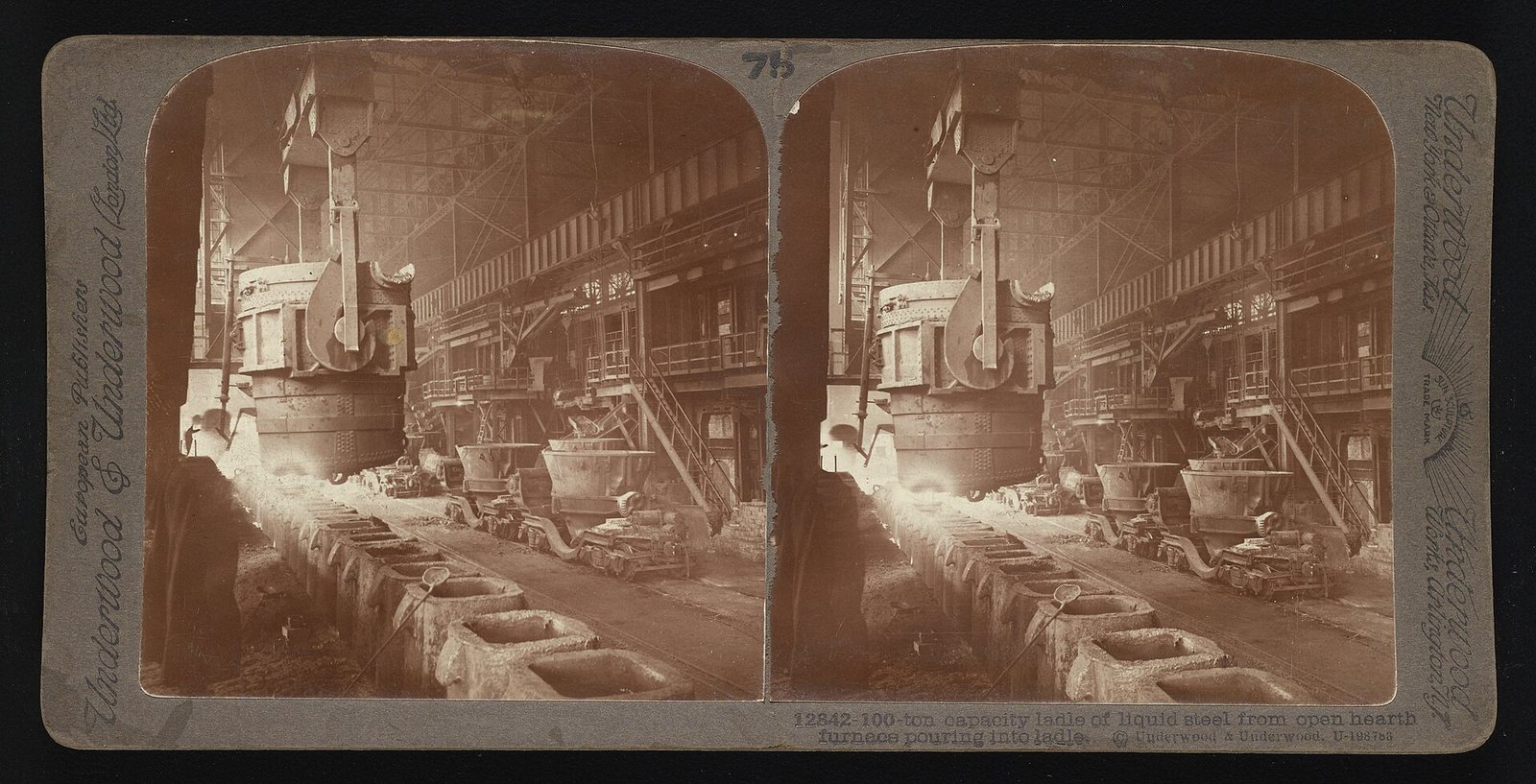
China · Rolling mills in beheer bij Fabricators (Fabrikant)
Buildings, cars, rail, ships
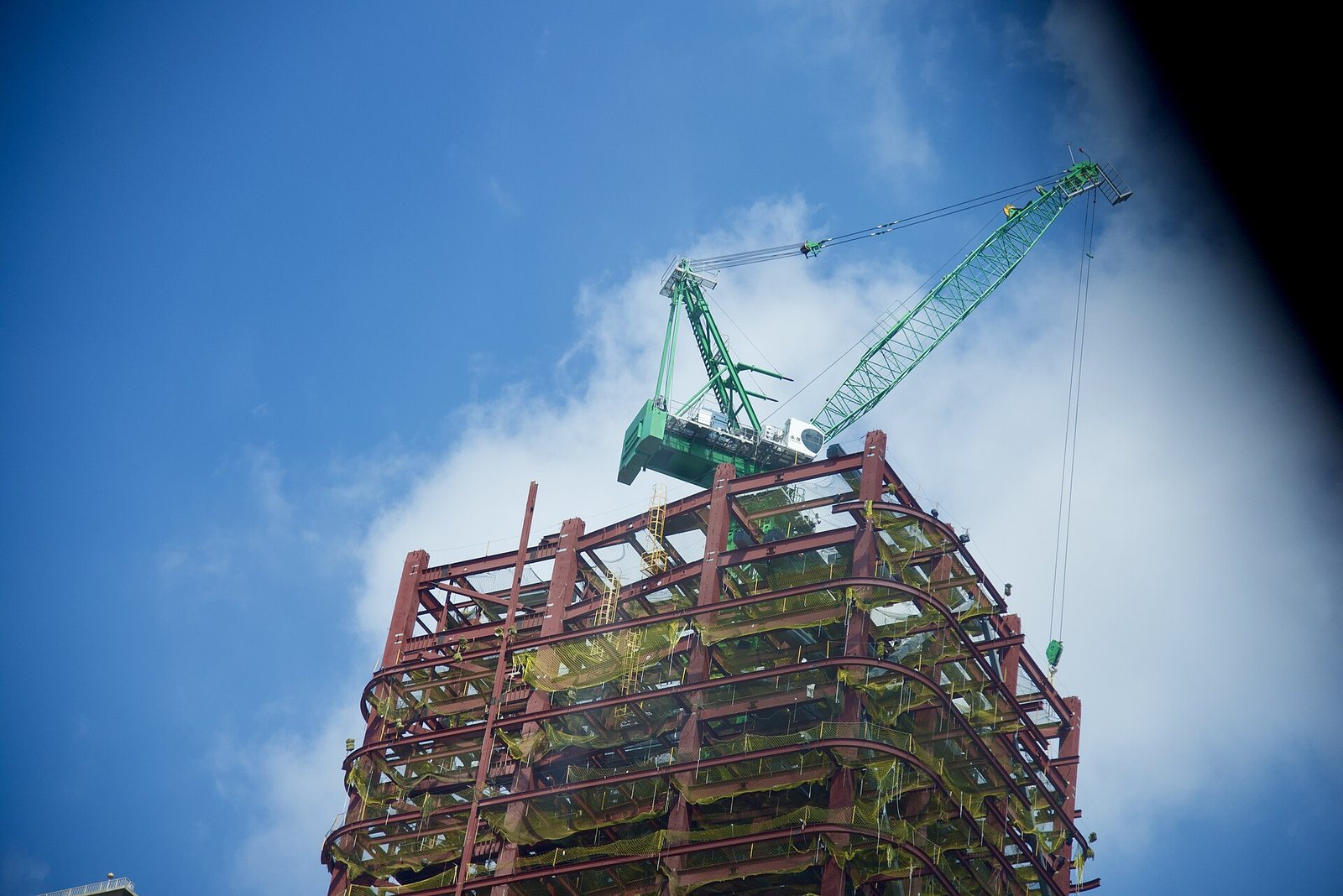
Cast, rolled and cut. 620 tonnes of steel is roughly the frame of a mid-rise building, or five hundred cars.
Wat er met de rest gebeurde: Steel made from scrap in an electric arc furnace emits a fraction of this route's carbon. How fast steel can decarbonise depends on how much scrap exists — and you cannot recycle steel that has not been built yet.
Waarom hier: Two countries, one ocean, and by weight the largest thing humans move.
Dit is een uitgewerkt voorbeeld. Het volgt een opgegeven beginhoeveelheid door gepubliceerde typische opbrengsten en rendementen, zodat de verhoudingen controleerbaar zijn; het is geen verslag van een concrete zending. Routefeiten — welke landen, welke processen, en waarom het materiaal niet zomaar elders kan worden verwerkt — zijn samengesteld uit openbare bronnen.