Что фактически перемещается
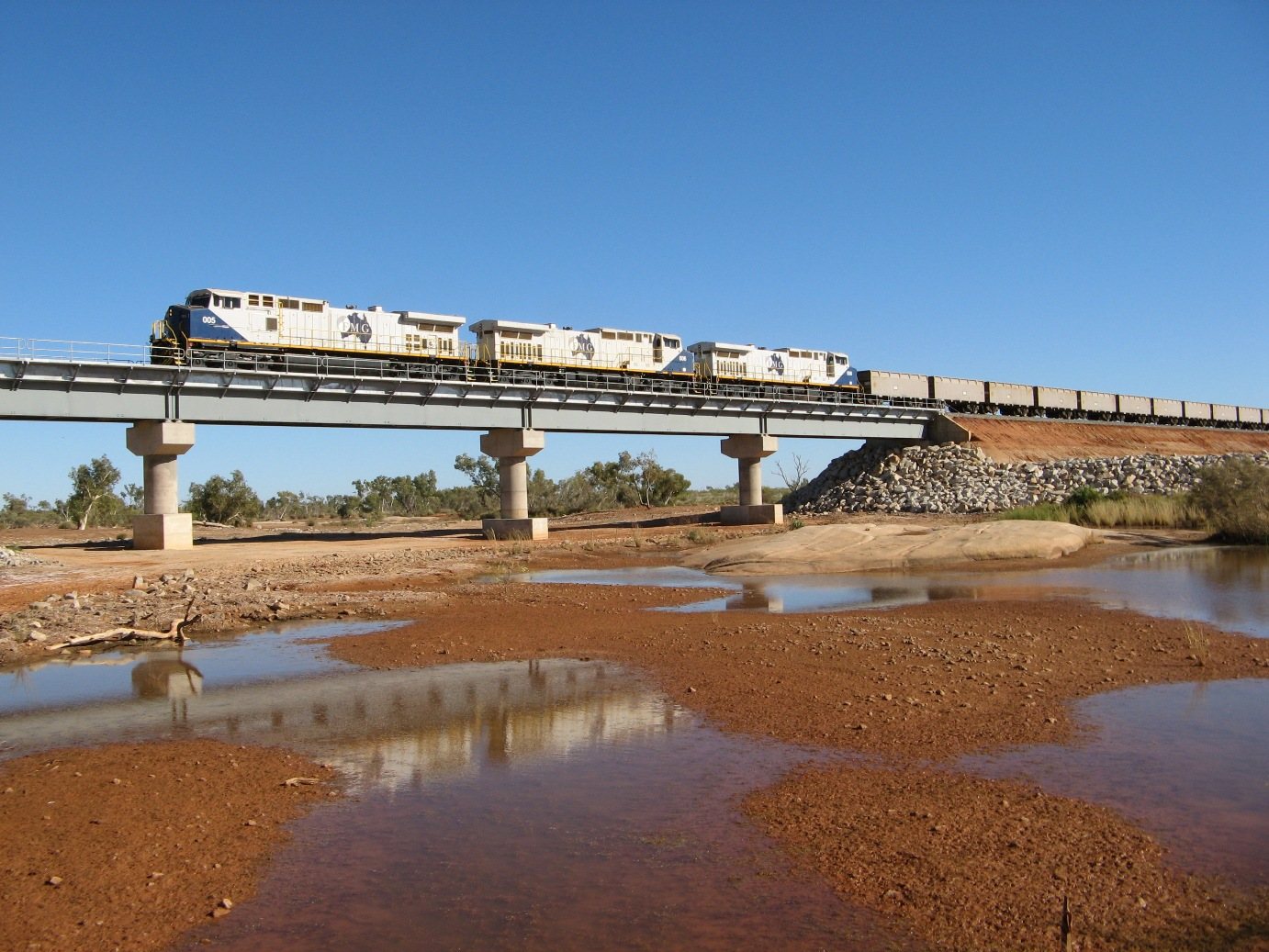
Pilbara hematite is rich enough to ship almost as it comes out of the ground. There is no flotation, no smelting, no chemistry at the mine — just crushing and screening, a private heavy-haul railway and a purpose-built port. All the transformation happens on another continent.
- Материал
- Iron Ore
- Разновидность
- Direct-shipping hematite fines, around 62% iron
- Начальная точка
- Australia — The Pilbara, where banded iron formation was laid down over two billion years ago
Шаг за шагом, граница за границей
Australia · Pilbara, Western Australia хранится у Rio Tinto, BHP, FMG and others (Горнодобывающая компания)
Blast, load, haul
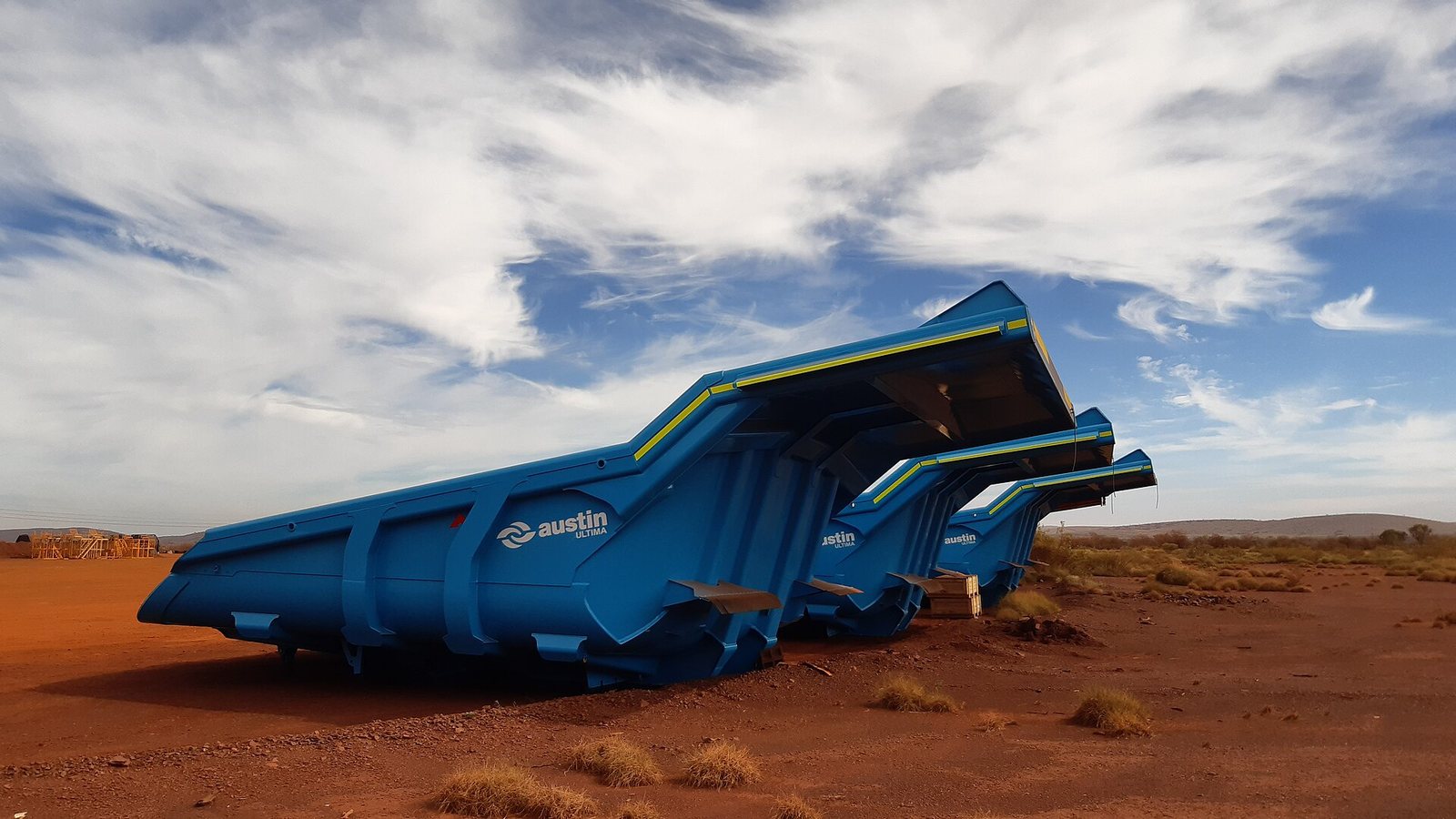
Enriched hematite is drilled, blasted and hauled — much of it by autonomous trucks and driverless trains.
Почему именно здесь: Weathering leached the silica out of ancient banded iron formation and left almost pure hematite behind.
Australia · Mine-site plant хранится у Miners (Горнодобывающая компания)
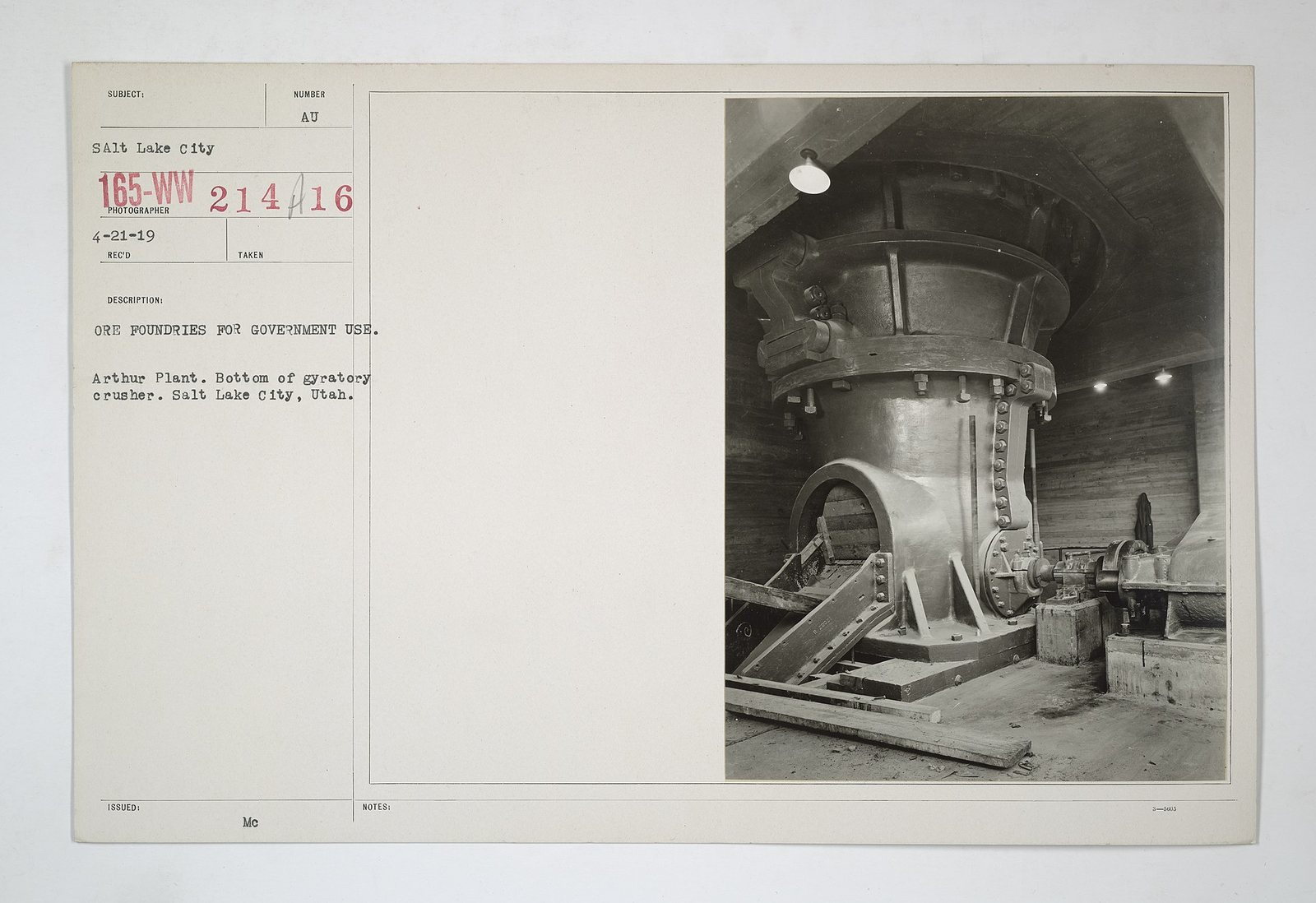
Crush and screen. That is all.
Crushed and screened into lump and fines. No concentration is needed — the ore is already close to a saleable grade.
Что произошло с остатком: Almost nothing is discarded. Compare that with copper, where 984 tonnes in 1,000 go to tailings.
Почему именно здесь: Where the ore is good enough to ship, nobody builds a plant.
China · Port Hedland to Chinese mills хранится у Miners and steelmakers (Трейдер)
Rail, port, Capesize
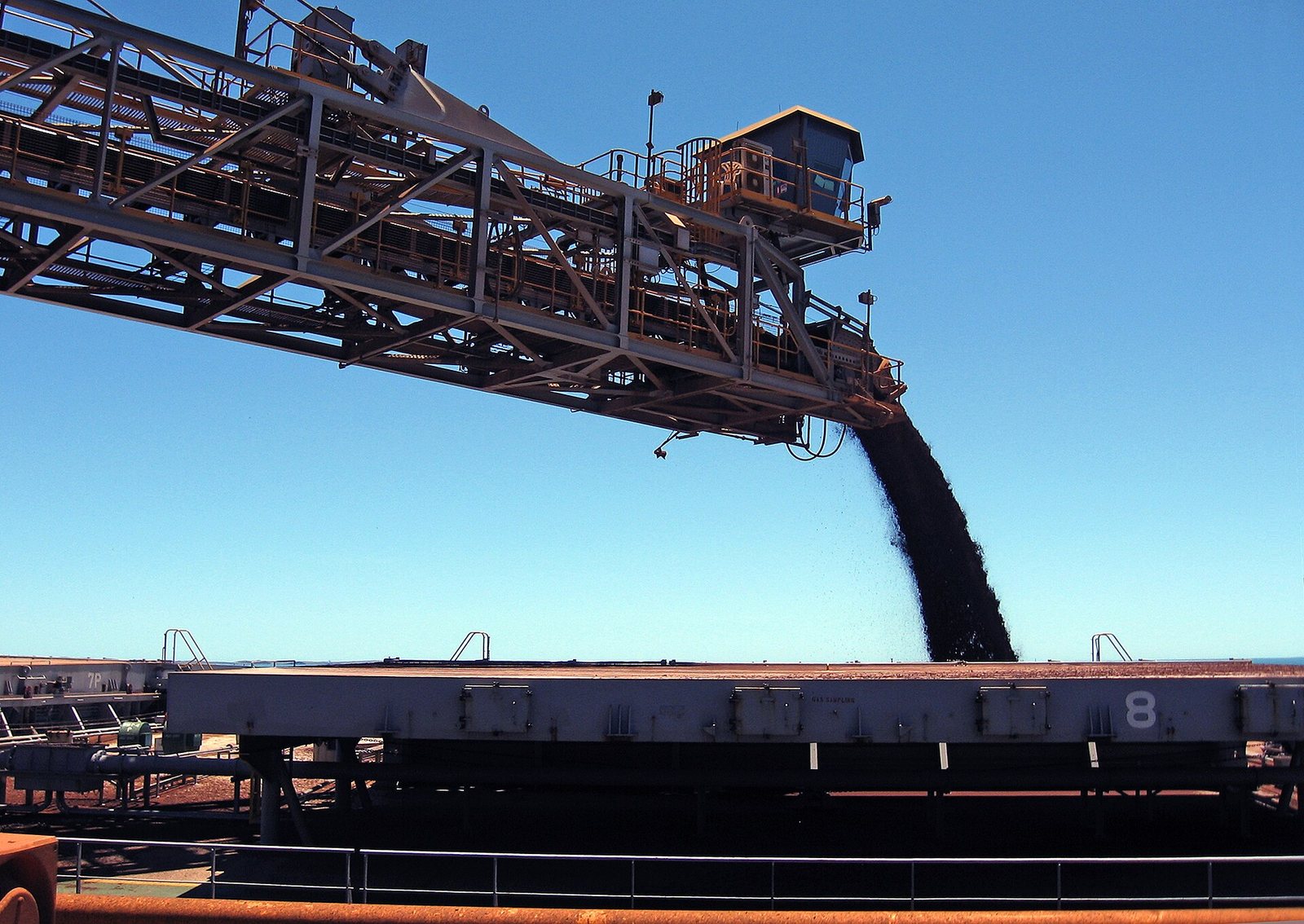
Trains up to 2.5 km long run to a private port, and Capesize bulkers sail to China. This is the highest-tonnage trade route on the planet.
Почему именно здесь: The steel mills are in Asia and the ore is in Australia. The whole business is logistics.
China · Integrated steelworks хранится у Steelmaker (Производитель)
Sinter, coke, and a blast furnace
Fines are sintered into lumps; coking coal is baked into coke. In the furnace the carbon strips the oxygen off the iron oxide — a chemical reaction, not just heat.
Что произошло с остатком: Roughly 500 kg of coking coal per tonne of hot metal, and the CO2 that comes with it. This reaction is why steel is hard to decarbonise.
Почему именно здесь: Integrated steelworks sit next to ports and next to demand.
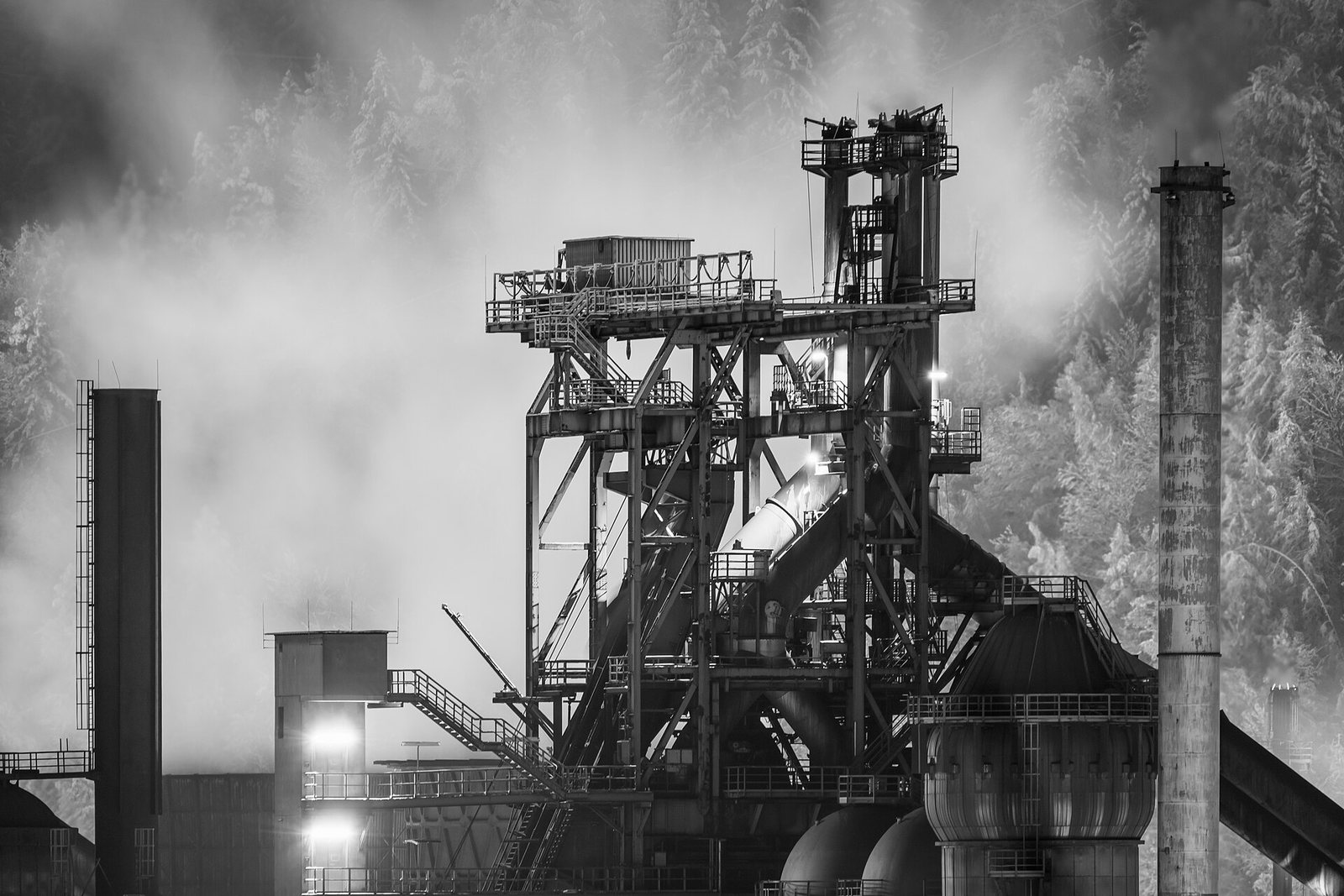
China · Basic oxygen furnace хранится у Steelmaker (Производитель)
Blowing the carbon back out
Oxygen is blown through the hot metal to burn the carbon down to a few tenths of a percent. Manganese goes in — every tonne of steel needs some — and then whatever else the grade calls for: chromium, nickel, niobium, vanadium.
Почему именно здесь: Steel is the alloy where a dozen other materials covered here quietly end up.
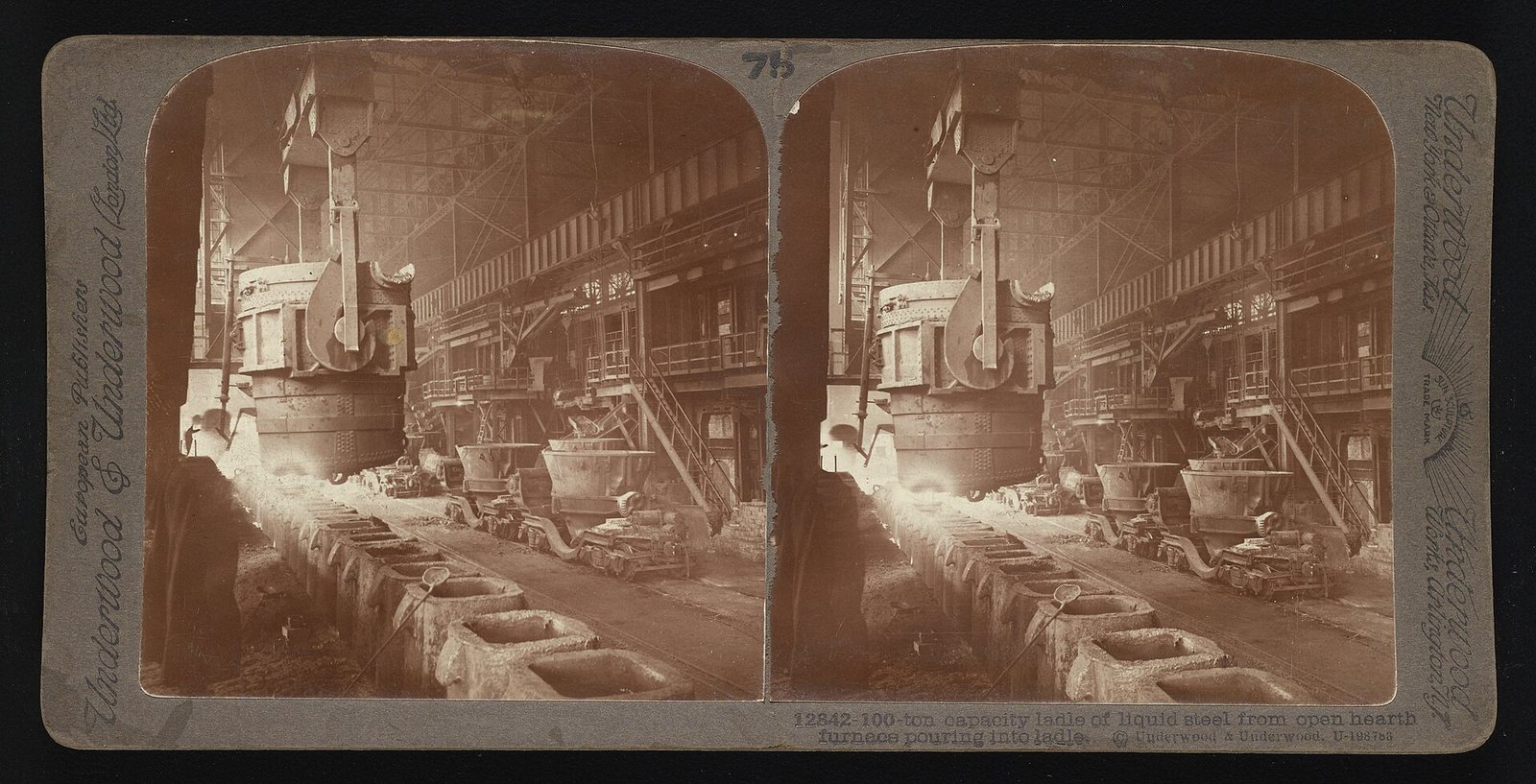
China · Rolling mills хранится у Fabricators (Производитель)
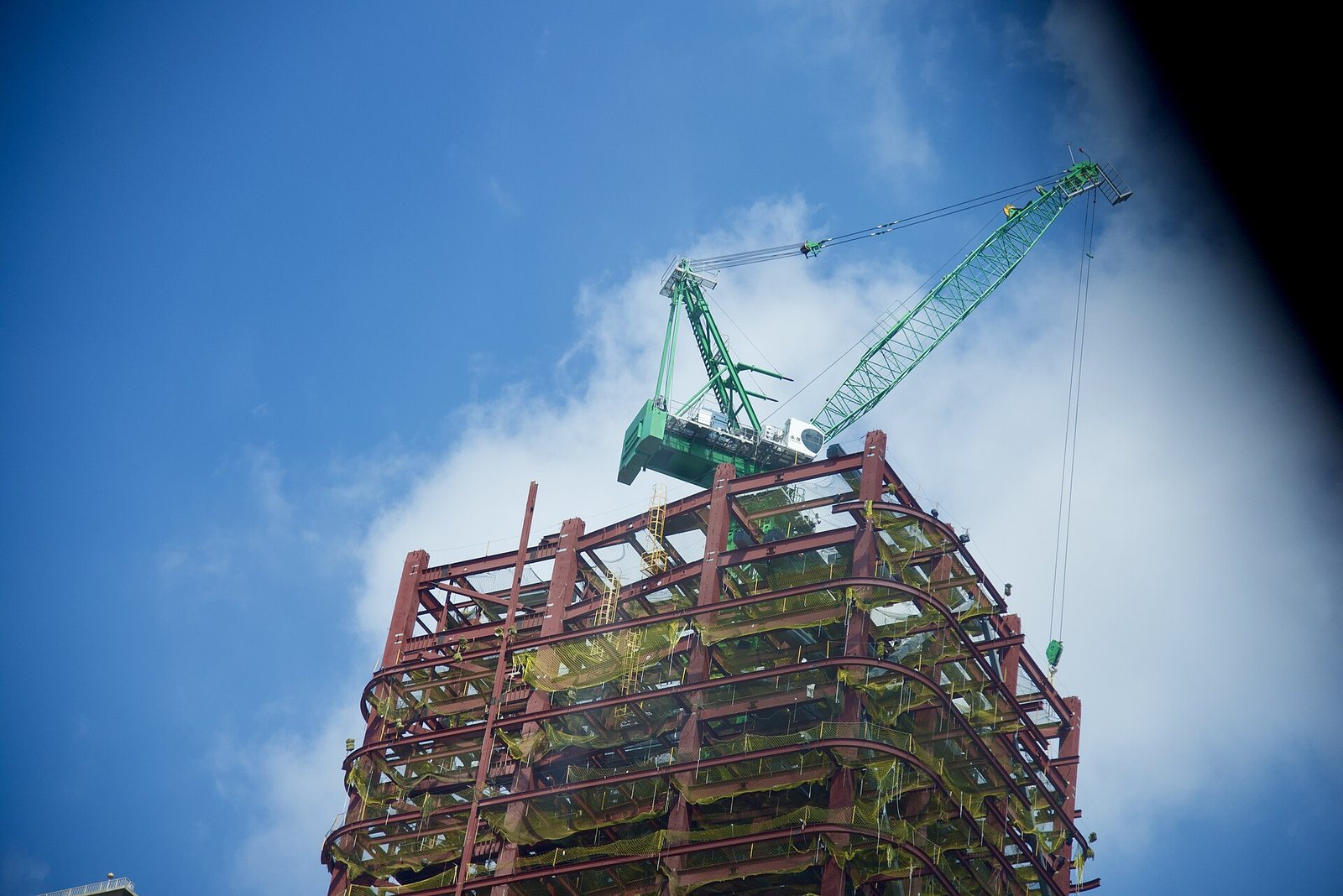
Buildings, cars, rail, ships
Cast, rolled and cut. 620 tonnes of steel is roughly the frame of a mid-rise building, or five hundred cars.
Что произошло с остатком: Steel made from scrap in an electric arc furnace emits a fraction of this route's carbon. How fast steel can decarbonise depends on how much scrap exists — and you cannot recycle steel that has not been built yet.
Почему именно здесь: Two countries, one ocean, and by weight the largest thing humans move.
Это разработанный пример. Он прослеживает заявленное исходное количество материала через типовые опубликованные выходы и коэффициенты извлечения, поэтому соотношения поддаются проверке; это не запись о конкретной отгрузке. Данные о маршруте — какие страны, какие процессы и почему материал не может быть переработан в другом месте — собраны из общедоступных источников.