Từ quặng đến sản phẩm, có truy xuất nguồn gốc
The Materials Atlas
Vật liệu Mỏ & mỏ quặng Chế biến & tinh luyện Các hành trình quyền sở hữu Các chuỗi cung ứng Công ty Quốc gia Tin tức
Vật liệu theo kệ Vật liệu pin Nguyên tố đất hiếm Đồng & Điện Vật liệu bán dẫn Vật liệu hạt nhân Hàng không vũ trụ & Quốc phòng Kim loại quý Thép & Kim loại hợp kim Khoáng vật công nghiệp Khoáng sản nông nghiệp Nguyên liệu thô năng lượng Các khoáng vật quặng Bảng tuần hoàn
Nhu cầu Các thị trường đầu ra Công nghệ Máy tính vật liệu Bản đồ Bộ lọc
Tìm hiểu & công cụ Tìm hiểuBảng thuật ngữ Hỏi dữ liệuTác nhân AI Nghiên cứu & dữ liệuAPI ★ Đã lưu
Giới thiệu Về chúng tôiPhương pháp luận Nguồn dữ liệuLiên hệ Tuyên bố miễn trách nhiệm
Tùy chọn đọc
🧭 Chế độ xem có hướng dẫn Mới với lĩnh vực này — hàm lượng quặng, quặng tinh, tinh luyện, sản phẩm phụ? Chúng tôi giải thích mọi thuật ngữ khi bạn duyệt, bằng ngôn ngữ dễ hiểu. Cùng dữ liệu đó, với phần hỗ trợ được tích hợp sẵn.
⚡ Chế độ xem chuyên gia Bạn đã hiểu ngành. Chỉ cần dữ liệu — rõ ràng, nhanh và gọn, không có giải thích thêm. Đây là chế độ xem mặc định.
Chủ đề
Ngôn ngữ giao diện
Độ sâu Các trang vật liệu được biên soạn ở bốn cấp độ. Chọn một cấp độ trên bất kỳ trang vật liệu nào và lựa chọn đó sẽ được ghi nhớ.
★ Đã lưu Nghiên cứu & dữ liệu
Pilbara iron ore to Chinese steel

Hành trình quyền sở hữu · bắt đầu tại Australia

Pilbara iron ore to Chinese steel

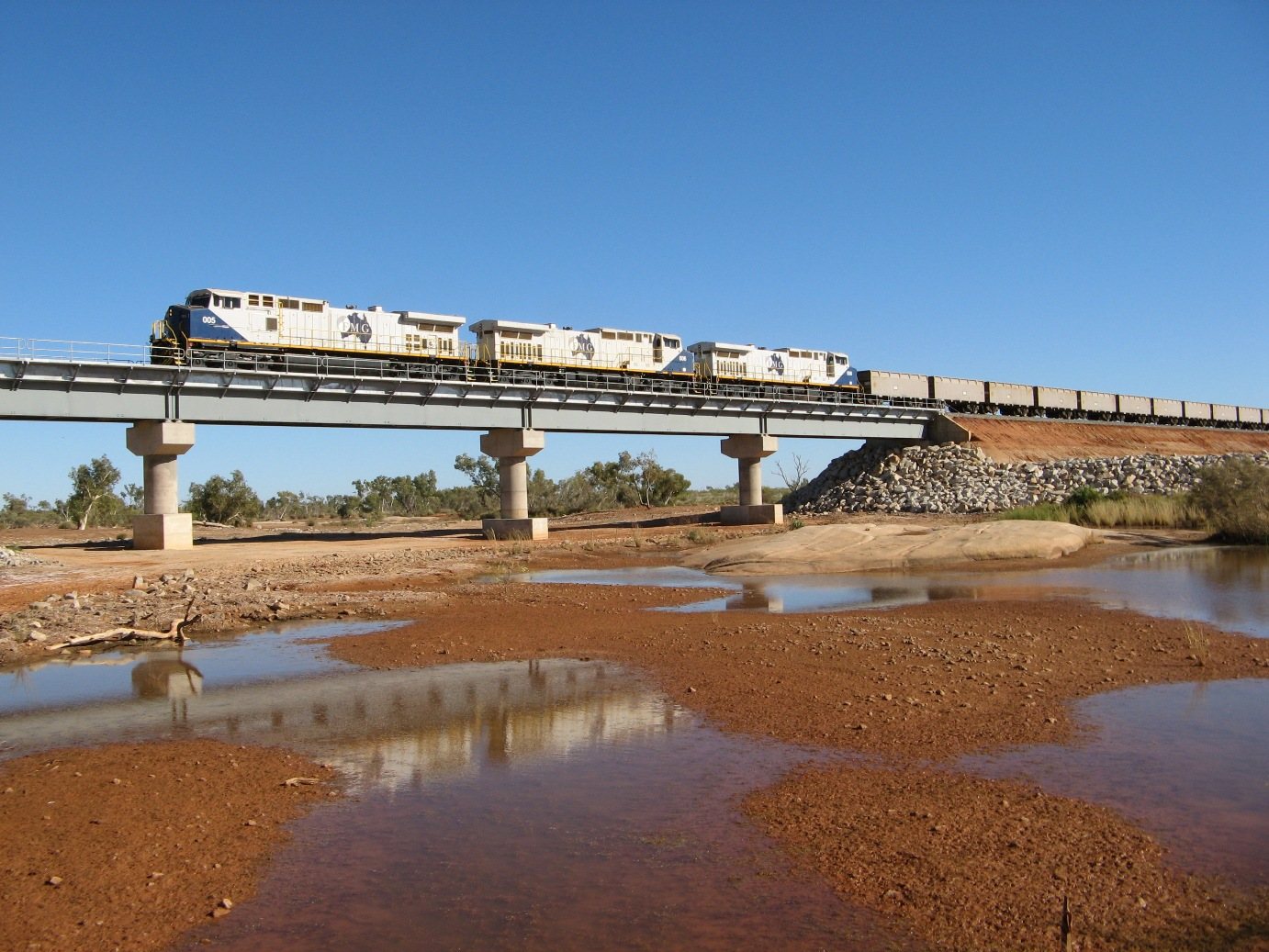
The largest material flow on Earth: dig it, crush it, screen it, and put it on a boat.

FMG Iron Ore Train -2008 · Geez-oz · CC BY-SA 3.0 · Wikimedia Commons
1,000 tonnes of iron ore as mined
620 tonnes of crude steel
Australia → China · Rail then Capesize Australia — Blast, load, haul 1 Australia China — Rail, port, Capesize 2 China
Được đánh số theo thứ tự vật liệu di chuyển. Nhấp vào một quốc gia để mở trang của quốc gia đó. Phép chiếu equirectangular vẽ từ tâm các quốc gia — các cung thể hiện những biên giới được vượt qua, không phải tuyến đường hàng hải thực tế.

Thực chất đang vận chuyển gì

Pilbara hematite is rich enough to ship almost as it comes out of the ground. There is no flotation, no smelting, no chemistry at the mine — just crushing and screening, a private heavy-haul railway and a purpose-built port. All the transformation happens on another continent.

Vật liệu
Iron Ore
Loại
Direct-shipping hematite fines, around 62% iron
Nơi bắt đầu
Australia — The Pilbara, where banded iron formation was laid down over two billion years ago
Tại sao tuyến đường này chứ không phải tuyến khác. Direct-shipping ore is the exception in mining: the rock is already good enough. That is why the Pilbara moves more tonnage than any other district and why the value added in Australia per tonne is so small.
Mắt xích hẹp nhất. Coking coal, oddly enough. The blast furnace needs carbon as a chemical reductant, not just as fuel, and that is the hardest part of steel to replace.
Đọc hai con số trên mỗi bước: lượng đầu vào và lượng đầu ra. Quan sát chúng giảm dần mới là điều cốt lõi. Đến cuối hành trình, bạn sẽ đã theo dõi hàng nghìn tấn đá thu lại thành vài kilôgam chất thực sự phát huy tác dụng.

Từng bước một, từng biên giới một

01 Khai thác 1,000tonnes

Australia · Pilbara, Western Australia được nắm giữ bởi Rio Tinto, BHP, FMG and others (Công ty khai thác)

Blast, load, haul

Enriched hematite is drilled, blasted and hauled — much of it by autonomous trucks and driverless trains.

1,000 tonnesore 1,000 tonnesore to the crusher

Tại sao tại đây: Weathering leached the silica out of ancient banded iron formation and left almost pure hematite behind.
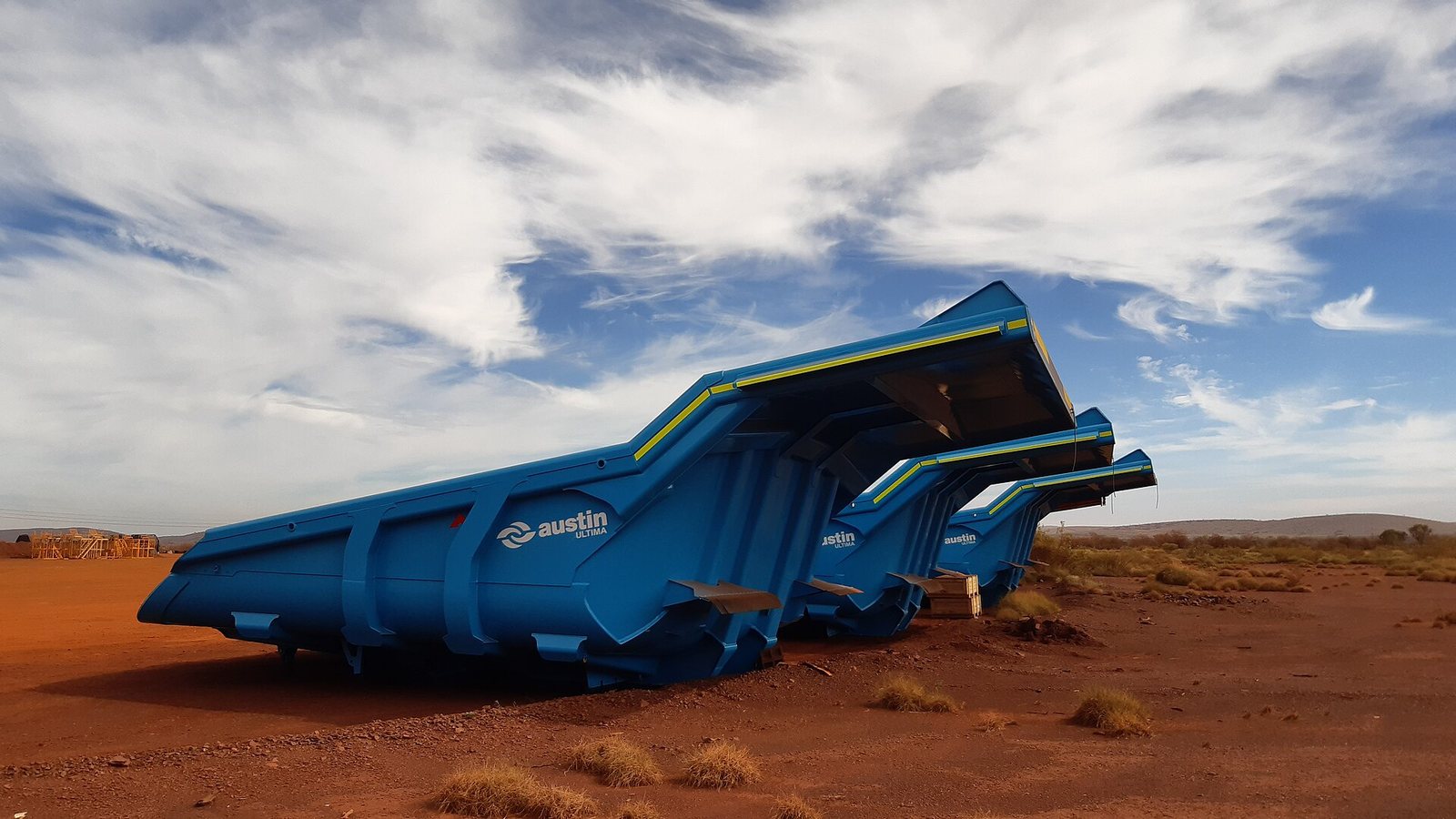
Blast, load, haul
Haul truck trays to be fitted at the Br… · CC BY-SA 4.0 via Wikimedia Commons
02 Chuẩn bị 990tonnes

Australia · Mine-site plant được nắm giữ bởi Miners (Công ty khai thác)

Crush and screen. That is all.

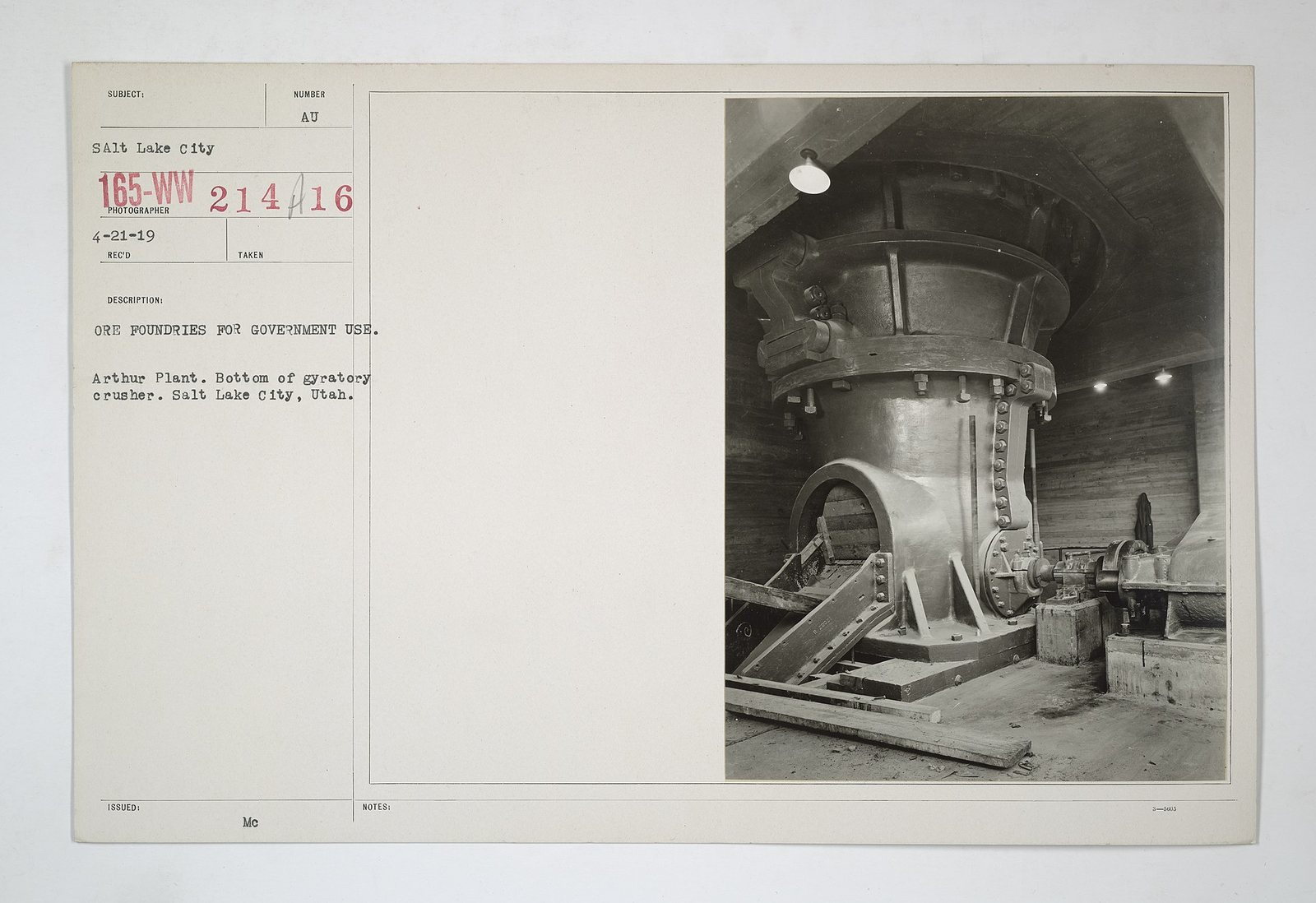
Crushed and screened into lump and fines. No concentration is needed — the ore is already close to a saleable grade.

1,000 tonnesore 990 tonneslump and fines

Những gì xảy ra với phần còn lại: Almost nothing is discarded. Compare that with copper, where 984 tonnes in 1,000 go to tailings.

Tại sao tại đây: Where the ore is good enough to ship, nobody builds a plant.
hours Hematite →
Crush and screen. That is all.
Industries of War - Metals - Iron - Ore… · Public domain via Wikimedia Commons
03 Vận tải 990tonnes

China · Port Hedland to Chinese mills được nắm giữ bởi Miners and steelmakers (Nhà kinh doanh)

Rail, port, Capesize

Trains up to 2.5 km long run to a private port, and Capesize bulkers sail to China. This is the highest-tonnage trade route on the planet.

990 tonnesore 990 tonnesdelivered

Tại sao tại đây: The steel mills are in Asia and the ore is in Australia. The whole business is logistics.
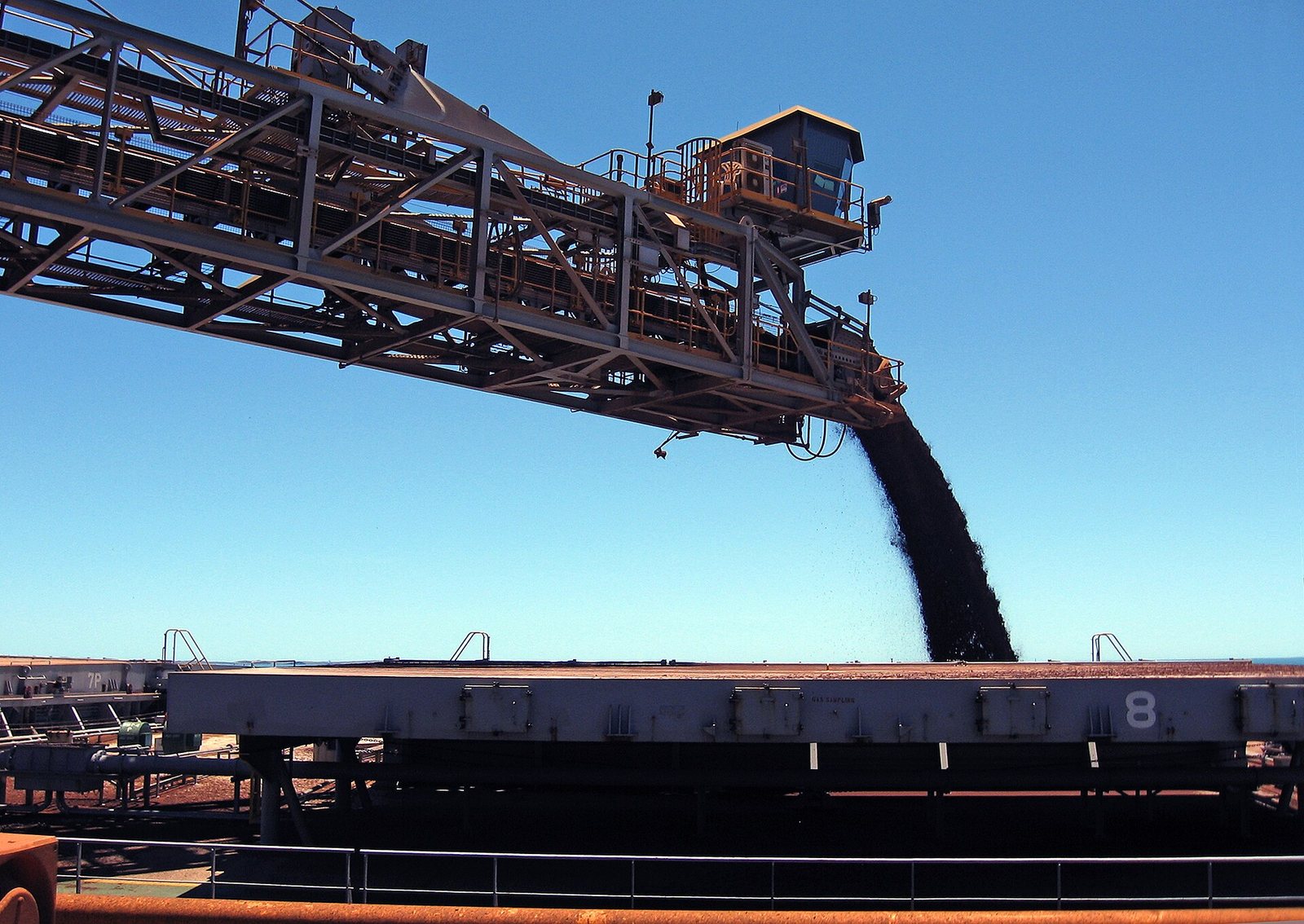
Rail then Capesize · ~2 weeks at sea ~2 weeks Port Hedland →
Rail, port, Capesize
CSIRO ScienceImage 11678 A Rio Tinto ir… · CC BY 3.0 via Wikimedia Commons
04 Chế biến 640tonnes

China · Integrated steelworks được nắm giữ bởi Steelmaker (Nhà sản xuất)

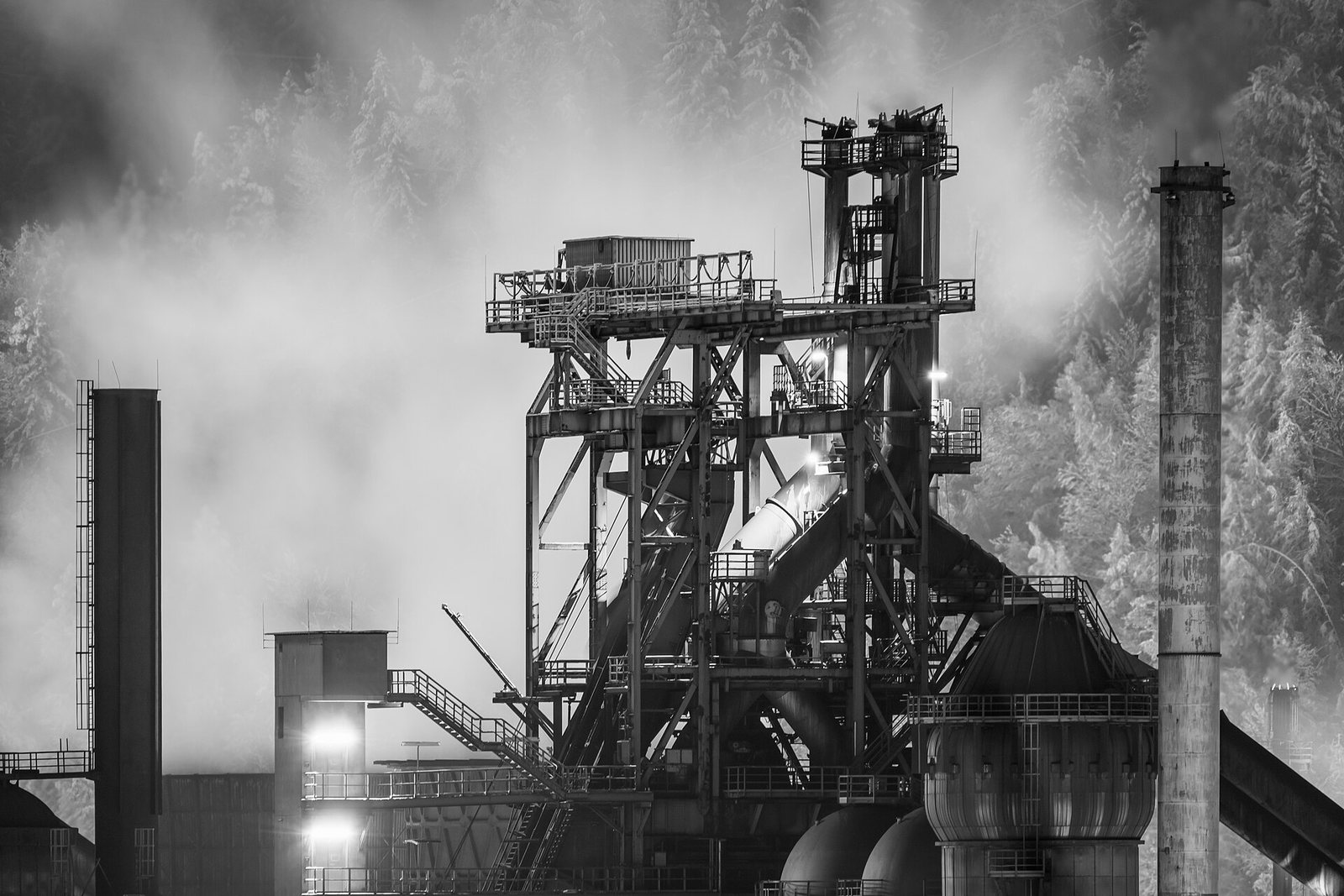
Sinter, coke, and a blast furnace

Fines are sintered into lumps; coking coal is baked into coke. In the furnace the carbon strips the oxygen off the iron oxide — a chemical reaction, not just heat.

990 tonnesiron ore 640 tonneshot metal

Những gì xảy ra với phần còn lại: Roughly 500 kg of coking coal per tonne of hot metal, and the CO2 that comes with it. This reaction is why steel is hard to decarbonise.

Tại sao tại đây: Integrated steelworks sit next to ports and next to demand.
Con đường không được chọn The other great bulk trade Same shape, different metal, and a different reason the value is added abroad.
Sinter, coke, and a blast furnace
DSC03739 Blast Furnace 1 at Night, voes… · CC BY 4.0 via Wikimedia Commons
05 Thành phần 620tonnes

China · Basic oxygen furnace được nắm giữ bởi Steelmaker (Nhà sản xuất)

Blowing the carbon back out

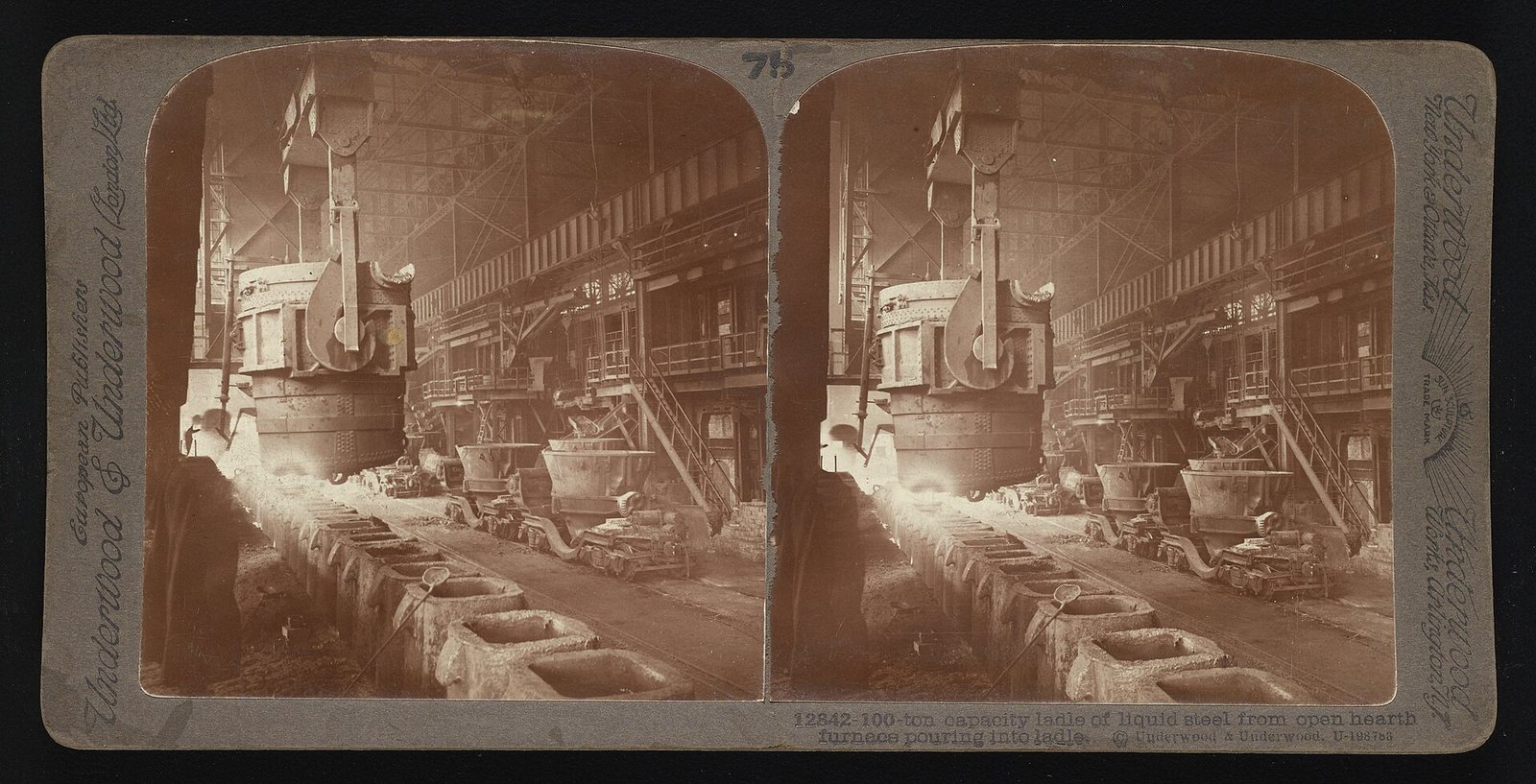
Oxygen is blown through the hot metal to burn the carbon down to a few tenths of a percent. Manganese goes in — every tonne of steel needs some — and then whatever else the grade calls for: chromium, nickel, niobium, vanadium.

640 tonneshot metal 620 tonnescrude steel

Tại sao tại đây: Steel is the alloy where a dozen other materials in this atlas quietly end up.

under an hour Manganese →
Blowing the carbon back out
100-ton capacity ladle of liquid steel … · Public domain via Wikimedia Commons
06 Thị trường đầu ra 620tonnes

China · Rolling mills được nắm giữ bởi Fabricators (Nhà sản xuất)

Buildings, cars, rail, ships

Cast, rolled and cut. 620 tonnes of steel is roughly the frame of a mid-rise building, or five hundred cars.

620 tonnescrude steel 620 tonnesin service, and recyclable

Những gì xảy ra với phần còn lại: Steel made from scrap in an electric arc furnace emits a fraction of this route's carbon. How fast steel can decarbonise depends on how much scrap exists — and you cannot recycle steel that has not been built yet.

Tại sao tại đây: Two countries, one ocean, and by weight the largest thing humans move.
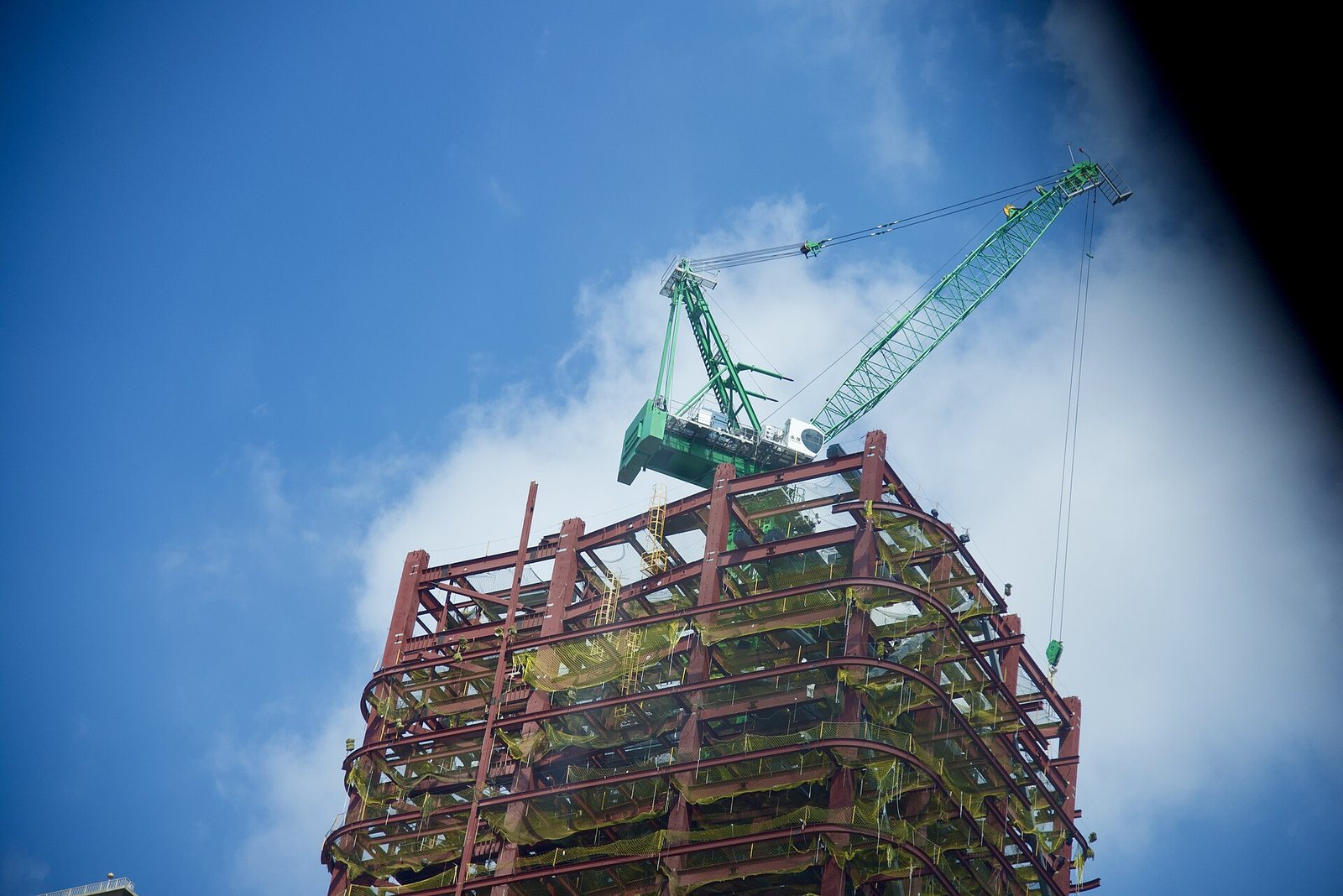
Buildings, cars, rail, ships
Steel frame building under construction… · CC0 via Wikimedia Commons

Đây là một ví dụ minh họa có tính toán. Nó theo dõi một lượng khởi đầu được nêu rõ qua các năng suất và hiệu suất thu hồi điển hình đã công bố, do đó các tỷ lệ có thể kiểm chứng; đây không phải là hồ sơ của một lô hàng cụ thể. Các dữ kiện về tuyến đường — những quốc gia nào, những quy trình nào, và tại sao vật liệu không thể đơn giản được xử lý ở nơi khác — được tổng hợp từ các báo cáo công khai.

Vật liệu

Tất cả vật liệu Khoáng sản thiết yếu Đất hiếm Vật liệu pin Các khoáng vật quặng Bảng tuần hoàn Bộ lọc

Lòng đất

Mỏ & mỏ quặng Chế biến & tinh luyện Quốc gia Bản đồ

Nền kinh tế

Các hành trình quyền sở hữu Các chuỗi cung ứng Các thị trường đầu ra Công nghệ Công ty Máy tính vật liệu

Tìm hiểu

Tìm hiểuBảng thuật ngữ Hỏi dữ liệuTác nhân AI Nghiên cứu & dữ liệuAPI mở Tin tức★ Đã lưu

Về chúng tôi

Về chúng tôiLiên hệ Phương pháp luậnNguồn dữ liệu Chính sách biên tập Chính sách bảo mậtĐiều khoản sử dụng Tuyên bố miễn trách nhiệm