实际流转的物质
Pilbara hematite is rich enough to ship almost as it comes out of the ground. There is no flotation, no smelting, no chemistry at the mine — just crushing and screening, a private heavy-haul railway and a purpose-built port. All the transformation happens on another continent.
- 材料
- Iron Ore
- 品种
- Direct-shipping hematite fines, around 62% iron
- 起点
- Australia — The Pilbara, where banded iron formation was laid down over two billion years ago
逐步追踪,逐境跨越
Australia · Pilbara, Western Australia 持有方 Rio Tinto, BHP, FMG and others (矿业公司)
Blast, load, haul
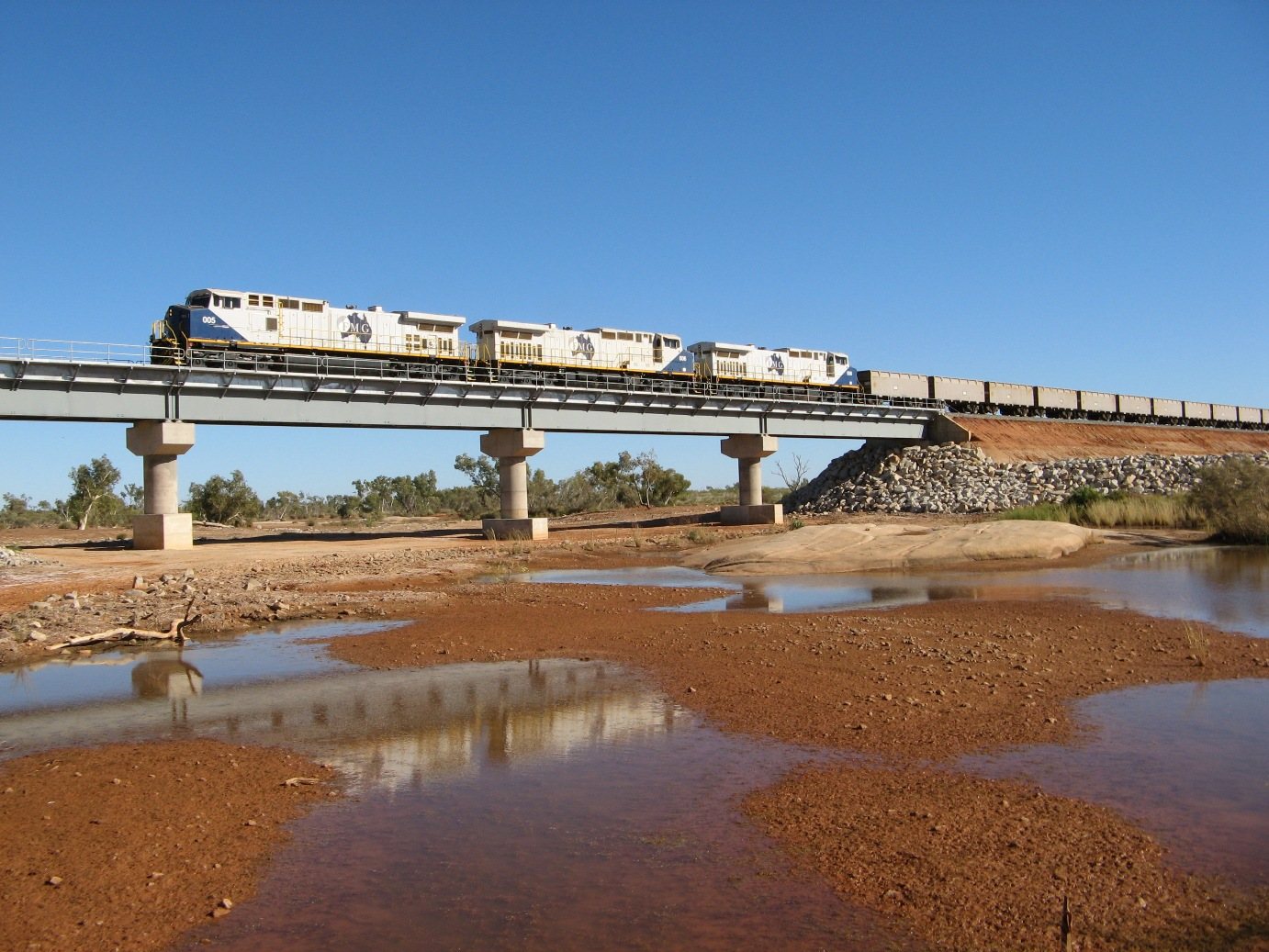
Enriched hematite is drilled, blasted and hauled — much of it by autonomous trucks and driverless trains.
为何选择此地: Weathering leached the silica out of ancient banded iron formation and left almost pure hematite behind.
Australia · Mine-site plant 持有方 Miners (矿业公司)
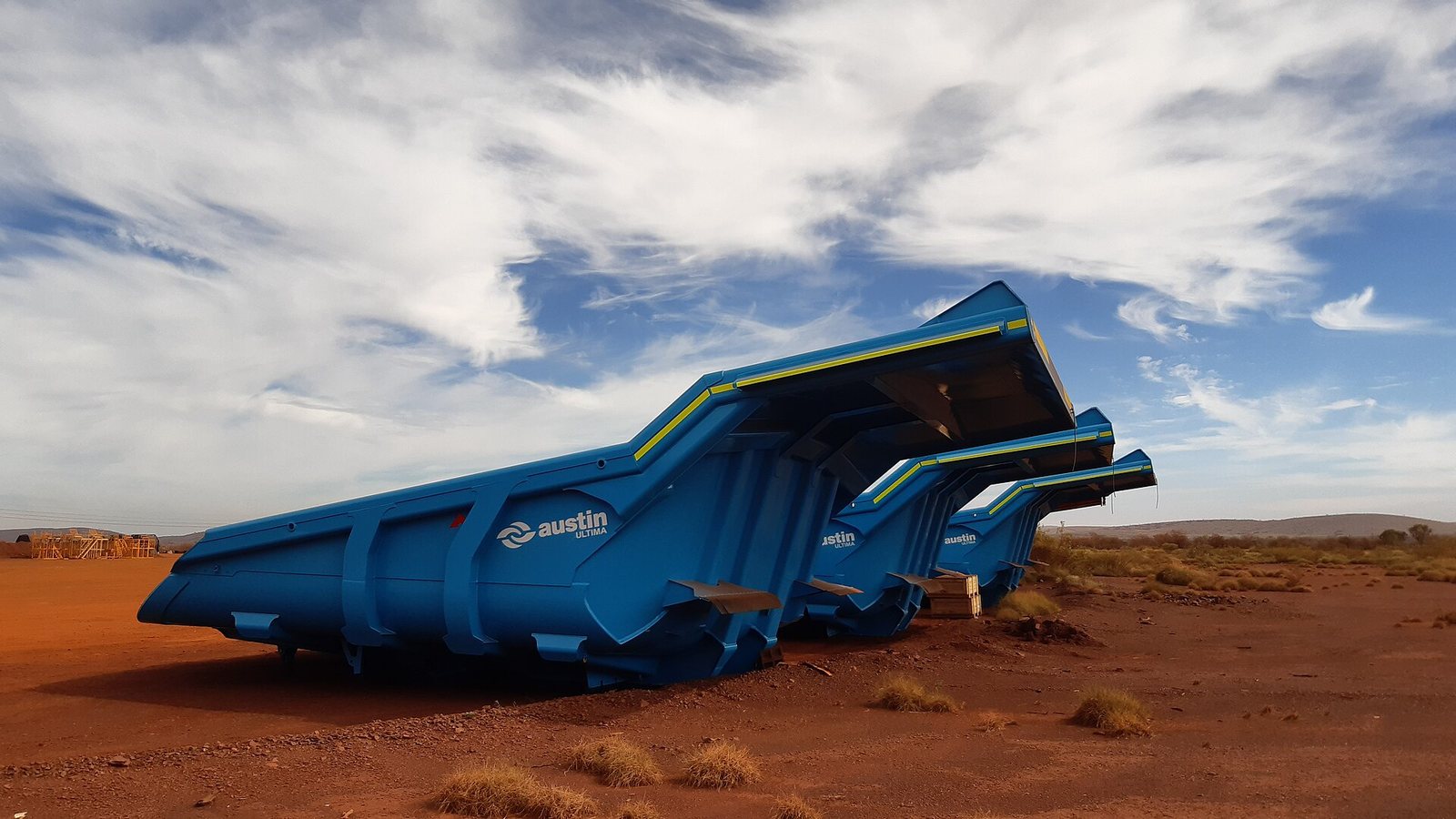
Crush and screen. That is all.
Crushed and screened into lump and fines. No concentration is needed — the ore is already close to a saleable grade.
其余部分的去向: Almost nothing is discarded. Compare that with copper, where 984 tonnes in 1,000 go to tailings.
为何选择此地: Where the ore is good enough to ship, nobody builds a plant.
China · Port Hedland to Chinese mills 持有方 Miners and steelmakers (贸易商)
Rail, port, Capesize
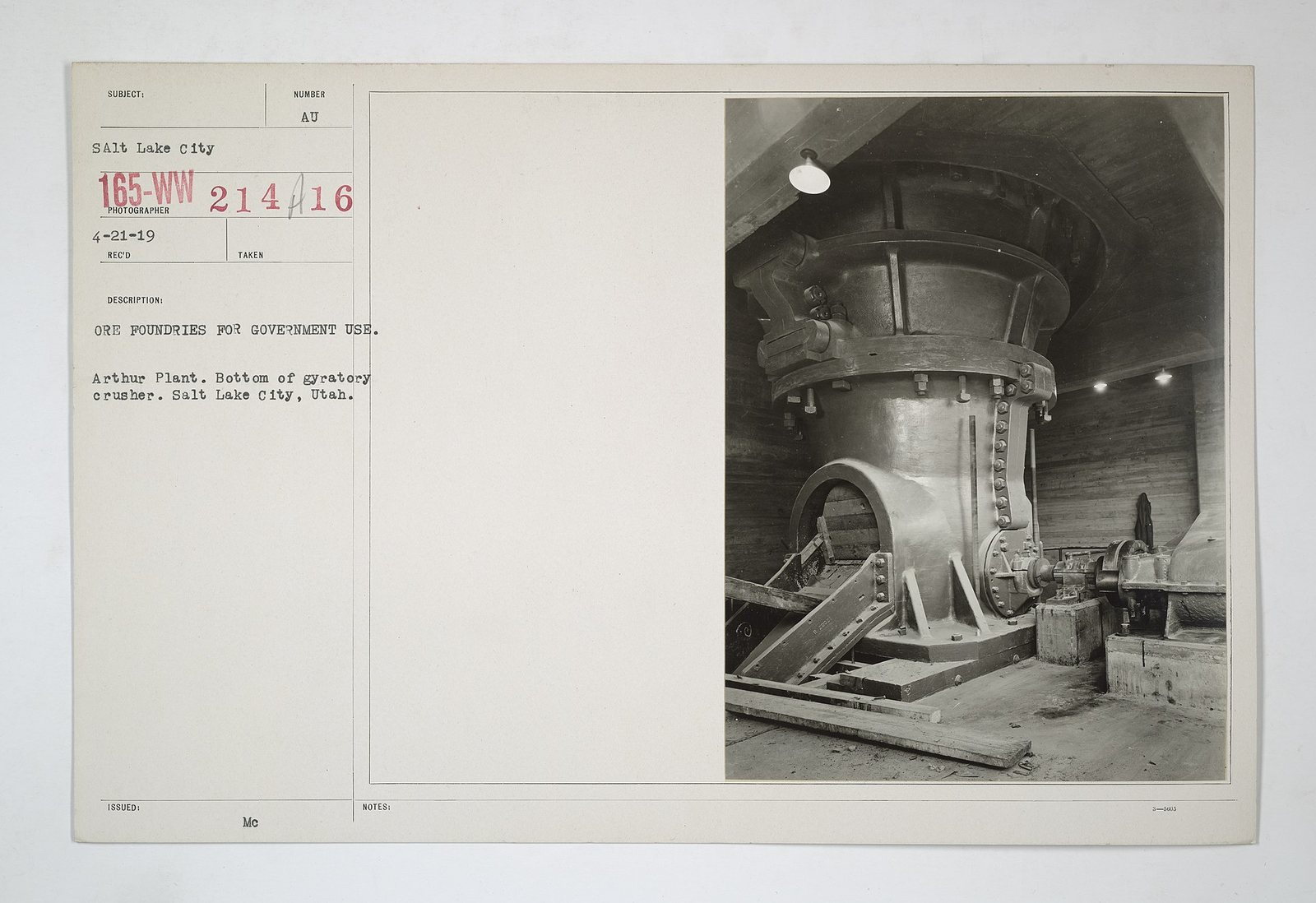
Trains up to 2.5 km long run to a private port, and Capesize bulkers sail to China. This is the highest-tonnage trade route on the planet.
为何选择此地: The steel mills are in Asia and the ore is in Australia. The whole business is logistics.
China · Integrated steelworks 持有方 Steelmaker (制造商)
Sinter, coke, and a blast furnace
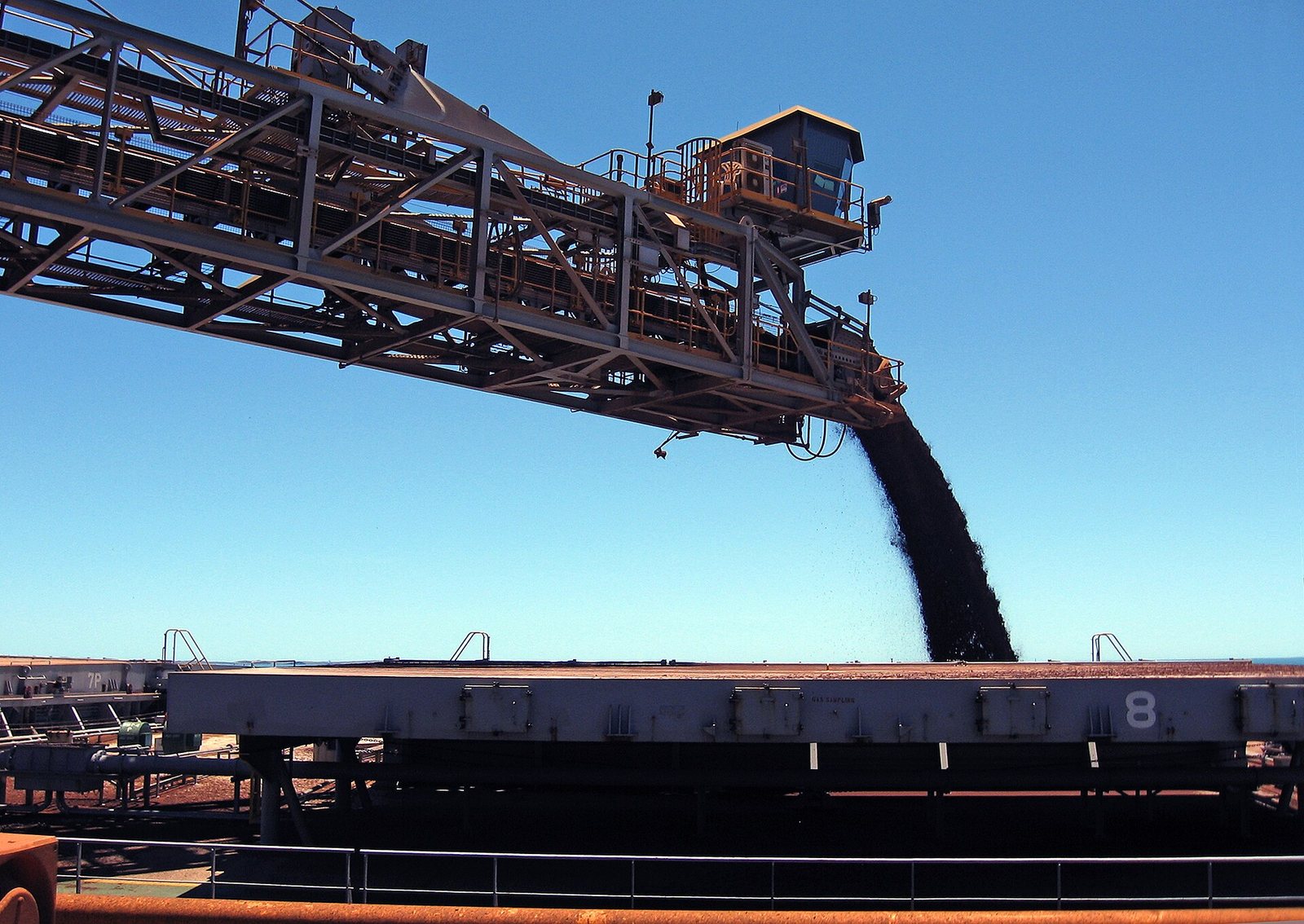
Fines are sintered into lumps; coking coal is baked into coke. In the furnace the carbon strips the oxygen off the iron oxide — a chemical reaction, not just heat.
其余部分的去向: Roughly 500 kg of coking coal per tonne of hot metal, and the CO2 that comes with it. This reaction is why steel is hard to decarbonise.
为何选择此地: Integrated steelworks sit next to ports and next to demand.
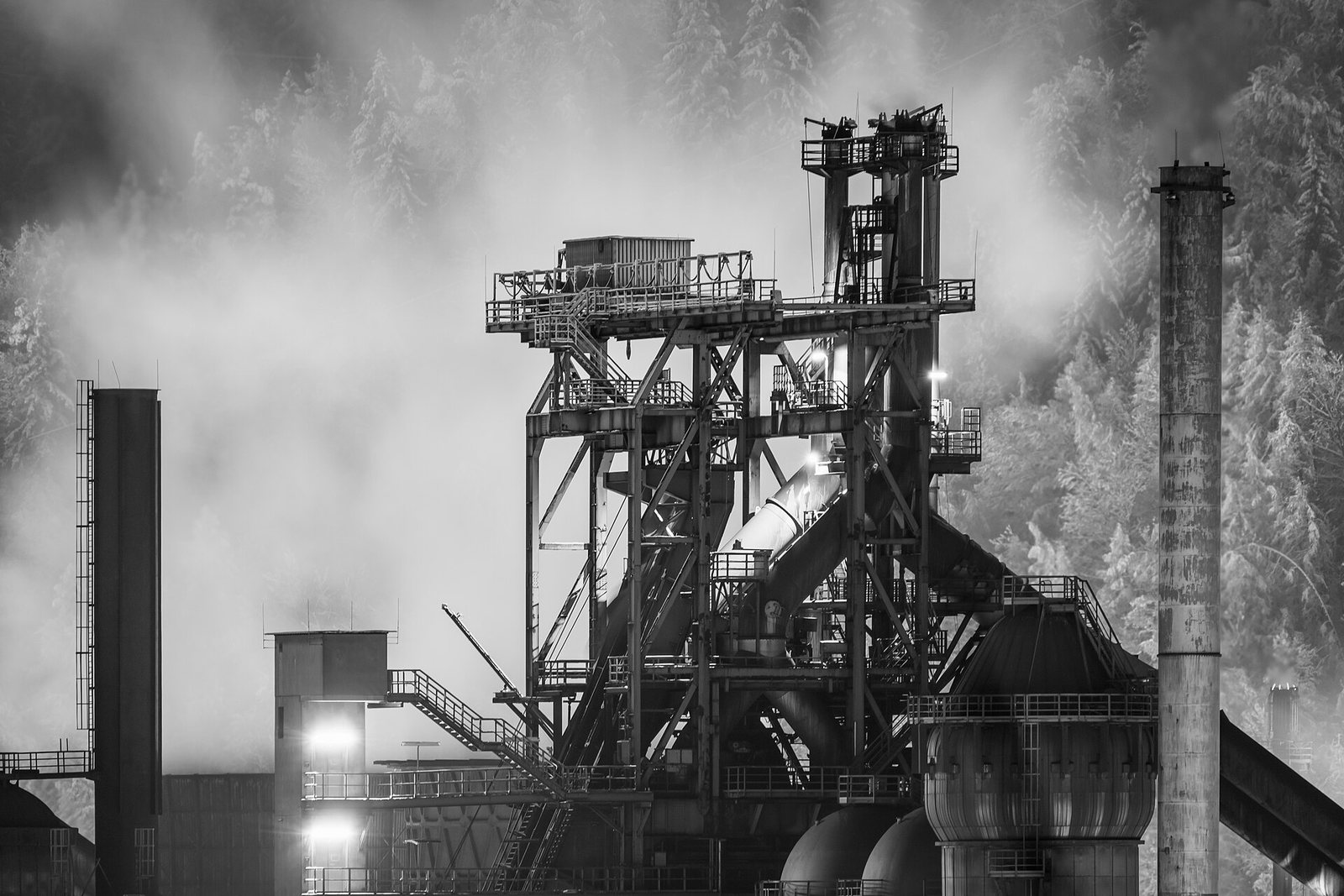
China · Basic oxygen furnace 持有方 Steelmaker (制造商)
Blowing the carbon back out
Oxygen is blown through the hot metal to burn the carbon down to a few tenths of a percent. Manganese goes in — every tonne of steel needs some — and then whatever else the grade calls for: chromium, nickel, niobium, vanadium.
为何选择此地: Steel is the alloy where a dozen other materials covered here quietly end up.
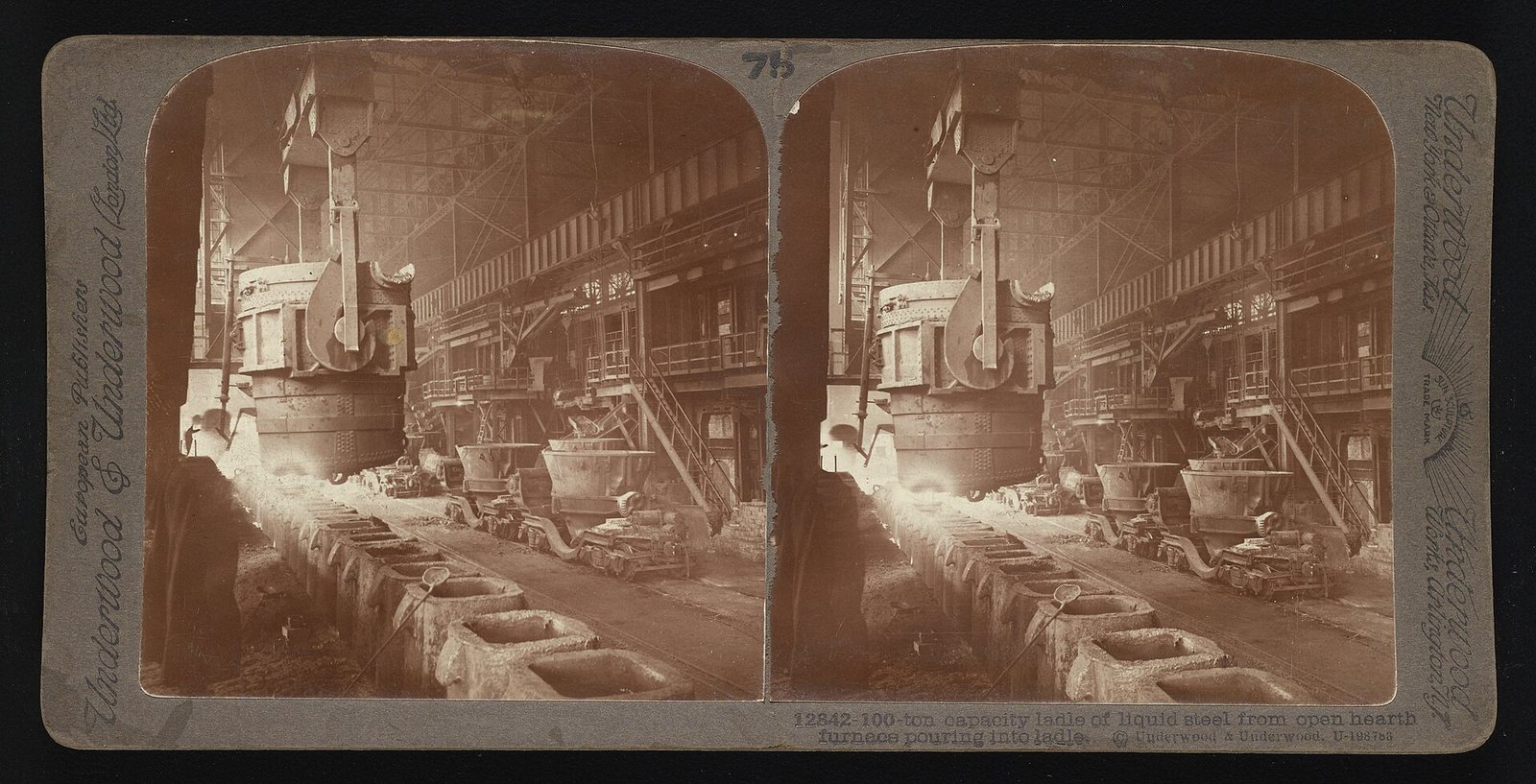
China · Rolling mills 持有方 Fabricators (制造商)
Buildings, cars, rail, ships
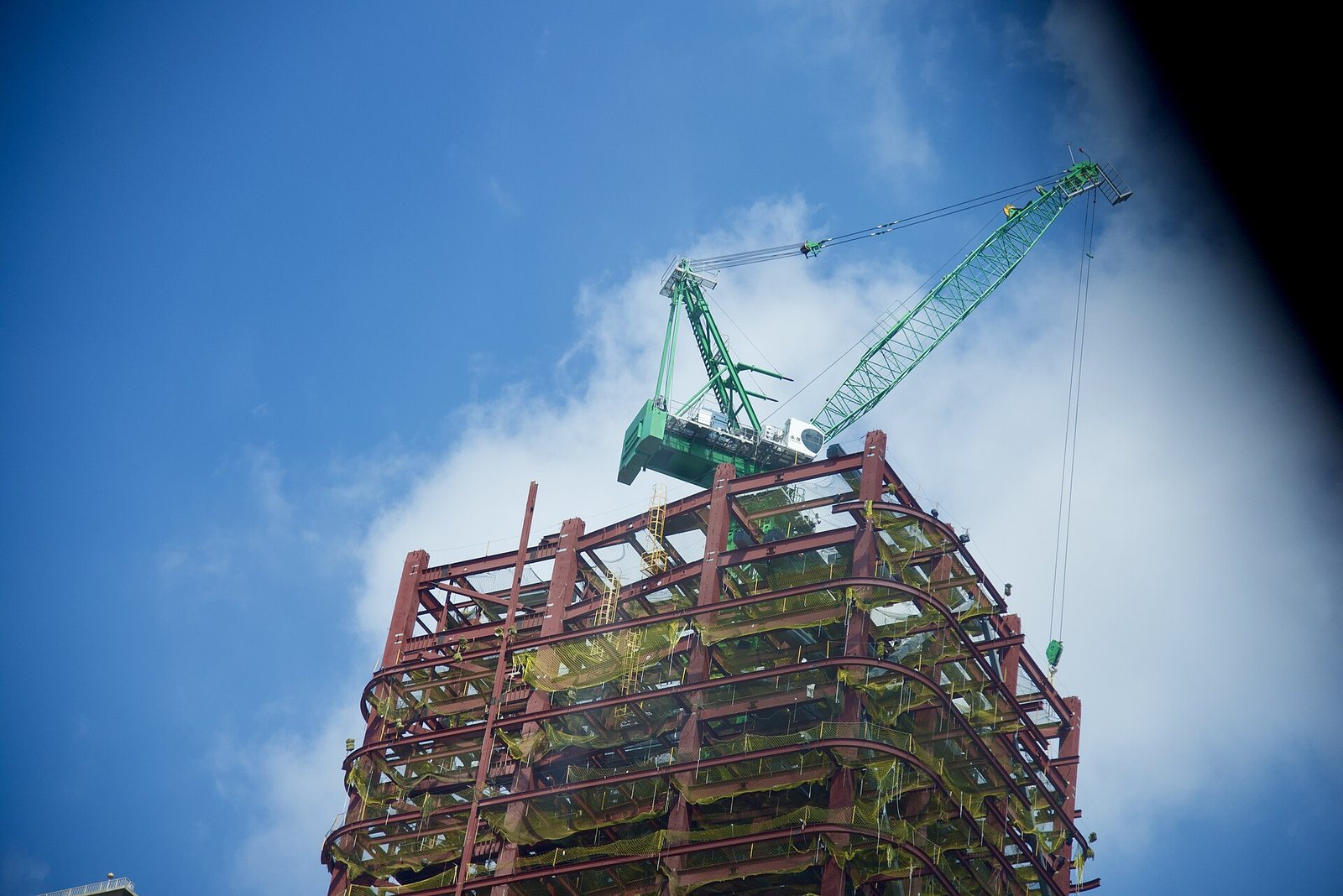
Cast, rolled and cut. 620 tonnes of steel is roughly the frame of a mid-rise building, or five hundred cars.
其余部分的去向: Steel made from scrap in an electric arc furnace emits a fraction of this route's carbon. How fast steel can decarbonise depends on how much scrap exists — and you cannot recycle steel that has not been built yet.
为何选择此地: Two countries, one ocean, and by weight the largest thing humans move.
本文为示例演算,以公开的典型产率和回收率对既定起始量逐步推算,各比例可供核验;这不是某批具体货物的记录。路线事实——途经哪些国家、经历哪些工序,以及为何该材料不能在其他地方简单处理——均来源于公开报道。