Vom Gestein zum Produkt, nachverfolgt
The Materials Atlas
Materialien Bergwerke & Lagerstätten Aufbereitung & Raffination Verbleibsrouten Lieferketten Unternehmen Länder Nachrichten
Materialien nach Regal Batteriematerialien Seltene-Erden-Elemente Kupfer & Elektro Halbleitermaterialien Nuklearmaterialien Luft- und Raumfahrt & Verteidigung Edelmetalle Stahl & Legierungsmetalle Industrieminerale Agrarmineralien Energierohstoffe Erzminerale Periodensystem
Nachfrage Endmärkte Technologien Materialrechner Karten Screener
Lernen & Werkzeuge LernenGlossar Die Daten befragenKI-Agenten Forschung & DatenAPI ★ Gespeichert
Über Über unsMethodik DatenquellenKontakt Haftungsausschluss
Leseoptionen
🧭 Geführte Ansicht Neu dabei – Erzgehalte, Konzentrat, Raffination, Nebenprodukte? Wir erläutern jeden Begriff beim Stöbern, in verständlicher Sprache. Dieselben Daten, mit integrierter Hilfe.
⚡ Expertenansicht Sie kennen die Branche. Nur die Daten – bereinigt, schnell und kompakt, ohne zusätzliche Erläuterungen. Dies ist die Standardansicht.
Thema
Oberflächensprache
Tiefe Materialseiten sind auf vier Ebenen verfasst. Wählen Sie eine auf einer beliebigen Materialseite aus — sie wird gespeichert.
★ Gespeichert Forschung & Daten

Verbleibsroute · beginnt in China

Southern Chinese clay to the dysprosium that lets a magnet run hot

Grades under a tenth of a percent, and almost the only heavy rare earths on the market.

1,000 tonnes of clay in the hillside
15 kg of dysprosium oxide
China → Germany China — Leaching the hill in place 1 China Germany — A motor that can get hot 2 Germany
In der Reihenfolge nummeriert, in der das Material transportiert wird. Ein Land anklicken, um dessen Seite zu öffnen. Äquidistante Zylinderprojektion auf Basis von Länderschwerpunkten — die Bögen zeigen, welche Grenzen überschritten werden, nicht den tatsächlichen Seeweg.

Was tatsächlich transportiert wird

Heavy rare earths do not come from a conventional orebody. They come from weathered granite where the metal ions cling loosely to clay, and they are recovered by washing a salt solution through the hillside. The grade is tiny; the strategic weight is enormous.

Das Material
Dysprosium
Die Varietät
Ion-adsorption clay, very low grade, unusually rich in heavy rare earths
Wo es beginnt
China — Weathered granite hills in Jiangxi, Guangdong and Fujian
Warum diese Route und keine andere. In these clays the rare earths are adsorbed onto clay surfaces rather than locked in a crystal, so a simple salt solution displaces them. That is why a deposit at 0.05% can be economic when a hard-rock deposit at ten times the grade is not. No comparable heavy-rare-earth resource is in commercial production elsewhere.
Das engste Glied. This is the chokepoint. Dysprosium and terbium have essentially one source region and one separation industry.
Die zwei Zahlen an jedem Schritt zeigen: was hineinging und was herauskam. Ihrem Schrumpfen zuzusehen ist der Kern der Sache. Am Ende hat man tausend Tonnen Gestein bis auf wenige Kilogramm des eigentlich wirksamen Stoffs verfolgt.

Schritt für Schritt und Grenze für Grenze

01 Gewinnung 800kg

China · Jiangxi and Guangdong gehalten von State-consolidated producers (Staatlicher Produzent)

Leaching the hill in place

Ammonium sulfate solution is injected into the weathered granite and collected downslope. The rare-earth ions swap places with ammonium on the clay and come out in solution. Nothing is blasted and, in modern practice, little is dug.

1,000 tonnesclay at ~0.05–0.2% REO 800 kgmixed rare earths in solution

Was mit dem Rest geschah: Older, uncontrolled in-situ leaching left serious groundwater and slope-stability damage, which is much of why the industry was consolidated under state control.

Warum hier: This deposit type needs a specific granite, a specific climate and millions of years. It is not a matter of looking harder elsewhere.
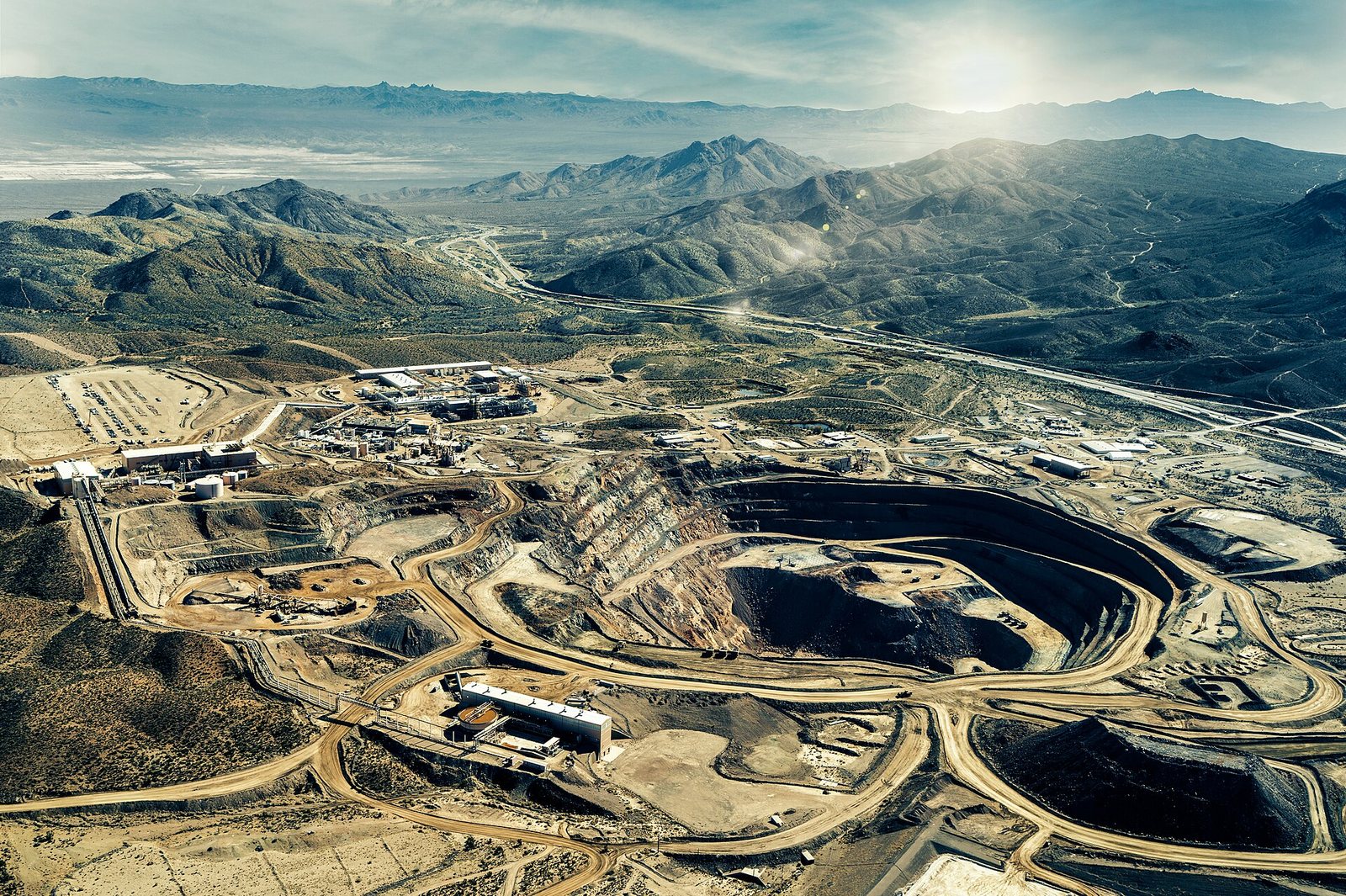
Leaching the hill in place
Mountain Pass Rare Earth Mine & Process… · CC BY-SA 4.0 via Wikimedia Commons
02 Aufbereitung 800kg

China · On site gehalten von Producers (Chemisch)

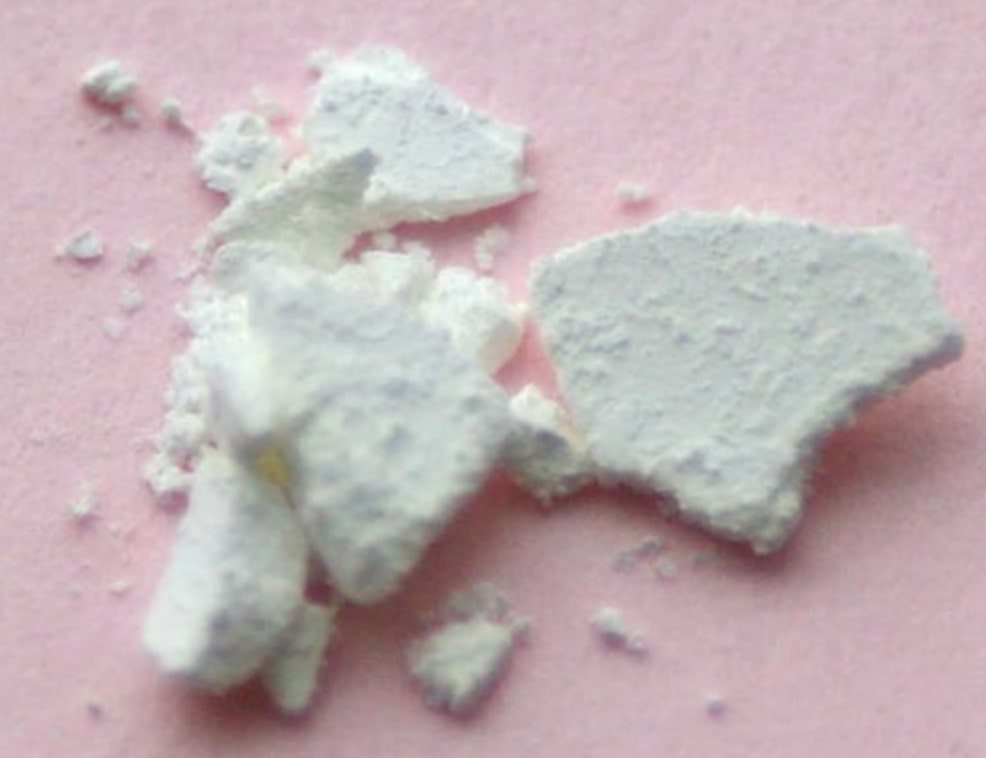
Precipitating a mixed carbonate

The pregnant solution is precipitated into a mixed rare-earth carbonate — the intermediate everything downstream starts from.

800 kgmetal in solution 800 kgmixed carbonate

Warum hier: Concentrating before transport, as always.
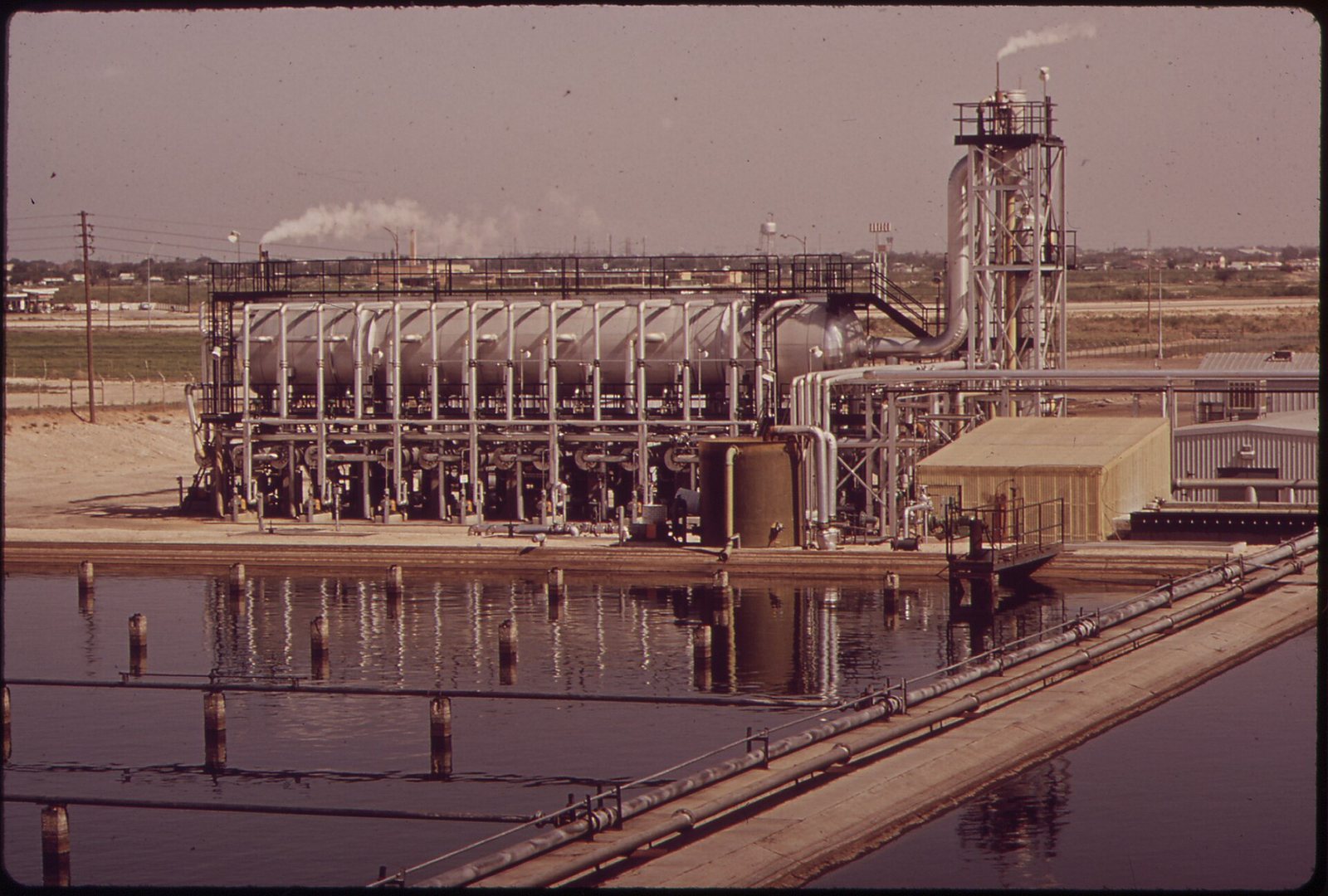
Precipitating a mixed carbonate
COOLING TOWERS AND SETTLING TANKS FOR R… · Public domain via Wikimedia Commons
03 Raffination 15kg

China · Ganzhou, Jiangxi gehalten von China Rare Earth Group and affiliates (Raffineriebetreiber)

Separating the heavies

Solvent extraction, but far harder than for the light rare earths: dysprosium, terbium, holmium and erbium are even more alike than neodymium and praseodymium, so it takes more stages and more patience.

800 kgmixed carbonate 15 kgdysprosium oxide

Was mit dem Rest geschah: Terbium, yttrium, gadolinium and the rest come out alongside. Yttrium is by far the largest fraction; dysprosium and terbium are the ones everyone actually wants.

Warum hier: Heavy separation capacity is concentrated here to a degree unmatched by any other material in this atlas.

Der nicht beschrittene Weg The light rare earths in the same magnet Two routes, two continents, meeting at the magnet press.
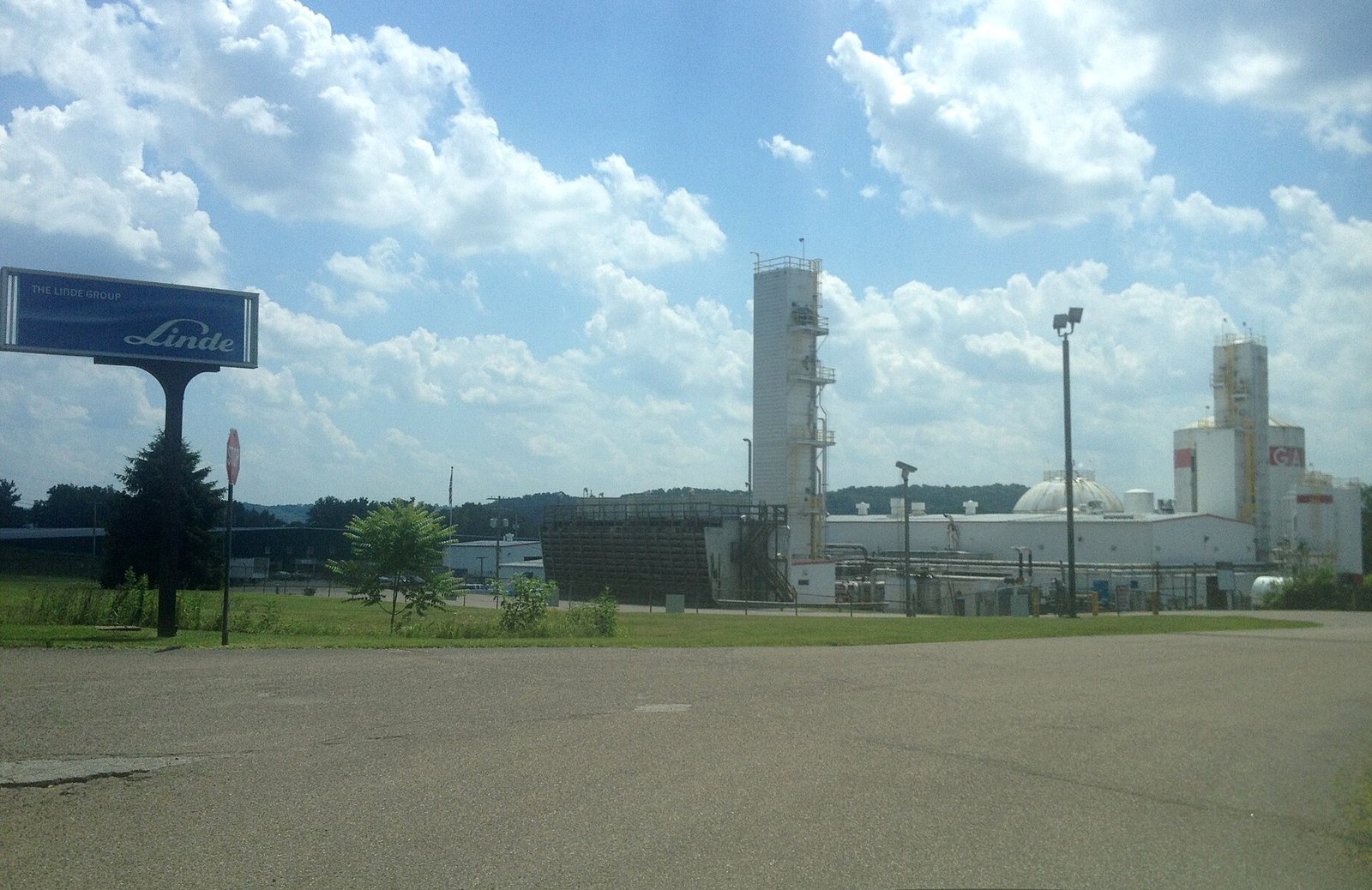
Separating the heavies
Linde (previously AGA) air separation p… · CC BY-SA 3.0 via Wikimedia Commons
04 Komponente 15kg

China · Magnet plants gehalten von Magnet manufacturers (Hersteller)

Diffused into a magnet's grain boundaries

Rather than alloying dysprosium throughout the magnet, it is painted on and diffused into the grain boundaries where it does the most good. The technique cut dysprosium use per magnet several-fold.

15 kgdysprosium oxide 15 kgdysprosium in finished magnets

Was mit dem Rest geschah: This is substitution by engineering rather than by chemistry — same performance, a fraction of the scarce element.

Warum hier: Grain-boundary diffusion is a process advantage held by a small number of manufacturers.
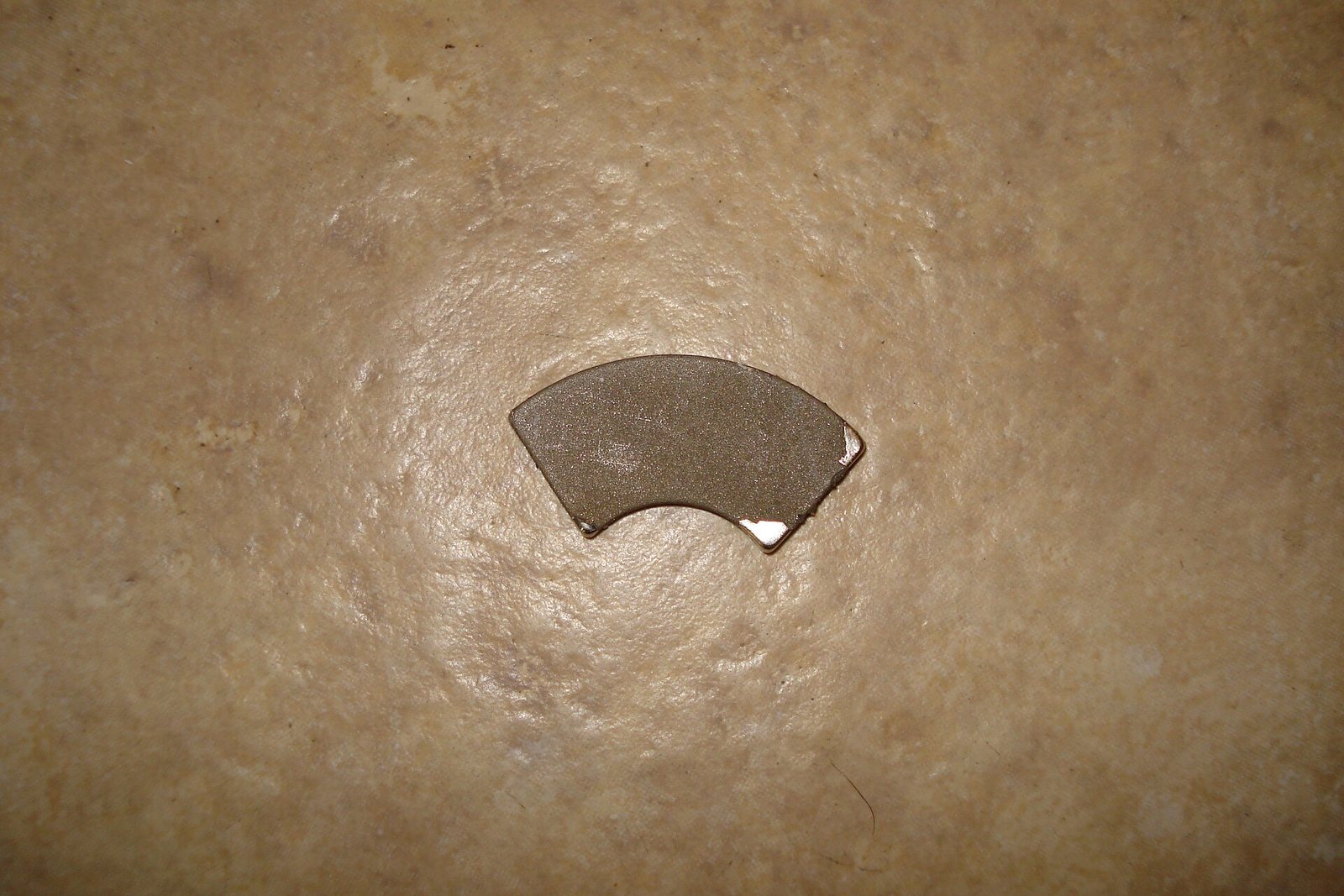
Diffused into a magnet's grain boundaries
Neodymium magnet - 19-11-2010.JPG · Public domain via Wikimedia Commons
05 Endmarkt 15kg

Germany · Traction motors and turbines gehalten von Motor manufacturers (Hersteller)

A motor that can get hot

Without dysprosium a neodymium magnet begins losing strength around 80 °C. A traction motor or a turbine nacelle routinely runs hotter than that. 15 kg is enough for several thousand car motors.

15 kgdysprosium 15 kgin service

Warum hier: A few kilograms of a metal from a Chinese hillside is what lets an electric motor survive a summer traffic jam.
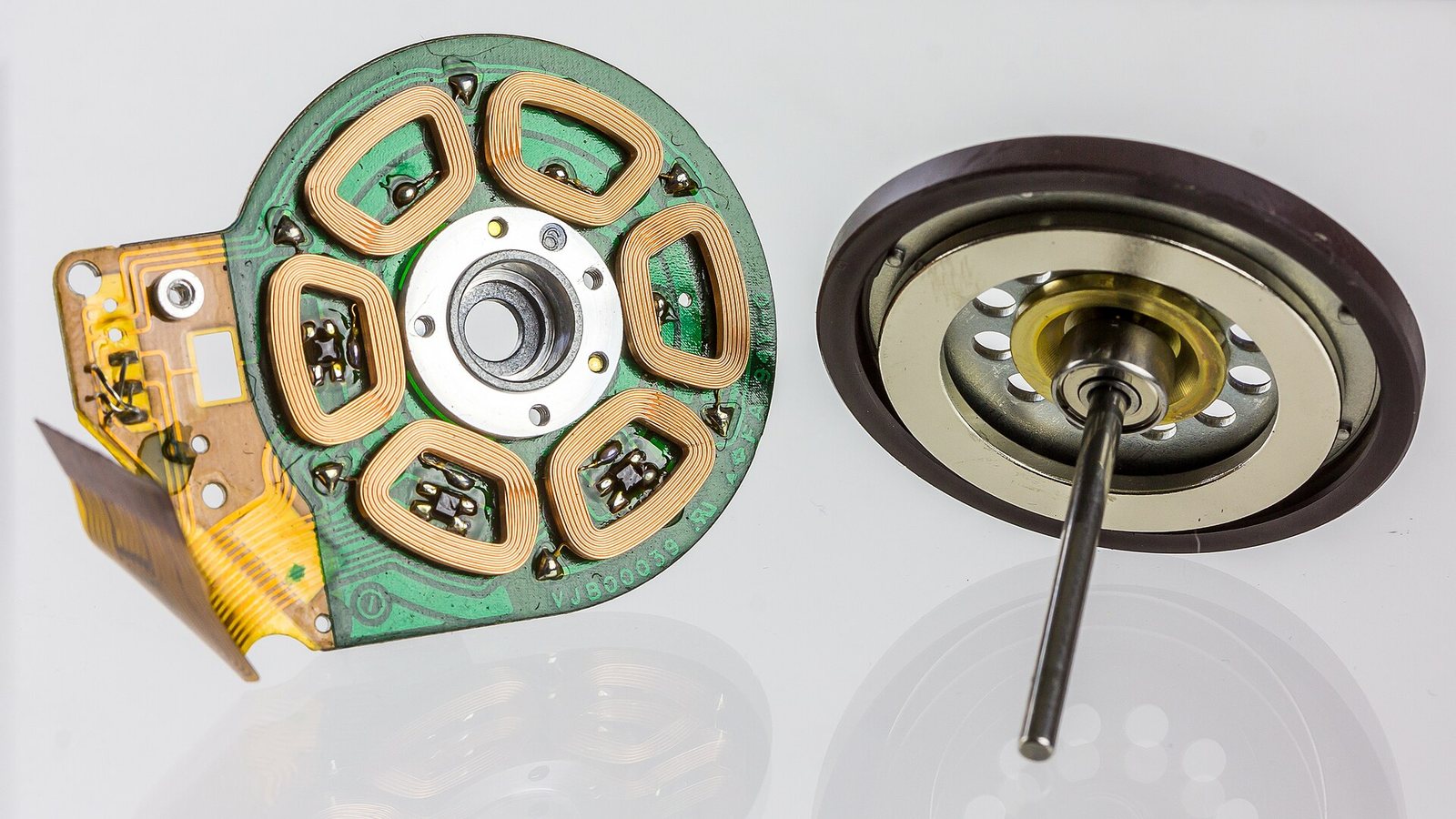
A motor that can get hot
Blaupunkt CR-4500 - drive unit - tape D… · CC BY-SA 4.0 via Wikimedia Commons

Dies ist ein ausgearbeitetes Beispiel. Es verfolgt eine angegebene Ausgangsmenge anhand veröffentlichter typischer Ausbeuten und Ausbringungsgrade, sodass die Verhältnisse nachprüfbar sind; es handelt sich nicht um den Nachweis einer bestimmten Lieferung. Routenfakten — welche Länder, welche Prozesse und warum das Material nicht einfach anderswo verarbeitet werden kann — sind aus öffentlichen Berichten zusammengestellt.

Materialien

Alle Materialien Kritische Mineralien Seltene Erden Batteriematerialien Erzminerale Periodensystem Screener

Das Gestein

Bergwerke & Lagerstätten Aufbereitung & Raffination Länder Karten

Die Wirtschaft

Verbleibsrouten Lieferketten Endmärkte Technologien Unternehmen Materialrechner

Lernen

LernenGlossar Die Daten befragenKI-Agenten Forschung & DatenOffene API Nachrichten★ Gespeichert

Über uns

Über unsKontakt MethodikDatenquellen Redaktionelle Leitlinien DatenschutzrichtlinieNutzungsbedingungen Haftungsausschluss