Cosa si muove effettivamente
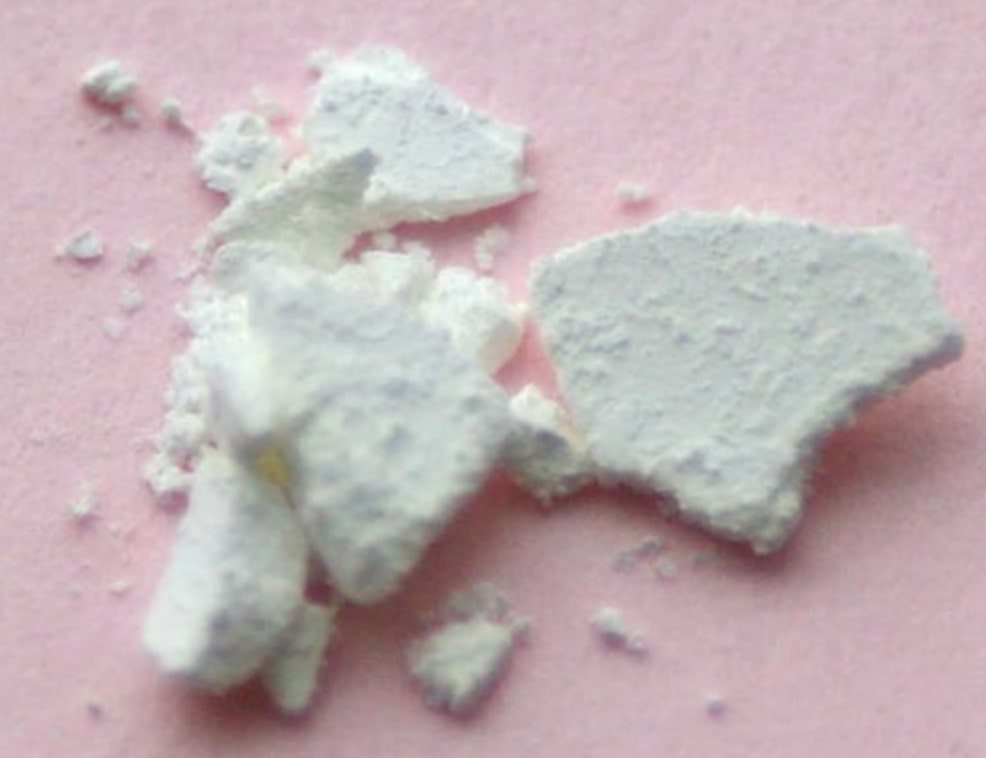
Heavy rare earths do not come from a conventional orebody. They come from weathered granite where the metal ions cling loosely to clay, and they are recovered by washing a salt solution through the hillside. The grade is tiny; the strategic weight is enormous.
- Il materiale
- Dysprosium
- La varietà
- Ion-adsorption clay, very low grade, unusually rich in heavy rare earths
- Dove inizia
- China — Weathered granite hills in Jiangxi, Guangdong and Fujian
Passo dopo passo, confine per confine
China · Jiangxi and Guangdong detenuto da State-consolidated producers (Produttore statale)
Leaching the hill in place
Ammonium sulfate solution is injected into the weathered granite and collected downslope. The rare-earth ions swap places with ammonium on the clay and come out in solution. Nothing is blasted and, in modern practice, little is dug.
Che fine ha fatto il resto: Older, uncontrolled in-situ leaching left serious groundwater and slope-stability damage, which is much of why the industry was consolidated under state control.
Perché qui: This deposit type needs a specific granite, a specific climate and millions of years. It is not a matter of looking harder elsewhere.
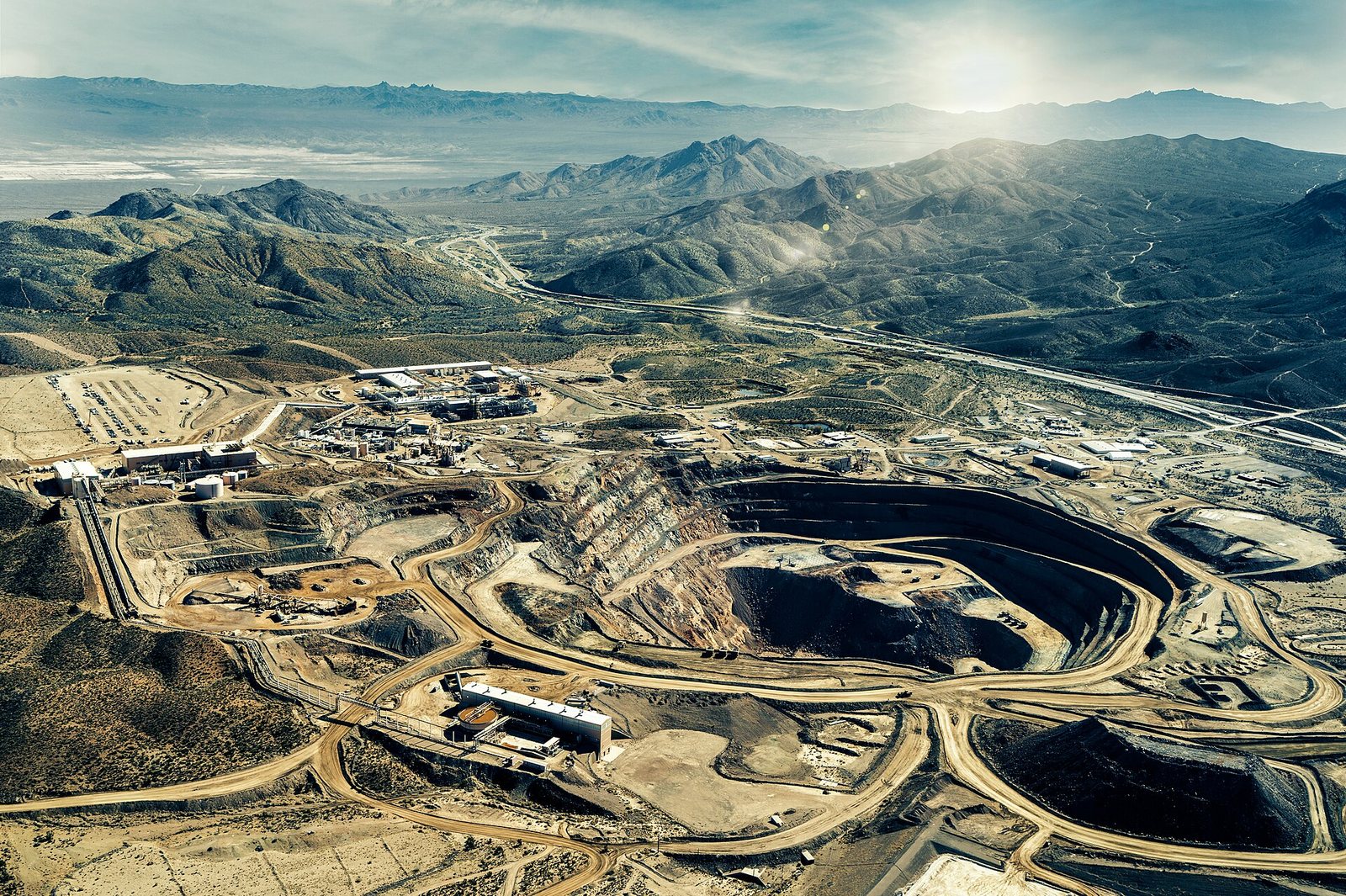
China · On site detenuto da Producers (Chimico)
Precipitating a mixed carbonate
The pregnant solution is precipitated into a mixed rare-earth carbonate — the intermediate everything downstream starts from.
Perché qui: Concentrating before transport, as always.
China · Ganzhou, Jiangxi detenuto da China Rare Earth Group and affiliates (Raffinatore)
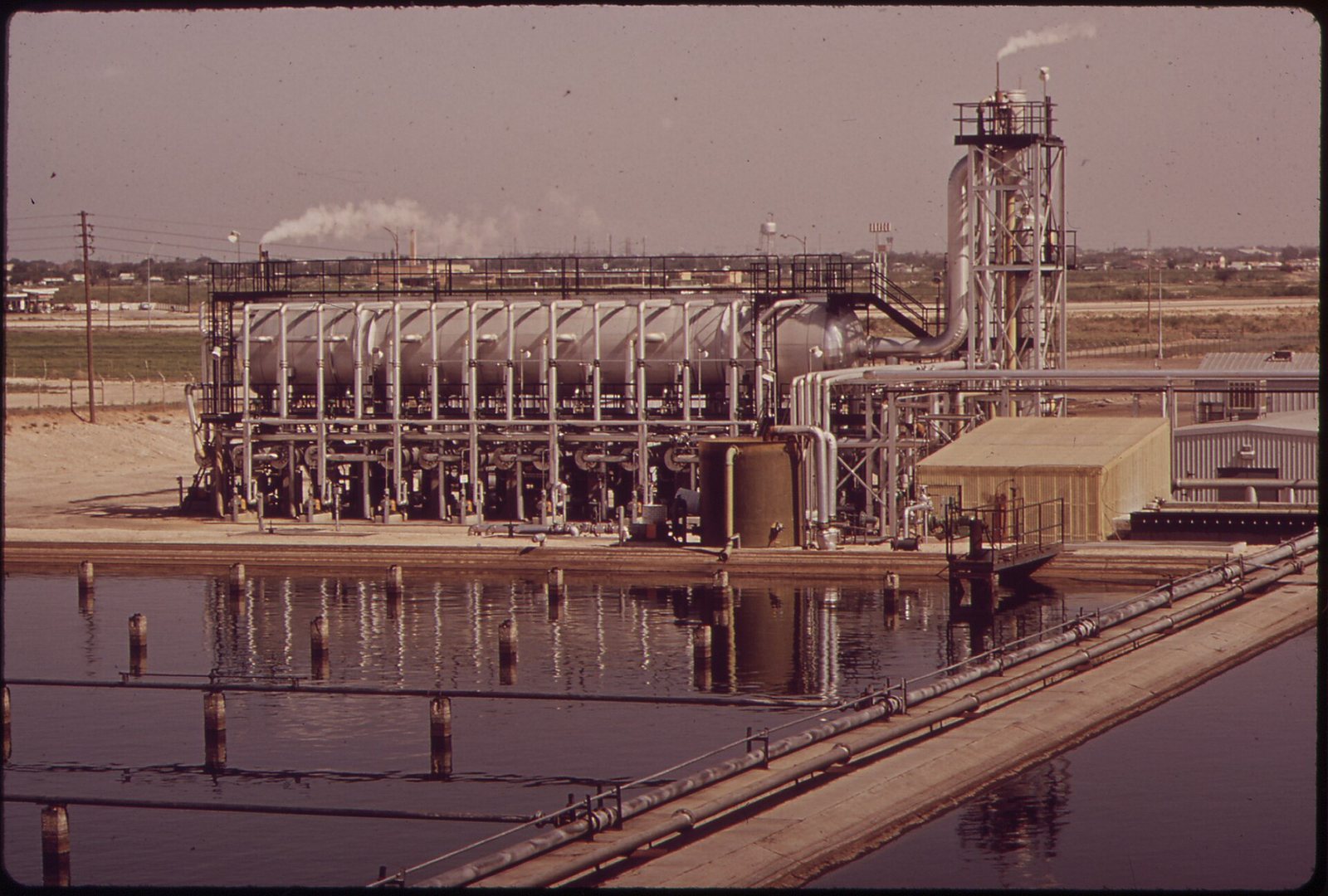
Separating the heavies
Solvent extraction, but far harder than for the light rare earths: dysprosium, terbium, holmium and erbium are even more alike than neodymium and praseodymium, so it takes more stages and more patience.
Che fine ha fatto il resto: Terbium, yttrium, gadolinium and the rest come out alongside. Yttrium is by far the largest fraction; dysprosium and terbium are the ones everyone actually wants.
Perché qui: Heavy separation capacity is concentrated here to a degree unmatched by any other material covered here.
China · Magnet plants detenuto da Magnet manufacturers (Produttore)
Diffused into a magnet's grain boundaries
Rather than alloying dysprosium throughout the magnet, it is painted on and diffused into the grain boundaries where it does the most good. The technique cut dysprosium use per magnet several-fold.
Che fine ha fatto il resto: This is substitution by engineering rather than by chemistry — same performance, a fraction of the scarce element.
Perché qui: Grain-boundary diffusion is a process advantage held by a small number of manufacturers.
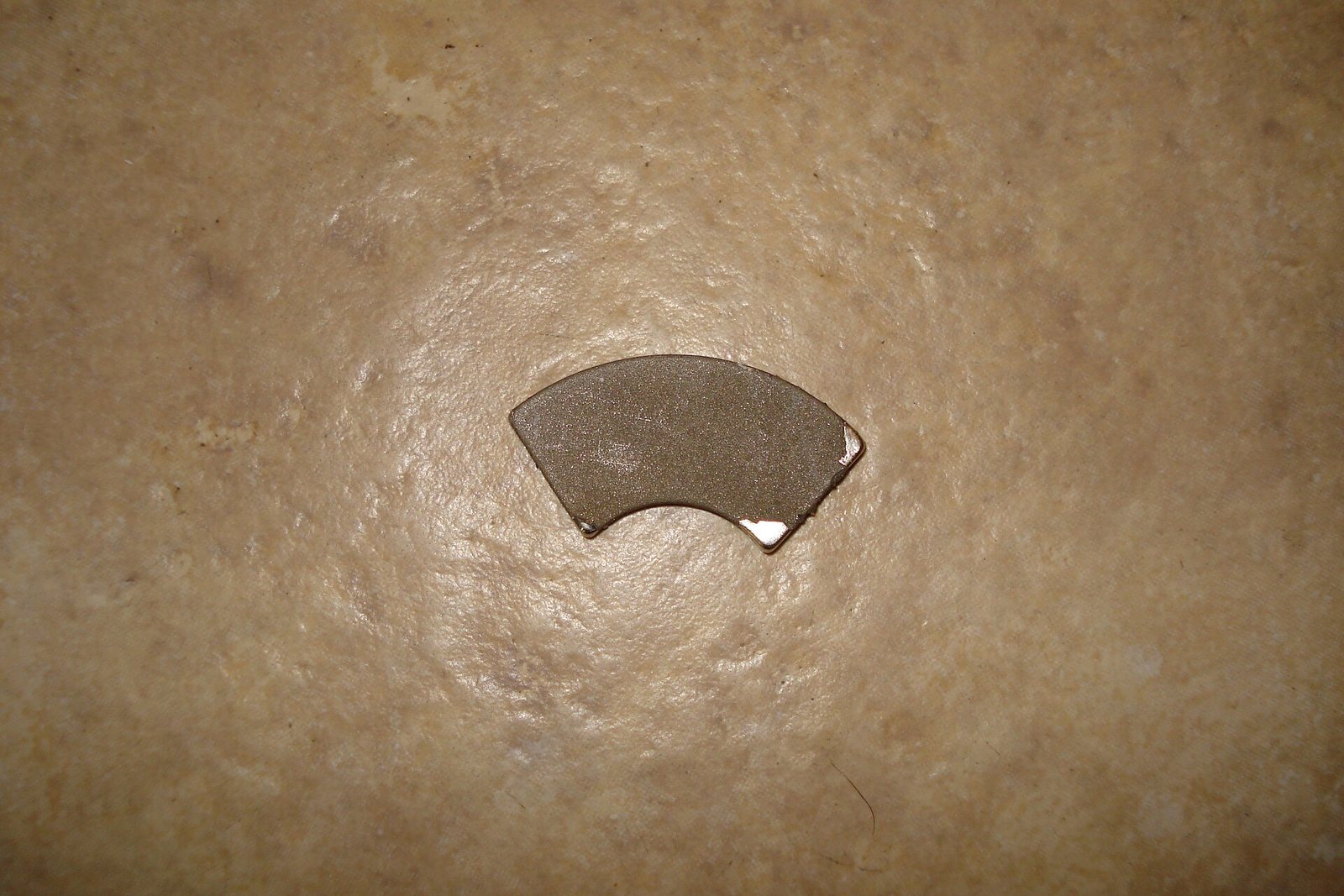
Germany · Traction motors and turbines detenuto da Motor manufacturers (Produttore)
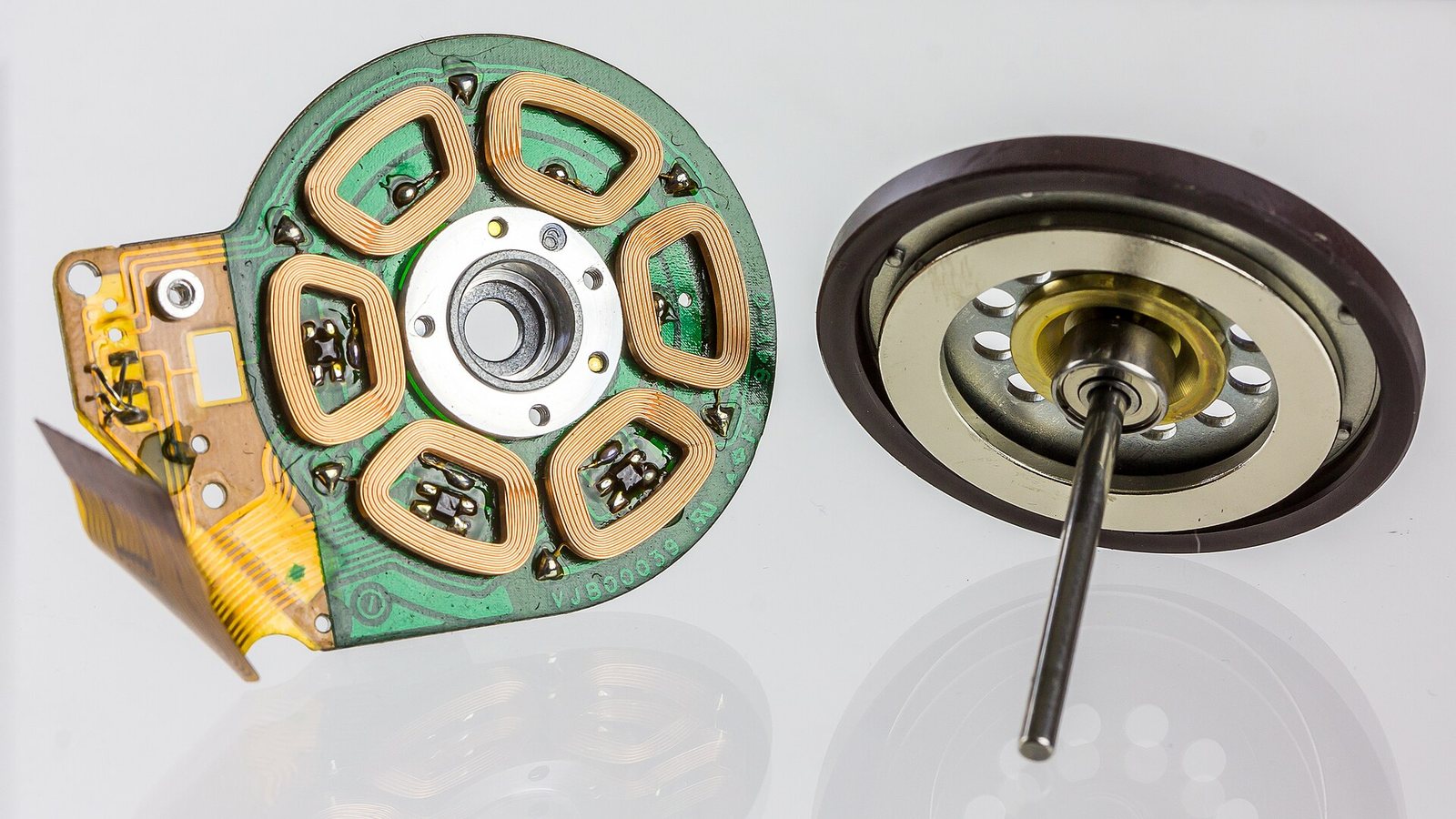
A motor that can get hot
Without dysprosium a neodymium magnet begins losing strength around 80 °C. A traction motor or a turbine nacelle routinely runs hotter than that. 15 kg is enough for several thousand car motors.
Perché qui: A few kilograms of a metal from a Chinese hillside is what lets an electric motor survive a summer traffic jam.
Questo è un esempio elaborato. Segue una quantità iniziale dichiarata attraverso rese e recuperi tipici pubblicati, così che le proporzioni siano verificabili; non è il resoconto di una spedizione specifica. I dati di percorso — quali paesi, quali processi e perché il materiale non può semplicemente essere trattato altrove — sono compilati da fonti di pubblico dominio.