Từ quặng đến sản phẩm, có truy xuất nguồn gốc
The Materials Atlas
Vật liệu Mỏ & mỏ quặng Chế biến & tinh luyện Các hành trình quyền sở hữu Các chuỗi cung ứng Công ty Quốc gia Tin tức
Vật liệu theo kệ Vật liệu pin Nguyên tố đất hiếm Đồng & Điện Vật liệu bán dẫn Vật liệu hạt nhân Hàng không vũ trụ & Quốc phòng Kim loại quý Thép & Kim loại hợp kim Khoáng vật công nghiệp Khoáng sản nông nghiệp Nguyên liệu thô năng lượng Các khoáng vật quặng Bảng tuần hoàn
Nhu cầu Các thị trường đầu ra Công nghệ Máy tính vật liệu Bản đồ Bộ lọc
Tìm hiểu & công cụ Tìm hiểuBảng thuật ngữ Hỏi dữ liệuTác nhân AI Nghiên cứu & dữ liệuAPI ★ Đã lưu
Giới thiệu Về chúng tôiPhương pháp luận Nguồn dữ liệuLiên hệ Tuyên bố miễn trách nhiệm
Tùy chọn đọc
🧭 Chế độ xem có hướng dẫn Mới với lĩnh vực này — hàm lượng quặng, quặng tinh, tinh luyện, sản phẩm phụ? Chúng tôi giải thích mọi thuật ngữ khi bạn duyệt, bằng ngôn ngữ dễ hiểu. Cùng dữ liệu đó, với phần hỗ trợ được tích hợp sẵn.
⚡ Chế độ xem chuyên gia Bạn đã hiểu ngành. Chỉ cần dữ liệu — rõ ràng, nhanh và gọn, không có giải thích thêm. Đây là chế độ xem mặc định.
Chủ đề
Ngôn ngữ giao diện
Độ sâu Các trang vật liệu được biên soạn ở bốn cấp độ. Chọn một cấp độ trên bất kỳ trang vật liệu nào và lựa chọn đó sẽ được ghi nhớ.
★ Đã lưu Nghiên cứu & dữ liệu

Hành trình quyền sở hữu · bắt đầu tại China

Southern Chinese clay to the dysprosium that lets a magnet run hot

Grades under a tenth of a percent, and almost the only heavy rare earths on the market.

1,000 tonnes of clay in the hillside
15 kg of dysprosium oxide
China → Germany China — Leaching the hill in place 1 China Germany — A motor that can get hot 2 Germany
Được đánh số theo thứ tự vật liệu di chuyển. Nhấp vào một quốc gia để mở trang của quốc gia đó. Phép chiếu equirectangular vẽ từ tâm các quốc gia — các cung thể hiện những biên giới được vượt qua, không phải tuyến đường hàng hải thực tế.

Thực chất đang vận chuyển gì

Heavy rare earths do not come from a conventional orebody. They come from weathered granite where the metal ions cling loosely to clay, and they are recovered by washing a salt solution through the hillside. The grade is tiny; the strategic weight is enormous.

Vật liệu
Dysprosium
Loại
Ion-adsorption clay, very low grade, unusually rich in heavy rare earths
Nơi bắt đầu
China — Weathered granite hills in Jiangxi, Guangdong and Fujian
Tại sao tuyến đường này chứ không phải tuyến khác. In these clays the rare earths are adsorbed onto clay surfaces rather than locked in a crystal, so a simple salt solution displaces them. That is why a deposit at 0.05% can be economic when a hard-rock deposit at ten times the grade is not. No comparable heavy-rare-earth resource is in commercial production elsewhere.
Mắt xích hẹp nhất. This is the chokepoint. Dysprosium and terbium have essentially one source region and one separation industry.
Đọc hai con số trên mỗi bước: lượng đầu vào và lượng đầu ra. Quan sát chúng giảm dần mới là điều cốt lõi. Đến cuối hành trình, bạn sẽ đã theo dõi hàng nghìn tấn đá thu lại thành vài kilôgam chất thực sự phát huy tác dụng.

Từng bước một, từng biên giới một

01 Khai thác 800kg

China · Jiangxi and Guangdong được nắm giữ bởi State-consolidated producers (Nhà sản xuất nhà nước)

Leaching the hill in place

Ammonium sulfate solution is injected into the weathered granite and collected downslope. The rare-earth ions swap places with ammonium on the clay and come out in solution. Nothing is blasted and, in modern practice, little is dug.

1,000 tonnesclay at ~0.05–0.2% REO 800 kgmixed rare earths in solution

Những gì xảy ra với phần còn lại: Older, uncontrolled in-situ leaching left serious groundwater and slope-stability damage, which is much of why the industry was consolidated under state control.

Tại sao tại đây: This deposit type needs a specific granite, a specific climate and millions of years. It is not a matter of looking harder elsewhere.
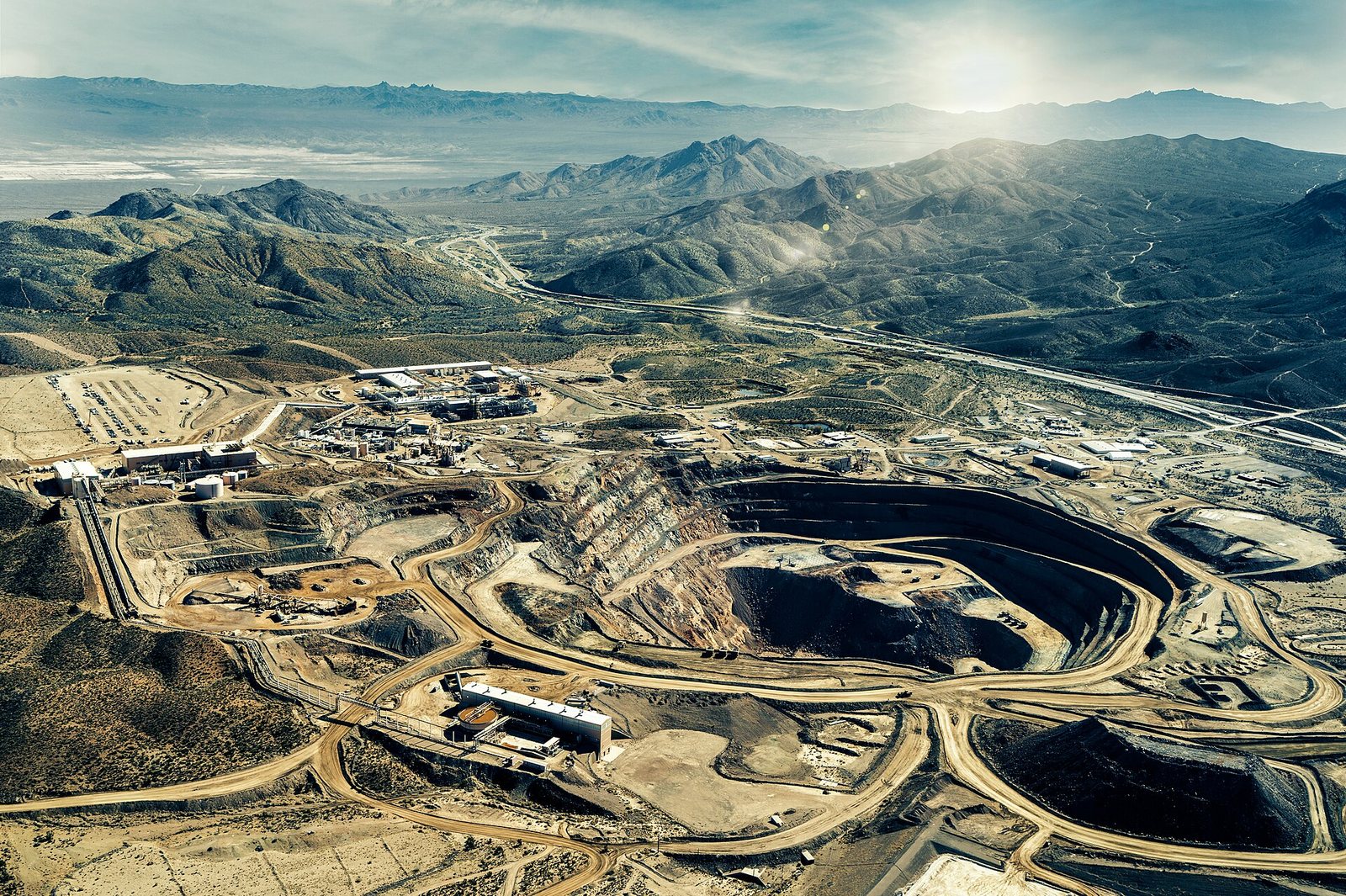
Leaching the hill in place
Mountain Pass Rare Earth Mine & Process… · CC BY-SA 4.0 via Wikimedia Commons
02 Chế biến 800kg

China · On site được nắm giữ bởi Producers (Hóa học)

Precipitating a mixed carbonate

The pregnant solution is precipitated into a mixed rare-earth carbonate — the intermediate everything downstream starts from.

800 kgmetal in solution 800 kgmixed carbonate

Tại sao tại đây: Concentrating before transport, as always.
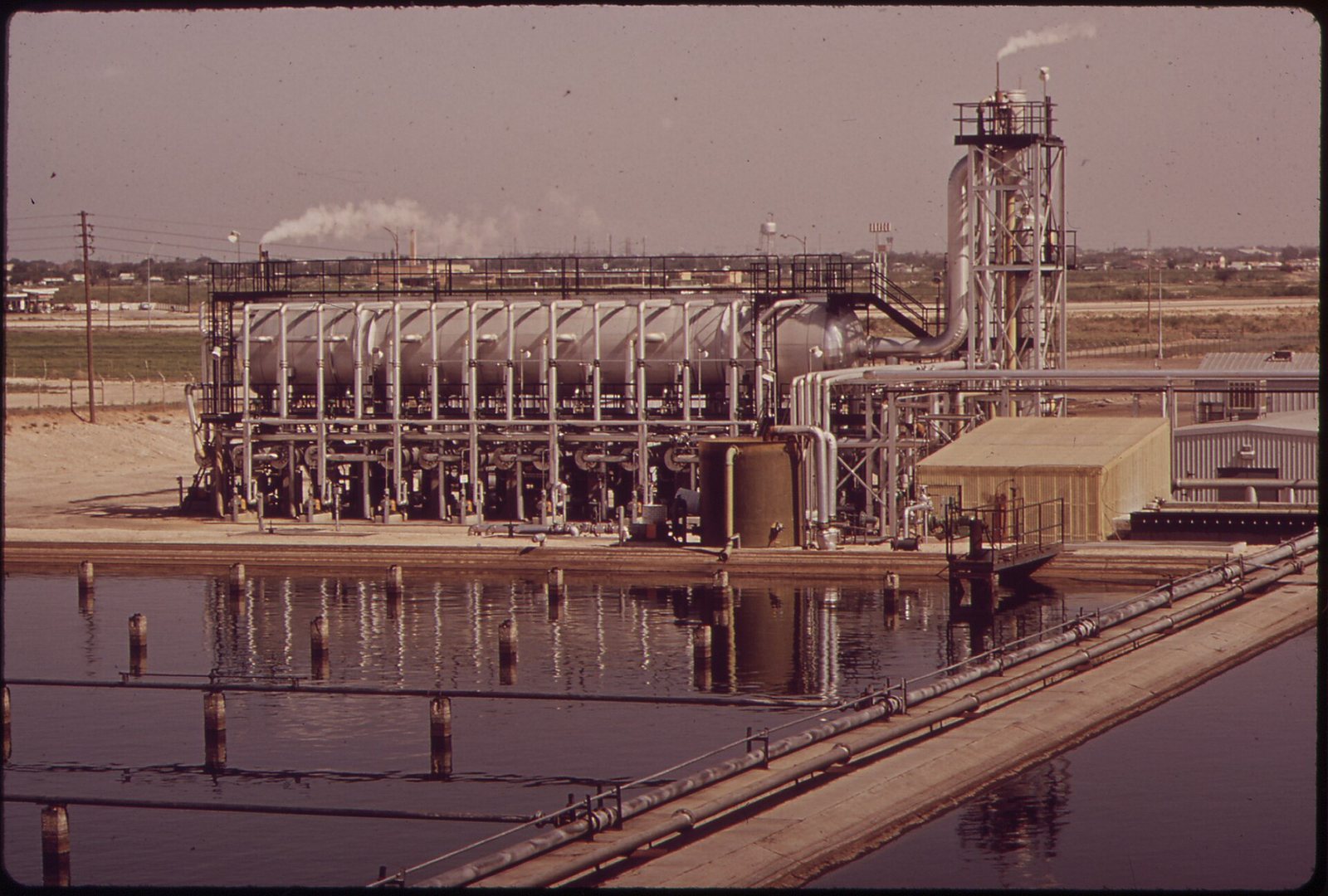
Precipitating a mixed carbonate
COOLING TOWERS AND SETTLING TANKS FOR R… · Public domain via Wikimedia Commons
03 Tinh luyện 15kg

China · Ganzhou, Jiangxi được nắm giữ bởi China Rare Earth Group and affiliates (Nhà máy tinh luyện)

Separating the heavies

Solvent extraction, but far harder than for the light rare earths: dysprosium, terbium, holmium and erbium are even more alike than neodymium and praseodymium, so it takes more stages and more patience.

800 kgmixed carbonate 15 kgdysprosium oxide

Những gì xảy ra với phần còn lại: Terbium, yttrium, gadolinium and the rest come out alongside. Yttrium is by far the largest fraction; dysprosium and terbium are the ones everyone actually wants.

Tại sao tại đây: Heavy separation capacity is concentrated here to a degree unmatched by any other material in this atlas.

Con đường không được chọn The light rare earths in the same magnet Two routes, two continents, meeting at the magnet press.
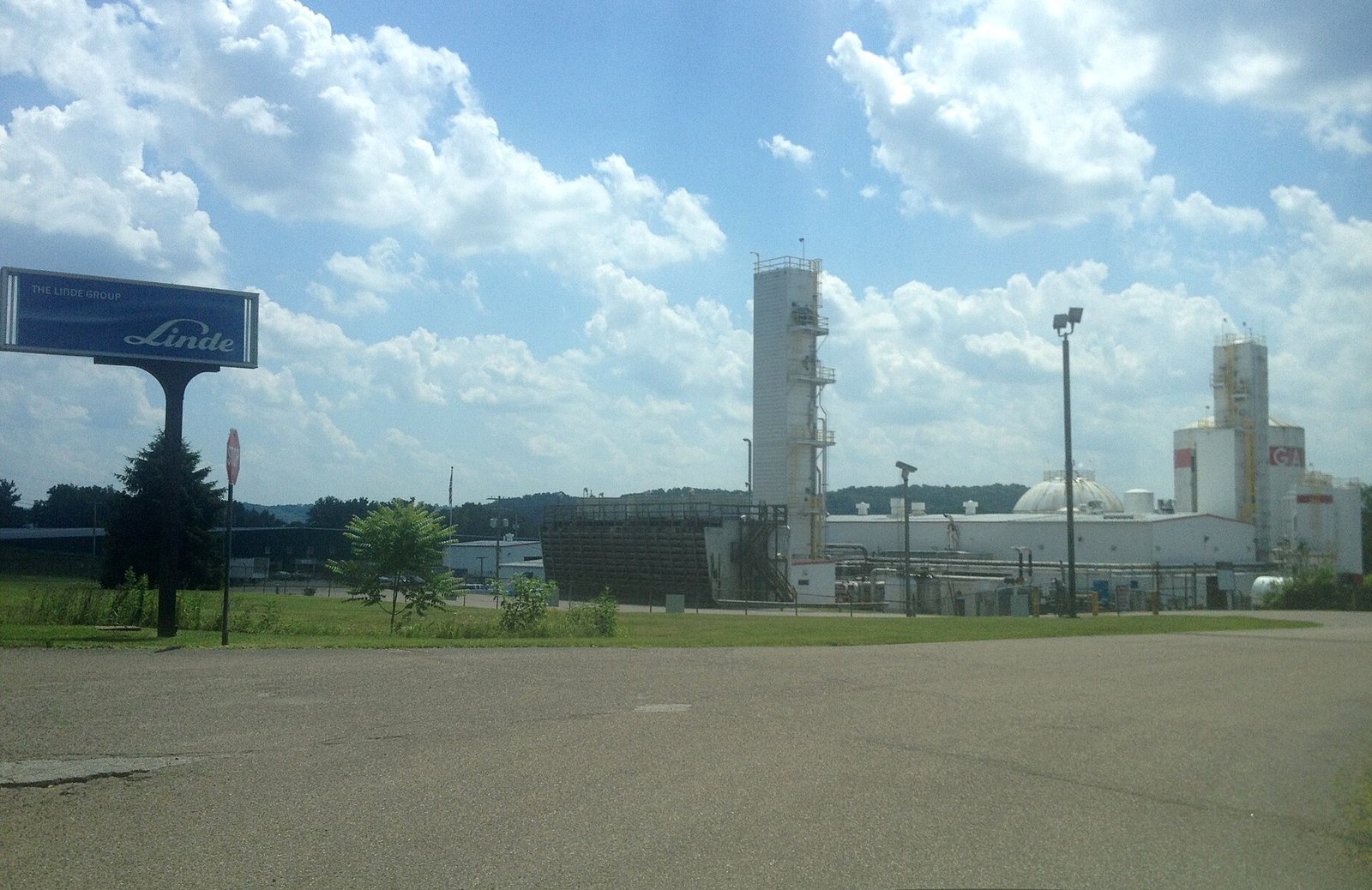
Separating the heavies
Linde (previously AGA) air separation p… · CC BY-SA 3.0 via Wikimedia Commons
04 Thành phần 15kg

China · Magnet plants được nắm giữ bởi Magnet manufacturers (Nhà sản xuất)

Diffused into a magnet's grain boundaries

Rather than alloying dysprosium throughout the magnet, it is painted on and diffused into the grain boundaries where it does the most good. The technique cut dysprosium use per magnet several-fold.

15 kgdysprosium oxide 15 kgdysprosium in finished magnets

Những gì xảy ra với phần còn lại: This is substitution by engineering rather than by chemistry — same performance, a fraction of the scarce element.

Tại sao tại đây: Grain-boundary diffusion is a process advantage held by a small number of manufacturers.
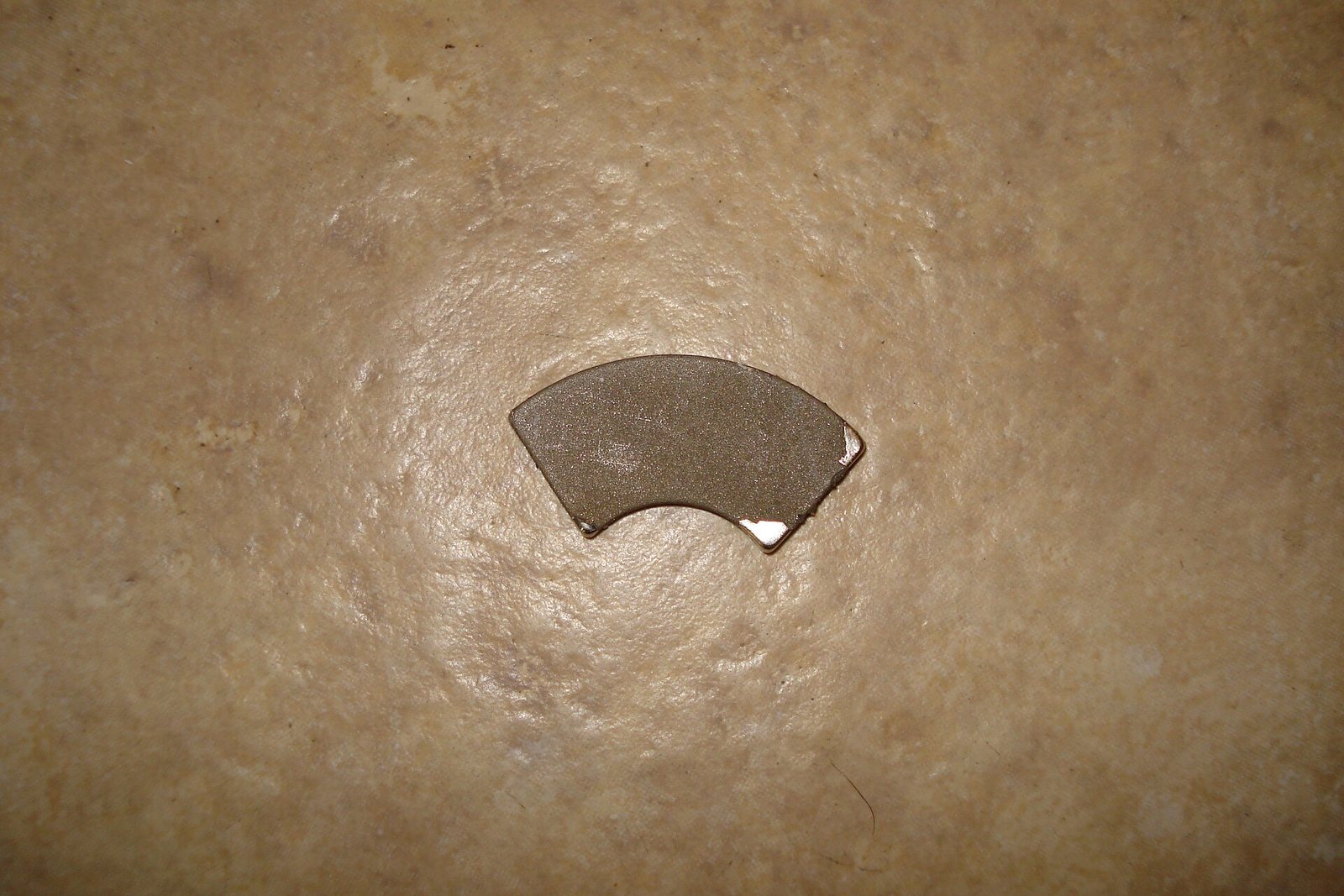
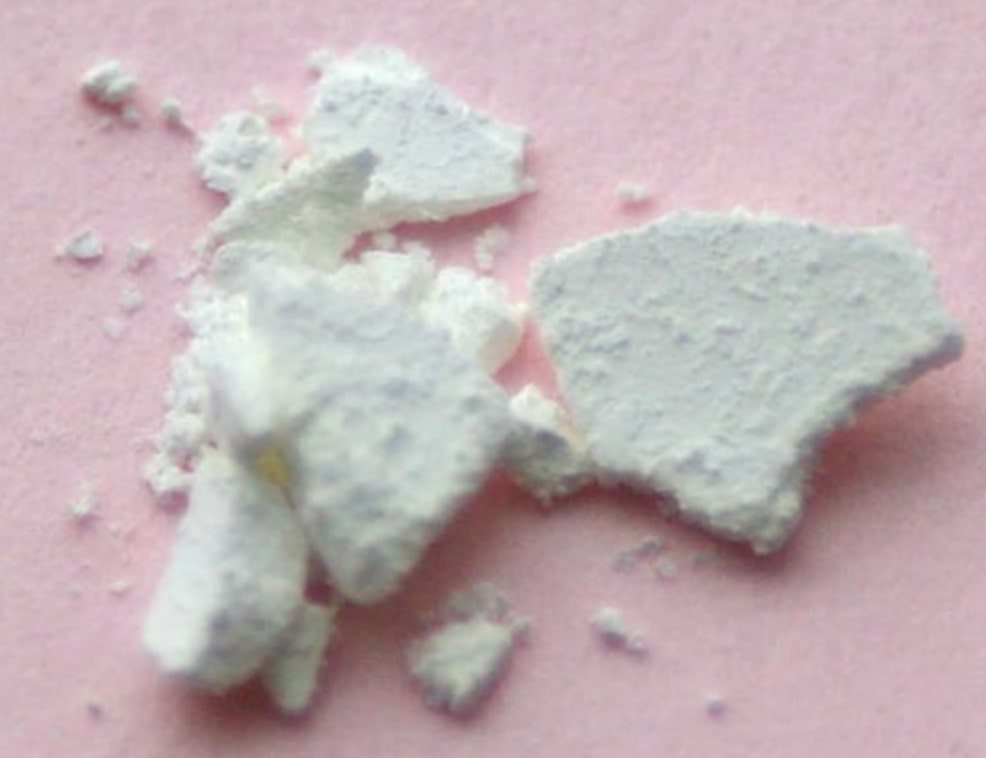
Diffused into a magnet's grain boundaries
Neodymium magnet - 19-11-2010.JPG · Public domain via Wikimedia Commons
05 Thị trường đầu ra 15kg

Germany · Traction motors and turbines được nắm giữ bởi Motor manufacturers (Nhà sản xuất)

A motor that can get hot

Without dysprosium a neodymium magnet begins losing strength around 80 °C. A traction motor or a turbine nacelle routinely runs hotter than that. 15 kg is enough for several thousand car motors.

15 kgdysprosium 15 kgin service

Tại sao tại đây: A few kilograms of a metal from a Chinese hillside is what lets an electric motor survive a summer traffic jam.
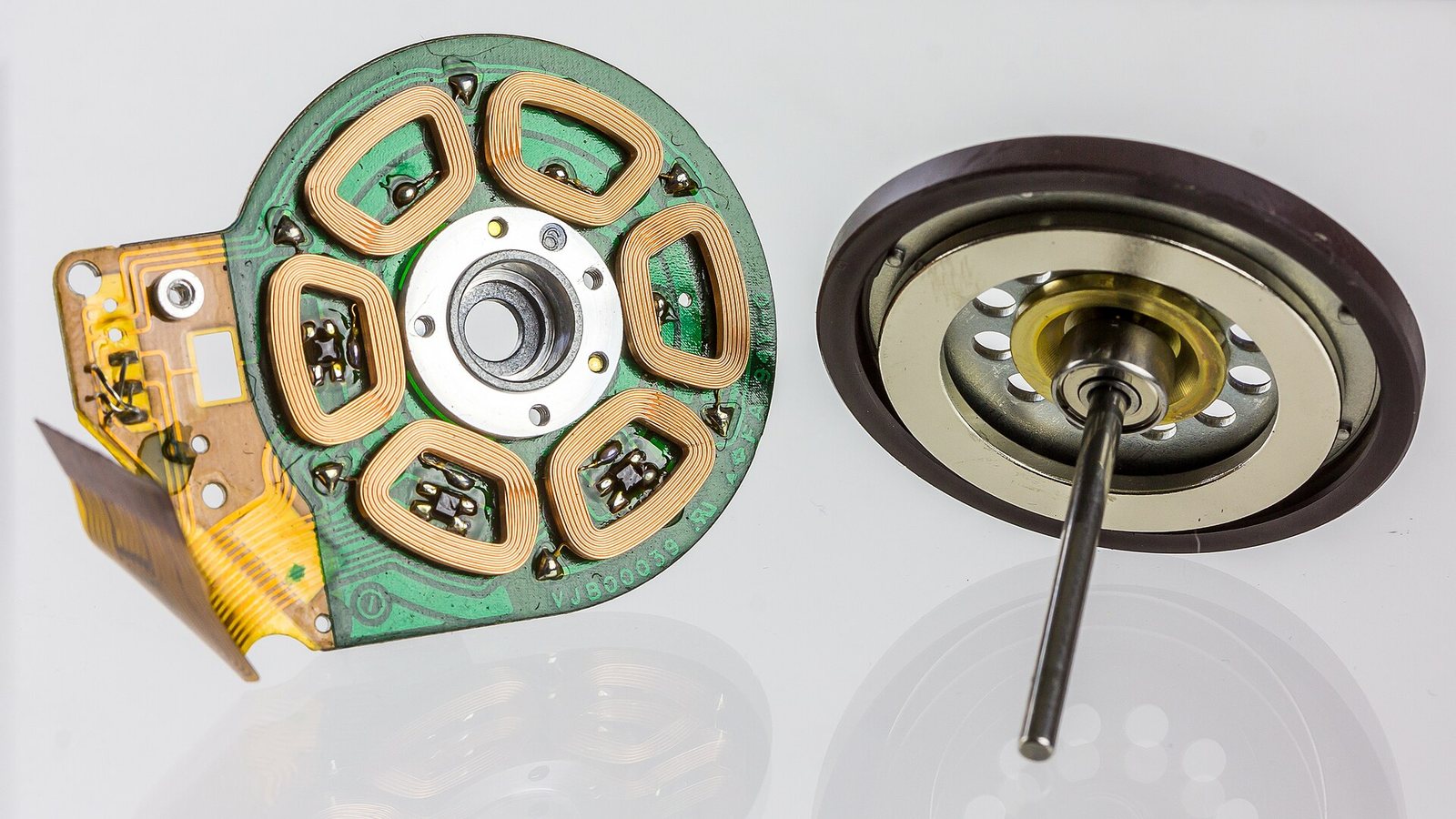
A motor that can get hot
Blaupunkt CR-4500 - drive unit - tape D… · CC BY-SA 4.0 via Wikimedia Commons

Đây là một ví dụ minh họa có tính toán. Nó theo dõi một lượng khởi đầu được nêu rõ qua các năng suất và hiệu suất thu hồi điển hình đã công bố, do đó các tỷ lệ có thể kiểm chứng; đây không phải là hồ sơ của một lô hàng cụ thể. Các dữ kiện về tuyến đường — những quốc gia nào, những quy trình nào, và tại sao vật liệu không thể đơn giản được xử lý ở nơi khác — được tổng hợp từ các báo cáo công khai.

Vật liệu

Tất cả vật liệu Khoáng sản thiết yếu Đất hiếm Vật liệu pin Các khoáng vật quặng Bảng tuần hoàn Bộ lọc

Lòng đất

Mỏ & mỏ quặng Chế biến & tinh luyện Quốc gia Bản đồ

Nền kinh tế

Các hành trình quyền sở hữu Các chuỗi cung ứng Các thị trường đầu ra Công nghệ Công ty Máy tính vật liệu

Tìm hiểu

Tìm hiểuBảng thuật ngữ Hỏi dữ liệuTác nhân AI Nghiên cứu & dữ liệuAPI mở Tin tức★ Đã lưu

Về chúng tôi

Về chúng tôiLiên hệ Phương pháp luậnNguồn dữ liệu Chính sách biên tập Chính sách bảo mậtĐiều khoản sử dụng Tuyên bố miễn trách nhiệm