De la roca al producto, trazado
The Materials Atlas
Materiales Minas y yacimientos Procesamiento y refinación Recorridos de custodia Cadenas de suministro Empresas Países Noticias
Materiales por categoría Materiales para baterías Elementos de tierras raras Cobre y electricidad Materiales para semiconductores Materiales nucleares Aeroespacial y Defensa Metales preciosos Acero y metales de aleación Minerales industriales Minerales Agrícolas Materias primas energéticas Minerales mena Tabla periódica
Demanda Mercados finales Tecnologías Calculadora de materiales Mapas Clasificador
Aprender y herramientas AprenderGlosario Consultar los datosAgentes de IA Investigación y datosAPI ★ Guardado
Acerca de Quiénes somosMetodología Fuentes de datosContacto Aviso legal
Opciones de lectura
🧭 Vista guiada ¿Es nuevo en esto: leyes de mena, concentrado, refinación, subproductos? Explicamos cada término mientras navega, en lenguaje claro. Los mismos datos, con la ayuda integrada.
⚡ Vista de experto Usted ya conoce el sector. Solo los datos: limpios, rápidos y compactos, sin explicaciones adicionales. Esta es la vista predeterminada.
Tema
Idioma de la interfaz
Profundidad Las páginas de materiales están redactadas en cuatro niveles. Seleccione uno en cualquier página de material y se recordará.
★ Guardado Investigación y datos

Recorrido de custodia · comienza en Australia

Australian rare earths to a magnet in a motor

Mined in Australia, cracked in Malaysia, magnetised in China, and fitted in Germany.

1,000 tonnes of ore as mined
2 tonnes of finished sintered magnet
Australia → Malaysia · Container ship Malaysia → China · Container China → Germany Australia — Mining a natural concentrate 1 Australia Malaysia — First border crossing 2 Malaysia China — Oxide to metal to alloy 3 China Germany — Into a traction motor 4 Germany
Numerados en el orden en que viaja el material. Haga clic en un país para abrir su página. Proyección equirrectangular trazada a partir de los centroides de cada país — los arcos indican qué fronteras se cruzan, no la ruta de navegación real.

Qué es lo que se mueve realmente

This is the most-crossed border in the atlas. Rare-earth ore is mined in one country, chemically opened in a second, separated into individual elements, turned into metal and alloy in a third, made into a magnet, and only then fitted into a motor. Mining rare earths outside China solves the first step of five.

El material
Neodymium
La variedad
Weathered carbonatite concentrate, high in neodymium and praseodymium
Dónde empieza
Australia — Mount Weld, a 2-billion-year-old volcanic pipe whose top has been rotted by weathering into a natural concentrate
Por qué esta ruta y no otra. Separating seventeen chemically near-identical elements takes hundreds of solvent-extraction stages, and turning the separated oxide into metal takes molten-salt electrolysis. Both are difficult, both generate residues that are hard to permit, and both are concentrated in very few places.
El eslabón más estrecho. Metal-making and magnet manufacture. Even a fully Western mine-to-oxide chain still has to send the oxide somewhere to become a magnet.
Lea los dos valores de cada paso: lo que entró y lo que salió. Observar cómo se reducen es el objeto del ejercicio. Al final habrá seguido mil toneladas de roca hasta llegar a unos pocos kilogramos de lo que realmente hace el trabajo.

Paso a paso, y frontera por frontera

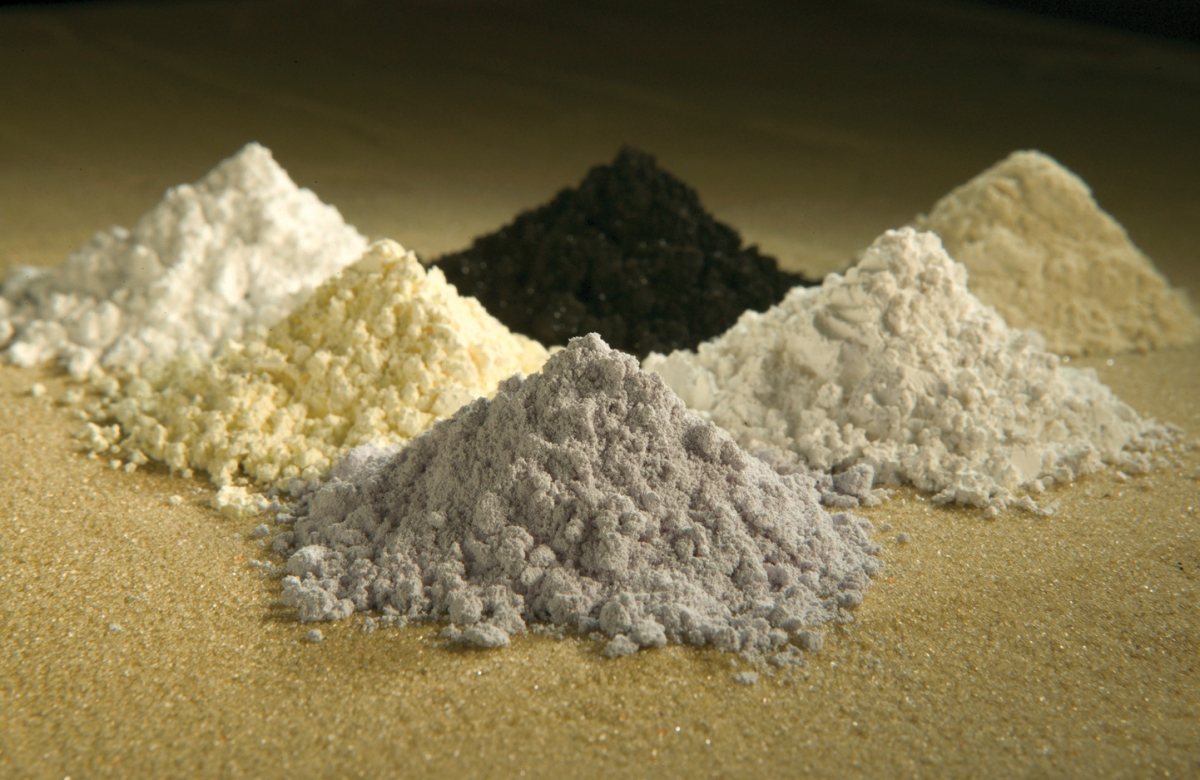
01 Extracción 1,000tonnes

Australia · Mount Weld, Western Australia en poder de Lynas Rare Earths (Minero)

Mining a natural concentrate

Open-pit mining of deeply weathered carbonatite. Weathering has already done much of the concentrating work over geological time.

1,000 tonnesore 1,000 tonnesore to the concentrator

Por qué aquí: Carbonatite pipes are rare, and ones with a thick weathered cap are rarer still.
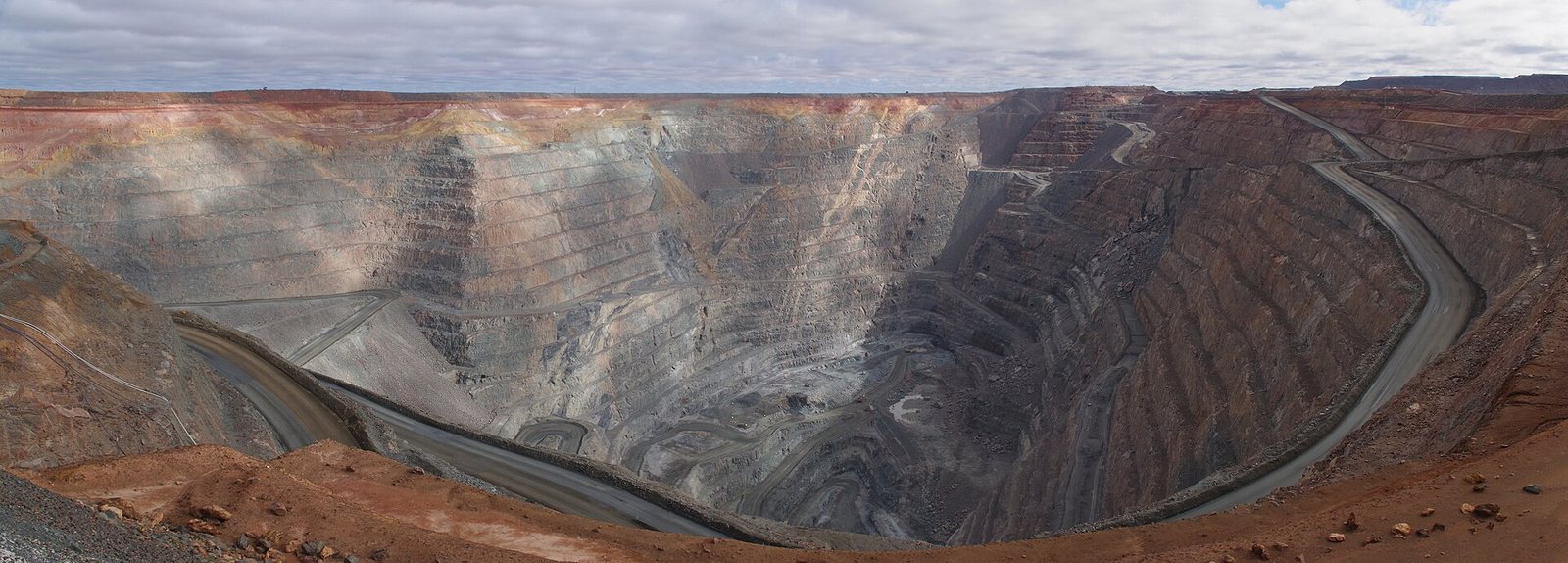
continuous Mount Weld →
Mining a natural concentrate
Fimiston Open Pit (Super Pit) gold mine… · CC BY-SA 4.0 via Wikimedia Commons
02 Procesamiento 20tonnes

Australia · Mount Weld concentrator en poder de Lynas Rare Earths (Minero)

Flotation to a concentrate

Milled and floated to a mineral concentrate at roughly 40% rare-earth oxide.

1,000 tonnesore 20 tonnesconcentrate at ~40% REO

Qué ocurrió con el resto: 980 tonnes of tailings, on site, in Australia.

Por qué aquí: Concentrate at the mine, always.
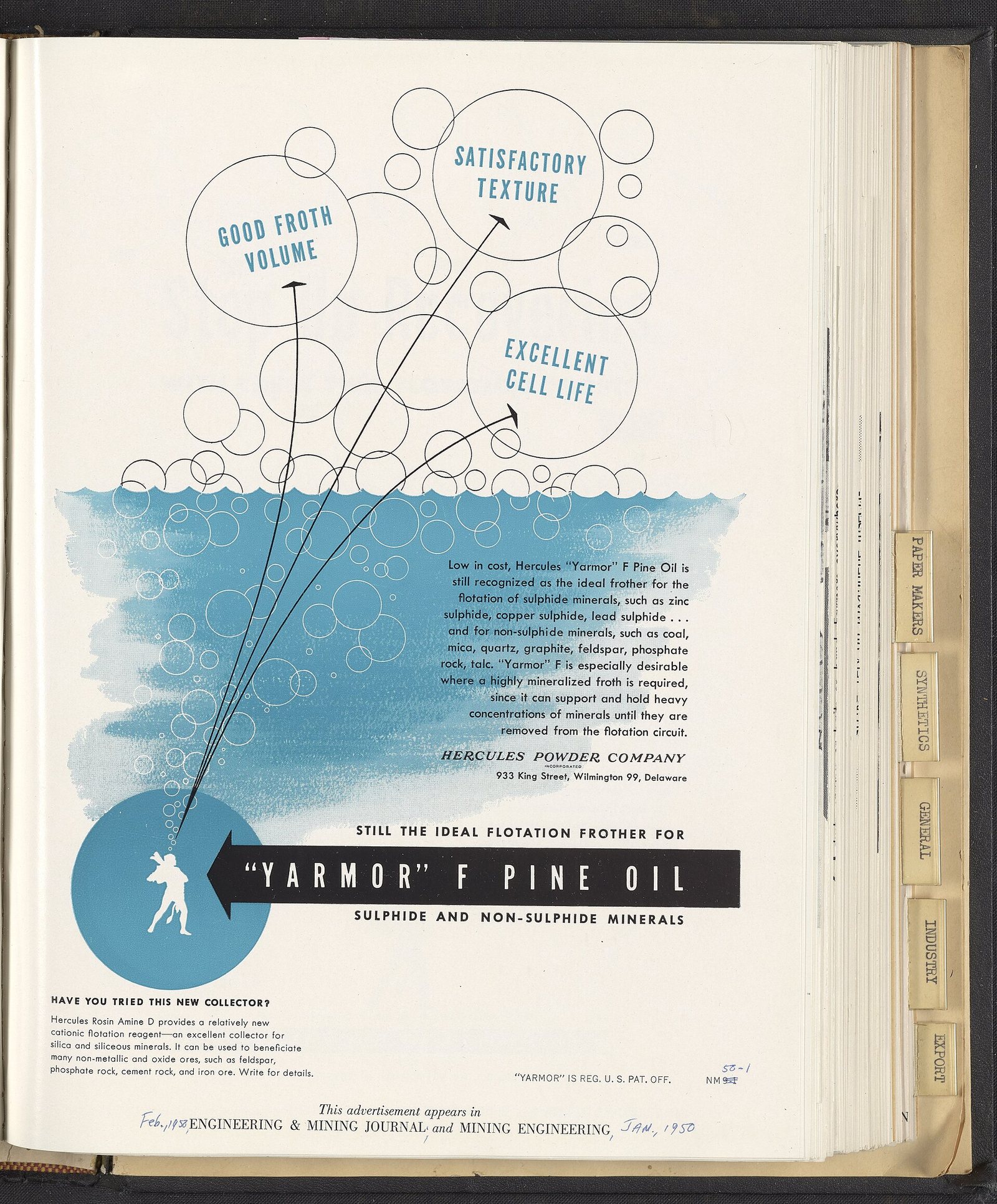
Flotation to a concentrate
"Yarmor" F Pine Oil, Still the Ideal Fl… · Public domain via Wikimedia Commons
03 Transporte 20tonnes

Malaysia · Fremantle to Kuantan, Malaysia en poder de Lynas Malaysia (Refinador)

First border crossing

Concentrate is shipped to Malaysia, where the plant that cracks it was built.

20 tonnesconcentrate 20 tonnesdelivered

Por qué aquí: The cracking and separation plant was permitted and built here rather than in Australia — a decision about chemistry, cost and permitting that took years and remains contested.
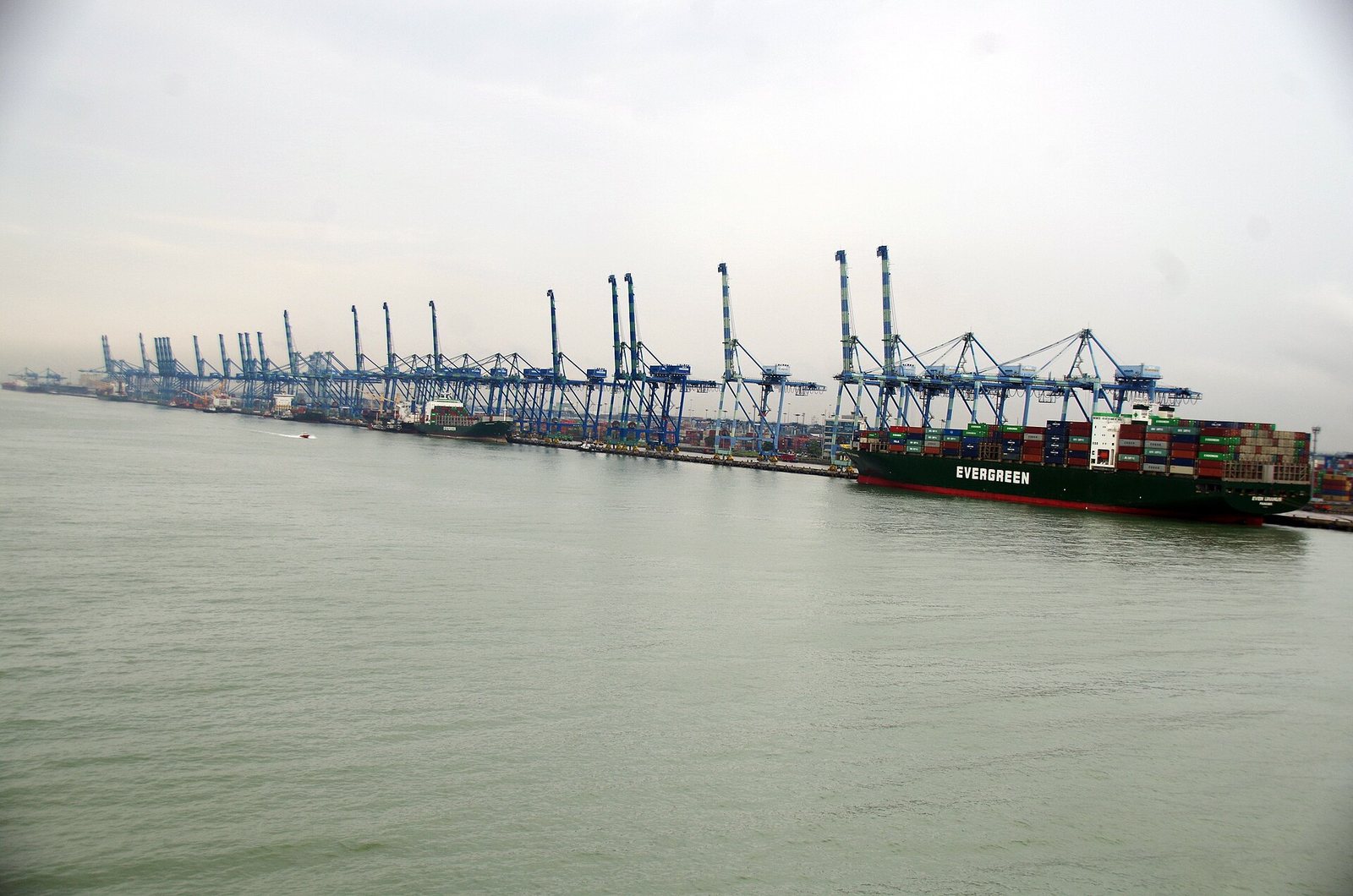
First border crossing
MY-port-klang-containerhafen · CC BY-SA 4.0 via Wikimedia Commons
04 Procesamiento 8tonnes

Malaysia · Kuantan, Pahang en poder de Lynas Malaysia (Químico)

Cracking it open with acid

Roasted with concentrated sulfuric acid to break the mineral apart, then leached. Thorium and uranium that came with the ore have to be separated and managed here.

20 tonnesconcentrate 8 tonnesmixed rare-earth solution

Qué ocurrió con el resto: The radioactive residue is the reason this step is hard to permit anywhere, and the reason so few countries have it.

Por qué aquí: Because someone was willing to build it and see it through.
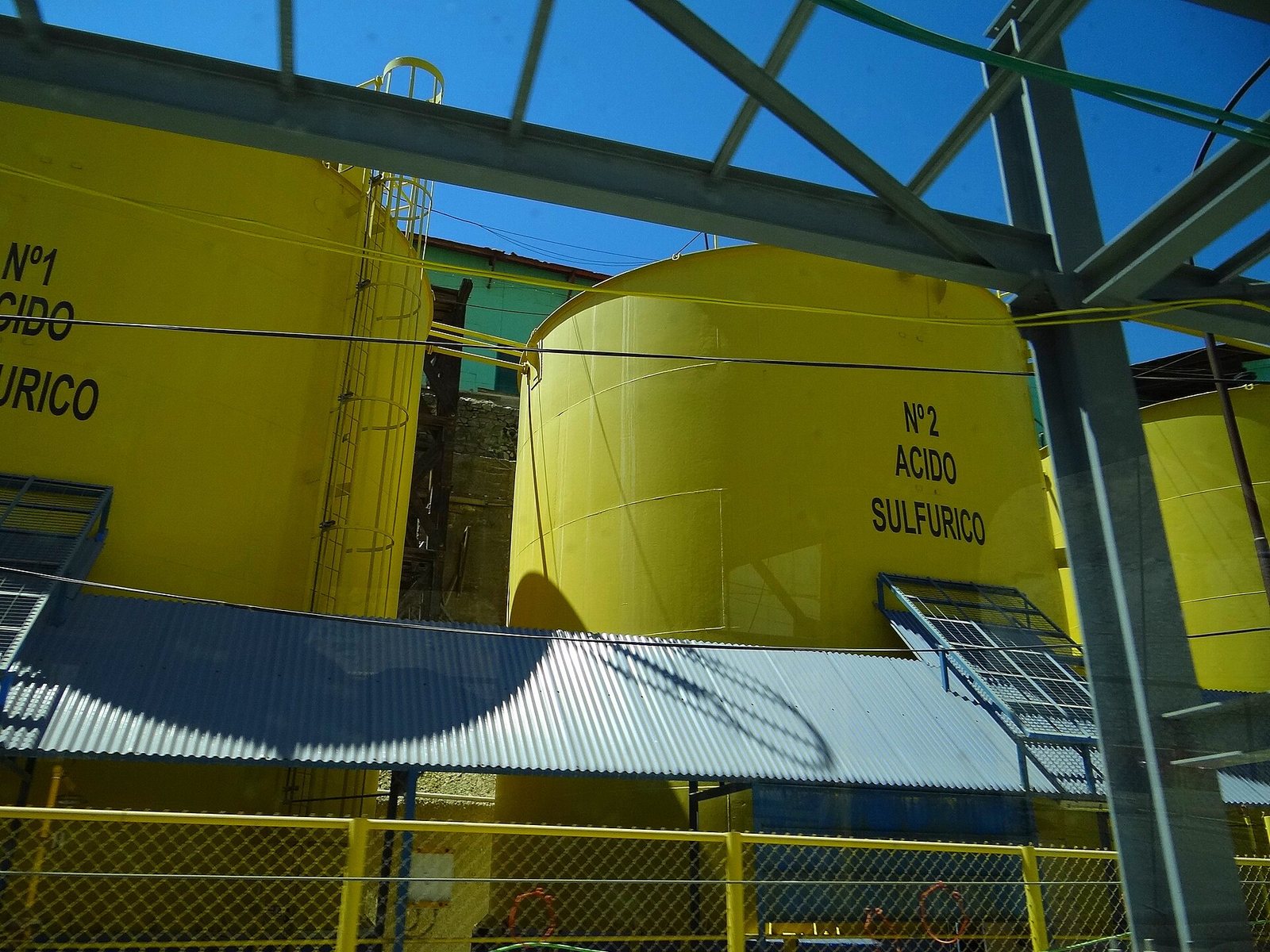
Cracking it open with acid
Sewell Industrial area - Milling plant … · CC BY-SA 4.0 via Wikimedia Commons
05 Refinación 2tonnes

Malaysia · Separation plant en poder de Lynas Malaysia (Refinador)

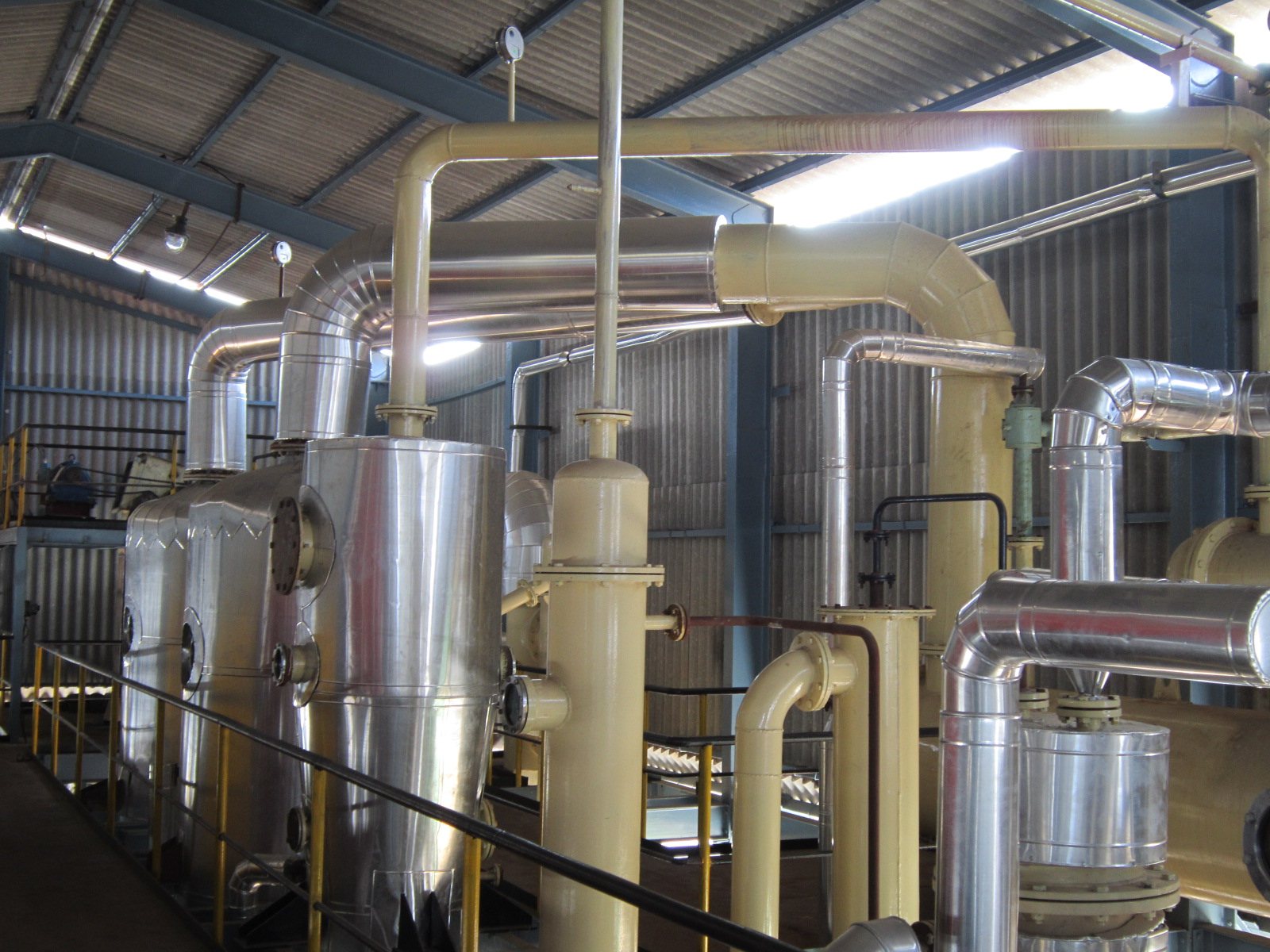
Hundreds of stages to tell them apart

Solvent extraction through hundreds of mixer-settler stages, exploiting differences in ionic radius so small they are almost invisible. Out come separated oxides: neodymium-praseodymium, lanthanum, cerium.

8 tonnesmixed solution 2 tonnesNdPr oxide

Qué ocurrió con el resto: Cerium and lanthanum come out too, in larger quantities than anyone wants them. Surplus light rare earths are the industry's structural problem.

Por qué aquí: This is the hardest step in the chain and the one with the fewest operators worldwide.
El camino no tomado Where the heavy rare earths in that magnet came from The dysprosium diffused into this magnet took a completely different route.
Hundreds of stages to tell them apart
Solvent extraction plant-distillation s… · CC BY-SA 3.0 via Wikimedia Commons
06 Componente 2tonnes

China · Metal and alloy plants en poder de Metal and magnet makers (Fabricante)

Oxide to metal to alloy

The oxide is reduced to metal by molten-salt electrolysis, then strip-cast with iron and boron into a rapidly-quenched NdFeB alloy ribbon.

2 tonnesNdPr oxide 2 tonnesalloy

Por qué aquí: Metal-making capacity outside China is very small. This is the step a Western mine cannot yet route around.
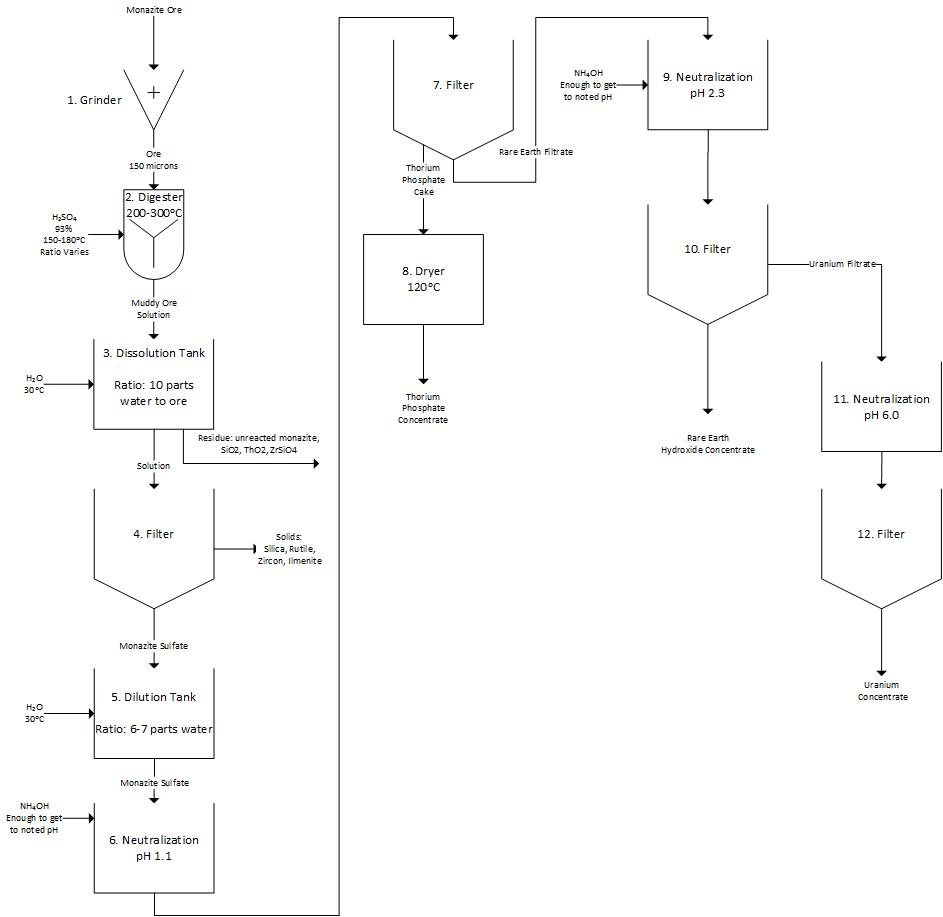
Oxide to metal to alloy
Hydrometallury of rare earth metals fro… · CC BY-SA 3.0 via Wikimedia Commons
07 Componente 2tonnes

China · Ningbo or Ganzhou en poder de Magnet manufacturer (Fabricante)

Making the magnet

Hydrogen decrepitation, jet milling to a few microns, pressing in a magnetic field to align the grains, sintering, machining, and a nickel-copper-nickel coating so it does not corrode. Dysprosium or terbium is diffused into the grain boundaries so it survives heat.

2 tonnesalloy 2 tonnesfinished sintered magnet

Qué ocurrió con el resto: Machining swarf is recycled internally — magnet scrap is one of the few genuinely closed loops in this industry.

Por qué aquí: Roughly 30% of a sintered magnet's mass is rare earth. This is where the ore finally becomes a component.
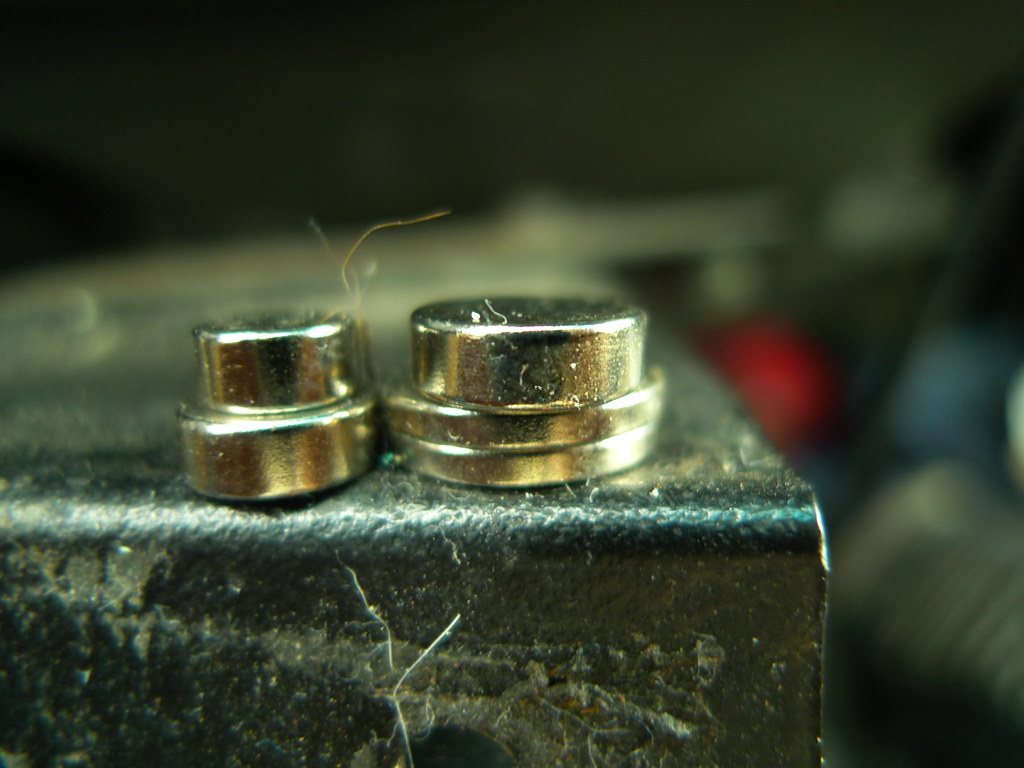
Making the magnet
How long do neodymium magnets last · CC BY-SA 4.0 via Wikimedia Commons
08 Mercado final 2tonnes

Germany · Motor and vehicle plants en poder de Motor and vehicle manufacturers (Fabricante)

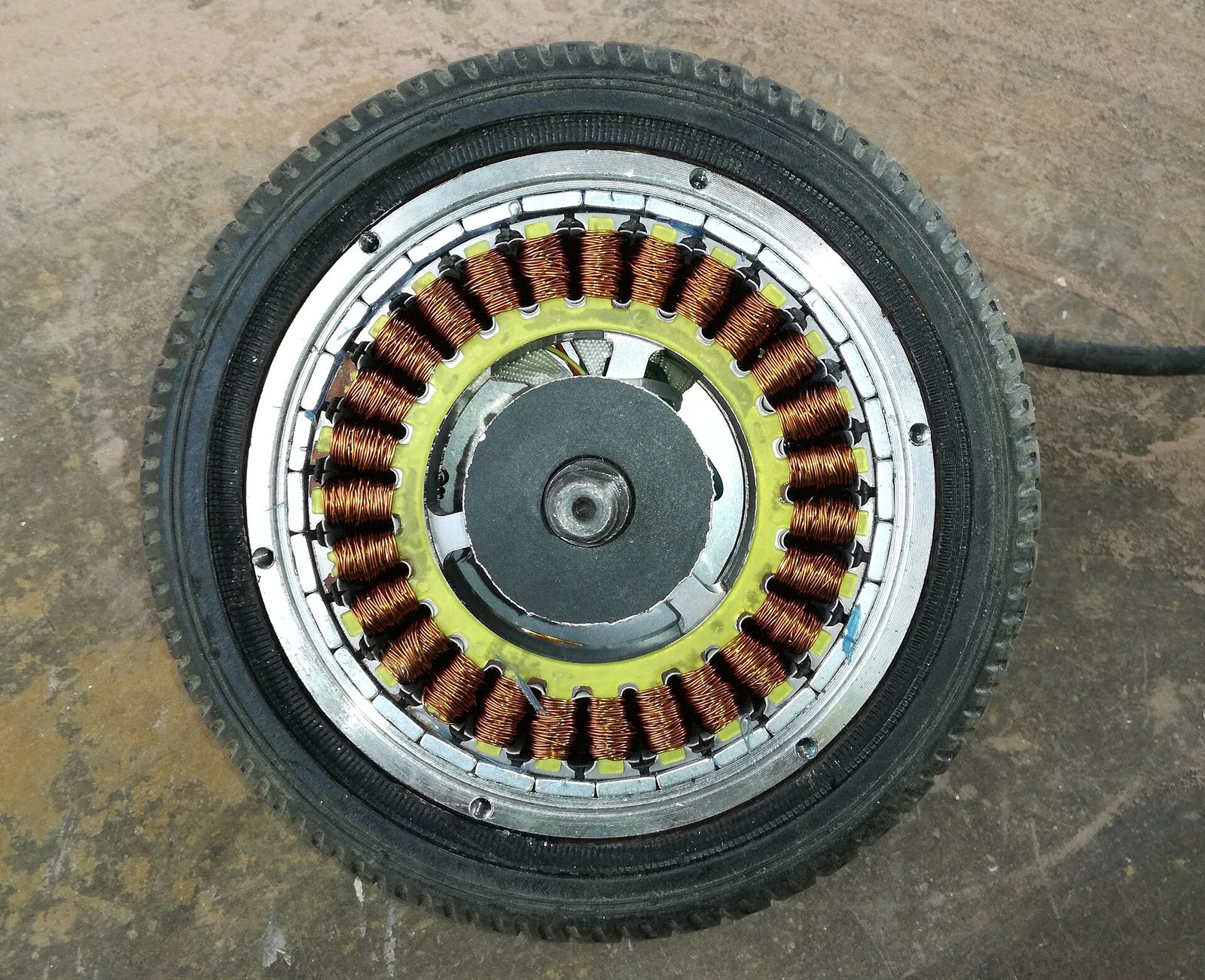
Into a traction motor

1.6 tonnes of magnet is on the order of two thousand car traction motors, or the generator of a single large offshore wind turbine.

2 tonnesmagnet 2 tonnesin service

Por qué aquí: Four countries, three oceans, five processing steps — from one tonne of Australian rock to the thing that makes an electric car move.
Into a traction motor
Wheel hub motor of an electric kick sco… · CC BY-SA 4.0 via Wikimedia Commons

Este es un ejemplo resuelto. Sigue una cantidad de partida declarada a través de rendimientos y recuperaciones típicos publicados, por lo que las proporciones son verificables; no es el registro de un envío concreto. Los datos de la ruta — qué países, qué procesos y por qué el material no puede simplemente manipularse en otro lugar — se han compilado a partir de información pública.

Materiales

Todos los materiales Minerales críticos Tierras raras Materiales para baterías Minerales mena Tabla periódica Clasificador

El subsuelo

Minas y yacimientos Procesamiento y refinación Países Mapas

La economía

Recorridos de custodia Cadenas de suministro Mercados finales Tecnologías Empresas Calculadora de materiales

Aprender

AprenderGlosario Consultar los datosAgentes de IA Investigación y datosAPI abierta Noticias★ Guardado

Quiénes somos

Quiénes somosContacto MetodologíaFuentes de datos Política editorial Política de privacidadCondiciones de uso Aviso legal