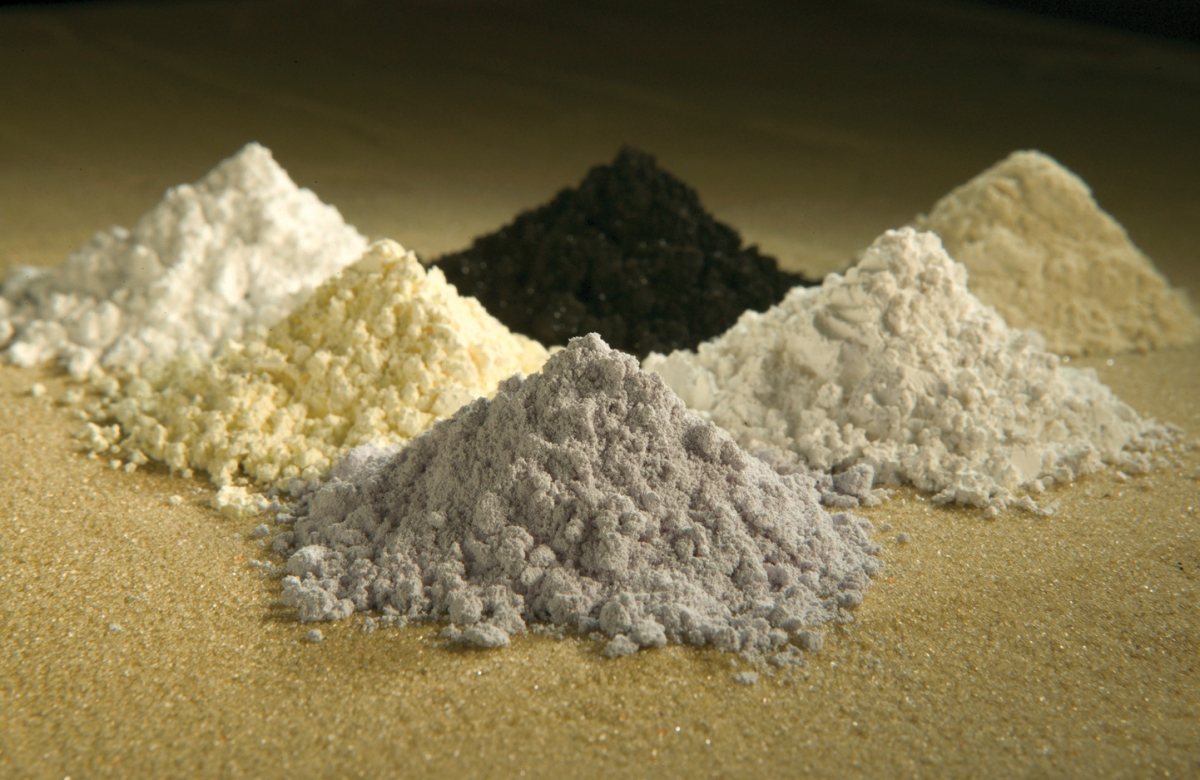
Gerçekte ne hareket ediyor
This is the most-crossed border covered here. Rare-earth ore is mined in one country, chemically opened in a second, separated into individual elements, turned into metal and alloy in a third, made into a magnet, and only then fitted into a motor. Mining rare earths outside China solves the first step of five.
- Malzeme
- Neodymium
- Çeşit
- Weathered carbonatite concentrate, high in neodymium and praseodymium
- Nereden başlıyor
- Australia — Mount Weld, a 2-billion-year-old volcanic pipe whose top has been rotted by weathering into a natural concentrate
Adım adım ve sınırdan sınıra
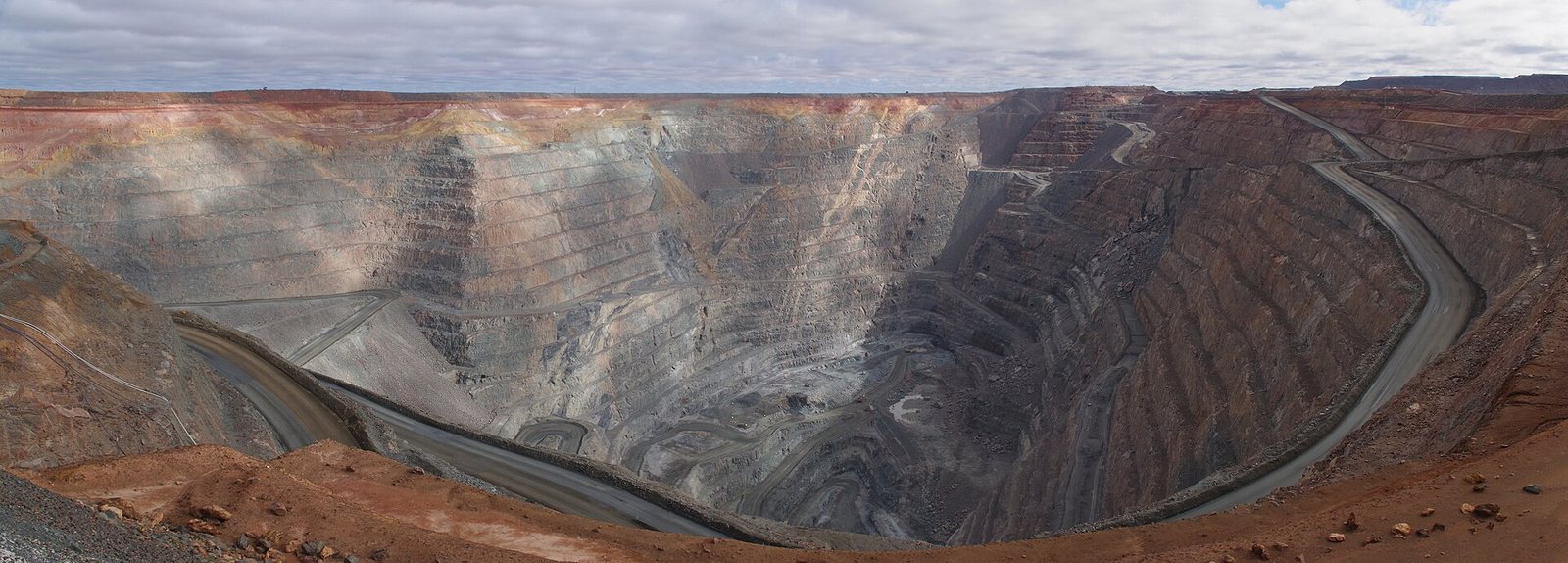
Australia · Mount Weld, Western Australia elinde Lynas Rare Earths (Madenci)
Mining a natural concentrate
Open-pit mining of deeply weathered carbonatite. Weathering has already done much of the concentrating work over geological time.
Neden burada: Carbonatite pipes are rare, and ones with a thick weathered cap are rarer still.
Australia · Mount Weld concentrator elinde Lynas Rare Earths (Madenci)
Flotation to a concentrate
Milled and floated to a mineral concentrate at roughly 40% rare-earth oxide.
Geri kalanına ne oldu: 980 tonnes of tailings, on site, in Australia.
Neden burada: Concentrate at the mine, always.
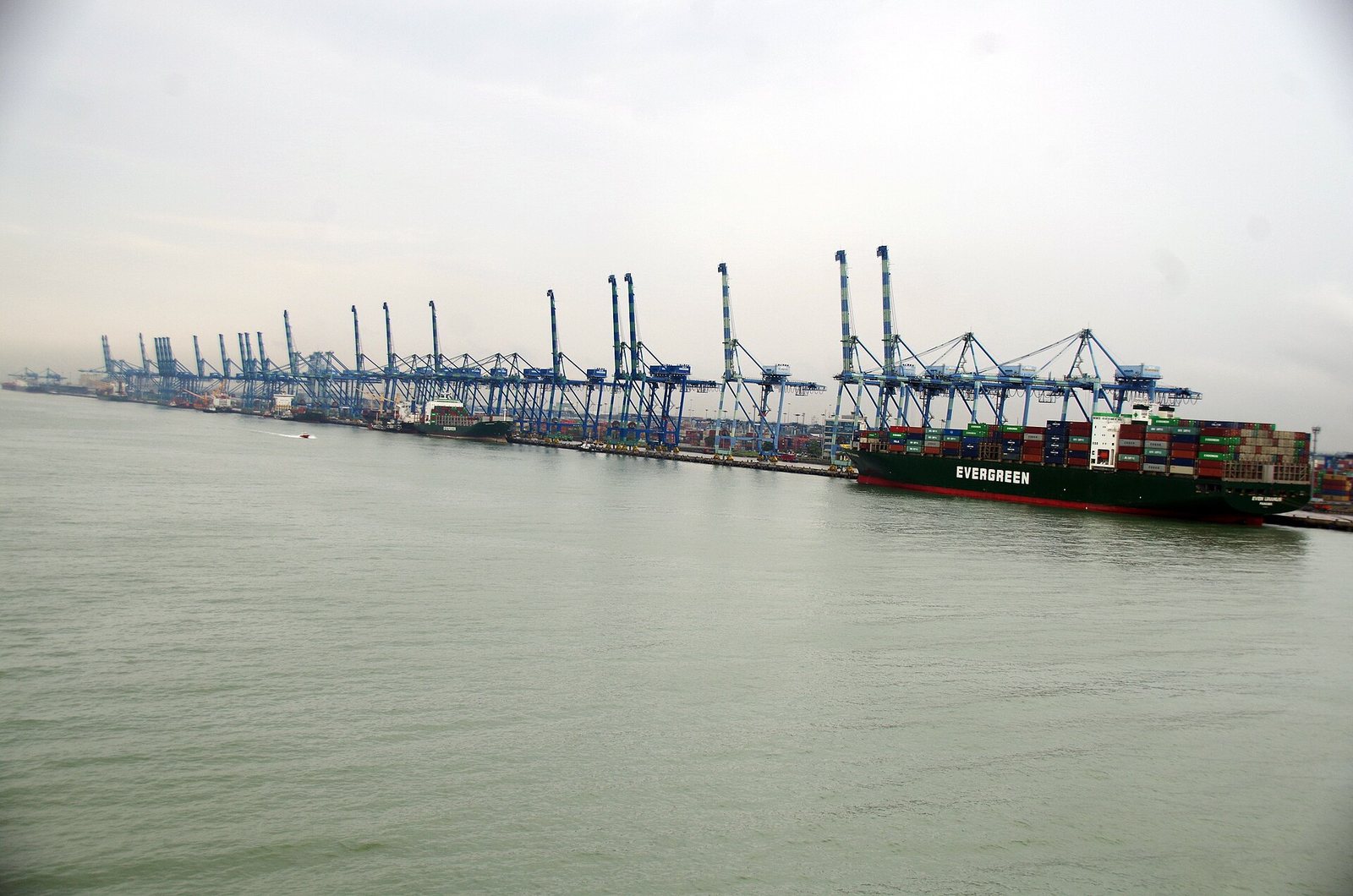
Malaysia · Fremantle to Kuantan, Malaysia elinde Lynas Malaysia (Rafineri)
First border crossing
Concentrate is shipped to Malaysia, where the plant that cracks it was built.
Neden burada: The cracking and separation plant was permitted and built here rather than in Australia — a decision about chemistry, cost and permitting that took years and remains contested.
Malaysia · Kuantan, Pahang elinde Lynas Malaysia (Kimyasal)
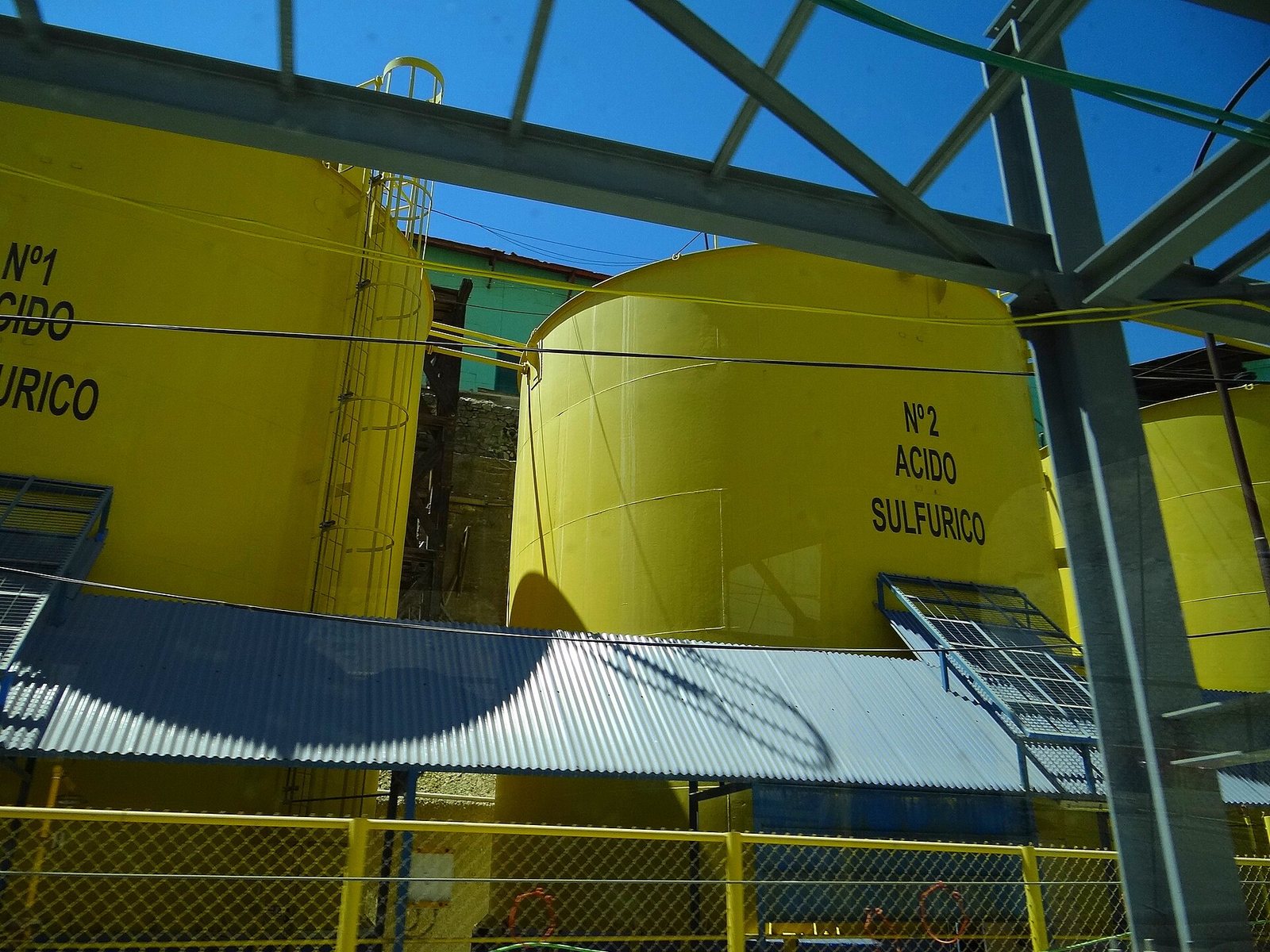
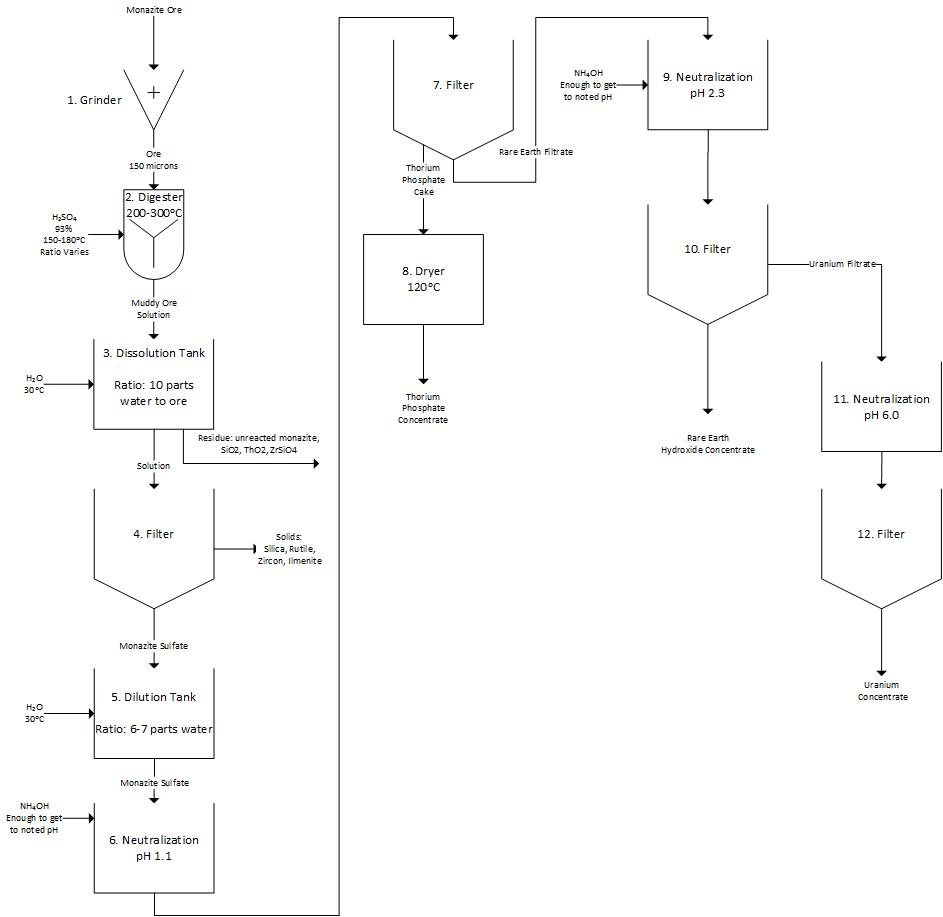
Cracking it open with acid
Roasted with concentrated sulfuric acid to break the mineral apart, then leached. Thorium and uranium that came with the ore have to be separated and managed here.
Geri kalanına ne oldu: The radioactive residue is the reason this step is hard to permit anywhere, and the reason so few countries have it.
Neden burada: Because someone was willing to build it and see it through.
Malaysia · Separation plant elinde Lynas Malaysia (Rafineri)
Hundreds of stages to tell them apart
Solvent extraction through hundreds of mixer-settler stages, exploiting differences in ionic radius so small they are almost invisible. Out come separated oxides: neodymium-praseodymium, lanthanum, cerium.
Geri kalanına ne oldu: Cerium and lanthanum come out too, in larger quantities than anyone wants them. Surplus light rare earths are the industry's structural problem.
Neden burada: This is the hardest step in the chain and the one with the fewest operators worldwide.
China · Metal and alloy plants elinde Metal and magnet makers (Üretici)
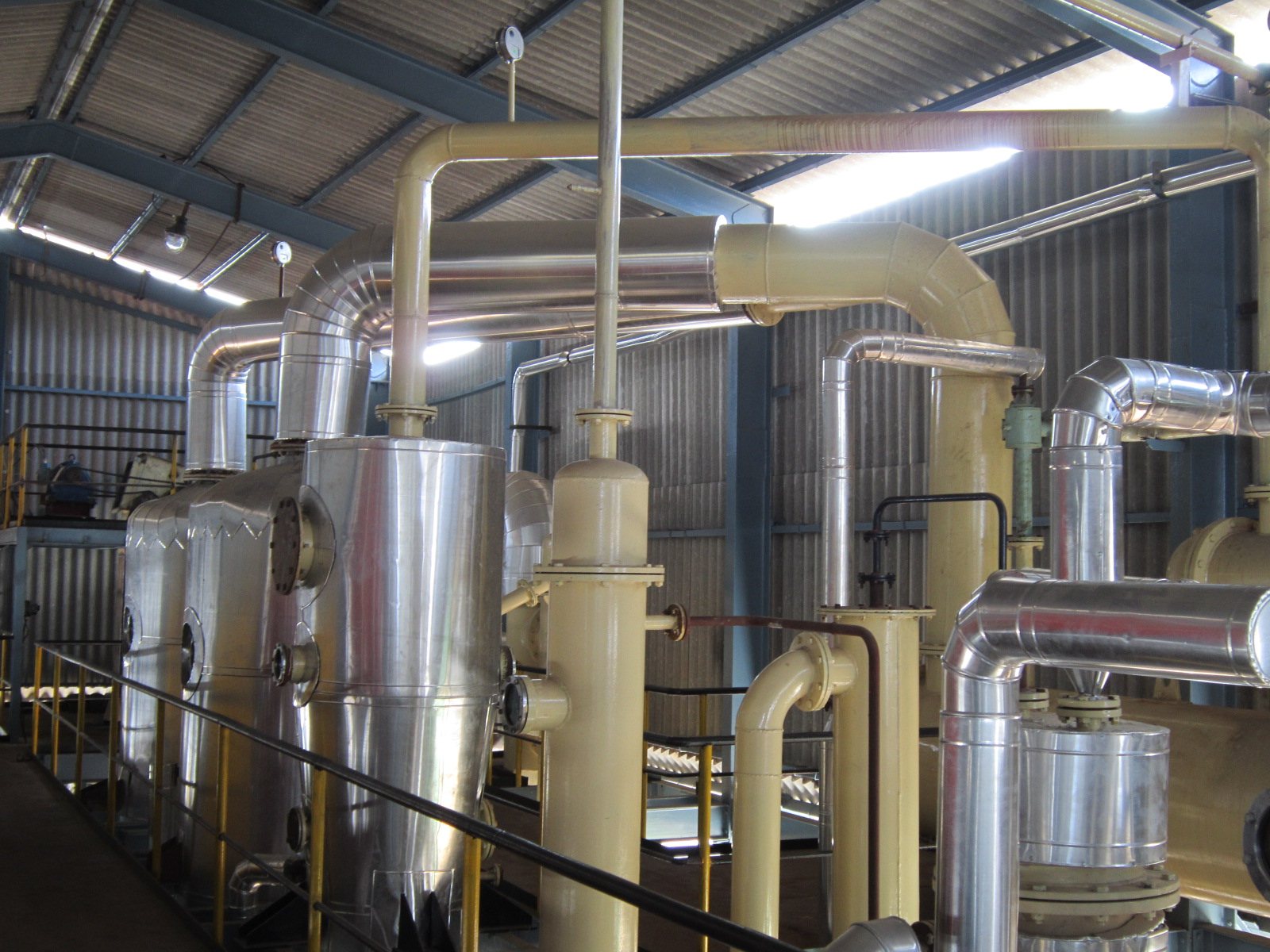
Oxide to metal to alloy
The oxide is reduced to metal by molten-salt electrolysis, then strip-cast with iron and boron into a rapidly-quenched NdFeB alloy ribbon.
Neden burada: Metal-making capacity outside China is very small. This is the step a Western mine cannot yet route around.
China · Ningbo or Ganzhou elinde Magnet manufacturer (Üretici)
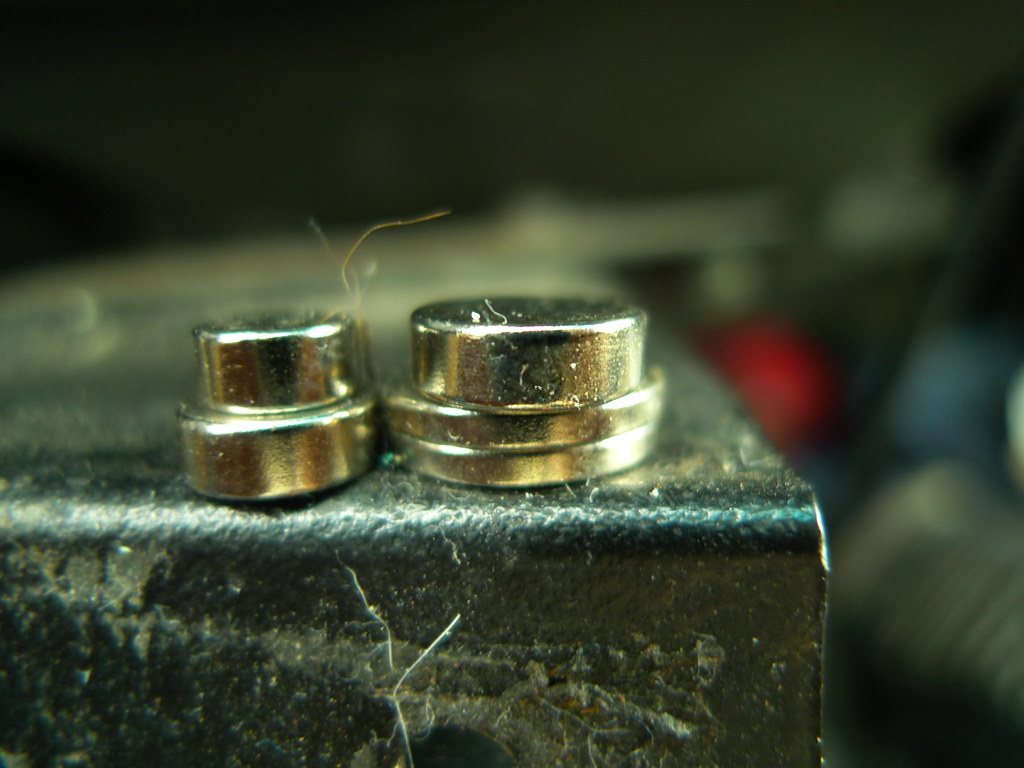
Making the magnet
Hydrogen decrepitation, jet milling to a few microns, pressing in a magnetic field to align the grains, sintering, machining, and a nickel-copper-nickel coating so it does not corrode. Dysprosium or terbium is diffused into the grain boundaries so it survives heat.
Geri kalanına ne oldu: Machining swarf is recycled internally — magnet scrap is one of the few genuinely closed loops in this industry.
Neden burada: Roughly 30% of a sintered magnet's mass is rare earth. This is where the ore finally becomes a component.
Germany · Motor and vehicle plants elinde Motor and vehicle manufacturers (Üretici)
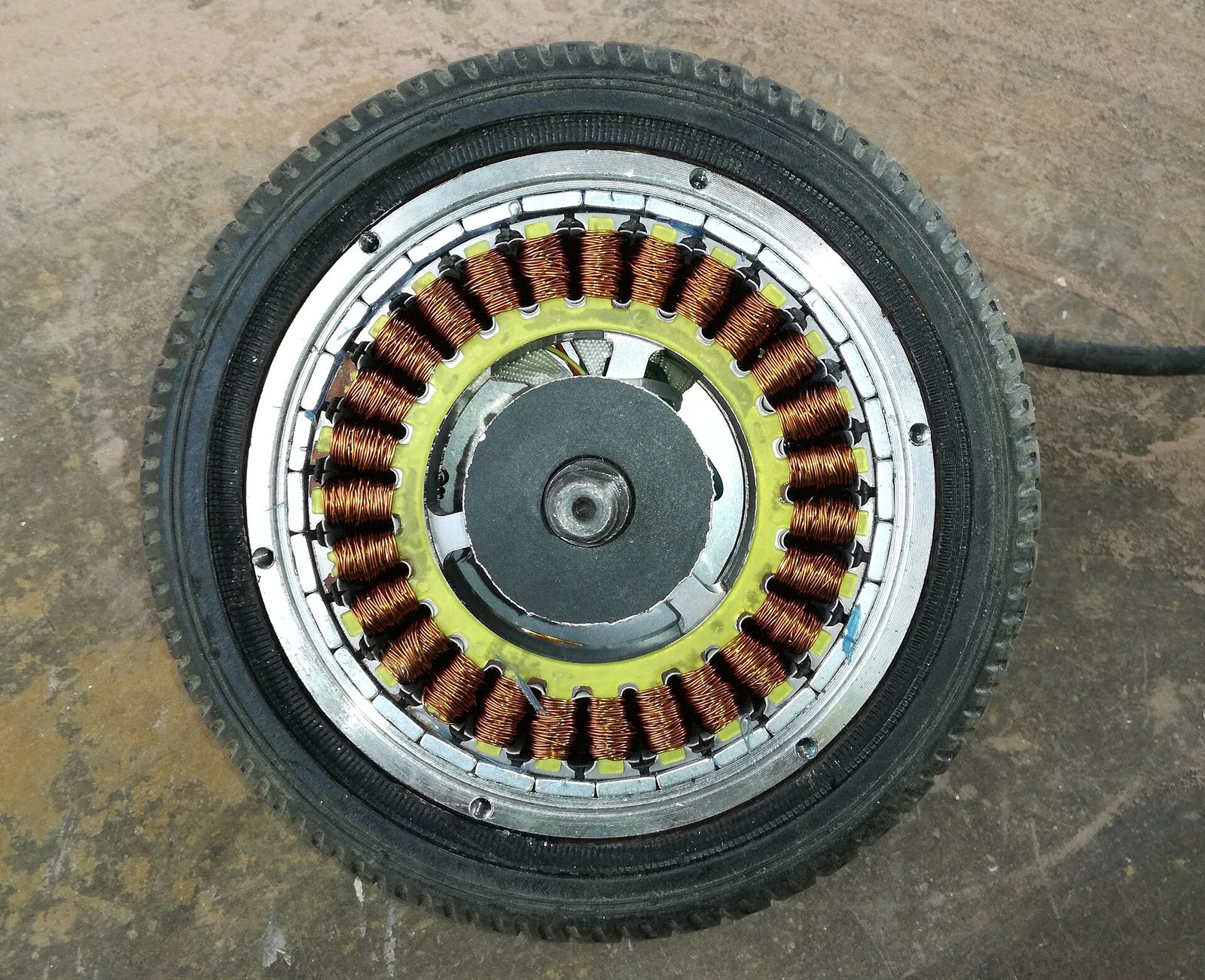
Into a traction motor
1.6 tonnes of magnet is on the order of two thousand car traction motors, or the generator of a single large offshore wind turbine.
Neden burada: Four countries, three oceans, five processing steps — from one tonne of Australian rock to the thing that makes an electric car move.
Bu çalışılmış bir örnektir. Belirtilen bir başlangıç miktarını, yayımlanmış tipik verim ve geri kazanım oranları üzerinden takip eder; dolayısıyla oranlar doğrulanabilir niteliktedir; belirli bir sevkiyatın kaydı değildir. Güzergâh bilgileri — hangi ülkeler, hangi işlemler ve malzemenin neden başka bir yerde işlenemeyeceği — kamuya açık raporlardan derlenmiştir.