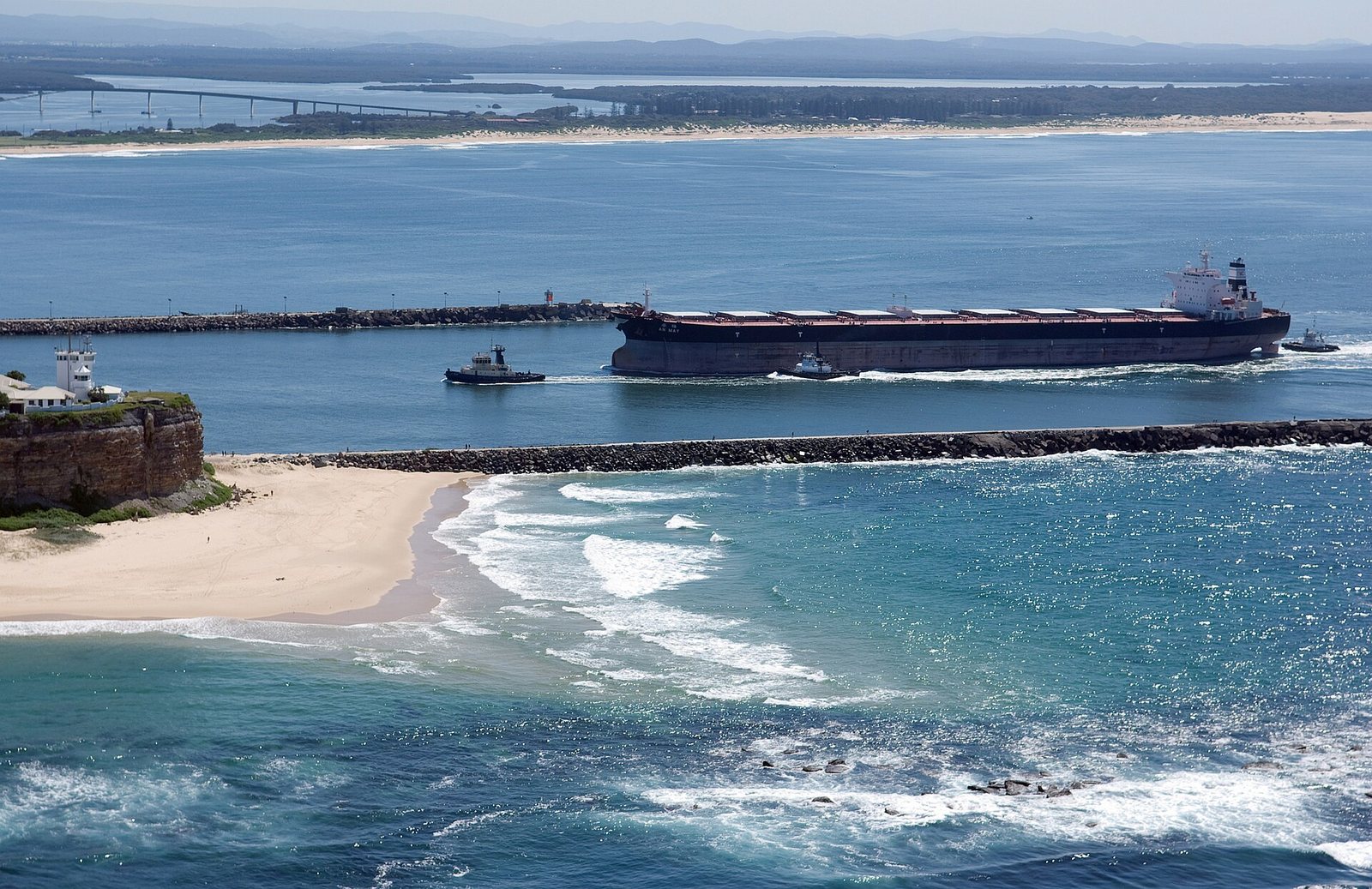
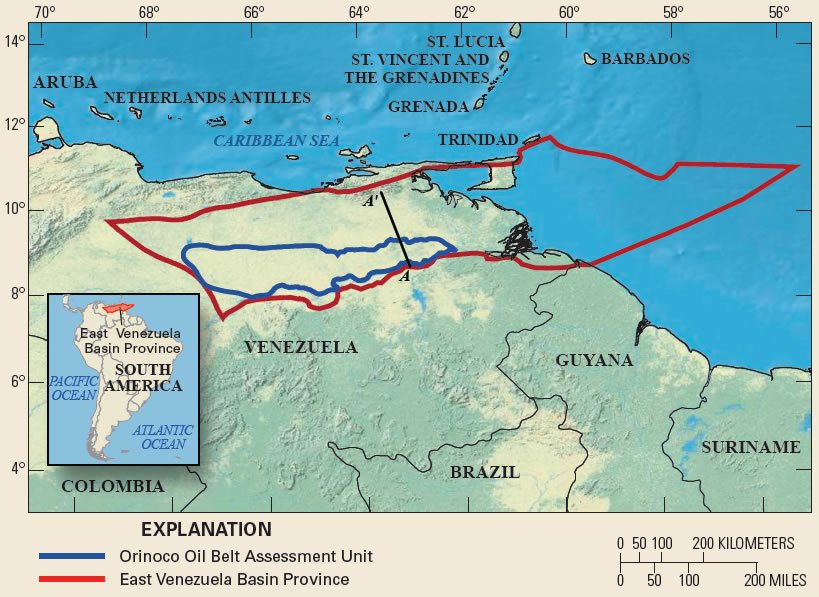
Venezuelan extra-heavy crude to diesel, asphalt and aluminium anodes
Oil so thick it will not flow down a pipe, and cannot be refined by most refineries on Earth.
Venezuela → United States → United Arab Emirates
7 Schritte 3 Länder 1,000 barrels → 880 barrels equivalent
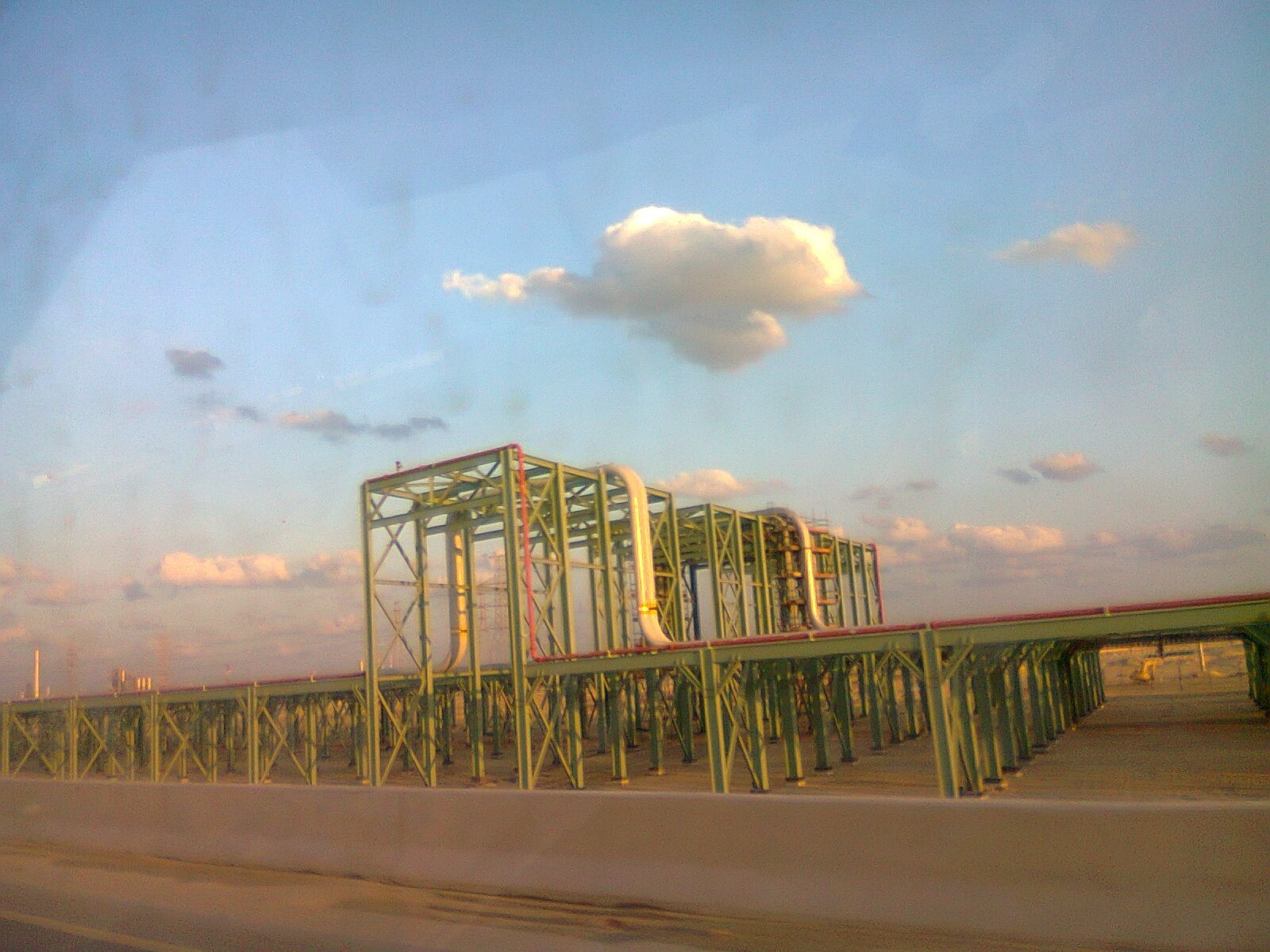
Saudi Arab Light to petrol, almost anywhere
The same commodity, a fraction of the effort — because of what the molecule is.
Saudi Arabia → South Korea
5 Schritte 2 Länder 1,000 barrels → 990 barrels equivalent
Alberta oil sands: mined like ore, refined like oil
The only oil in the world that is dug up with a shovel and graded like an orebody.
Canada → United States
5 Schritte 2 Länder 1,000 tonnes → 700 barrels
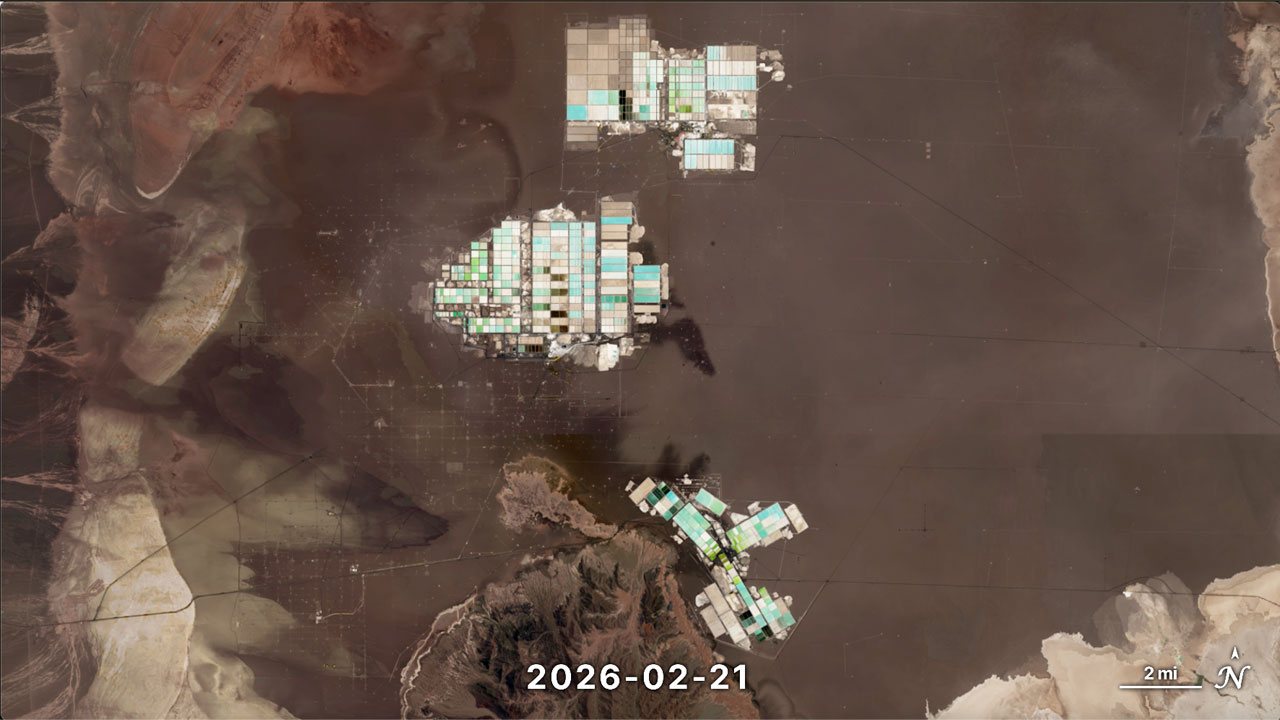
Chilean brine to a battery in a car
The ore is water. The first year and a half of processing is done by the sun, for free.
Chile → China → Germany
7 Schritte 3 Länder 1,000,000 litres → 8 kg
Australian spodumene to a battery, the fast way
Eight weeks instead of eighteen months, at the cost of a great deal more energy.
Australia → China → South Korea → United States
6 Schritte 4 Länder 1,000 tonnes → 8 kg
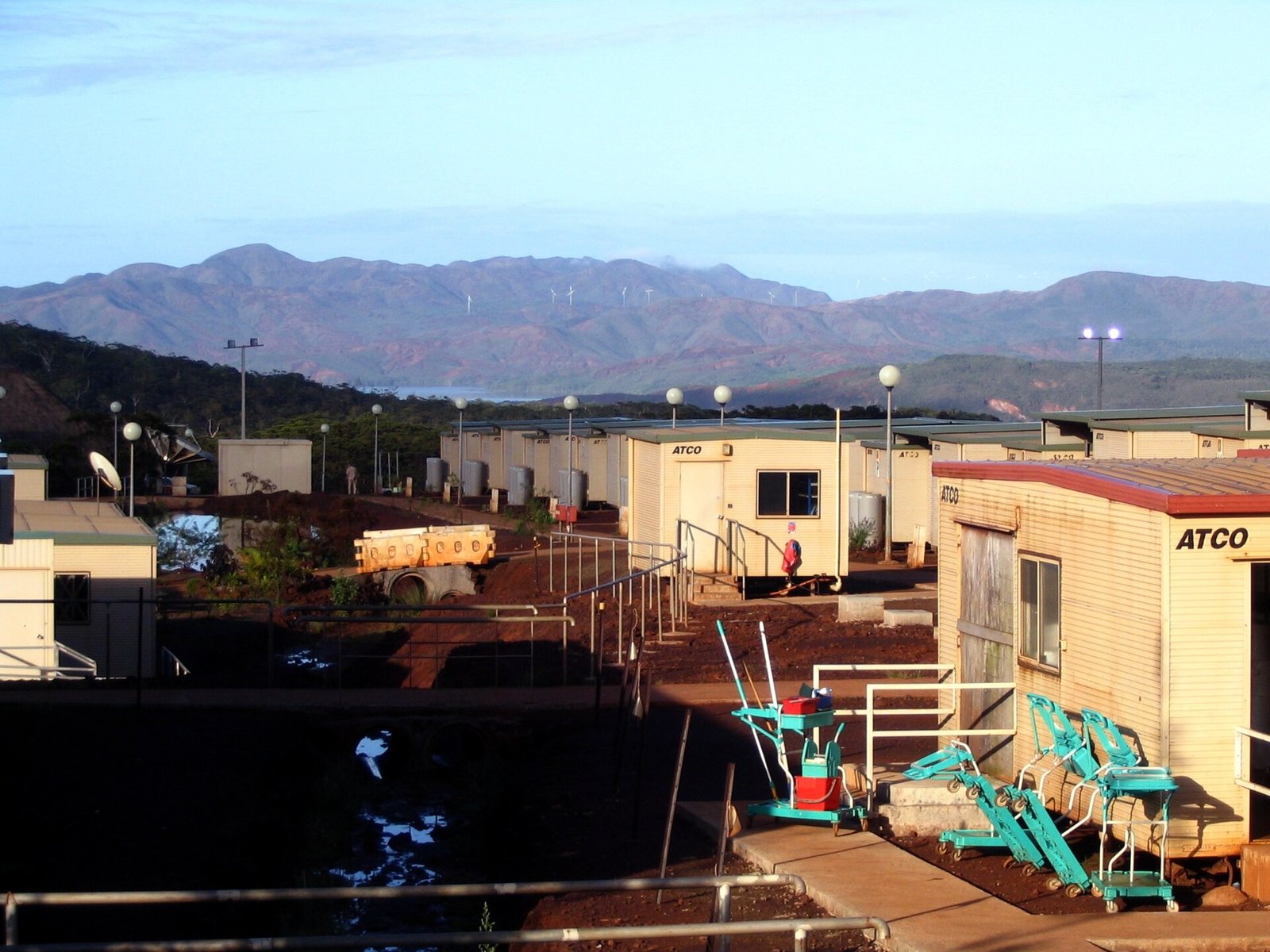
New Caledonian laterite to stainless steel
An island that smelts its own ore, and pays for it with the most expensive electricity in the industry.
New Caledonia → Japan
5 Schritte 2 Länder 1,000 tonnes → 19 tonnes
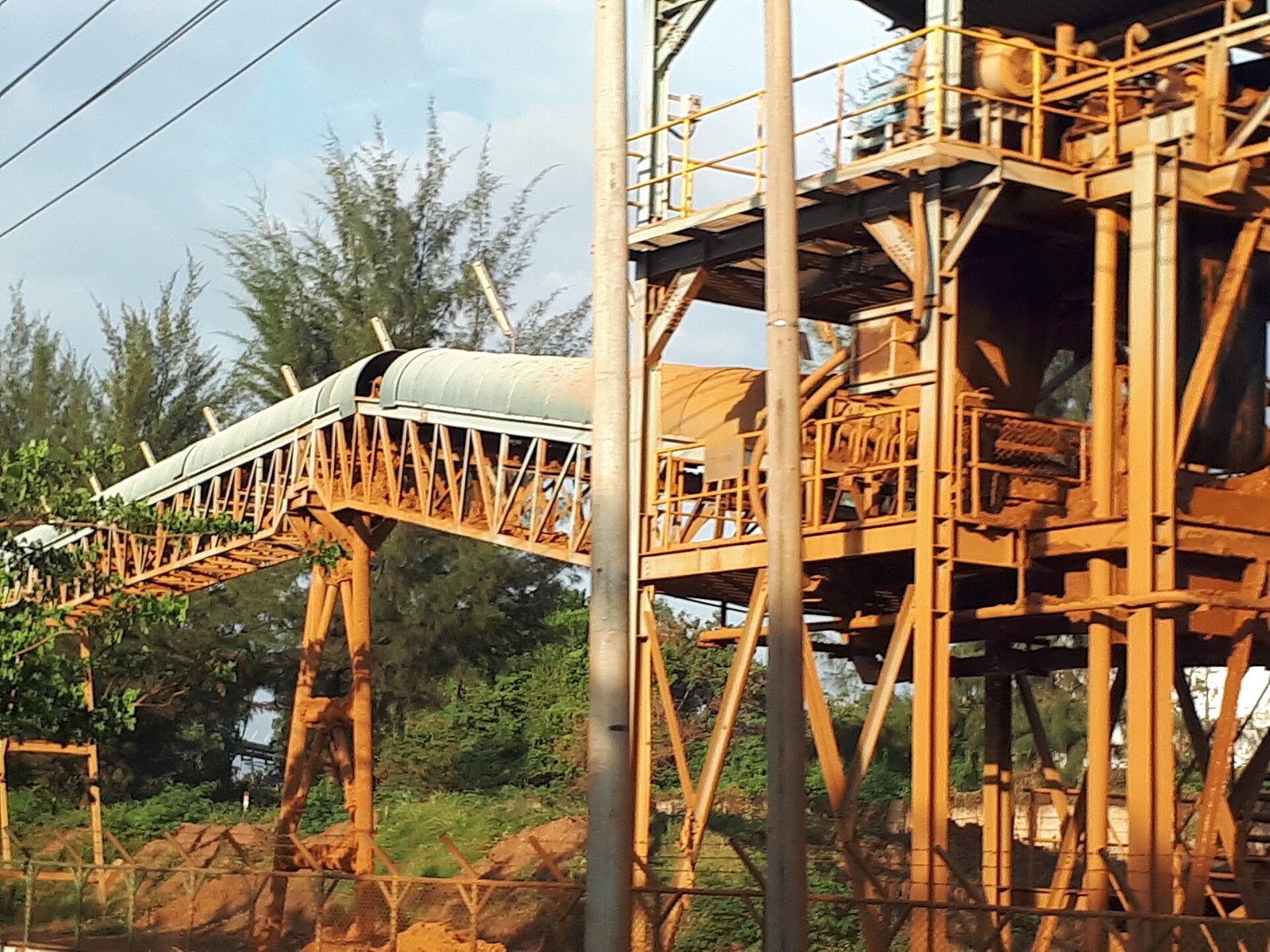
Indonesian laterite to a battery cathode
A country that banned raw ore exports and built the processing industry instead.
Indonesia → China
6 Schritte 2 Länder 1,000 tonnes → 11 tonnes
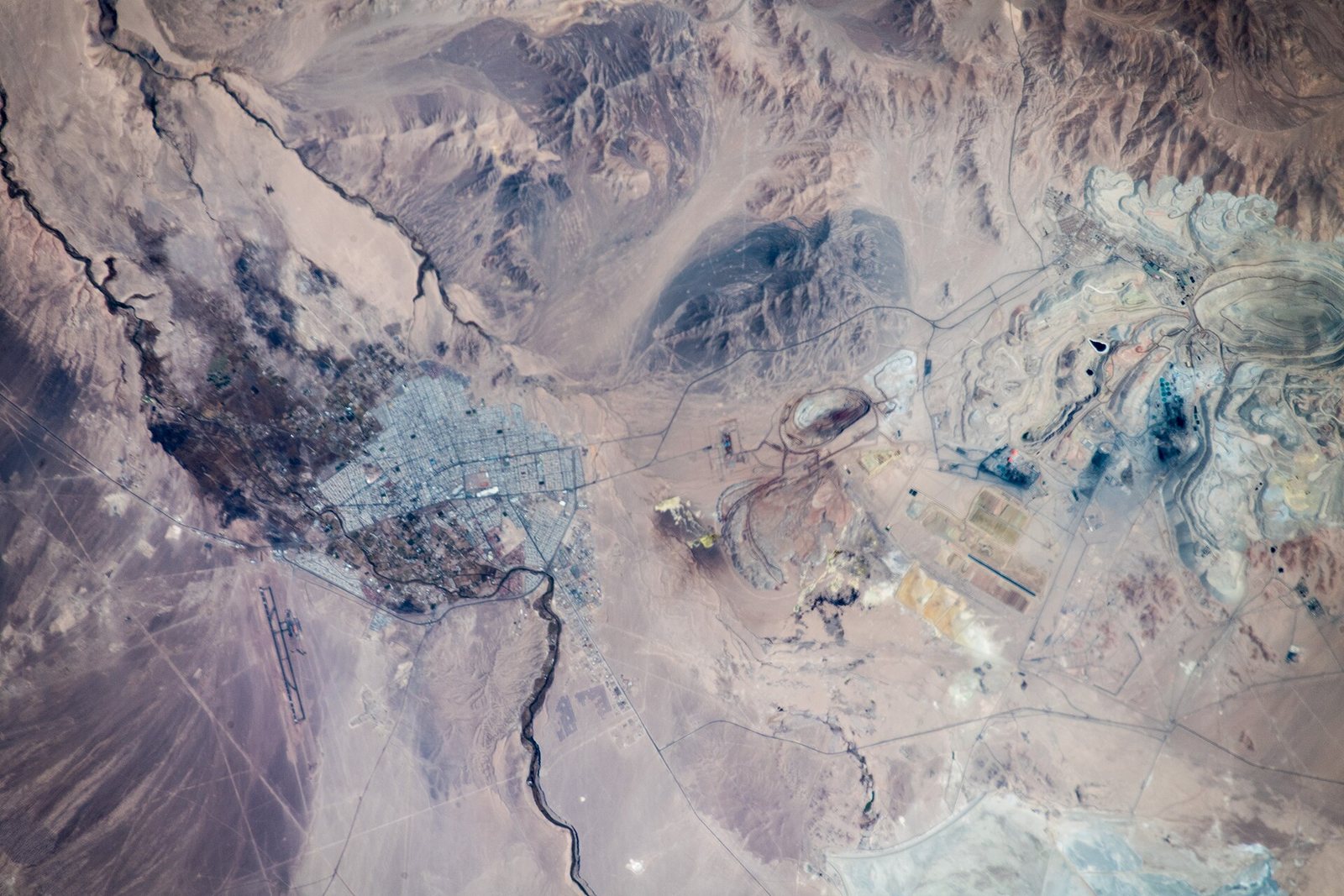
Chilean sulfide concentrate to Chinese cathode to a wire
Chile mines the most copper in the world. China refines the most. Those are not the same sentence.
Chile → China
6 Schritte 2 Länder 1,000 tonnes → 5 tonnes
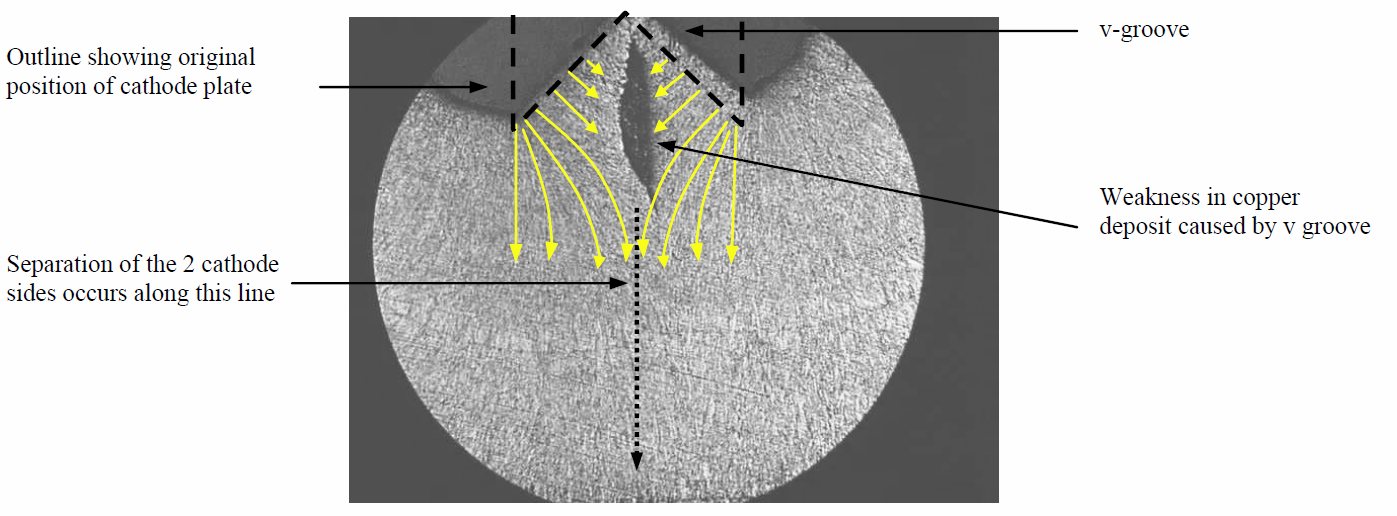
Congolese oxide ore to finished cathode, without a smelter
When the ore is oxide, acid will do what a smelter would otherwise have to.
Democratic Republic of the Congo → South Africa → China
5 Schritte 3 Länder 1,000 tonnes → 25 tonnes
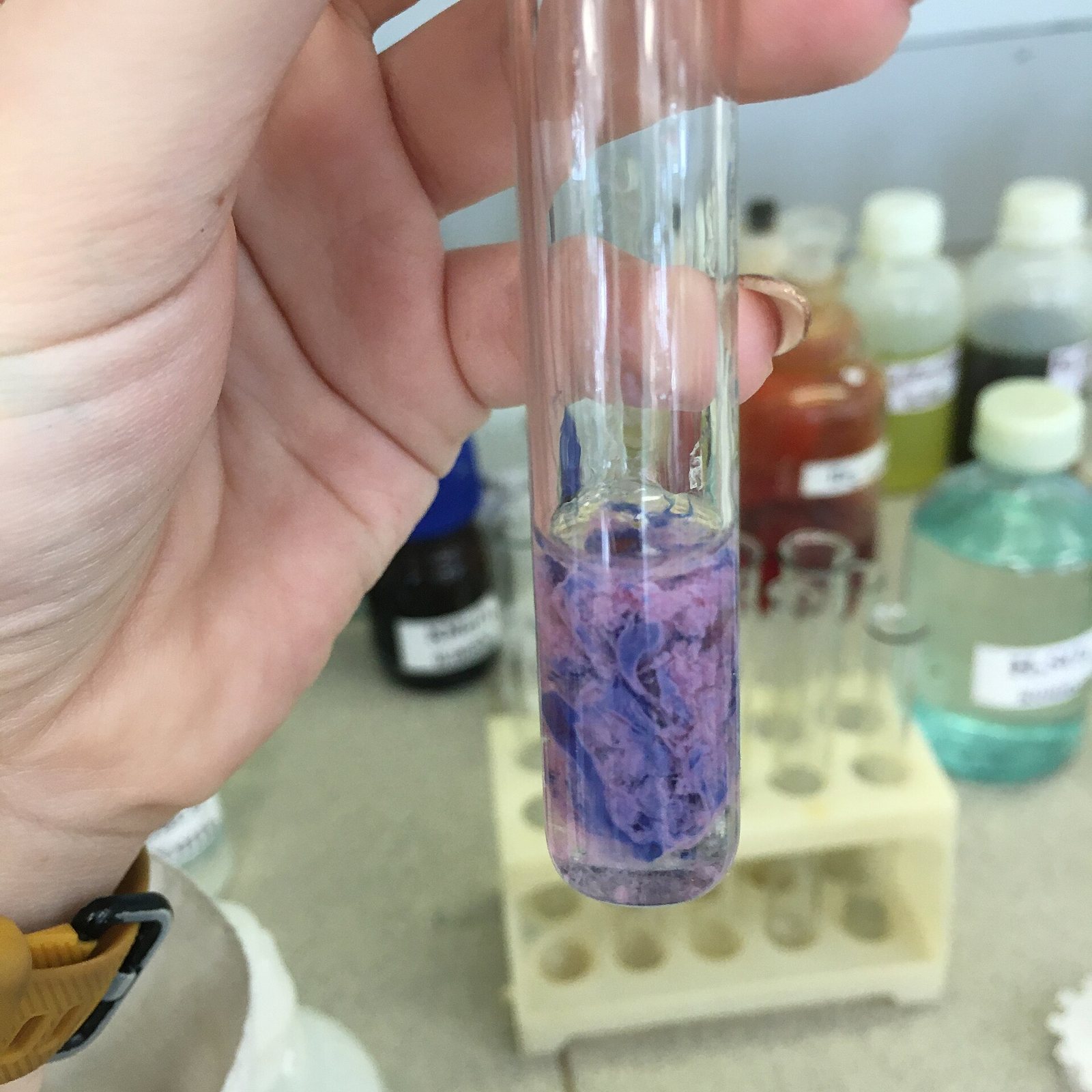
Congolese cobalt to a battery cathode
A metal almost nobody mines on purpose, carried out of a landlocked country by truck.
Democratic Republic of the Congo → Tanzania → China → South Korea → Germany
6 Schritte 5 Länder 1,000 tonnes → 4 tonnes
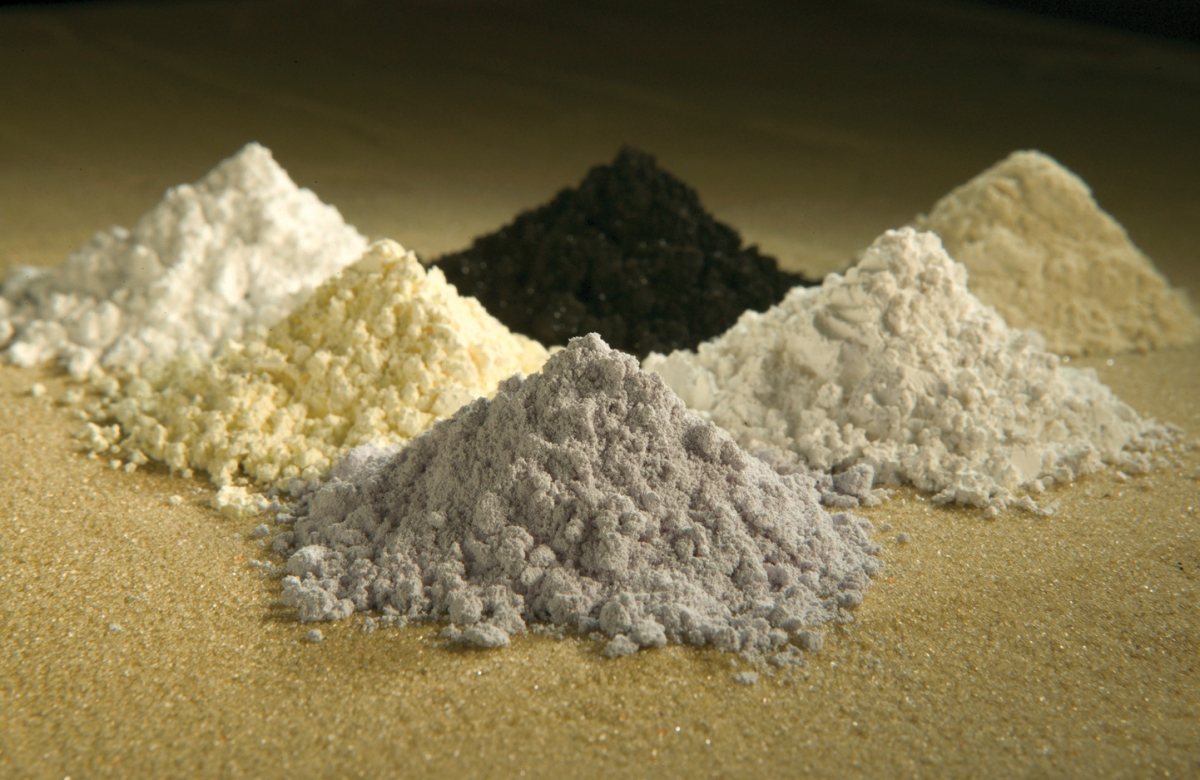
Australian rare earths to a magnet in a motor
Mined in Australia, cracked in Malaysia, magnetised in China, and fitted in Germany.
Australia → Malaysia → China → Germany
8 Schritte 4 Länder 1,000 tonnes → 2 tonnes
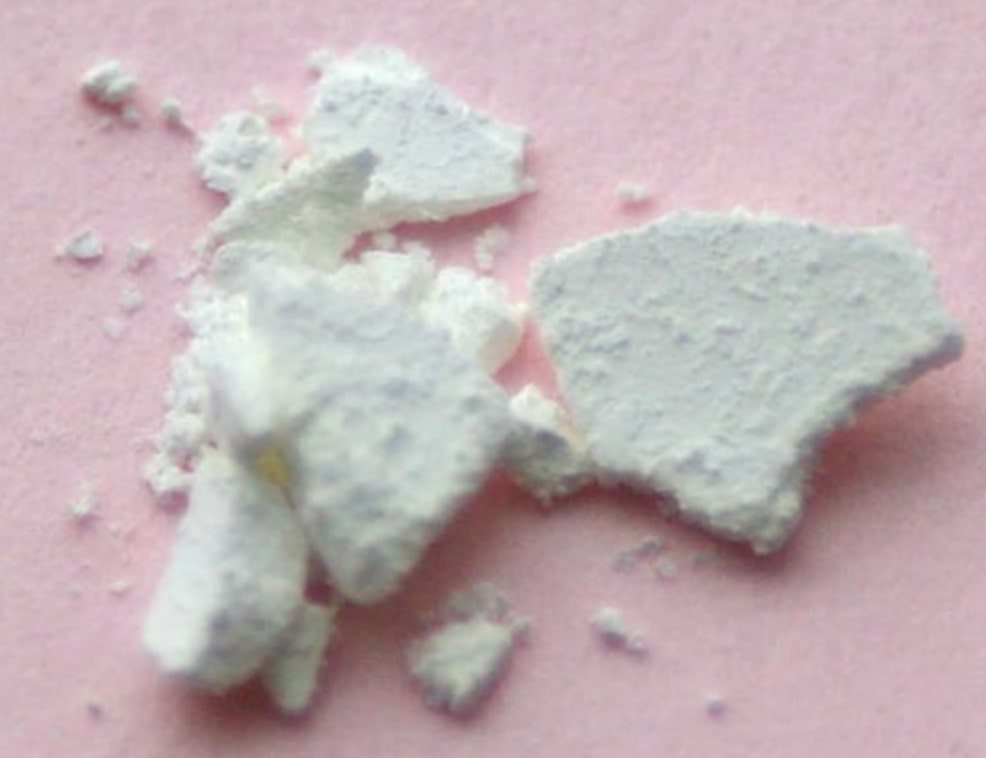
Southern Chinese clay to the dysprosium that lets a magnet run hot
Grades under a tenth of a percent, and almost the only heavy rare earths on the market.
China → Germany
5 Schritte 2 Länder 1,000 tonnes → 15 kg
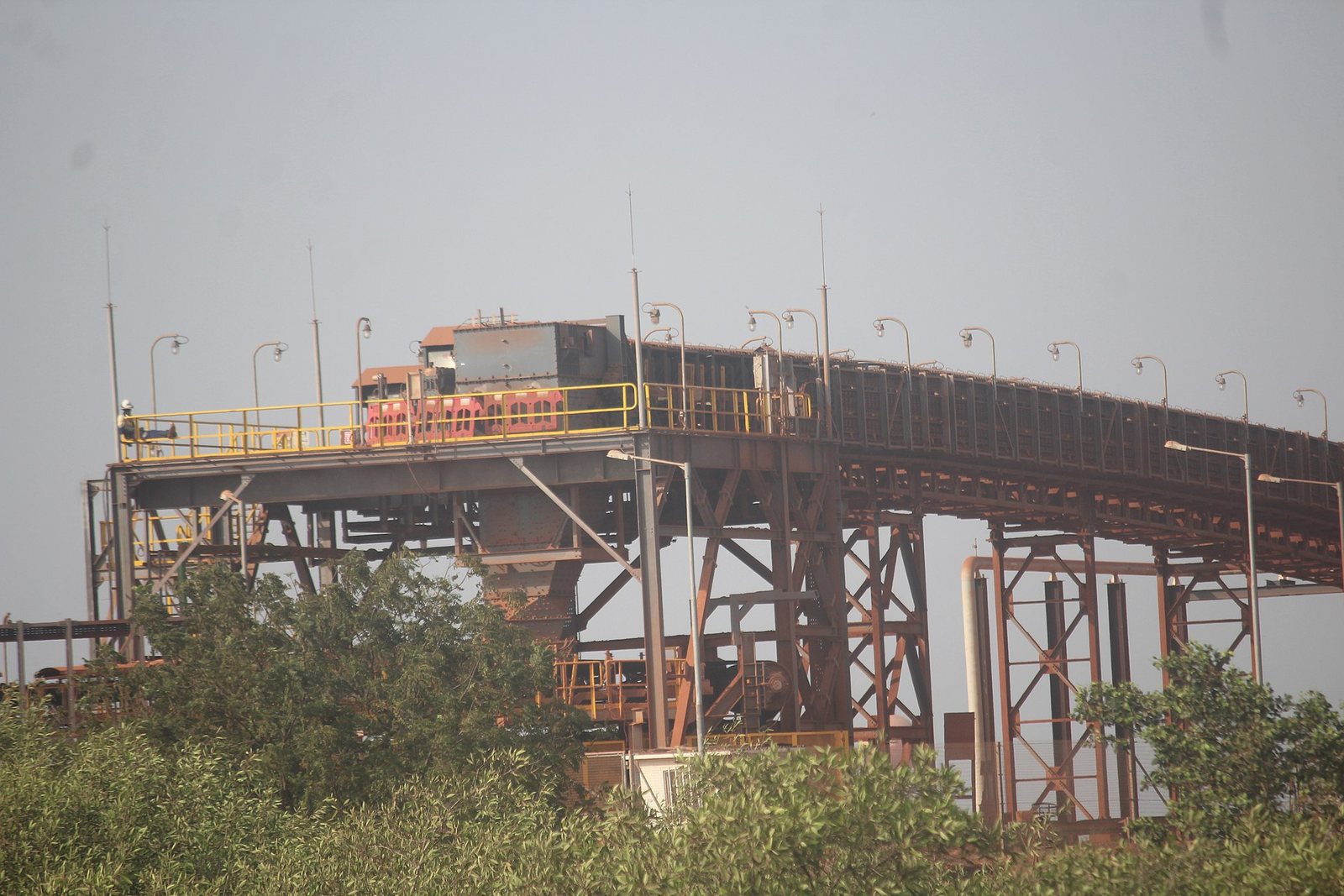
Guinean bauxite to an aluminium window frame
Four tonnes of tropical soil, two tonnes of white powder, one tonne of metal — and the metal is made wherever the power is cheapest.
Guinea → China → United Arab Emirates → Germany
5 Schritte 4 Länder 1,000 tonnes → 250 tonnes
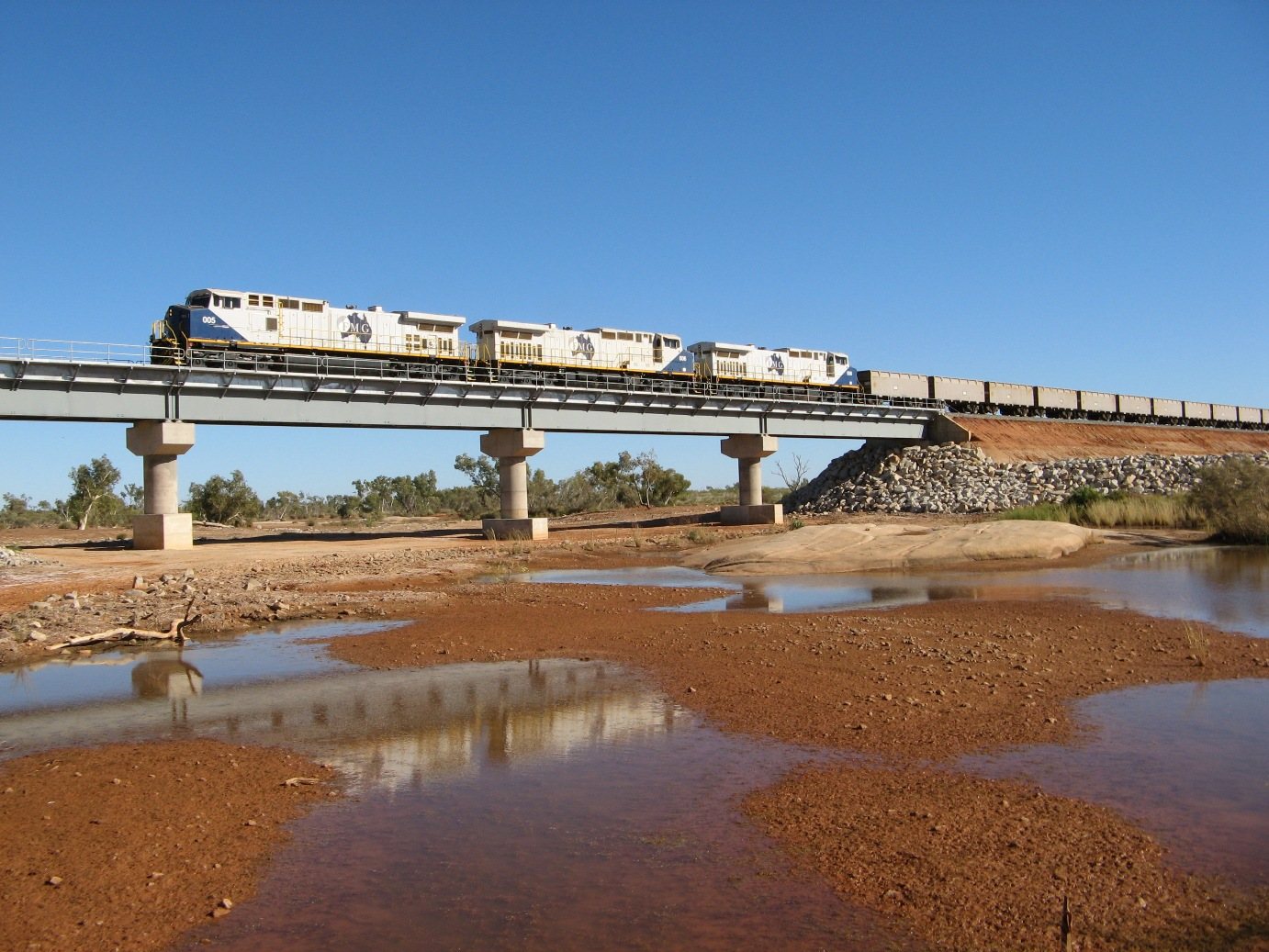
Pilbara iron ore to Chinese steel
The largest material flow on Earth: dig it, crush it, screen it, and put it on a boat.
Australia → China
6 Schritte 2 Länder 1,000 tonnes → 620 tonnes
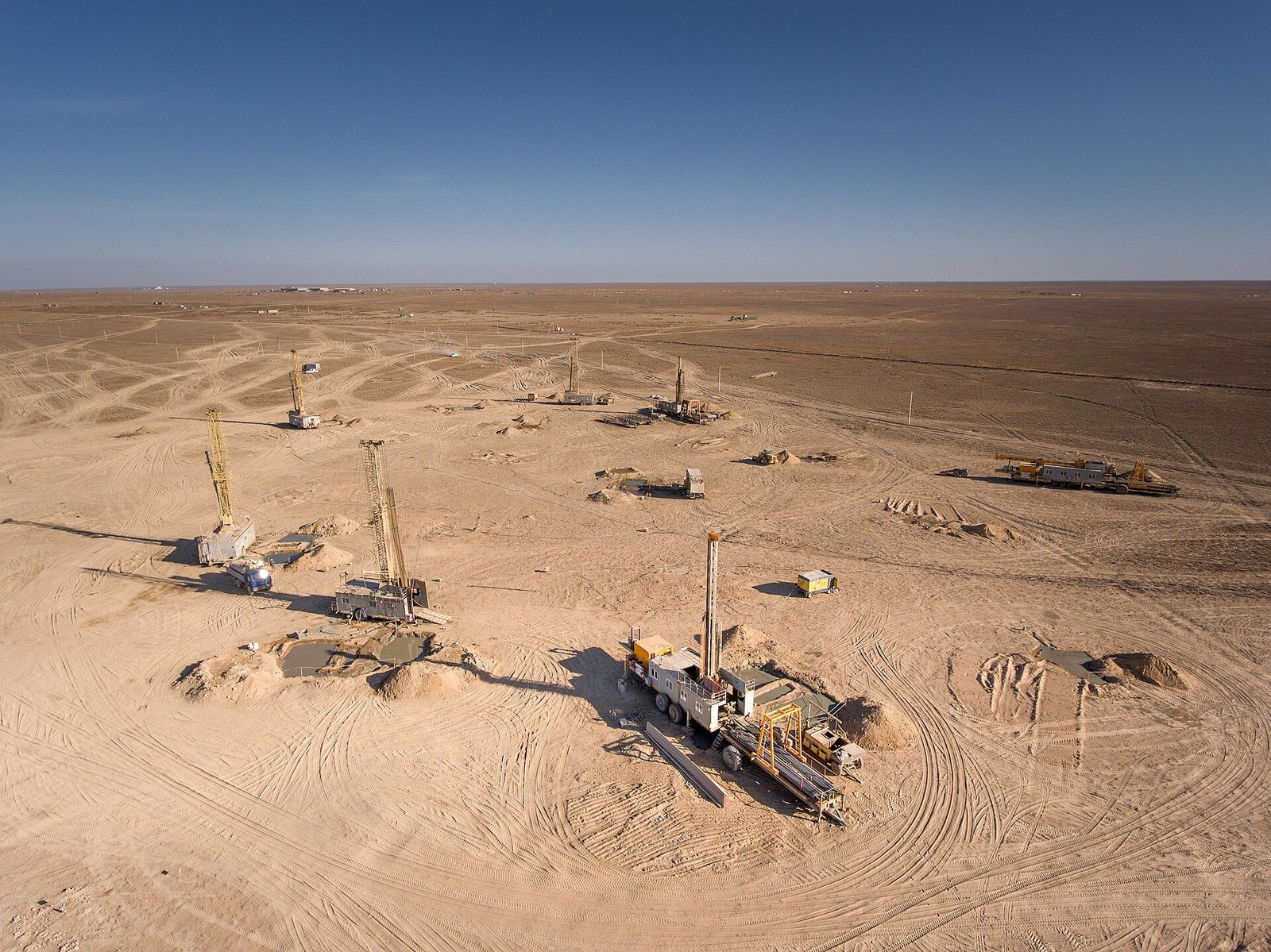
Kazakh uranium to a fuel assembly in a reactor
The most tightly watched journey covered here: every kilogram is accounted for, at every border.
Kazakhstan → Canada → France
6 Schritte 3 Länder 200 tonnes → 25 tonnes
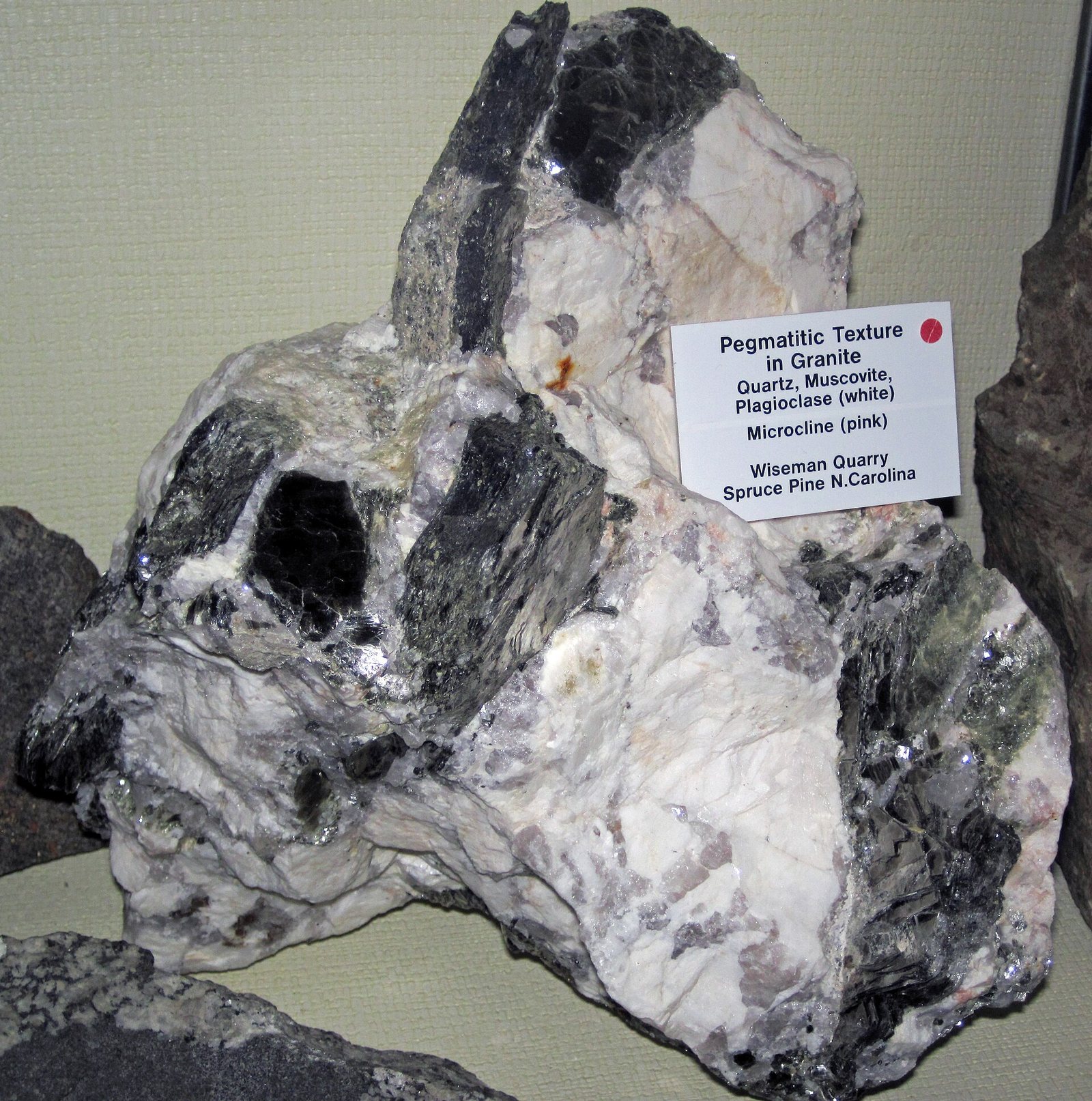
A quarry in North Carolina to the chip in your phone
The most valuable sand on Earth, and almost all of it comes from one small district.
United States → Germany → China → Japan → Taiwan → Vietnam
6 Schritte 6 Länder 1,000 kg → 8,000 wafers
Als Paar lesen
Beide Routen führen dieselbe Ware. Was sie trennt, ist die physische Beschaffenheit des Materials.
Saudi Arab Light to petrol, almost anywhere
The same product from a much harder barrel
Venezuelan extra-heavy crude to diesel, asphalt and…
If this had been light sweet crude instead
Chilean brine to a battery in a car
The same element out of hard rock instead
Australian spodumene to a battery, the fast way
The same element out of brine instead
Indonesian laterite to a battery cathode
The other layer of the same rock
Chilean sulfide concentrate to Chinese cathode to a…
Oxide ore, finished at the mine instead
Die allgemeine Struktur, ohne die Grenzen
Lieferketten →Wer die Stufen ohne ein bestimmtes Land sucht, findet dasselbe Material in allgemeiner Form auf den Lieferketten-Seiten.