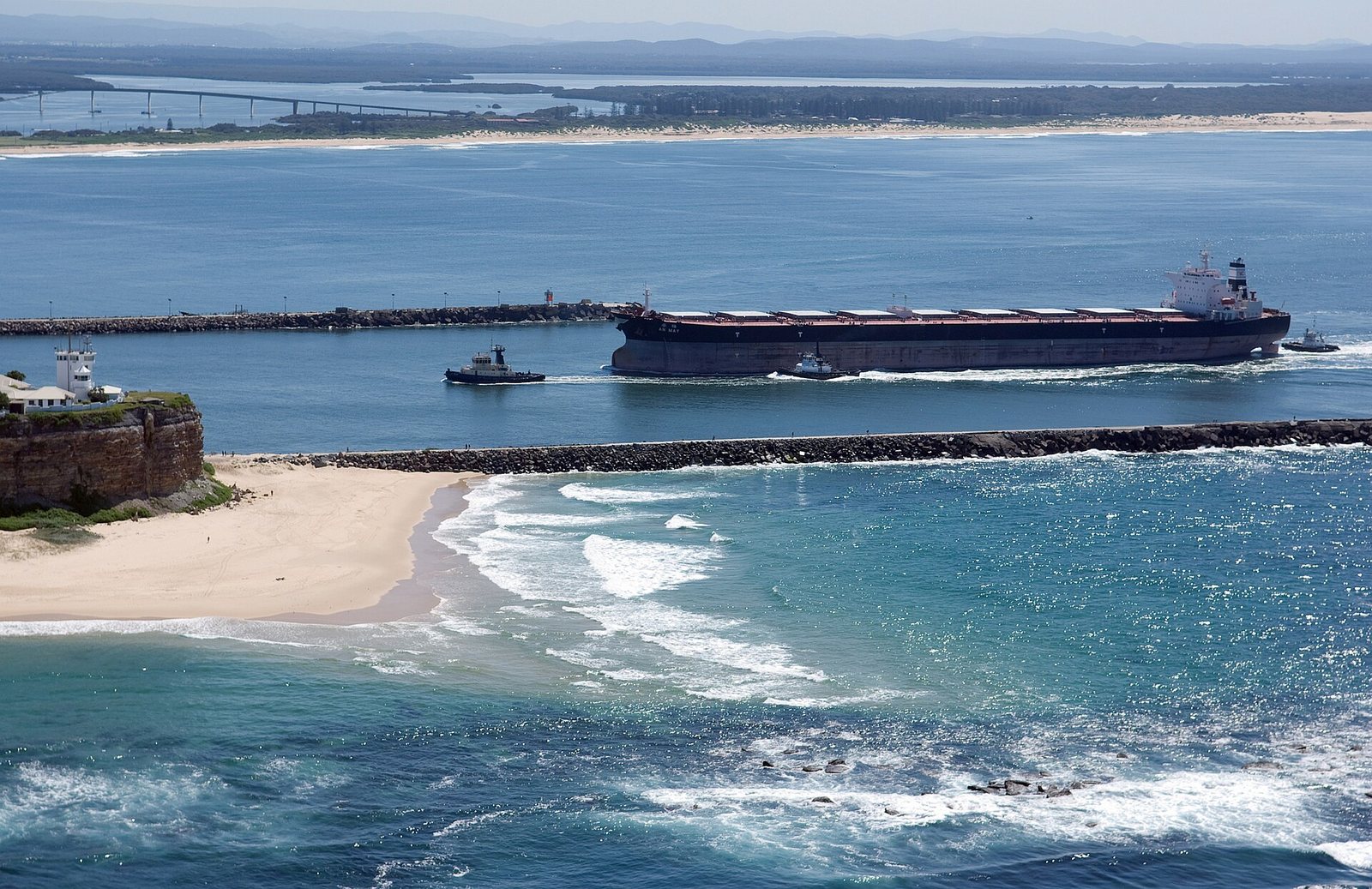
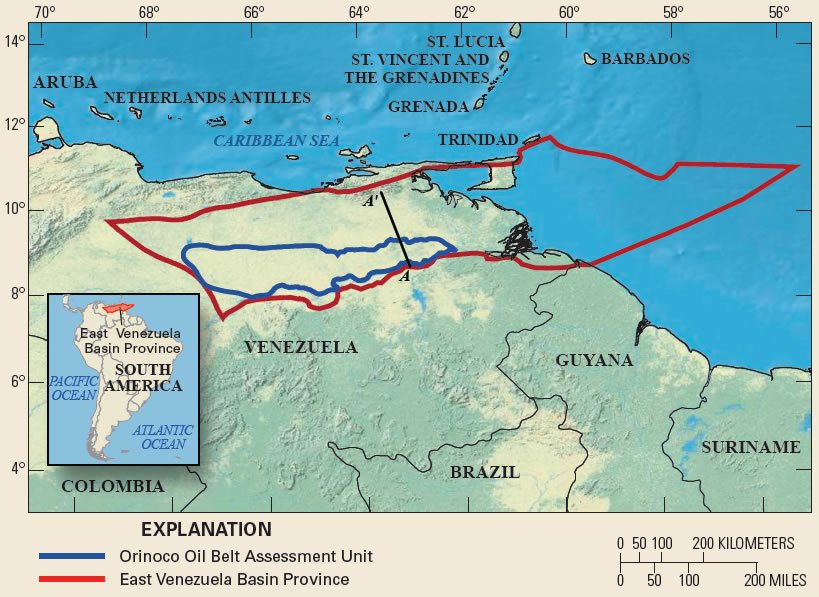
Venezuelan extra-heavy crude to diesel, asphalt and aluminium anodes
Oil so thick it will not flow down a pipe, and cannot be refined by most refineries on Earth.
Venezuela → United States → United Arab Emirates
7 fasi 3 paesi 1,000 barrels → 880 barrels equivalent
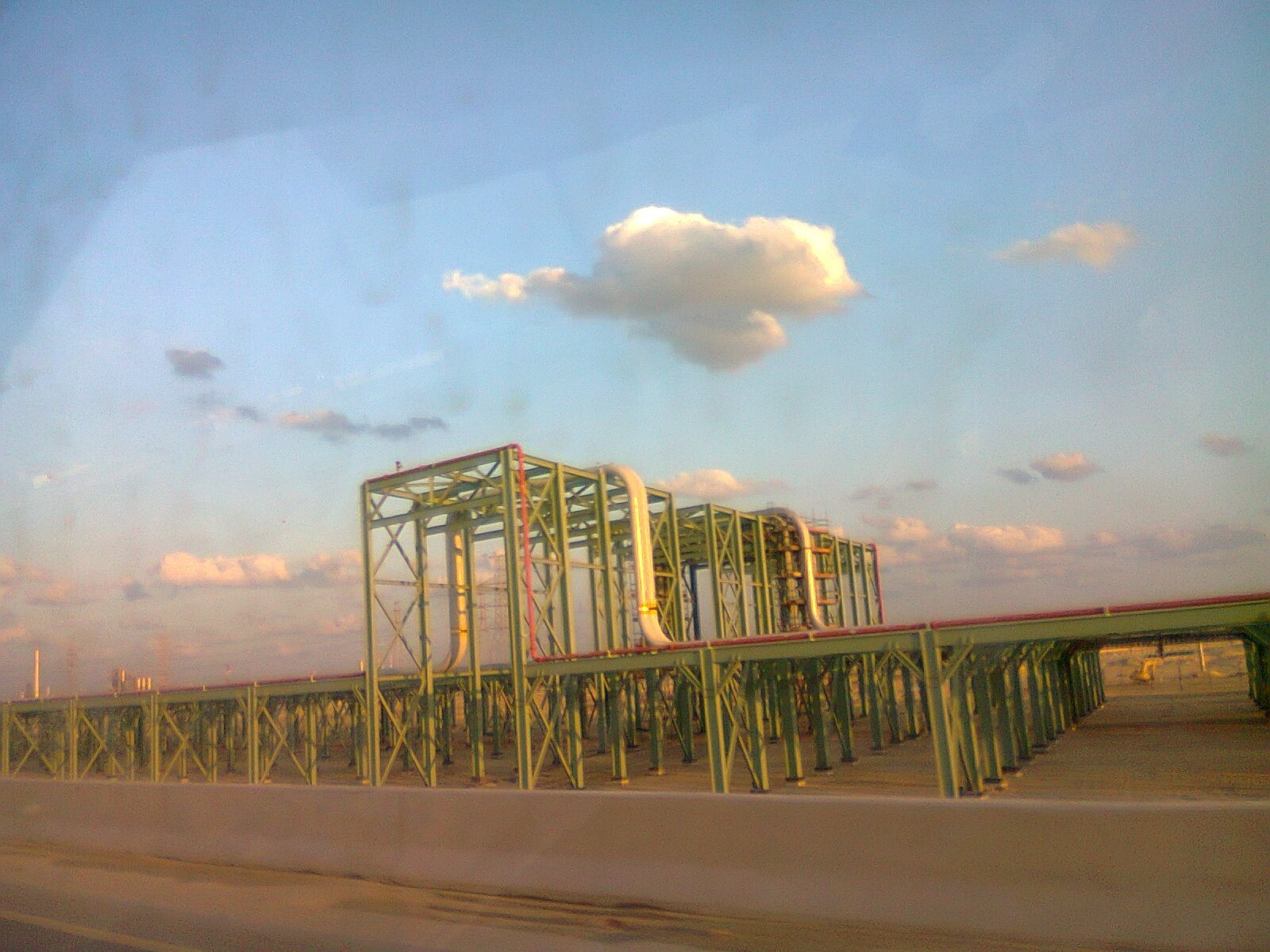
Saudi Arab Light to petrol, almost anywhere
The same commodity, a fraction of the effort — because of what the molecule is.
Saudi Arabia → South Korea
5 fasi 2 paesi 1,000 barrels → 990 barrels equivalent
Alberta oil sands: mined like ore, refined like oil
The only oil in the world that is dug up with a shovel and graded like an orebody.
Canada → United States
5 fasi 2 paesi 1,000 tonnes → 700 barrels
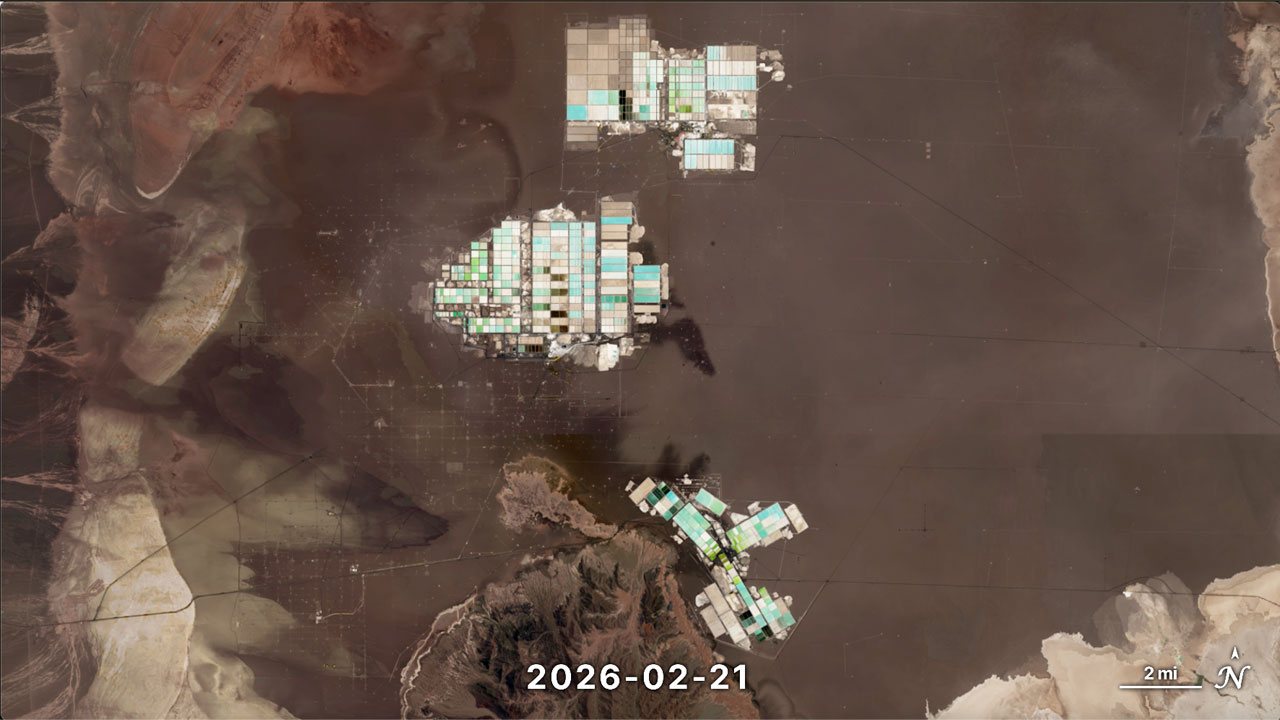
Chilean brine to a battery in a car
The ore is water. The first year and a half of processing is done by the sun, for free.
Chile → China → Germany
7 fasi 3 paesi 1,000,000 litres → 8 kg
Australian spodumene to a battery, the fast way
Eight weeks instead of eighteen months, at the cost of a great deal more energy.
Australia → China → South Korea → United States
6 fasi 4 paesi 1,000 tonnes → 8 kg
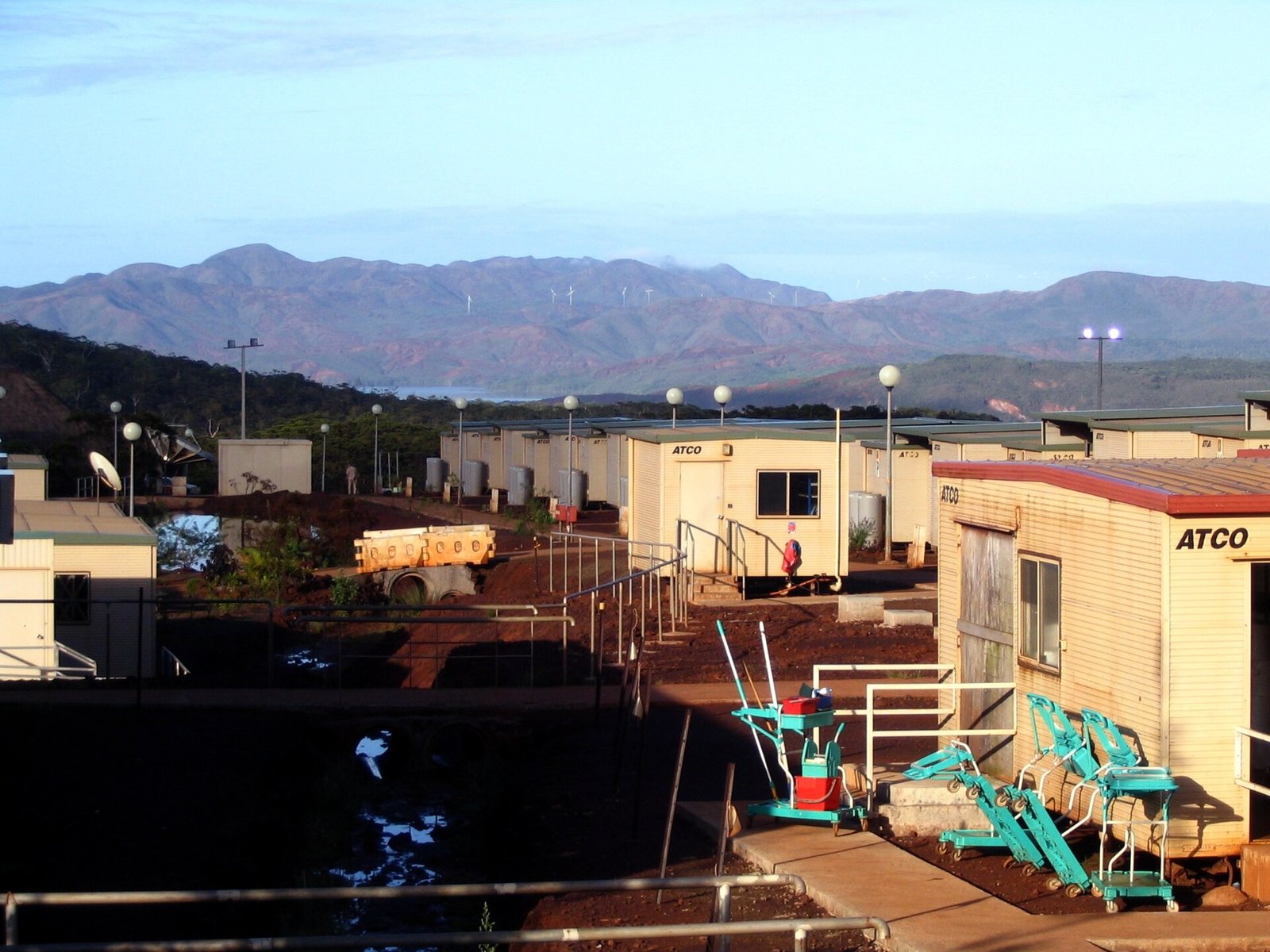
New Caledonian laterite to stainless steel
An island that smelts its own ore, and pays for it with the most expensive electricity in the industry.
New Caledonia → Japan
5 fasi 2 paesi 1,000 tonnes → 19 tonnes
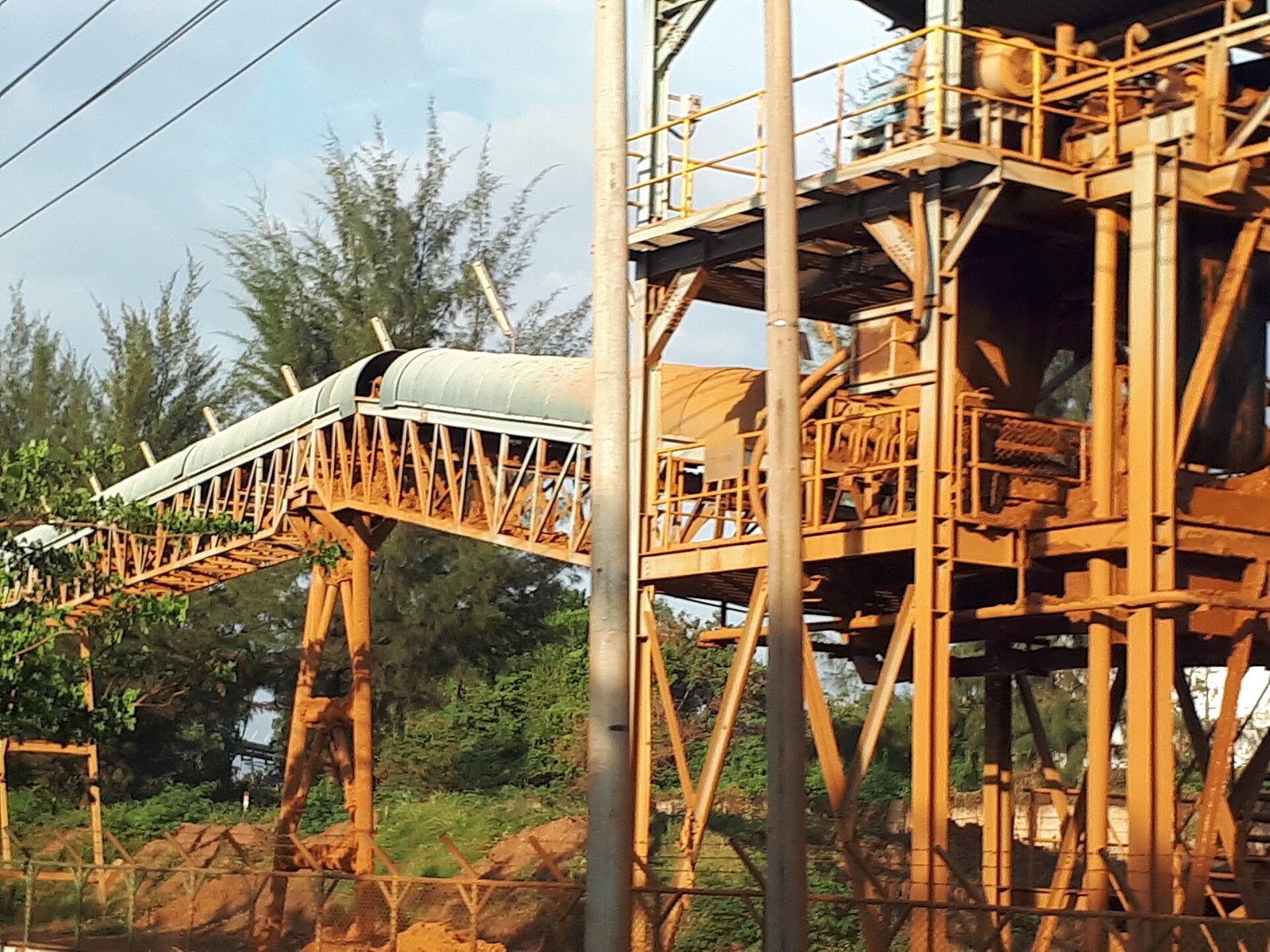
Indonesian laterite to a battery cathode
A country that banned raw ore exports and built the processing industry instead.
Indonesia → China
6 fasi 2 paesi 1,000 tonnes → 11 tonnes
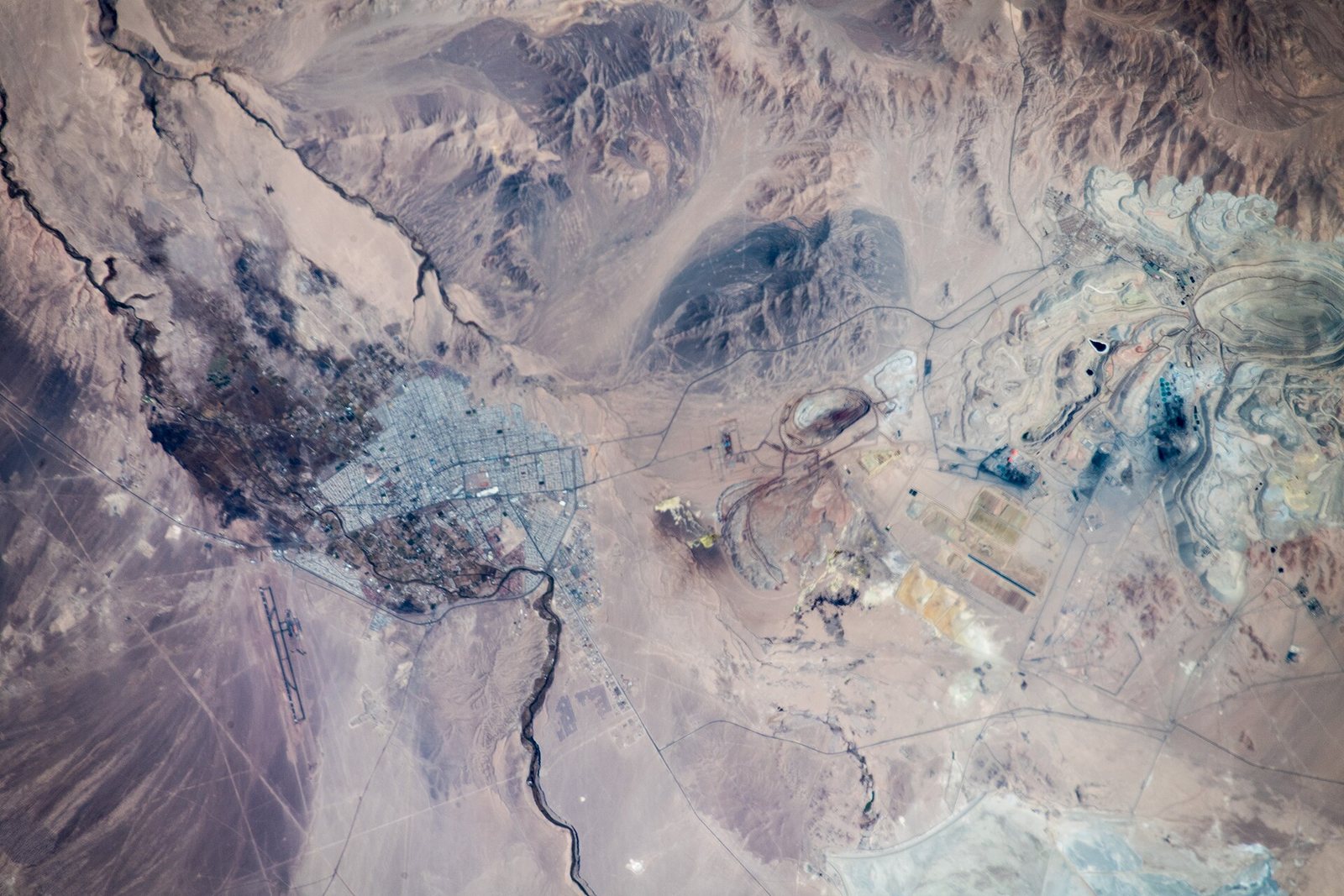
Chilean sulfide concentrate to Chinese cathode to a wire
Chile mines the most copper in the world. China refines the most. Those are not the same sentence.
Chile → China
6 fasi 2 paesi 1,000 tonnes → 5 tonnes
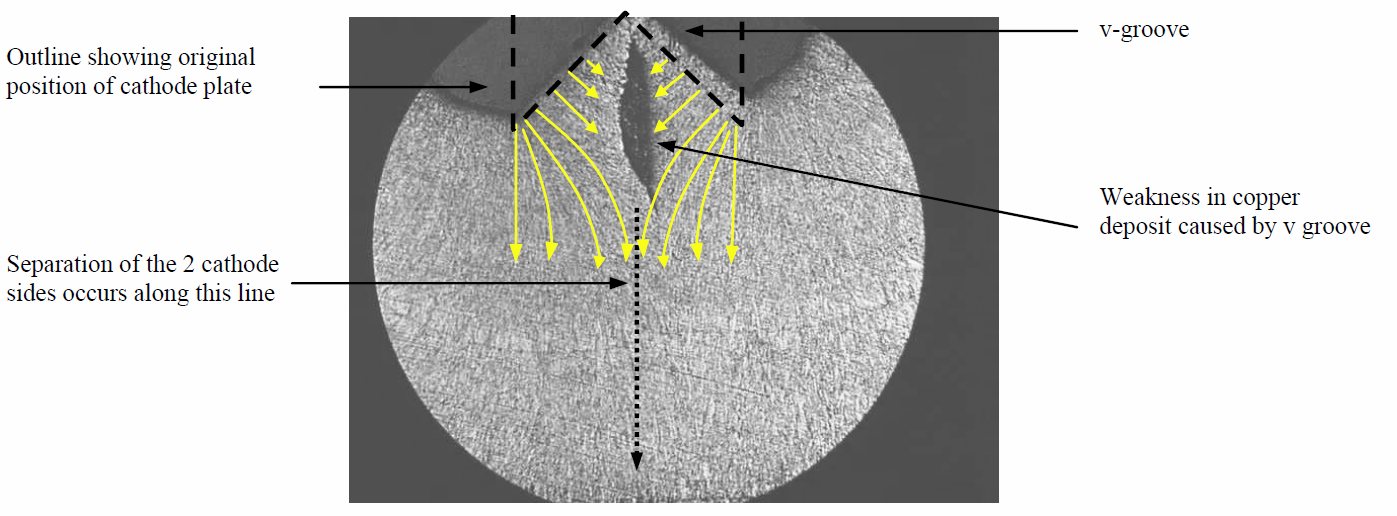
Congolese oxide ore to finished cathode, without a smelter
When the ore is oxide, acid will do what a smelter would otherwise have to.
Democratic Republic of the Congo → South Africa → China
5 fasi 3 paesi 1,000 tonnes → 25 tonnes
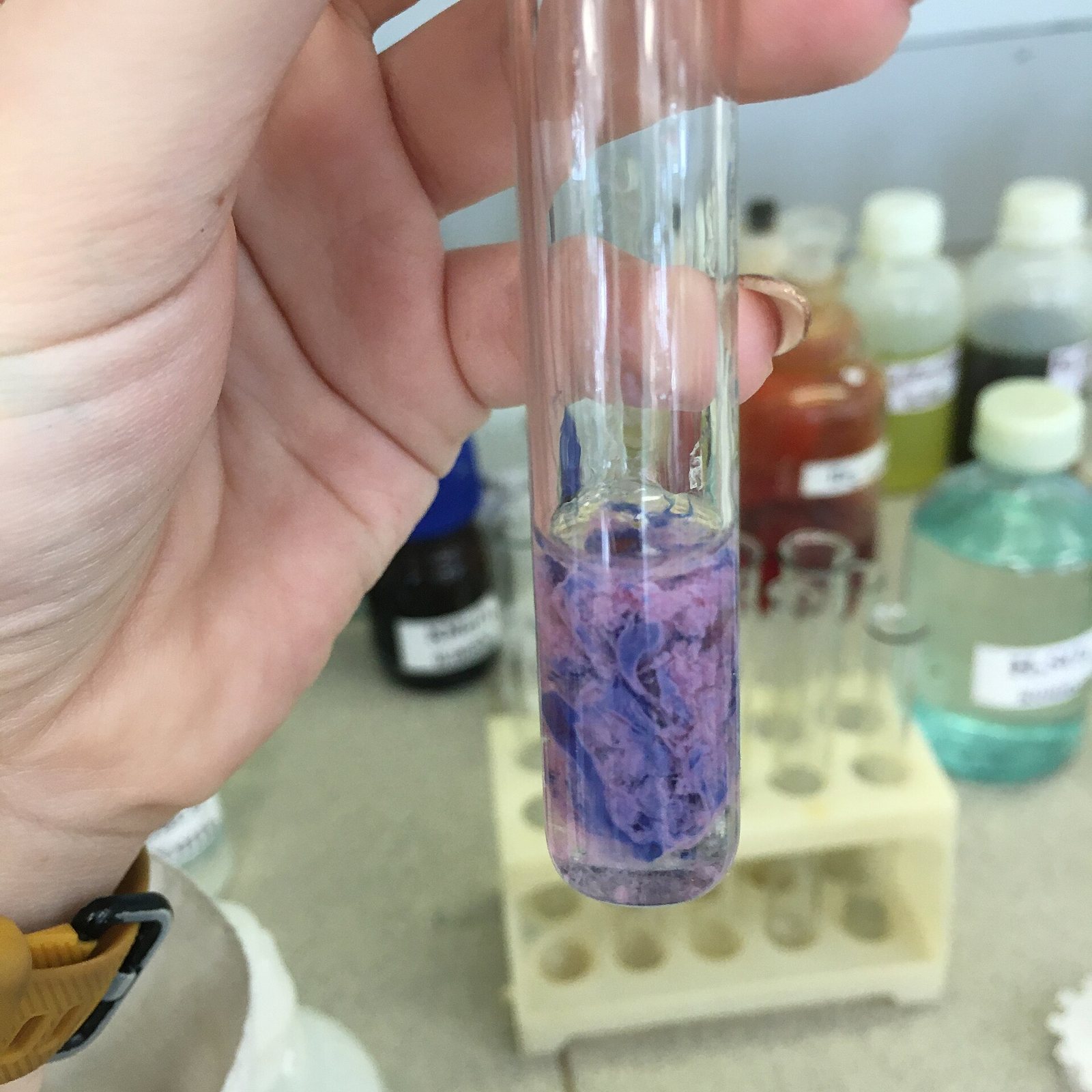
Congolese cobalt to a battery cathode
A metal almost nobody mines on purpose, carried out of a landlocked country by truck.
Democratic Republic of the Congo → Tanzania → China → South Korea → Germany
6 fasi 5 paesi 1,000 tonnes → 4 tonnes
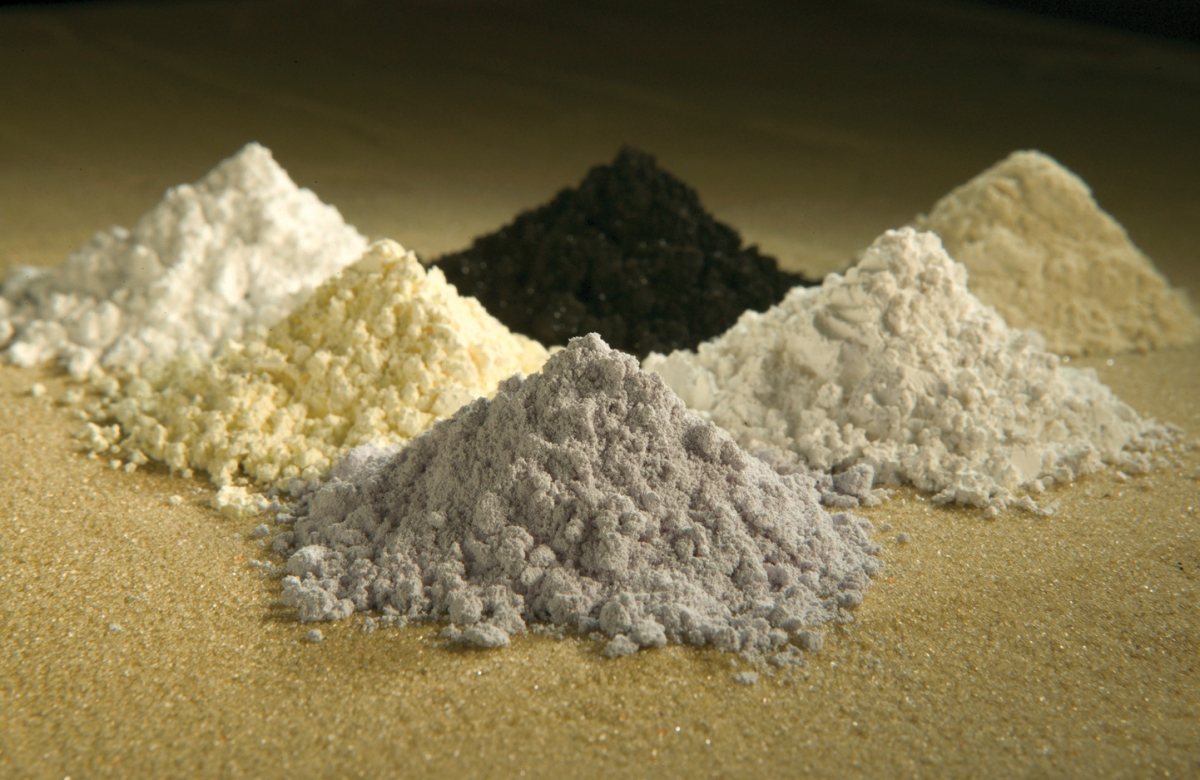
Australian rare earths to a magnet in a motor
Mined in Australia, cracked in Malaysia, magnetised in China, and fitted in Germany.
Australia → Malaysia → China → Germany
8 fasi 4 paesi 1,000 tonnes → 2 tonnes
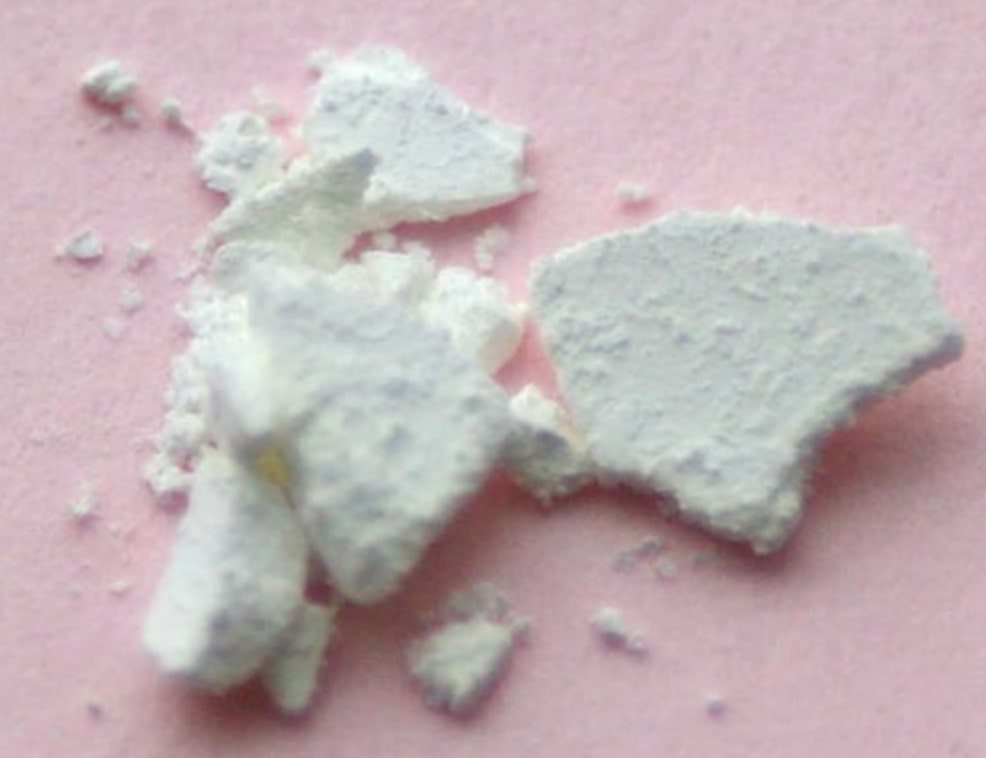
Southern Chinese clay to the dysprosium that lets a magnet run hot
Grades under a tenth of a percent, and almost the only heavy rare earths on the market.
China → Germany
5 fasi 2 paesi 1,000 tonnes → 15 kg
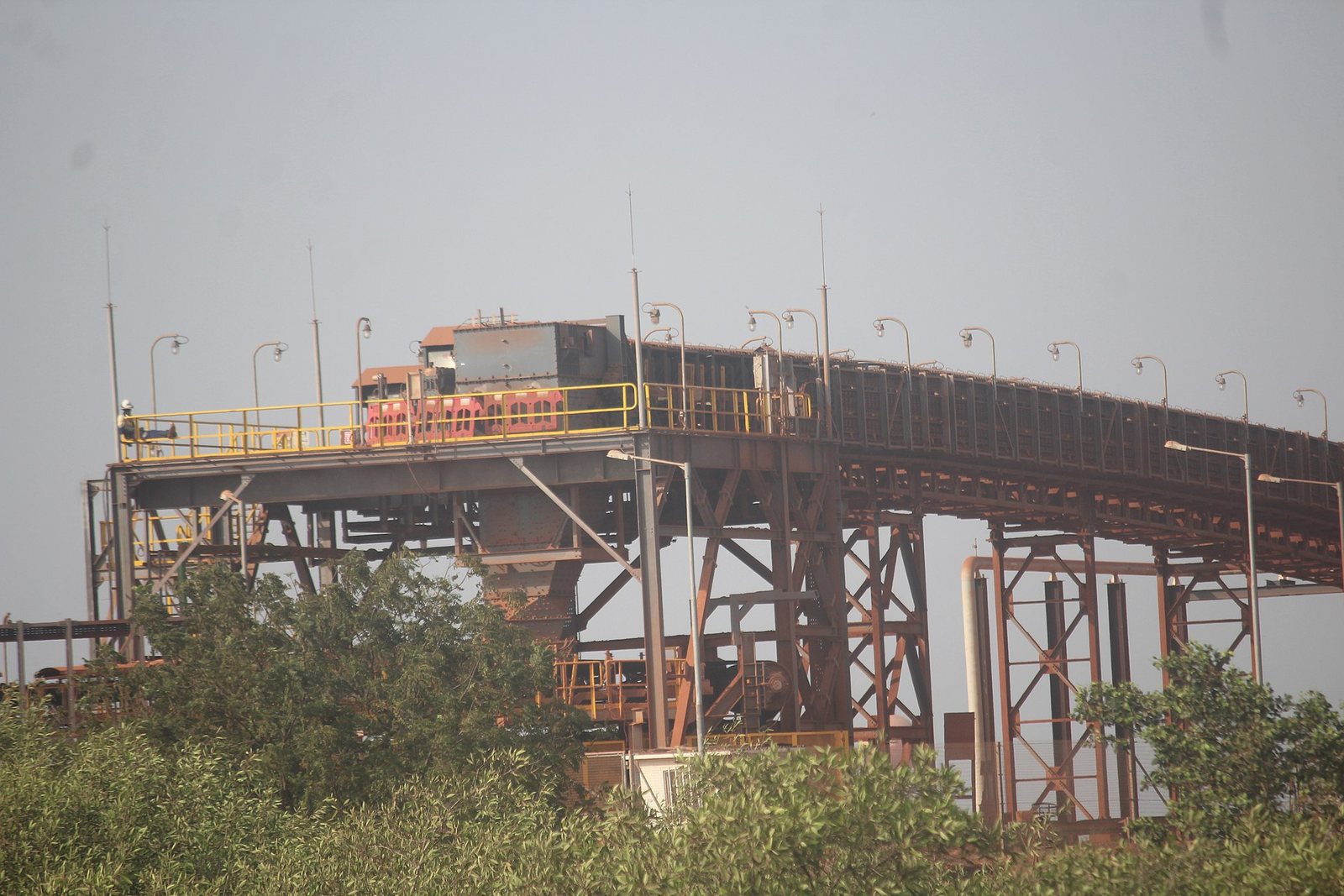
Guinean bauxite to an aluminium window frame
Four tonnes of tropical soil, two tonnes of white powder, one tonne of metal — and the metal is made wherever the power is cheapest.
Guinea → China → United Arab Emirates → Germany
5 fasi 4 paesi 1,000 tonnes → 250 tonnes
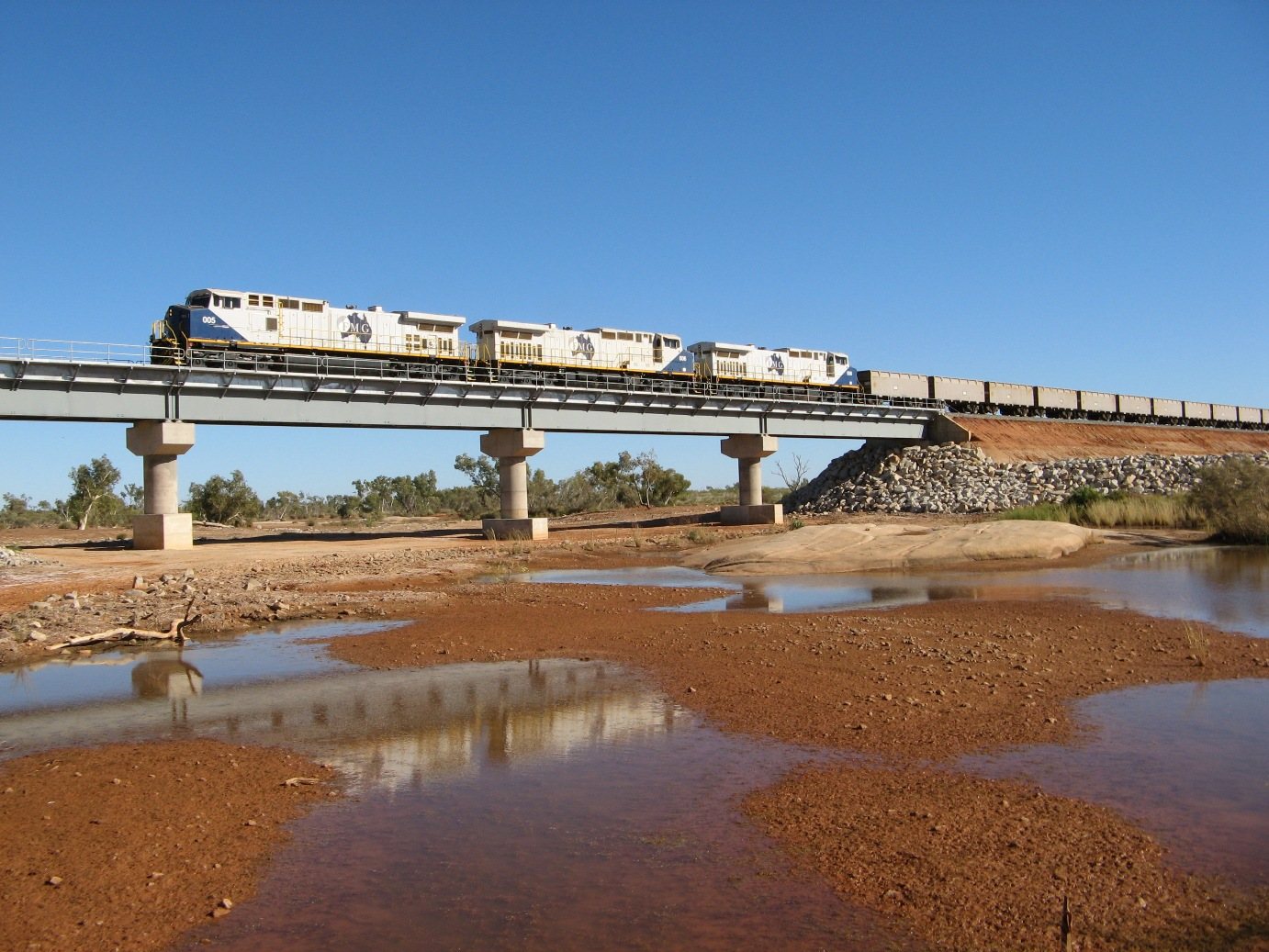
Pilbara iron ore to Chinese steel
The largest material flow on Earth: dig it, crush it, screen it, and put it on a boat.
Australia → China
6 fasi 2 paesi 1,000 tonnes → 620 tonnes
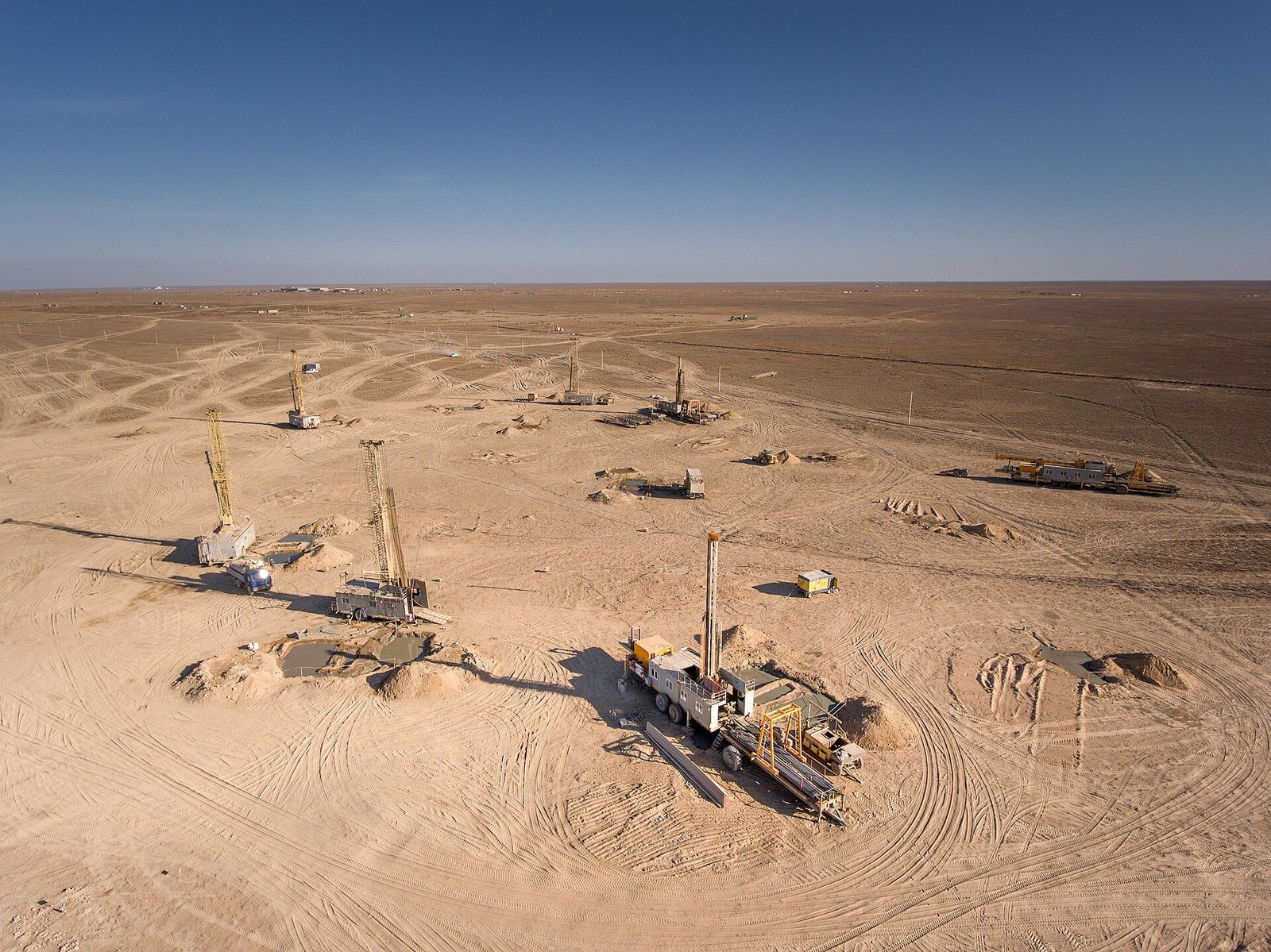
Kazakh uranium to a fuel assembly in a reactor
The most tightly watched journey covered here: every kilogram is accounted for, at every border.
Kazakhstan → Canada → France
6 fasi 3 paesi 200 tonnes → 25 tonnes
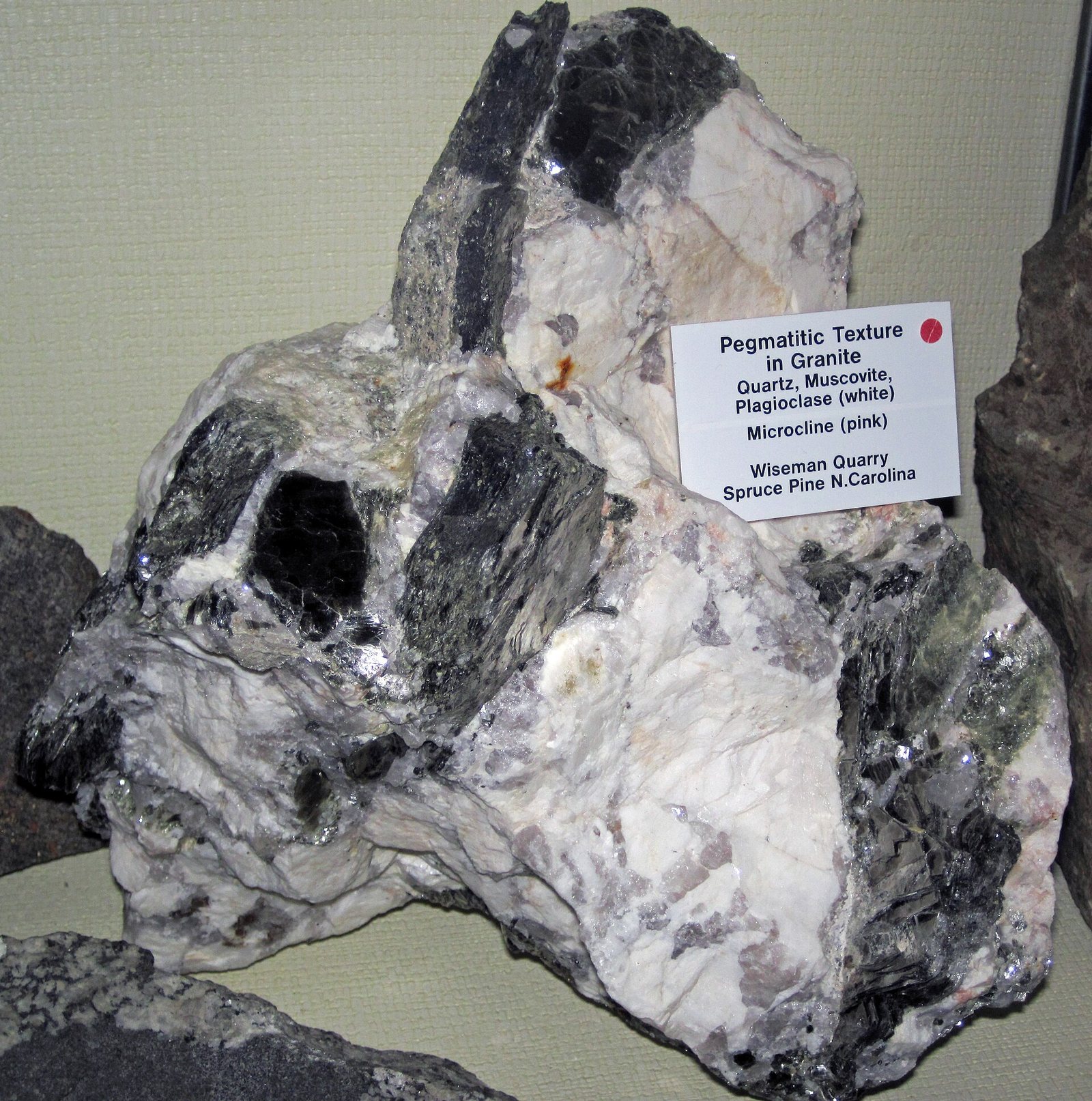
A quarry in North Carolina to the chip in your phone
The most valuable sand on Earth, and almost all of it comes from one small district.
United States → Germany → China → Japan → Taiwan → Vietnam
6 fasi 6 paesi 1,000 kg → 8,000 wafers
Leggili in coppia
Entrambe queste rotte trasportano la stessa commodity. Ciò che le differenzia è la natura fisica del materiale.
Saudi Arab Light to petrol, almost anywhere
The same product from a much harder barrel
Venezuelan extra-heavy crude to diesel, asphalt and…
If this had been light sweet crude instead
Chilean brine to a battery in a car
The same element out of hard rock instead
Australian spodumene to a battery, the fast way
The same element out of brine instead
Indonesian laterite to a battery cathode
The other layer of the same rock
Chilean sulfide concentrate to Chinese cathode to a…
Oxide ore, finished at the mine instead
La forma generale, senza i confini
Filiere produttive →Se si vogliono le fasi senza un paese specifico associato a ciascuna, le pagine della filiera presentano gli stessi materiali in forma astratta.